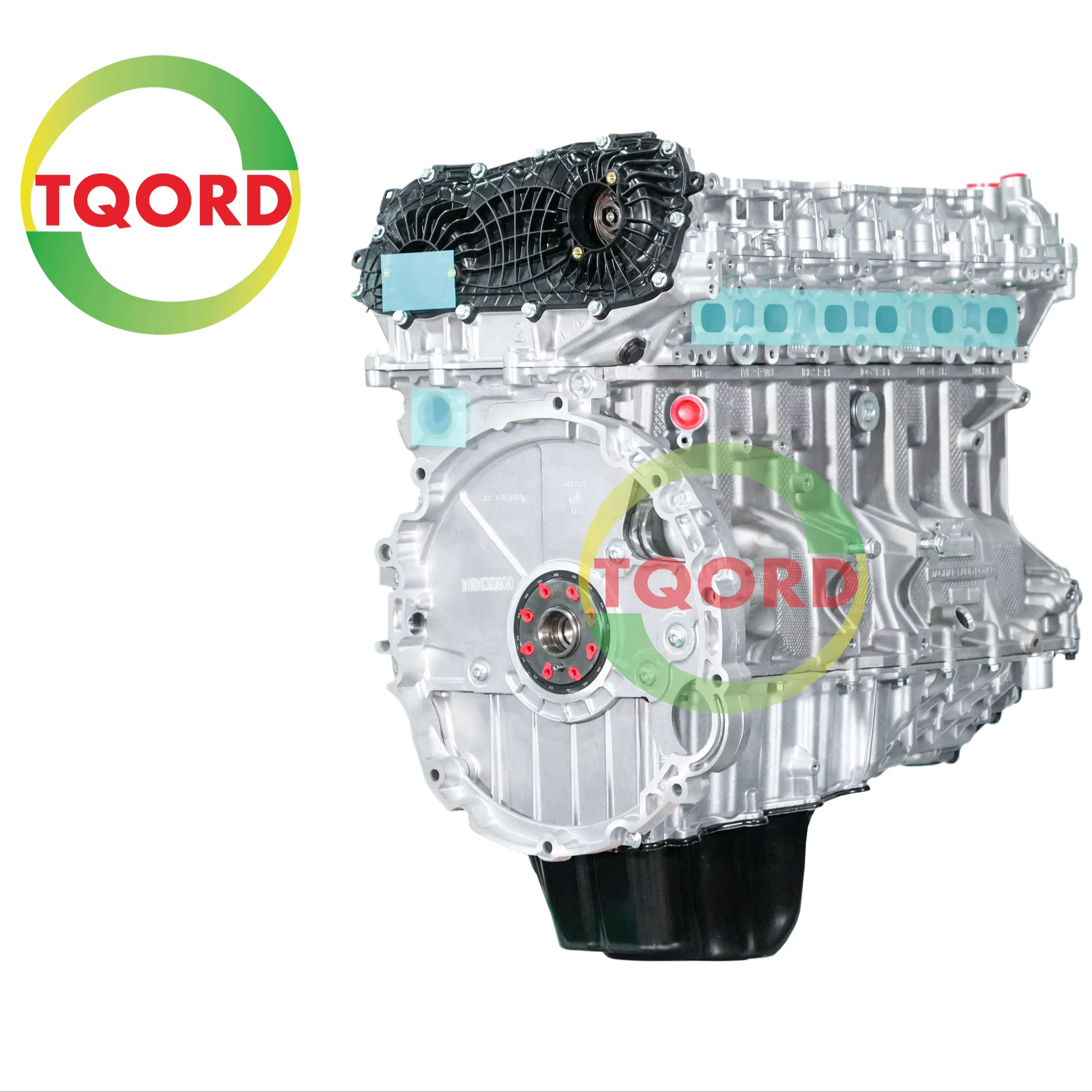
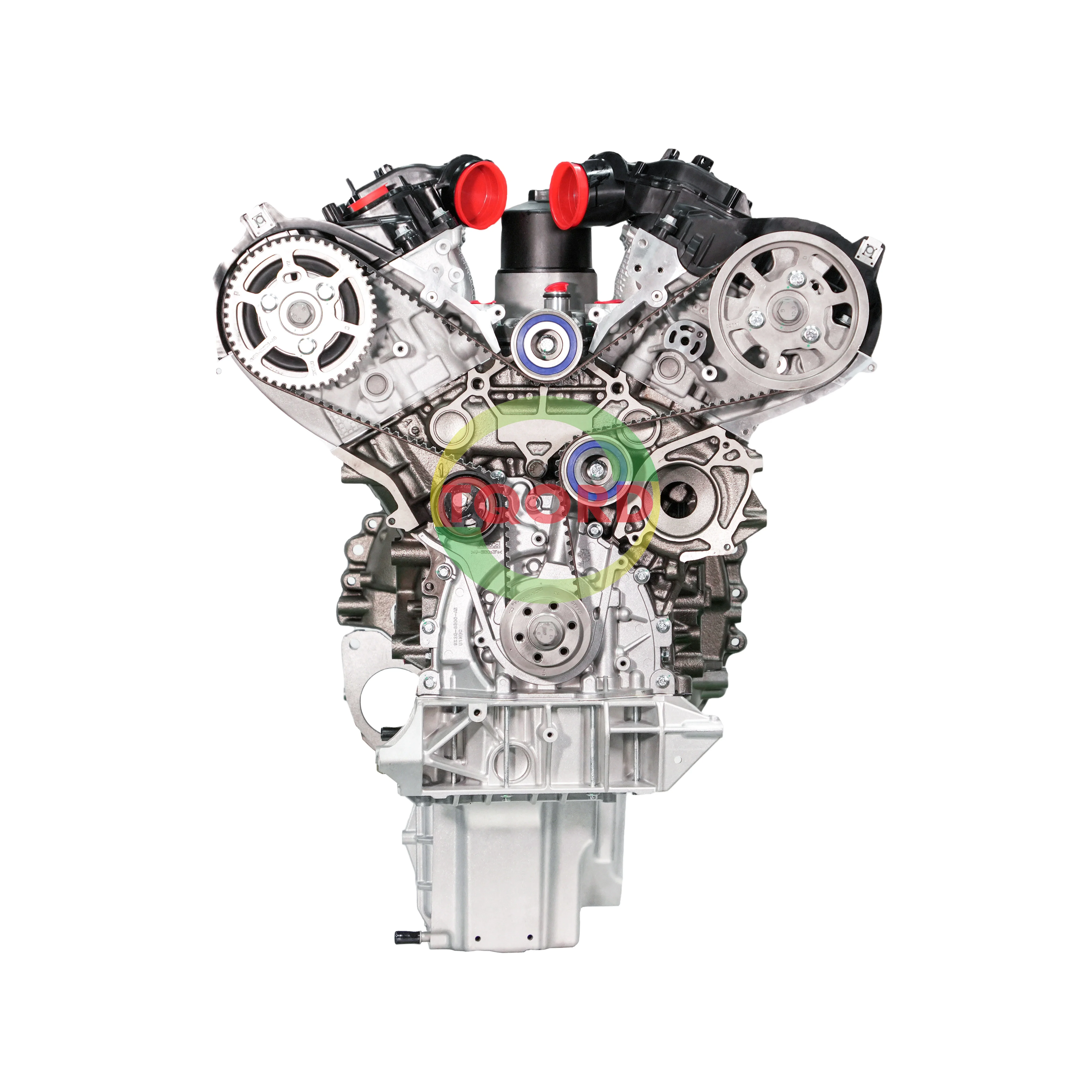
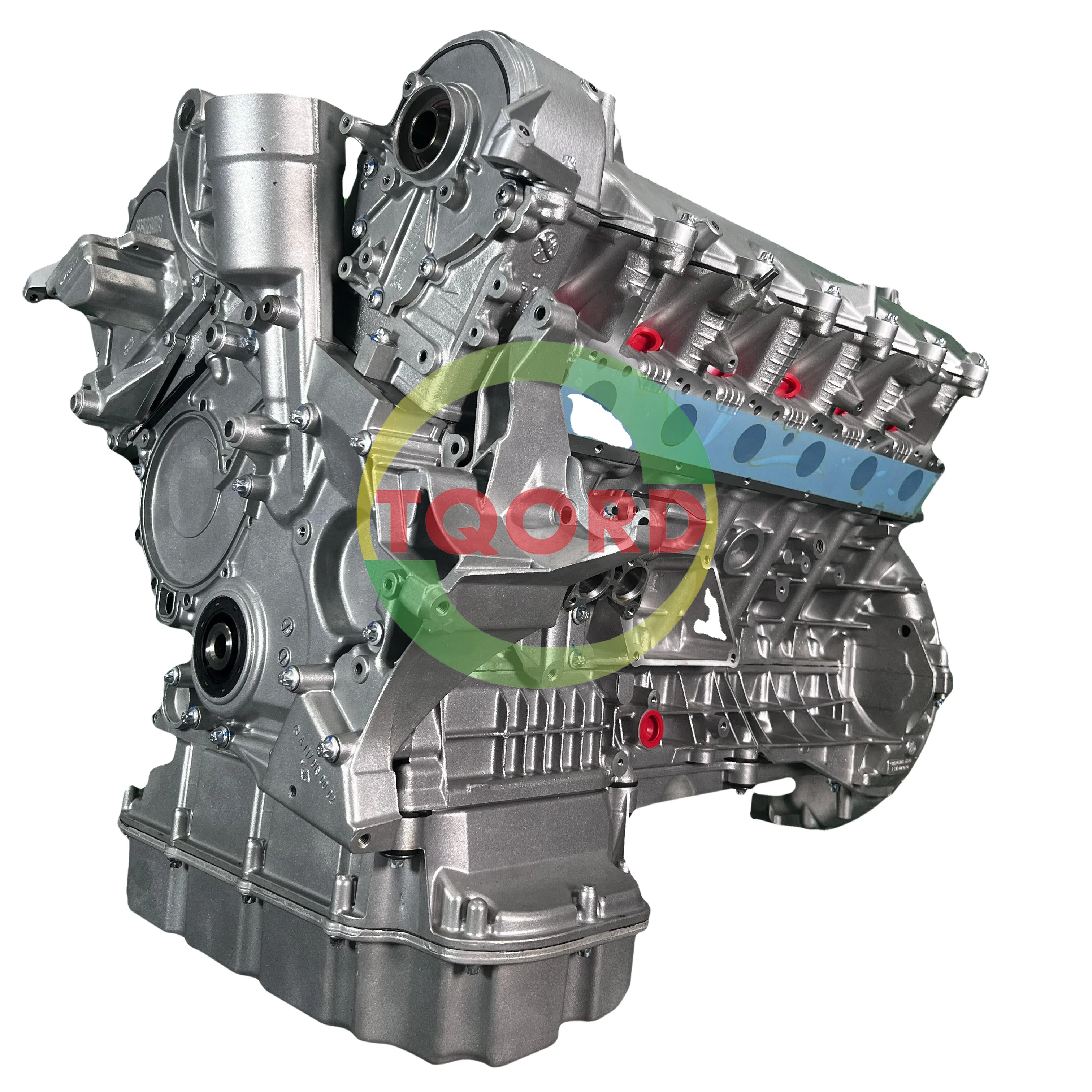
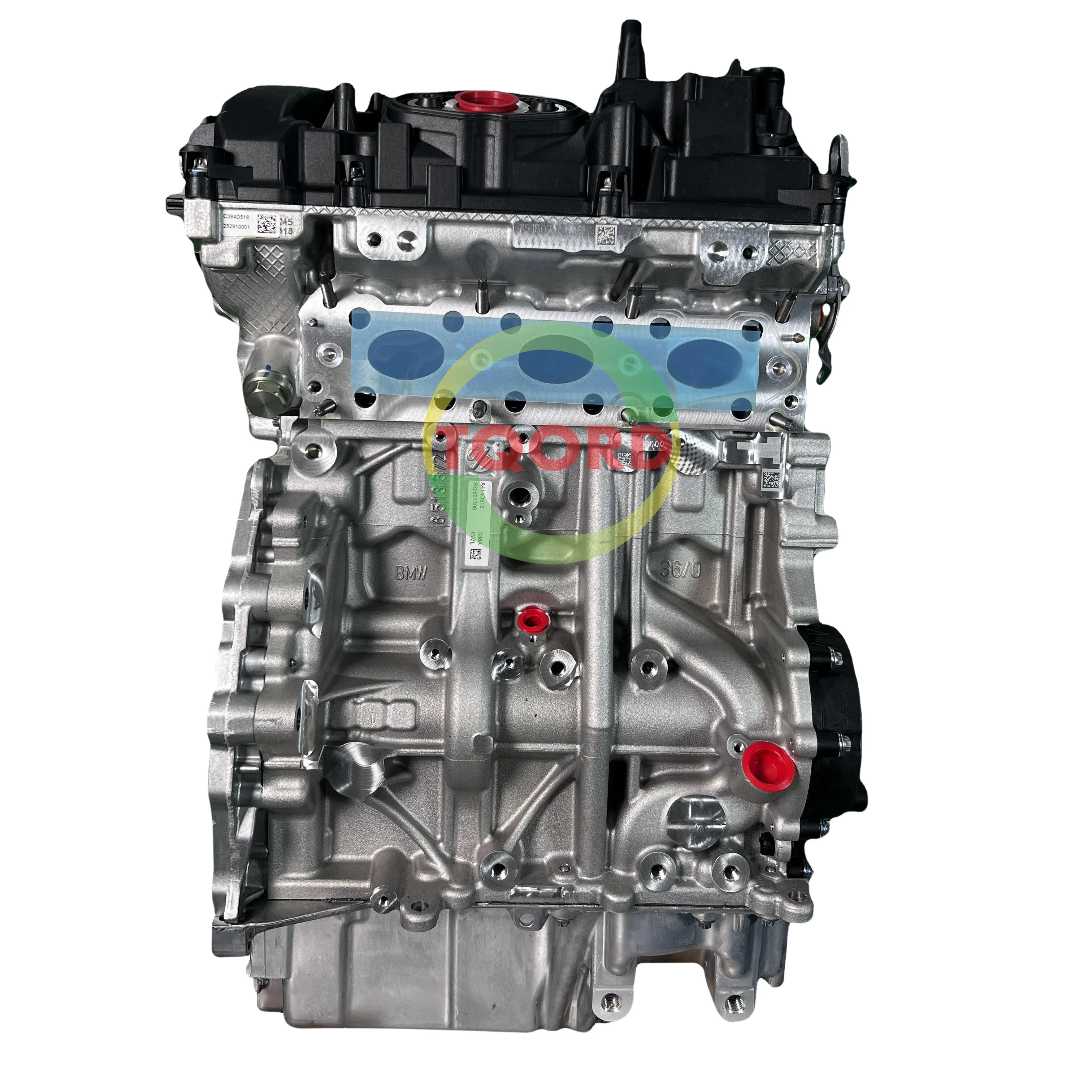
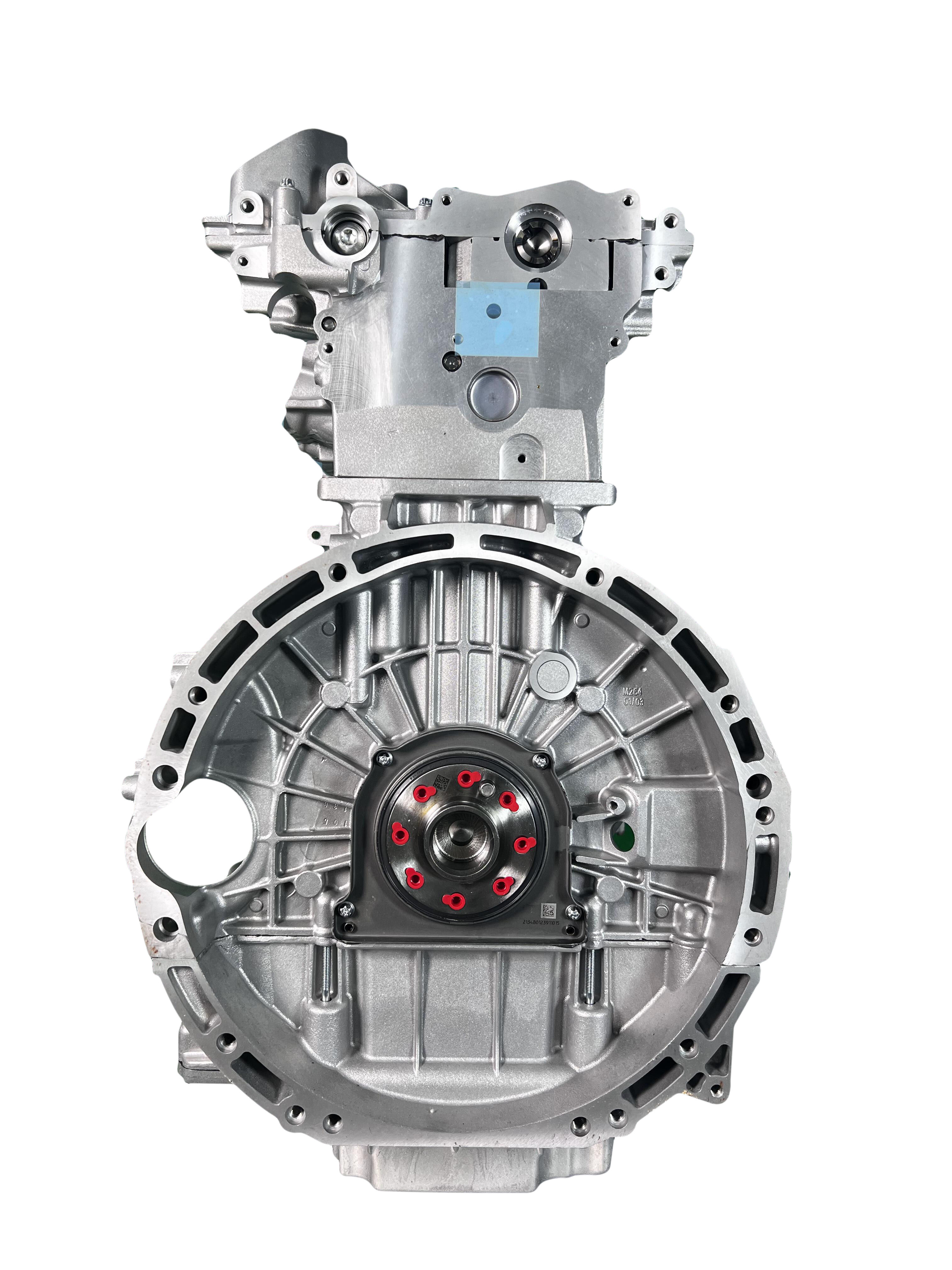
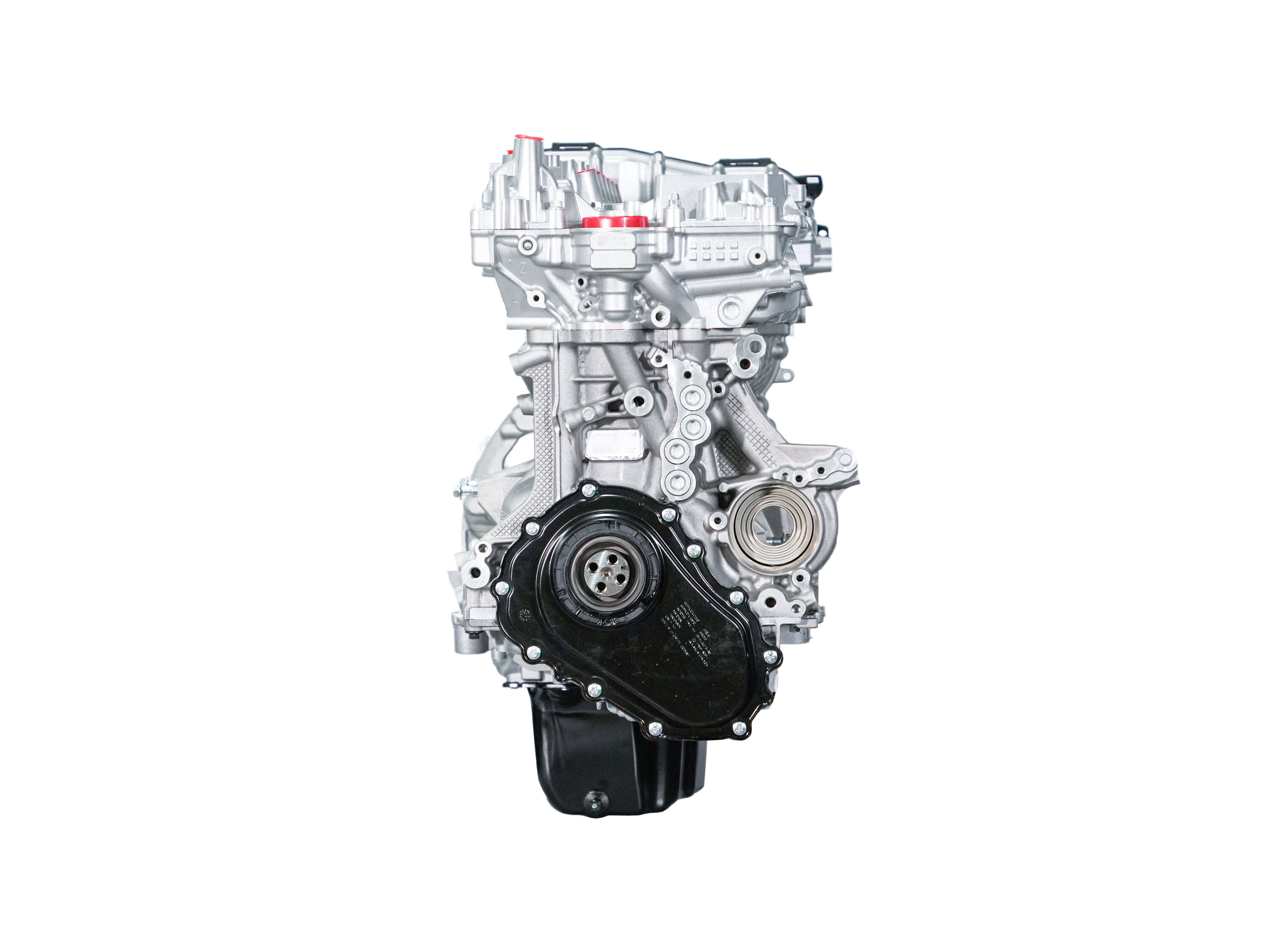
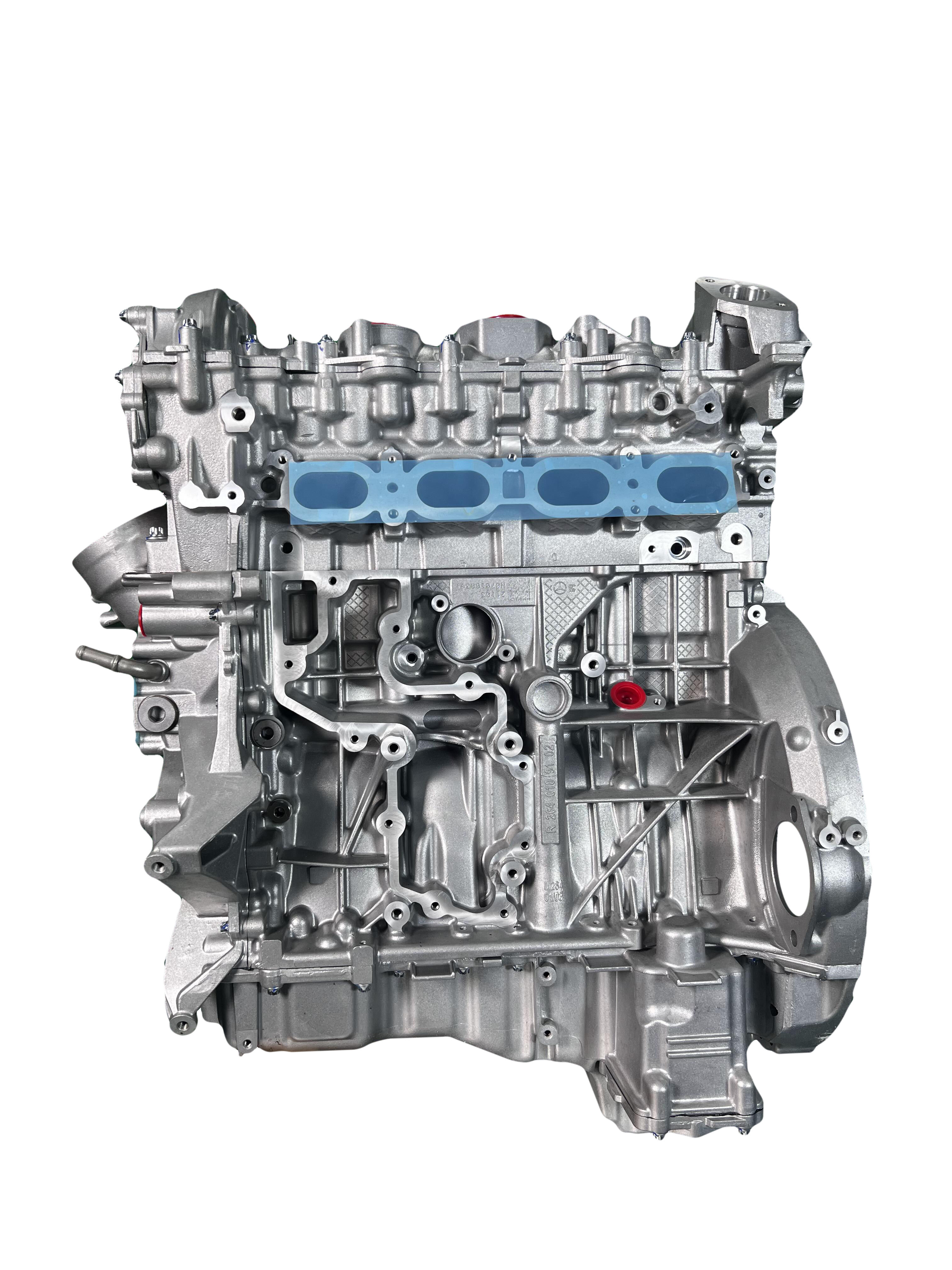
remanufacturing process of gas engine components
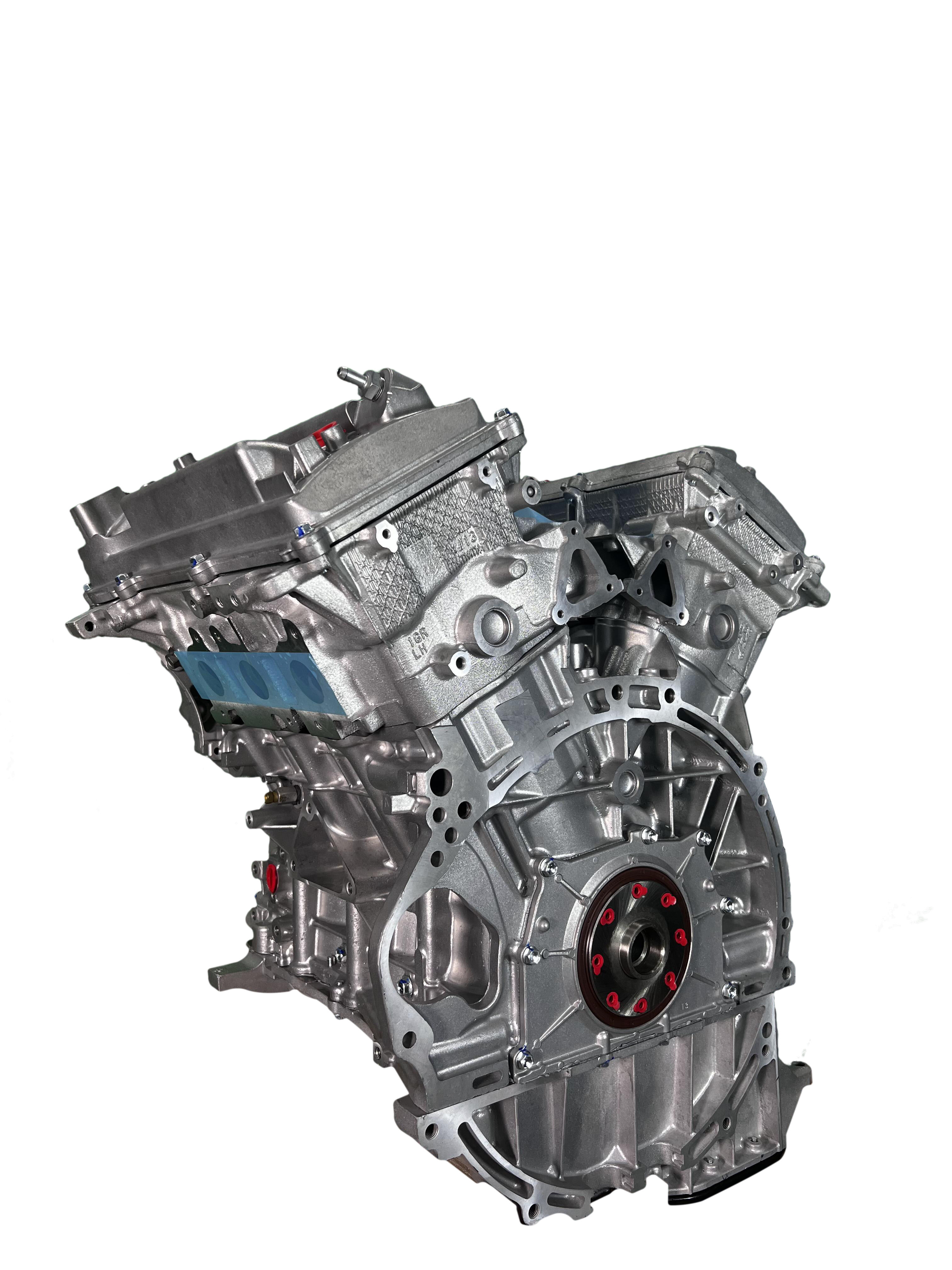
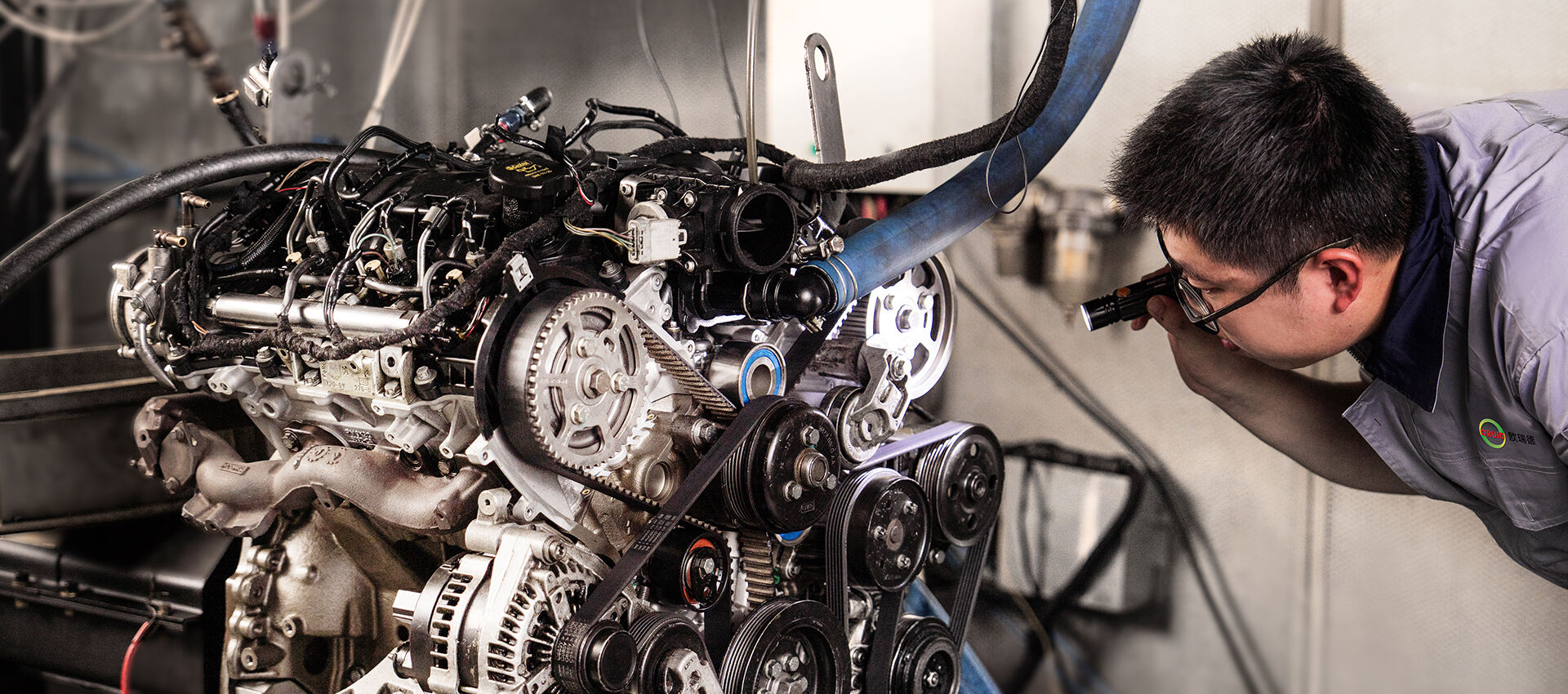
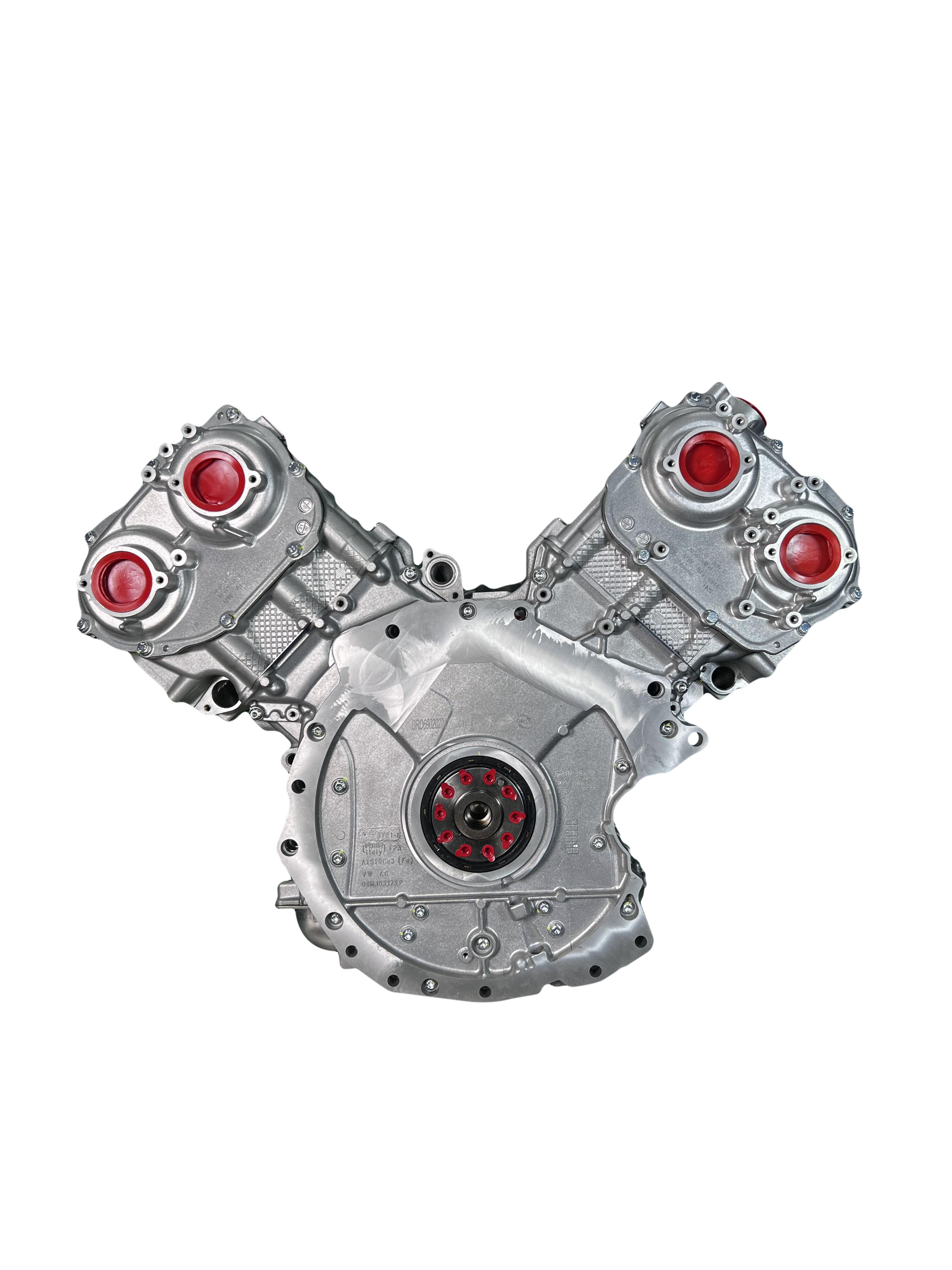
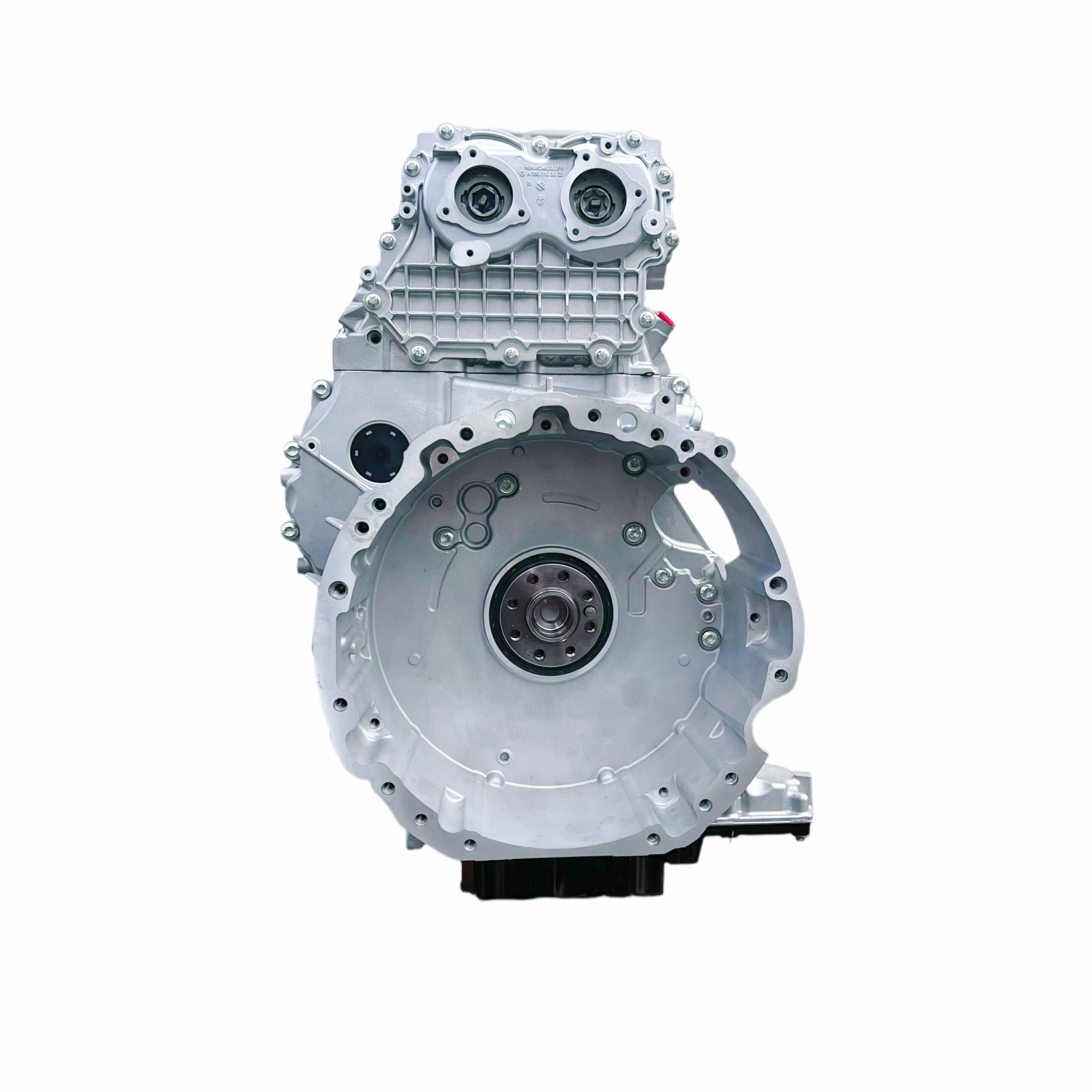
The remanufacturing process of gas engine components represents a sophisticated industrial approach that restores used engine parts to like-new condition through comprehensive disassembly, cleaning, inspection, machining, and reassembly procedures. This systematic restoration method targets critical components such as cylinder heads, pistons, crankshafts, connecting rods, and turbochargers, extending their operational lifespan while maintaining original equipment manufacturer specifications. The main functions of this process include dimensional restoration through precision machining, surface treatment to eliminate wear patterns, replacement of consumable elements, and rigorous quality testing to ensure performance standards. Technological features encompass advanced diagnostic equipment for detecting micro-cracks, computer-controlled machining centers for achieving tight tolerances, specialized coating technologies for enhanced durability, and comprehensive testing protocols that validate component integrity. The remanufacturing process of gas engine components finds extensive applications across power generation facilities, marine propulsion systems, industrial cogeneration plants, and natural gas compression stations. Industries relying on stationary and mobile gas engines benefit significantly from this approach, as it provides a cost-effective alternative to purchasing new components while supporting sustainability initiatives through resource conservation. The process adheres to strict quality standards, often meeting or exceeding original specifications, making remanufactured components a reliable choice for operators seeking to optimize maintenance budgets without compromising equipment reliability or performance expectations in demanding operational environments.
 EN
EN