
 EN
EN



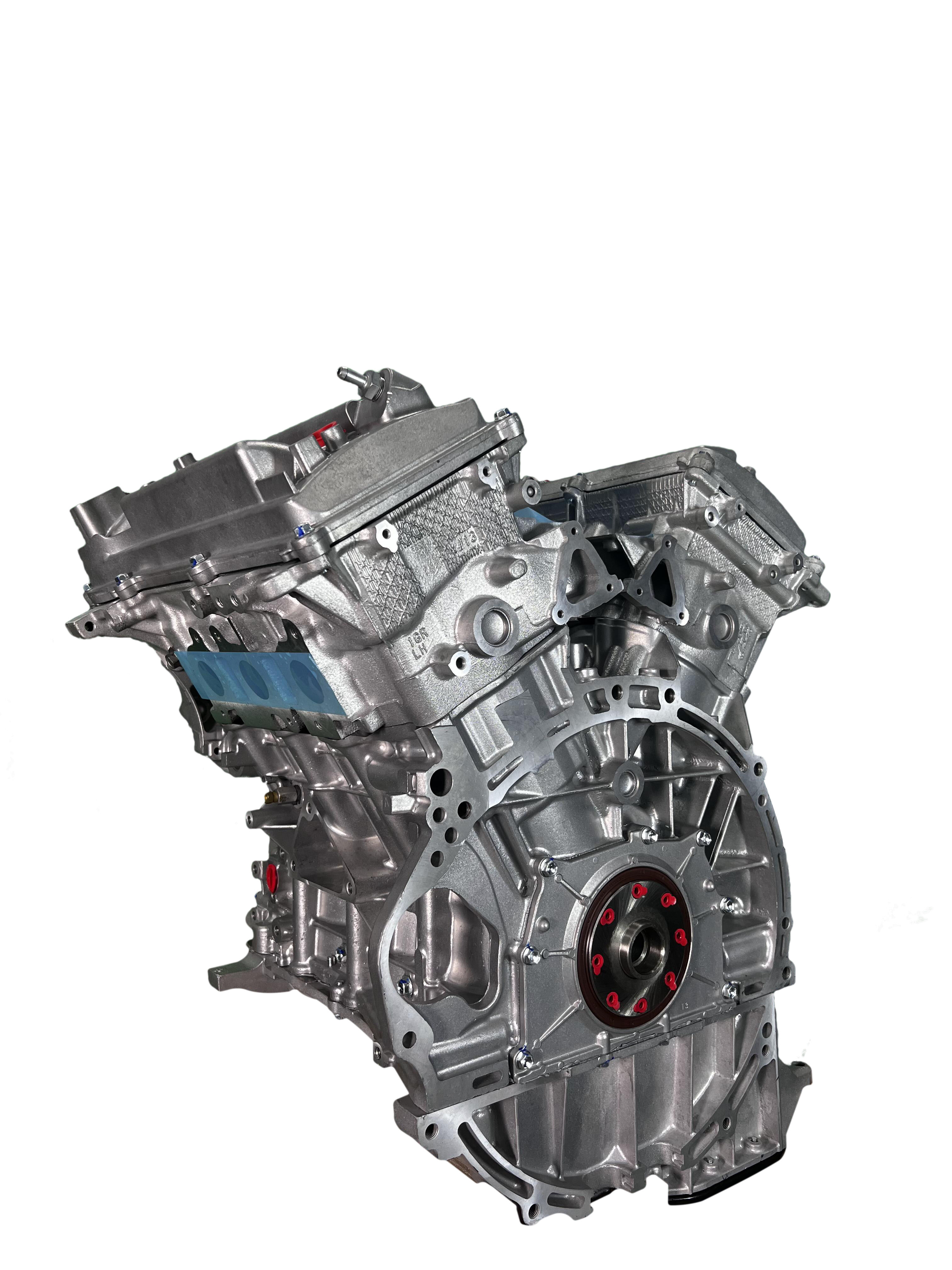
Why Choose Remanufactured Engine Parts for Toyota?
Opting for remanufactured engine parts for Toyota vehicles delivers substantial cost savings—typically 30–50% less than new OEM components—while maintaining rigorous quality standards. These parts undergo comprehensive disassembly, cleaning, and rebuilding, with critical components like pistons, bearings, and valve train elements replaced or re-machined to meet or exceed original equipment manufacturer (OEM) specifications. Validation includes computer-aided testing and dynamometer verification. Beyond financial benefits, remanufacturing supports environmental sustainability by reducing industrial waste and conserving raw materials. For Toyota owners, this translates to reliable performance matching new parts, extended service life, and warranty-backed assurance—all without compromising factory-level integrity.
Pre-Installation Preparation: Tools, Verification, and Safety
Proper groundwork reduces installation errors by 45%, according to automotive engineering studies. Dedicate a clean, well-ventilated workspace with adequate lighting. Critical tools include:
- Toyota-specific torque wrenches
- Engine hoist or stand
- Complete gasket and seal kit
- Non-marring pry tools
- Manufacturer-grade threadlocker
Workspace Setup and Critical Safety Protocols
Always disconnect the battery and relieve fuel pressure before disassembly. Wear ANSI-approved safety glasses and chemical-resistant gloves. Position fire extinguishers within reach and ensure trip-free flooring. Never work alone when handling heavy remanufactured components. Use certified jack stands rated for 150% of engine weight—improper support causes 30% of shop accidents (ASE, 2023).
Verifying Part Compatibility and Reviewing Toyota-Specific Service Manuals
Cross-reference the remanufactured part number against your Toyota’s VIN and engine code using Toyota’s official parts portal. Inspect for shipping damage—reject components with cracked housings or compromised seals. Consult Toyota’s Technical Information System (TIS) for torque sequences, timing diagrams, and compatibility notes. Mismatched parts account for 62% of premature failures (SAE, 2022). Confirm critical measurements—including bore diameter, journal tolerances, and deck flatness—match factory specifications before proceeding.
Step-by-Step Installation of Remanufactured Engine Parts
Surface Preparation, Gasket Selection, and Seal Integrity Checks
Begin by meticulously cleaning all mating surfaces with a plastic scraper and solvent to remove old gasket residue—scratched or uneven surfaces cause 73% of premature seal failures. Select Toyota-specific gaskets: multi-layer steel (MLS) for aluminum cylinder heads to accommodate thermal expansion; composite gaskets only where specified. Inspect seal lips for micro-tears using a magnifying glass, and lubricate with assembly oil before installation. Verify block deck flatness within 0.003 inches and check piston ring end gaps per Toyota service specifications.
Correct Orientation, Labeling, and Precision Torque Application
Confirm rotational alignment of timing components using factory timing marks—misaligned camshafts account for 68% of valvetrain failures in remanufactured installations. Label all electrical connectors and vacuum lines during disassembly with heat-resistant tags to prevent misconnection. Apply torque in three progressive stages using a calibrated wrench: first to 30%, then 60%, and finally 100% of specification—following the prescribed star pattern. Critical fasteners like cylinder head bolts require angle-torqueing after initial tightening; consult TIS for exact sequences. Always replace stretch bolts and apply thread locker to non-critical fasteners exposed to vibration.
Post-Installation Validation and Break-In Best Practices
After installing remanufactured engine parts in your Toyota, systematic validation and proper break-in procedures are critical for longevity. These steps ensure components seat correctly while identifying installation issues early.
Fluids, Priming, and Controlled Start-Up Sequence
Verify all fluid levels—oil, coolant, and transmission—before ignition. Prime the oil system by cranking the engine without starting to circulate lubricant through critical components. Initiate a controlled start-up: idle for 3–5 minutes while monitoring oil pressure and coolant temperature gauges. This gradual process prevents dry starts, allowing bearings and rings to acclimate without undue stress.
Monitoring Leaks, Abnormal Noises, and Performance Metrics in First 50 Miles
During the initial 50 miles, drive conservatively—avoid sustained high RPMs and hard acceleration. Conduct frequent visual checks for fluid leaks under the vehicle. Listen for irregular sounds like knocking, ticking, or hissing, and track performance through:
- Oil pressure and coolant temperature stability
- Unusual exhaust emissions
- Fuel efficiency deviations
Addressing anomalies within this window prevents 80% of premature failures, according to industry maintenance data. Complete a post-break-in inspection at 50 miles to verify torque retention, inspect for leaks, and confirm fluid integrity.
Ready to Optimize Toyota Engine Repairs with Certified Remanufactured Parts?
Certified remanufactured engine parts are the cornerstone of profitable, low-downtime Toyota service operations—no repair can overcome poor-quality components or inconsistent installation practices. By standardizing Toyota-specific procedures and partnering with a trusted remanufacturer, you’ll reduce installation errors by 45%, cut warranty claims by 30%, and deliver consistent, factory-matching performance to your customers.
For ISO 9001-certified remanufactured Toyota engine parts tailored to B2B fleet, repair, and OEM needs, or to establish a custom bulk supply or white-label partnership (as offered by Oruide), work with a provider rooted in 15+ years of global automotive powertrain expertise. Oruide’s comprehensive catalog covers all popular Toyota engine models, with end-to-end technical support, global door-to-door shipping, and flexible net-30 payment terms for qualified business partners. Contact us today for a no-obligation bulk quote or free technical consultation to transform your Toyota engine parts procurement and installation processes.
FAQ
What are remanufactured engine parts?
Remanufactured engine parts are used components that undergo comprehensive cleaning, rebuilding, and testing to meet or exceed the original manufacturer's specifications.
Are remanufactured engine parts reliable for Toyota vehicles?
Yes, remanufactured parts are reliable as they are rebuilt to OEM standards, come with warranties, and undergo strict quality control testing.
Why should I consider remanufactured parts over new ones?
Remanufactured parts offer significant cost savings, are environmentally friendly, and provide performance equivalent to new parts.
What tools are essential for installing remanufactured engine parts?
Essential tools include Toyota-specific torque wrenches, an engine hoist or stand, a gasket and seal kit, non-marring pry tools, and manufacturer-grade threadlocker.
How do I ensure compatibility of the remanufactured part with my Toyota vehicle?
Cross-reference the part number with your Toyota’s VIN and engine code and consult Toyota's Technical Information System (TIS).