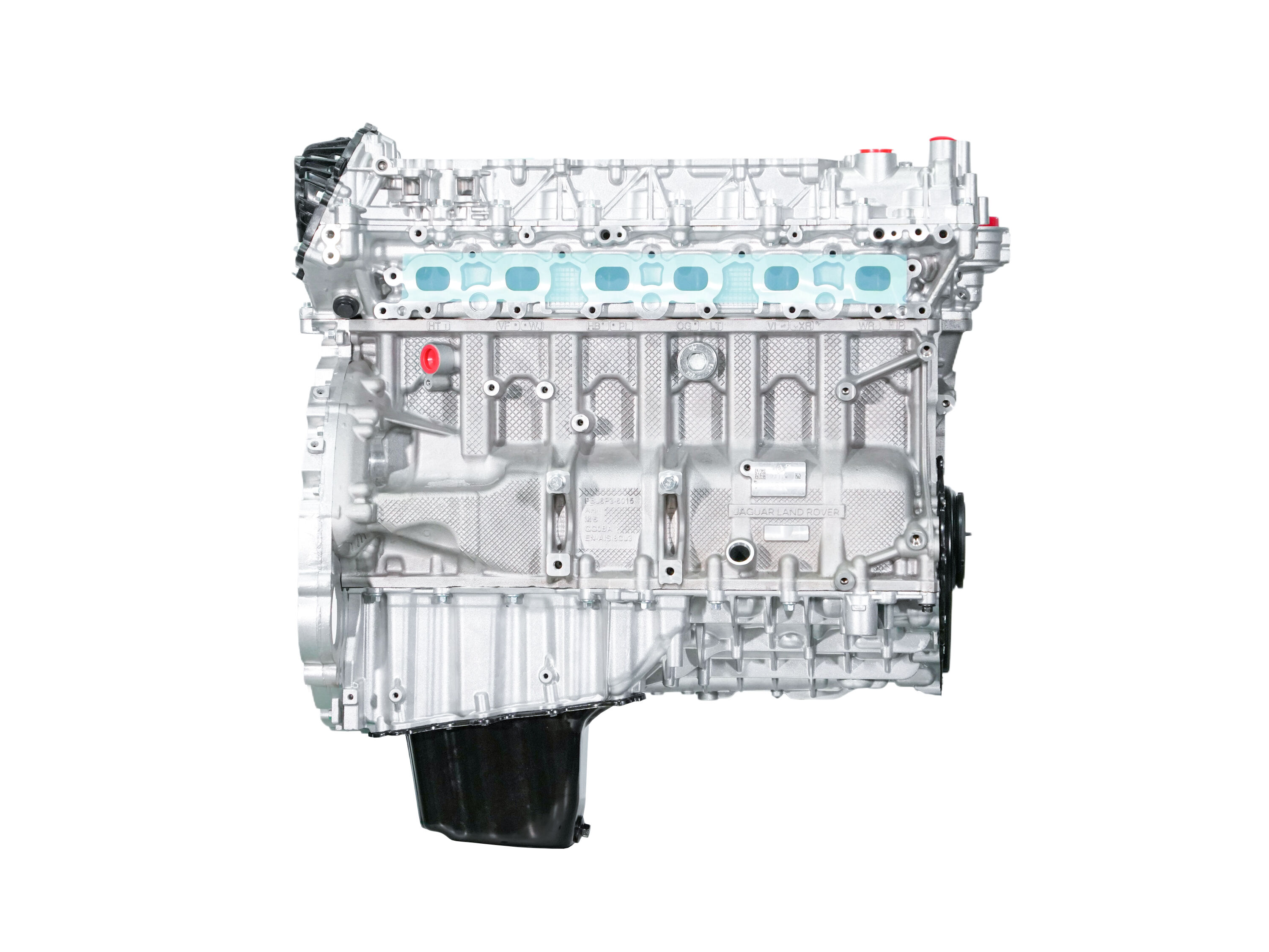
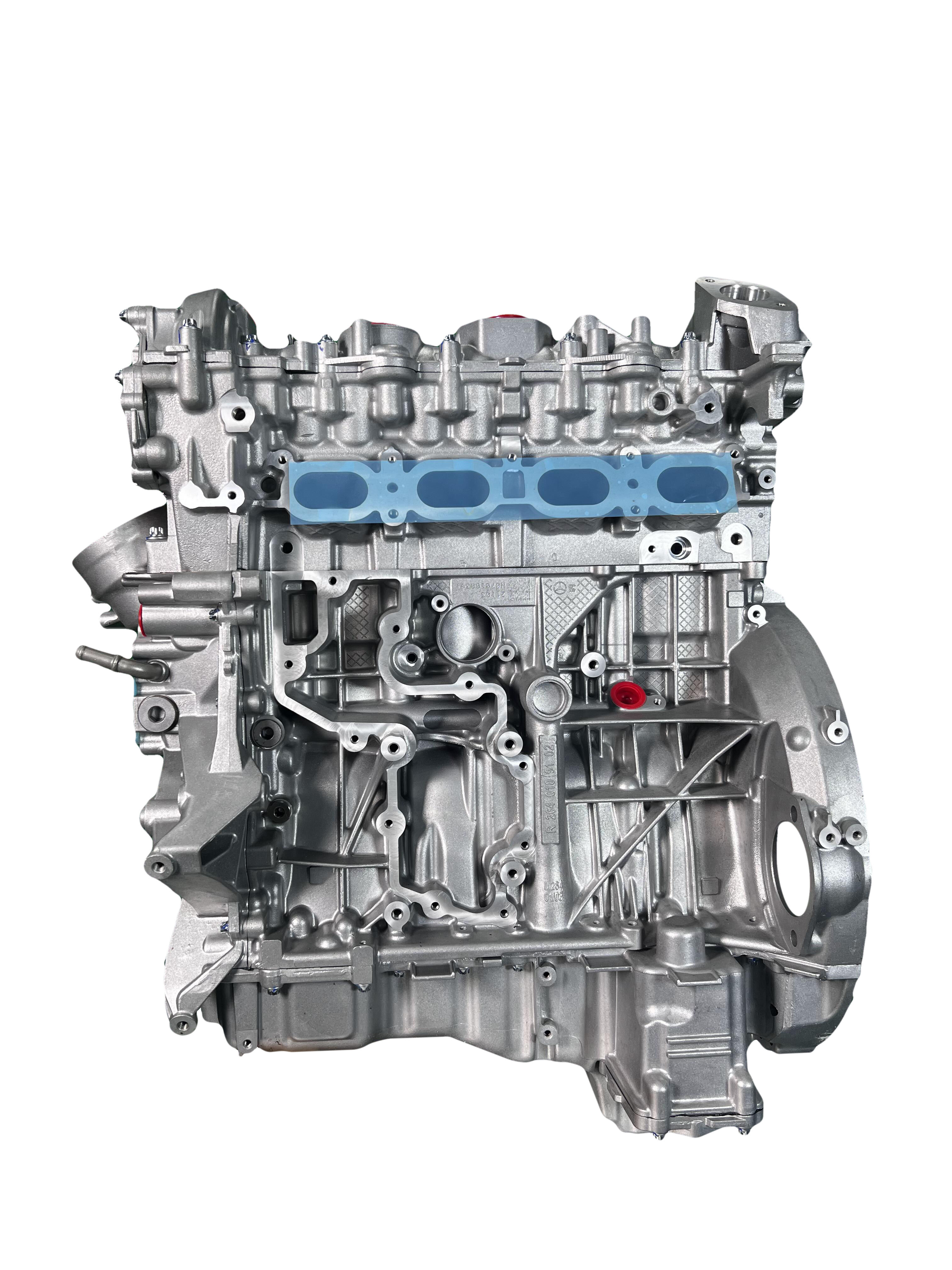
Diesel Remanufacturing Solutions | Engine Rebuild

Get a Free Quote

Our representative will contact you soon.
Email
Phone/WhatsApp/WeChat
Name
Company Name
Title
VIN Code
Message
0/1000

diesel remanufacturing

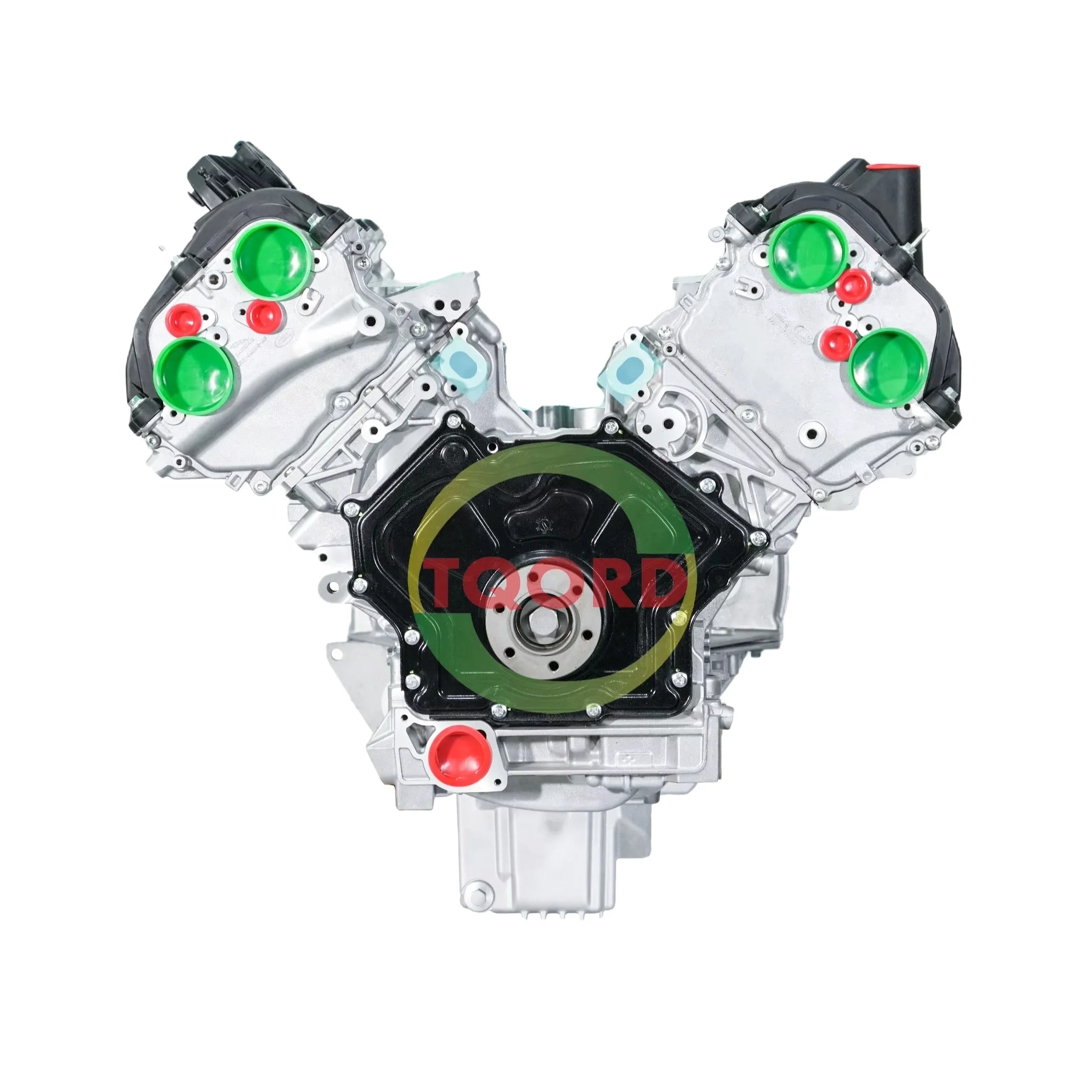
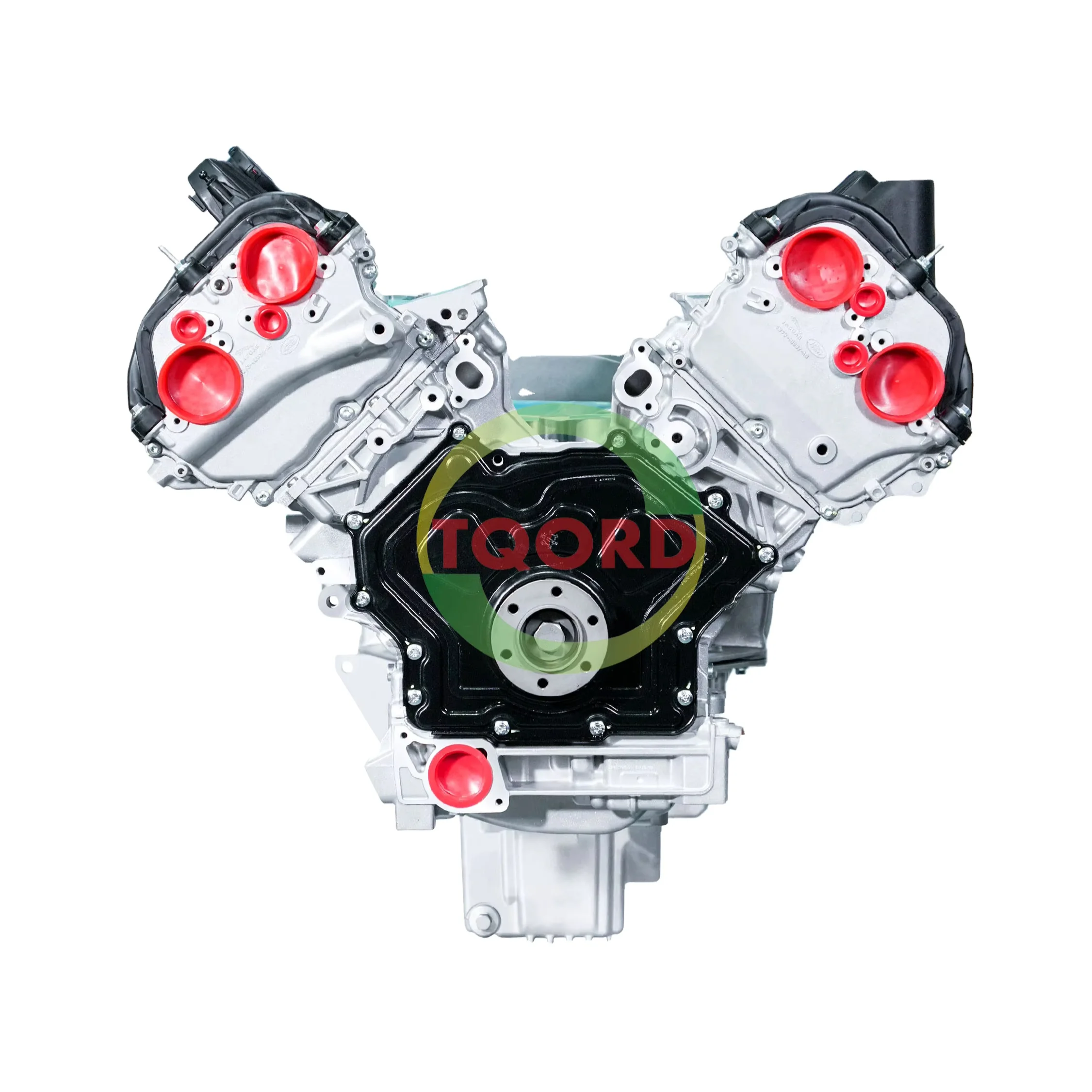
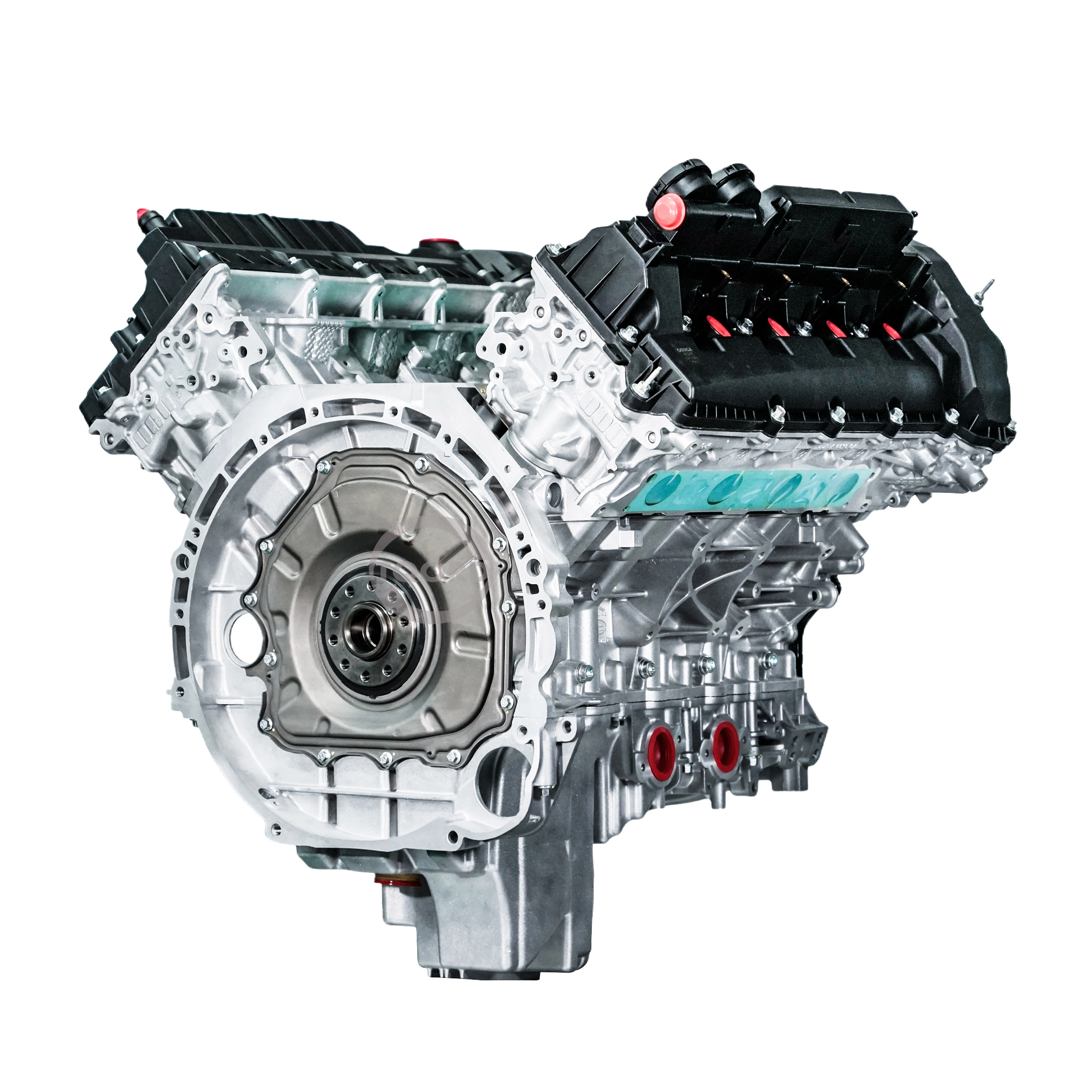
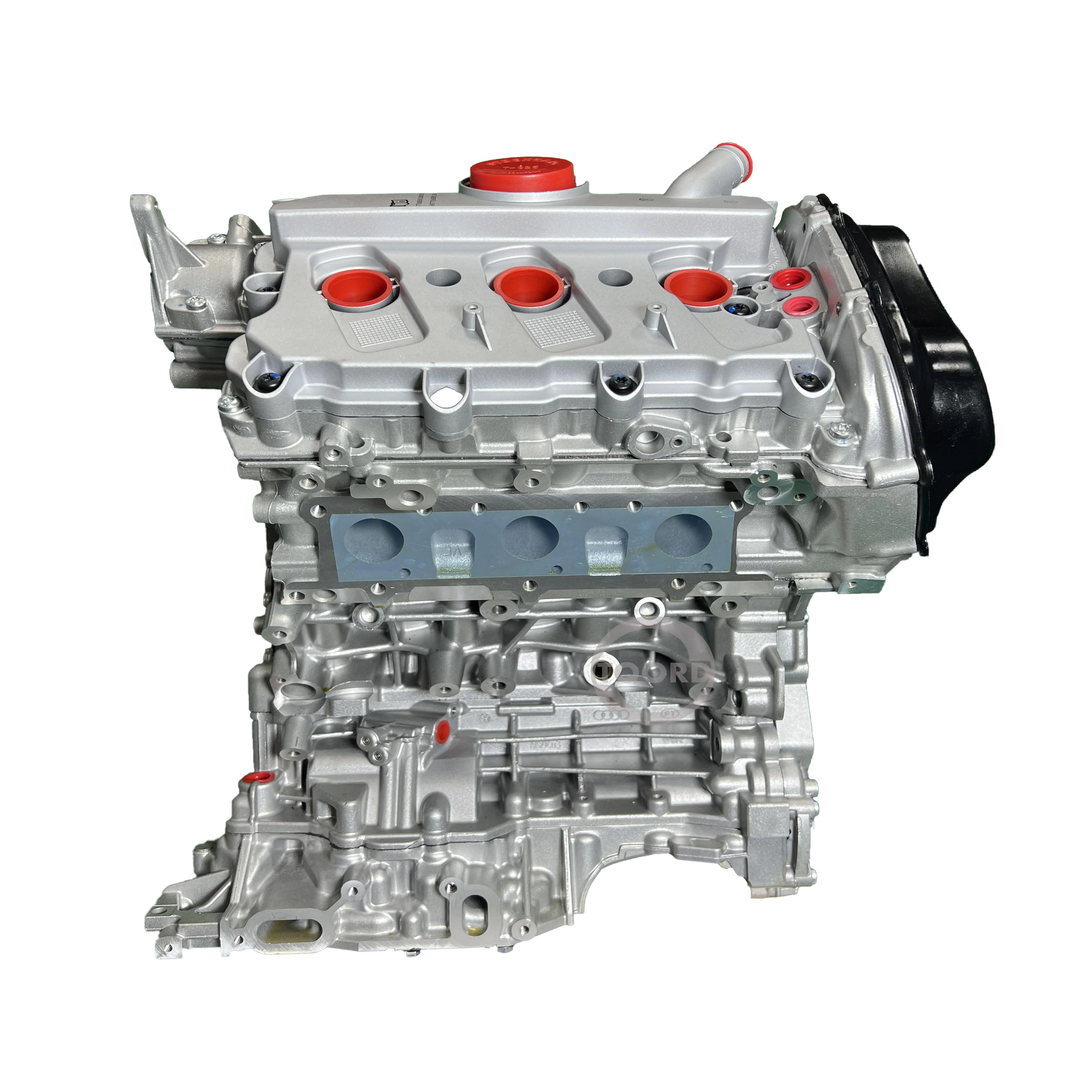
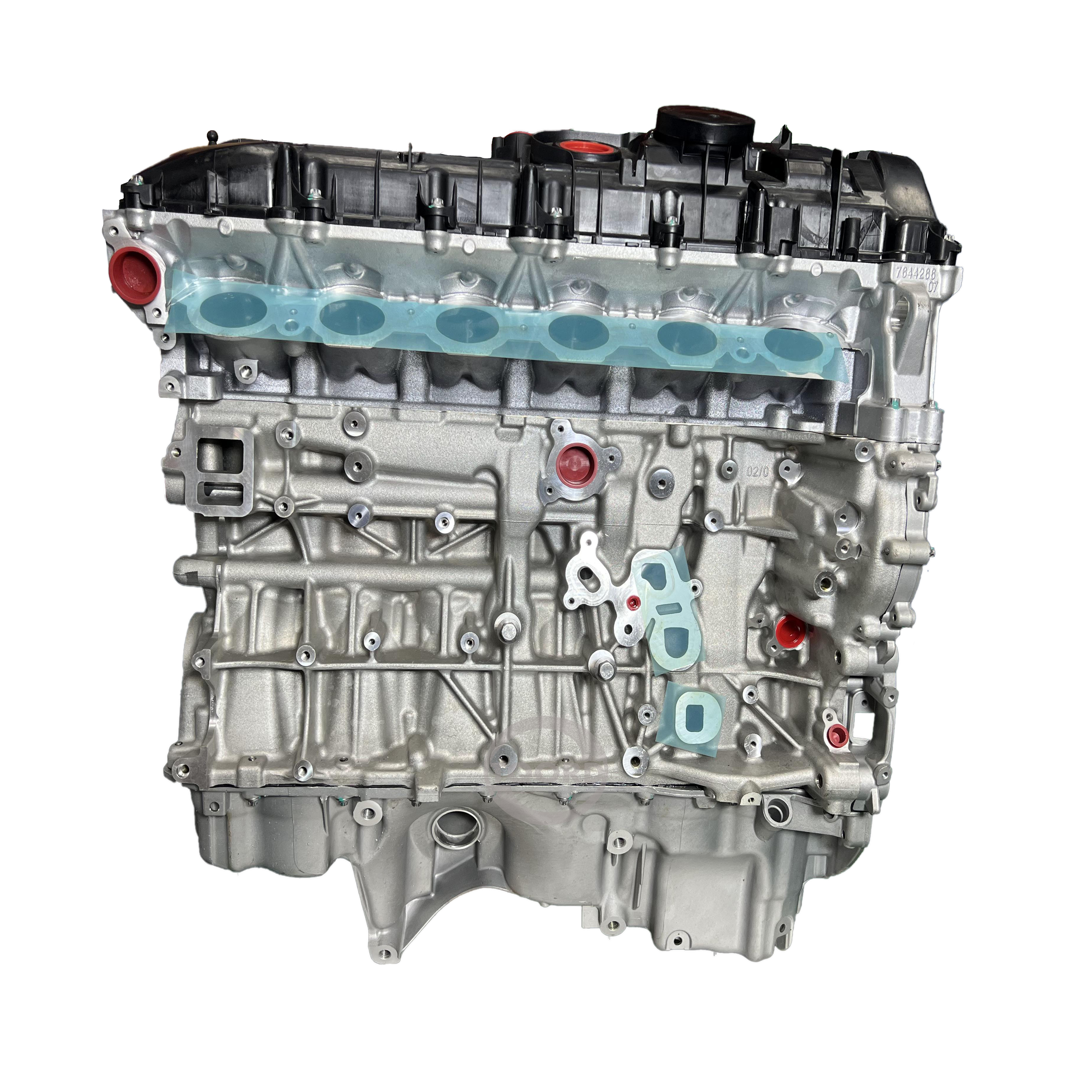
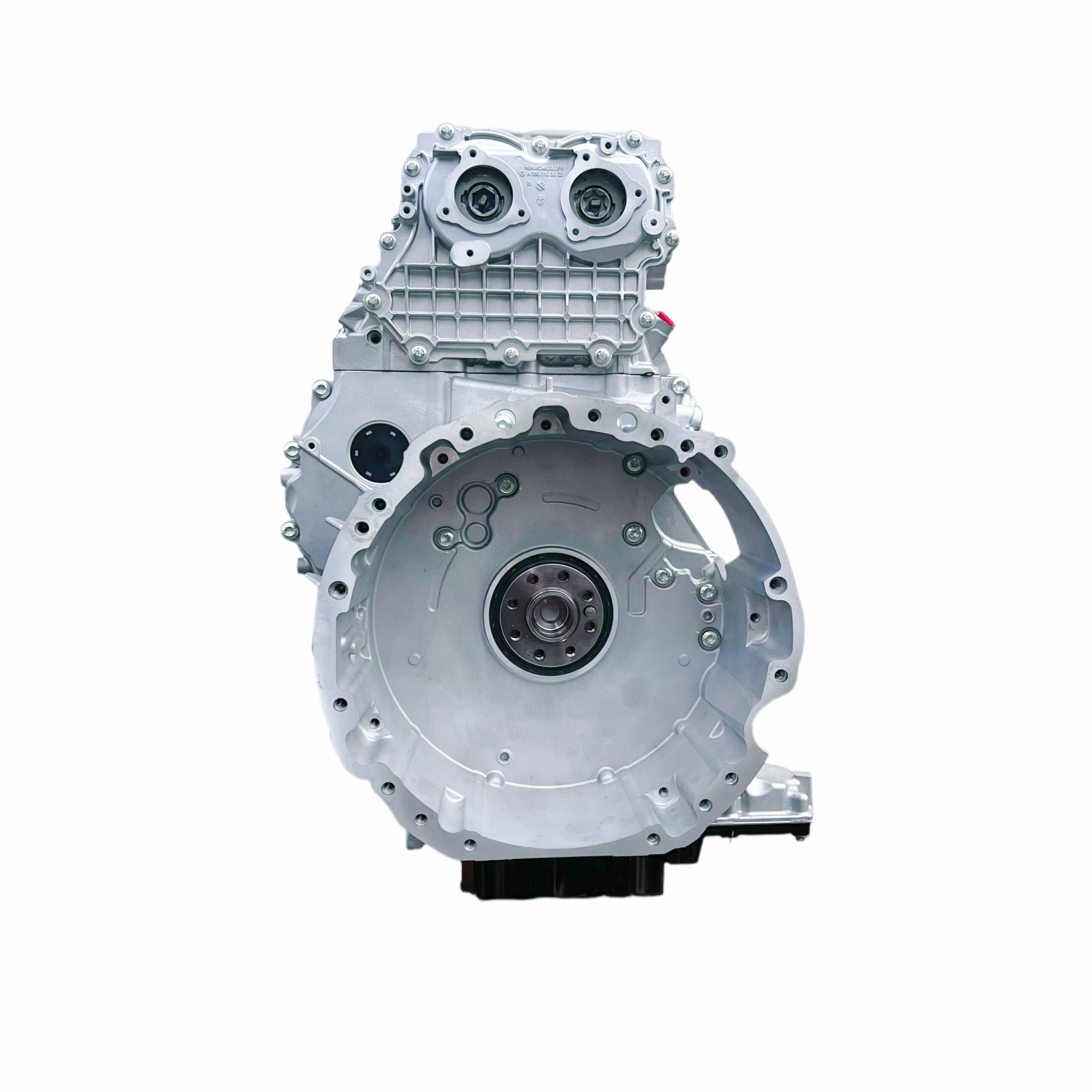
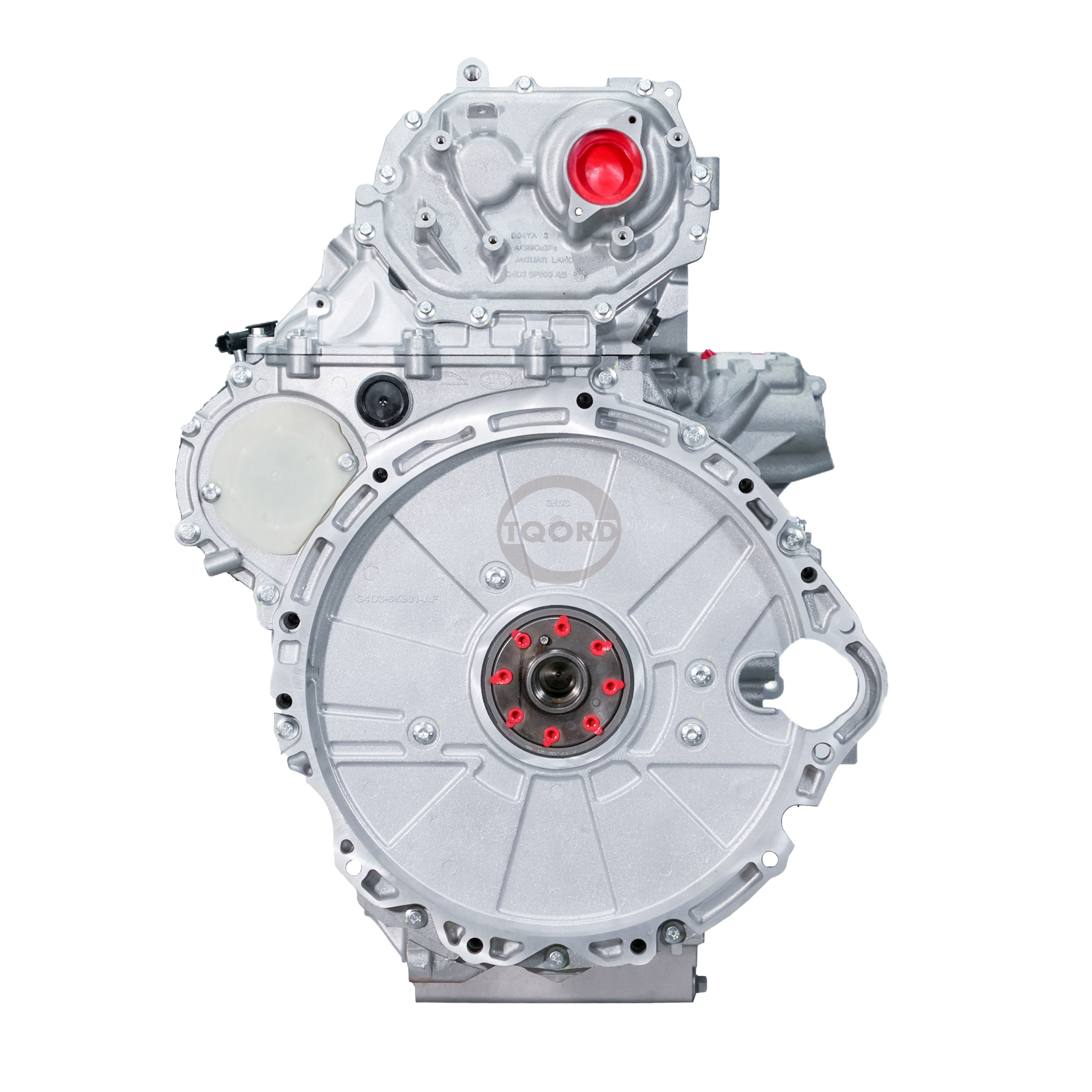
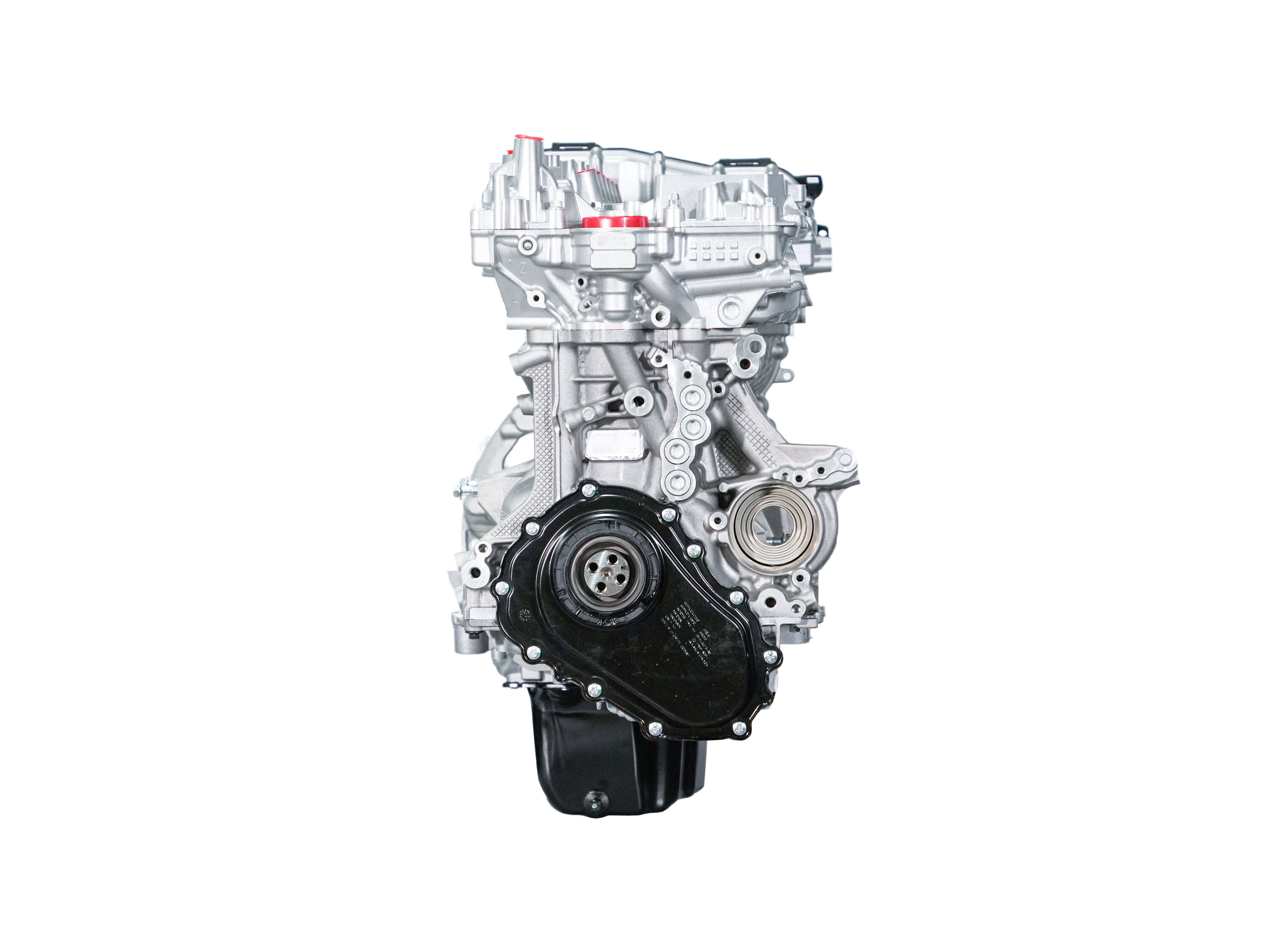
Diesel remanufacturing is a comprehensive industrial process that restores used diesel engines to like-new condition through systematic disassembly, inspection, cleaning, and replacement of worn components. This advanced restoration method goes beyond simple repairs by returning engines to original equipment manufacturer specifications, ensuring optimal performance and reliability. The diesel remanufacturing process involves complete engine teardown, precision measurement of all parts, replacement of degraded components with certified parts, and rigorous testing protocols that verify functionality across all operating parameters. Modern diesel remanufacturing facilities utilize computerized diagnostic equipment, precision machining centers, and quality control systems that guarantee each remanufactured engine meets or exceeds original performance standards. The technological features of diesel remanufacturing include advanced cleaning techniques that remove carbon deposits and contaminants, cylinder head resurfacing for proper seal integrity, crankshaft grinding to restore dimensional accuracy, and updated component integration that may include improved seals and gaskets. Applications span multiple industries including transportation fleets, construction equipment, agricultural machinery, marine vessels, power generation systems, and industrial equipment. The diesel remanufacturing industry serves commercial truck operators, equipment rental companies, marine operators, farmers, and industrial facilities seeking cost-effective engine solutions without compromising on quality or performance expectations.

Popular Products

Choosing diesel remanufacturing delivers substantial financial savings compared to purchasing new engines, typically reducing costs by forty to sixty percent while providing comparable performance and longevity. This economic advantage allows businesses to maintain operational budgets more effectively and allocate capital resources toward other critical investments. The environmental benefits of diesel remanufacturing are significant, as the process conserves natural resources by reusing existing engine blocks and major components, reducing manufacturing energy consumption by approximately eighty percent compared to new engine production, and keeping thousands of pounds of metal and materials out of landfills. Operational benefits include minimal downtime since remanufactured engines are readily available as exchange units, allowing quick installation and immediate return to service without lengthy procurement delays. The diesel remanufacturing process incorporates updated components and improved designs that address known weaknesses in original configurations, often resulting in enhanced reliability and extended service intervals. Quality assurance standards in diesel remanufacturing match or exceed original manufacturing protocols, with comprehensive testing that validates performance across temperature ranges, load conditions, and operational parameters. Application suitability spans virtually all diesel engine uses, from heavy-duty commercial vehicles requiring maximum torque and durability to stationary power generation systems demanding consistent output and fuel efficiency. Warranty coverage provided with remanufactured diesel engines typically mirrors new engine warranties, offering buyers confidence and protection for their investment. The decision to select diesel remanufacturing represents a practical, economically sound, and environmentally responsible choice that maintains equipment productivity while supporting sustainability initiatives and operational cost management objectives.

Tips And Tricks

Cost Comparison: Reman vs Rebuilt Engines for Ford F-150

07

May

Cost Comparison: Reman vs Rebuilt Engines for Ford F-150

What Defines a True Reman Engine for the Ford F-150? OEM-Aligned Remanufacturing: Precision Reconditioning to Ford Engineering Specs A true remanufactured (reman) engine for the F-150 isn’t merely repaired—it’s systematically rest...
View More
BMW N74B66B Engine: Specs, Common Faults & Premium Remanufacturing Solutions for B2B Clients

03

Jun

BMW N74B66B Engine: Specs, Common Faults & Premium Remanufacturing Solutions for B2B Clients

The ‘BMW N74B66B’ stands as an iconic 6.6L twin-turbo V12 petrol engine, serving as the flagship powerplant for BMW’s luxury 7 Series lineup from 2010 to 2019. Renowned for peerless refinement, linear power delivery, and immense low...
View More
Rebuilt vs Remanufactured Engines: What's the Difference?

29

Jun

Rebuilt vs Remanufactured Engines: What's the Difference?

When your engine fails, the terms 'rebuilt' and 'remanufactured' appear almost everywhere in the replacement market. Many drivers and fleet managers treat these words as interchangeable, but they carry very different meanings. Understanding what 'reb...
View More
Global Supply of Diesel Engines: Oruide's 60,000+ Annual Capacity

02

Jun

Global Supply of Diesel Engines: Oruide's 60,000+ Annual Capacity

The global demand for diesel engines has never been more complex to satisfy. Industrial fleets, commercial vehicles, agricultural machinery, and off-road equipment all rely on dependable diesel powertrains, and sourcing those engines at scale require...
View More

Get a Free Quote

Our representative will contact you soon.
Email
Phone/WhatsApp/WeChat
Name
Company Name
Title
VIN Code
Message
0/1000

diesel remanufacturing

Certified Quality Standards and Performance Guarantee

Certified Quality Standards and Performance Guarantee

Diesel remanufacturing follows stringent quality control protocols established by industry associations and original equipment manufacturers, ensuring every remanufactured engine delivers reliable performance. Each engine undergoes comprehensive inspection using precision measurement tools that verify dimensional specifications within tolerances measured in thousandths of an inch. Critical components including cylinder walls, bearings, camshafts, and valve trains receive detailed examination, with any parts failing to meet specifications replaced with certified components. The diesel remanufacturing process includes pressure testing of cooling systems, leak detection for fuel and lubrication circuits, and dynamometer testing that simulates real-world operating conditions across the engine's full power band. Computerized diagnostic systems verify electronic control functions, sensor accuracy, and emission system performance before engines receive final certification. This rigorous approach to diesel remanufacturing quality ensures customers receive engines that perform like new, backed by comprehensive warranties that provide protection and peace of mind for demanding commercial applications.
Environmental Sustainability and Resource Conservation

Environmental Sustainability and Resource Conservation

Diesel remanufacturing represents one of the most effective industrial recycling processes, dramatically reducing environmental impact while delivering high-performance engine solutions. The remanufacturing process conserves approximately eighty-five percent of the raw materials required for new engine production, significantly reducing mining operations, metal refining, and associated environmental disturbances. Energy consumption during diesel remanufacturing is substantially lower than new manufacturing, as existing engine blocks, cylinder heads, and major castings require only restoration rather than complete fabrication from raw materials. This energy efficiency translates to reduced carbon emissions and smaller manufacturing footprints. Additionally, diesel remanufacturing prevents thousands of pounds of metal, plastics, and other materials from entering waste streams, supporting circular economy principles that maximize resource utilization. Modern facilities implement environmentally responsible practices including wastewater treatment, chemical recycling, and waste minimization programs that further enhance sustainability credentials. For businesses prioritizing environmental stewardship alongside operational efficiency, diesel remanufacturing provides a compelling solution that balances performance requirements with corporate sustainability objectives.
Cost Efficiency Without Performance Compromise

Cost Efficiency Without Performance Compromise

The economic advantages of diesel remanufacturing make it an attractive option for businesses managing equipment fleets and operational budgets. Remanufactured diesel engines typically cost forty to sixty percent less than comparable new engines while delivering equivalent power output, fuel efficiency, and reliability. This substantial cost difference allows companies to maintain more equipment within fixed capital budgets or redirect savings toward business expansion and operational improvements. The diesel remanufacturing exchange program model enables rapid equipment repairs with minimal downtime, as businesses can immediately install a remanufactured engine while their original unit undergoes restoration, maintaining productivity and revenue generation. Insurance companies and equipment financing organizations recognize remanufactured engines as legitimate replacements with comparable valuations, ensuring coverage continuity and asset protection. Long-term ownership costs remain competitive as remanufactured engines utilize modern components and improved designs that enhance durability and reduce maintenance frequency. For commercial operators, construction companies, agricultural businesses, and industrial facilities, diesel remanufacturing delivers measurable return on investment through direct cost savings, extended equipment life cycles, and maintained operational capabilities that support business profitability and competitive positioning.