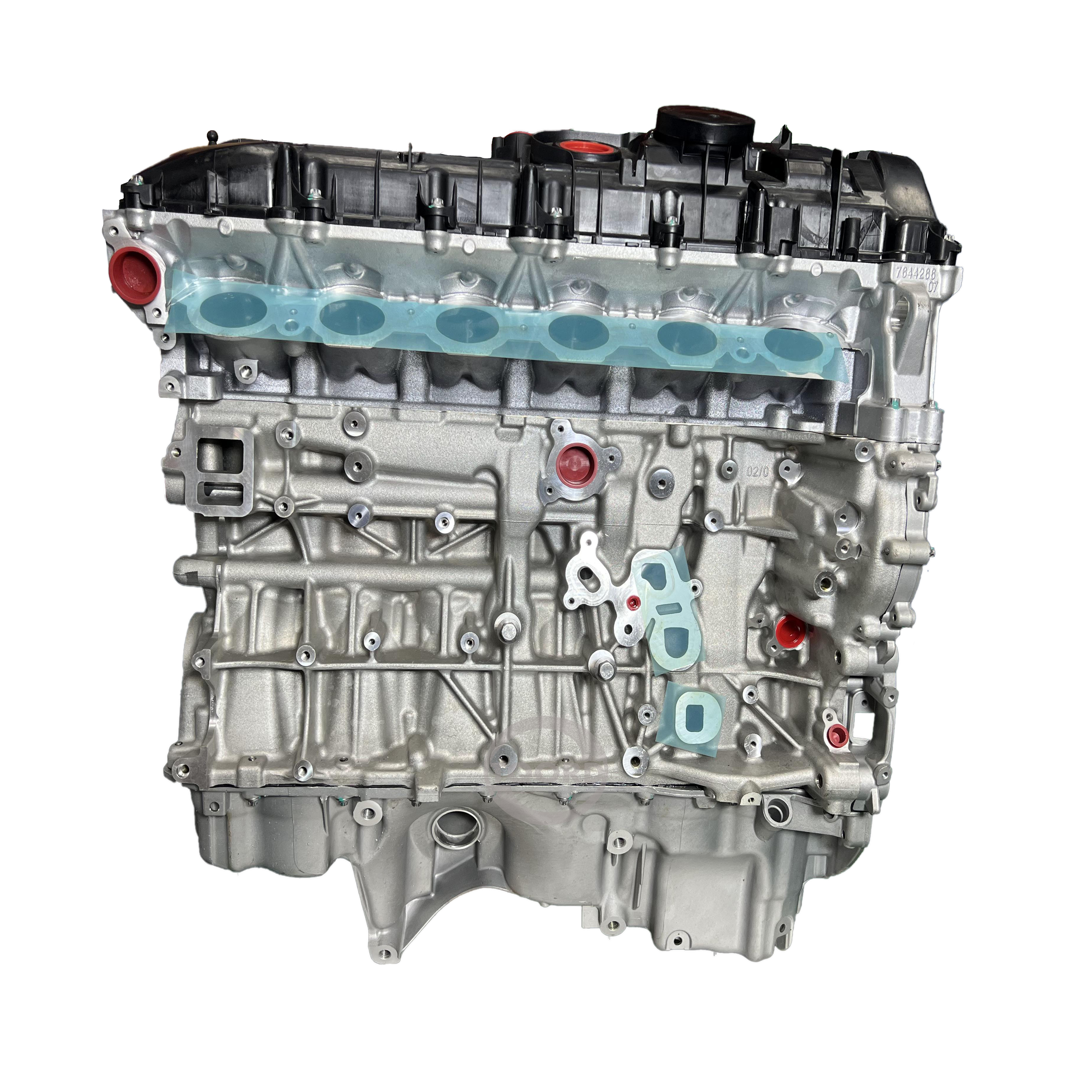
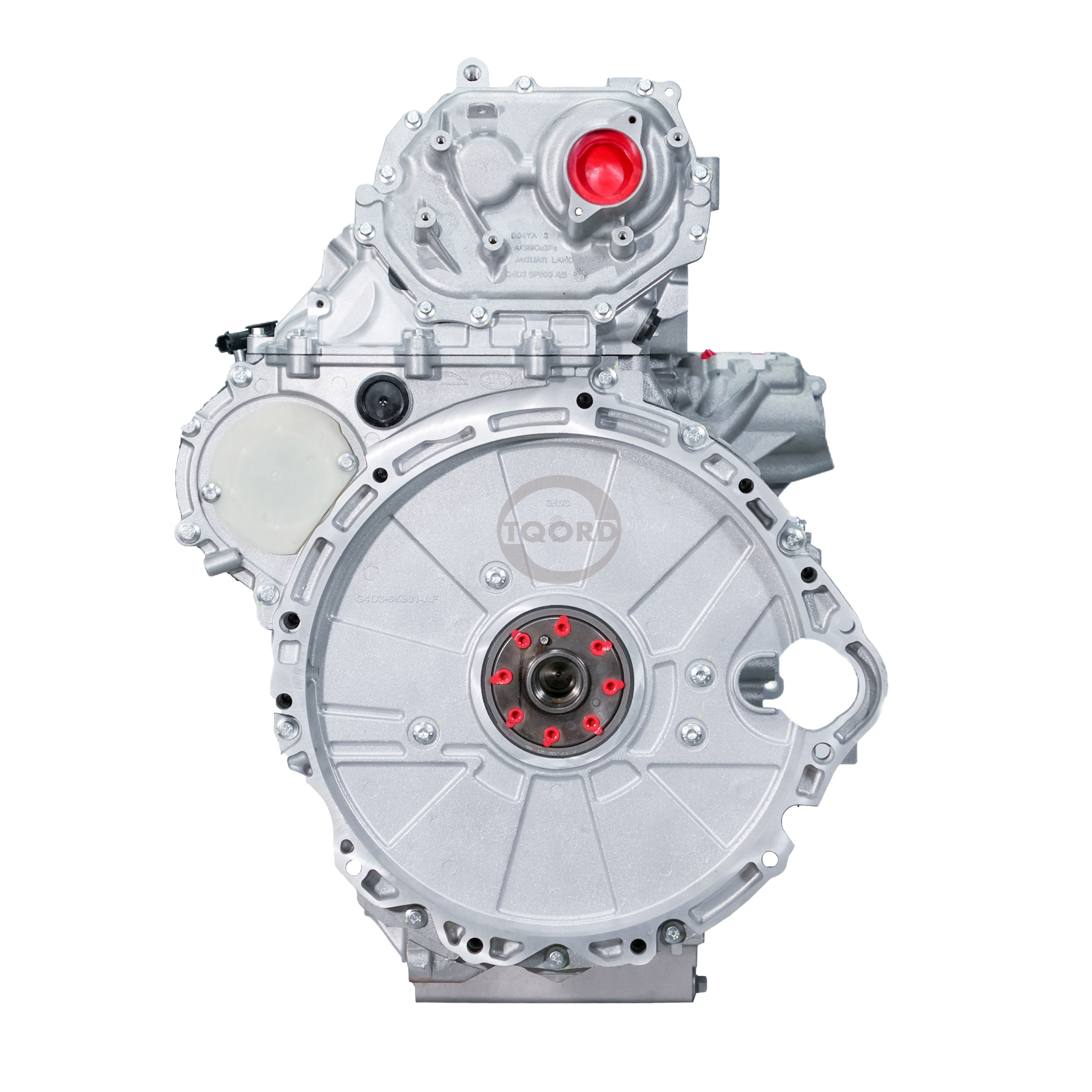
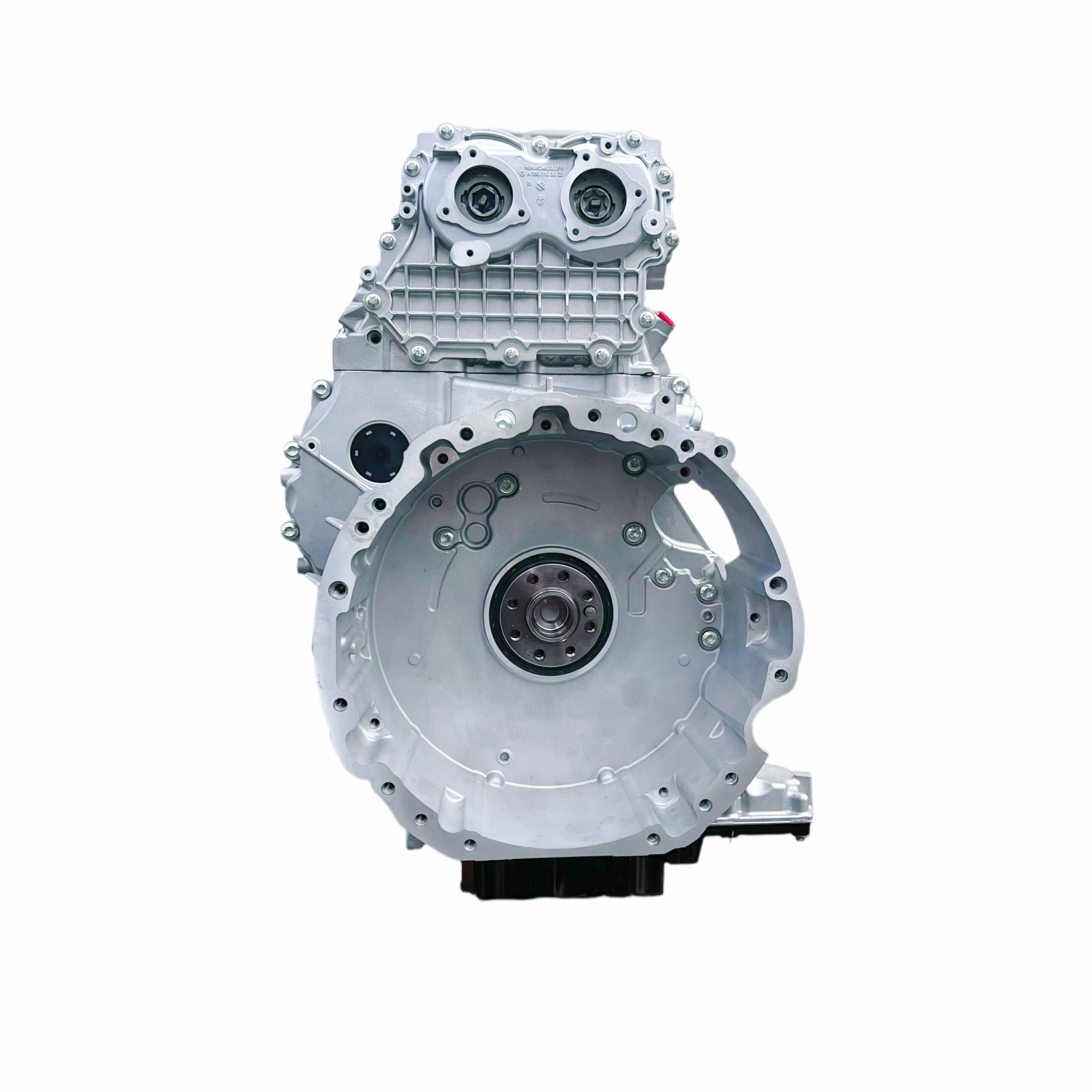
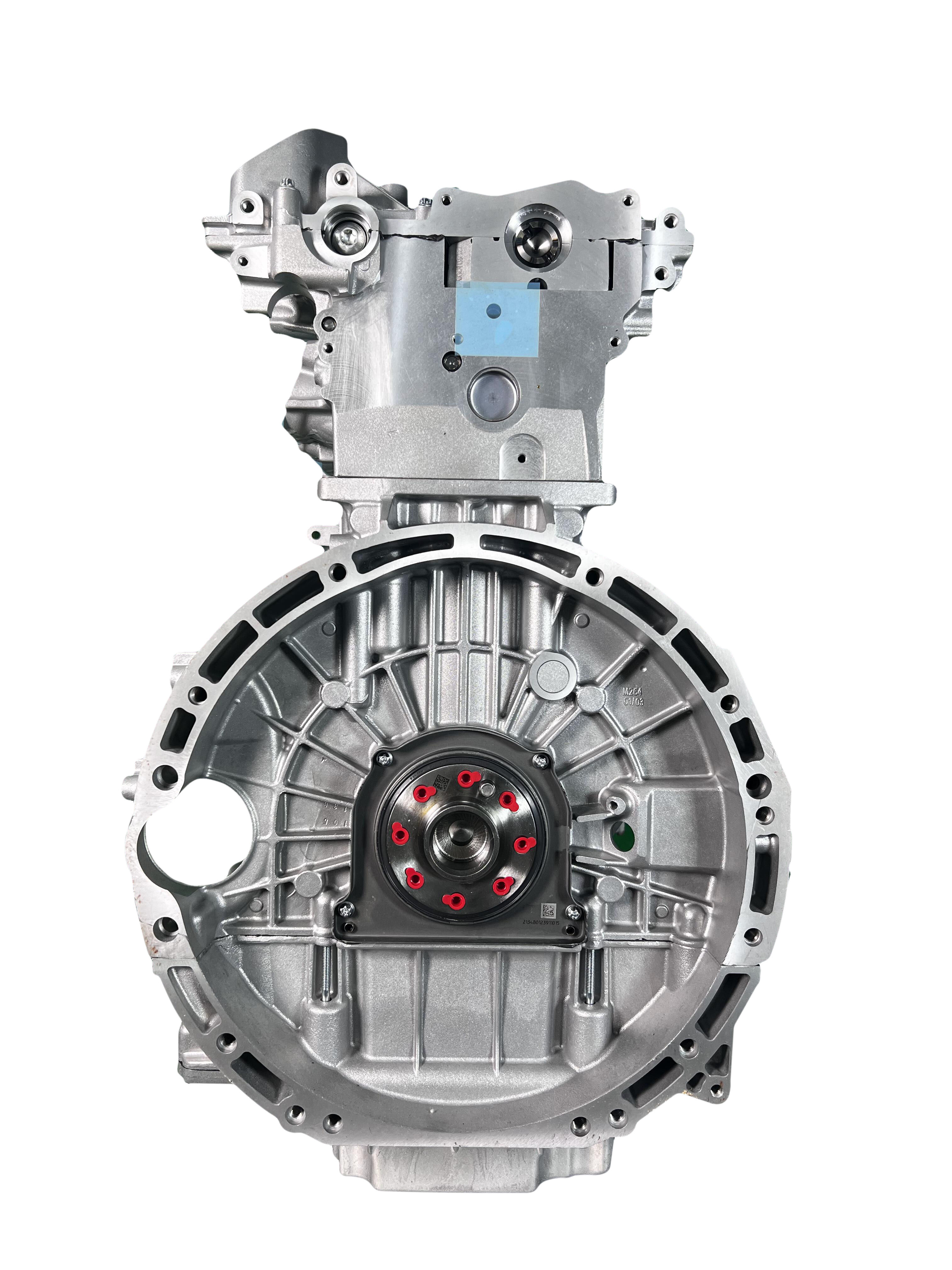
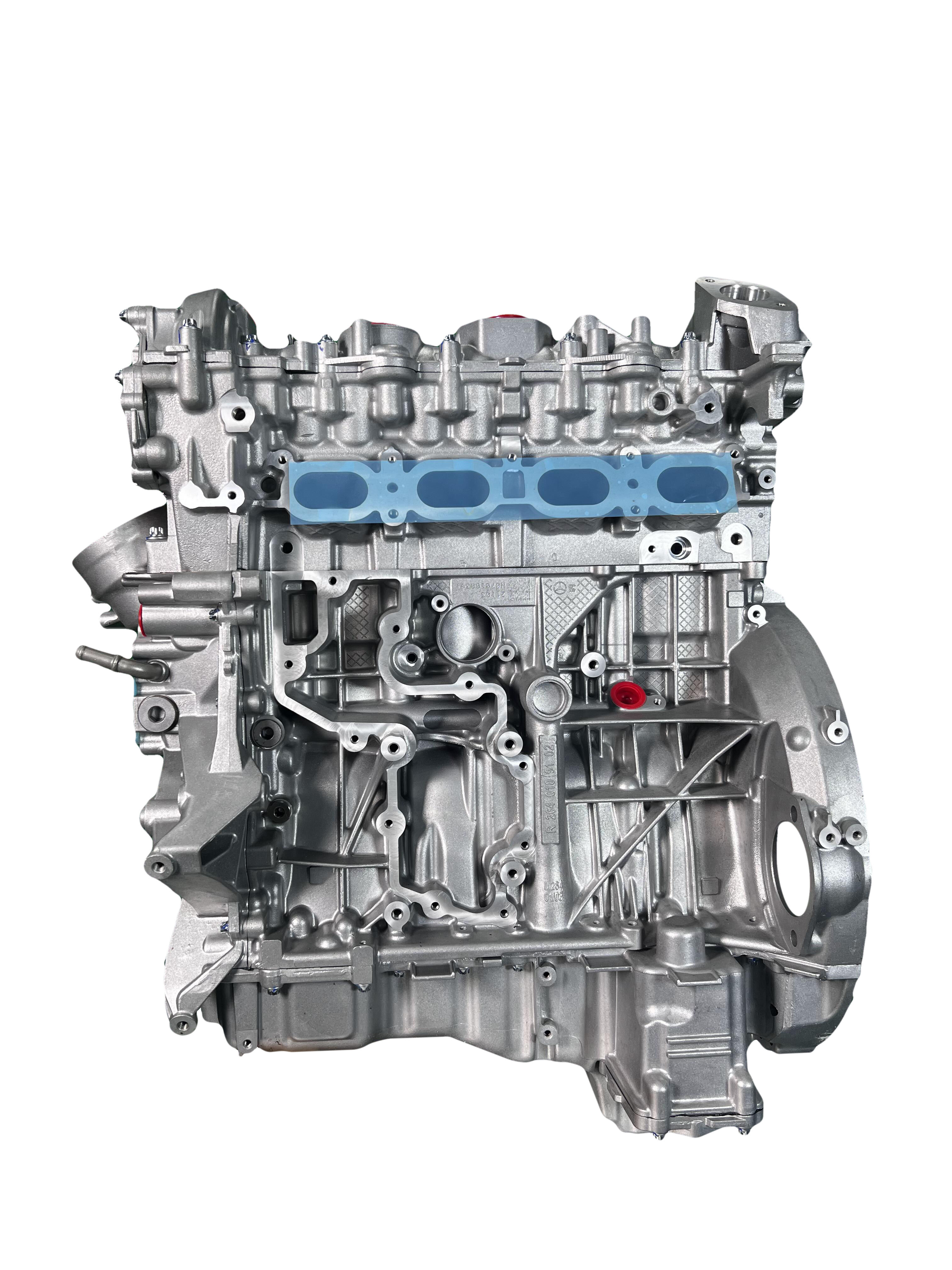
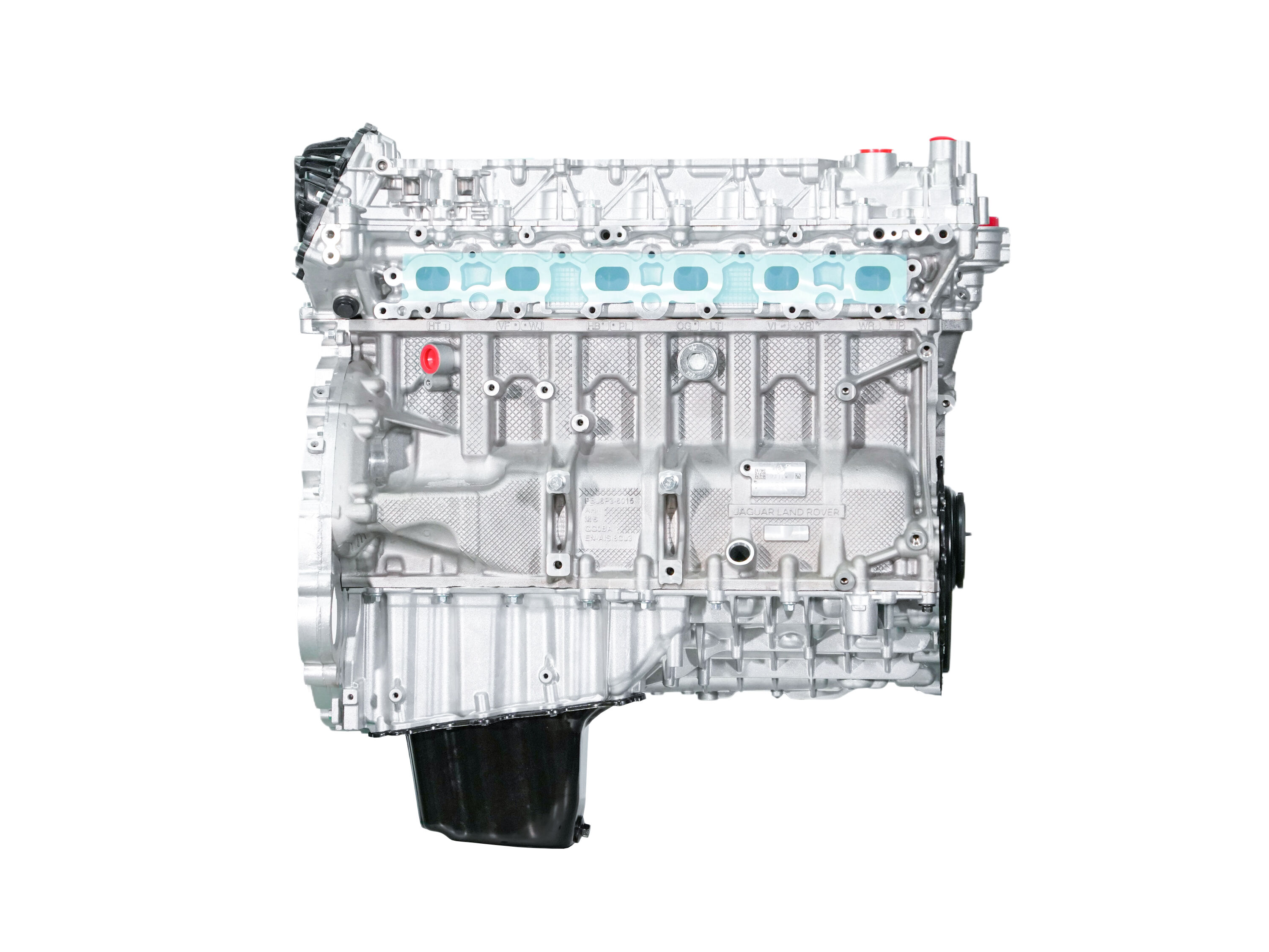
remanufacturing process of bmw b48 20t engines
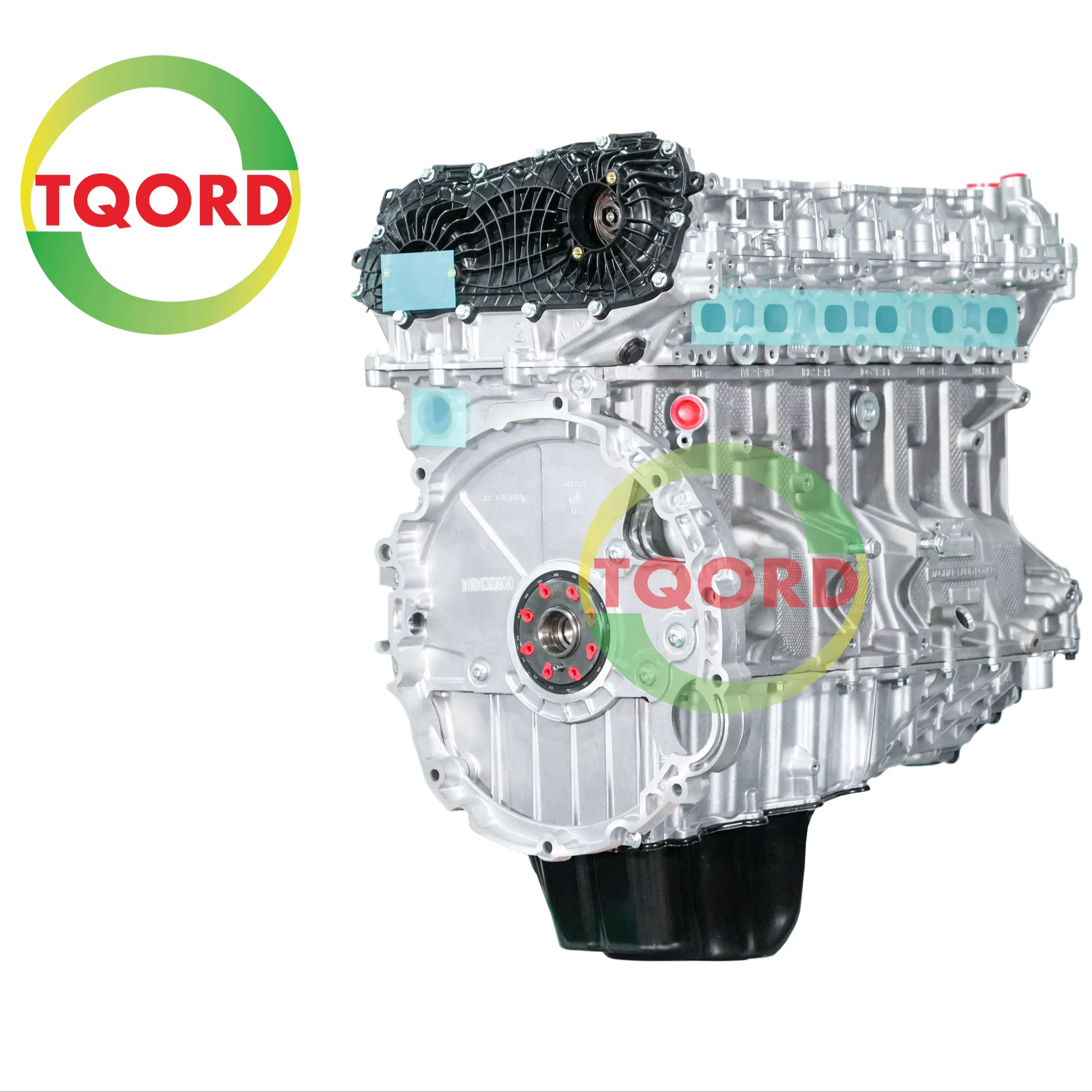
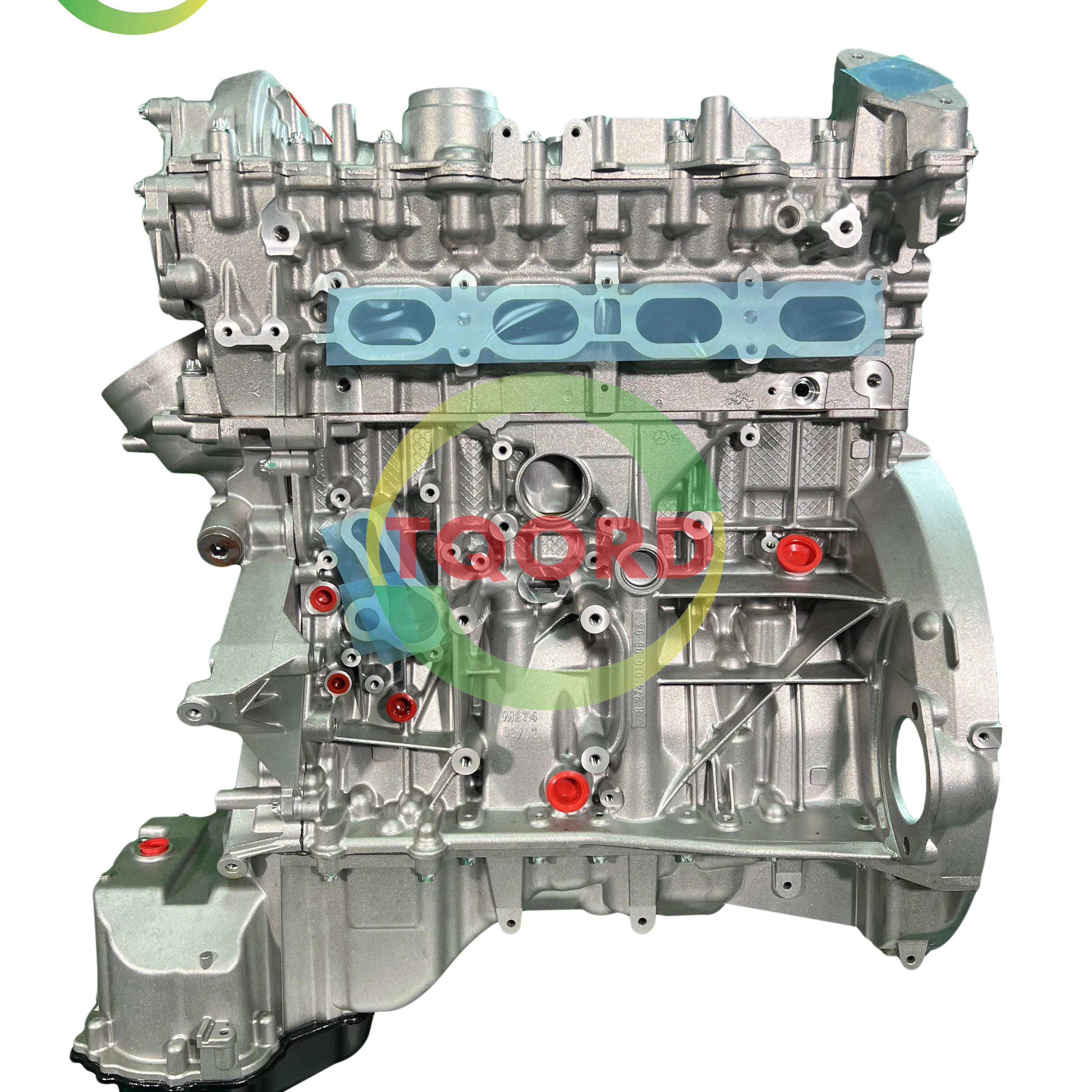
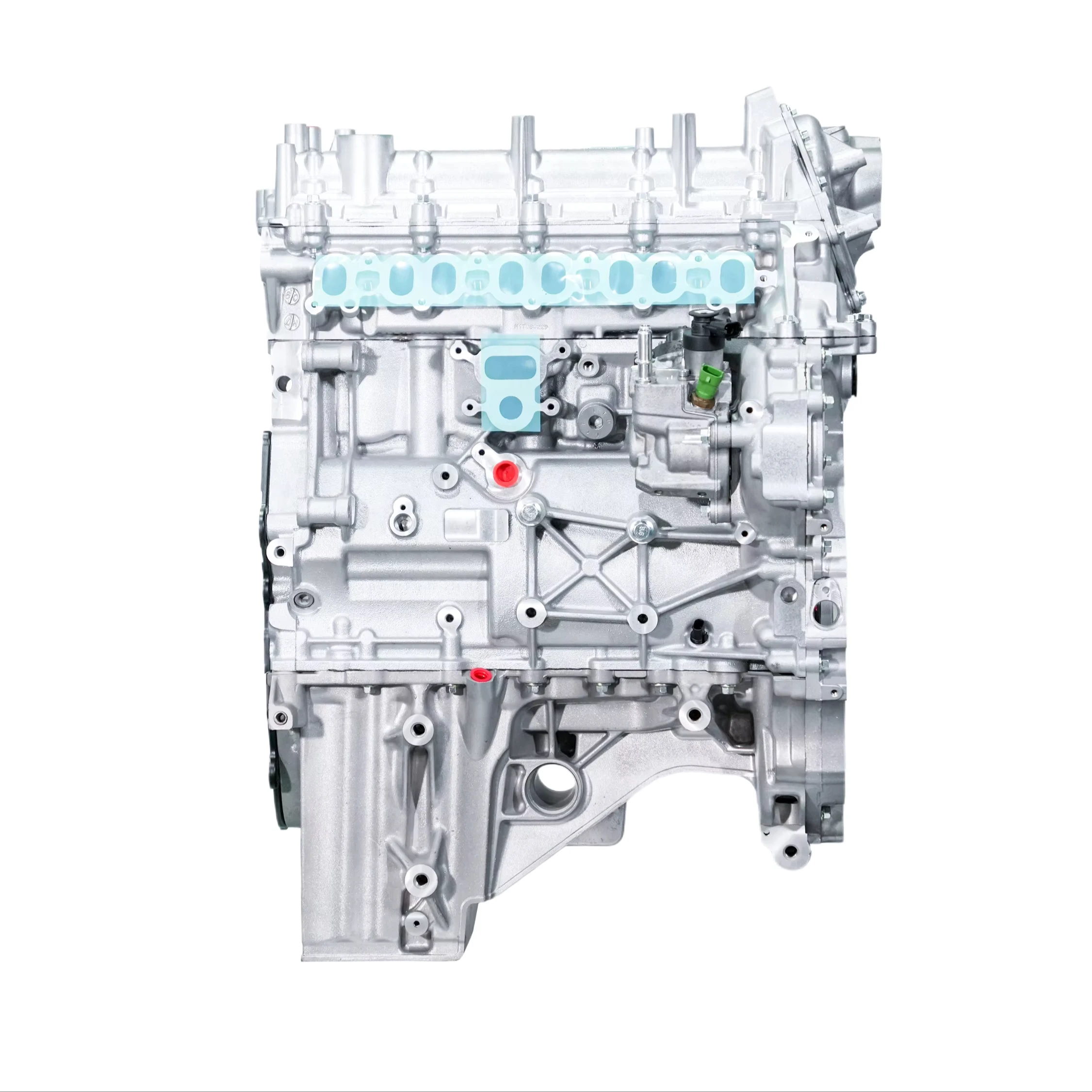
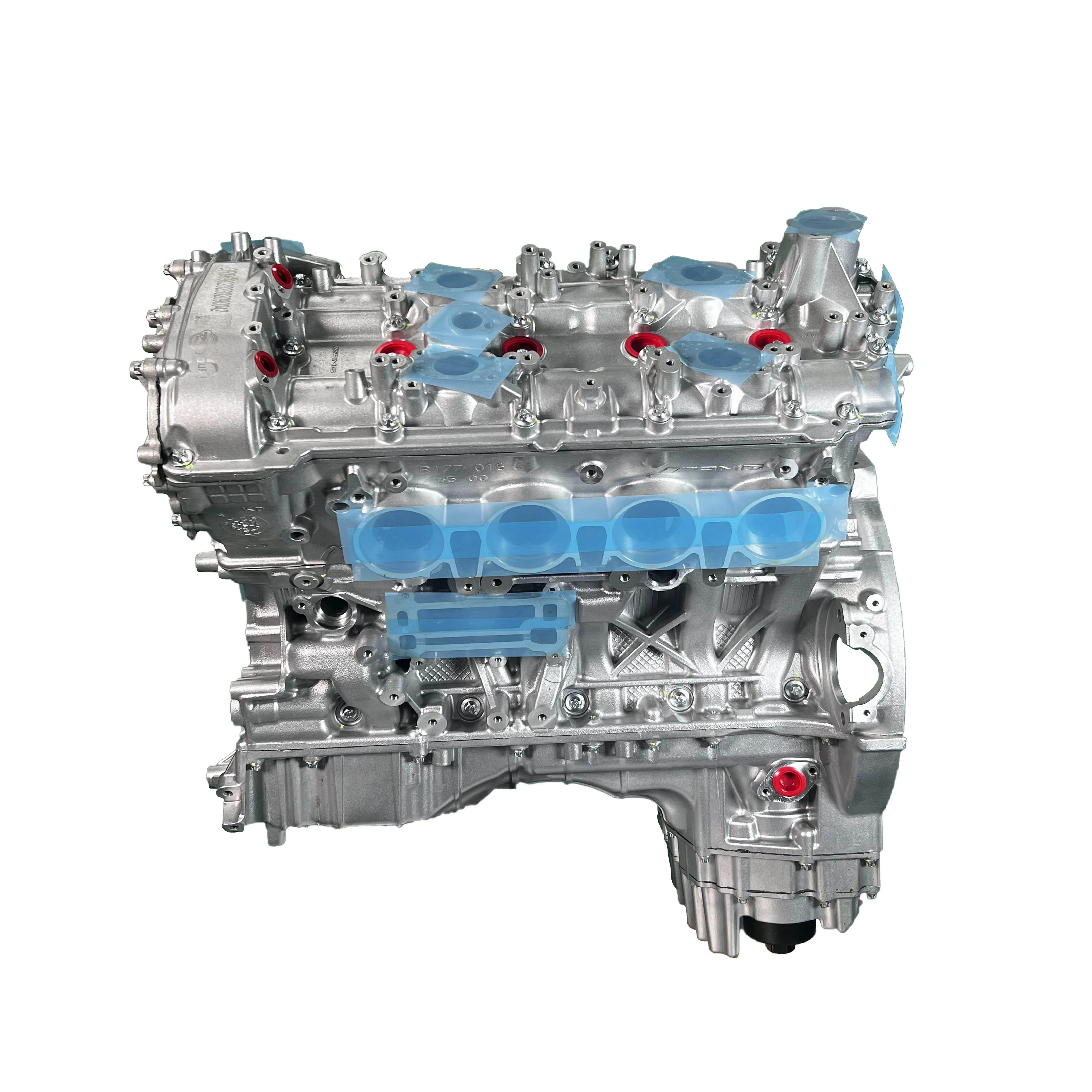
The remanufacturing process of BMW B48 20T engines represents a comprehensive restoration procedure that returns used powertrains to original equipment manufacturer specifications. This turbocharged 2.0-liter four-cylinder engine, widely used across BMW's modern vehicle lineup, undergoes meticulous disassembly where every component is carefully inspected and cataloged. The remanufacturing process of BMW B48 20T engines begins with complete teardown, followed by thorough cleaning using specialized equipment to remove carbon deposits, oil residue, and contaminants. Critical components including cylinder heads, crankshafts, connecting rods, and turbochargers receive dimensional analysis using precision measurement tools to assess wear patterns. Worn or damaged parts are replaced with genuine or certified aftermarket components that meet strict quality standards. The engine block undergoes cylinder boring and honing to restore proper tolerances, while the crankshaft may be reground to eliminate scoring. Advanced technologies employed during the remanufacturing process of BMW B48 20T engines include computerized testing equipment, leak detection systems, and dynamometer runs that verify performance parameters. Reassembly follows factory torque specifications and assembly sequences, ensuring proper gasket sealing and component alignment. The remanufactured engine receives new timing chains, oil pumps, water pumps, and seals throughout. Final testing includes compression checks, oil pressure verification, and full operational assessments. This process finds applications in vehicle restoration projects, cost-effective repair alternatives, and fleet maintenance programs where reliability and performance must match new engine standards while offering significant cost savings.
 EN
EN