Engine Remanufacturing Services & Solutions

Get a Free Quote

Our representative will contact you soon.
Email
Phone/WhatsApp/WeChat
Name
Company Name
Title
VIN Code
Message
0/1000

engine remanufacturing

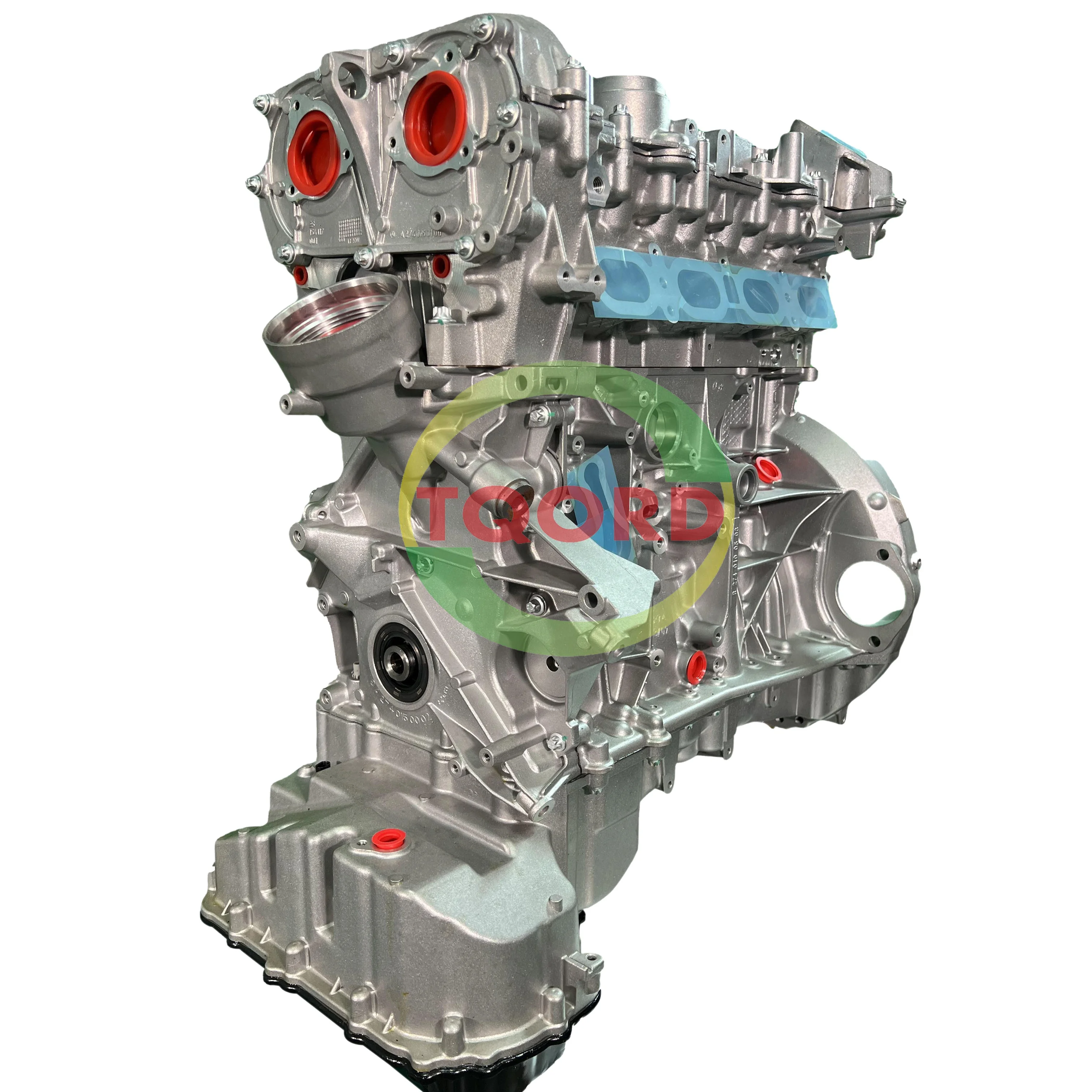
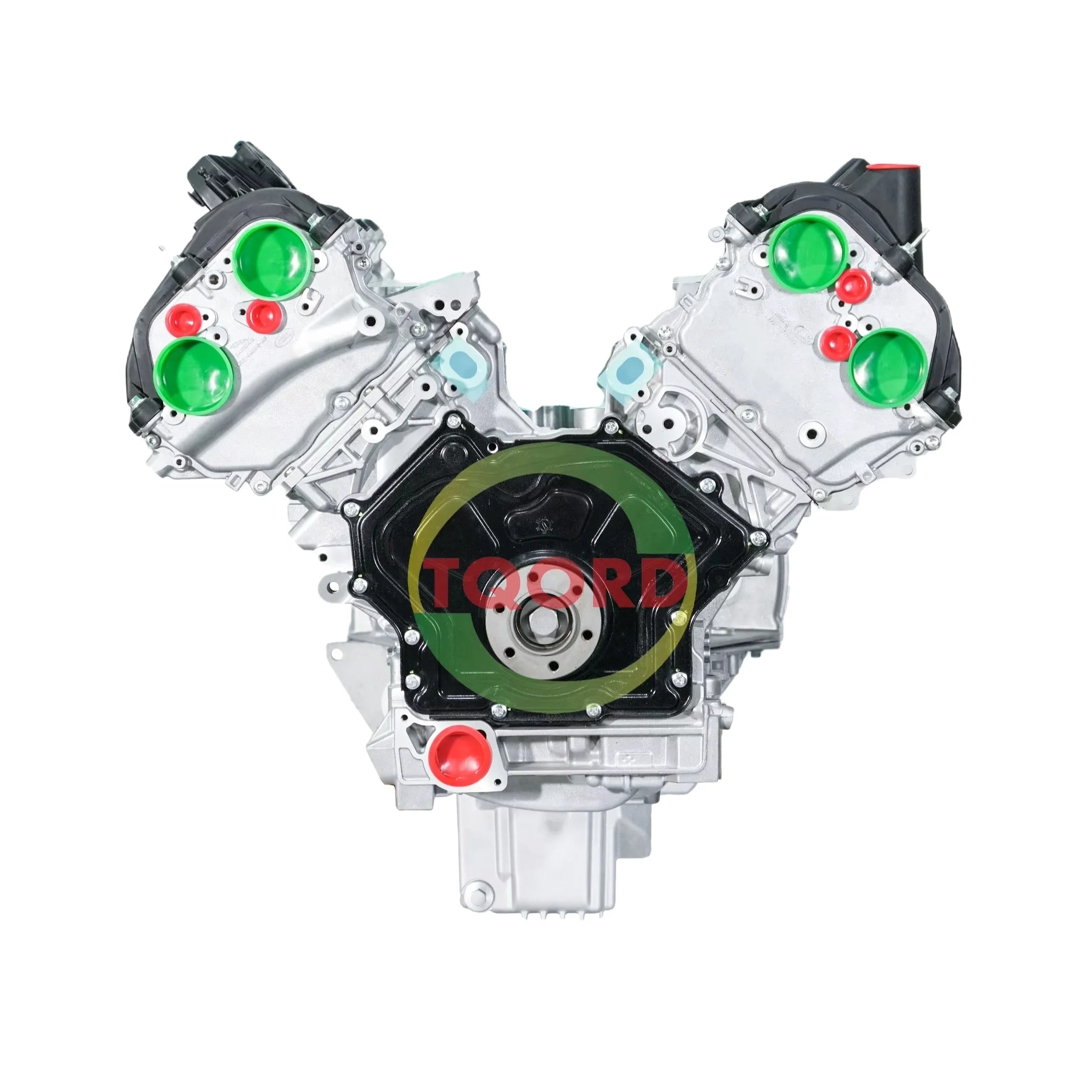
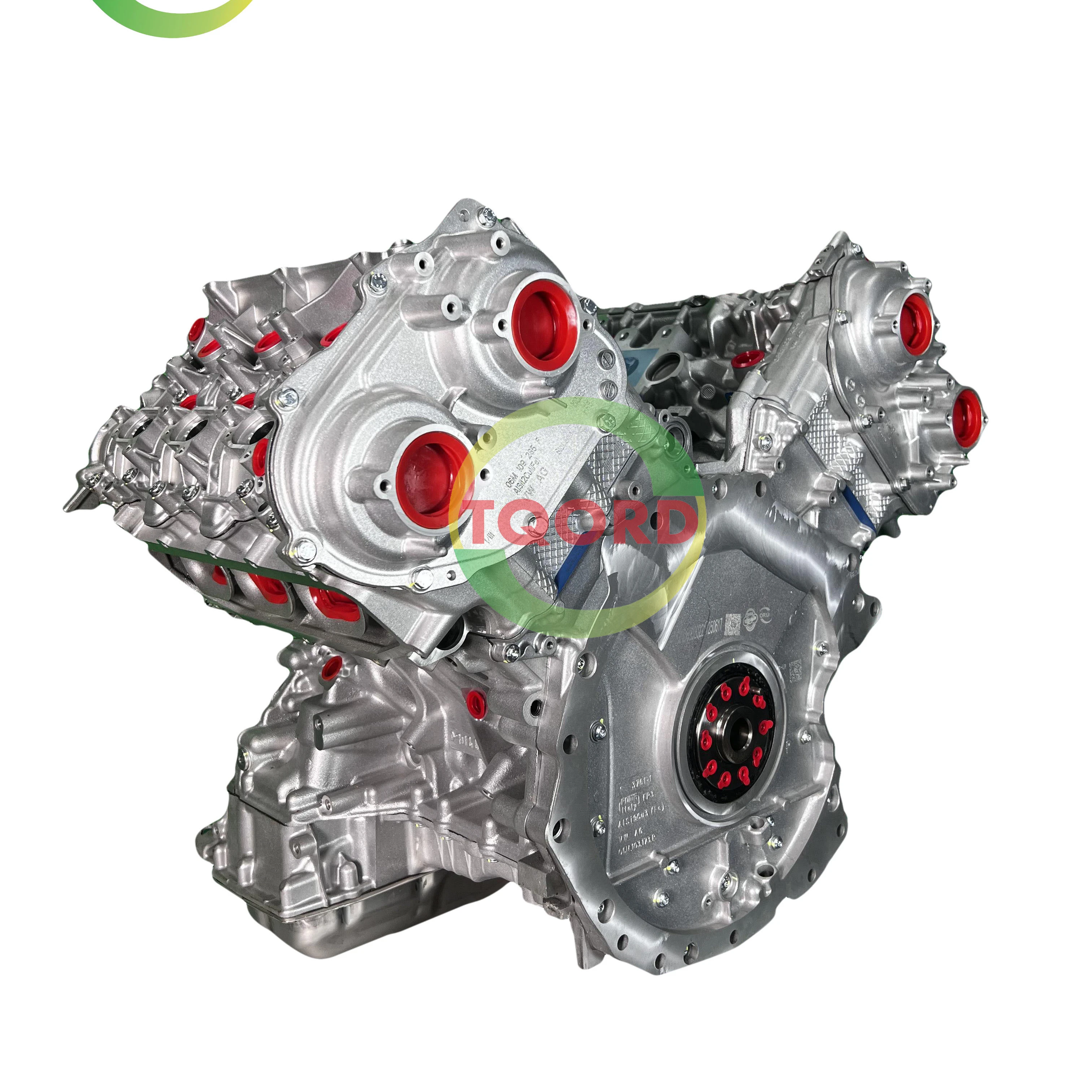
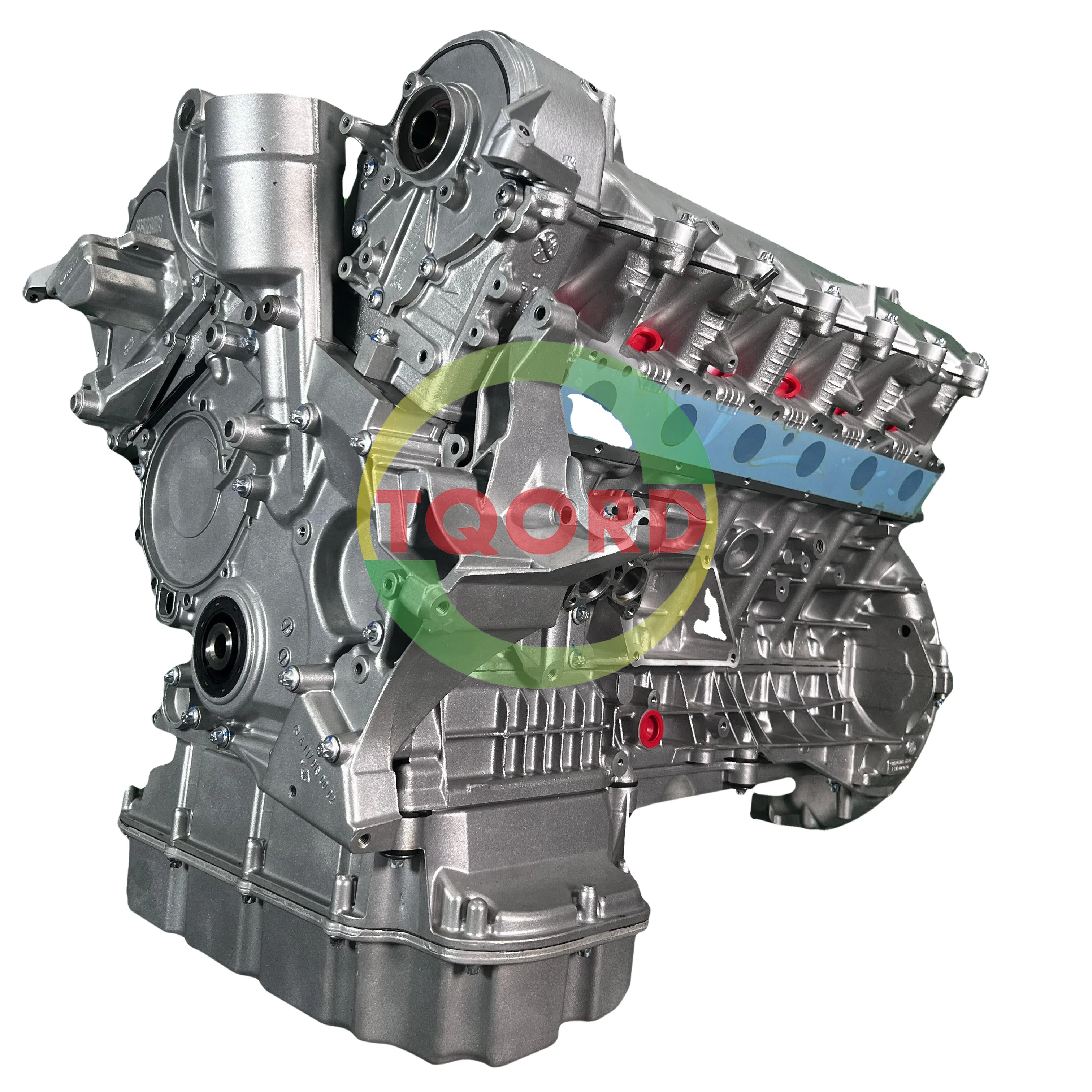
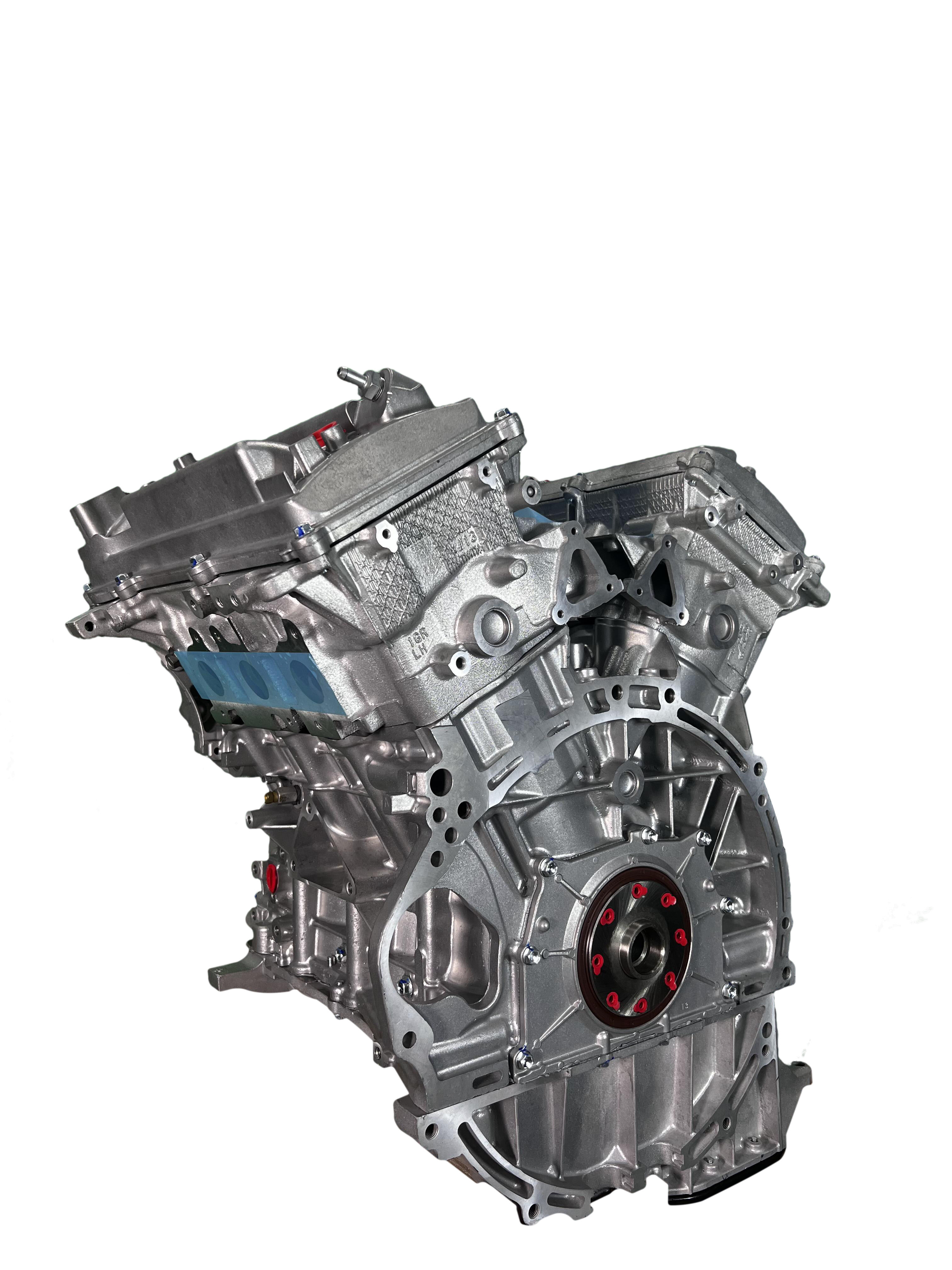
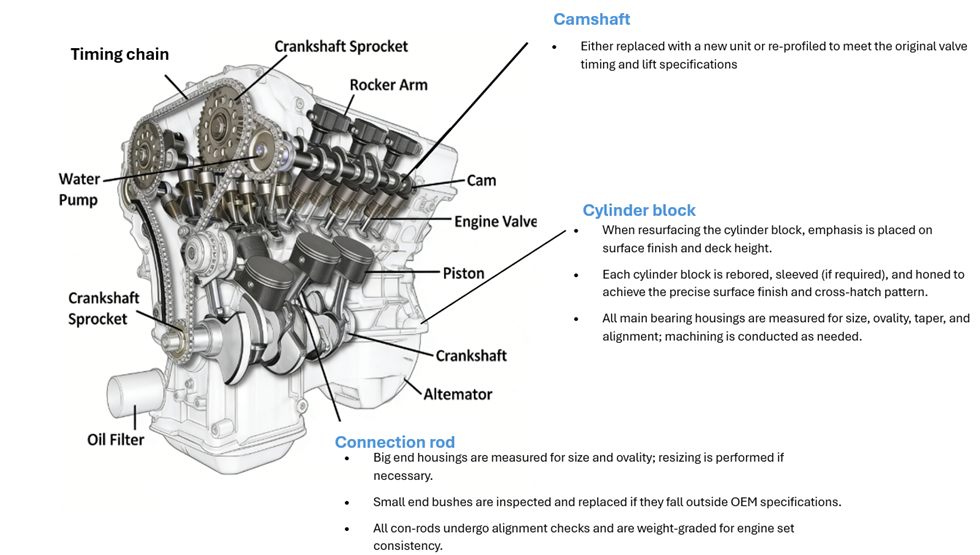
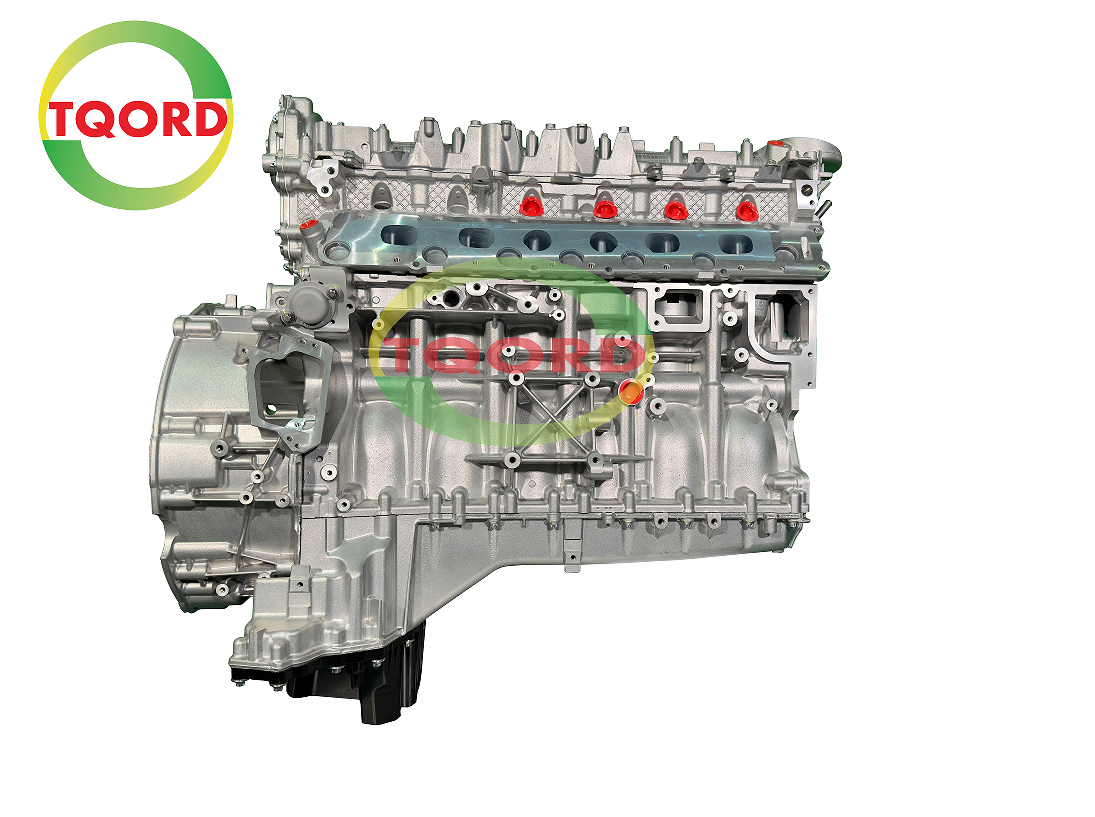
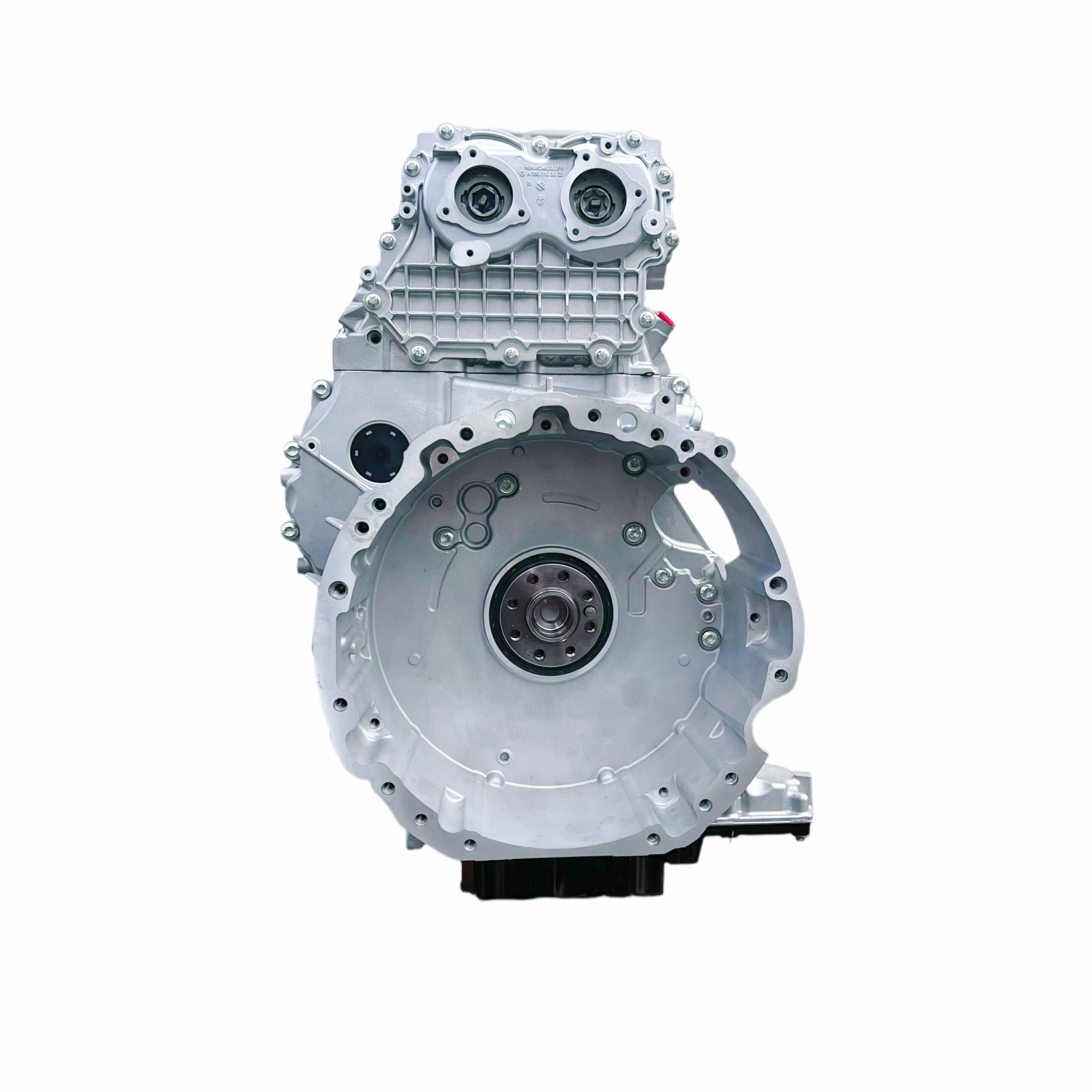
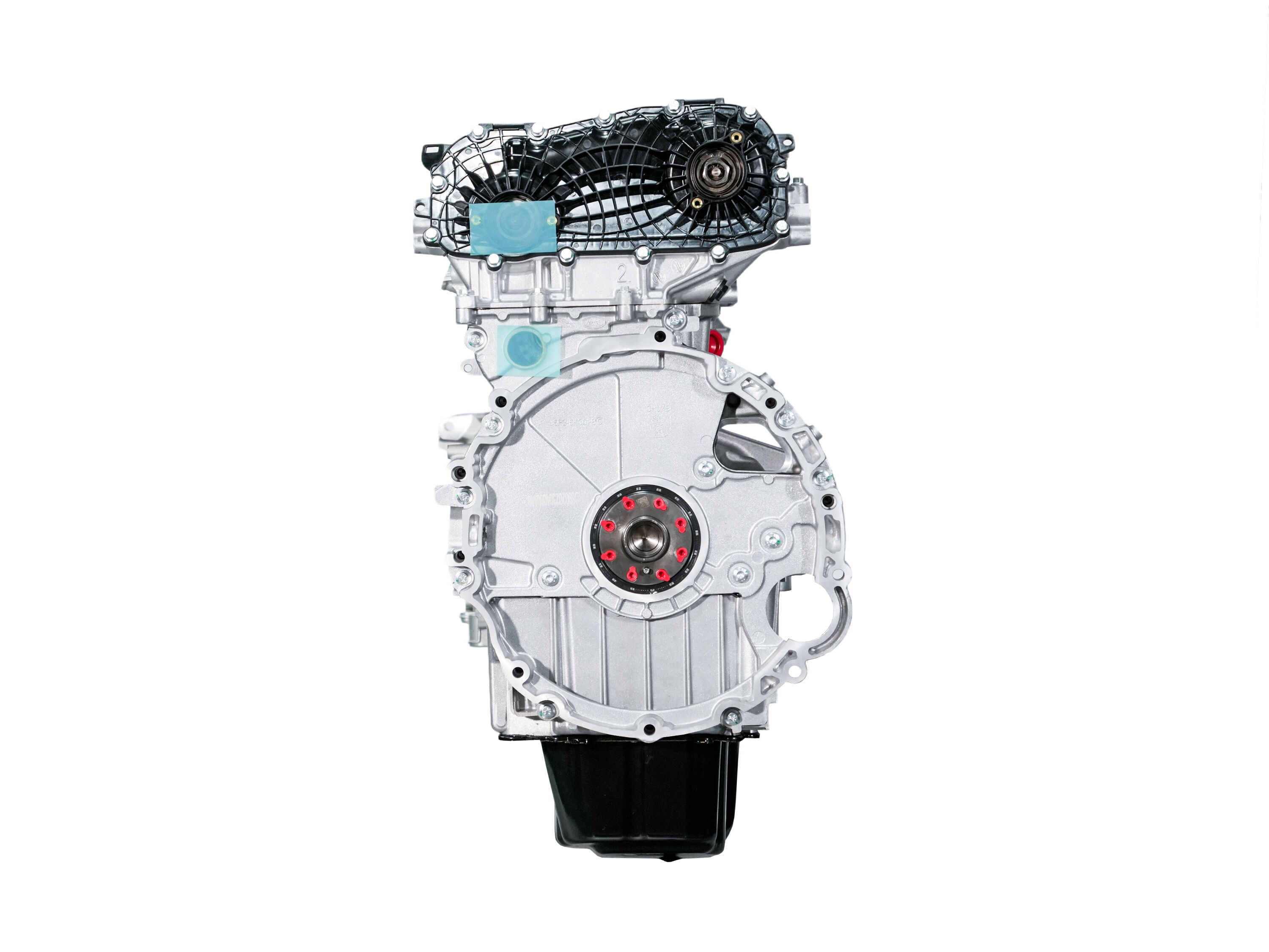
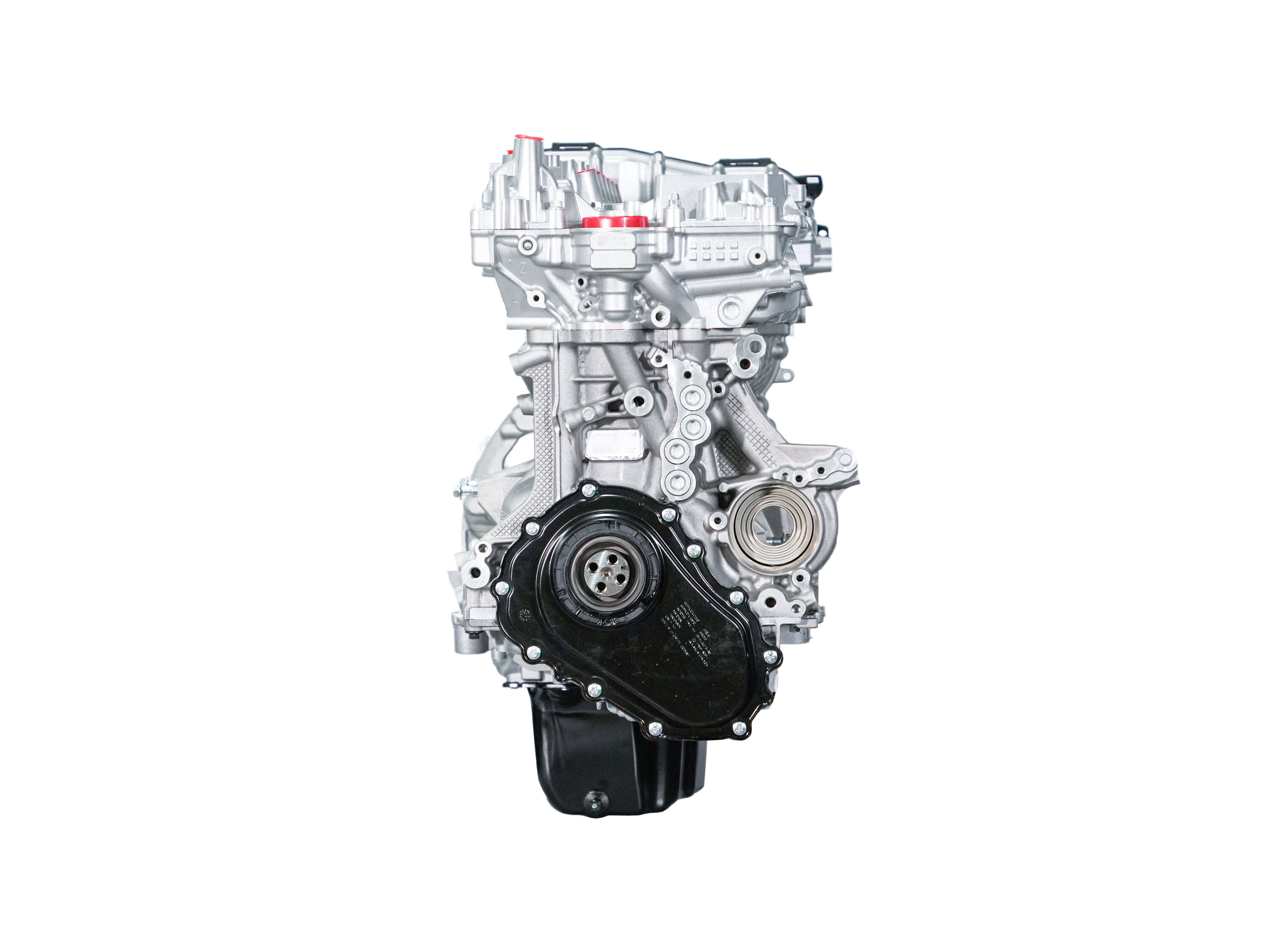
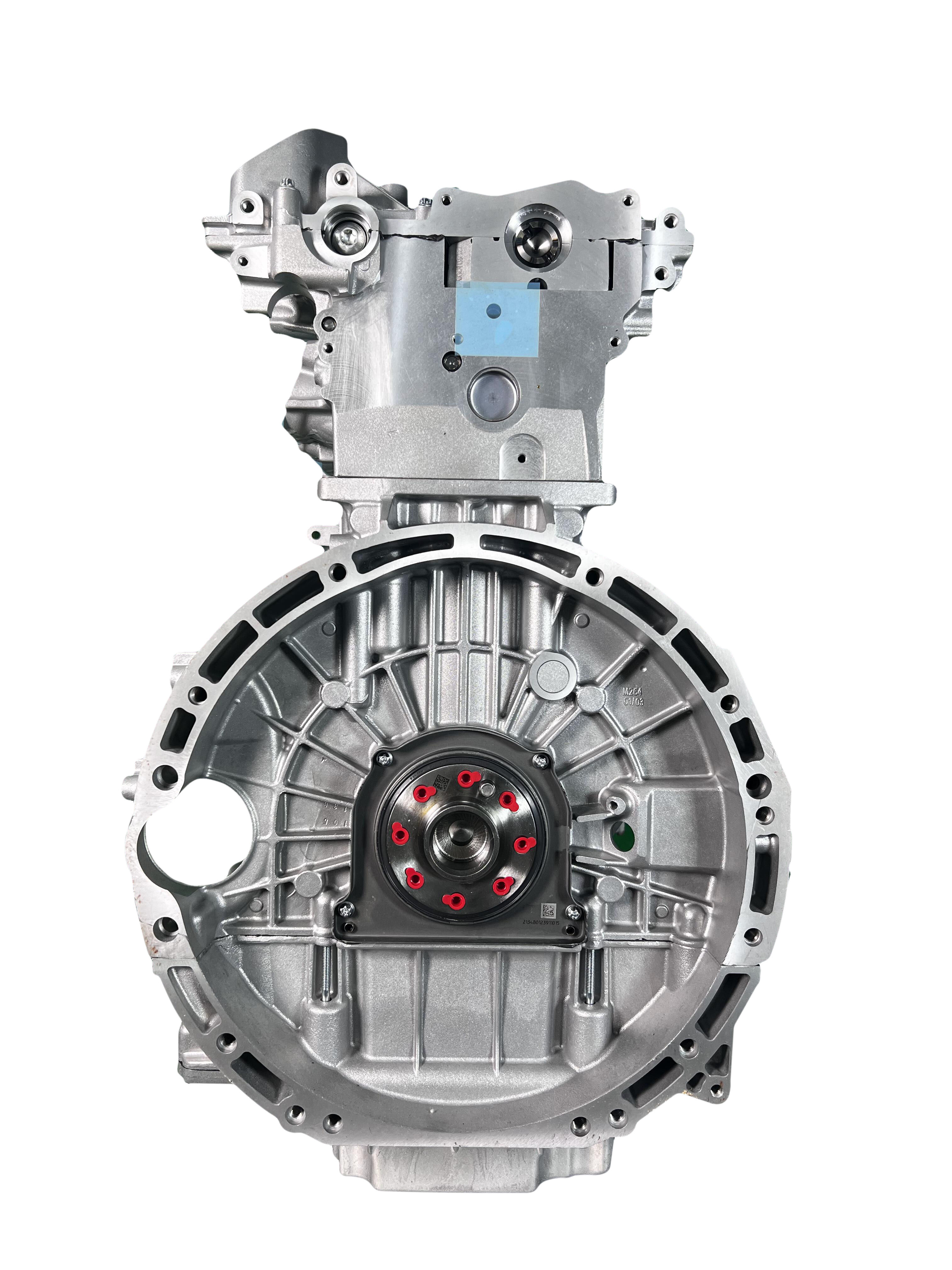
Engine remanufacturing is a comprehensive industrial process that restores used engines to like-new condition through systematic disassembly, inspection, cleaning, and rebuilding. This sophisticated procedure involves completely dismantling worn engines, meticulously examining every component, and replacing damaged or degraded parts with new or refurbished alternatives that meet original equipment manufacturer specifications. Engine remanufacturing combines advanced diagnostic technology with skilled craftsmanship to deliver powertrains that perform comparably to brand-new units while offering significant cost savings. The process begins with thorough engine removal and teardown, followed by precision cleaning using industrial-grade equipment to eliminate contaminants, carbon deposits, and wear debris. Specialized technicians then conduct detailed inspections using micrometers, gauges, and computerized testing systems to assess component integrity. Critical elements such as cylinder blocks, crankshafts, camshafts, and cylinder heads undergo machining operations including boring, honing, grinding, and surfacing to restore proper dimensions and tolerances. Engine remanufacturing incorporates updated components and engineering improvements that address known weaknesses in original designs, often resulting in enhanced reliability and longevity. This sustainable solution finds applications across automotive, marine, industrial, and agricultural sectors, serving vehicle owners, fleet operators, equipment managers, and machinery users seeking dependable alternatives to costly new engine purchases. The remanufactured engines undergo rigorous testing protocols including compression tests, leak-down analysis, and dynamometer performance evaluations before receiving comprehensive warranties that demonstrate manufacturer confidence in quality and durability.

New Product Releases

Choosing engine remanufacturing delivers substantial financial benefits, typically costing 40 to 60 percent less than purchasing new engines while providing comparable performance and reliability. This cost-effectiveness allows businesses to maximize equipment uptime and extend asset lifecycles without exhausting capital budgets on expensive replacements. The environmental advantages prove equally compelling, as engine remanufacturing diverts thousands of pounds of metal and materials from landfills while reducing the energy consumption and raw material extraction required for new engine production. This sustainable approach aligns with corporate responsibility goals and environmental regulations, helping organizations reduce their carbon footprint. Operational benefits include faster turnaround times compared to sourcing and installing new engines, minimizing costly downtime that impacts productivity and revenue generation. Remanufactured engines maintain compatibility with existing vehicle systems and mounting configurations, eliminating the integration challenges and modification expenses sometimes associated with newer engine models. Quality assurance standards ensure that every remanufactured engine meets strict performance benchmarks through comprehensive testing procedures that verify power output, fuel efficiency, and emissions compliance. Many remanufacturers provide warranty coverage comparable to new engine warranties, offering protection against defects and failures that gives buyers confidence in their investment. The process incorporates technological improvements and updated components that correct original design flaws, potentially delivering better performance than the original engine specification. Fleet managers appreciate the predictable costs and reliable availability of remanufactured engines, which support maintenance planning and budget forecasting. Equipment owners gain access to professional-grade rebuilding expertise and specialized machinery that exceeds typical repair shop capabilities, ensuring precision workmanship and proper tolerances throughout the engine assembly.

Practical Tips

Installation Guide for Remanufactured Engine Parts for Toyota

09

May

Installation Guide for Remanufactured Engine Parts for Toyota

Why Choose Remanufactured Engine Parts for Toyota? Opting for remanufactured engine parts for Toyota vehicles delivers substantial cost savings—typically 30–50% less than new OEM components—while maintaining rigorous quality stand...
View More
Reman Engines for Old Audi A4: A Cost-Effective Replacement Option

11

May

Reman Engines for Old Audi A4: A Cost-Effective Replacement Option

Why Reman Engines Are the Smart Choice for Aging Audi A4 Models Common Failure Patterns in 2002–2008 Audi A4 1.8T and 2.0T Engines The 2002–2008 Audi A4’s 1.8T and 2.0T engines are prone to predictable, high-impact failures—...
View More
Rebuilt Engines for Old Mercedes E-Class: Cost-Effective Options

18

May

Rebuilt Engines for Old Mercedes E-Class: Cost-Effective Options

Why Rebuilt Engines Are the Smartest Financial Choice for Pre-2012 E-Class Models The Ownership Tipping Point: When Repair Costs Exceed Depreciated Value Owning a pre-2012 Mercedes E-Class typically means driving a car valued at $5,000–$12,00...
View More
Rebuilt vs Remanufactured Engines: What's the Difference?

29

Jun

Rebuilt vs Remanufactured Engines: What's the Difference?

When your engine fails, the terms 'rebuilt' and 'remanufactured' appear almost everywhere in the replacement market. Many drivers and fleet managers treat these words as interchangeable, but they carry very different meanings. Understanding what 'reb...
View More

Get a Free Quote

Our representative will contact you soon.
Email
Phone/WhatsApp/WeChat
Name
Company Name
Title
VIN Code
Message
0/1000

engine remanufacturing

Precision Restoration Process

Precision Restoration Process

Engine remanufacturing employs exacting standards and advanced techniques to restore every component to optimal condition. Specialized machine shops utilize computer-controlled equipment for cylinder boring, crankshaft grinding, and valve seat cutting, achieving tolerances measured in thousandths of an inch. This precision ensures proper clearances, optimal compression ratios, and balanced rotating assemblies that minimize vibration and maximize engine longevity. Technicians replace wear-prone components including pistons, rings, bearings, gaskets, seals, and timing components with premium-quality parts that meet or exceed original specifications. The cylinder head receives particular attention, with comprehensive valve jobs, pressure testing for cracks, and surfacing operations that guarantee proper sealing and efficient combustion. Modern diagnostic equipment validates bearing clearances, ring end gaps, and valve spring pressures before assembly. This meticulous attention to detail throughout the engine remanufacturing process produces powertrains with factory-fresh performance characteristics, smooth operation, and reliable starting under all conditions. The systematic approach eliminates guesswork and ensures consistent quality across every remanufactured unit, providing customers with dependable engines backed by measurable specifications.
Comprehensive Quality Testing

Comprehensive Quality Testing

Every remanufactured engine undergoes extensive testing protocols that verify performance, identify potential issues, and confirm readiness for service. The quality assurance process begins with individual component inspection using magnetic particle testing, dye penetrant examination, and dimensional measurement to detect cracks, warping, or excessive wear. After assembly, technicians perform leak-down tests that pressurize cylinders to check valve sealing and ring integrity, ensuring proper compression throughout the engine. Dynamometer testing subjects the engine to controlled loads while monitoring power output, oil pressure, coolant temperature, and exhaust emissions under simulated operating conditions. These performance evaluations confirm that the remanufactured engine meets manufacturer specifications for horsepower, torque delivery, and fuel consumption. Electronic diagnostic scanning verifies sensor operation, timing accuracy, and control system functionality for computer-managed engines. Cold-start testing ensures reliable ignition and smooth idle quality, while break-in procedures properly seat rings and bearings before delivery. This comprehensive validation during engine remanufacturing provides documented proof of quality and gives customers confidence that their investment will deliver years of reliable service without unexpected failures or performance deficiencies shortly after installation.
Environmental Sustainability Benefits

Environmental Sustainability Benefits

Engine remanufacturing represents one of the most environmentally responsible choices for powertrain replacement, conserving natural resources and reducing industrial waste on a massive scale. The process reuses approximately 85 percent of an engine's original components by weight, keeping tons of iron, aluminum, and steel out of scrap yards and landfills. Manufacturing new engines requires mining virgin ore, smelting operations, and energy-intensive casting processes that generate substantial greenhouse gas emissions and environmental disruption. In contrast, engine remanufacturing focuses energy on precision machining and component replacement rather than primary material production, reducing overall energy consumption by up to 80 percent compared to new engine manufacturing. This resource efficiency extends to reduced water usage, lower emissions from industrial processes, and decreased transportation impacts from raw material shipping. Businesses implementing engine remanufacturing programs demonstrate commitment to circular economy principles that prioritize material reuse and waste reduction. Regulatory compliance becomes easier as environmental agencies increasingly recognize and incentivize remanufacturing as a preferred alternative to disposal and replacement. The sustainability advantages complement the economic benefits, allowing organizations to achieve both financial objectives and environmental responsibility goals through a single strategic decision that supports equipment longevity while protecting natural resources.