 EN
EN

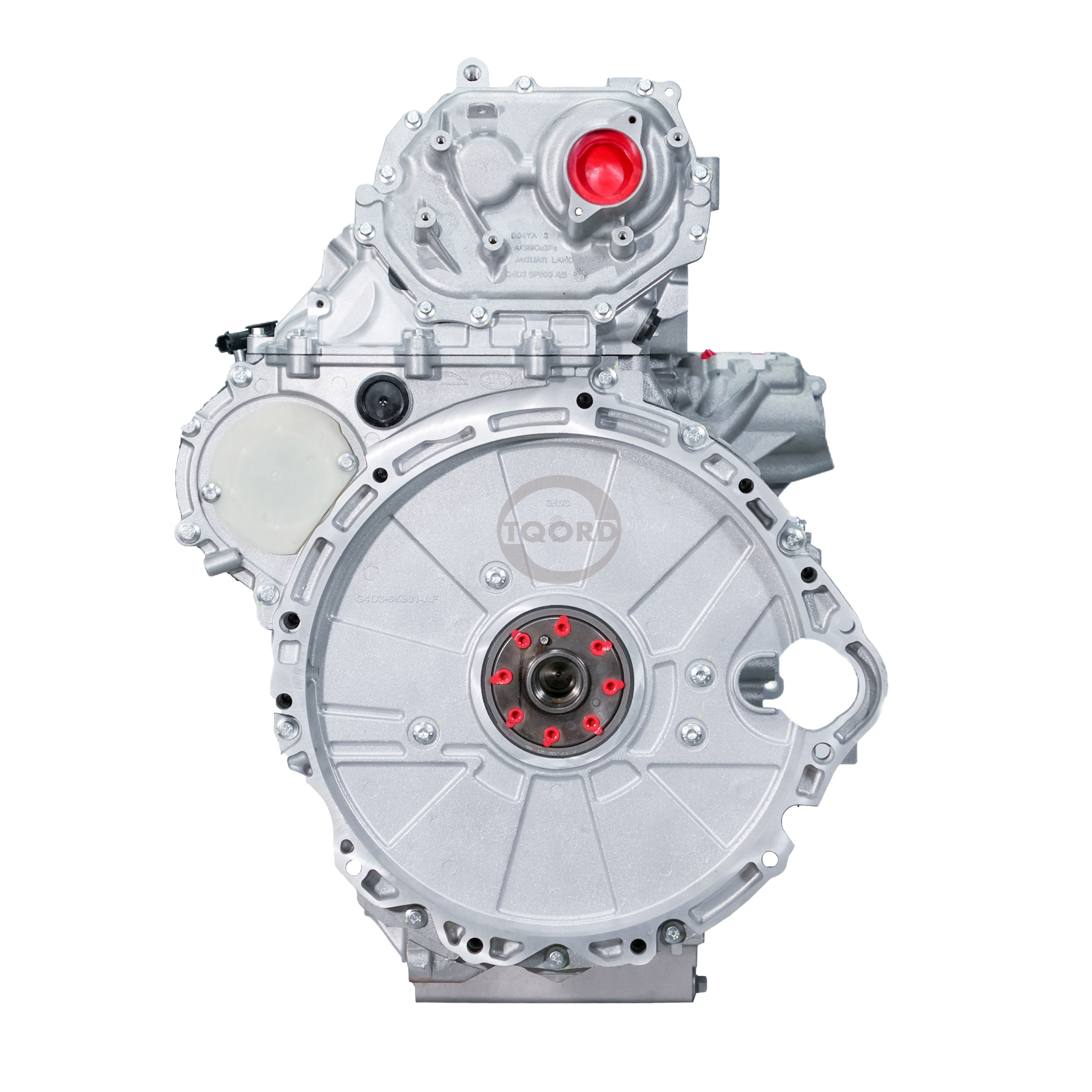
When a Ford Mustang loses power or suffers serious internal damage, a rebuilt gas engine becomes one of the most cost-effective and performance-driven solutions available. Rather than purchasing a brand-new engine at a steep premium, choosing a rebuilt unit allows Mustang owners to restore factory-level performance without completely replacing the vehicle. The rebuilt engine market has grown steadily in the automotive aftermarket, and for good reason — a properly rebuilt engine can deliver the same reliability and output as a new one when done correctly.
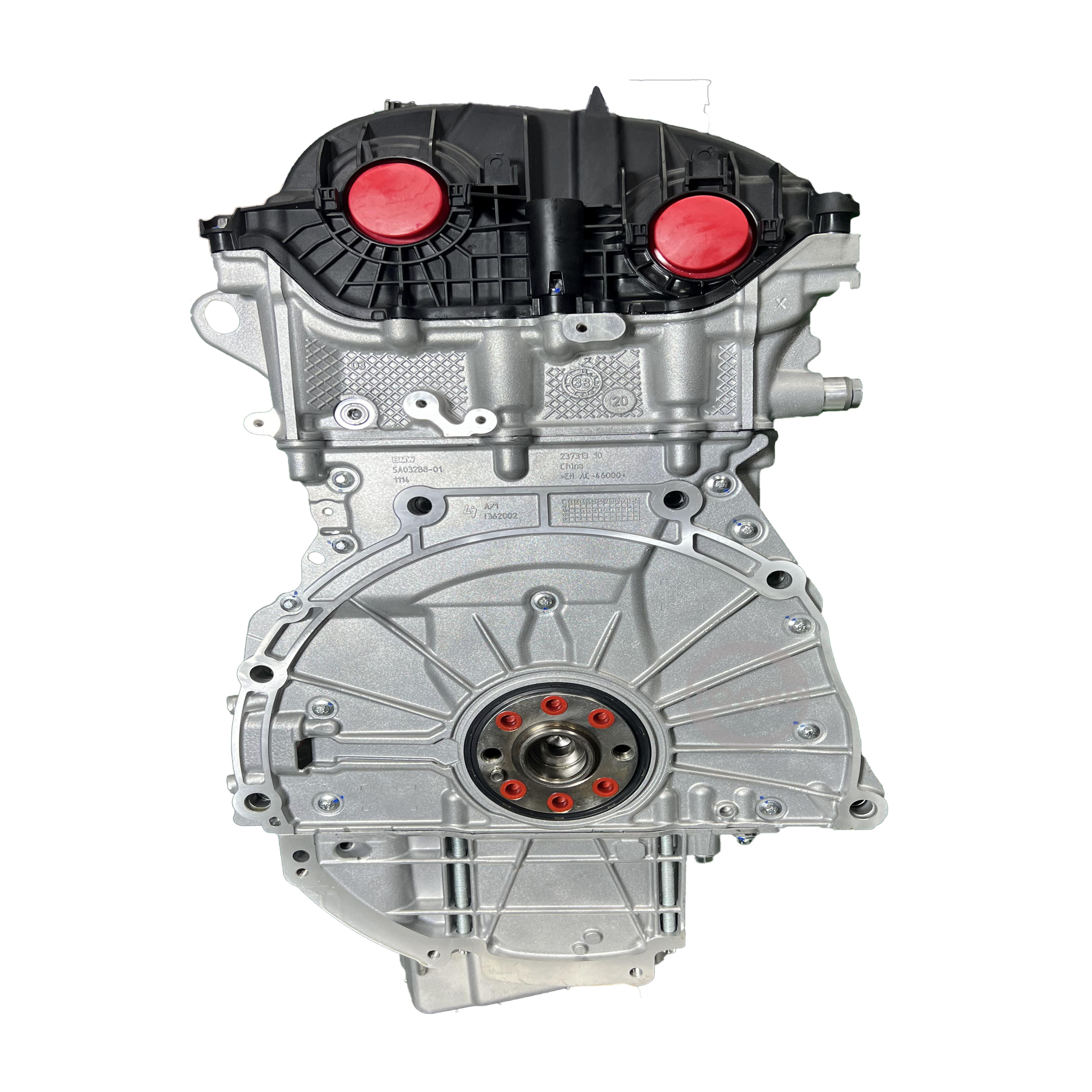
Understanding what makes a rebuilt engine worthy of a Mustang requires more than reading a parts list. It requires knowing the rebuild process, the standards involved, and the specific engine families that suit the Mustang platform best. Whether you drive a classic 5.0L V8 or a modern EcoBoost variant, rebuilt options exist across multiple engine configurations. This article walks through what rebuilt gas engines mean, how to evaluate them, and what factors matter most when selecting one for a Mustang application.
What a Rebuilt Engine Actually Means
The Rebuilt Process and Its Standards
A rebuilt engine is one that has been disassembled, inspected, and restored to working condition using a combination of new, reconditioned, and original parts. Unlike a used engine pulled from a salvage yard, a rebuilt engine has been measured, cleaned, and reassembled with fresh gaskets, seals, bearings, and piston rings at minimum. Some rebuilt builds go further, including new pistons, resurfaced heads, and machined cylinder walls. The quality of a rebuilt engine depends entirely on the depth of the rebuild process and the standards the rebuilder follows. A shallow rebuilt job replaces only worn consumables, while a thorough rebuilt restores the engine to near-original specifications throughout.
Rebuilt vs. Remanufactured
The terms rebuilt and remanufactured are often used interchangeably, but they carry different implications in the industry. A remanufactured engine typically follows OEM-level tolerances and uses standardized processes across all units, often with a core exchange program. A rebuilt engine, on the other hand, may be customized to specific conditions or built to performance specifications beyond stock. For Mustang owners seeking power gains, rebuilt engines can be tailored with upgraded internals that a standard remanufactured unit may not offer. Knowing this distinction helps buyers communicate clearly with suppliers and understand what they are getting before committing to a purchase.
Engine Families That Benefit Most from Being Rebuilt
The 5.0L Coyote V8 as a Rebuilt Platform
The 5.0L Coyote V8 found in modern Mustang GT models is one of the most popular rebuilt engine platforms in the performance world. The Coyote architecture responds very well to rebuilt work because its block is robust, the heads flow efficiently, and aftermarket support is extensive. A rebuilt Coyote can be upgraded with forged internals during the process, turning what was once a stock engine into a high-output powerplant. Rebuilt Coyote engines are widely available from specialized shops and suppliers who understand the tolerances required for this platform. When rebuilt properly, a Coyote delivers well over its factory output while maintaining street-friendly driveability.
The 4.6L and 5.4L Modular V8 Rebuilt Options
Earlier Mustang generations used the 4.6L and 5.4L Modular V8 engines, both of which remain strong candidates for a rebuilt solution. These engines are mechanically well-understood, and the rebuilt process for them is mature and well-documented. A rebuilt 4.6L two-valve or four-valve engine can restore performance in older Mustangs at a fraction of new replacement costs. The 5.4L found in Shelby GT500 models benefits greatly from a rebuilt approach because of the engine's high-performance roots and the availability of upgraded forged components during the process. Rebuilt Modular V8 engines are a practical choice for anyone restoring a late 1990s through mid-2000s Mustang.
The 2.3L EcoBoost and Smaller Displacement Rebuilt Builds
The turbocharged 2.3L EcoBoost engine in the modern four-cylinder Mustang is increasingly appearing in rebuilt listings. While not a traditional V8, the rebuilt EcoBoost platform benefits owners who prioritize fuel efficiency and turbocharged performance. A rebuilt EcoBoost can include upgraded pistons designed to handle higher boost pressures, making the engine more suitable for forced induction builds. Rebuilt versions of this engine are gaining traction among tuners and daily drivers alike who want a balance of economy and performance in a Mustang package.
How to Evaluate a Rebuilt Engine Before Buying
Key Inspection Points for a Rebuilt Engine
Evaluating a rebuilt engine requires attention to documentation, physical inspection, and supplier credibility. A trustworthy rebuilt engine comes with detailed paperwork listing what was replaced, what was machined, and what tolerances were achieved during reassembly. Ask for clearance measurements on bearings and cylinders, as these confirm the rebuilt work meets proper specifications. Rebuilt engines that lack documentation are a risk, regardless of how clean they appear externally. Always request a warranty in writing before accepting a rebuilt unit, as this reflects the rebuilder's confidence in their own work.
Matching the Rebuilt Engine to Your Mustang's Use Case
Not every rebuilt engine suits every Mustang build. A rebuilt engine for a weekend track car should prioritize strength and thermal management, while a rebuilt engine for a daily driver should focus on reliability, fuel compatibility, and emissions compliance. Rebuilt engines built for performance use often include higher compression ratios, better sealing materials, and tighter tolerances throughout. Rebuilt engines built for standard road use emphasize longevity and compatibility with existing drivetrain components. Defining your intended use before selecting a rebuilt unit prevents costly mismatches and ensures the rebuilt engine performs as expected from day one.
FAQ
How long does a rebuilt engine typically last in a Ford Mustang?
A properly rebuilt engine installed in a Ford Mustang can last as long as or longer than an original engine, often exceeding 150,000 miles with proper maintenance. The longevity of a rebuilt engine depends on the quality of parts used, the skill of the rebuilder, and how the engine is maintained after installation. Regular oil changes and using the correct fluids are essential to protecting a rebuilt engine over time.
Is a rebuilt engine cheaper than buying a new engine for a Mustang?
Yes, a rebuilt engine is generally significantly less expensive than purchasing a brand-new crate engine. The cost advantage of a rebuilt engine comes from reusing the original block and core components while replacing only what is worn or damaged. For Mustang owners on a budget who still want reliable performance, a rebuilt engine represents excellent value compared to new alternatives.
Can a rebuilt engine improve the performance of my Mustang over stock?
Yes, a rebuilt engine can absolutely exceed stock performance if upgraded components are installed during the rebuild process. Many Mustang enthusiasts use the rebuilt process as an opportunity to install forged pistons, stronger connecting rods, and improved head gaskets. A rebuilt engine with performance upgrades can produce significantly more horsepower and torque than the original factory specification, making the rebuilt process both a restoration and an enhancement strategy.