 EN
EN

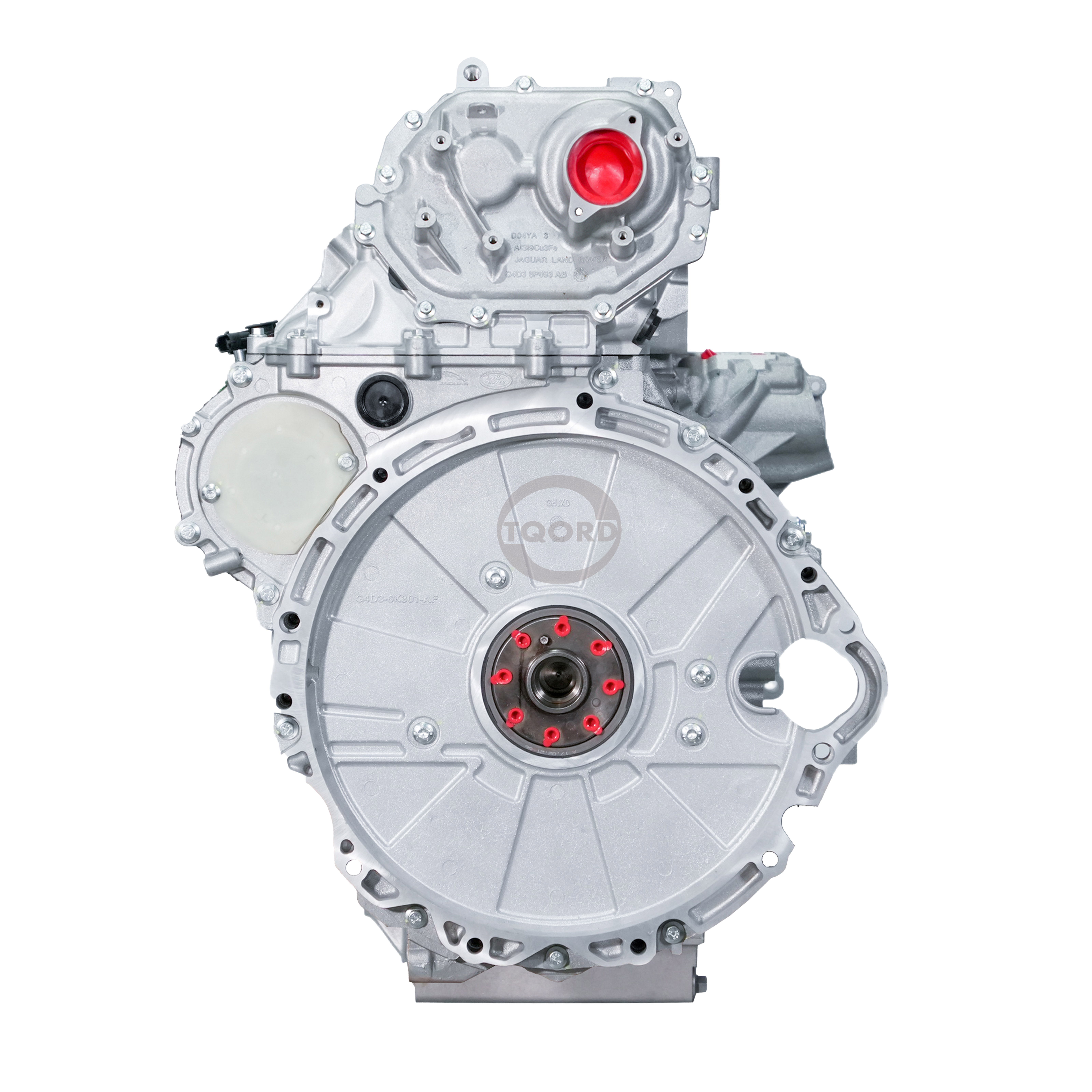
When off-road Jeep owners face worn drivetrain components, the choice between new and rebuilt parts becomes a defining decision. Rebuilt components have long been a practical solution for serious trail drivers who demand reliable performance without paying full replacement prices. Understanding how rebuilt parts actually perform under demanding off-road conditions is essential before making any purchasing commitment.
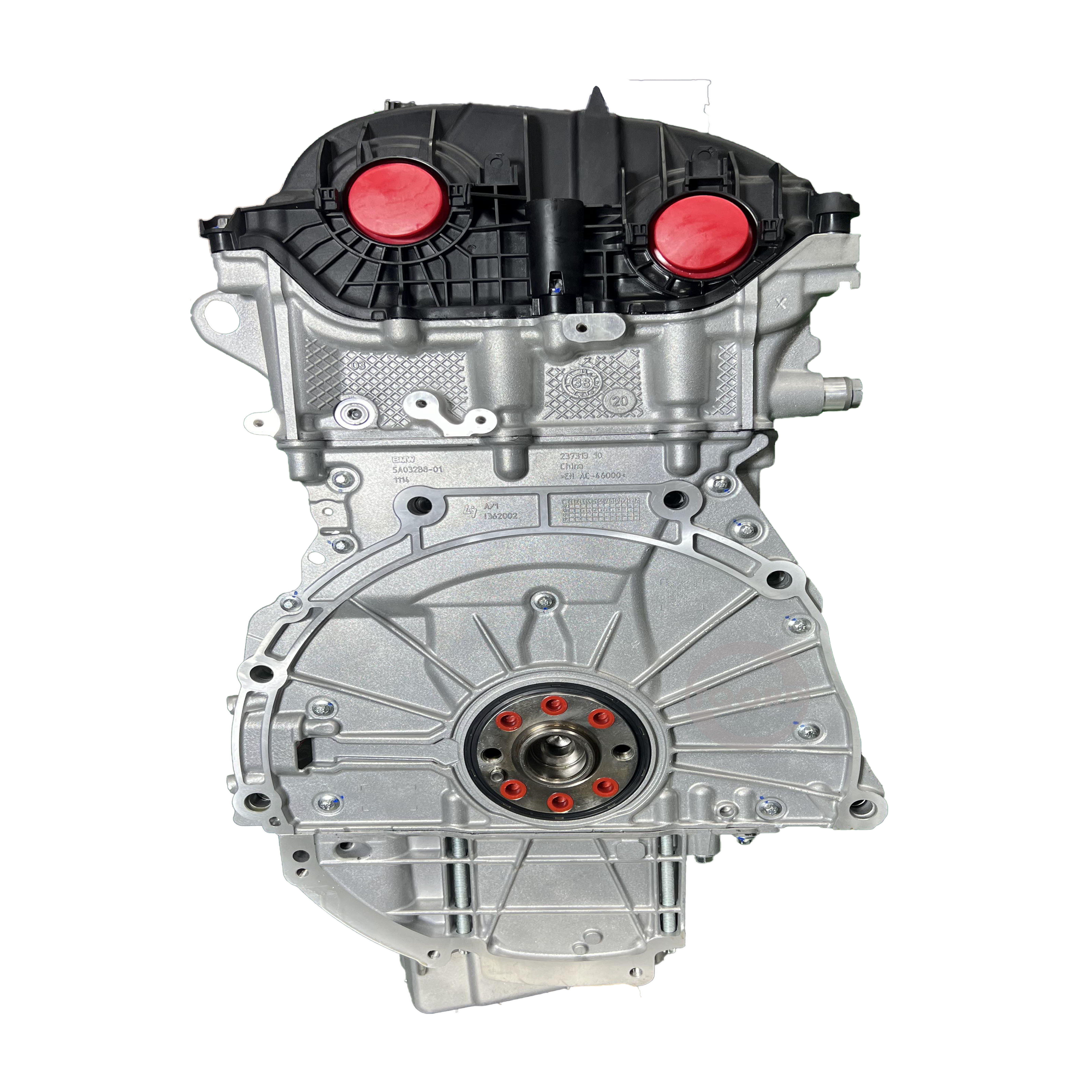
This performance test examines rebuilt 4 wheel parts across multiple critical categories, including durability, fitment accuracy, power transfer, and overall trail reliability. Whether you run a daily driver Jeep or a dedicated rock crawler, knowing how rebuilt components hold up under real stress is the kind of insight that saves both money and downtime on the trail. Every rebuilt unit tested here was evaluated under conditions that replicate genuine off-road use.
What Rebuilt 4 Wheel Parts Actually Mean
The Rebuilt Process Explained
A rebuilt part is not simply a used component cleaned and resold. The rebuilt process involves full disassembly, inspection, replacement of worn or damaged internal components, and reassembly to meet or exceed original specifications. When a rebuilt axle, transfer case, or differential is done correctly, it functions as a structurally sound and mechanically reliable unit. Every rebuilt component in this test was sourced to meet those same core standards.
The rebuilt workflow matters greatly in off-road applications because trail use places extreme stress on drivetrain parts. A properly rebuilt unit uses fresh bearings, seals, and friction surfaces, which means it enters service in a condition far superior to a worn original. The quality of the rebuilt process directly determines how the part will perform when a Jeep climbs steep inclines, articulates over boulders, or pushes through deep mud runs. Each rebuilt part evaluated here was checked for internal component quality before installation.
Common Rebuilt Parts for Jeep Off-Road Builds
The most frequently rebuilt 4 wheel parts used in Jeep off-road builds include axle shafts, transfer cases, differential housings, steering gear boxes, and front and rear drive shafts. Each rebuilt unit plays a specific role in maintaining traction, power delivery, and directional control on uneven terrain. When these components are rebuilt to proper specifications, they integrate seamlessly into an existing drivetrain without requiring custom modifications.
Rebuilt steering components in particular showed strong results in this test. Rebuilt gear boxes delivered consistent feedback and reduced play compared to their worn counterparts, which translated directly into improved steering precision on loose gravel and rocky surfaces. The rebuilt units demonstrated that correct internal tolerances, restored through the rebuilt process, make a measurable difference in driver confidence and vehicle control.
Performance Test Results Across Trail Conditions
Low-Speed Rock Crawling Assessment
During low-speed rock crawling trials, rebuilt transfer cases and rebuilt differential units were assessed for heat management, torque delivery, and noise levels. The rebuilt transfer cases performed consistently across extended crawling sessions, maintaining smooth engagement between high and low range without slipping or binding. This level of rebuilt performance is critical because rock crawling demands sustained low-speed torque with zero tolerance for drivetrain hesitation.
Rebuilt front axle assemblies also stood out during this portion of the test. Under full articulation and side-loading conditions, rebuilt axle shafts showed no deformation or seal failure. The rebuilt units maintained lubrication integrity throughout the crawling sequence, which indicates that the rebuilt sealing process was executed properly. Any rebuilt axle that loses lubrication during articulation will fail quickly, so this result was an important validation point.
High-Speed Dirt and Gravel Trail Testing
Shifting from technical crawling to high-speed dirt trails introduced a different set of demands on rebuilt components. Rebuilt drive shafts were subjected to sustained vibration loads at speeds between 45 and 65 miles per hour on rough unpaved surfaces. All rebuilt drive shaft units maintained balance and showed no noticeable vibration harmonics, which confirms that the rebuilt balancing procedures were applied correctly during production.
Rebuilt wheel hubs also underwent assessment during the high-speed trail runs. Rebuilt hubs held bearing preload without adjustment throughout the test duration. Consistent rebuilt hub performance at speed is a strong indicator that internal rebuilt tolerances match OEM specifications closely enough for demanding real-world use. Drivers reported a smooth and predictable feel from rebuilt hubs across varied surface textures.
Value and Durability Considerations for Rebuilt Parts
Cost Efficiency of Rebuilt Components
One of the primary reasons off-road Jeep owners choose rebuilt parts is the significant cost advantage over new OEM replacements. A rebuilt transfer case or rebuilt differential typically costs between 40 and 60 percent less than a new equivalent, depending on the specific application and rebuild quality tier. For Jeep builders who are upgrading multiple systems simultaneously, choosing rebuilt components across the drivetrain can free up budget for suspension lifts, recovery gear, or protective armor.
The cost efficiency of rebuilt parts is only meaningful when paired with rebuild quality. A rebuilt component sourced from a low-quality supplier may use substandard internal materials, which leads to premature failure under trail stress. This performance test consistently reinforced that rebuilt parts from reputable sources delivered durability that justified their cost position relative to new parts.
Long-Term Durability Outlook
Long-term durability of rebuilt 4 wheel parts depends heavily on maintenance intervals and operating conditions. Rebuilt differentials and rebuilt transfer cases should receive fresh fluid changes at shorter intervals during the break-in period, typically within the first 500 miles of use. This practice allows any residual machining particles from the rebuilt process to be flushed from the system before they can cause premature wear.
Rebuilt components that are properly maintained show wear curves similar to new OEM parts in moderate off-road applications. Under extreme competition-level abuse, rebuilt parts may require earlier inspection intervals compared to new units. However, for the vast majority of trail-use Jeep owners, rebuilt drivetrain components represent a durable and financially sound choice that supports consistent off-road performance over multiple seasons of use.
FAQ
Are rebuilt parts reliable enough for serious off-road Jeep use?
Yes, rebuilt parts are reliable for serious off-road use when sourced from quality suppliers who follow proper rebuilt procedures. Rebuilt components that use fresh internal parts, correct tolerances, and proper sealing can match the performance of new units under demanding trail conditions. The key is verifying the rebuilt standard before purchase.
How do I know if a rebuilt part meets quality standards?
A quality rebuilt part should come with documentation of the rebuilt process, including what internal components were replaced and what specifications the rebuilt unit was tested against. Rebuilt parts that include a warranty period are generally a strong indicator that the supplier stands behind the rebuilt quality. Inspecting the rebuilt unit for clean machining, fresh seals, and proper coating is also recommended.
How often should rebuilt drivetrain parts be serviced after installation?
Rebuilt drivetrain components should receive a first fluid service within 300 to 500 miles of installation to remove any break-in particles from the rebuilt assembly. After the initial service, rebuilt parts generally follow the same maintenance schedule as new components. More frequent checks are advisable if the Jeep is used in extreme conditions such as water crossings or sustained high-load trail work.