Re Manufacturing Solutions - Quality & Value

Get a Free Quote

Our representative will contact you soon.
Email
Phone/WhatsApp/WeChat
Name
Company Name
Title
VIN Code
Message
0/1000

re manufacturing

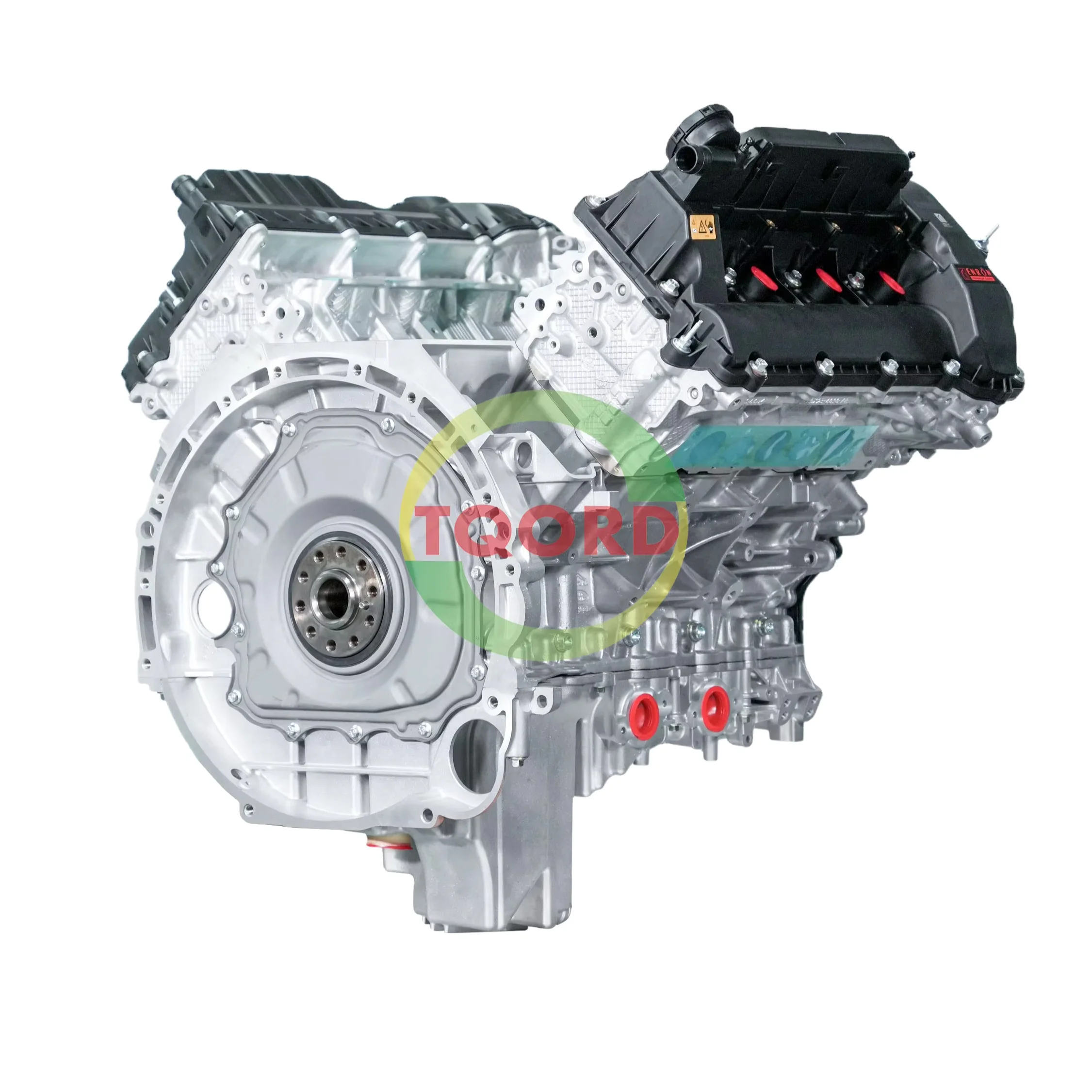
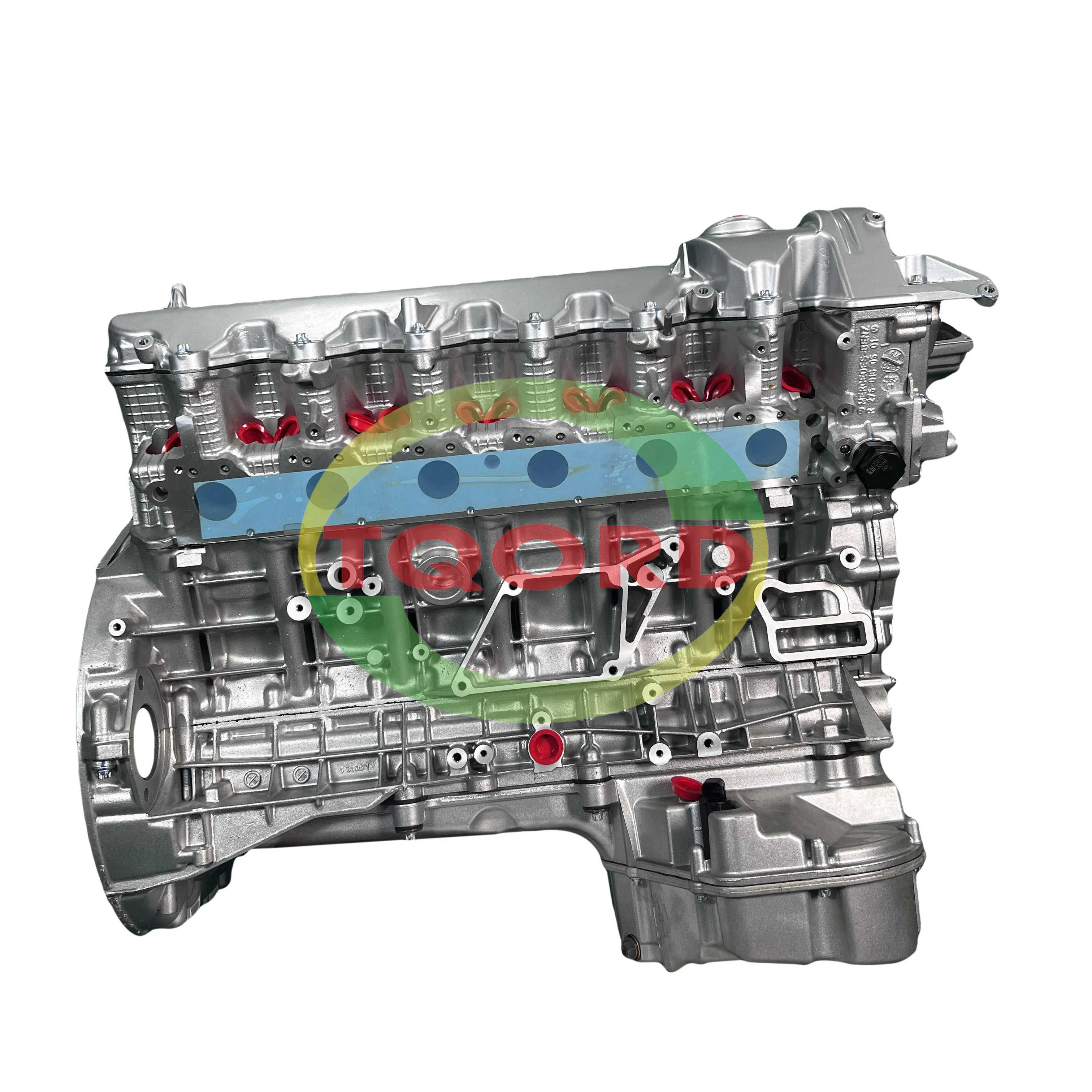
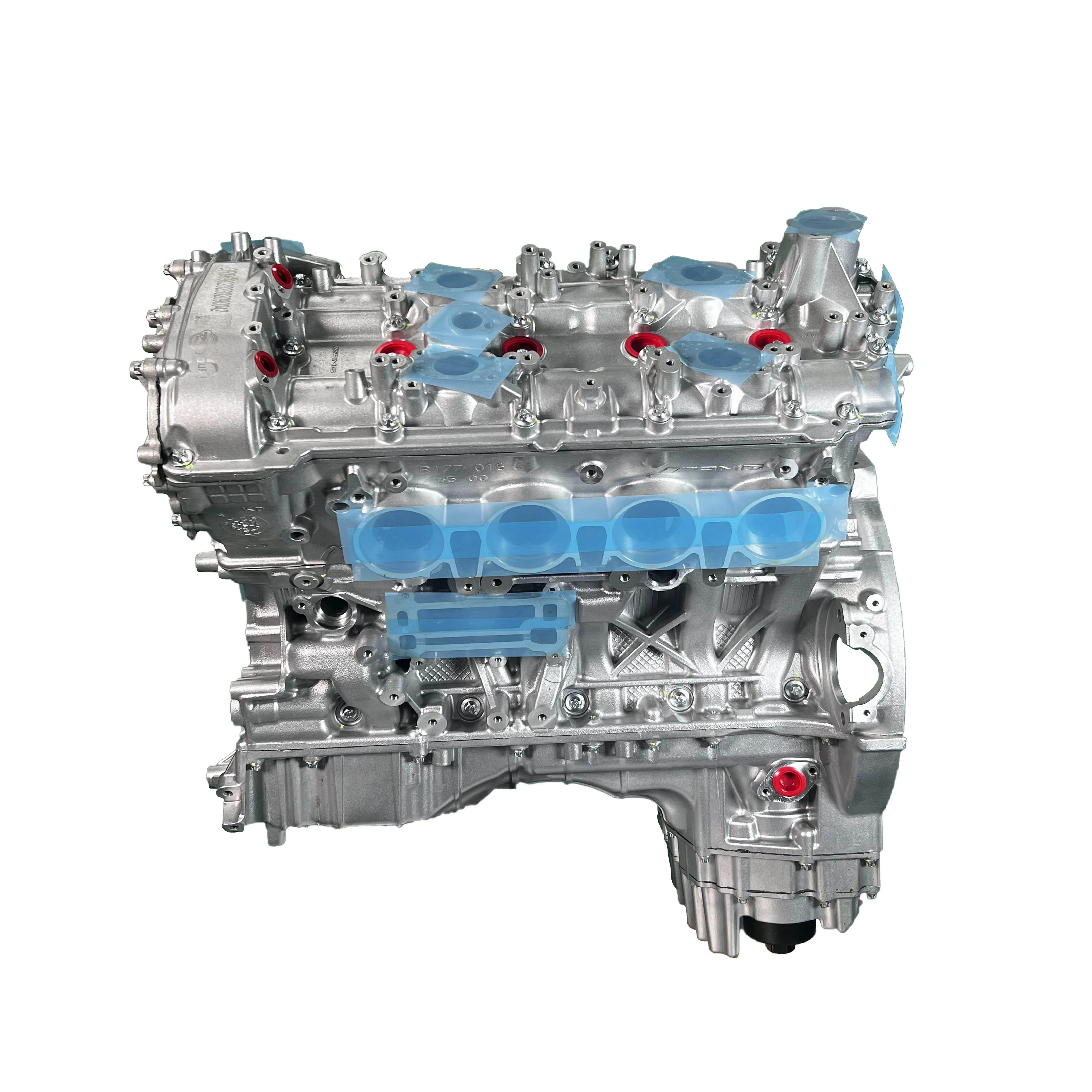
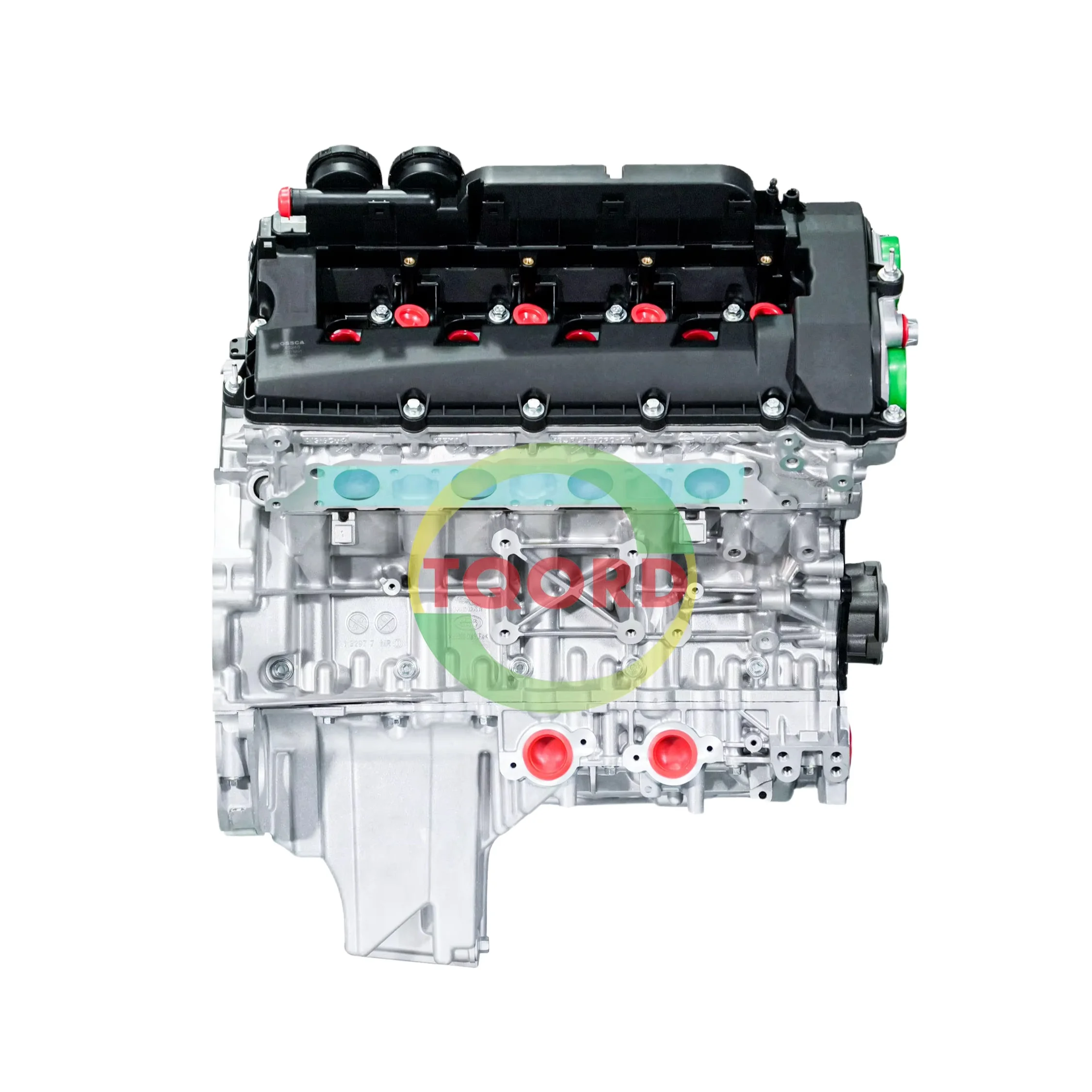
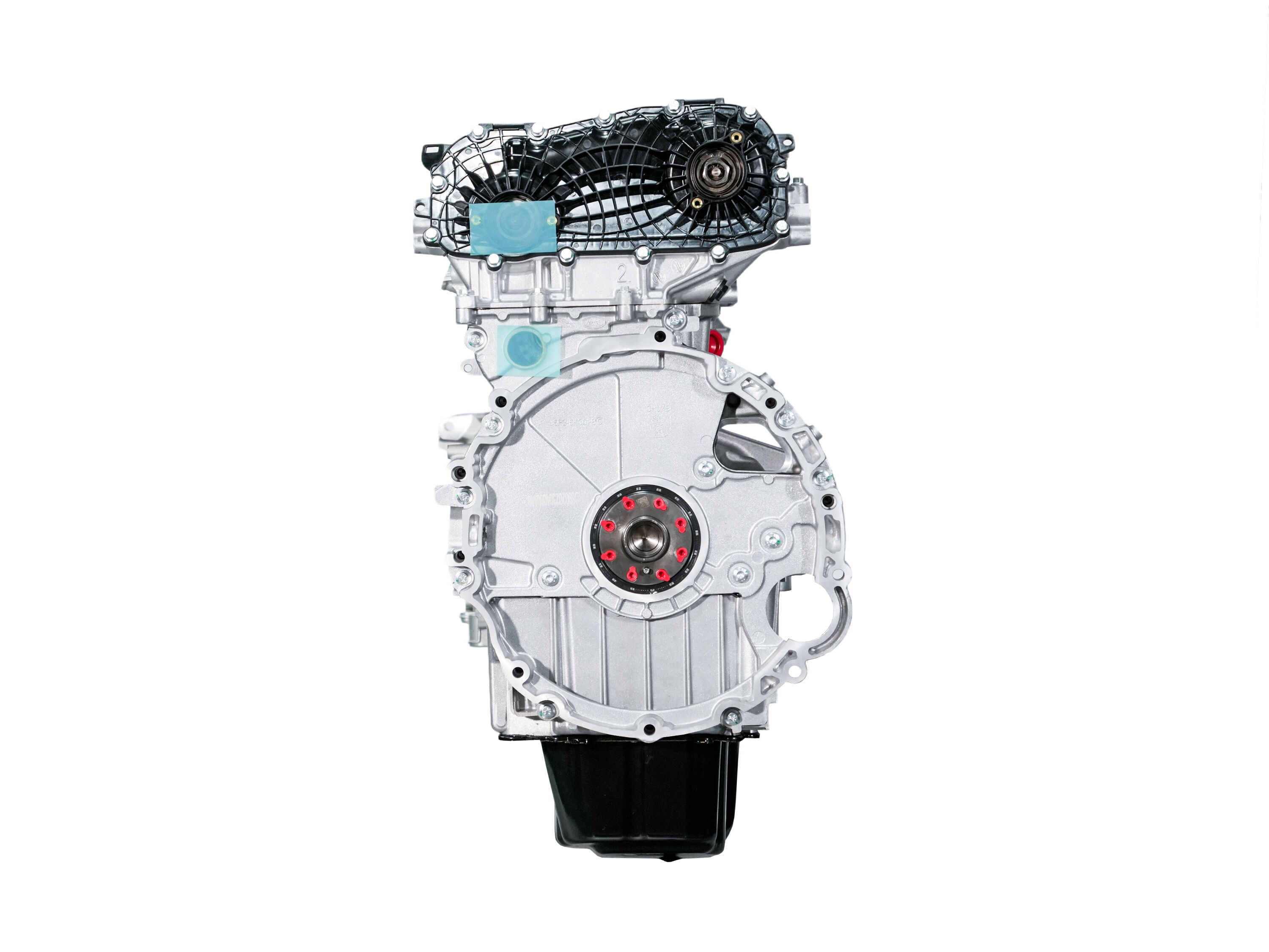
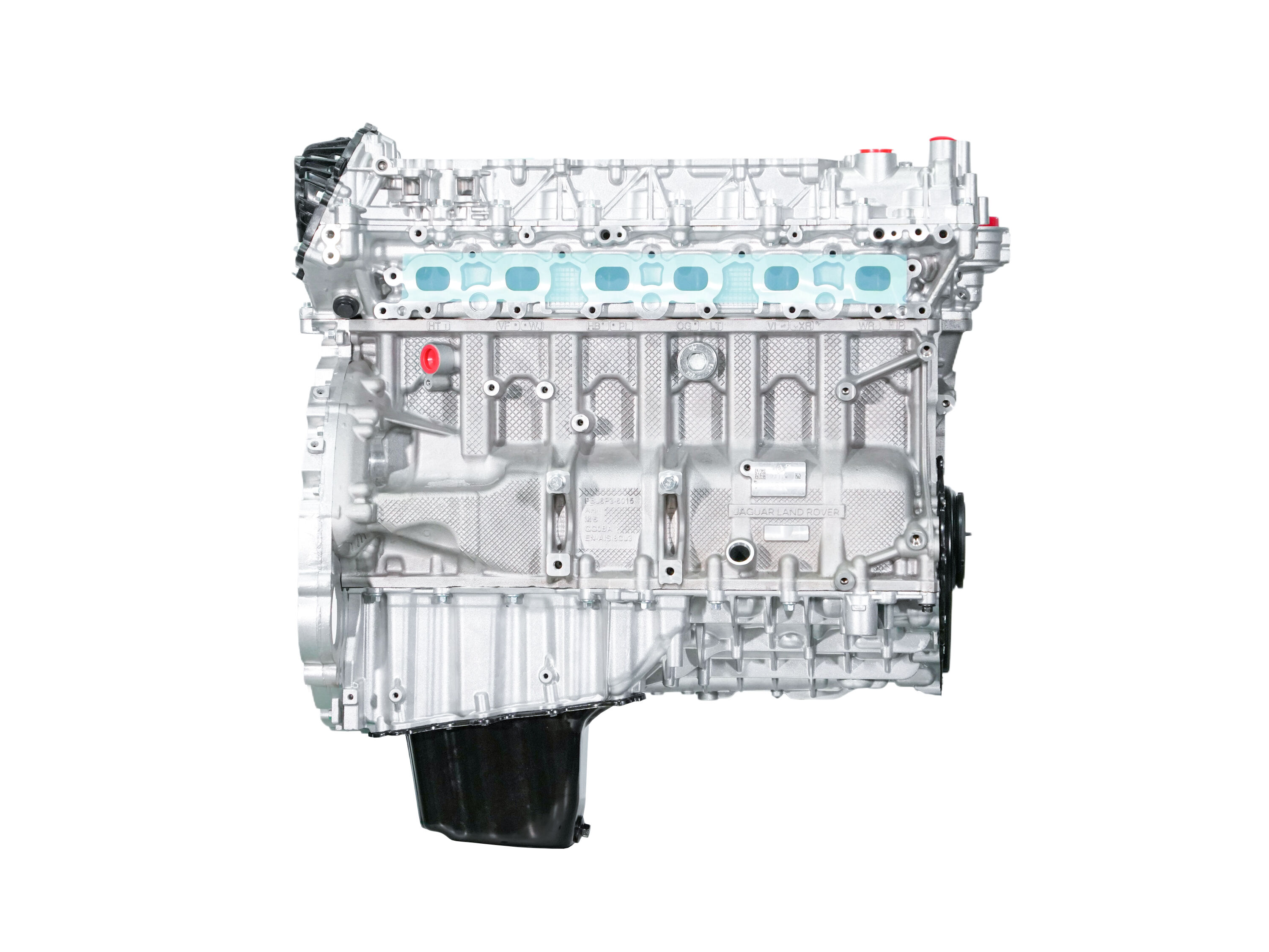
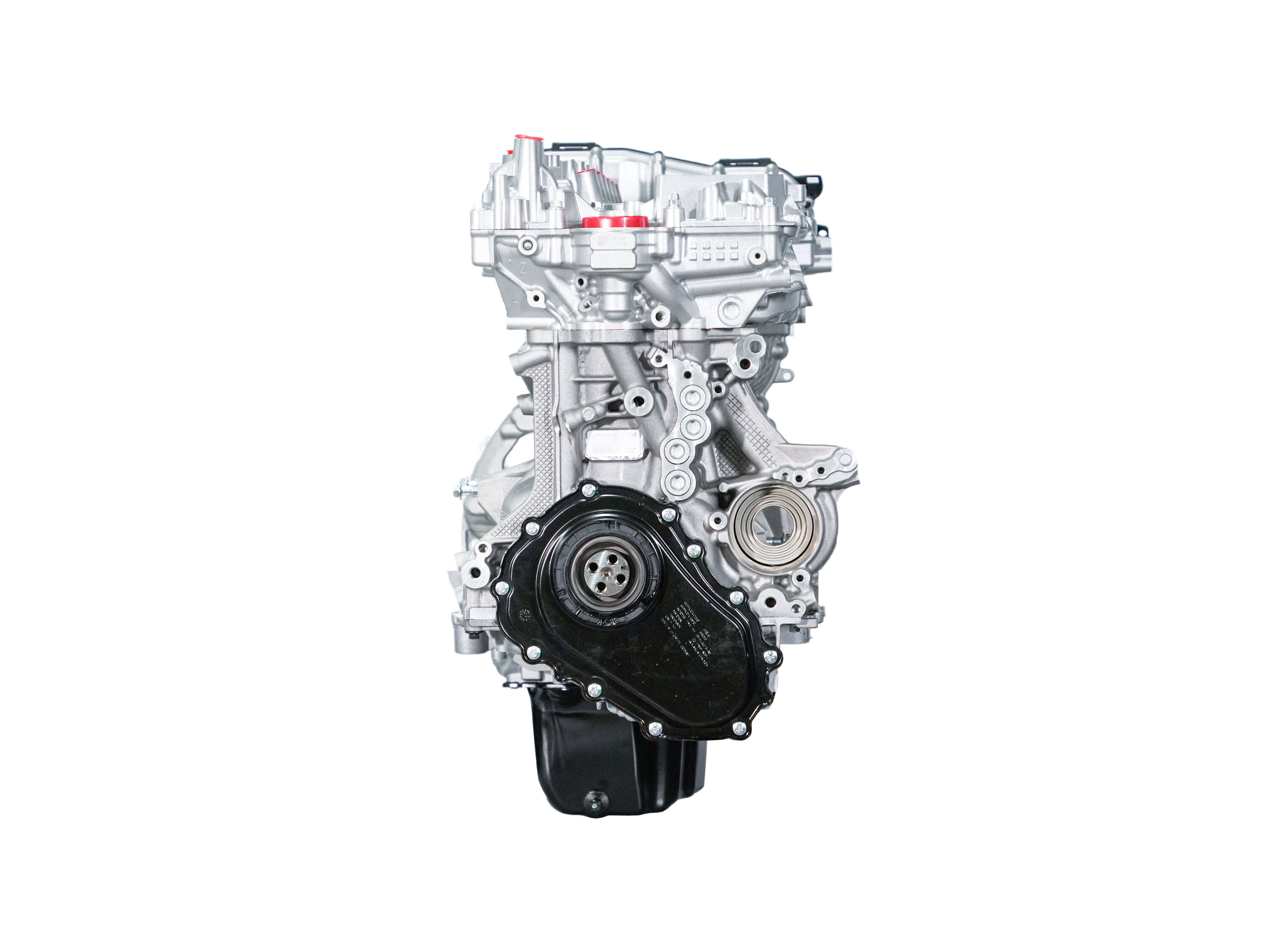
Re manufacturing represents a comprehensive industrial process that restores used products to like-new or better-than-new condition through systematic disassembly, cleaning, inspection, and replacement of worn components. This sustainable manufacturing approach goes beyond simple repair or refurbishment by completely rebuilding products to original equipment manufacturer specifications or higher performance standards. The re manufacturing process involves rigorous quality control measures, precision engineering, and advanced testing protocols to ensure each remanufactured product meets or exceeds original performance benchmarks. Industries ranging from automotive and aerospace to electronics and heavy machinery rely on re manufacturing to extend product lifecycles while maintaining quality standards. The technological features of re manufacturing include computerized diagnostic systems, precision measurement tools, advanced cleaning technologies, and automated testing equipment that validate component integrity. Modern re manufacturing facilities utilize digital tracking systems to monitor each product through every stage of the restoration process, ensuring complete traceability and quality assurance. Applications span diverse sectors including engine rebuilding, transmission restoration, electronic equipment renewal, and industrial machinery refurbishment. Re manufacturing serves as a critical bridge between sustainability goals and economic efficiency, offering manufacturers and end-users a viable alternative to new product purchases while reducing environmental impact through material conservation and waste reduction.

New Products

The re manufacturing process delivers substantial cost savings, typically offering products at 40 to 65 percent less than comparable new items while maintaining equivalent performance and reliability standards. Businesses benefit from reduced capital expenditure when choosing remanufactured equipment, freeing financial resources for other operational priorities without compromising quality or functionality. Environmental advantages prove equally compelling, as re manufacturing conserves raw materials, reduces energy consumption by up to 85 percent compared to new manufacturing, and diverts substantial waste from landfills. Organizations pursuing sustainability certifications and carbon footprint reduction find re manufacturing aligns perfectly with environmental responsibility objectives. Operational benefits include faster availability since re manufacturing often requires shorter lead times than new product manufacturing, minimizing equipment downtime and maintaining productivity levels. The process preserves the proven performance characteristics of original designs while incorporating updated components that may improve efficiency or extend service life beyond original specifications. Quality assurance protocols in professional re manufacturing operations often match or exceed new product standards, with comprehensive warranties providing buyers confidence and risk mitigation. Application suitability spans industries where equipment reliability proves critical, from transportation fleets requiring dependable engines to manufacturing facilities needing consistent machinery performance. Decision-makers appreciate how re manufacturing balances fiscal responsibility with operational requirements, supporting both immediate budget constraints and long-term strategic planning. The practice particularly benefits organizations managing large equipment inventories, where systematic re manufacturing programs optimize lifecycle costs while maintaining fleet reliability and performance consistency across operations.

Practical Tips

Reman Engines for Old Audi A4: A Cost-Effective Replacement Option

11

May

Reman Engines for Old Audi A4: A Cost-Effective Replacement Option

Why Reman Engines Are the Smart Choice for Aging Audi A4 Models Common Failure Patterns in 2002–2008 Audi A4 1.8T and 2.0T Engines The 2002–2008 Audi A4’s 1.8T and 2.0T engines are prone to predictable, high-impact failures—...
View More
How to Inspect the Quality of Rebuilt Diesel Engines

23

May

How to Inspect the Quality of Rebuilt Diesel Engines

Verify Core Components and Rebuild Integrity Visual and Dimensional Inspection of Block, Head, and Crankshaft Begin by meticulously examining the engine block, cylinder head, and crankshaft for signs of prior damage or substandard repair—espe...
View More
Oruide's Partnership with Stellantis: Boosting Remanufacturing Standards

08

Jun

Oruide's Partnership with Stellantis: Boosting Remanufacturing Standards

The automotive industry is undergoing a profound shift toward sustainability and circular economy practices, and remanufacturing sits at the very center of that transformation. Oruide's strategic partnership with Stellantis represents a landmark mome...
View More
Global Supply of Diesel Engines: Oruide's 60,000+ Annual Capacity

02

Jun

Global Supply of Diesel Engines: Oruide's 60,000+ Annual Capacity

The global demand for diesel engines has never been more complex to satisfy. Industrial fleets, commercial vehicles, agricultural machinery, and off-road equipment all rely on dependable diesel powertrains, and sourcing those engines at scale require...
View More

Get a Free Quote

Our representative will contact you soon.
Email
Phone/WhatsApp/WeChat
Name
Company Name
Title
VIN Code
Message
0/1000

re manufacturing

Superior Quality Control and Performance Validation

Superior Quality Control and Performance Validation

Re manufacturing employs exhaustive quality control measures that distinguish it from standard repair services, implementing multi-stage inspection protocols that examine every component against precise engineering specifications. Professional re manufacturing facilities utilize advanced diagnostic equipment including computerized testing systems, precision measurement instruments, and performance simulation tools that validate product functionality under various operating conditions. Each component undergoes thorough evaluation to determine whether it meets retention standards, requires reconditioning, or needs replacement with new or remanufactured parts. This meticulous approach ensures that remanufactured products achieve performance levels matching or exceeding original equipment specifications. The quality assurance process includes dimensional verification, material composition analysis, surface condition assessment, and functional testing that simulates real-world operating environments. Re manufacturing technicians follow detailed procedures developed through engineering analysis and field experience, ensuring consistent results across production batches. Final testing protocols verify that completed products meet all performance parameters before release, with documentation providing complete traceability throughout the restoration process. This commitment to quality control gives buyers confidence that remanufactured products deliver reliable, long-term performance equivalent to new alternatives while offering significant cost advantages.
Environmental Sustainability and Resource Conservation

Environmental Sustainability and Resource Conservation

Re manufacturing stands as a cornerstone of circular economy principles, dramatically reducing environmental impact through material conservation and energy efficiency compared to traditional manufacturing processes. The practice diverts millions of tons of usable materials from waste streams annually, preserving valuable resources including metals, plastics, and electronic components that would otherwise require energy-intensive extraction and processing. Studies demonstrate that re manufacturing consumes approximately 85 percent less energy than producing equivalent new products, translating to substantial reductions in greenhouse gas emissions and carbon footprint. Water usage, chemical consumption, and industrial waste generation all decrease significantly through re manufacturing compared to new product manufacturing. Organizations implementing re manufacturing programs contribute measurably to sustainability objectives while achieving operational cost reductions, creating compelling business cases that align environmental responsibility with financial performance. The process extends product lifecycles by decades in many applications, maximizing the return on initial manufacturing investments and reducing demand for new resource extraction. Re manufacturing supports corporate social responsibility initiatives, helps companies meet regulatory requirements for waste reduction, and enhances brand reputation among environmentally conscious customers. This environmental advantage resonates particularly strongly with organizations pursuing green certifications, sustainability reporting requirements, and stakeholder expectations for reduced environmental impact across supply chains and operations.
Economic Efficiency and Lifecycle Cost Optimization

Economic Efficiency and Lifecycle Cost Optimization

Re manufacturing delivers exceptional economic value through reduced acquisition costs, extended equipment lifecycles, and optimized total cost of ownership across diverse applications and industries. Purchasing remanufactured products typically costs 40 to 65 percent less than new equivalents while providing comparable performance, reliability, and warranty protection, enabling organizations to stretch capital budgets further without sacrificing operational capability. The economic advantages extend beyond initial purchase price to include faster availability, reduced inventory carrying costs, and flexible upgrade opportunities that align with technological advancement without complete equipment replacement. Fleet operators, manufacturing facilities, and equipment-intensive businesses realize substantial savings by implementing strategic re manufacturing programs that systematically restore equipment before failure occurs, preventing costly emergency replacements and unplanned downtime. Re manufacturing supports predictable maintenance budgeting through scheduled restoration cycles that optimize equipment utilization and minimize lifecycle costs. Organizations can maintain larger equipment reserves within fixed budgets by choosing remanufactured alternatives, enhancing operational flexibility and resilience. The practice proves particularly valuable for supporting legacy equipment where new replacements may be unavailable or prohibitively expensive, preserving operational continuity while managing obsolescence challenges. Insurance companies, leasing firms, and asset management organizations increasingly recognize re manufacturing as a value-preservation strategy that maximizes residual values and extends revenue-generating lifecycles for capital equipment across multiple use cycles.