Remanufacturing Solutions for Old Diesel Engines

Get a Free Quote

Our representative will contact you soon.
Email
Phone/WhatsApp/WeChat
Name
Company Name
Title
VIN Code
Message
0/1000

remanufacturing solutions for old diesel engines

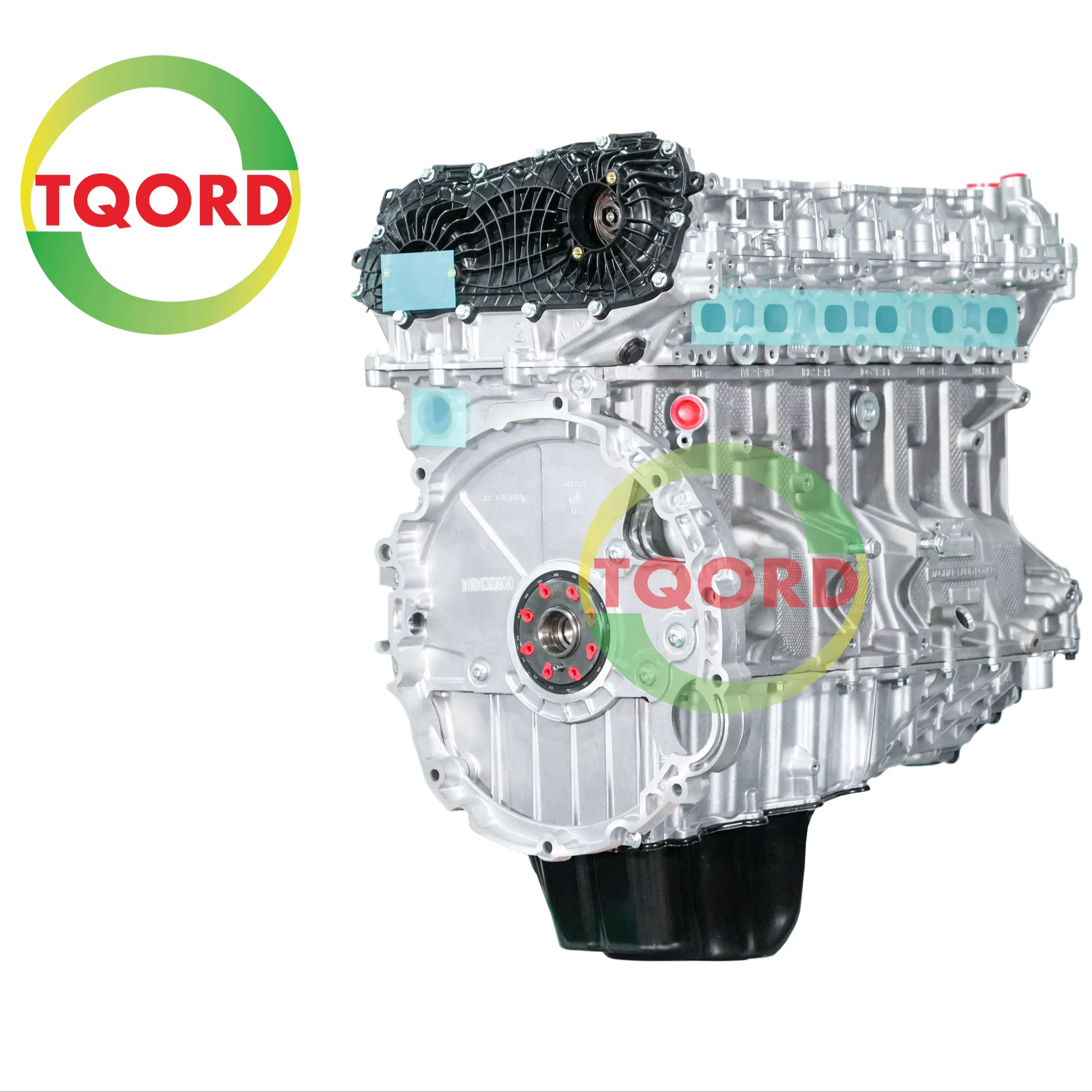
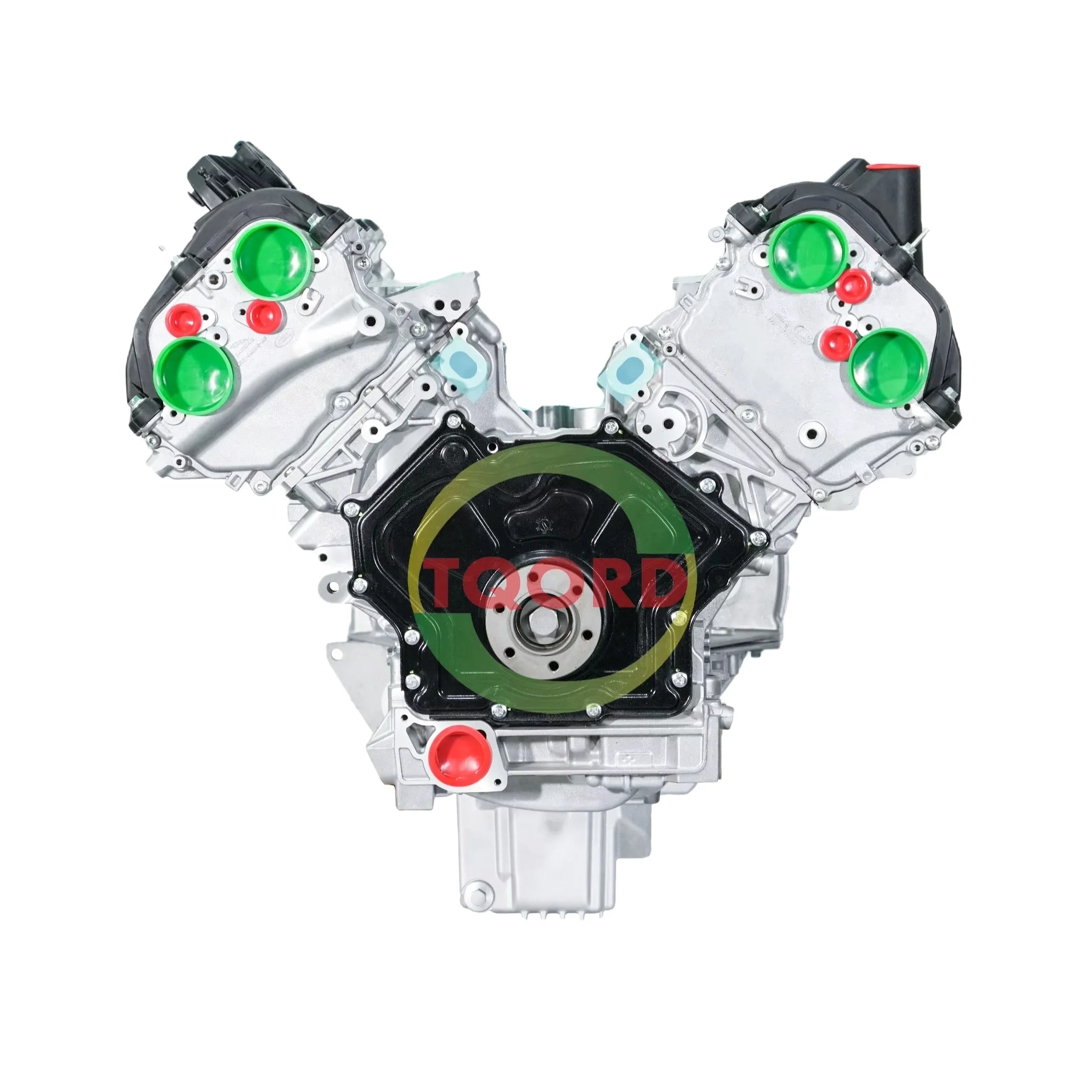
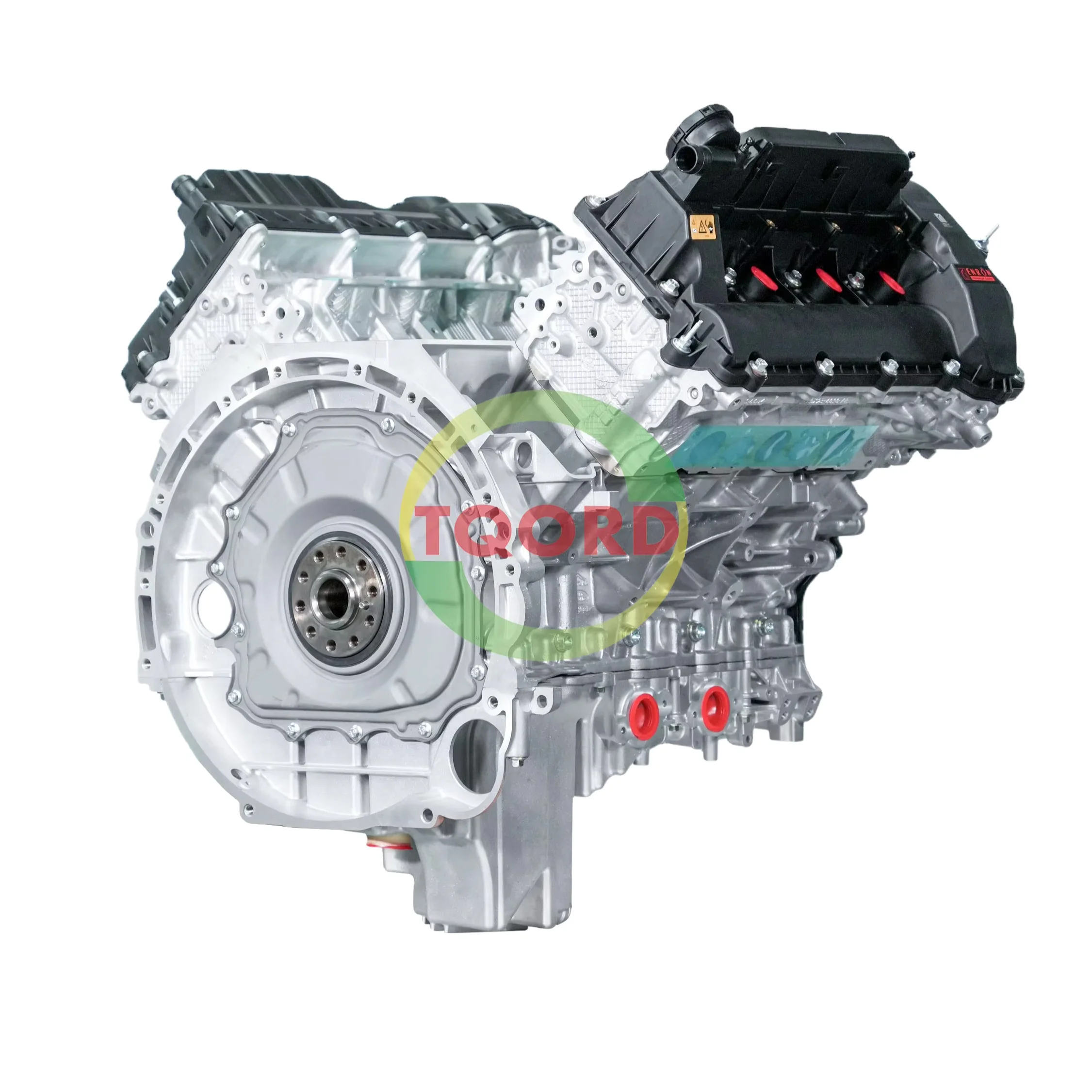
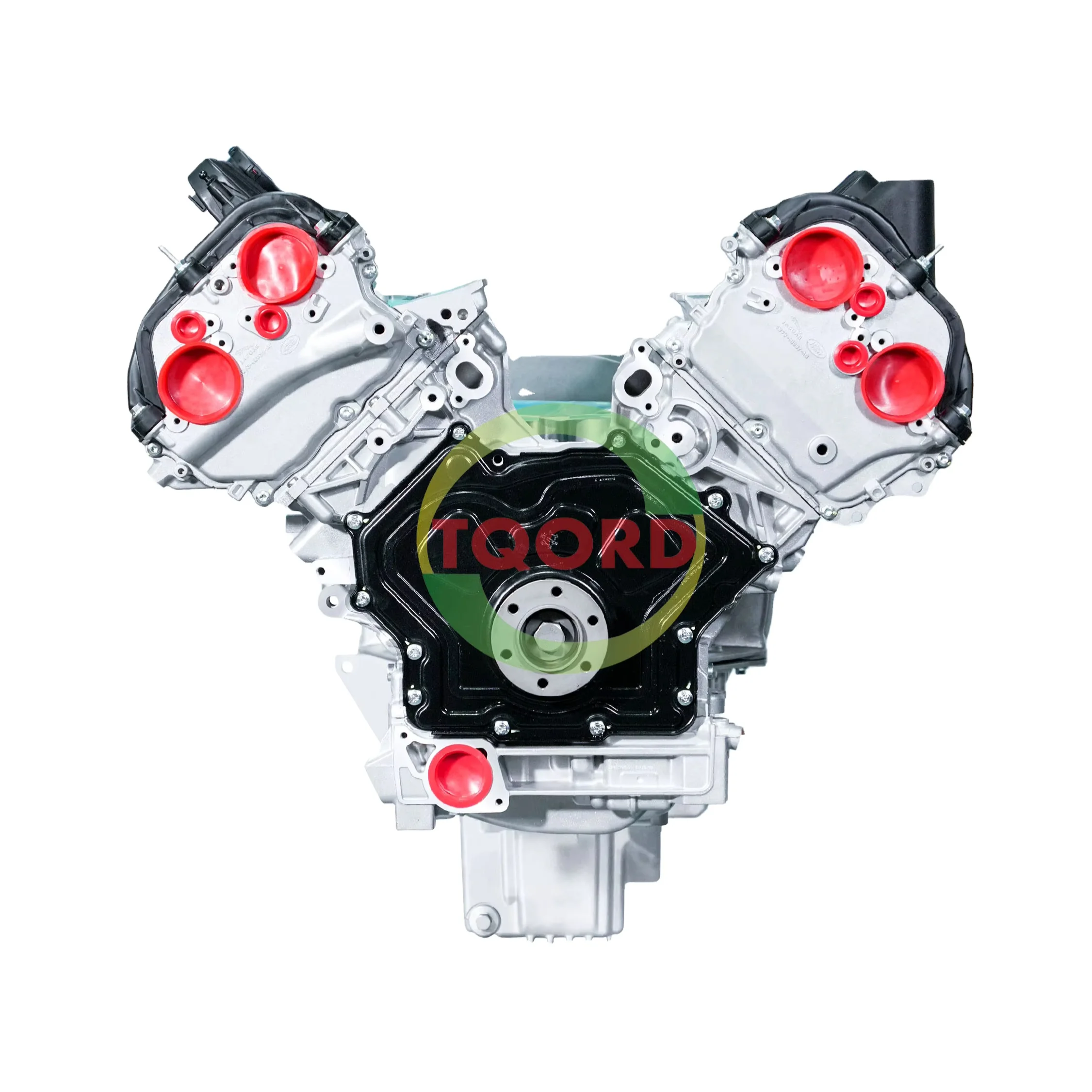
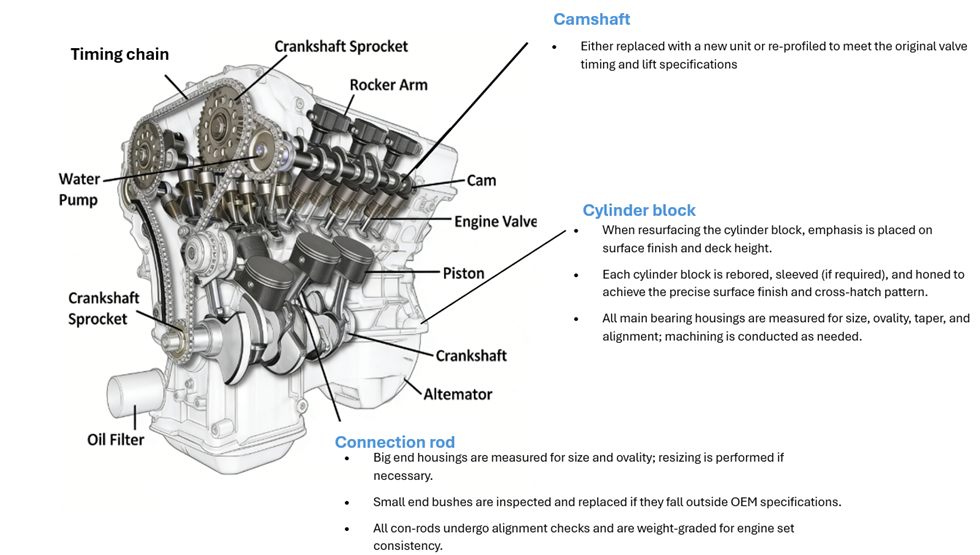
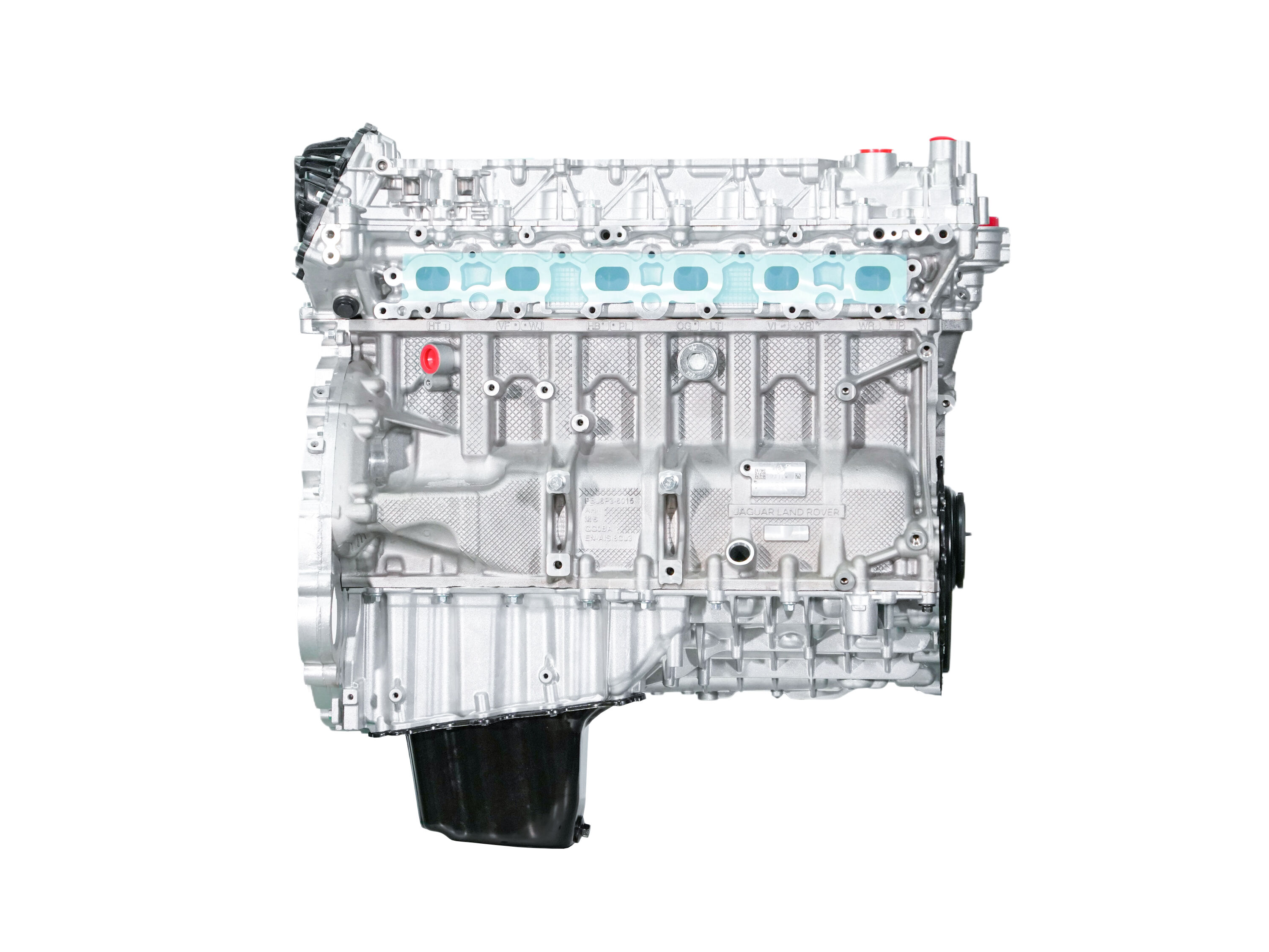
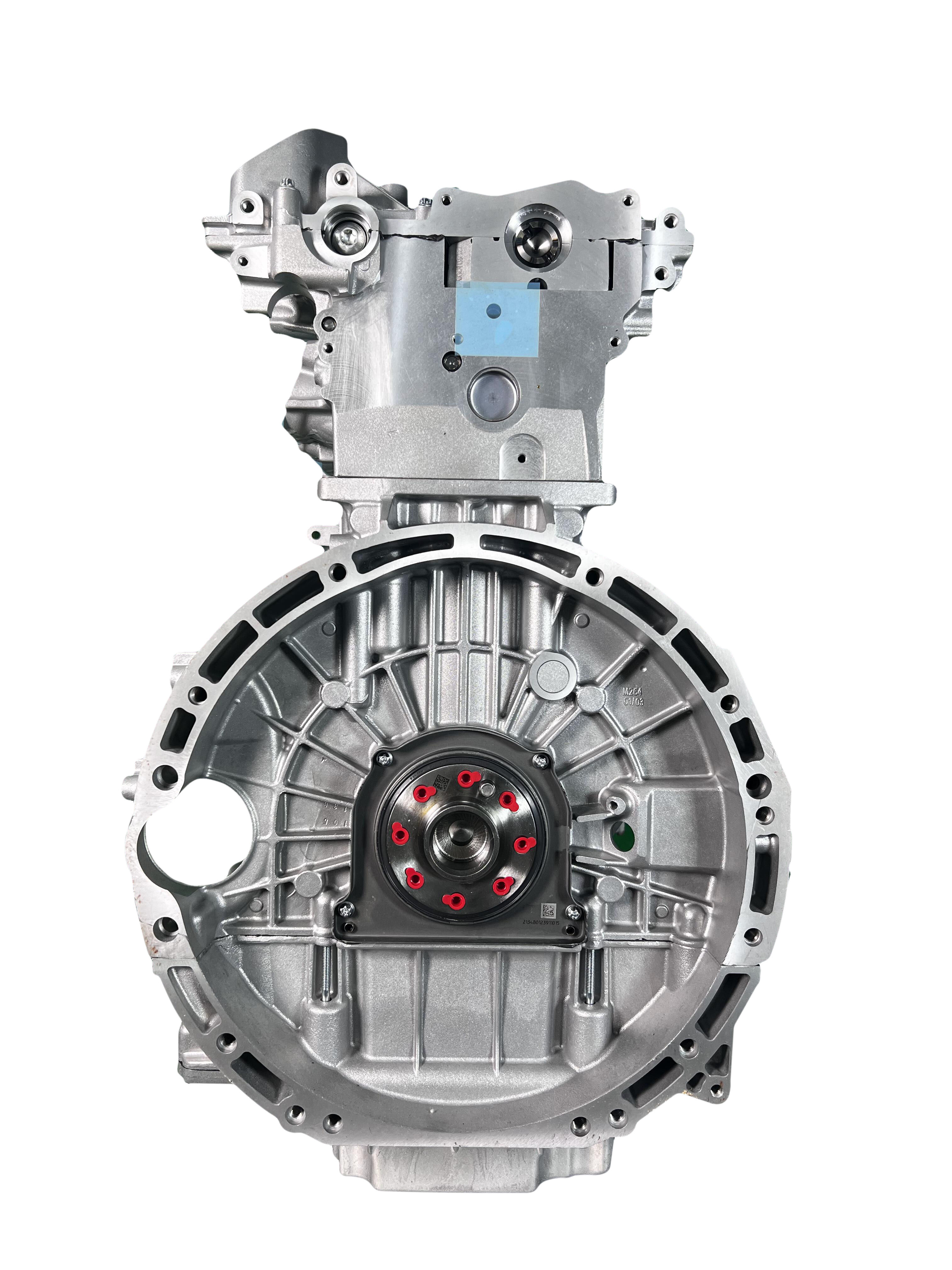
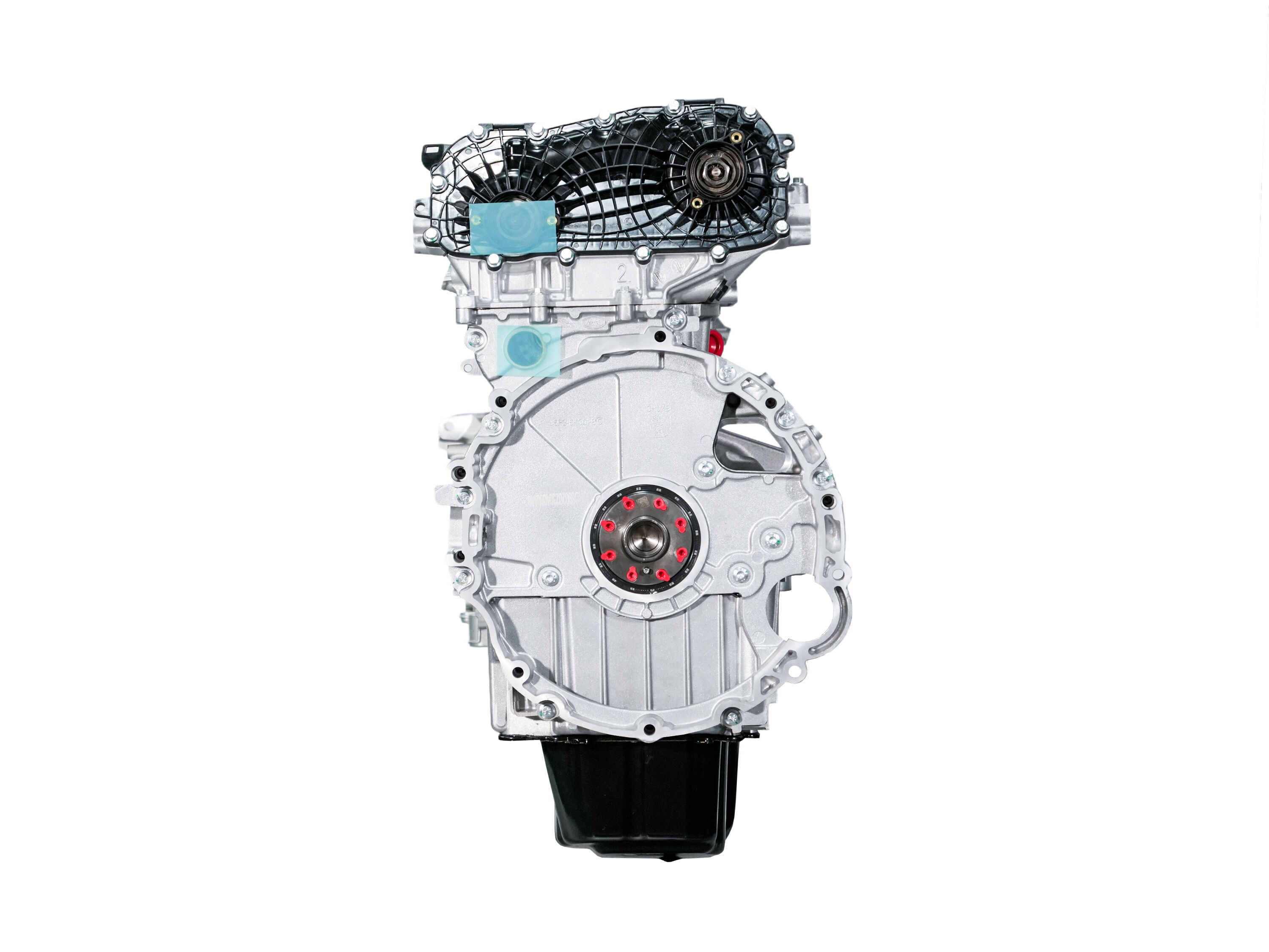
Remanufacturing solutions for old diesel engines represent a comprehensive approach to restoring aging powerplants to meet modern performance standards while extending their operational lifespan. These solutions encompass systematic processes that disassemble, inspect, clean, repair, and reassemble diesel engines using advanced techniques and replacement components. The main functions include complete engine teardown, precision measurement of worn parts, replacement of critical components such as pistons, rings, bearings, and gaskets, cylinder reboring, crankshaft grinding, and thorough testing to ensure restored engines meet or exceed original equipment manufacturer specifications. Technological features involve computer-aided diagnostics, laser measurement systems for component tolerance verification, thermal spray coating applications for cylinder walls, and dynamometer testing to validate power output and fuel efficiency. Modern remanufacturing solutions for old diesel engines incorporate updated fuel injection systems, improved turbocharger matching, and enhanced cooling circuits that optimize performance while reducing emissions. Applications span multiple industries including agriculture, construction, marine transport, power generation, and commercial trucking sectors where diesel engines remain essential. Fleet operators benefit from cost-effective alternatives to complete engine replacement, while mining operations extend equipment availability without capital-intensive purchases. The remanufacturing process typically achieves engines that deliver comparable reliability to new units at significantly reduced investment, making these solutions particularly valuable for businesses managing aging equipment inventories or operating in budget-conscious environments where maximizing asset utilization remains paramount.

New Product Releases

Choosing remanufacturing solutions for old diesel engines delivers substantial financial advantages compared to purchasing new replacements, typically saving 40-60 percent of new engine costs while providing comparable performance and reliability. This cost-effectiveness enables businesses to allocate capital resources toward other operational priorities while maintaining fleet productivity. Operational benefits include reduced downtime since remanufacturing processes are generally faster than ordering and installing new engines, keeping equipment productive and revenue-generating. Restored engines consume less oil, deliver improved fuel efficiency through updated injection systems, and produce fewer emissions thanks to modern component upgrades, translating into lower operating expenses and enhanced environmental compliance. The remanufacturing process addresses root causes of engine wear by replacing all critical wear components, rebuilding major assemblies, and correcting historical problems that may have compromised original performance. This thorough approach often results in engines that outlast their initial service life when properly maintained. Application suitability extends across diverse equipment types from agricultural tractors to industrial generators, marine vessels to heavy construction machinery, providing flexible solutions regardless of equipment age or operational environment. Warranty coverage typically accompanies professionally remanufactured engines, offering protection comparable to new equipment and demonstrating manufacturer confidence in process quality. Environmental responsibility represents another significant advantage as remanufacturing solutions for old diesel engines reduce waste by preserving existing engine blocks and major castings, conserving raw materials and manufacturing energy that new production would require. Decision-makers appreciate the proven track record of remanufactured engines across industries, supported by decades of technological refinement and quality control improvements that ensure consistent results and predictable performance outcomes for strategic planning purposes.

Tips And Tricks

Reman Engines for Old Audi A4: A Cost-Effective Replacement Option

11

May

Reman Engines for Old Audi A4: A Cost-Effective Replacement Option

Why Reman Engines Are the Smart Choice for Aging Audi A4 Models Common Failure Patterns in 2002–2008 Audi A4 1.8T and 2.0T Engines The 2002–2008 Audi A4’s 1.8T and 2.0T engines are prone to predictable, high-impact failures—...
View More
Parts Compatible with BMW B48 2.0T Engines: Oruide’s Catalog

12

May

Parts Compatible with BMW B48 2.0T Engines: Oruide’s Catalog

Core Performance Parts Compatible with the B48 Engine High-Flow Downpipes: Balancing Spool Response, Emissions Compliance, and B48 Fitment Accuracy Upgraded downpipes reduce exhaust backpressure significantly, improving turbo spool response by 12&n...
View More
Rebuilt 4 Wheel Parts for Off-Road Jeeps: Performance Test

18

Jun

Rebuilt 4 Wheel Parts for Off-Road Jeeps: Performance Test

When off-road Jeep owners face worn drivetrain components, the choice between new and rebuilt parts becomes a defining decision. Rebuilt components have long been a practical solution for serious trail drivers who demand reliable performance without ...
View More
Fuel Efficiency of Top Performance Engines: Myths vs Facts

24

Jun

Fuel Efficiency of Top Performance Engines: Myths vs Facts

When drivers and engineers talk about top performance engines, fuel efficiency is almost always surrounded by misconceptions. Many people assume that a top performance engine is inherently fuel-hungry, delivering power only at the cost of excessive c...
View More

Get a Free Quote

Our representative will contact you soon.
Email
Phone/WhatsApp/WeChat
Name
Company Name
Title
VIN Code
Message
0/1000

remanufacturing solutions for old diesel engines

Precision Engineering and Quality Assurance

Precision Engineering and Quality Assurance

Remanufacturing solutions for old diesel engines employ rigorous precision engineering standards throughout every process stage to guarantee performance restoration. Specialized facilities utilize computerized measurement equipment that detects wear patterns and dimensional changes at micron-level accuracy, ensuring only components meeting strict tolerances remain in service. Cylinder bores receive precision honing or reboring to restore proper geometry, while crankshafts undergo magnetic particle inspection to detect hidden cracks before precision grinding restores journal surfaces to exact specifications. Connecting rods are measured for straightness and twist, then resized to maintain precise big-end bore dimensions. Quality assurance protocols include multiple inspection checkpoints where trained technicians verify measurements against engineering specifications, rejecting any parts that fail to meet standards. Advanced cleaning processes remove carbon deposits, corrosion, and contaminants using thermal cleaning systems and ultrasonic baths that reach inaccessible passages. Final assembly occurs in controlled environments where technicians follow detailed procedures, apply proper torque specifications, and install updated gaskets and seals. Comprehensive dynamometer testing validates power output, fuel consumption, oil pressure, and temperature parameters under simulated load conditions before engines receive certification for customer delivery.
Cost-Effective Asset Life Extension

Cost-Effective Asset Life Extension

Implementing remanufacturing solutions for old diesel engines provides equipment owners with strategic asset life extension that maximizes return on original investments while deferring major capital expenditures. The economic advantage becomes especially pronounced for specialized equipment where replacement costs include not only the engine but also integration expenses, downtime losses, and potential equipment obsolescence. Remanufactured engines restore performance capabilities that enable continued productive service from existing machinery, avoiding premature equipment retirement and the operational disruptions associated with new equipment procurement and integration. Fleet managers appreciate the predictable budgeting that remanufacturing enables, as costs are established upfront without the price volatility affecting new engine markets. The solutions preserve existing equipment configurations, eliminating compatibility concerns and operator retraining requirements that accompany technology changes. Extended service intervals between major overhauls result from improved component materials and manufacturing processes incorporated during remanufacturing, reducing lifecycle maintenance costs. Tax advantages may apply as remanufacturing expenses can often be categorized as repairs rather than capital expenditures, providing favorable accounting treatment. Insurance valuations benefit from documented engine restoration, maintaining equipment values and supporting favorable premium calculations for comprehensive coverage policies.
Environmental Sustainability and Regulatory Compliance

Environmental Sustainability and Regulatory Compliance

Modern remanufacturing solutions for old diesel engines contribute significantly to environmental sustainability initiatives while helping operators achieve regulatory compliance with evolving emissions standards. The remanufacturing process conserves substantial natural resources by reusing engine blocks, cylinder heads, and major castings that would otherwise require energy-intensive raw material extraction, smelting, and manufacturing processes. Studies indicate remanufacturing consumes approximately 80 percent less energy than new engine production while generating significantly reduced carbon footprints. Updated fuel injection systems installed during remanufacturing improve combustion efficiency, reducing particulate matter and nitrogen oxide emissions that contribute to air quality concerns. Upgraded turbocharger matching enhances air-fuel ratios for cleaner exhaust profiles that approach or meet modern emissions tiers depending on baseline engine design. Reduced oil consumption resulting from precision component fitting and improved ring seal technology minimizes environmental contamination risks. Waste reduction occurs throughout the process as serviceable components receive continued use rather than disposal, while worn parts enter recycling streams for material recovery. Regulatory compliance becomes more achievable as remanufactured engines can incorporate technology updates that address specific emissions requirements without complete equipment replacement, providing cost-effective pathways to meet jurisdiction-specific environmental mandates.