Remanufacturing Solutions: Quality & Value

Get a Free Quote

Our representative will contact you soon.
Email
Phone/WhatsApp/WeChat
Name
Company Name
Title
VIN Code
Message
0/1000

remanufacturing

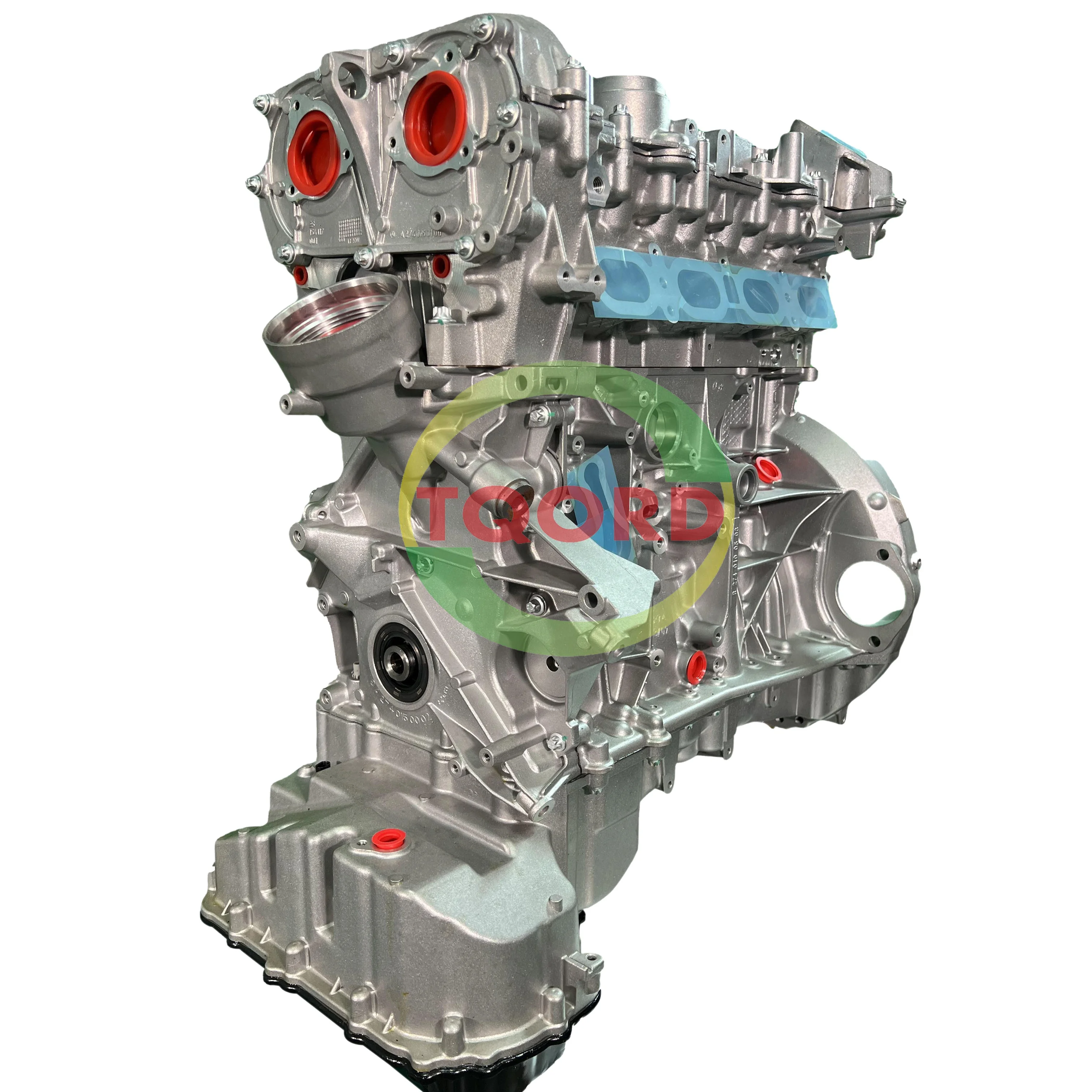
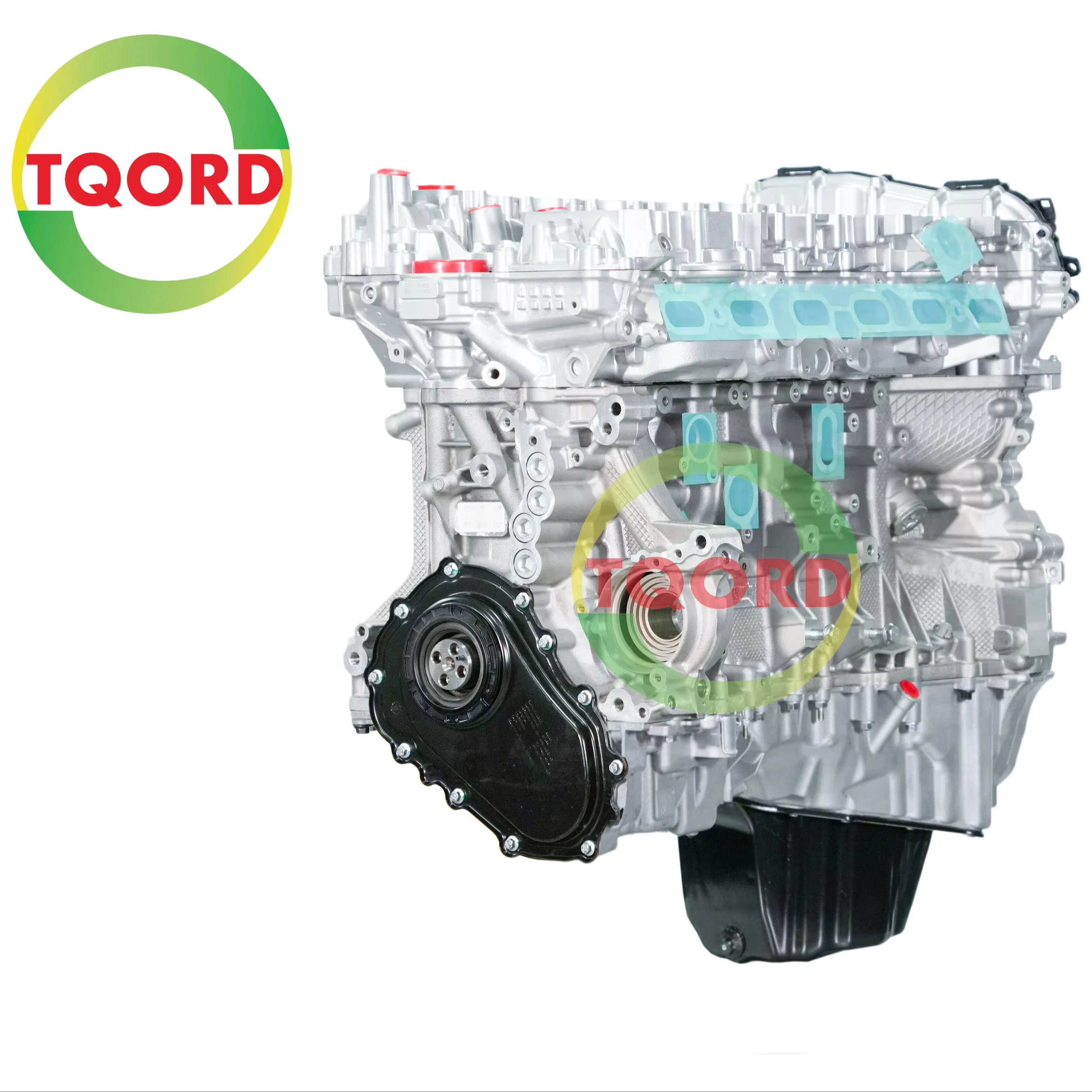
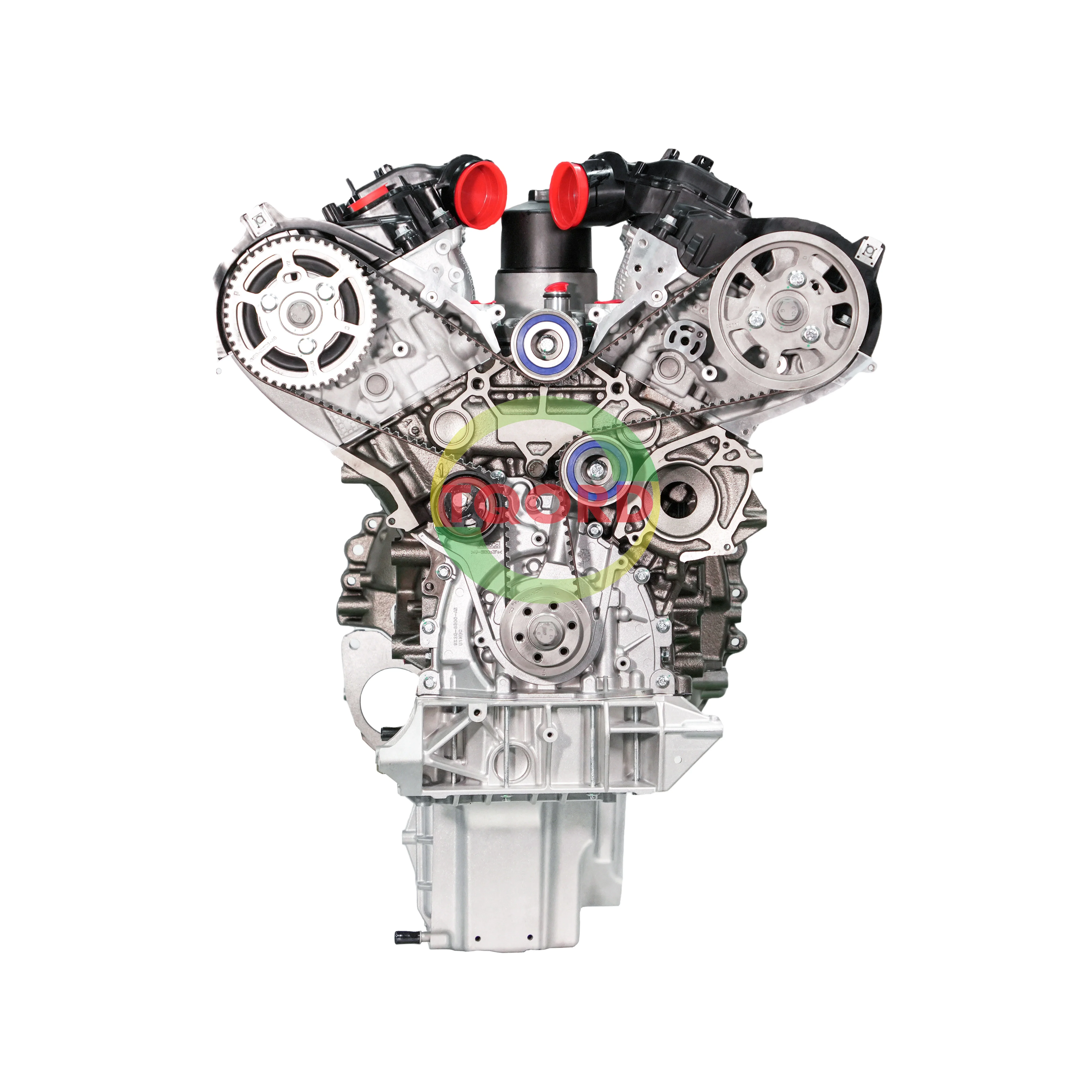
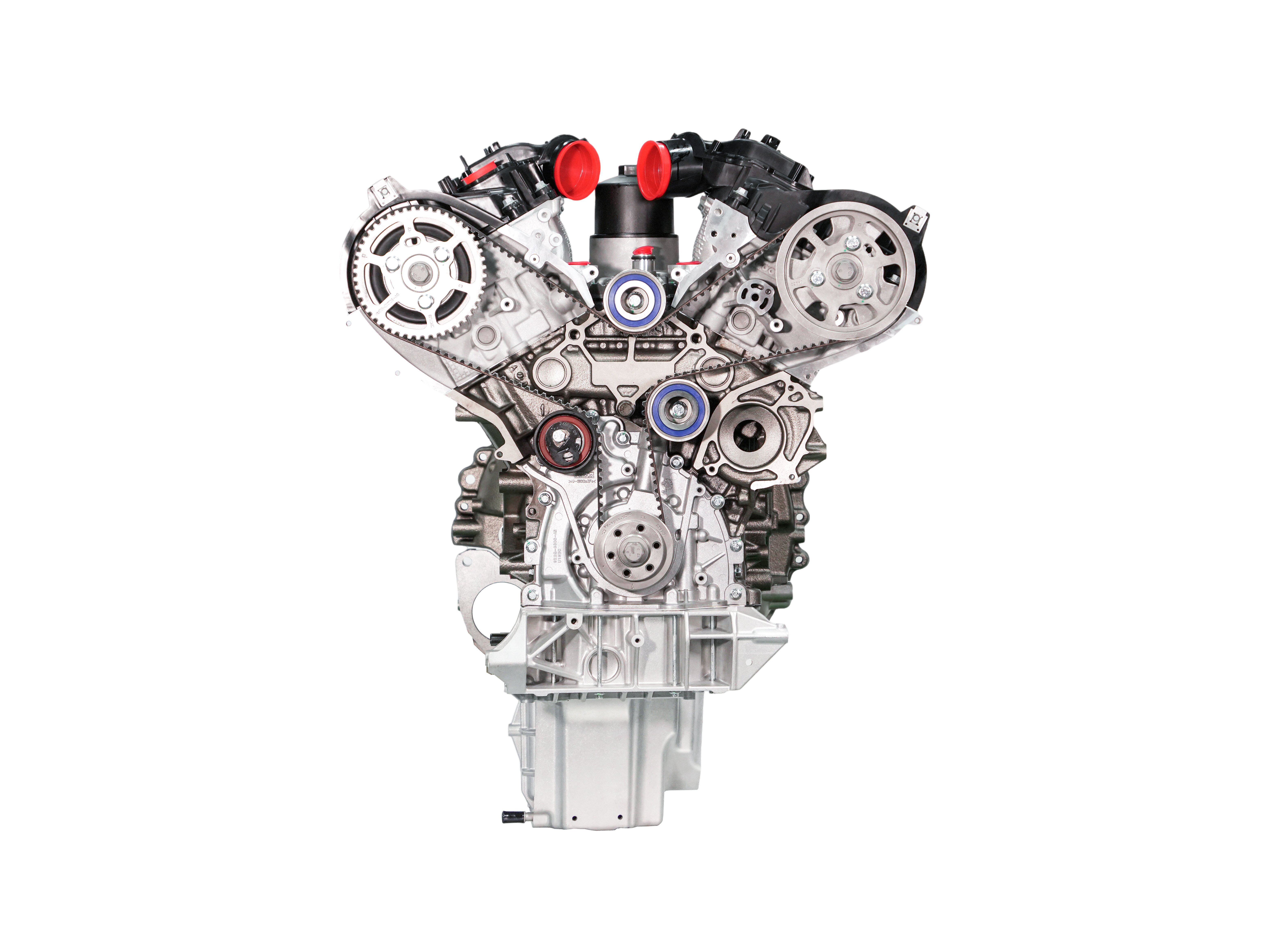
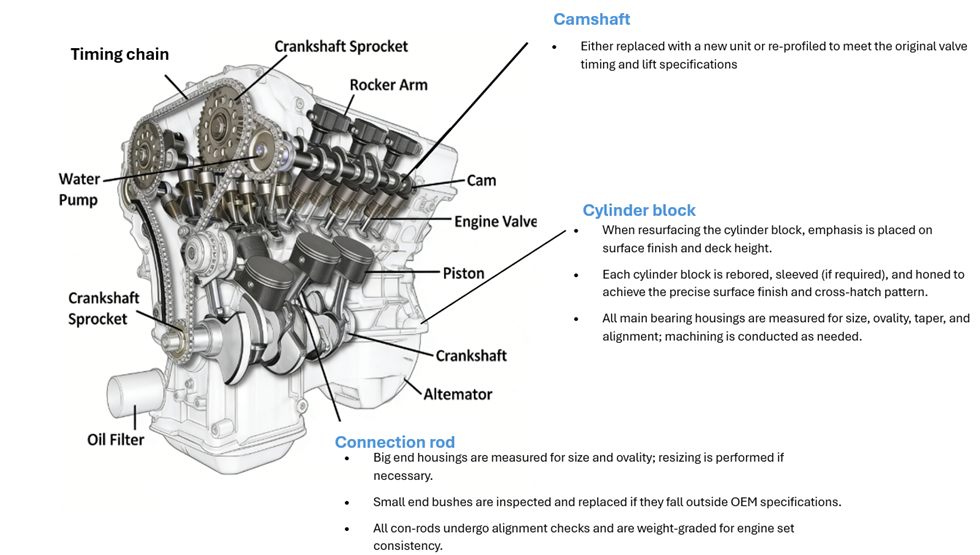
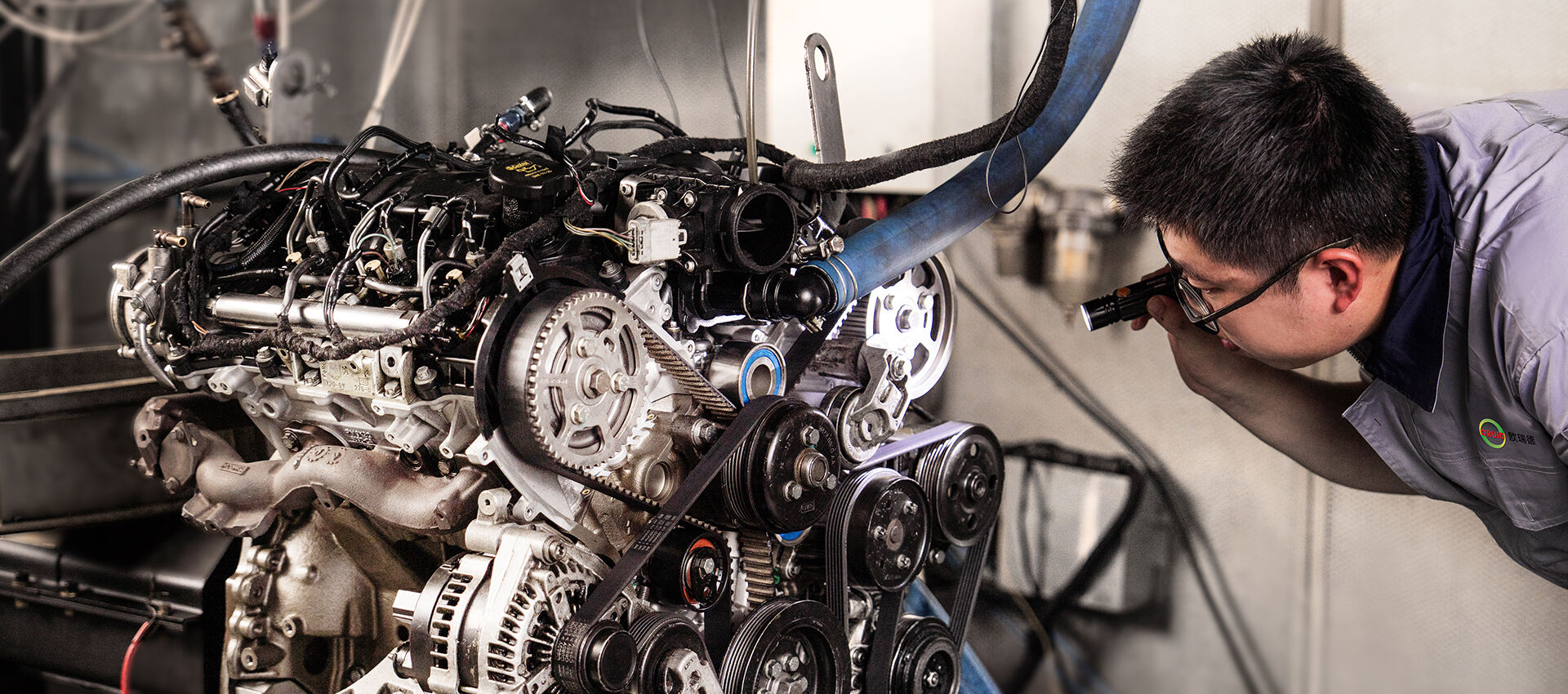
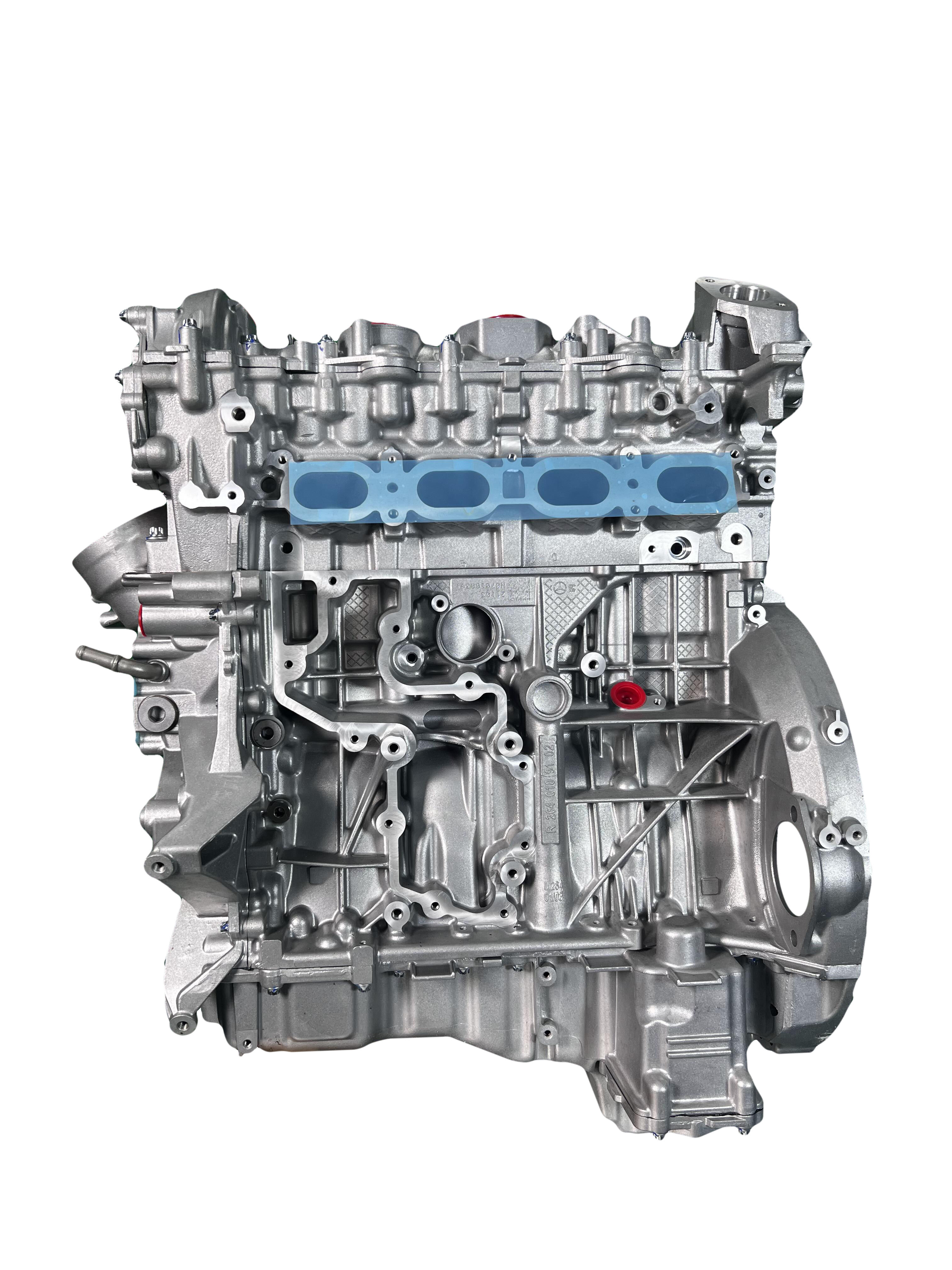
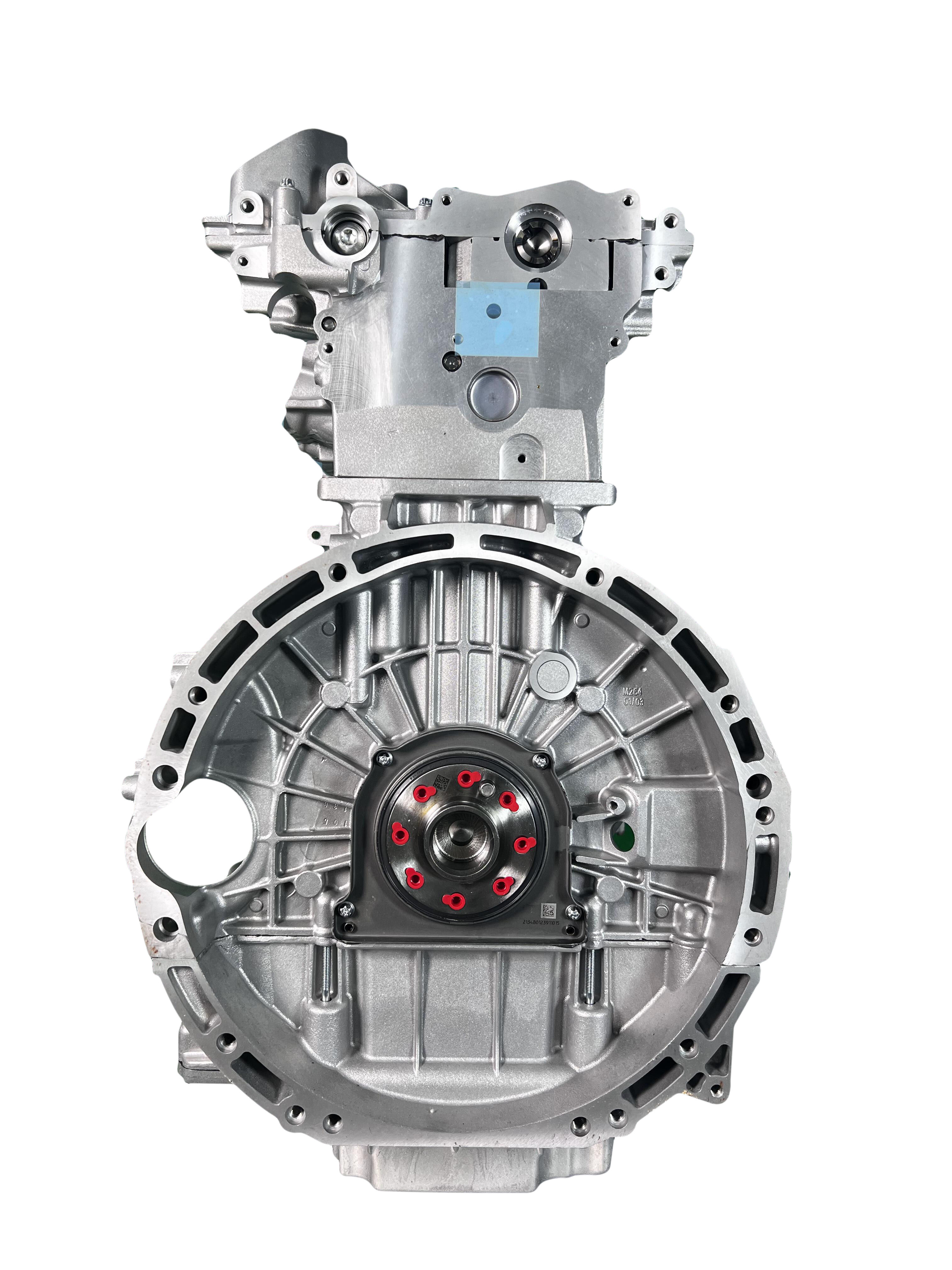
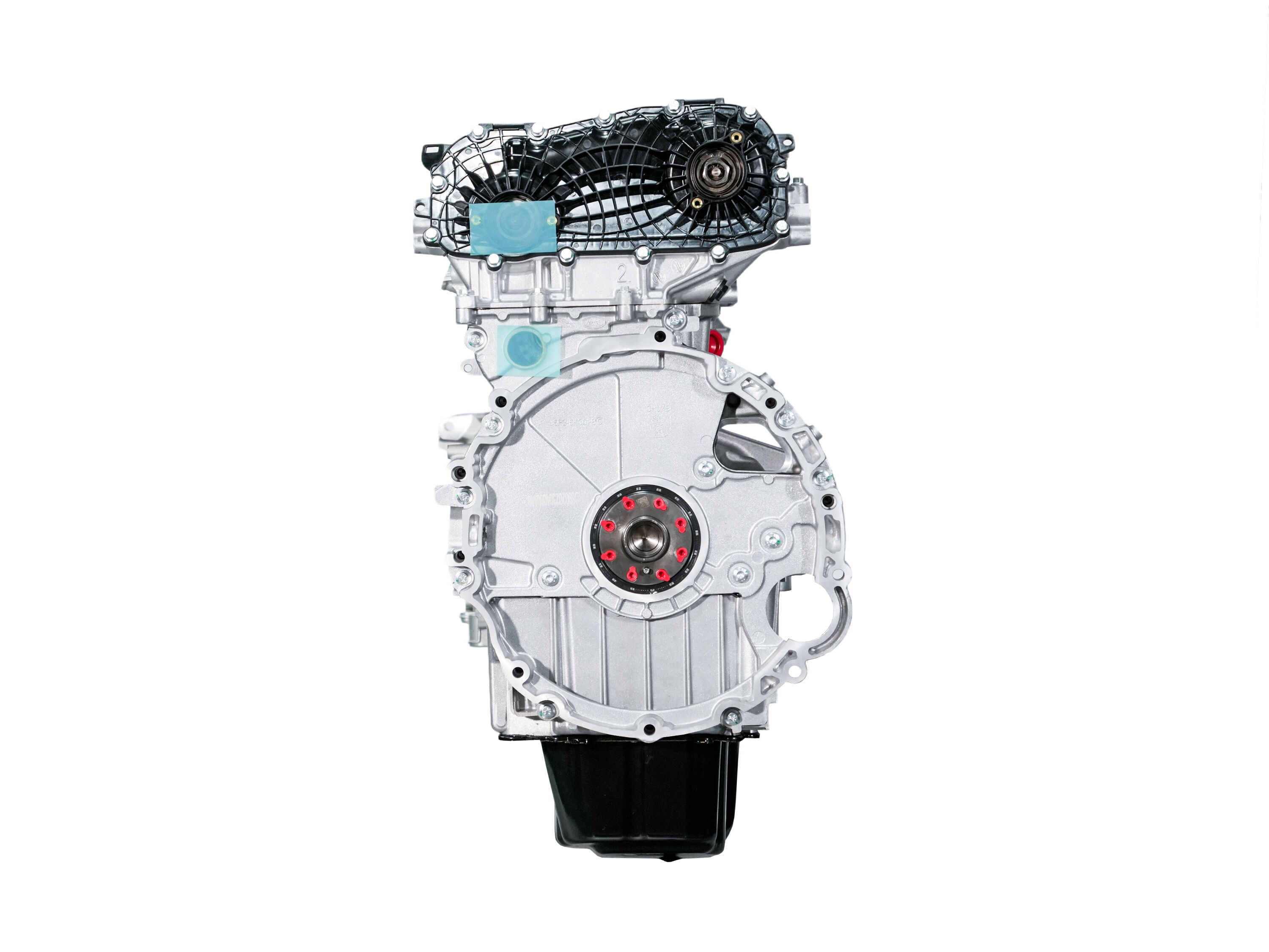
Remanufacturing is an advanced industrial process that restores used products to like-new condition through systematic disassembly, cleaning, inspection, and replacement of worn components. Unlike simple repair or refurbishment, remanufacturing follows rigorous engineering standards to ensure that every product meets or exceeds original equipment manufacturer specifications. This sustainable manufacturing approach applies to diverse industries including automotive, aerospace, medical equipment, heavy machinery, and consumer electronics. The remanufacturing process begins with core acquisition, where end-of-life products are collected and evaluated for suitability. Trained technicians then completely disassemble each unit, meticulously inspecting every component for wear, damage, or obsolescence. Salvageable parts undergo specialized cleaning processes using ultrasonic baths, chemical treatments, or mechanical methods to remove contaminants. Components that fail inspection are replaced with new or remanufactured parts that meet strict quality standards. Reassembly follows precise protocols with updated components, improved materials, and sometimes design enhancements that address known weaknesses in original products. Each remanufactured unit undergoes comprehensive testing that replicates real-world operating conditions, ensuring reliability and performance. The technological features of remanufacturing include advanced diagnostic equipment, precision measurement tools, computerized inventory management systems, and quality assurance protocols that guarantee consistent results. This process delivers products with warranties comparable to new items while significantly reducing manufacturing costs, resource consumption, and environmental impact, making remanufacturing an increasingly vital component of the circular economy.

New Product Recommendations

Remanufacturing delivers substantial cost savings that directly benefit your bottom line, typically reducing purchase prices by thirty to sixty percent compared to buying new equipment while maintaining equivalent performance and reliability. These savings allow businesses to upgrade technology, expand capacity, or improve profitability without compromising operational standards. The environmental advantages are equally compelling, as remanufacturing conserves raw materials, reduces energy consumption by up to eighty-five percent, and diverts waste from landfills, helping companies meet sustainability goals and comply with environmental regulations. Many organizations now prioritize suppliers who demonstrate environmental responsibility, making remanufacturing a strategic advantage in competitive markets. Quality assurance in remanufacturing often surpasses original manufacturing because the process identifies and corrects design flaws, incorporates improved materials, and applies lessons learned from field performance data. Comprehensive warranties provide peace of mind, typically matching or exceeding those offered with new products, demonstrating manufacturer confidence in remanufacturing quality. Operational benefits include faster availability since remanufacturing cycles are shorter than new production timelines, reducing equipment downtime and maintaining productivity. The remanufacturing industry also supports local economies by creating skilled technical jobs and reducing dependence on overseas manufacturing. For fleet managers, maintenance directors, and procurement professionals, remanufacturing offers predictable budgeting advantages with transparent pricing and established performance histories. Application suitability spans virtually all industries, from automotive engines and transmissions to aerospace components, medical imaging systems, printing equipment, and industrial machinery. Decision-makers appreciate that remanufacturing extends product lifecycles, delays capital expenditures, and provides flexibility in asset management strategies while maintaining the performance standards essential for business success.

Tips And Tricks

Reman Engines for Old Audi A4: A Cost-Effective Replacement Option

11

May

Reman Engines for Old Audi A4: A Cost-Effective Replacement Option

Why Reman Engines Are the Smart Choice for Aging Audi A4 Models Common Failure Patterns in 2002–2008 Audi A4 1.8T and 2.0T Engines The 2002–2008 Audi A4’s 1.8T and 2.0T engines are prone to predictable, high-impact failures—...
View More
OEM-Certified Components for Mercedes-Benz 274 Engines

13

May

OEM-Certified Components for Mercedes-Benz 274 Engines

Why OEM-Certified Components Are Essential for M274 Engine Reliability Thermal and Mechanical Compatibility: How OEM certification prevents turbocharger and manifold failure The M274 2.0L turbo engine operates under extreme exhaust gas temperatures...
View More
Top 5 Rebuilt Gas Engines for Ford Mustang

10

Jun

Top 5 Rebuilt Gas Engines for Ford Mustang

When a Ford Mustang loses power or suffers serious internal damage, a rebuilt gas engine becomes one of the most cost-effective and performance-driven solutions available. Rather than purchasing a brand-new engine at a steep premium, choosing a rebui...
View More
Fuel Efficiency of Top Performance Engines: Myths vs Facts

24

Jun

Fuel Efficiency of Top Performance Engines: Myths vs Facts

When drivers and engineers talk about top performance engines, fuel efficiency is almost always surrounded by misconceptions. Many people assume that a top performance engine is inherently fuel-hungry, delivering power only at the cost of excessive c...
View More

Get a Free Quote

Our representative will contact you soon.
Email
Phone/WhatsApp/WeChat
Name
Company Name
Title
VIN Code
Message
0/1000

remanufacturing

Superior Quality Standards and Performance Guarantee

Superior Quality Standards and Performance Guarantee

Remanufacturing adheres to stringent quality control protocols that often exceed original manufacturing standards, delivering products that perform as well as or better than new equipment. Each component undergoes detailed inspection using advanced diagnostic technology, including computerized testing equipment, laser measurement systems, and non-destructive testing methods that detect microscopic flaws invisible to conventional inspection. This meticulous process identifies weaknesses in original designs, allowing engineers to implement improvements that enhance durability and reliability. Replacement parts meet or exceed OEM specifications, and in many cases, upgraded materials address known failure points discovered through years of field data analysis. The remanufacturing process incorporates the latest technical service bulletins and engineering updates, essentially providing customers with an improved version of the original product. Comprehensive testing simulates thousands of operating hours under various conditions, ensuring that every remanufactured unit will perform reliably throughout its service life. Industry-leading warranties demonstrate manufacturer confidence, with many remanufacturing companies offering coverage identical to new product warranties. This quality assurance makes remanufacturing particularly attractive for mission-critical applications where downtime costs are prohibitive and performance cannot be compromised.
Environmental Sustainability and Resource Conservation

Environmental Sustainability and Resource Conservation

Remanufacturing represents one of the most effective strategies for achieving circular economy objectives, dramatically reducing environmental impact while maintaining industrial productivity. The process conserves approximately eighty-five percent of the energy required for new manufacturing and reduces raw material consumption by similar margins, directly addressing resource scarcity concerns. By extending product lifecycles, remanufacturing prevents millions of tons of industrial equipment from entering waste streams annually, reducing landfill burden and associated environmental contamination. The carbon footprint reduction is substantial, with lifecycle assessments showing that remanufacturing generates significantly lower greenhouse gas emissions compared to manufacturing new products from virgin materials. Water consumption, chemical usage, and air pollution are likewise minimized through efficient remanufacturing processes. Companies adopting remanufacturing demonstrate corporate social responsibility, strengthening brand reputation and meeting stakeholder expectations for environmental stewardship. Many industries now face regulatory pressure to reduce waste and adopt sustainable practices, making remanufacturing not just environmentally sound but also strategically necessary. For organizations pursuing ISO environmental certifications or reporting sustainability metrics, remanufacturing provides measurable, verifiable contributions toward environmental goals while simultaneously delivering economic value through cost reduction and operational efficiency.
Economic Value and Rapid Availability

Economic Value and Rapid Availability

Remanufacturing delivers exceptional economic value through substantial cost reduction without sacrificing quality, reliability, or performance standards essential for business operations. Purchase prices typically range from forty to seventy percent of new equipment costs, freeing capital for other strategic investments while maintaining operational capabilities. This pricing advantage extends beyond initial acquisition, as remanufacturing often includes updated components that improve efficiency and reduce operating costs over the product lifecycle. The financial predictability of remanufacturing supports better budget planning, with transparent pricing structures and established performance histories eliminating uncertainty associated with new technology adoption. Availability represents another critical advantage, as remanufacturing cycles are significantly shorter than new manufacturing lead times, typically ranging from days to weeks rather than months. This rapid turnaround minimizes equipment downtime, maintaining productivity and preventing revenue loss associated with extended outages. For businesses managing equipment fleets or production lines, remanufacturing provides flexible inventory management options, allowing strategic replacement scheduling that aligns with operational demands rather than manufacturing constraints. The combination of cost savings, proven performance, and quick availability makes remanufacturing an intelligent procurement strategy for organizations seeking to optimize capital efficiency while maintaining competitive operational capabilities.