Auto Remanufacturing: Quality Parts & Savings

Get a Free Quote

Our representative will contact you soon.
Email
Phone/WhatsApp/WeChat
Name
Company Name
Title
VIN Code
Message
0/1000

auto remanufacturing

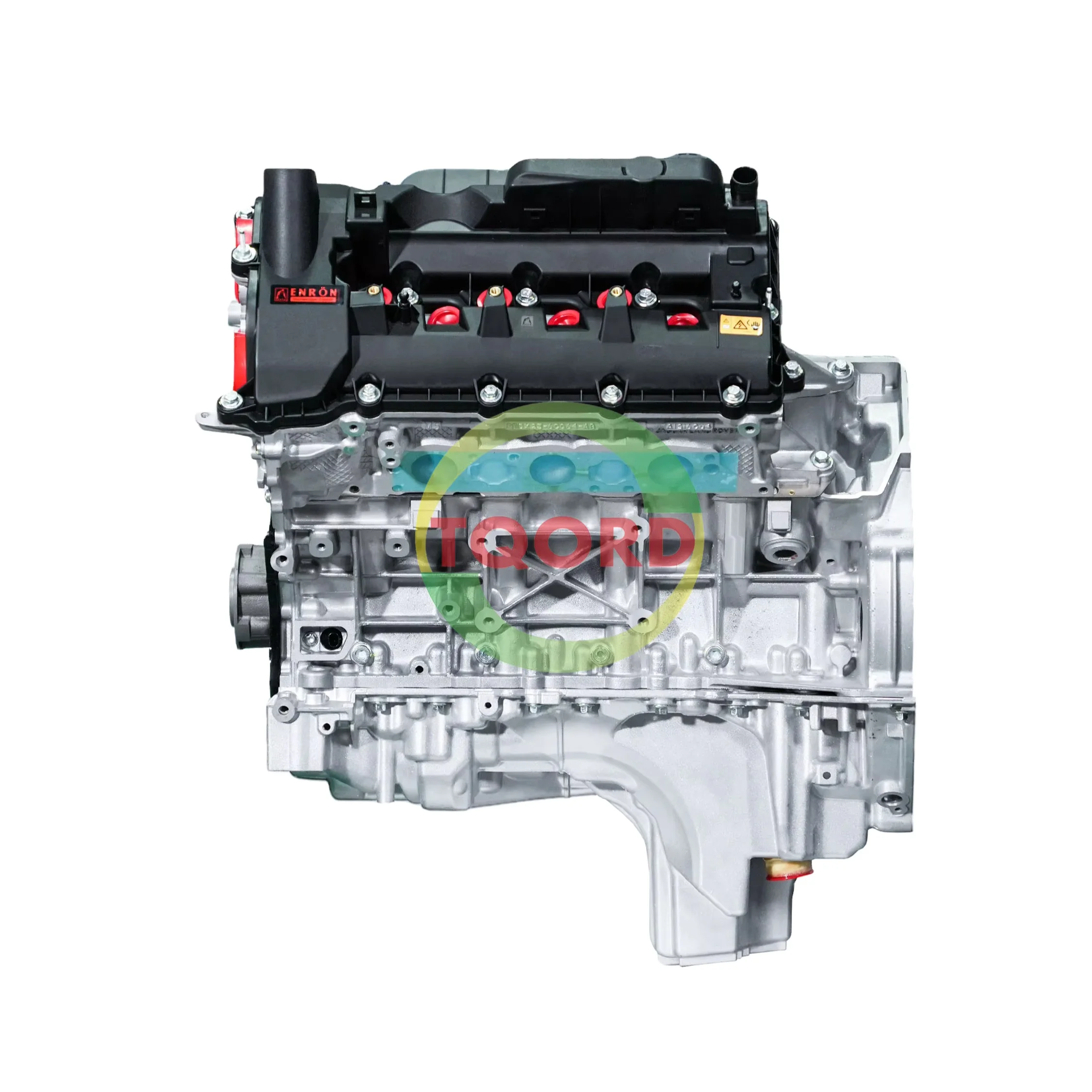
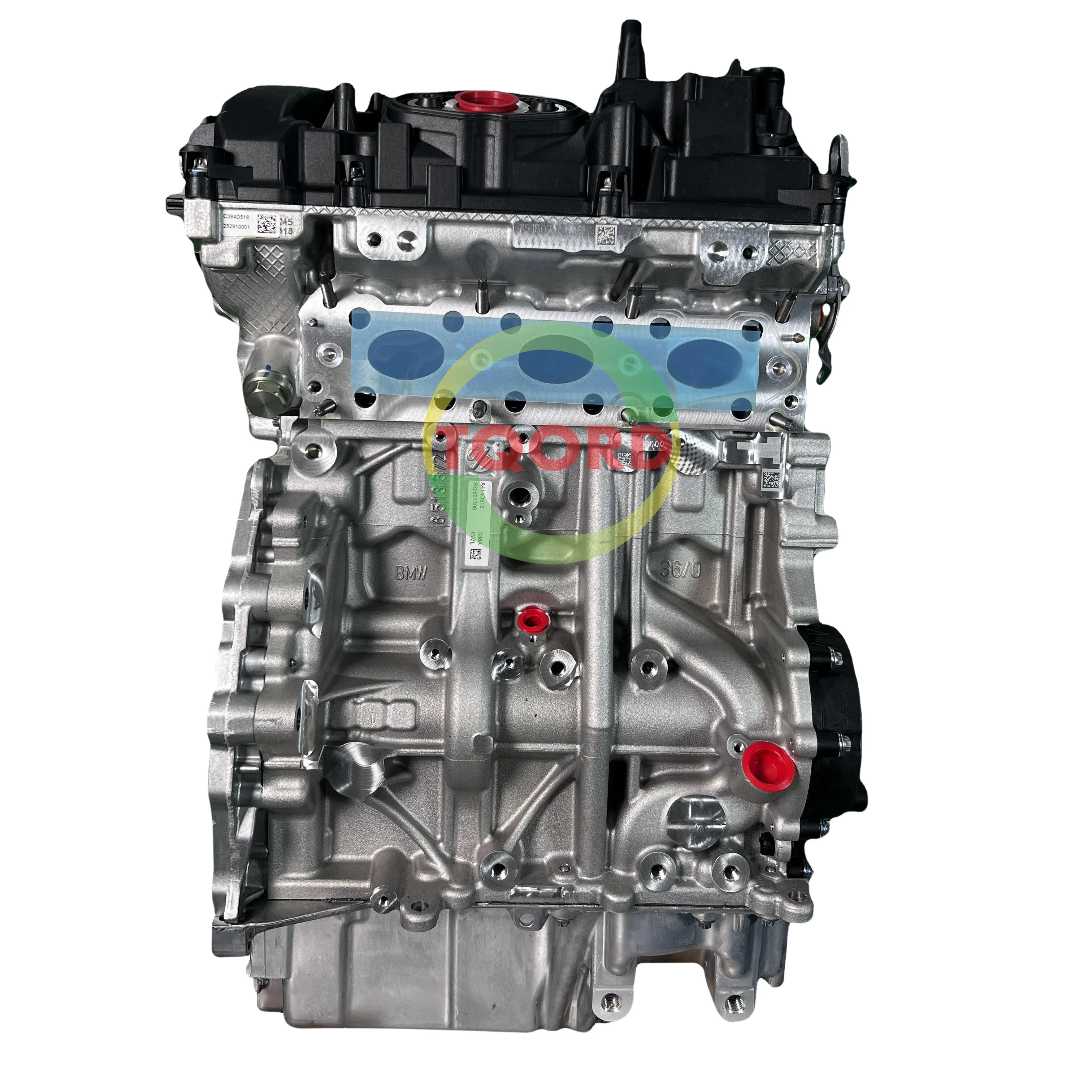
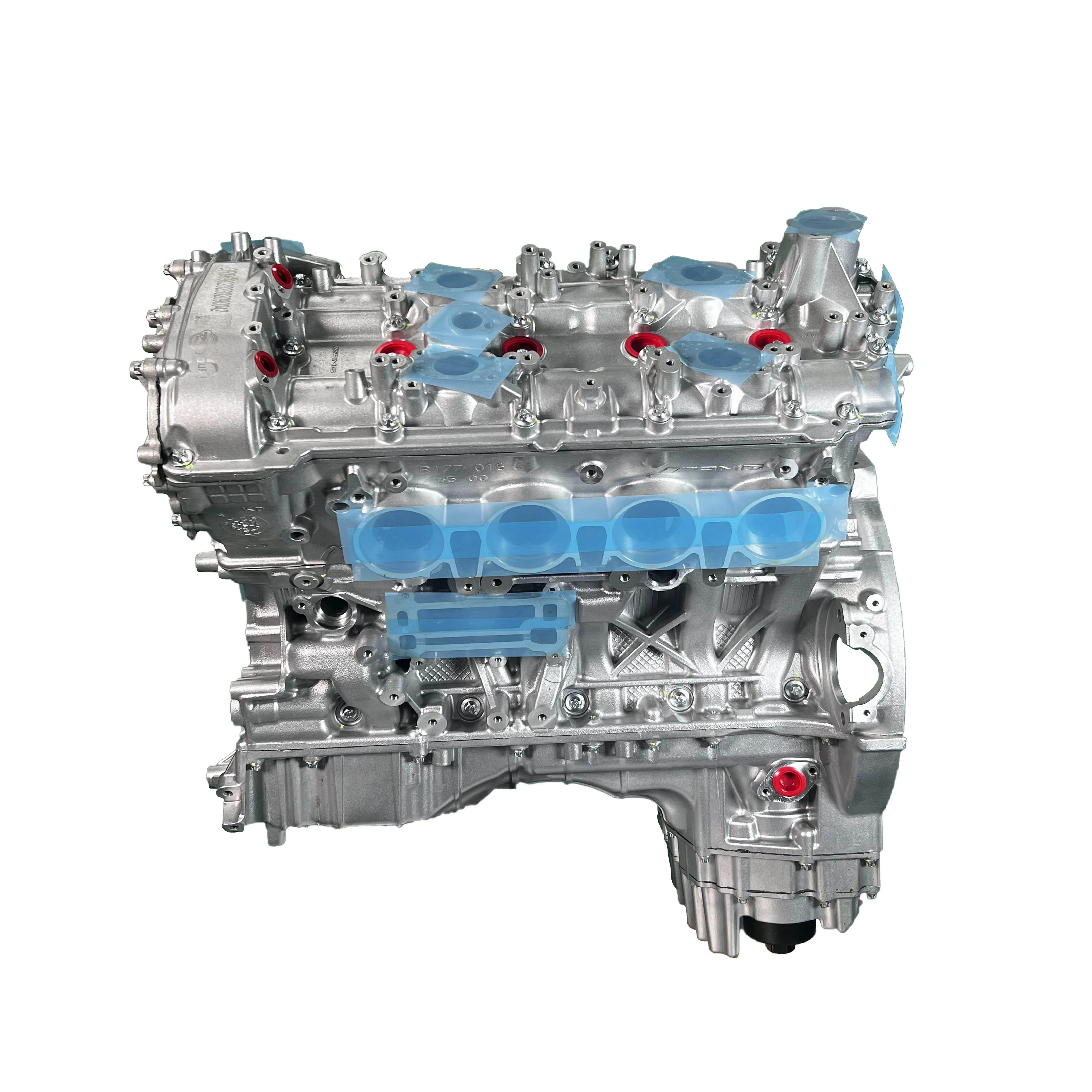
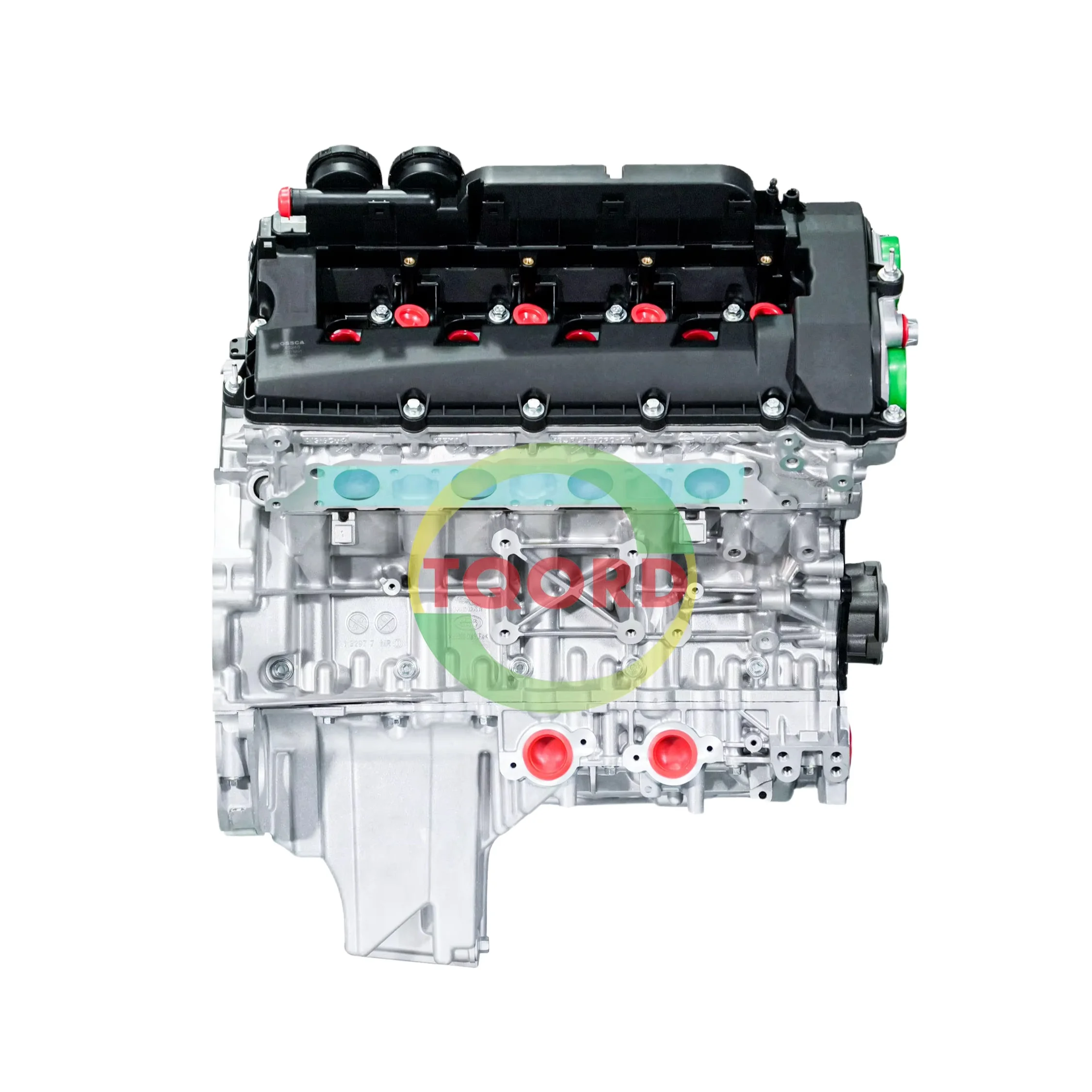
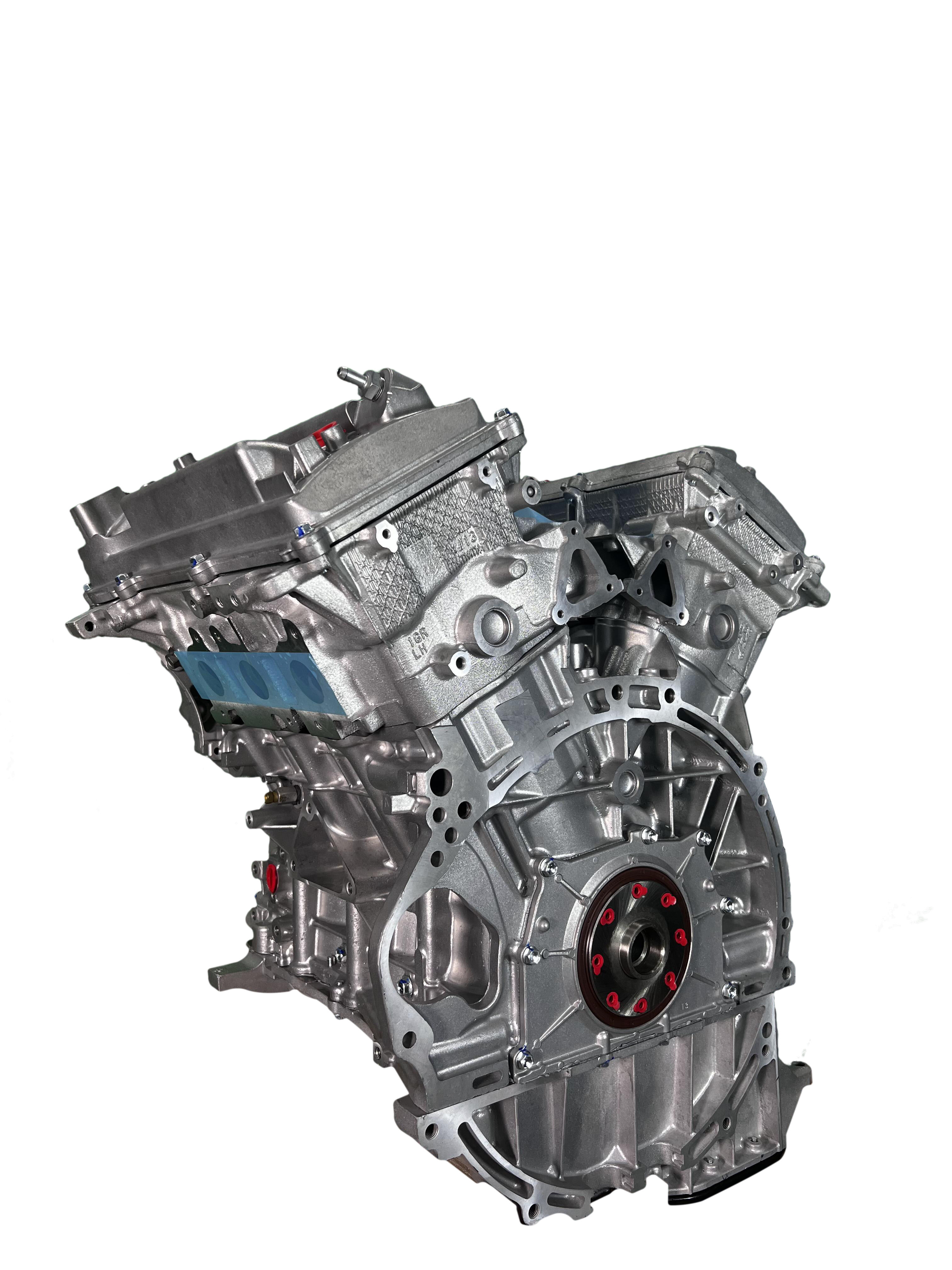
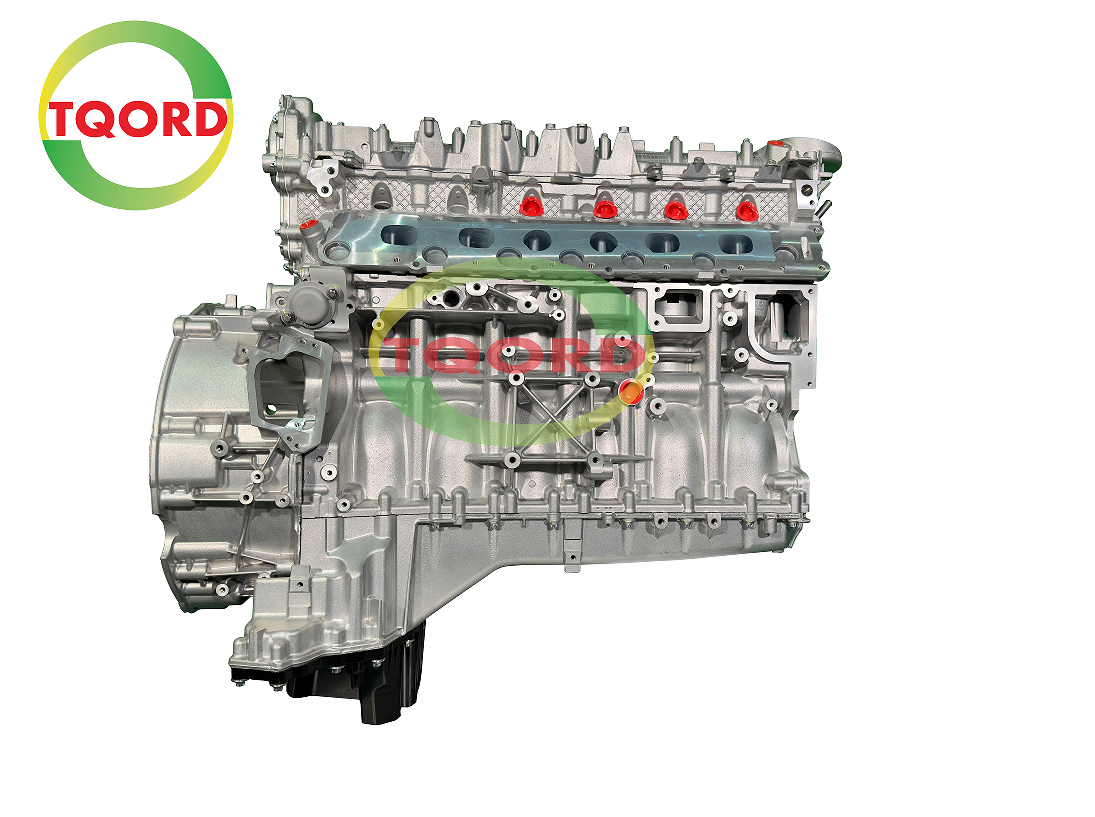
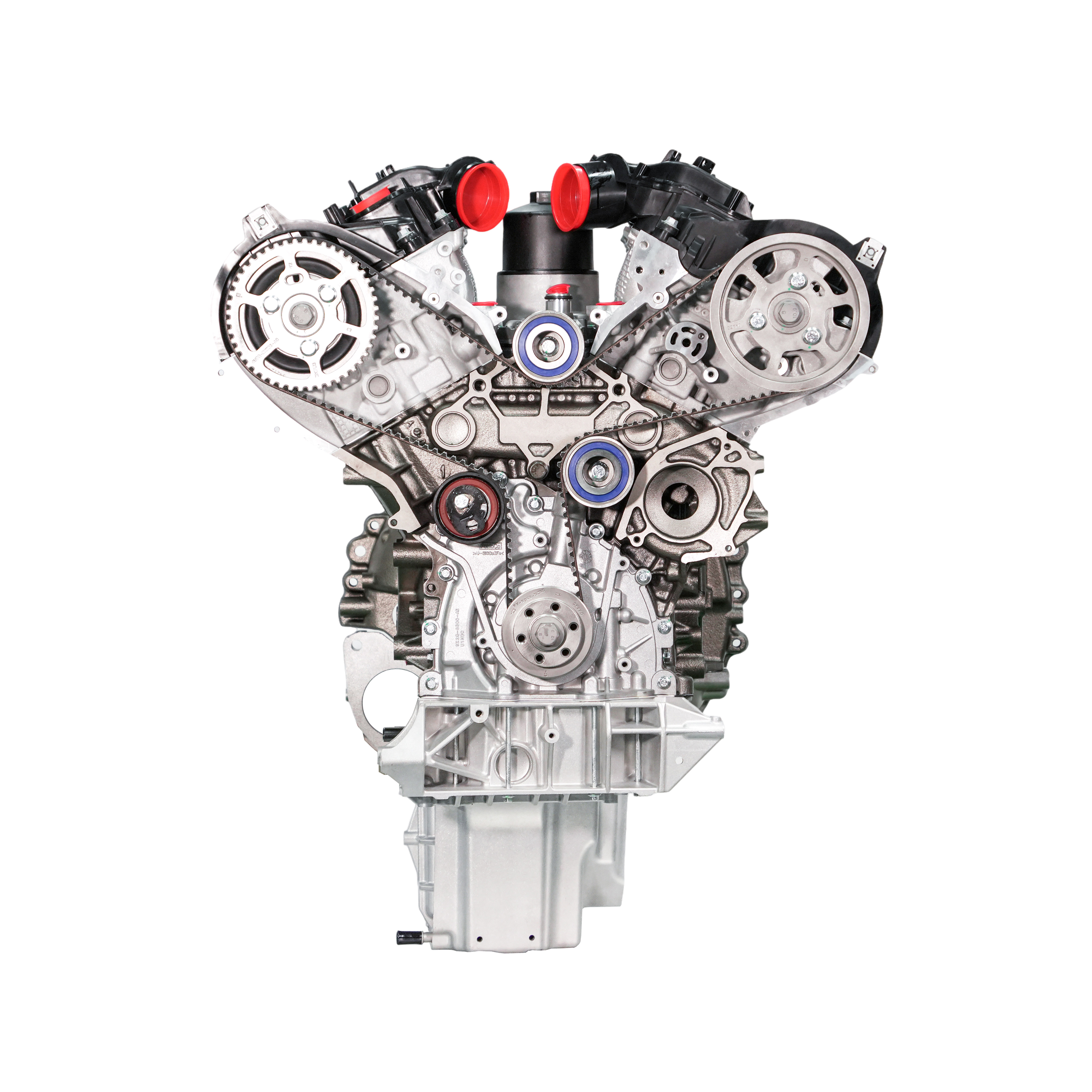
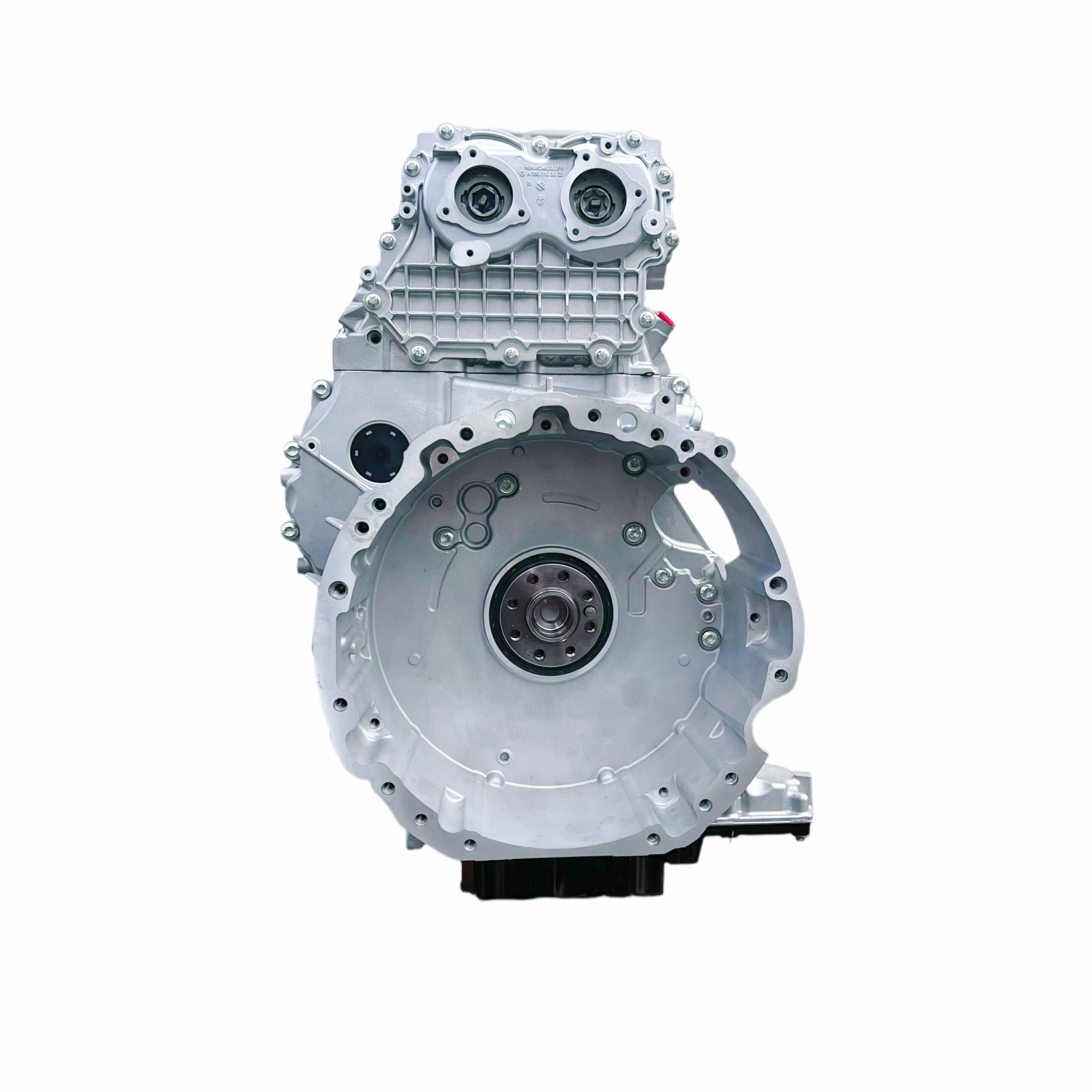
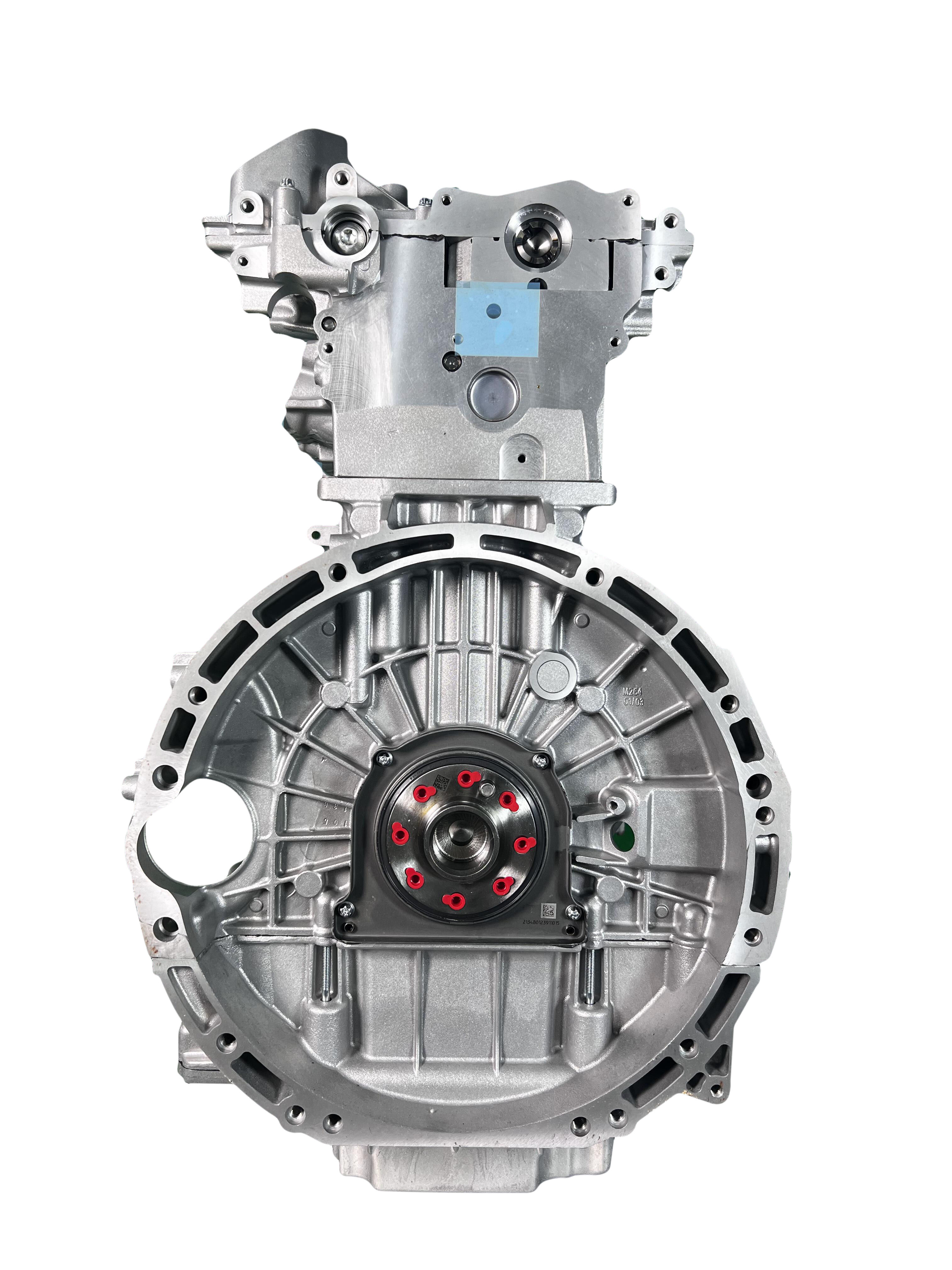
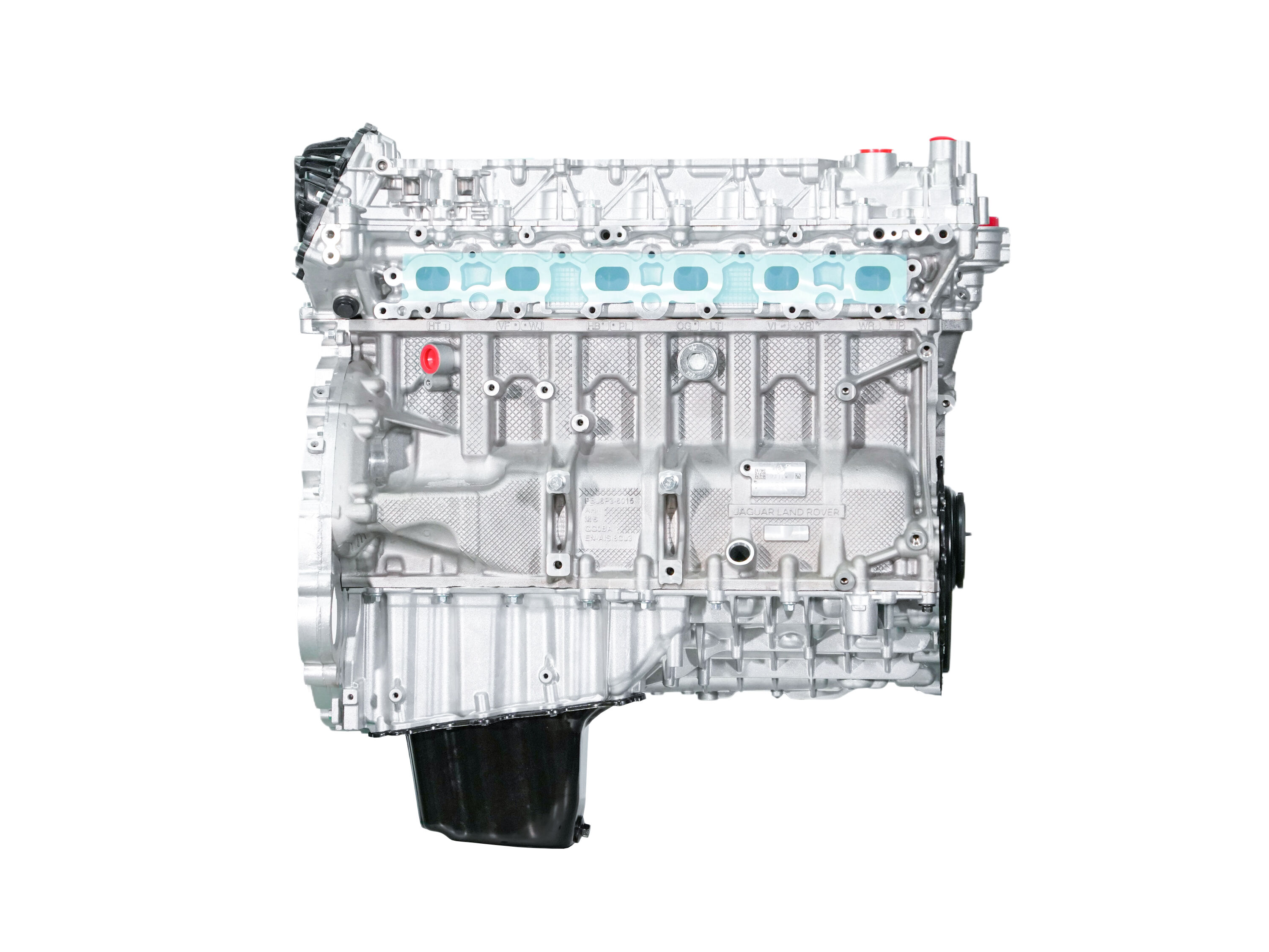
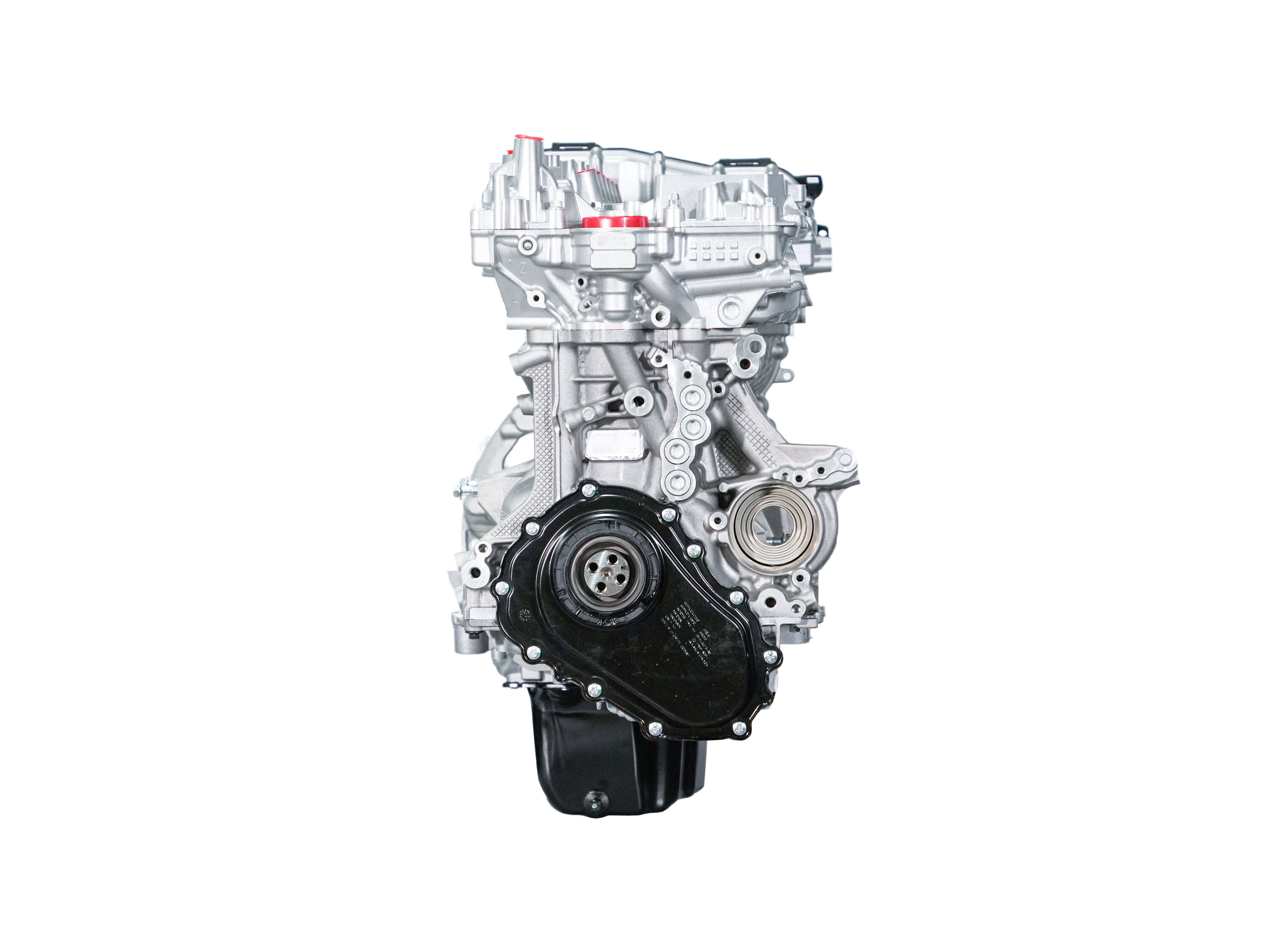
Auto remanufacturing is a sophisticated industrial process that restores used automotive components to like-new condition through comprehensive disassembly, inspection, cleaning, and rebuilding procedures. This systematic approach involves taking worn or failed parts such as engines, transmissions, alternators, starters, and steering systems, then meticulously restoring them to meet or exceed original equipment manufacturer specifications. The auto remanufacturing process begins with core acquisition, where used components are collected and evaluated for restoration potential. Skilled technicians then completely disassemble each component, inspecting every part for wear patterns and damage. Salvageable parts undergo specialized cleaning processes, while worn elements are replaced with new or remanufactured components. Advanced testing equipment ensures that remanufactured products deliver performance equivalent to new parts. This process combines traditional craftsmanship with modern technology, including computerized diagnostic tools, precision measurement instruments, and automated testing systems. Auto remanufacturing applications span multiple sectors including automotive repair shops, dealership service centers, fleet management operations, and do-it-yourself vehicle maintenance. The industry serves both consumer and commercial markets, providing cost-effective solutions for vehicle owners, repair facilities, and transportation companies. Environmental benefits are substantial, as auto remanufacturing reduces raw material consumption, manufacturing energy requirements, and automotive waste generation while maintaining strict quality standards throughout the restoration process.

New Product Releases

Choosing auto remanufacturing delivers significant financial advantages, typically costing 30 to 50 percent less than purchasing new replacement parts while providing comparable quality and performance. This cost savings directly impacts your bottom line whether you operate a single vehicle or manage an entire fleet. The reliability of remanufactured components gives you confidence in repair decisions, as these parts undergo more rigorous testing than many new aftermarket alternatives. Each remanufactured component passes through multiple quality checkpoints, ensuring it meets original performance specifications before reaching your hands. Environmental responsibility becomes effortless through auto remanufacturing, as this process prevents thousands of tons of automotive parts from entering landfills annually while conserving natural resources and reducing manufacturing emissions. Your choice supports sustainable practices without compromising vehicle performance or safety. Warranty protection typically matches or exceeds that of new parts, providing peace of mind and financial security for your investment. Most remanufactured components come with comprehensive coverage that protects against defects and premature failure. Availability represents another practical benefit, as auto remanufacturing extends the service life of older vehicle models by maintaining parts availability long after manufacturers discontinue production. This advantage proves invaluable for classic car enthusiasts and operators of specialized equipment. Installation compatibility remains seamless since remanufactured parts maintain original specifications and fitment requirements, eliminating concerns about modifications or adaptation. The proven track record of auto remanufacturing across decades demonstrates its value proposition, with millions of satisfied customers relying on these components for dependable transportation and operational efficiency in diverse applications.

Practical Tips

Installation Guide for Remanufactured Engine Parts for Toyota

09

May

Installation Guide for Remanufactured Engine Parts for Toyota

Why Choose Remanufactured Engine Parts for Toyota? Opting for remanufactured engine parts for Toyota vehicles delivers substantial cost savings—typically 30–50% less than new OEM components—while maintaining rigorous quality stand...
View More
Rebuilt Engines for Old Mercedes E-Class: Cost-Effective Options

18

May

Rebuilt Engines for Old Mercedes E-Class: Cost-Effective Options

Why Rebuilt Engines Are the Smartest Financial Choice for Pre-2012 E-Class Models The Ownership Tipping Point: When Repair Costs Exceed Depreciated Value Owning a pre-2012 Mercedes E-Class typically means driving a car valued at $5,000–$12,00...
View More
Oruide's Partnership with Stellantis: Boosting Remanufacturing Standards

08

Jun

Oruide's Partnership with Stellantis: Boosting Remanufacturing Standards

The automotive industry is undergoing a profound shift toward sustainability and circular economy practices, and remanufacturing sits at the very center of that transformation. Oruide's strategic partnership with Stellantis represents a landmark mome...
View More
Rebuilt vs Remanufactured Engines: What's the Difference?

29

Jun

Rebuilt vs Remanufactured Engines: What's the Difference?

When your engine fails, the terms 'rebuilt' and 'remanufactured' appear almost everywhere in the replacement market. Many drivers and fleet managers treat these words as interchangeable, but they carry very different meanings. Understanding what 'reb...
View More

Get a Free Quote

Our representative will contact you soon.
Email
Phone/WhatsApp/WeChat
Name
Company Name
Title
VIN Code
Message
0/1000

auto remanufacturing

Superior Quality Control Standards

Superior Quality Control Standards

Auto remanufacturing implements comprehensive quality control protocols that exceed typical manufacturing standards for new aftermarket parts. Every component entering the auto remanufacturing process undergoes detailed inspection using advanced diagnostic equipment to identify potential issues that visual examination might miss. Technicians with specialized training disassemble each unit completely, examining individual parts under magnification to detect microscopic cracks, unusual wear patterns, or metallurgical defects. This thoroughness ensures that only components meeting strict criteria continue through the restoration process. Dimensional verification using precision measurement tools confirms that all parts conform to original specifications within tolerances measured in thousandths of an inch. The cleaning process removes all contaminants, corrosion, and deposits that could compromise performance or longevity. Final testing simulates real-world operating conditions, subjecting each remanufactured component to load testing, pressure testing, and performance verification that validates functionality across the entire operating range. This multi-stage quality assurance approach means auto remanufacturing often delivers superior reliability compared to budget aftermarket alternatives, providing customers with components they can trust for critical vehicle systems.
Environmental Sustainability Impact

Environmental Sustainability Impact

Auto remanufacturing stands as one of the most environmentally beneficial practices in the automotive industry, delivering measurable sustainability advantages that appeal to eco-conscious consumers and businesses. The process conserves approximately 85 percent of the energy required to manufacture new components from raw materials, significantly reducing carbon footprint and greenhouse gas emissions. Material conservation reaches impressive levels, with auto remanufacturing reclaiming valuable metals, alloys, and engineered materials that would otherwise require mining, refining, and processing. This resource efficiency extends product lifecycles and reduces demand for virgin materials extraction. Waste reduction benefits are substantial, as auto remanufacturing diverts millions of pounds of automotive components from landfills annually, transforming potential waste into functional products. Water consumption decreases dramatically compared to primary manufacturing processes, addressing concerns about industrial water usage and environmental impact. The circular economy model inherent in auto remanufacturing creates sustainable business practices that balance economic viability with environmental stewardship. Companies adopting remanufactured components demonstrate corporate social responsibility while achieving cost objectives, making auto remanufacturing an intelligent choice for organizations committed to sustainability goals without sacrificing operational requirements or performance standards.
Cost-Effective Performance Solution

Cost-Effective Performance Solution

Auto remanufacturing delivers exceptional value by providing premium-quality components at significantly reduced prices compared to new original equipment parts. The economic advantages extend beyond initial purchase price, encompassing total cost of ownership through reliable performance and longevity. Businesses managing vehicle fleets realize substantial budget savings by incorporating auto remanufacturing into maintenance programs, stretching operational budgets while maintaining service standards. Individual vehicle owners benefit equally, accessing professional-grade components that restore vehicle functionality without the financial burden of new parts. The value proposition strengthens when considering warranty coverage, as most remanufactured components include protection periods comparable to new parts, eliminating concerns about premature failure costs. Auto remanufacturing enables repair facilities to offer competitive pricing to customers while maintaining healthy profit margins, creating win-win scenarios throughout the supply chain. The accessibility of remanufactured options democratizes vehicle maintenance, allowing budget-conscious consumers to keep vehicles operating safely and reliably. Insurance companies increasingly recognize auto remanufacturing benefits, approving these components for claim repairs due to their proven reliability and cost efficiency. This broad acceptance validates the quality and performance that auto remanufacturing delivers across diverse applications and user requirements.