 EN
EN

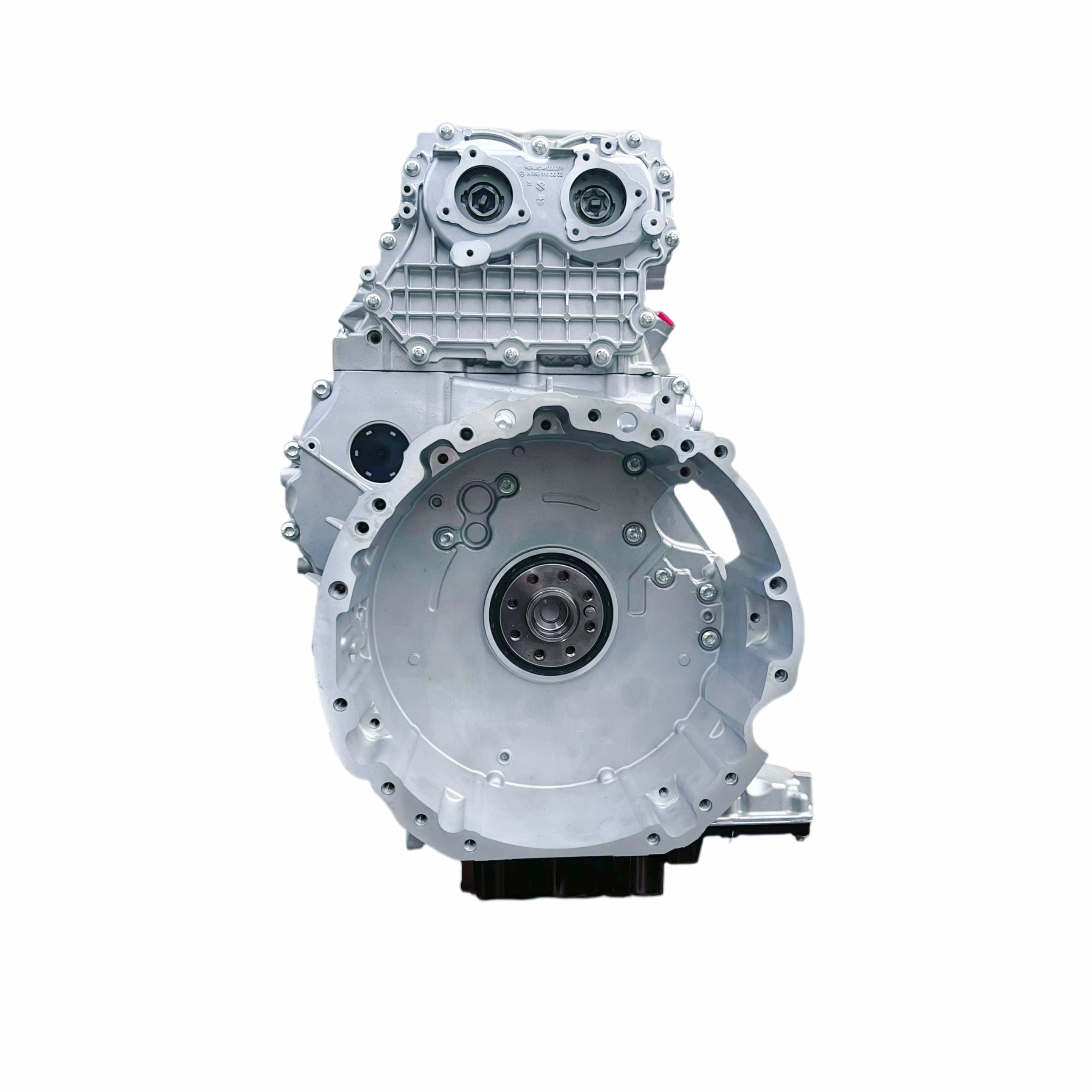
A rebuilt engine can deliver reliable, long-lasting performance when it receives the right care from day one. Whether you have installed a rebuilt unit in a Land Rover, a light commercial vehicle, or any other application, the steps you take during break-in and routine maintenance will determine how many miles that rebuilt powerplant serves you. Understanding the specific demands of a rebuilt engine — rather than treating it exactly like a brand-new factory unit — is the foundation of every smart maintenance plan.
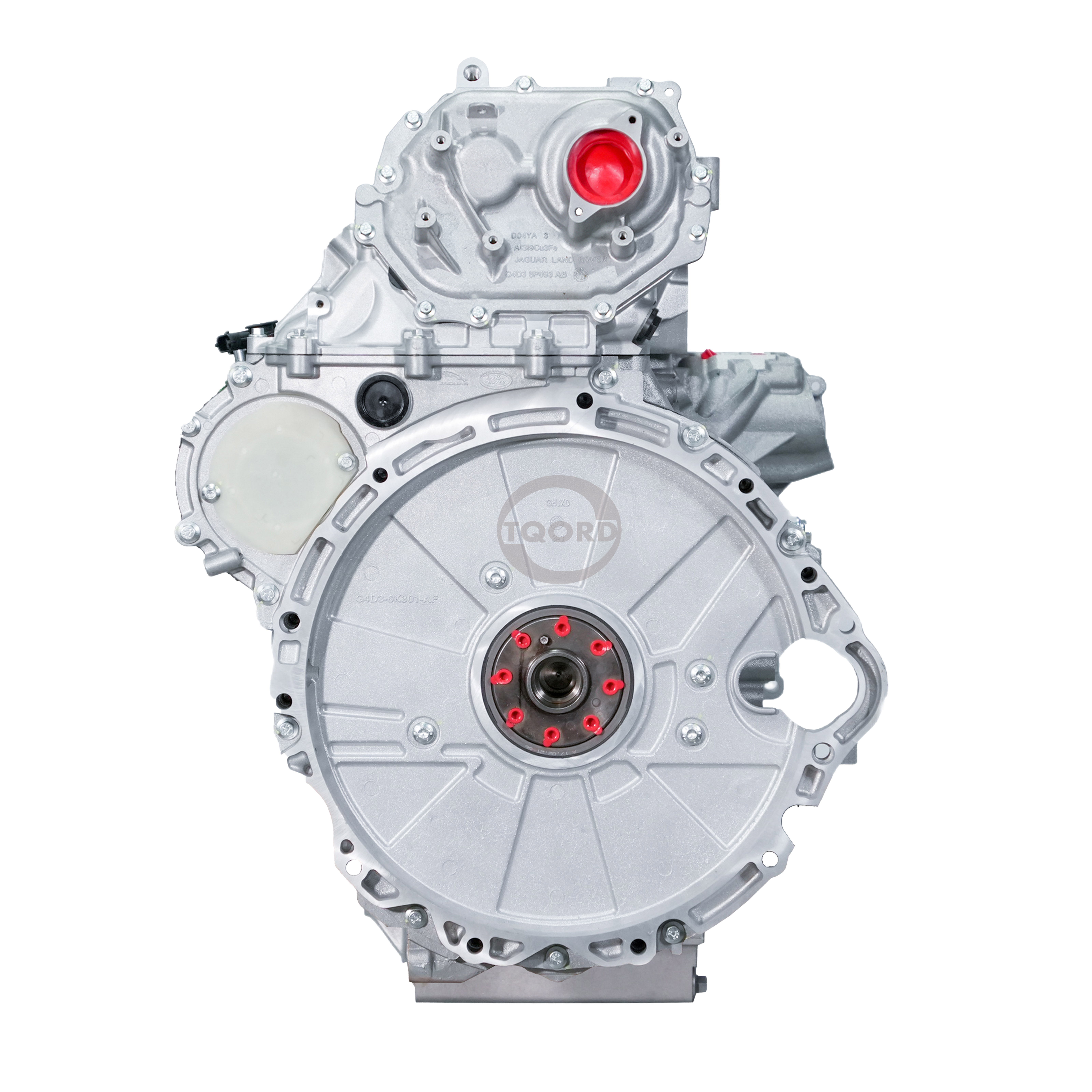
Because a rebuilt engine contains freshly machined surfaces, new seals, and reconditioned components, it behaves differently from a worn engine that has already settled in over thousands of miles. The clearances inside a rebuilt block are precise and tight, which means lubrication, heat management, and load discipline are all critically important during the early stages of operation. Getting these fundamentals right will protect your investment and keep the rebuilt engine running at optimal output for years to come. If you are looking for a high-quality option, the rebuilt Land Rover 3.0T V6 Diesel 306DT engine is one example of a professionally remanufactured unit worth maintaining correctly.
The Break-In Period for a Rebuilt Engine
Why the First Miles Matter Most
The break-in period is the single most important phase for any rebuilt engine. During this window, typically the first 500 to 1,000 miles, the freshly machined piston rings, cylinder walls, and bearing surfaces are seating against each other for the first time. A rebuilt unit needs varied engine speeds during this phase rather than sustained high RPM. Driving at a constant motorway speed for long stretches can prevent the rings from seating properly, reducing compression and long-term efficiency.
During break-in, a rebuilt engine benefits from moderate acceleration, gentle deceleration, and occasional brief increases in load. This varied cycle encourages even seating across all cylinders. Avoid towing heavy loads or aggressive driving until the break-in mileage is complete. Every rebuilt engine goes through this phase, and skipping proper break-in discipline is one of the most common reasons rebuilt engines underperform later.
Choosing the Right Break-In Oil
Many engine specialists recommend using a mineral-based or conventional break-in oil for the first oil change on a rebuilt engine, rather than full-synthetic lubricant. This is because some synthetic oils are so slick that they can prevent ring seating. A rebuilt engine needs controlled friction during the early stages, and conventional oil supports that process. After the break-in period, you can switch to the manufacturer-specified fully synthetic oil for ongoing protection.
Change the oil and filter at the end of the break-in period without exception. The first oil drain from a rebuilt engine will contain fine metallic particles generated during the seating process. Leaving that contaminated oil in the sump would accelerate wear on the very components you want to protect. After this initial change, follow a regular oil service interval suited to your rebuilt engine's application and operating conditions.
Routine Maintenance Practices for a Rebuilt Engine
Oil and Coolant Service Schedules
A rebuilt engine deserves disciplined service intervals. Engine oil is the primary line of defence against wear, heat, and sludge accumulation. For a rebuilt diesel or petrol engine under moderate use, an oil change every 5,000 to 7,500 miles is a practical baseline, though you should always follow the specification set by the rebuilder or manufacturer. Using the correct oil viscosity matters enormously — a rebuilt engine running the wrong grade oil will not maintain adequate film thickness across its bearings and cam surfaces.
Coolant condition is equally important for a rebuilt engine. Degraded coolant loses its corrosion-inhibitor properties, which can cause pitting inside the block and head — components that were carefully reconditioned during the rebuild. Flush and replace coolant at the interval specified for your rebuilt engine, and check coolant concentration with a refractometer to confirm freeze and boil protection is within range.
Monitoring for Early Warning Signs
A well-maintained rebuilt engine should run smoothly and cleanly. However, monitoring for early warning signs prevents small issues from becoming costly failures. Check for oil leaks around the sump gasket, rear main seal, and rocker covers, as these are common points of concern on any rebuilt unit. A rebuilt engine that develops an external oil leak should be addressed promptly, since oil on hot exhaust components creates a fire risk and sustained low oil level causes internal damage.
Listen for unusual noises such as tapping, knocking, or rattling. A rebuilt engine that has been properly assembled and broken in should be quiet at operating temperature. Any persistent abnormal sound warrants investigation before the next drive, not after. Monitoring oil pressure with a gauge rather than relying solely on the dashboard warning light gives you earlier warning of pressure drops that could indicate bearing wear on a rebuilt unit.
Long-Term Performance Preservation
Air, Fuel, and Filtration Quality
A rebuilt engine performs at its best when fed clean air and quality fuel. A clogged air filter restricts airflow, forces the engine management system to run a richer mixture, and increases carbon deposits inside a rebuilt combustion chamber. Replace the air filter at every recommended interval, and inspect it more frequently if the rebuilt engine operates in dusty environments. Fuel quality is also a factor — consistently using clean, uncontaminated diesel or petrol prevents injector fouling that forces a rebuilt engine to work harder than necessary.
The fuel filter on a rebuilt diesel engine is a particularly critical item. Rebuilt diesel units like the 306DT are precision-engineered, and their injectors operate at extremely high pressures. Contaminated fuel passing through those injectors can cause rapid wear. Replacing the fuel filter at the correct interval is a low-cost action that protects a high-value rebuilt component.
Thermal Management and Load Discipline
Allow a rebuilt engine to reach operating temperature before placing heavy loads on it. Cold starts expose a rebuilt engine to the highest wear rates because oil has not yet fully circulated to all surfaces. A short idle period followed by gentle driving during warm-up is a simple habit that significantly extends the service life of any rebuilt engine. Equally, avoid switching off a turbocharged rebuilt engine immediately after hard driving — let it idle briefly to cool turbo bearings before shutdown.
FAQ
How soon after installation should I change the oil in a rebuilt engine?
You should perform the first oil change on a rebuilt engine after the break-in period, typically between 500 and 1,000 miles. This removes metallic particles generated during component seating. Skipping this initial change can contaminate the rebuilt engine's lubrication system and accelerate early wear on critical surfaces.
Can I use full-synthetic oil immediately in a rebuilt engine?
Many rebuilders advise using conventional or mineral oil during the break-in phase of a rebuilt engine, as full-synthetic lubricants can be too slick to allow proper ring seating. After the break-in period and the first oil change, switching to the grade of full-synthetic oil specified for your rebuilt engine is generally recommended for ongoing protection.
What are the most common causes of early failure in a rebuilt engine?
The most common causes of early failure in a rebuilt engine include skipping the break-in discipline, using incorrect oil viscosity, neglecting coolant service, and ignoring early warning signs such as oil leaks or abnormal noises. A rebuilt engine that receives consistent, correct maintenance will typically provide service life comparable to a new factory unit.