Mechanical Systems Remanufacturing Solutions

Get a Free Quote

Our representative will contact you soon.
Email
Phone/WhatsApp/WeChat
Name
Company Name
Title
VIN Code
Message
0/1000

mechanical systems remanufacturing

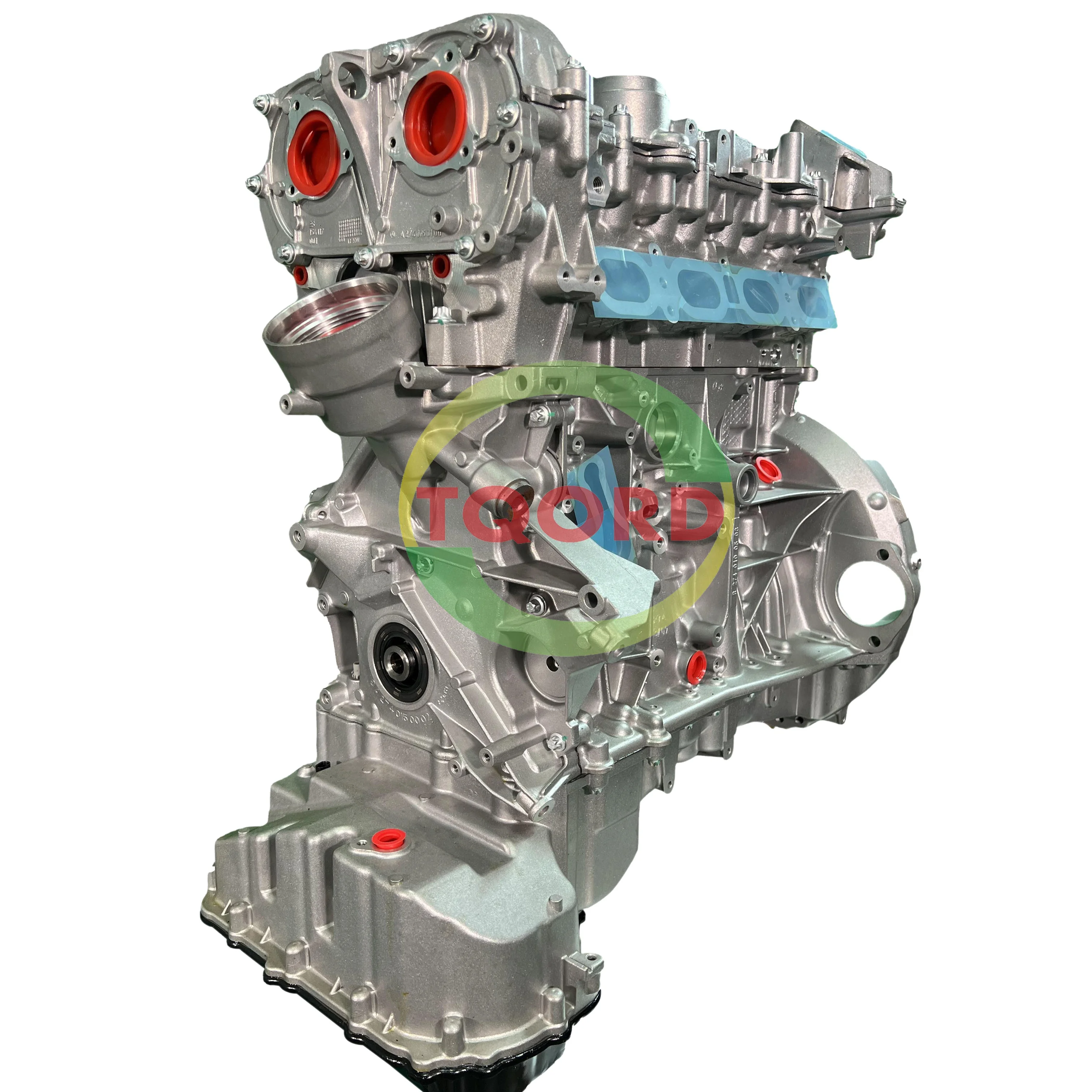
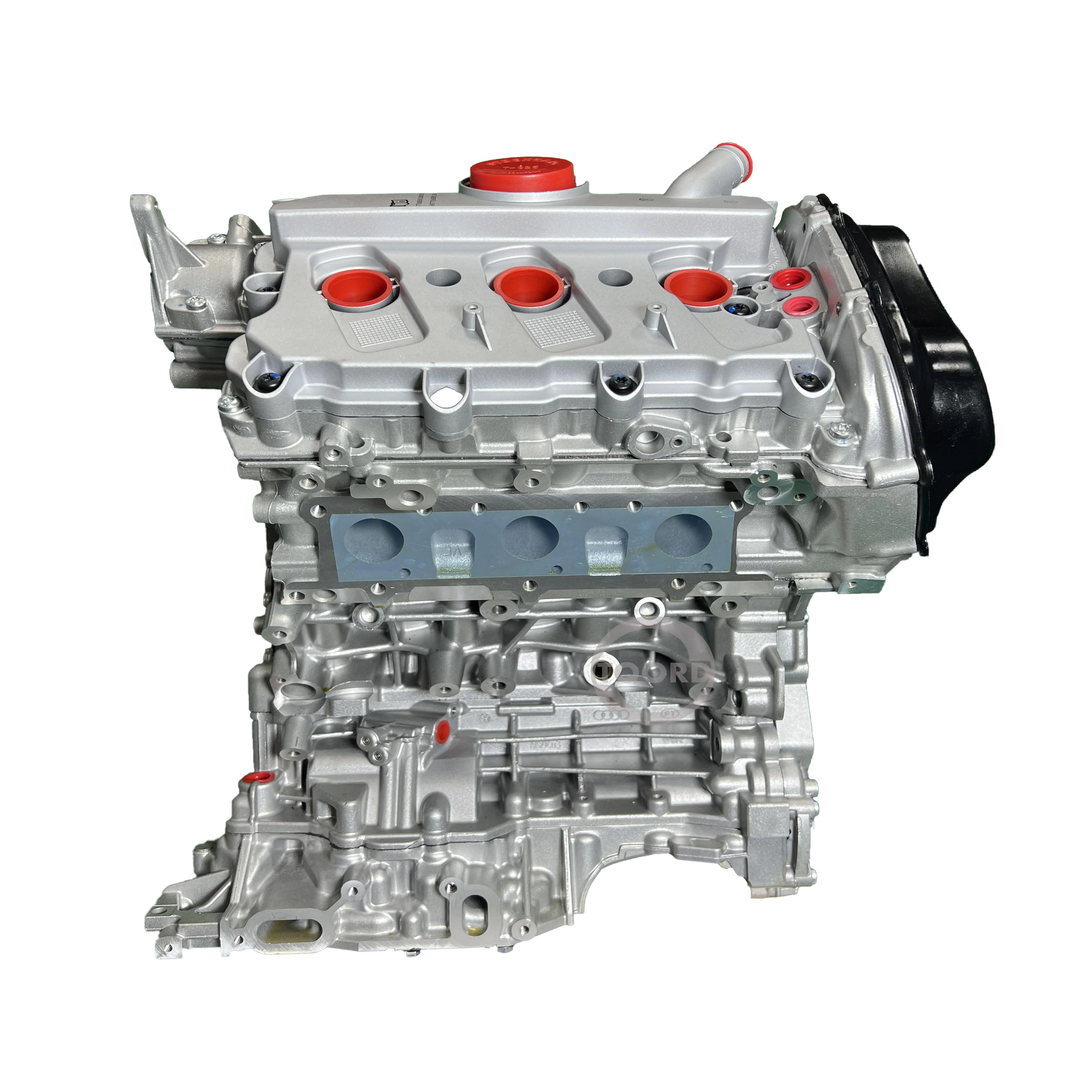
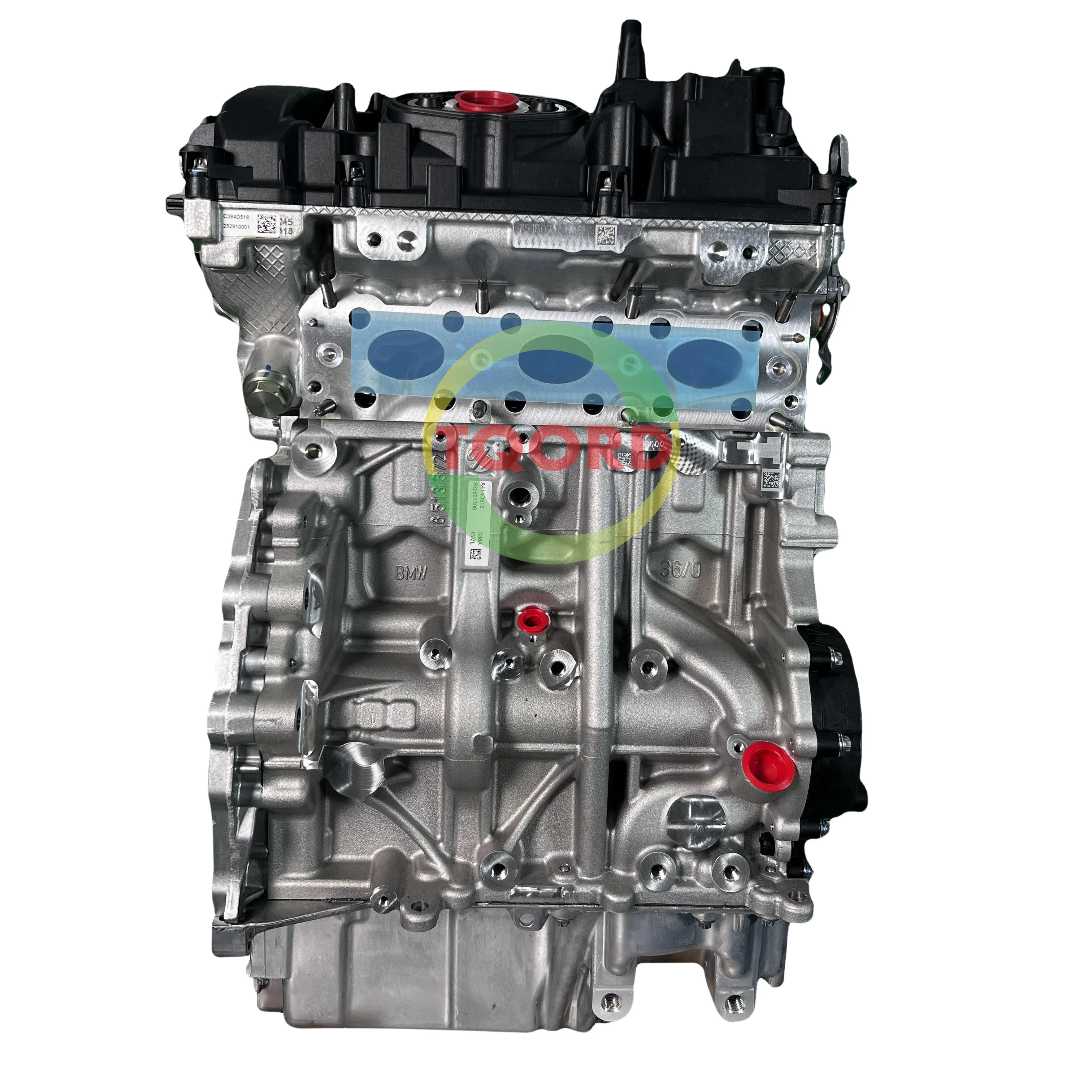
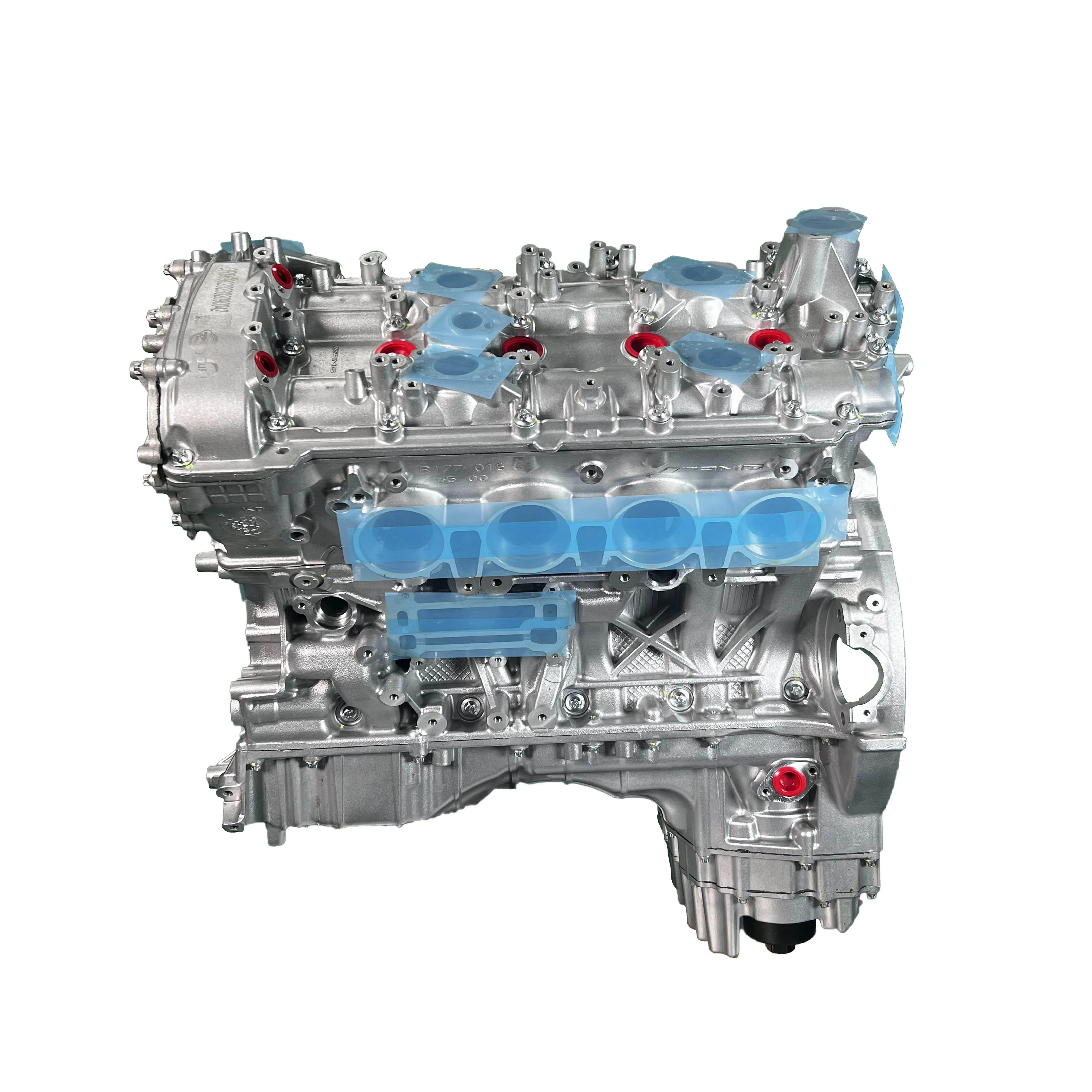
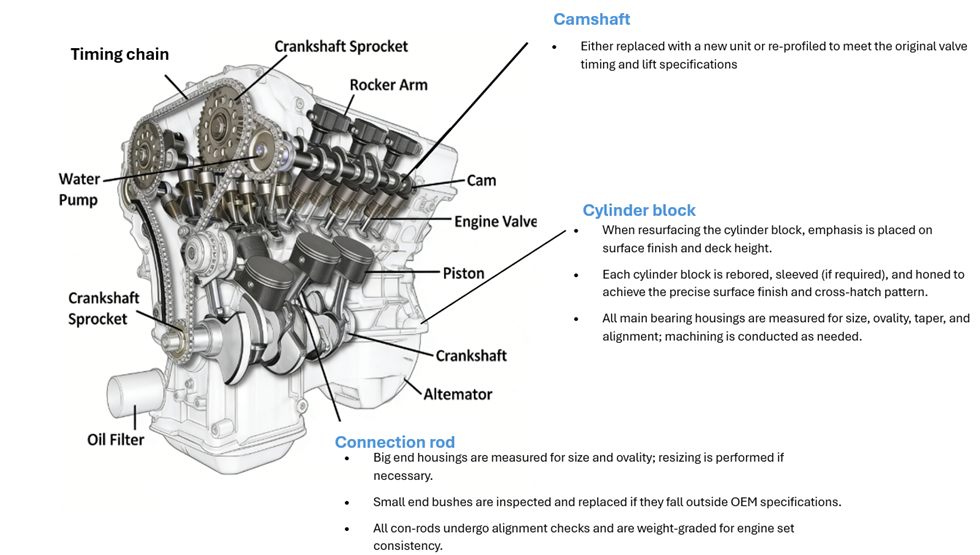
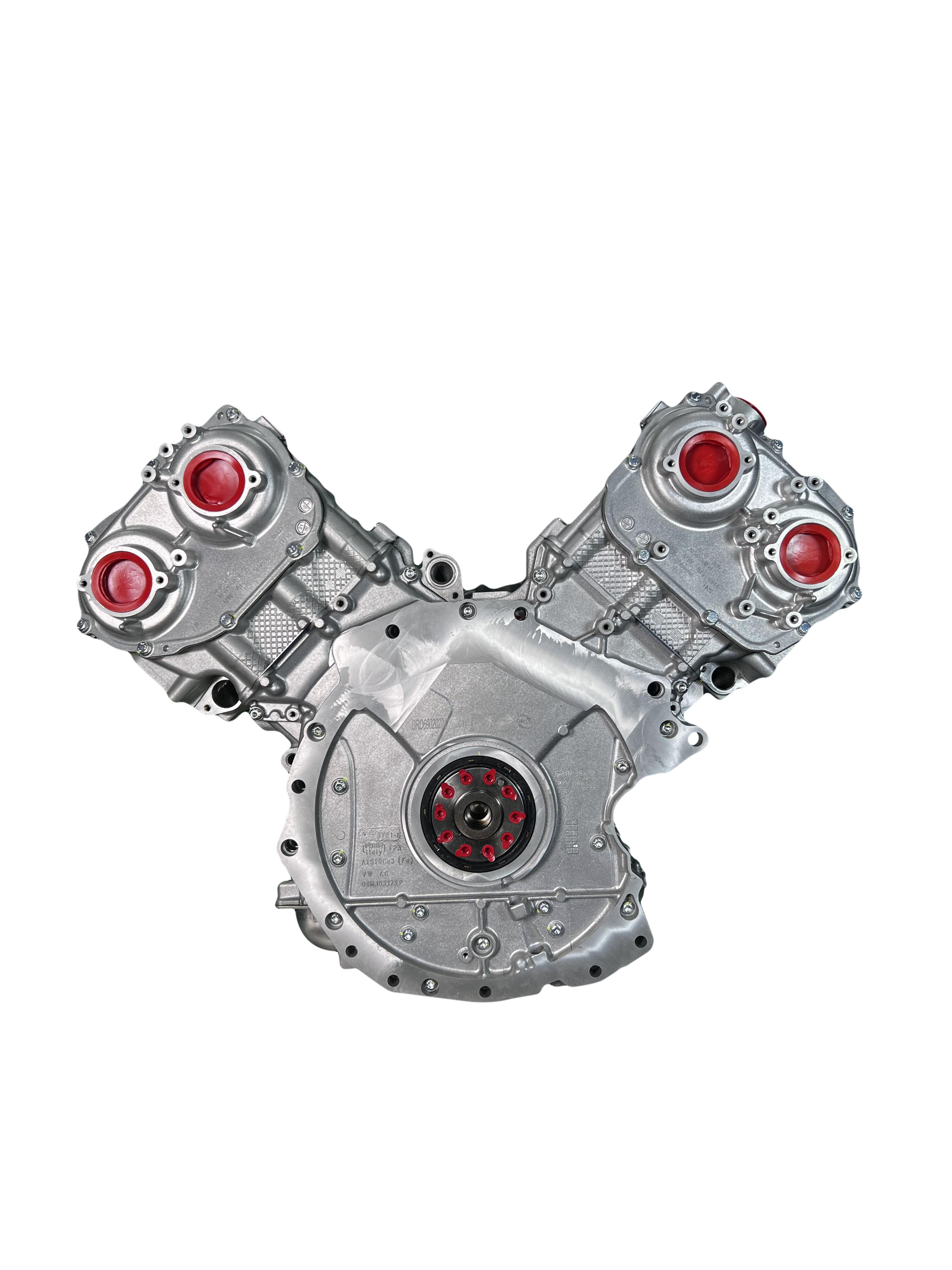
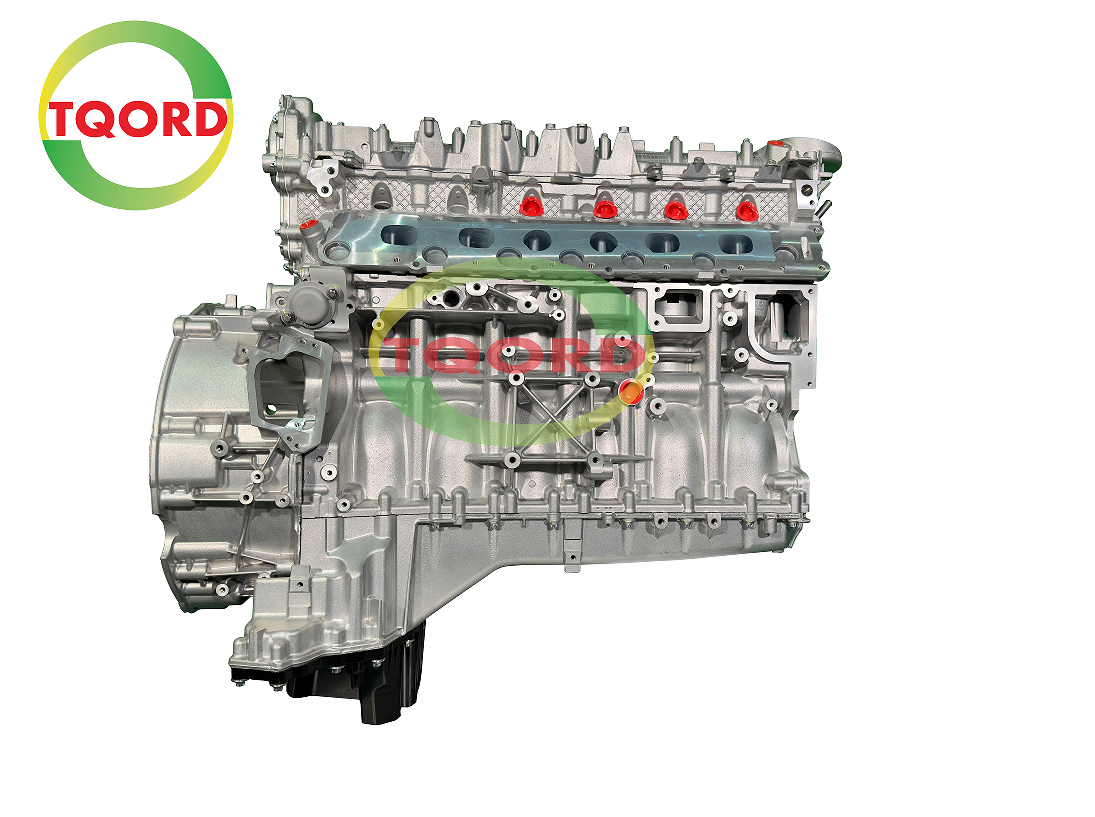
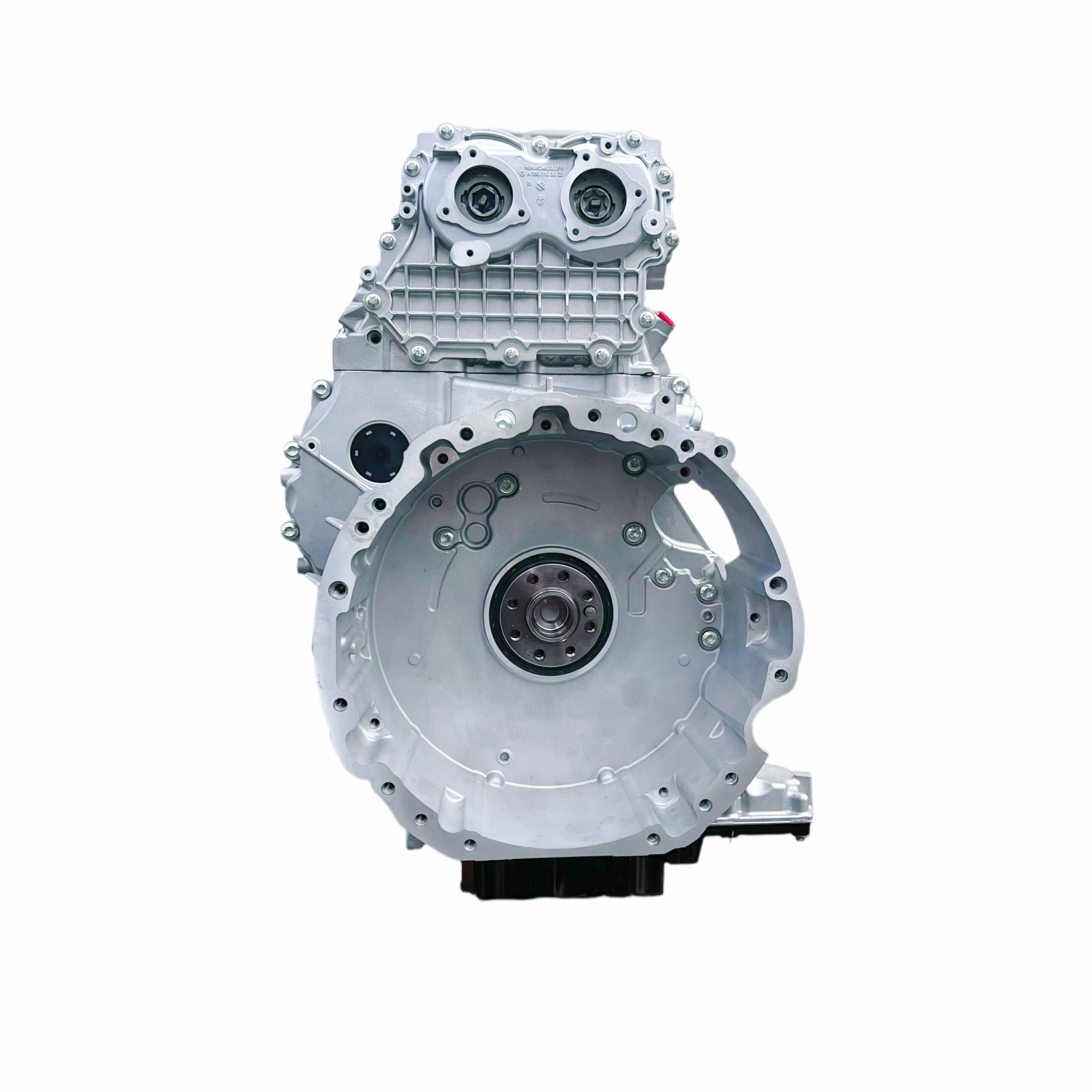
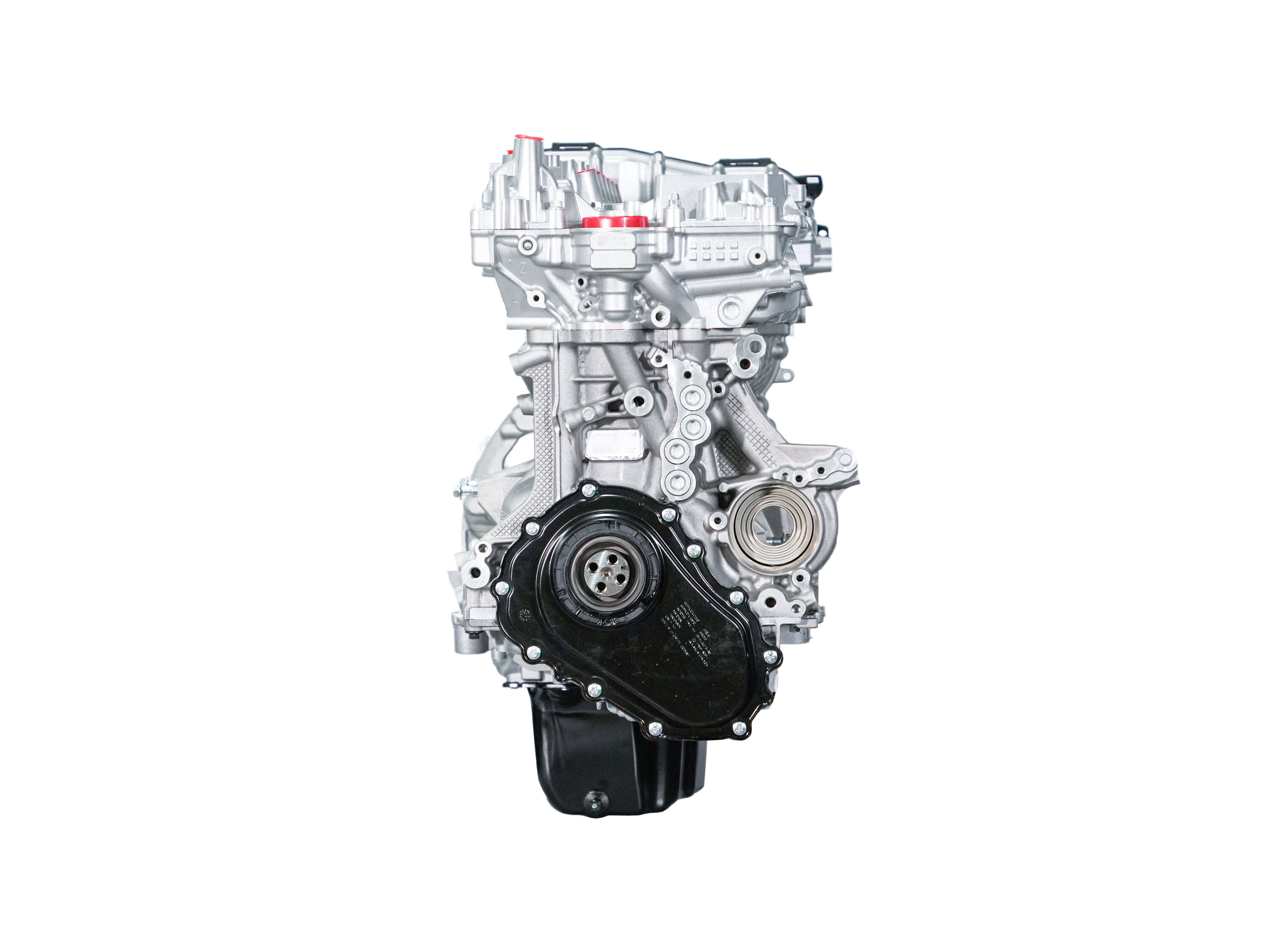
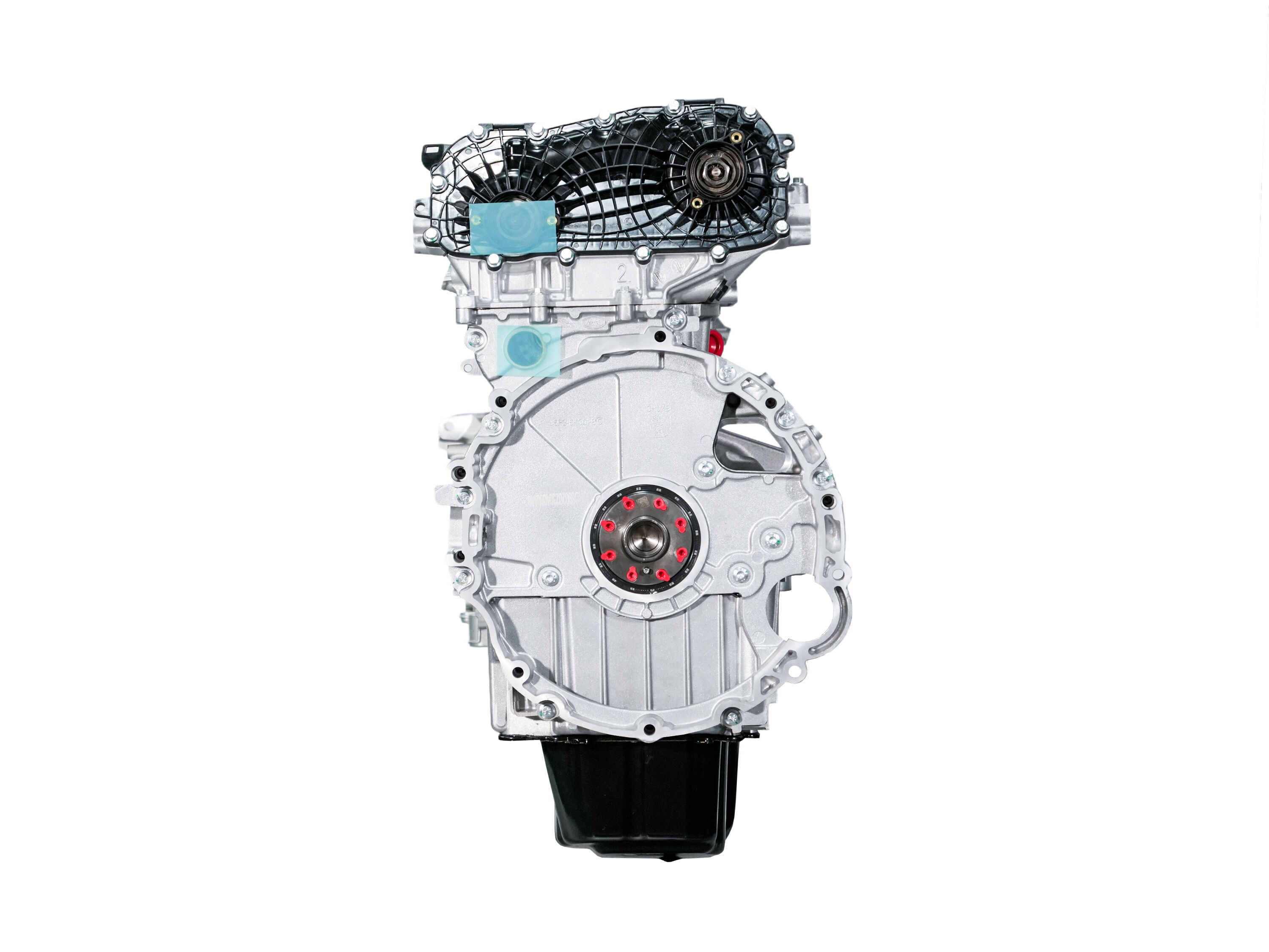
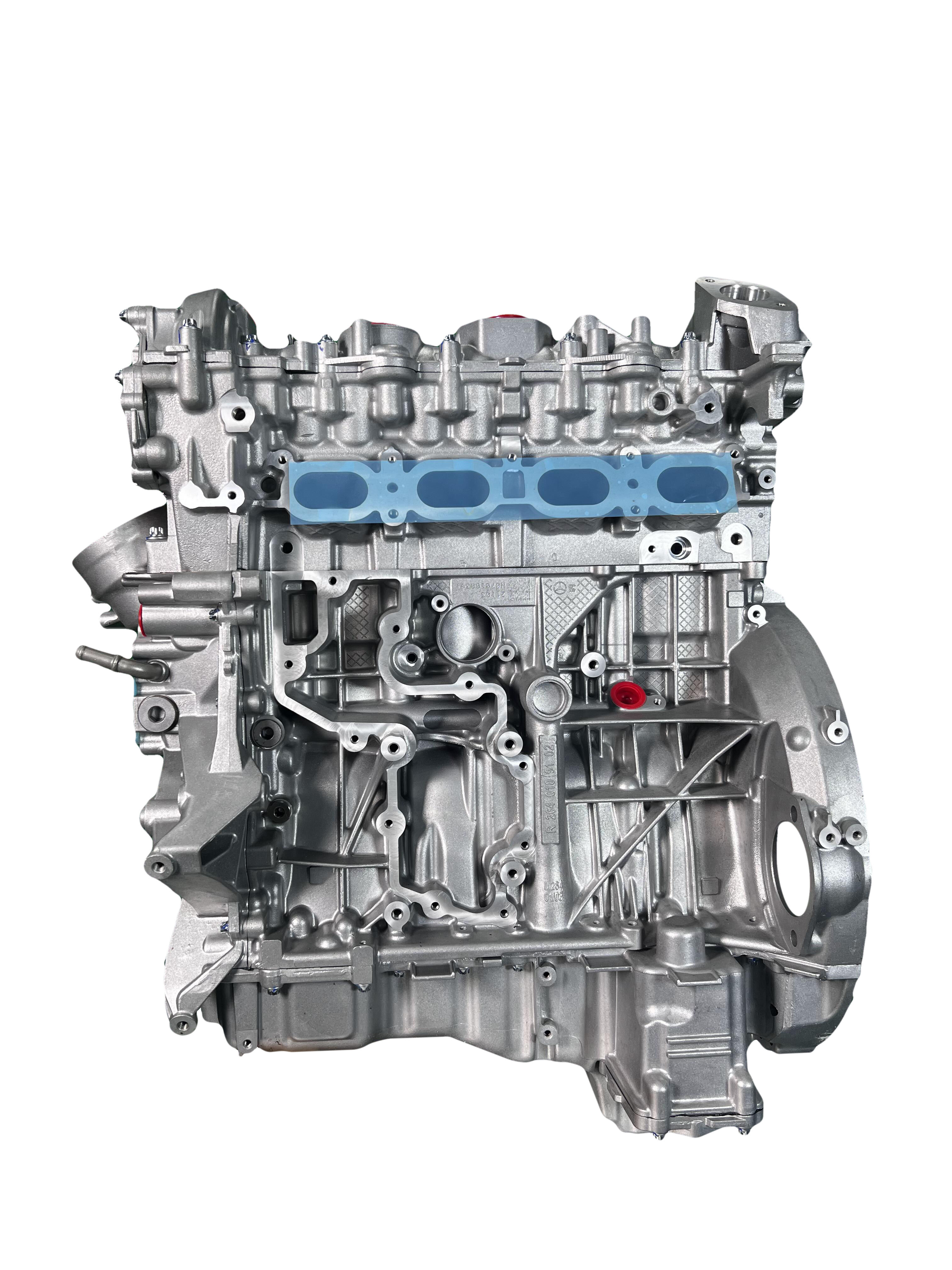
Mechanical systems remanufacturing is a comprehensive industrial process that restores used mechanical equipment and components to like-new or better-than-original condition through systematic disassembly, cleaning, inspection, repair, and reassembly. This advanced restoration technique involves complete teardown of machinery, precision measurement of all parts, replacement of worn components with new or refurbished elements, and rigorous testing to meet or exceed original equipment manufacturer specifications. The main functions include extending equipment lifespan, reducing capital expenditure on new machinery, and maintaining operational performance standards. Mechanical systems remanufacturing encompasses various equipment types including engines, transmissions, hydraulic systems, compressors, pumps, and industrial machinery. Technological features distinguish this process from simple repairs through comprehensive documentation, advanced diagnostic tools, computerized measurement systems, and quality control protocols that ensure consistent results. Applications span multiple industries including automotive, aerospace, construction, manufacturing, agriculture, and heavy equipment sectors. Companies utilize mechanical systems remanufacturing to maintain fleet operations, reduce downtime, preserve critical legacy equipment, and achieve sustainability goals. The process delivers fully warranted equipment that performs reliably while consuming fewer raw materials and generating less waste compared to new manufacturing. This approach supports circular economy principles by recovering maximum value from existing assets and reducing environmental impact through resource conservation and energy savings throughout the restoration lifecycle.

New Product Recommendations

Choosing mechanical systems remanufacturing delivers substantial cost savings compared to purchasing new equipment, typically reducing expenses by forty to sixty-five percent while providing comparable performance and reliability. Your business benefits from faster turnaround times since remanufacturing existing equipment requires less lead time than ordering new machinery, minimizing production disruptions and maintaining operational continuity. The process preserves your capital budget for other strategic investments while delivering equipment that meets current performance standards with full warranty coverage. Environmental responsibility becomes tangible as mechanical systems remanufacturing reduces carbon footprint by up to eighty percent compared to new manufacturing, conserves raw materials, and decreases landfill waste. You gain access to updated technology integrations and performance improvements that may surpass original specifications, enhancing productivity and efficiency. Equipment compatibility remains assured since remanufactured components maintain exact dimensions and mounting configurations, eliminating retrofit challenges and integration costs. Quality assurance protocols throughout mechanical systems remanufacturing include precision testing, calibration verification, and performance validation that guarantee reliable operation. Your maintenance planning benefits from predictable service life expectations and detailed documentation of all replaced components. The flexibility to schedule remanufacturing during planned downtime optimizes resource allocation and workflow management. Businesses preserve institutional knowledge embedded in familiar equipment while upgrading performance capabilities. Risk mitigation improves through comprehensive inspection processes that identify potential failure points before they cause operational problems. The remanufactured equipment maintains resale value better than extensively repaired machinery, protecting your asset investment over time while supporting sustainable business practices that enhance corporate reputation and stakeholder confidence.

Practical Tips

Reman Engines for Old Audi A4: A Cost-Effective Replacement Option

11

May

Reman Engines for Old Audi A4: A Cost-Effective Replacement Option

Why Reman Engines Are the Smart Choice for Aging Audi A4 Models Common Failure Patterns in 2002–2008 Audi A4 1.8T and 2.0T Engines The 2002–2008 Audi A4’s 1.8T and 2.0T engines are prone to predictable, high-impact failures—...
View More
Bulk Sale Discounts on Engine Parts for Commercial Orders

15

May

Bulk Sale Discounts on Engine Parts for Commercial Orders

How Bulk Sale Discounts Reduce Total Cost of Ownership Economies of scale: lowering per-unit landed cost through consolidated engine part procurement Consolidating engine part orders into bulk purchases directly reduces per-unit landed costs. Large...
View More
Rebuilt Engines for Old Mercedes E-Class: Cost-Effective Options

18

May

Rebuilt Engines for Old Mercedes E-Class: Cost-Effective Options

Why Rebuilt Engines Are the Smartest Financial Choice for Pre-2012 E-Class Models The Ownership Tipping Point: When Repair Costs Exceed Depreciated Value Owning a pre-2012 Mercedes E-Class typically means driving a car valued at $5,000–$12,00...
View More
How to Maintain Rebuilt Engines for Optimal Performance

26

Jun

How to Maintain Rebuilt Engines for Optimal Performance

A rebuilt engine can deliver reliable, long-lasting performance when it receives the right care from day one. Whether you have installed a rebuilt unit in a Land Rover, a light commercial vehicle, or any other application, the steps you take during b...
View More

Get a Free Quote

Our representative will contact you soon.
Email
Phone/WhatsApp/WeChat
Name
Company Name
Title
VIN Code
Message
0/1000

mechanical systems remanufacturing

Superior Cost Efficiency and Financial Performance

Superior Cost Efficiency and Financial Performance

Mechanical systems remanufacturing delivers exceptional financial advantages that directly impact your bottom line profitability and operational budget management. The process typically costs forty to sixty-five percent less than new equipment purchases while providing equivalent functionality, performance standards, and longevity expectations. This significant cost differential allows businesses to maintain larger equipment fleets, upgrade multiple systems simultaneously, or redirect saved capital toward growth initiatives and market expansion. Beyond initial acquisition savings, remanufactured mechanical systems often include updated seals, bearings, and wear components that reduce maintenance frequency and lower ongoing operational expenses. Warranty coverage comparable to new equipment protects your investment and provides financial predictability for budget planning. The shorter lead times associated with mechanical systems remanufacturing reduce inventory carrying costs and minimize expensive production delays. Companies can strategically rotate equipment through remanufacturing cycles, maintaining operational capacity without the financial burden of complete fleet replacement. This approach improves cash flow management, reduces financing requirements, and enhances return on asset calculations while delivering performance that meets demanding industrial applications and quality expectations.
Environmental Sustainability and Resource Conservation

Environmental Sustainability and Resource Conservation

Mechanical systems remanufacturing represents a powerful commitment to environmental stewardship and sustainable industrial practices that reduce ecological impact while maintaining operational excellence. The process conserves up to eighty-five percent of the energy required for new manufacturing, significantly lowering carbon emissions and supporting corporate sustainability goals. Raw material consumption decreases dramatically as existing components are restored rather than scrapped, preserving valuable metals, alloys, and engineered materials. This resource efficiency reduces mining demand, processing energy, and transportation emissions associated with virgin material extraction and refinement. Mechanical systems remanufacturing diverts substantial tonnage from landfills annually, contributing to circular economy principles and waste reduction targets. Water usage, chemical consumption, and manufacturing byproducts decrease considerably compared to new production processes. Companies demonstrate measurable environmental progress through remanufacturing programs, enhancing brand reputation and meeting increasingly stringent regulatory requirements. Stakeholders including customers, investors, and community members recognize businesses that prioritize sustainable practices. The environmental benefits extend throughout the supply chain as component suppliers, transportation providers, and disposal services experience reduced demand, creating multiplied positive impacts across industrial ecosystems and supporting global sustainability initiatives.
Proven Reliability and Performance Excellence

Proven Reliability and Performance Excellence

Mechanical systems remanufacturing delivers equipment reliability that matches or exceeds new machinery through comprehensive restoration protocols and rigorous quality verification processes. Each component undergoes detailed inspection using precision measurement tools, computerized diagnostic systems, and experienced technician evaluation to identify wear patterns, stress indicators, and potential failure points. Parts that fail to meet exacting specifications are replaced with new or refurbished components manufactured to original tolerances. Critical wear surfaces receive specialized treatments including grinding, honing, or coating applications that restore proper dimensions and surface finishes. Reassembly follows documented procedures with controlled torque specifications, proper clearances, and verified alignments that ensure optimal performance. Mechanical systems remanufacturing includes comprehensive testing under operational loads, temperature cycles, and performance parameters that validate functionality before equipment returns to service. This thorough verification process often reveals and corrects latent defects or design weaknesses that may exist in new equipment, resulting in superior long-term reliability. Detailed documentation accompanies each remanufactured system, providing complete traceability of replaced components, performed procedures, and test results. Warranty coverage demonstrates manufacturer confidence in mechanical systems remanufacturing quality and gives operators assurance of dependable performance in demanding applications.