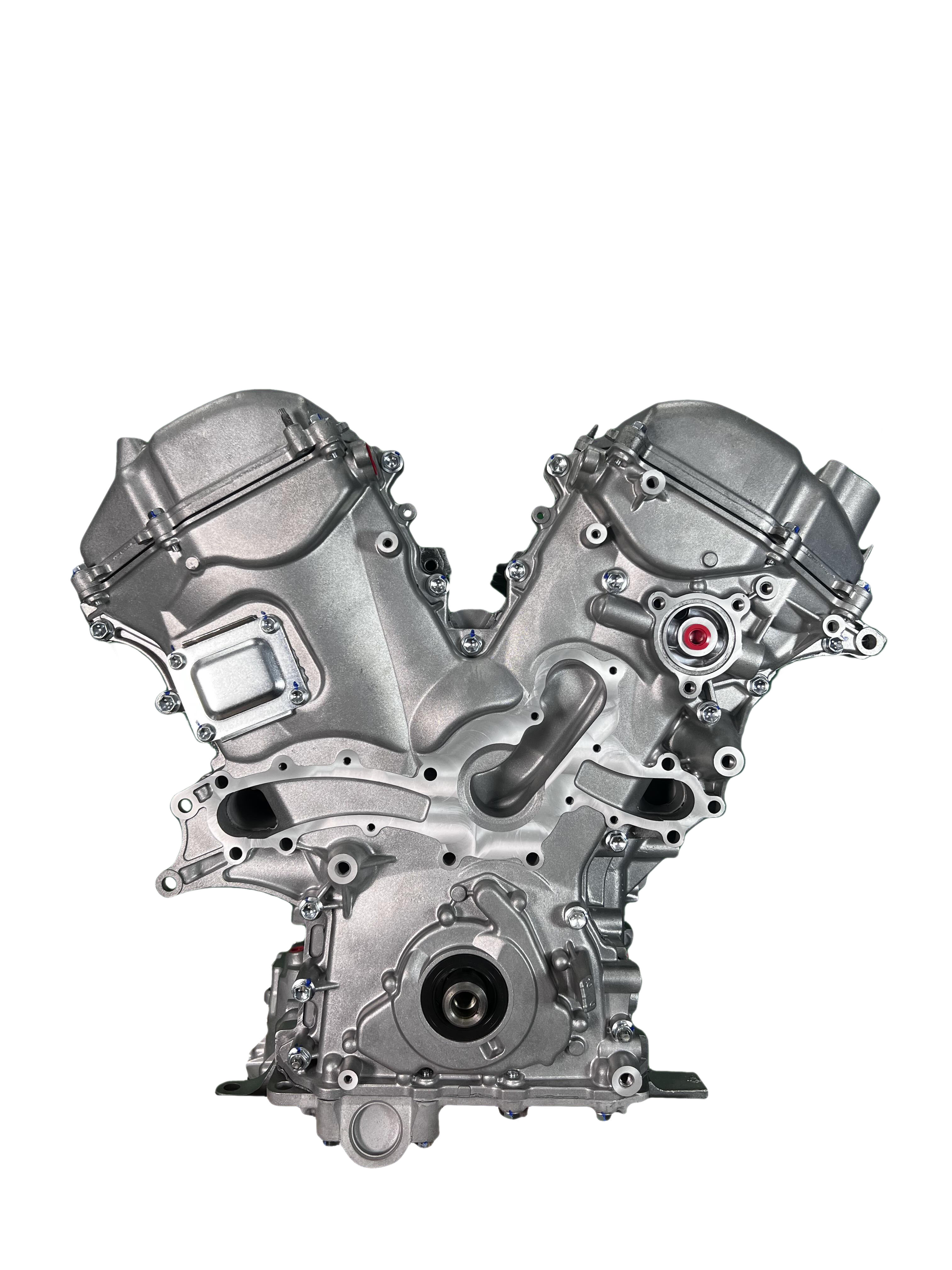
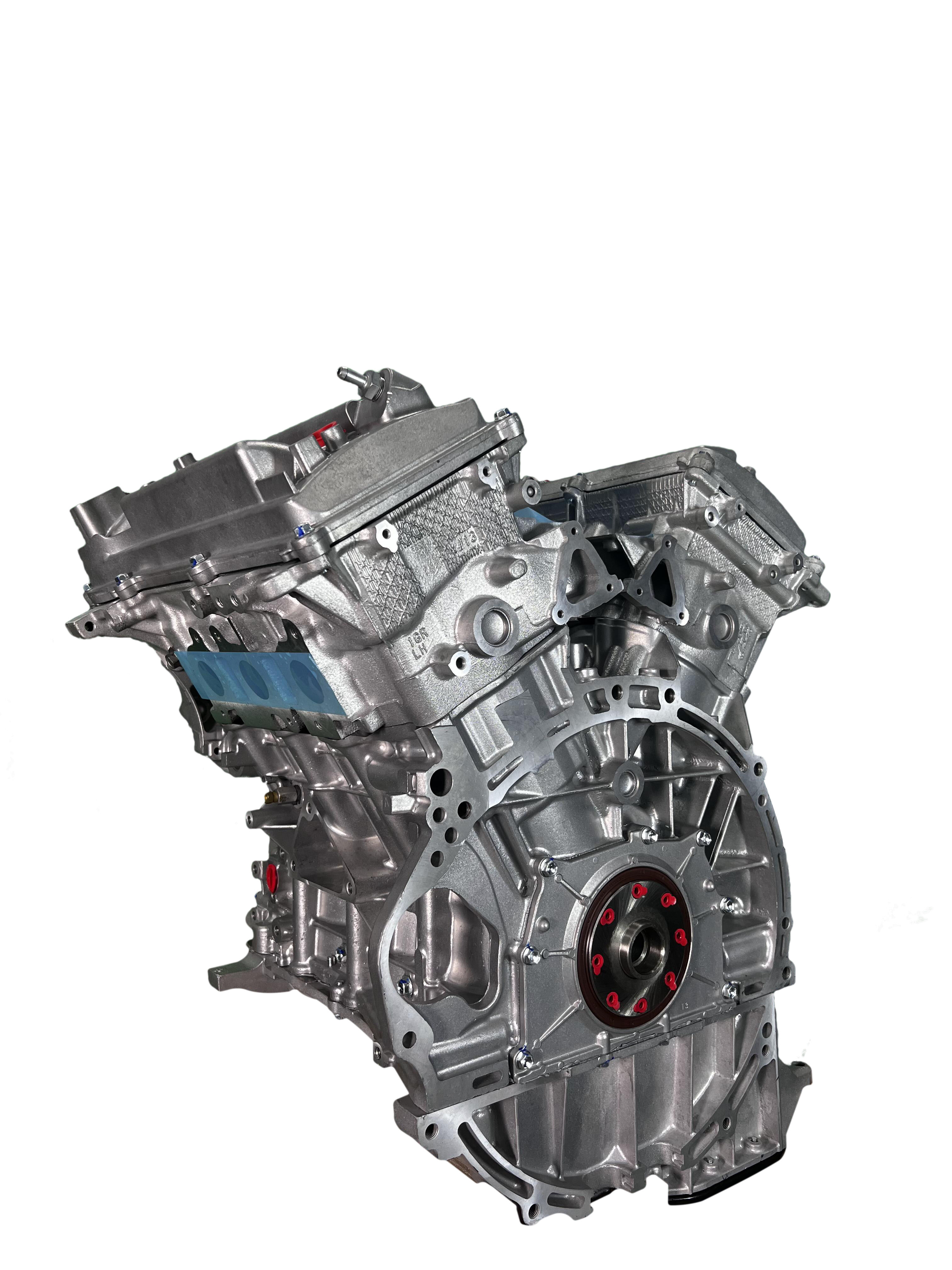
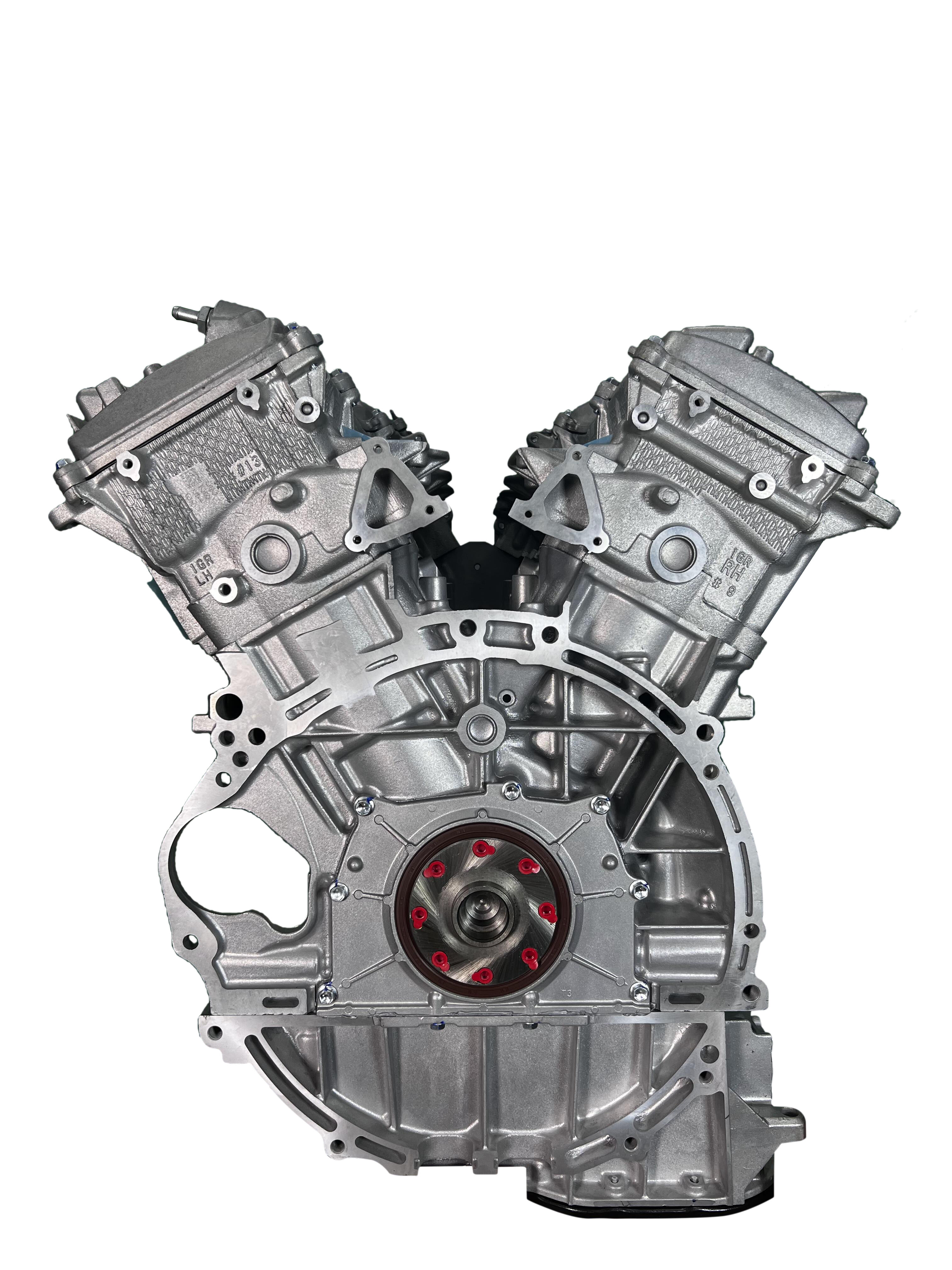
comparison between remanufactured and rebuilt parts
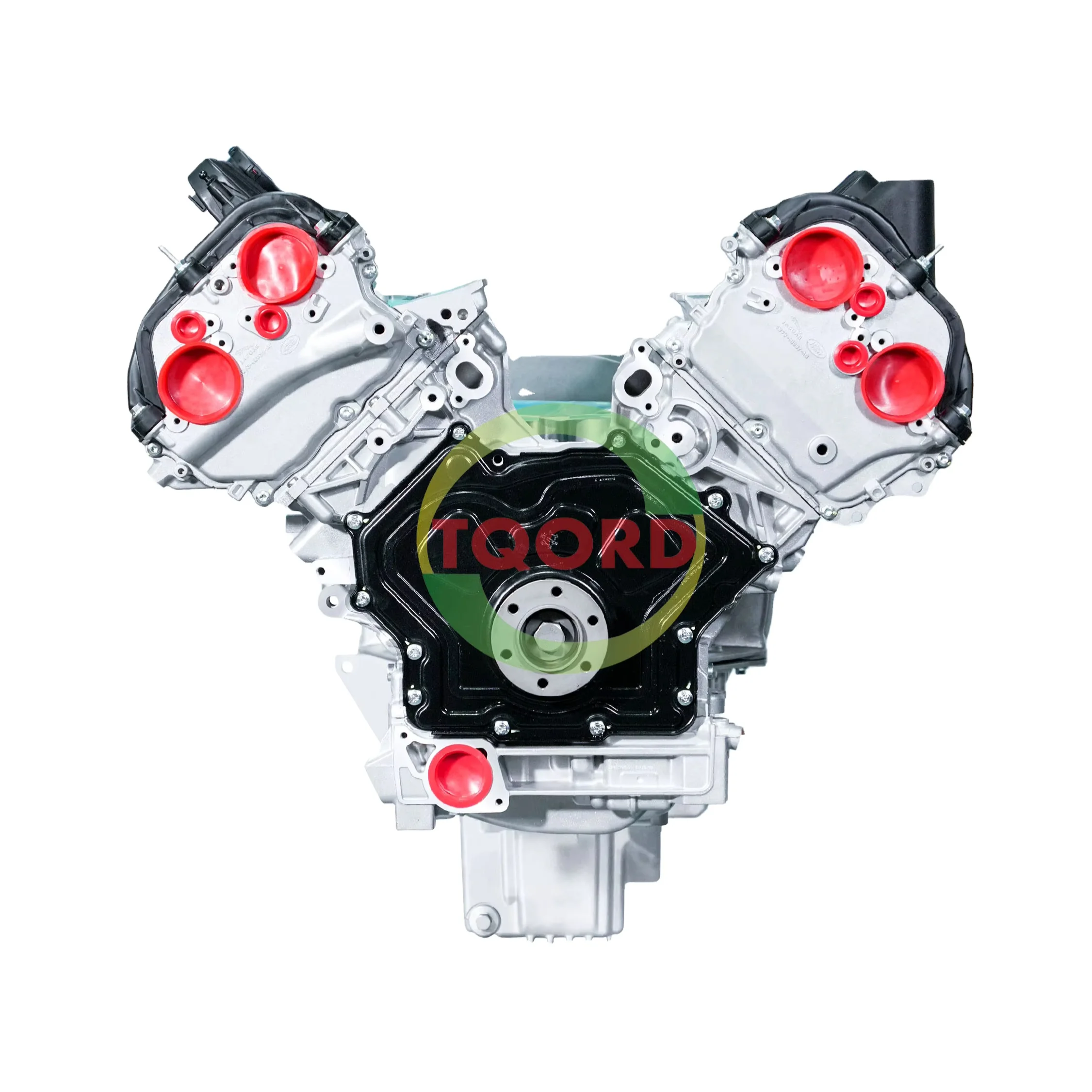
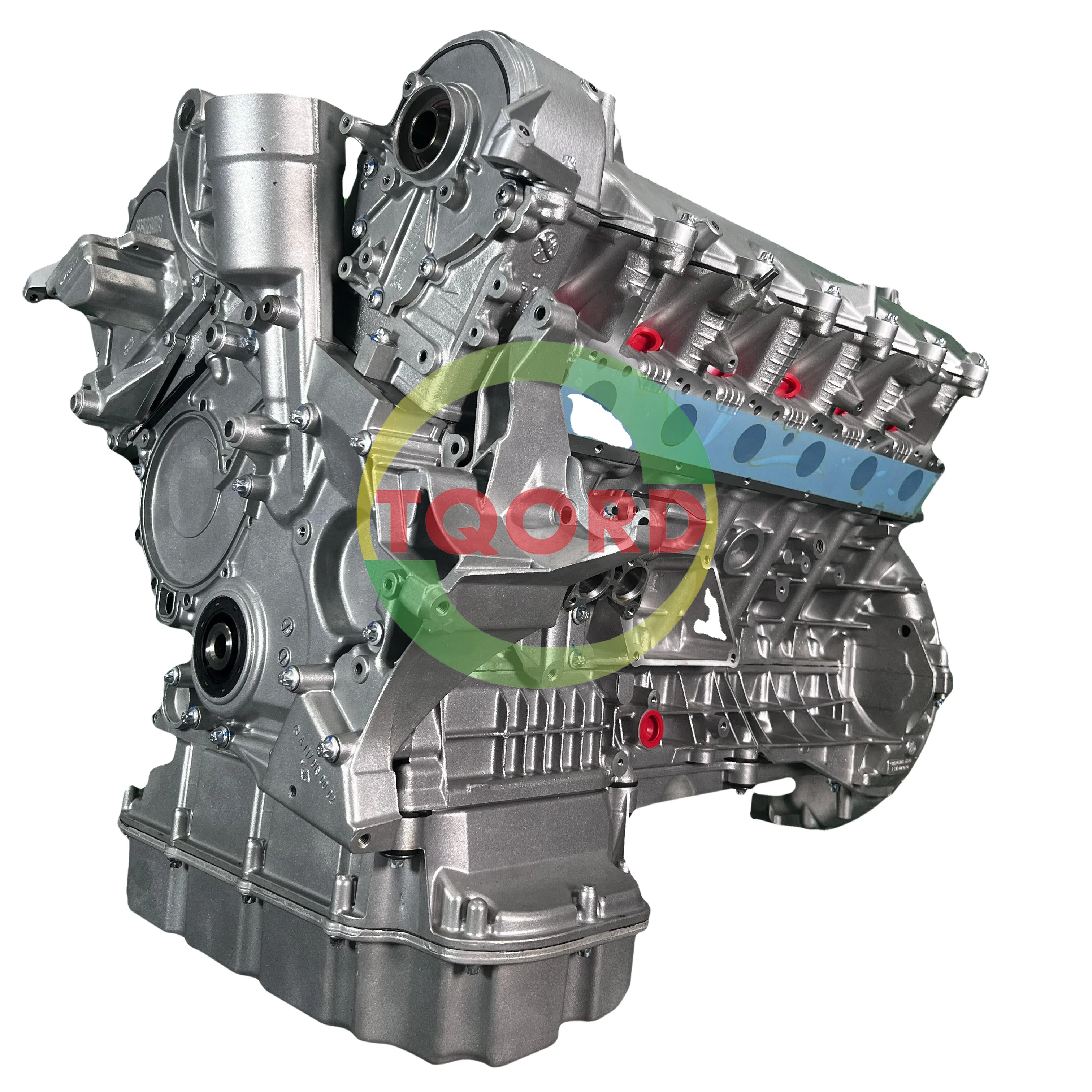
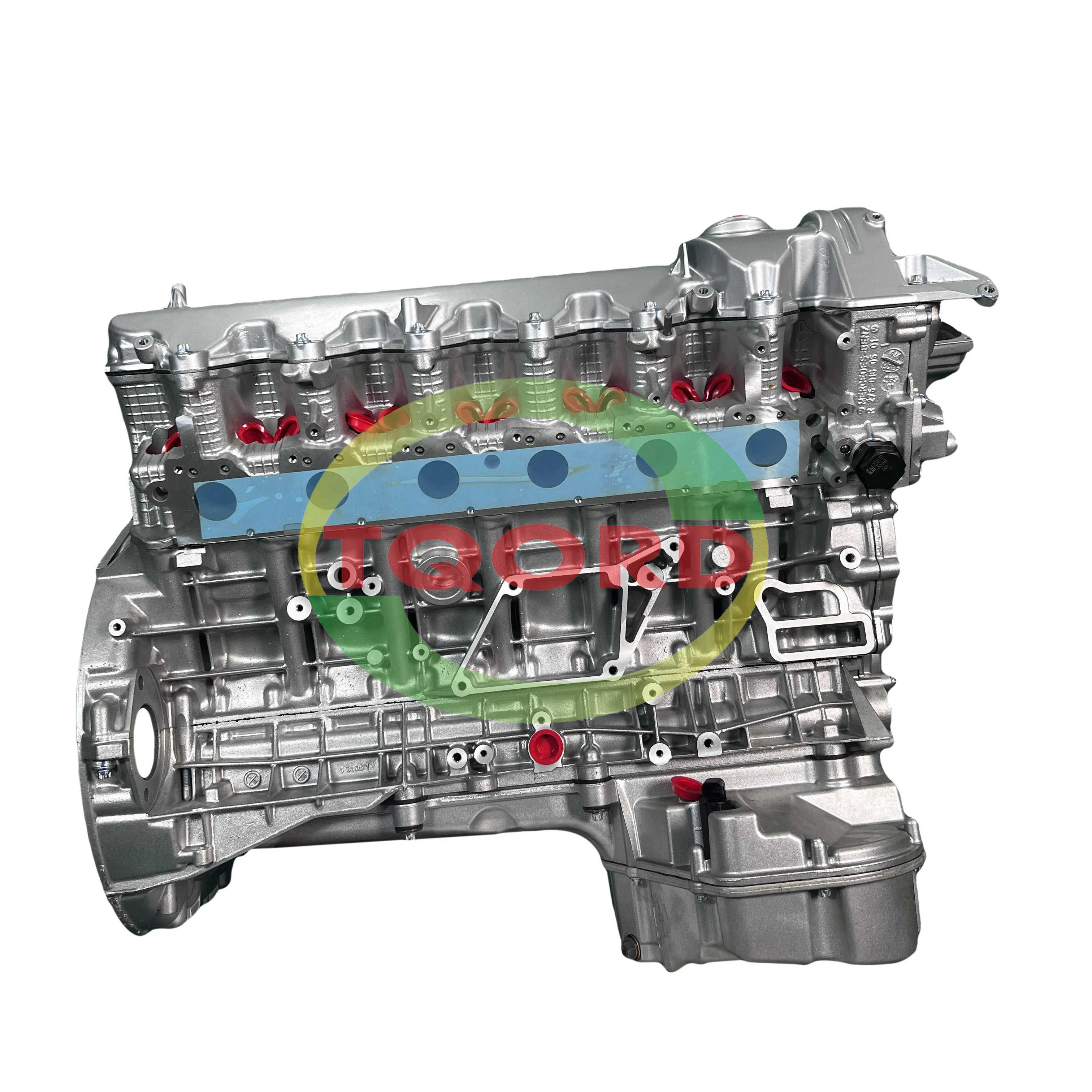
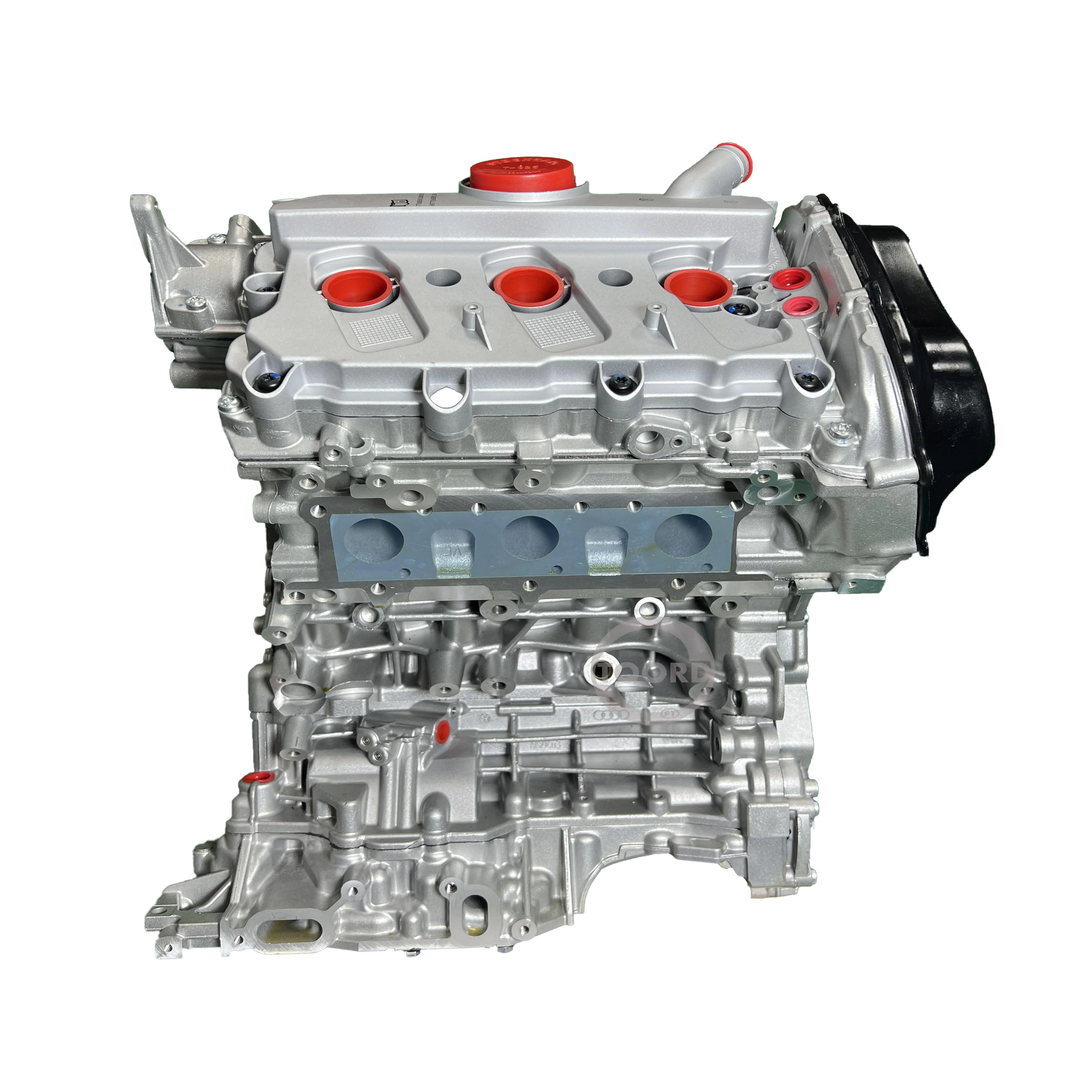
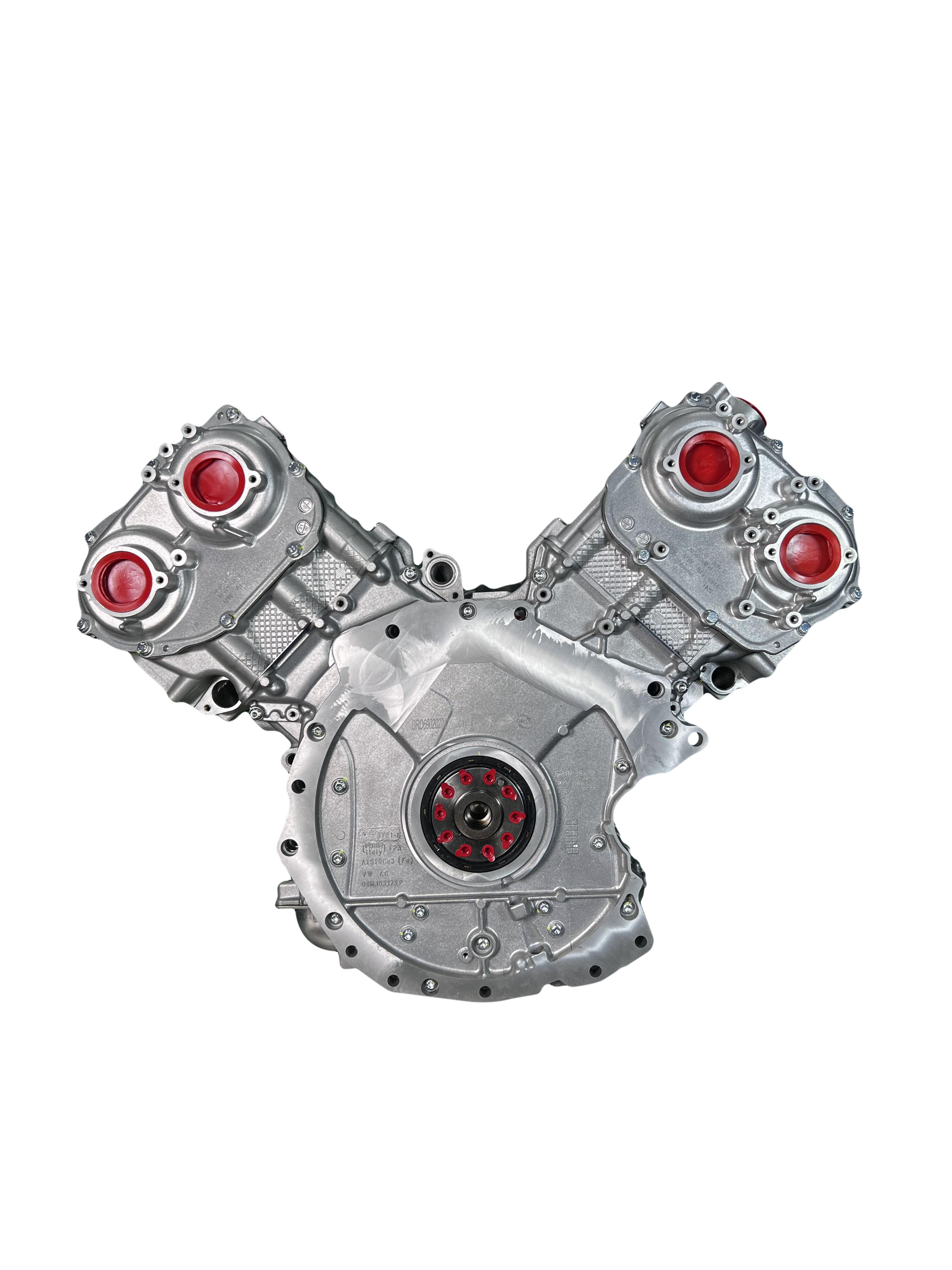
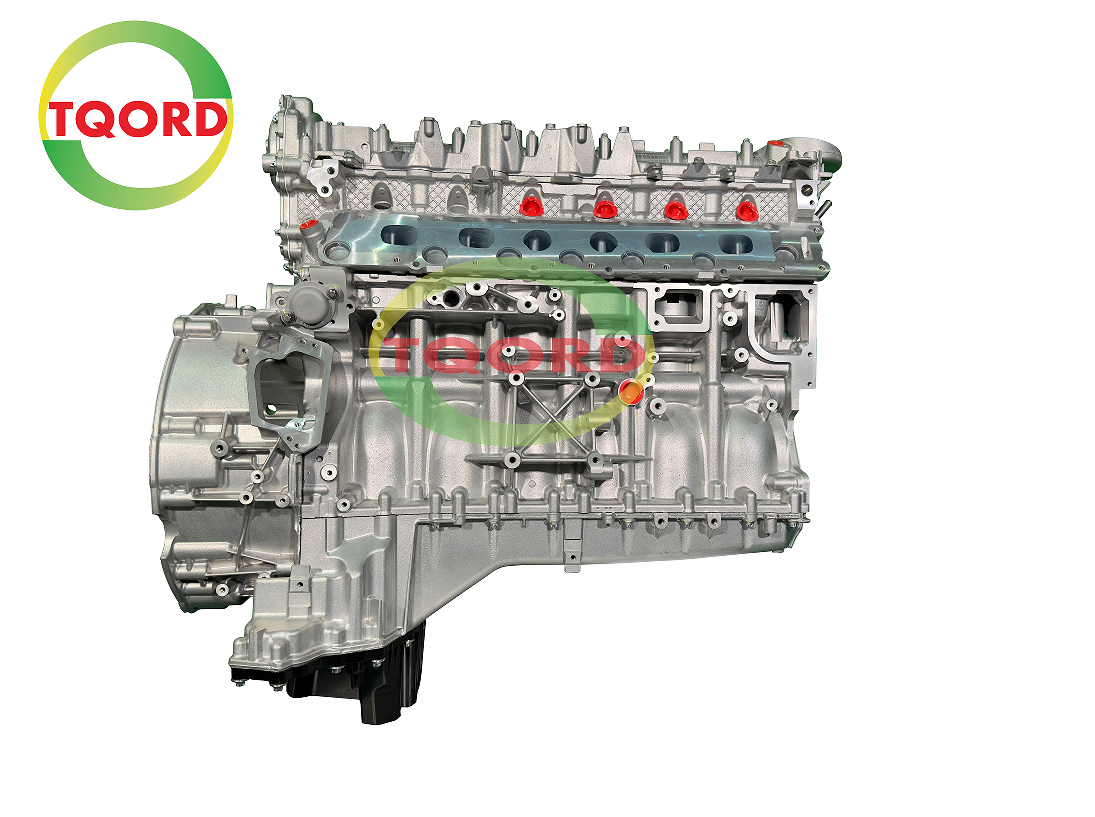
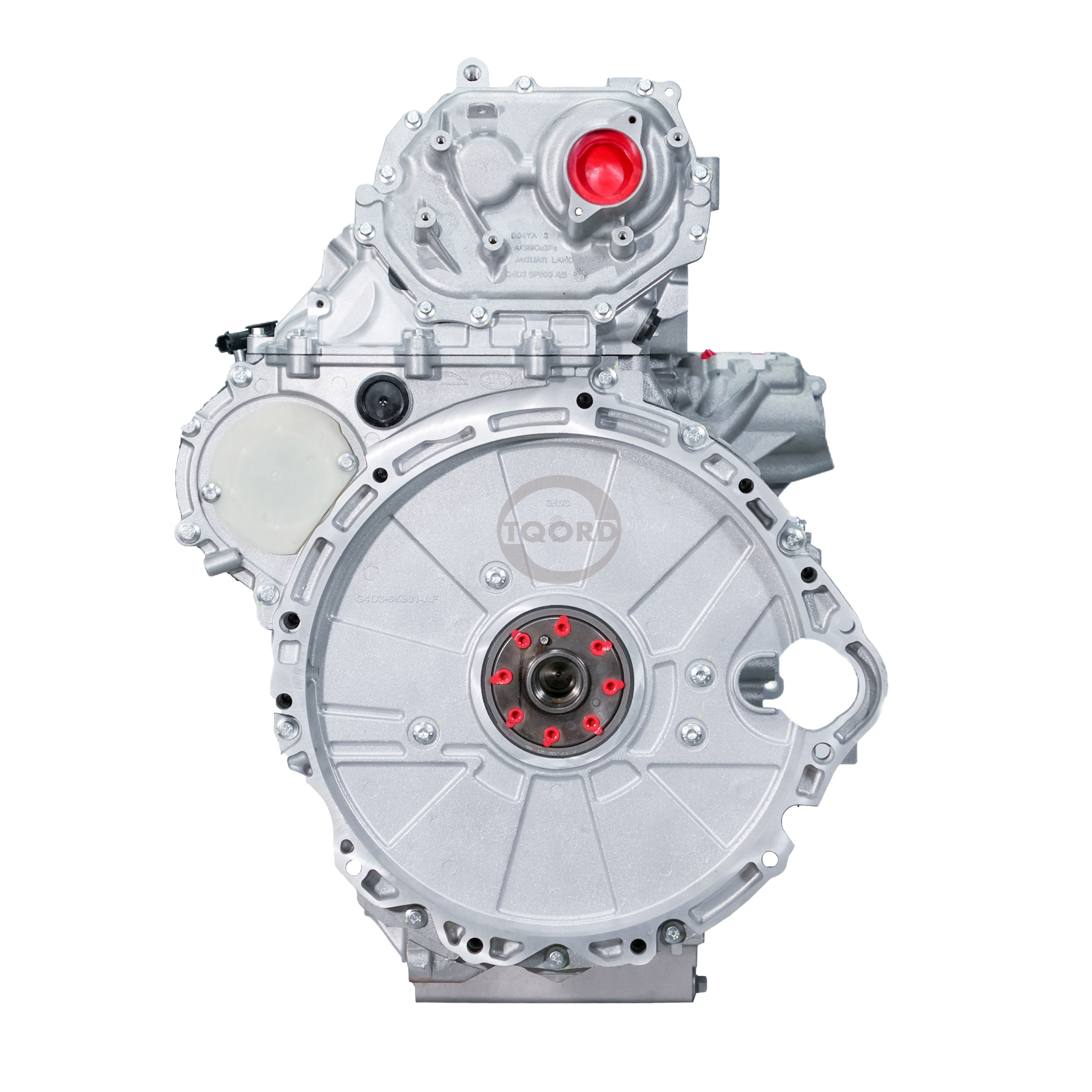
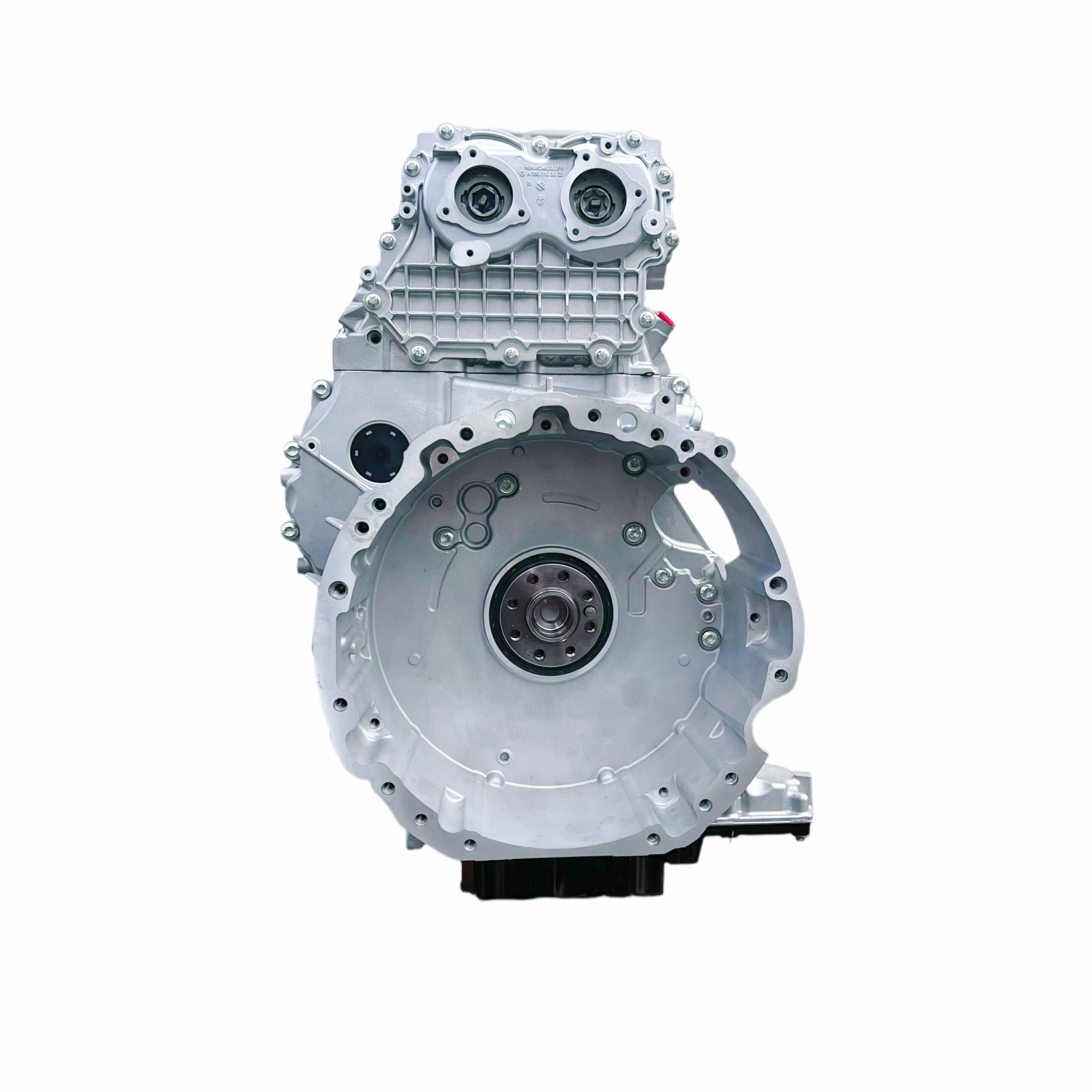
Understanding the comparison between remanufactured and rebuilt parts is essential when making cost-effective automotive or industrial equipment decisions. Both remanufactured and rebuilt parts offer alternatives to purchasing new components, yet they differ significantly in process, quality standards, and warranty coverage. Remanufactured parts undergo comprehensive factory restoration using specialized equipment and standardized procedures. Technicians disassemble components completely, inspect every element against original specifications, replace worn pieces with new or reconditioned materials, and reassemble units to meet or exceed original equipment manufacturer standards. This thorough process includes rigorous testing protocols ensuring consistent performance and reliability. Rebuilt parts, conversely, typically involve repairing only failed or damaged components without complete disassembly. Rebuilders address immediate issues by replacing broken elements while leaving functional components untouched, resulting in faster turnaround times but potentially less comprehensive restoration. The comparison between remanufactured and rebuilt parts reveals distinct technological approaches: remanufacturing employs automated testing equipment, precision measurement tools, and quality control systems matching new part production standards, while rebuilding relies more on technician expertise and visual inspection. Applications vary accordingly, with remanufactured parts suited for critical systems requiring maximum reliability such as engines, transmissions, and steering components, whereas rebuilt parts serve well in less demanding applications or budget-conscious scenarios. The comparison between remanufactured and rebuilt parts ultimately helps buyers align purchase decisions with performance requirements, longevity expectations, and financial constraints, ensuring optimal value for specific operational needs.
 EN
EN