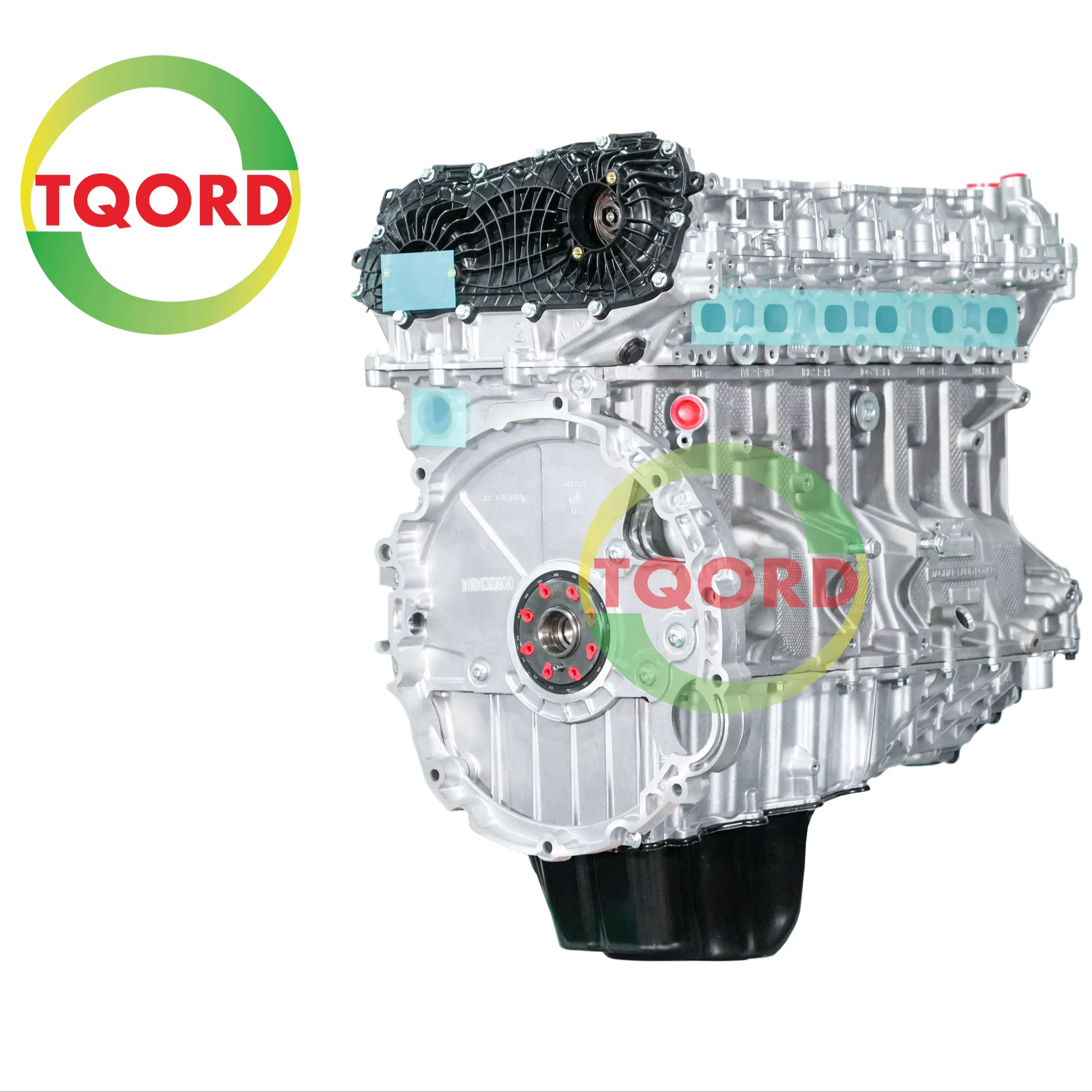
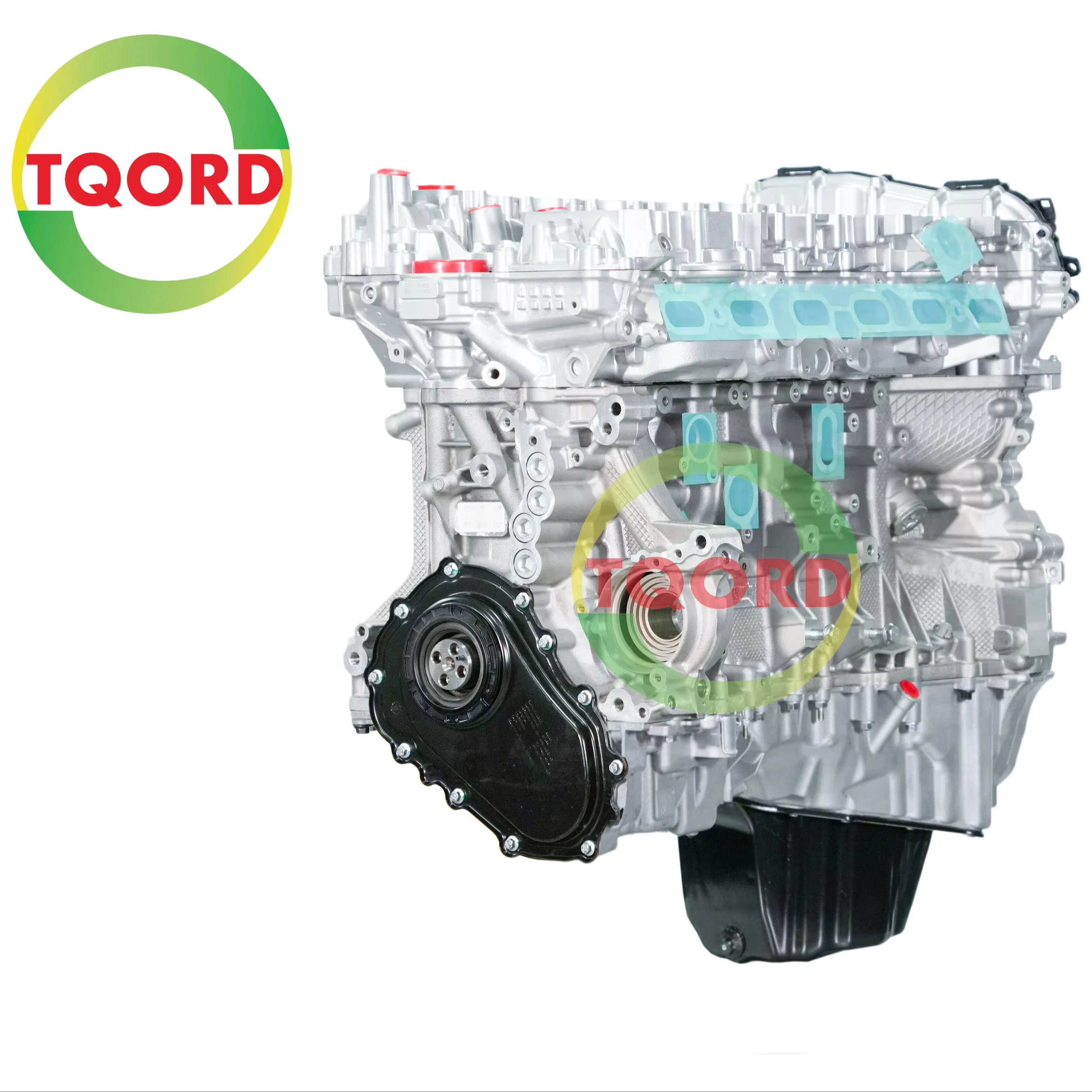
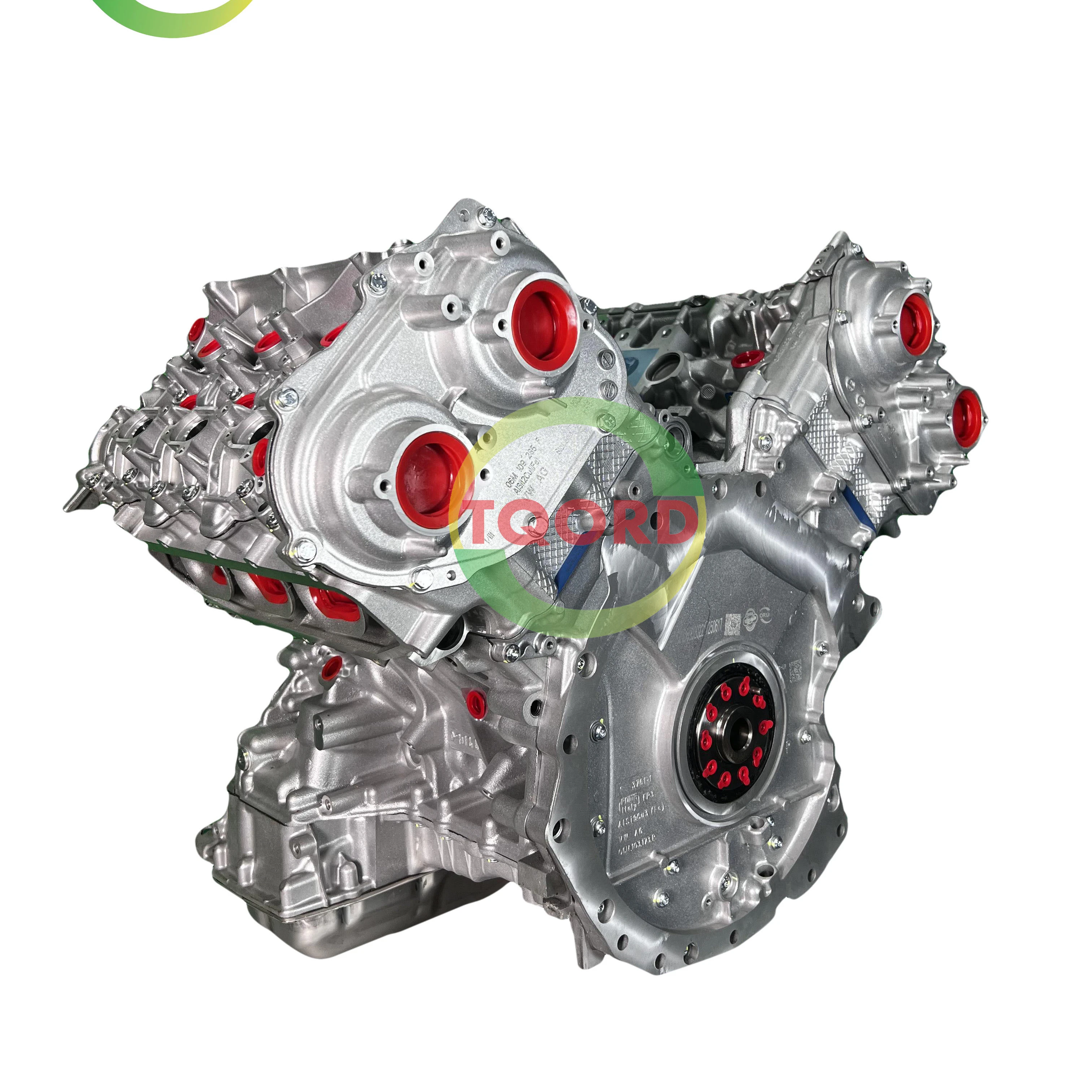
Remanufactured Gas Engines with OEM Standards

Get a Free Quote

Our representative will contact you soon.
Email
Phone/WhatsApp/WeChat
Name
Company Name
Title
VIN Code
Message
0/1000

remanufactured gas engines with oem standards

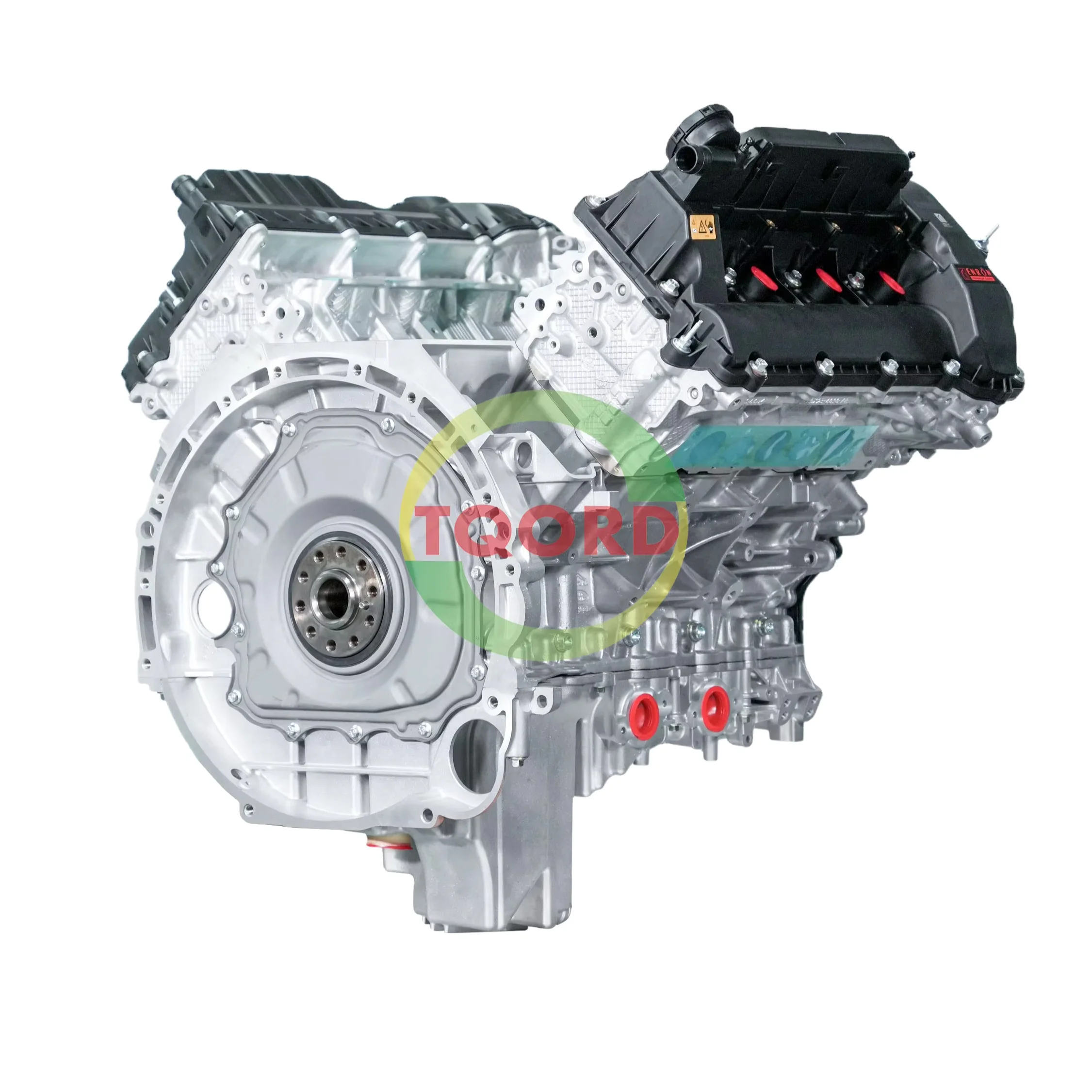
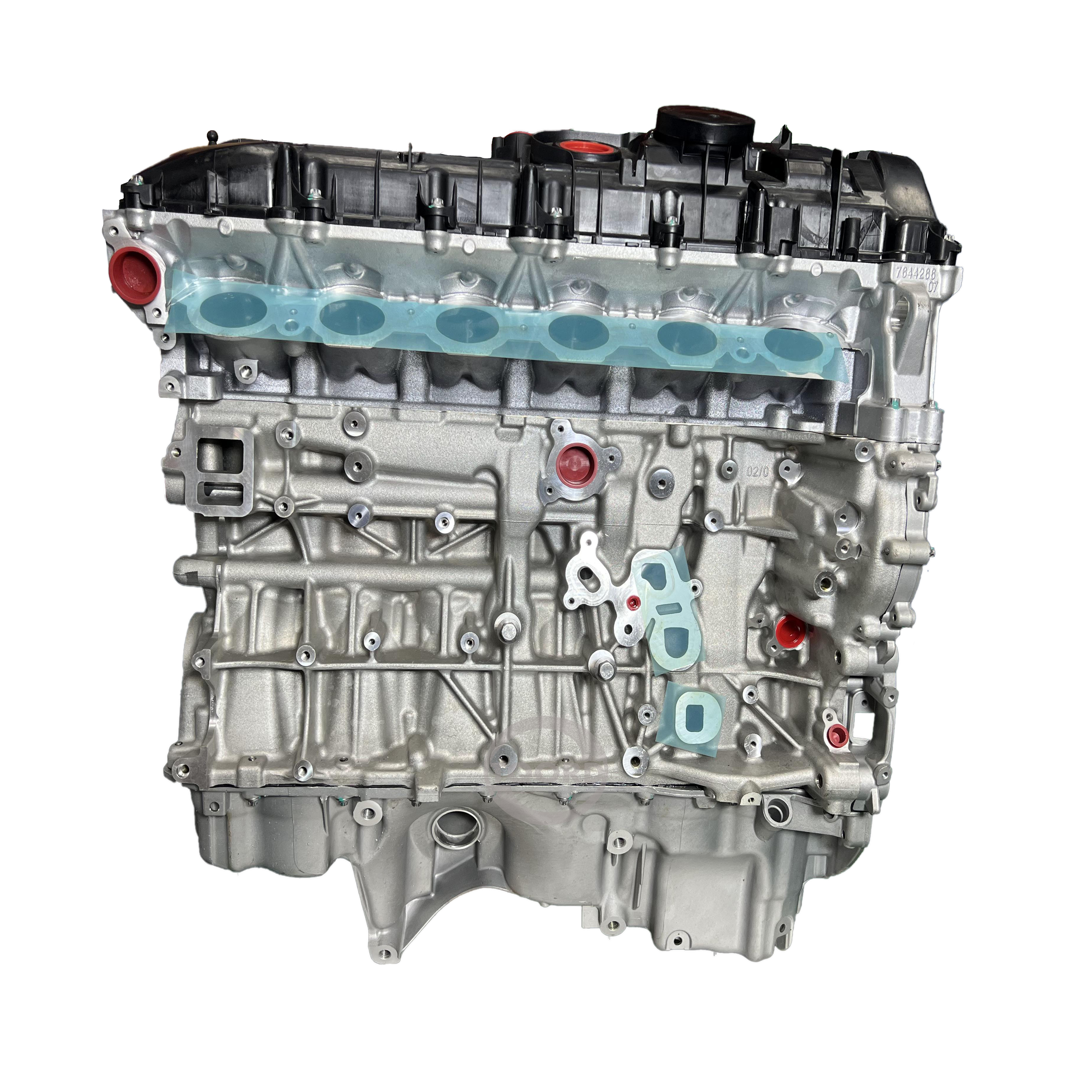
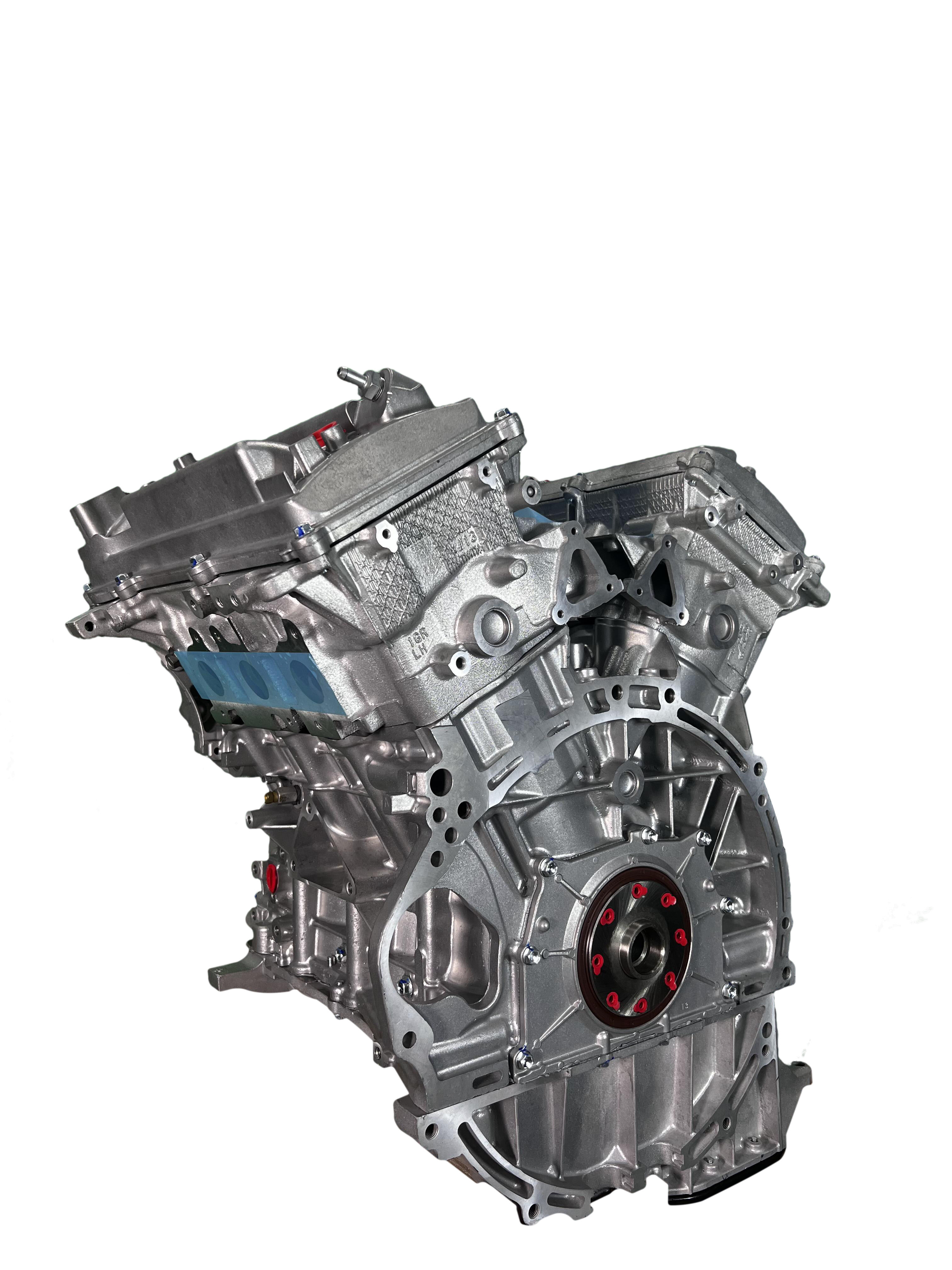
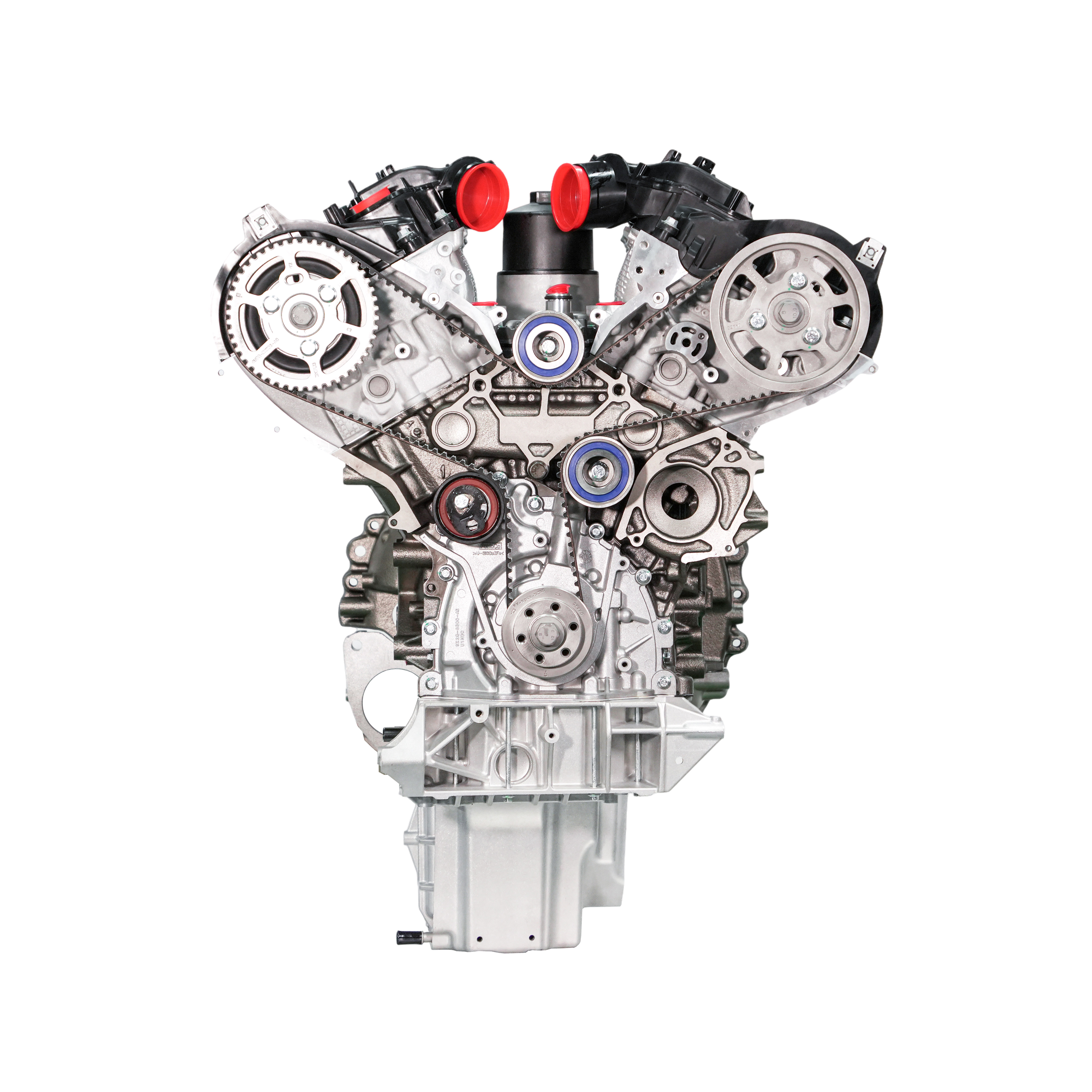
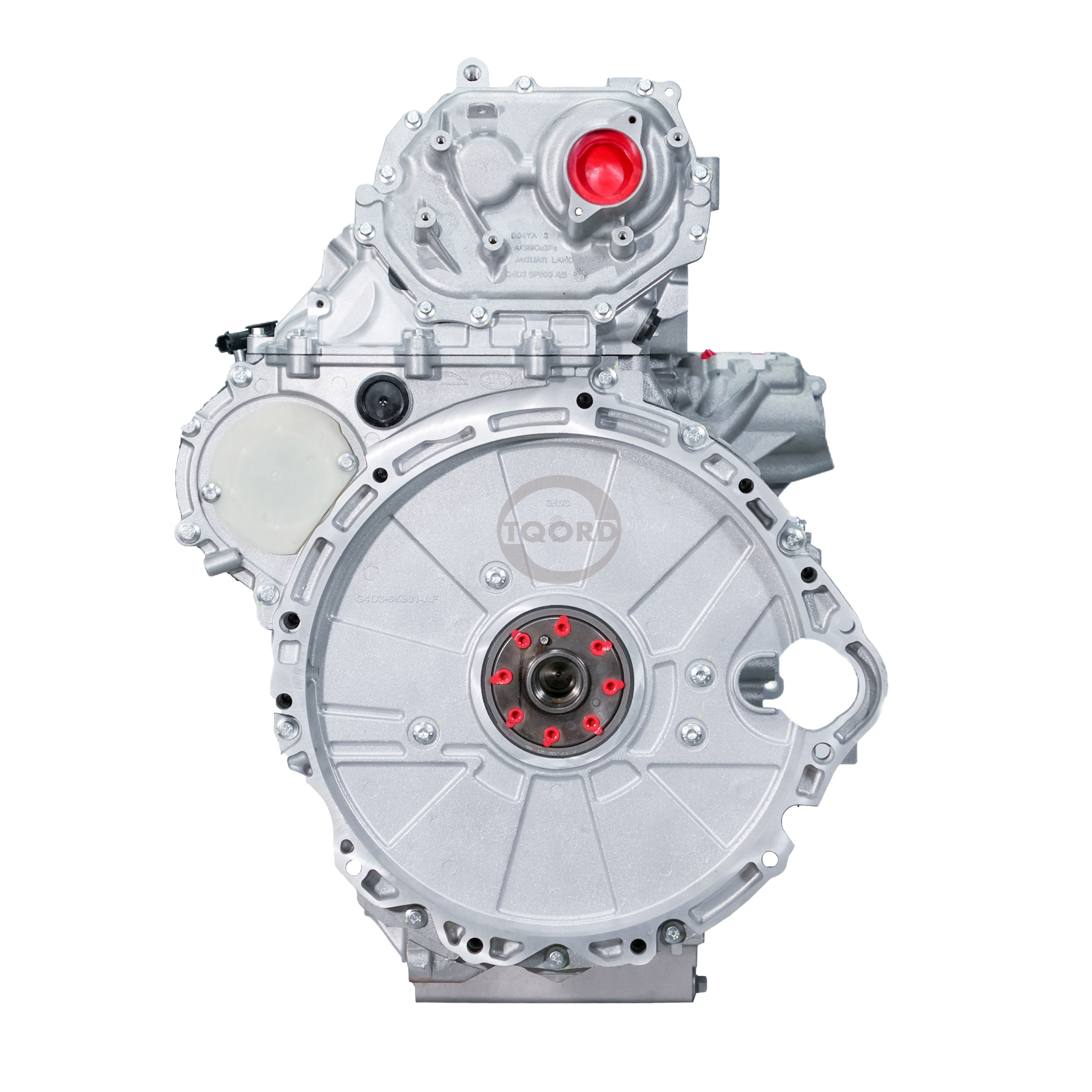
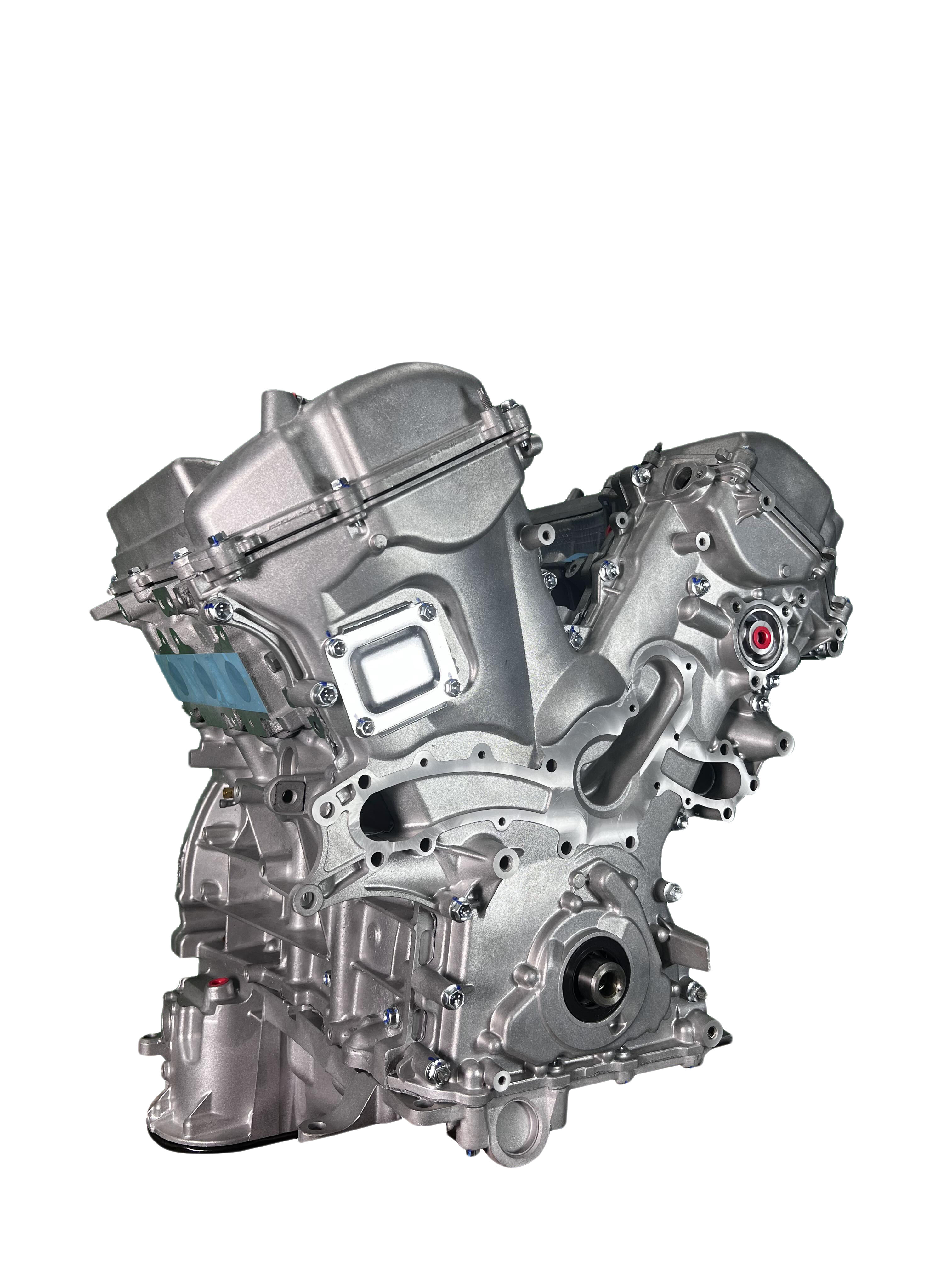
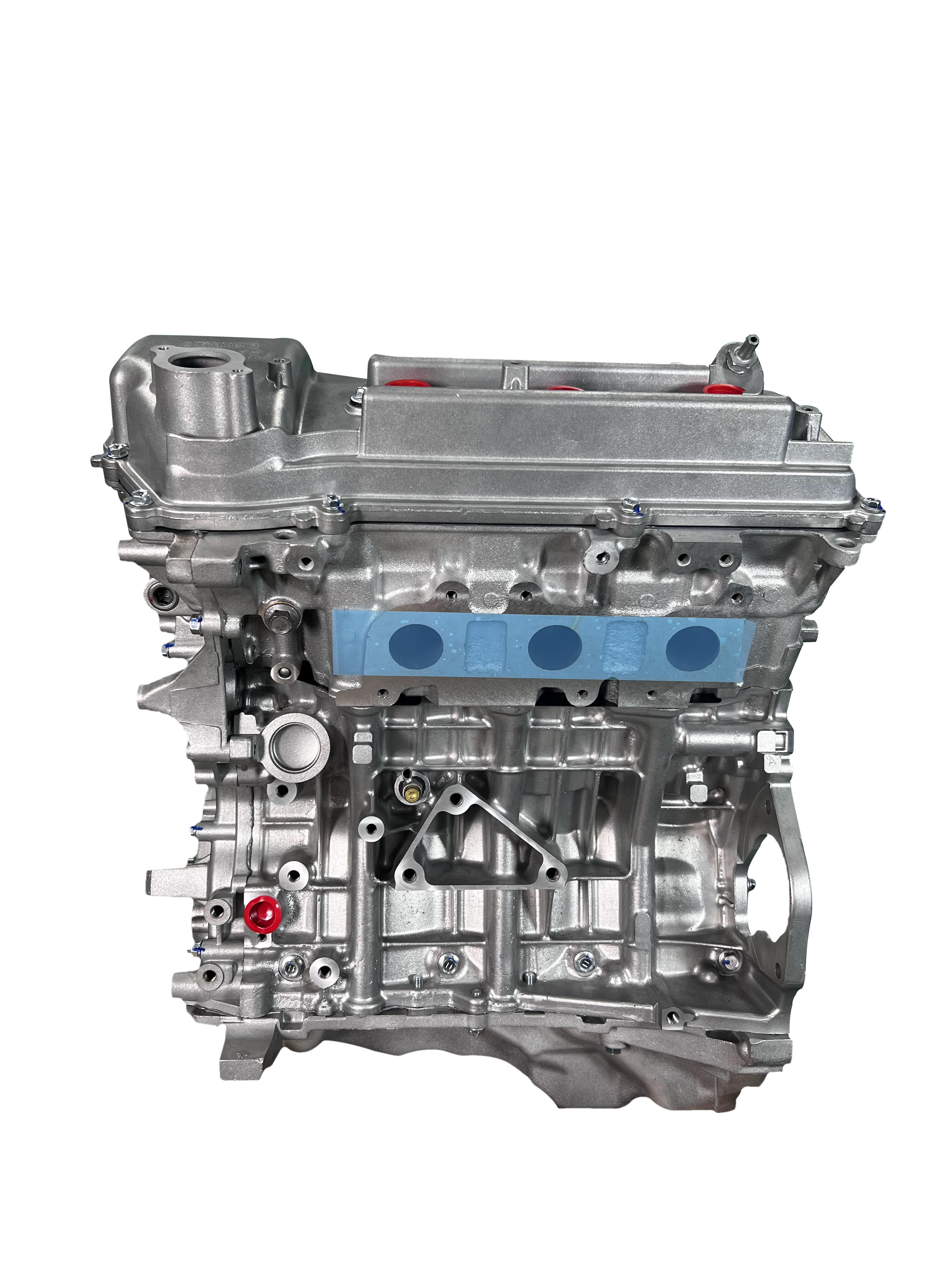
Remanufactured gas engines with OEM standards represent a cost-effective and environmentally responsible alternative to purchasing brand-new power units. These engines undergo a comprehensive restoration process that returns them to original equipment manufacturer specifications, ensuring they deliver performance, reliability, and longevity comparable to new engines. The remanufacturing process involves complete disassembly, thorough inspection of all components, replacement of worn or damaged parts with genuine or OEM-equivalent materials, precision machining to restore tolerances, and rigorous testing to verify compliance with factory standards. Remanufactured gas engines with OEM standards serve diverse applications across industrial sectors, including power generation facilities, manufacturing plants, agricultural operations, marine propulsion systems, and backup emergency power installations. These engines are engineered to meet stringent emission regulations while maintaining optimal fuel efficiency and operational performance. The technological features include advanced combustion chamber designs, updated fuel injection systems, enhanced cooling mechanisms, and modern electronic control modules that ensure smooth operation under varying load conditions. By adhering to OEM standards throughout the remanufacturing process, these engines provide customers with a proven solution that combines quality assurance with significant cost savings. Each remanufactured gas engine with OEM standards undergoes comprehensive quality control procedures, including dynamometer testing, pressure verification, and performance validation to guarantee it meets or exceeds original factory specifications before delivery to customers.

New Products

Choosing remanufactured gas engines with OEM standards delivers substantial financial benefits while maintaining uncompromised quality and performance standards. Customers typically save between 40 to 60 percent compared to purchasing new engines, freeing capital for other operational investments without sacrificing reliability or efficiency. These engines offer immediate availability in many cases, significantly reducing downtime associated with equipment failure or planned replacements, which translates directly into maintained productivity and revenue generation. The environmental advantages are equally compelling, as remanufacturing reduces industrial waste, conserves raw materials, and minimizes the carbon footprint associated with manufacturing new engines from scratch. Operational benefits include proven durability backed by comprehensive warranties that often match or exceed those offered with new units, providing peace of mind and financial protection. The remanufactured gas engines with OEM standards are particularly suitable for facilities seeking to extend equipment life cycles, operations requiring immediate replacement solutions, budget-conscious organizations needing reliable power generation, and environmentally responsible companies committed to sustainable practices. Decision-makers appreciate that these engines maintain full compatibility with existing infrastructure, eliminating costly modifications or system redesigns. The value proposition extends beyond initial purchase price to include lower total cost of ownership through reduced acquisition costs, maintained fuel efficiency, and extended service intervals. Businesses across manufacturing, agriculture, construction, and energy sectors benefit from this practical solution that balances fiscal responsibility with operational requirements. The remanufactured gas engines with OEM standards provide a strategic advantage for companies managing multiple sites or maintaining backup power systems where budget constraints must align with reliability demands.

Latest News

Cost Comparison: Reman vs Rebuilt Engines for Ford F-150

07

May

Cost Comparison: Reman vs Rebuilt Engines for Ford F-150

What Defines a True Reman Engine for the Ford F-150? OEM-Aligned Remanufacturing: Precision Reconditioning to Ford Engineering Specs A true remanufactured (reman) engine for the F-150 isn’t merely repaired—it’s systematically rest...
View More
Installation Guide for Remanufactured Engine Parts for Toyota

09

May

Installation Guide for Remanufactured Engine Parts for Toyota

Why Choose Remanufactured Engine Parts for Toyota? Opting for remanufactured engine parts for Toyota vehicles delivers substantial cost savings—typically 30–50% less than new OEM components—while maintaining rigorous quality stand...
View More
Oruide's Partnership with Stellantis: Boosting Remanufacturing Standards

08

Jun

Oruide's Partnership with Stellantis: Boosting Remanufacturing Standards

The automotive industry is undergoing a profound shift toward sustainability and circular economy practices, and remanufacturing sits at the very center of that transformation. Oruide's strategic partnership with Stellantis represents a landmark mome...
View More
Global Supply of Diesel Engines: Oruide's 60,000+ Annual Capacity

02

Jun

Global Supply of Diesel Engines: Oruide's 60,000+ Annual Capacity

The global demand for diesel engines has never been more complex to satisfy. Industrial fleets, commercial vehicles, agricultural machinery, and off-road equipment all rely on dependable diesel powertrains, and sourcing those engines at scale require...
View More

Get a Free Quote

Our representative will contact you soon.
Email
Phone/WhatsApp/WeChat
Name
Company Name
Title
VIN Code
Message
0/1000

remanufactured gas engines with oem standards

Factory-Specification Remanufacturing Process

Factory-Specification Remanufacturing Process

The remanufacturing process for remanufactured gas engines with OEM standards follows meticulous protocols that restore engines to their original factory condition. Every engine undergoes complete teardown with individual component inspection using precision measurement tools to identify wear patterns and dimensional deviations. Critical components such as cylinder heads, crankshafts, camshafts, and connecting rods receive specialized treatment including resurfacing, grinding, and machining to restore original tolerances. All gaskets, seals, bearings, and wear-prone parts are replaced with genuine OEM or certified equivalent materials that meet exact specifications. The fuel system components, including injectors and pumps, are rebuilt or replaced to ensure optimal combustion efficiency and emissions compliance. Advanced cleaning processes remove carbon deposits, contaminants, and corrosion before reassembly. Experienced technicians follow manufacturer-specific procedures during reassembly, applying proper torque specifications and installation sequences. Each remanufactured engine then undergoes comprehensive testing including cold and hot performance evaluations, pressure checks, and full-load dynamometer runs that verify power output, fuel consumption, and operational characteristics match OEM standards. This thorough approach ensures customers receive engines that perform reliably throughout their extended service life.
Comprehensive Quality Assurance and Warranty Coverage

Comprehensive Quality Assurance and Warranty Coverage

Quality assurance distinguishes remanufactured gas engines with OEM standards from inferior rebuilds or used equipment. Each engine receives certification documenting compliance with original manufacturer specifications and industry quality standards. The remanufacturing facilities maintain ISO certifications and follow strict quality management systems that govern every process stage from initial inspection through final testing. Detailed documentation accompanies each engine, providing traceability for all replaced components, machining operations performed, and test results achieved. This transparency gives customers confidence in their investment and facilitates maintenance planning. Warranty coverage typically mirrors or exceeds programs offered with new engines, often including one to two years of comprehensive protection against defects in materials and workmanship. Extended warranty options provide additional security for critical applications. The warranty support includes technical assistance, rapid response to service needs, and parts availability to minimize operational disruptions. Customers benefit from post-installation support that helps optimize engine performance and addresses any operational questions. This commitment to quality assurance and customer support reflects the confidence remanufacturers have in their processes and the value they place on long-term customer relationships, making remanufactured gas engines with OEM standards a dependable choice for demanding applications.
Environmental Sustainability and Resource Conservation

Environmental Sustainability and Resource Conservation

Selecting remanufactured gas engines with OEM standards demonstrates corporate environmental responsibility while achieving operational objectives. The remanufacturing industry prevents thousands of tons of metal, plastics, and other materials from entering waste streams annually by recovering and restoring existing engine cores. This process requires approximately 80 percent less energy than manufacturing new engines, significantly reducing greenhouse gas emissions and environmental impact. Resource conservation extends to reduced mining and raw material extraction needed to produce new components. The environmental benefits align with corporate sustainability initiatives and green building certifications that increasingly influence business decisions. Modern remanufactured engines incorporate updated components that improve fuel efficiency and reduce emissions compared to older original equipment, helping facilities meet current environmental regulations. The closed-loop nature of remanufacturing creates circular economy benefits where products maintain usefulness through multiple life cycles rather than following linear production-to-disposal patterns. Companies can quantify their environmental contributions through reduced carbon footprints, documented waste diversion, and resource conservation metrics. This environmental stewardship resonates with stakeholders, customers, and communities while supporting regulatory compliance. Choosing remanufactured gas engines with OEM standards represents a practical way to balance economic performance with environmental responsibility, positioning organizations as forward-thinking leaders in sustainable industrial practices.