Remanufactured Gas Engines | Quality & Value

Get a Free Quote

Our representative will contact you soon.
Email
Phone/WhatsApp/WeChat
Name
Company Name
Title
VIN Code
Message
0/1000

remanufactured gas engines

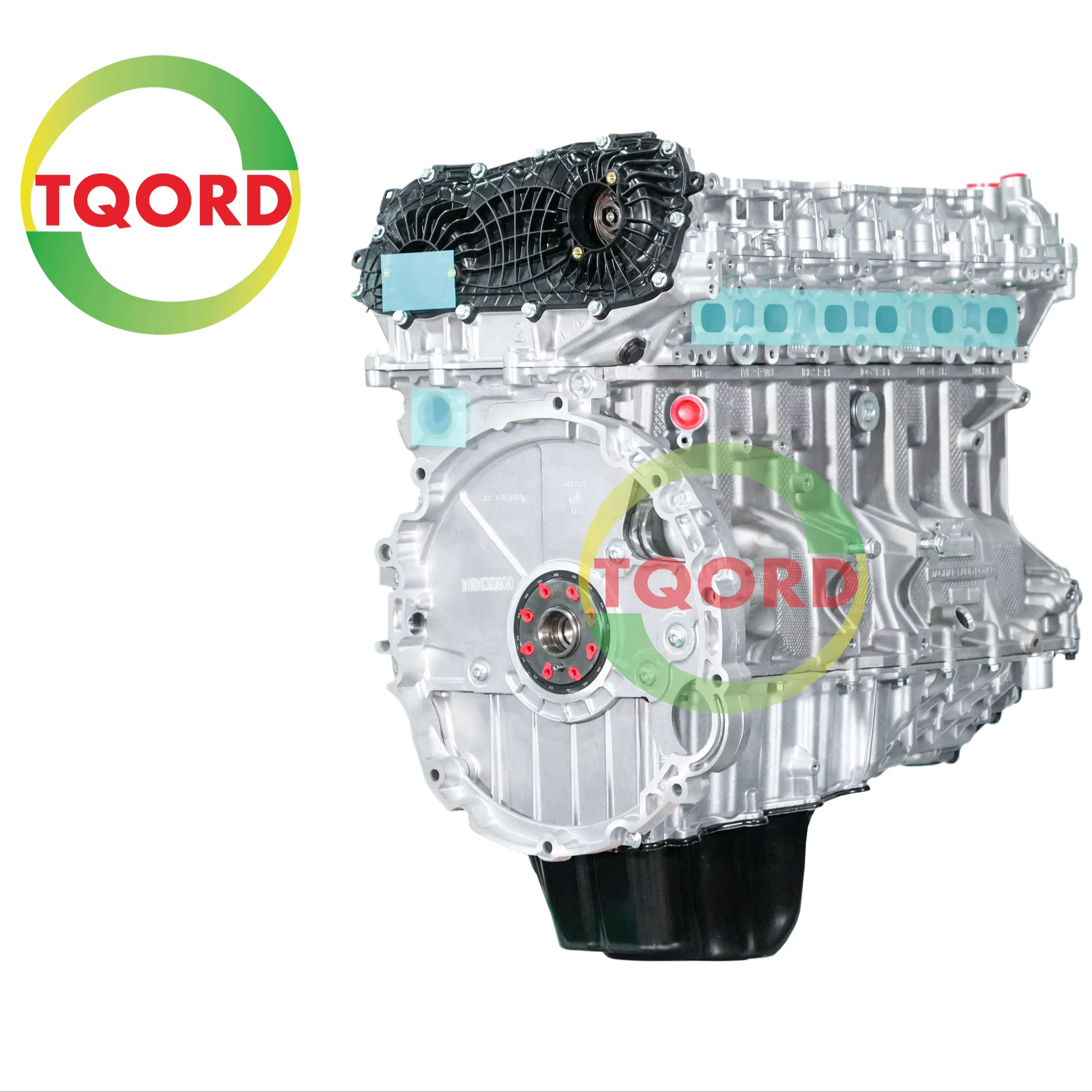
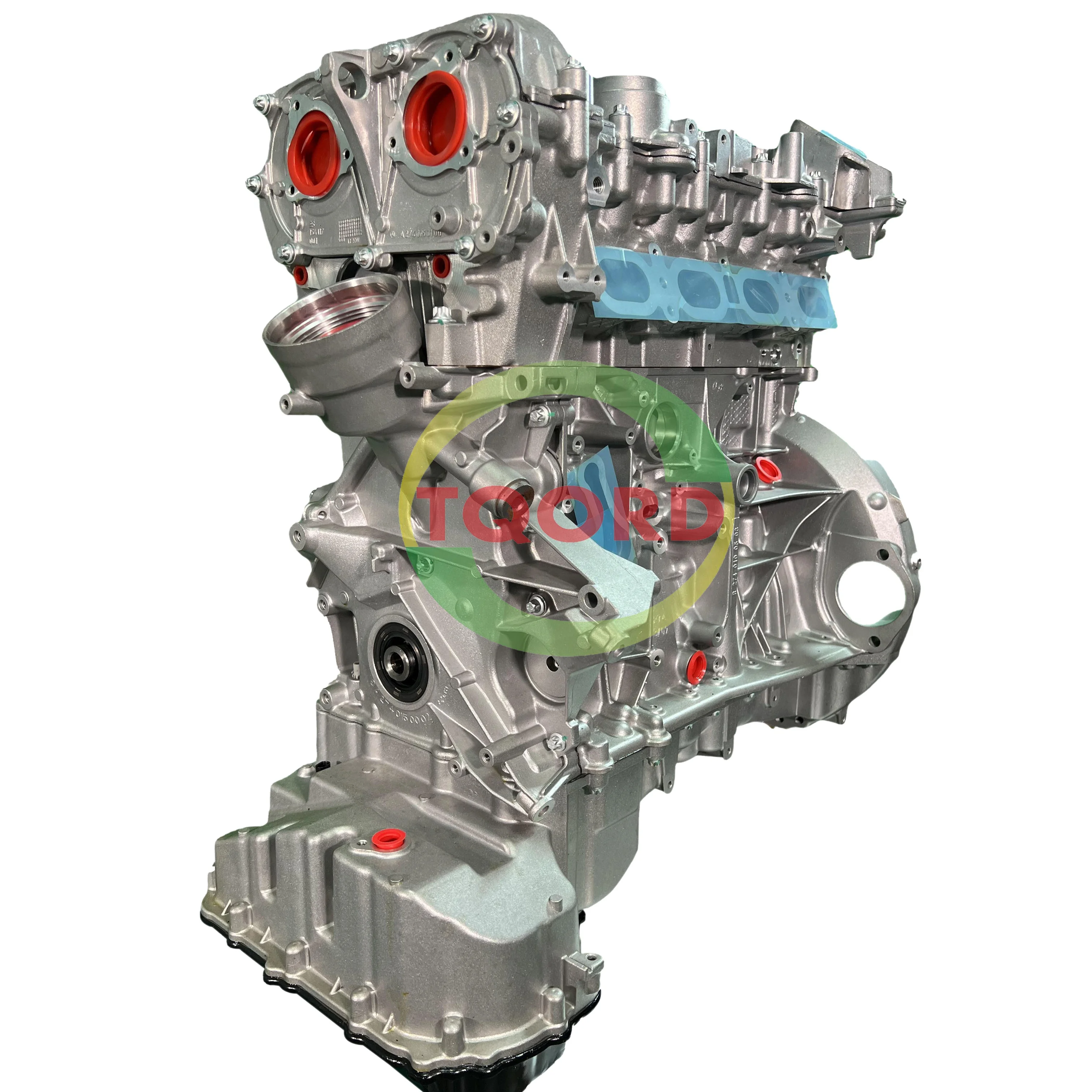
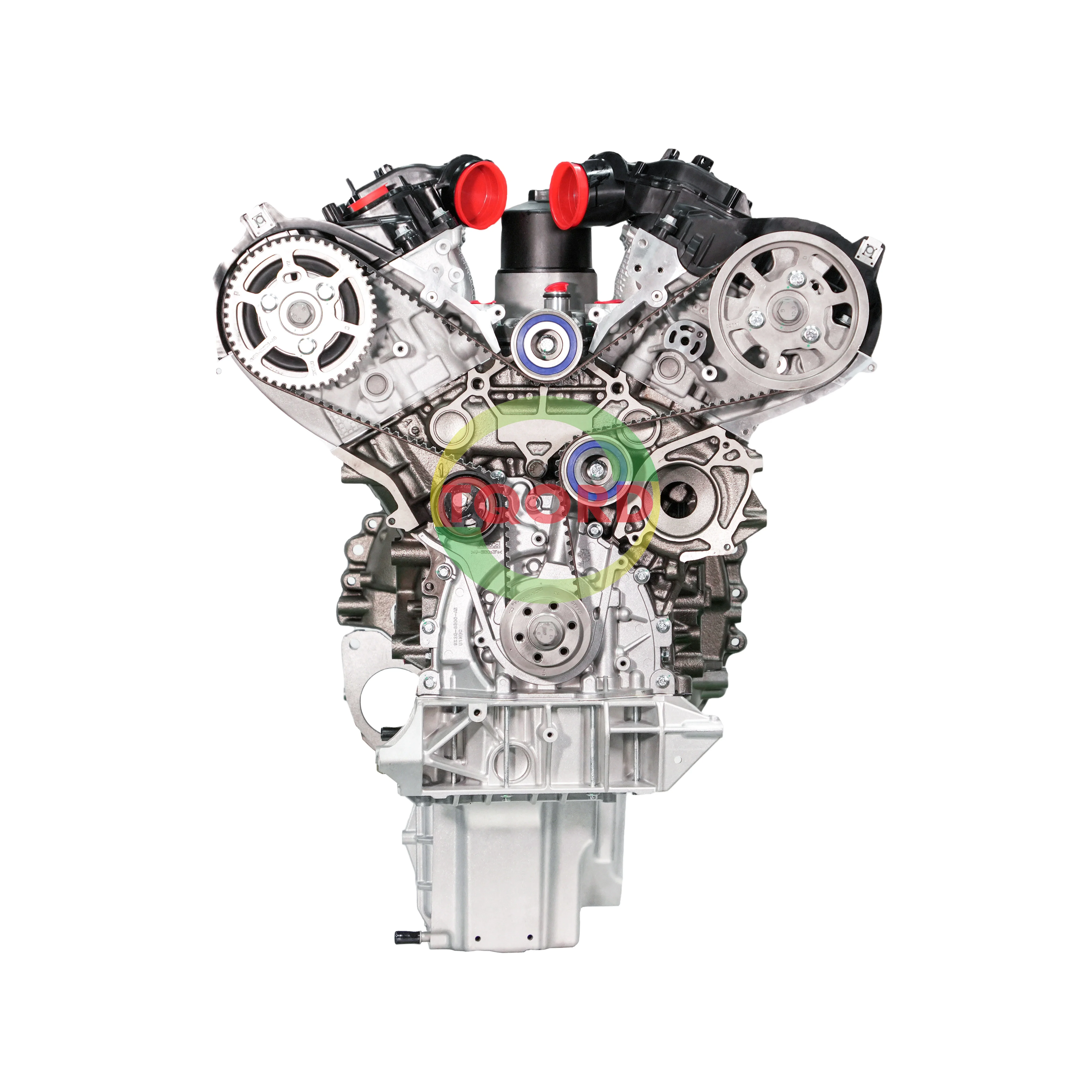
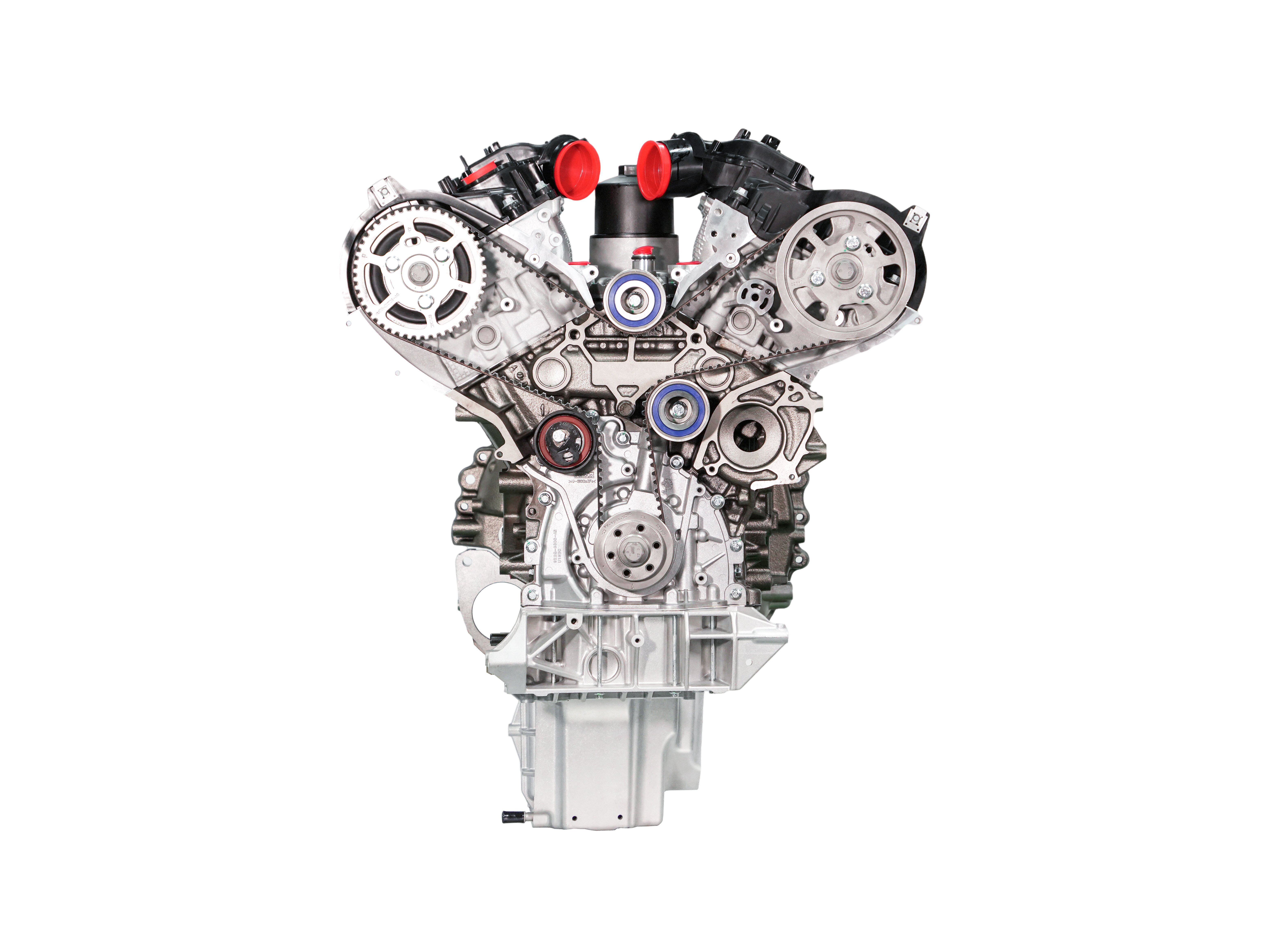
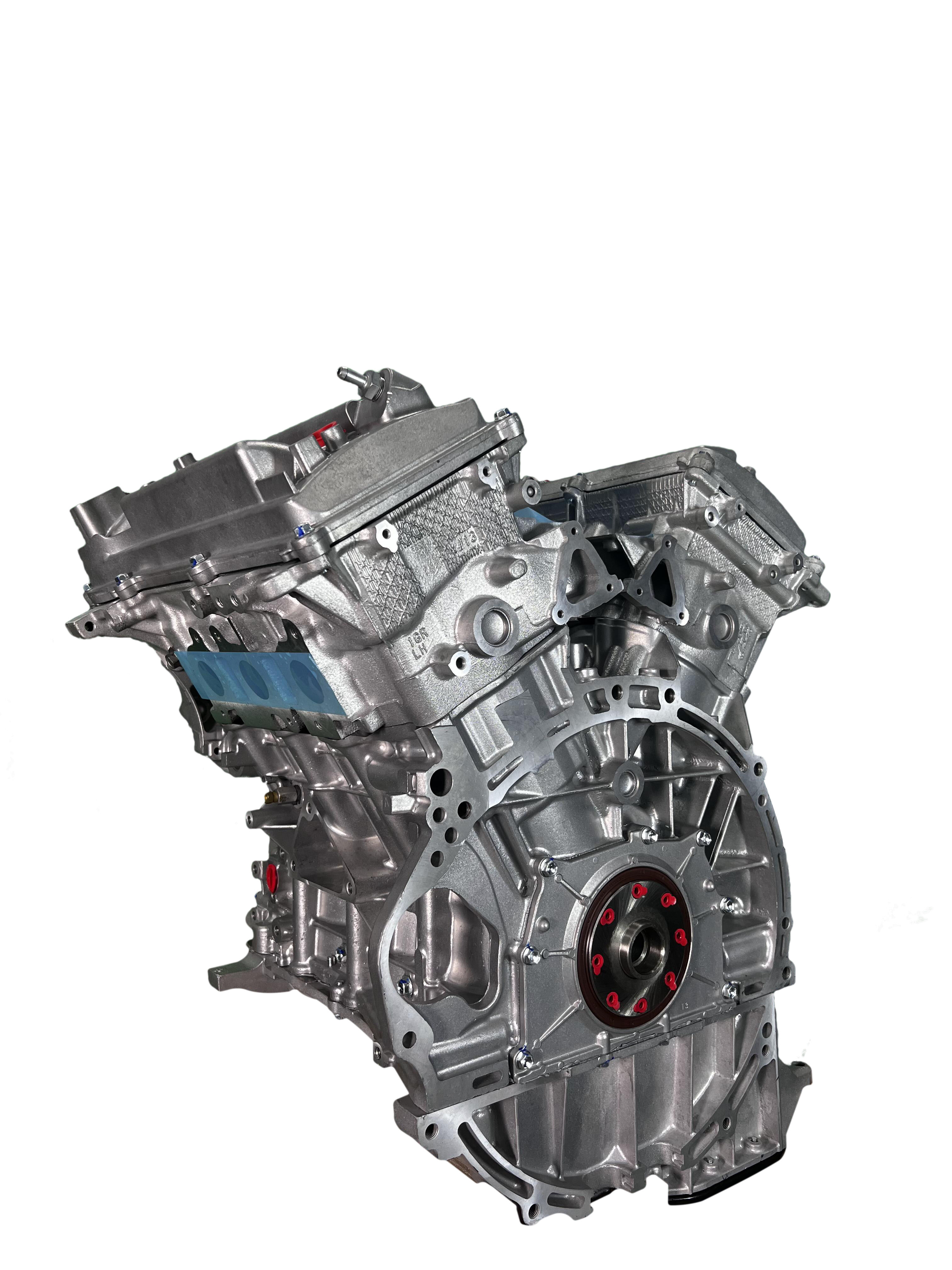
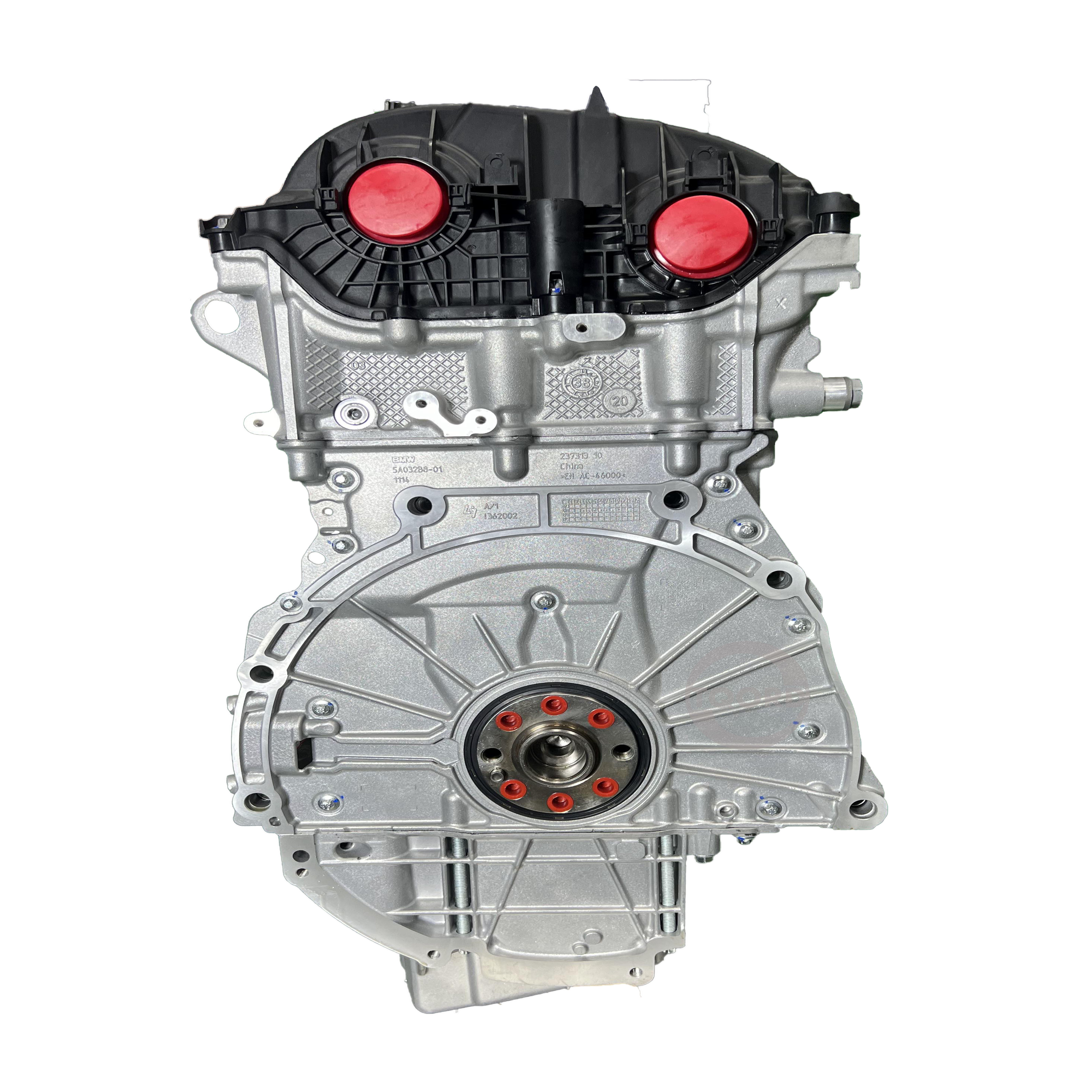
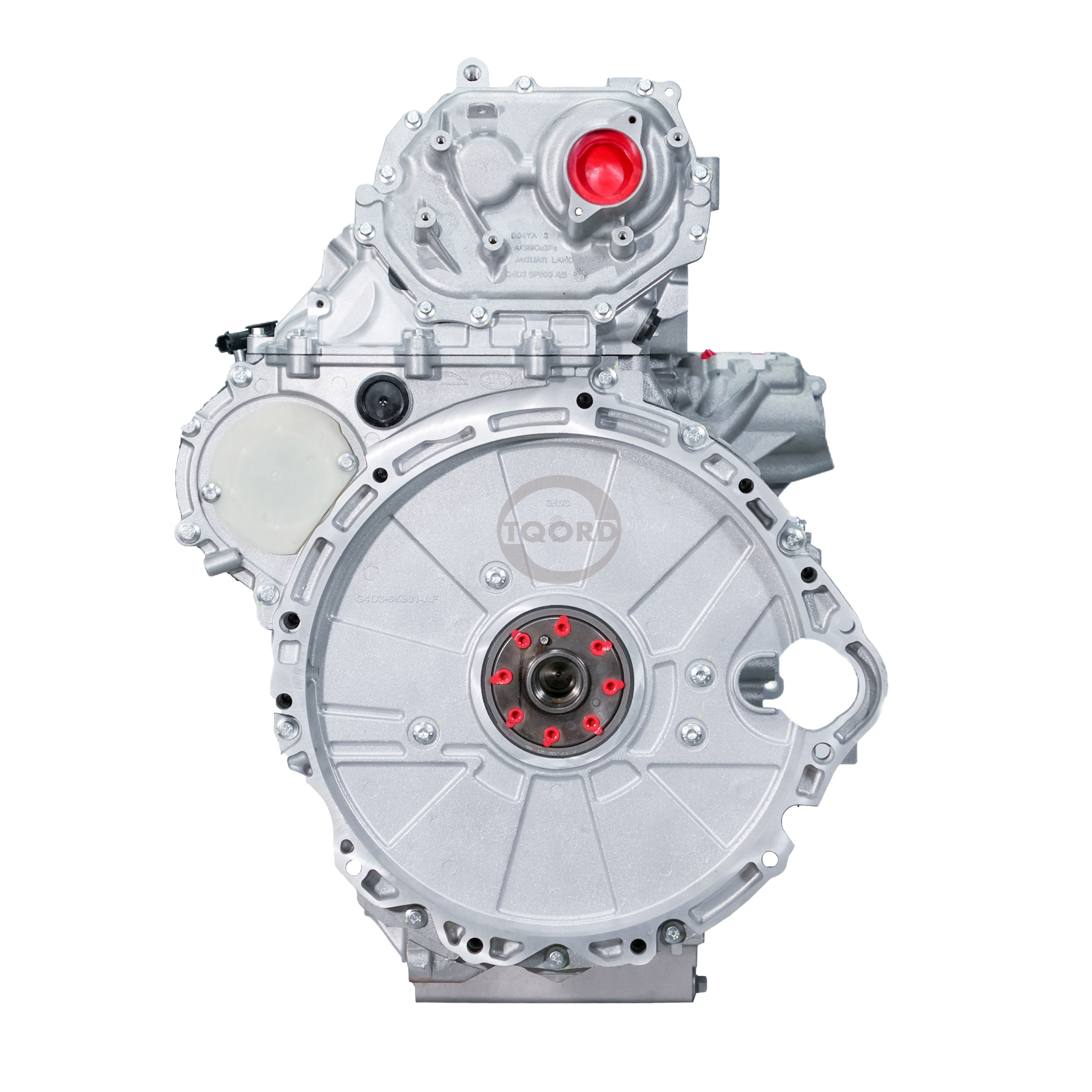
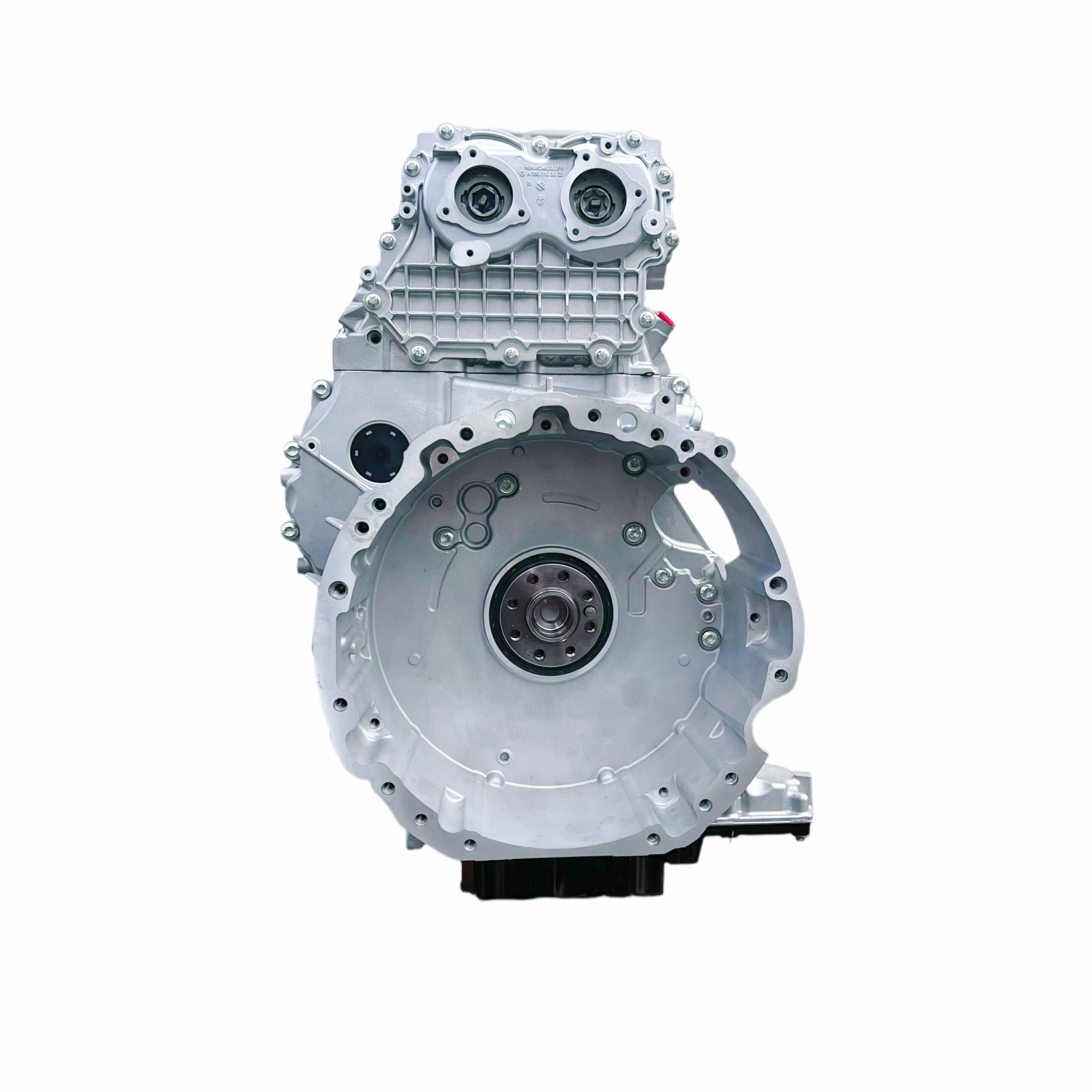
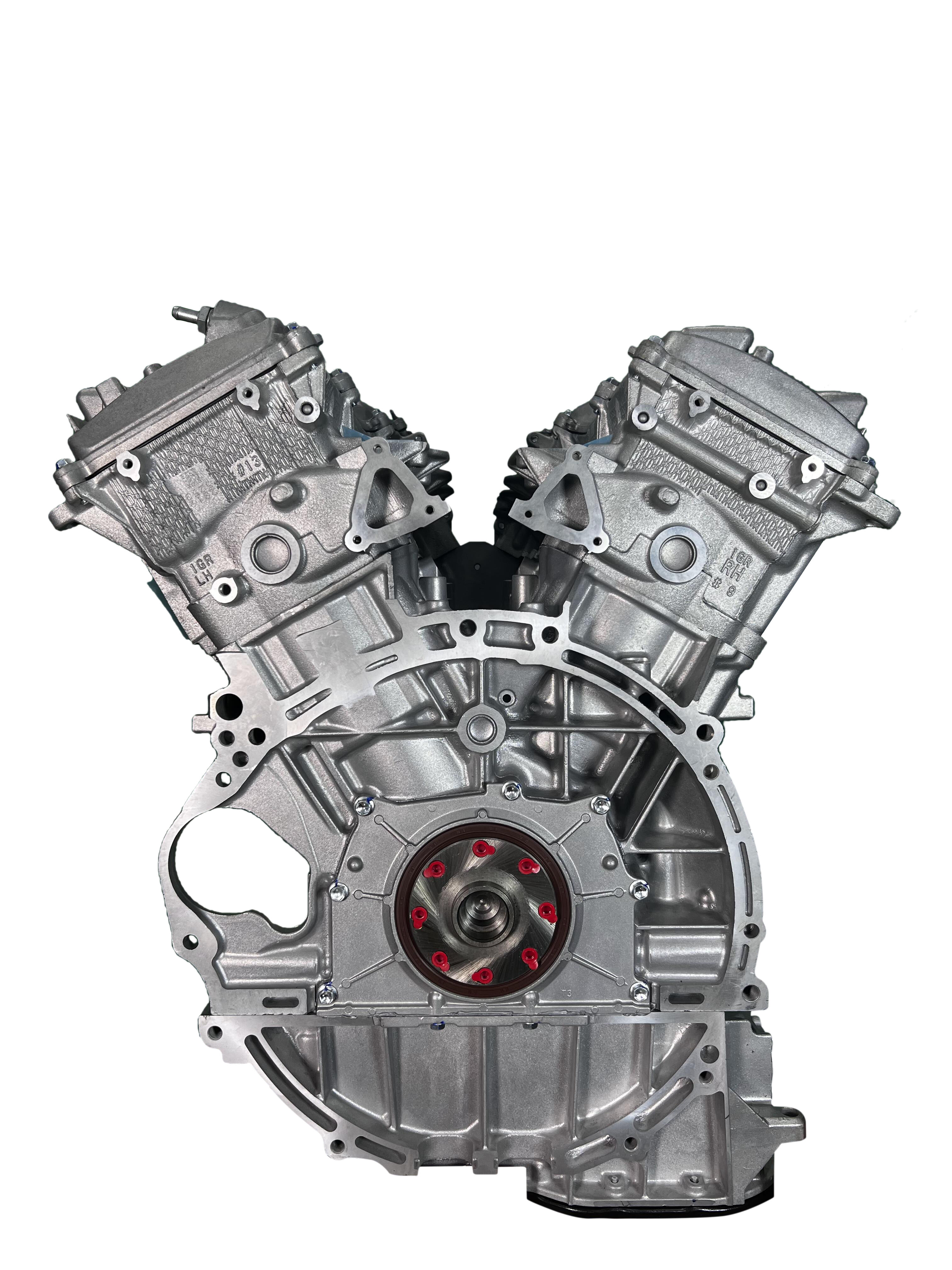
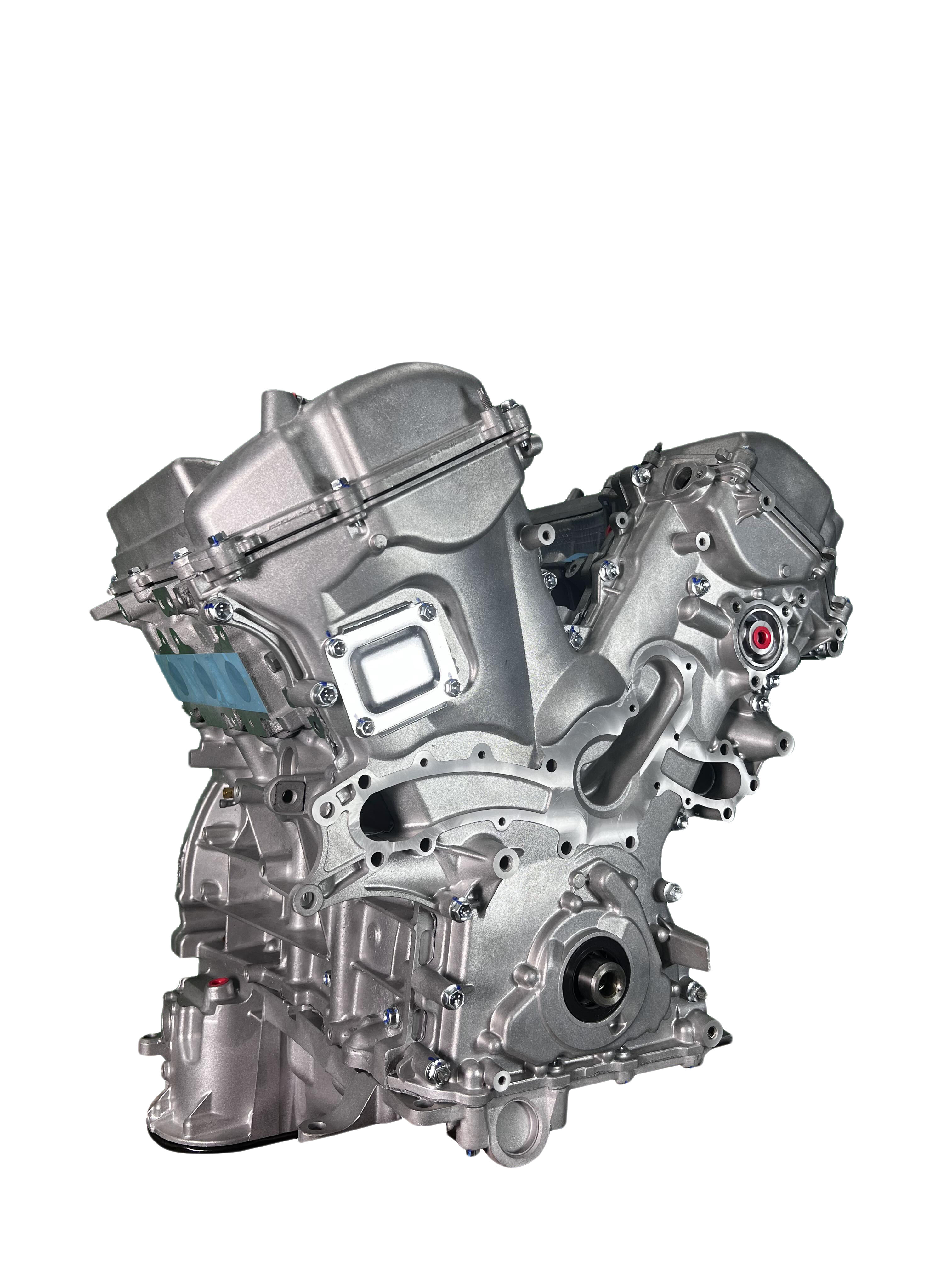
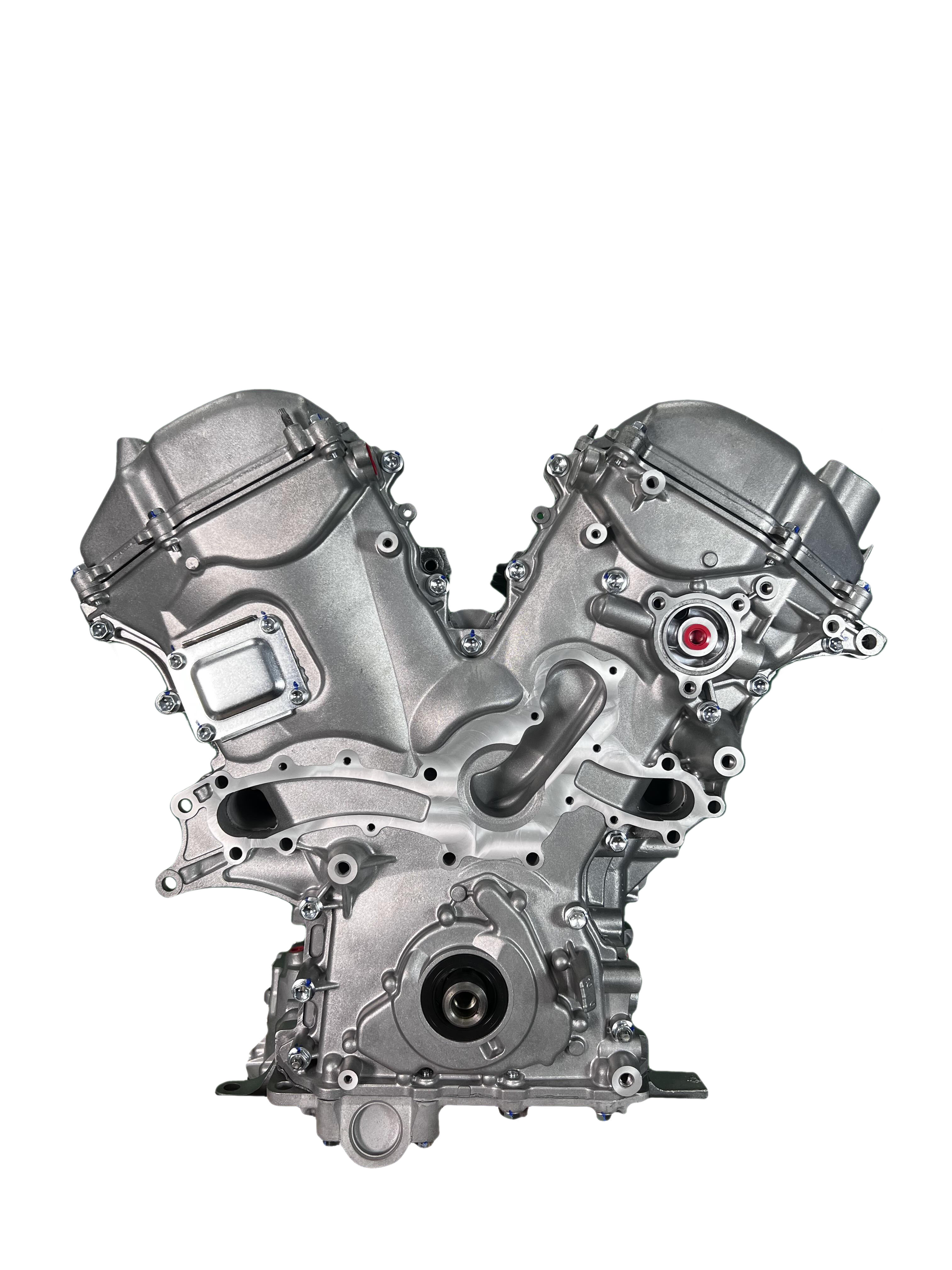
Remanufactured gas engines represent a sustainable and cost-effective solution for powering industrial equipment, generators, and heavy machinery across diverse sectors. These engines undergo a comprehensive restoration process where they are disassembled, inspected, cleaned, and rebuilt to meet or exceed original equipment manufacturer specifications. Unlike simple repairs or used engines, remanufactured gas engines feature replaced worn components, updated seals, bearings, pistons, and gaskets, ensuring they deliver performance comparable to new units. The remanufacturing process incorporates advanced diagnostic technology to identify potential issues and verify each engine meets strict quality standards before delivery. These engines are designed for applications including power generation, natural gas compression, oil and gas operations, agricultural machinery, and industrial cogeneration systems. Remanufactured gas engines utilize natural gas, propane, or biogas as fuel sources, making them environmentally friendly alternatives to diesel engines. They incorporate modern fuel injection systems, electronic controls, and emission management technologies to optimize combustion efficiency and reduce environmental impact. The remanufacturing process extends engine life by decades while consuming fewer raw materials and energy compared to manufacturing new engines. Each remanufactured gas engine typically comes with comprehensive warranties, technical support, and documentation proving compliance with emissions regulations. Industries benefit from shorter lead times compared to ordering new engines, making remanufactured gas engines an attractive option for operations requiring quick equipment replacement or expansion without compromising on reliability or performance standards.

New Product Recommendations

Choosing remanufactured gas engines delivers significant financial savings, typically costing 40-60 percent less than purchasing new engines while providing comparable performance and longevity. This cost advantage allows businesses to allocate capital to other operational priorities without sacrificing equipment quality or reliability. The environmental benefits are substantial, as remanufacturing reduces waste by keeping functional engine blocks and major components out of landfills while minimizing the energy and raw materials required for production. Companies can meet sustainability goals and reduce their carbon footprint by selecting remanufactured gas engines over new alternatives. Operational efficiency remains a key benefit, with these engines delivering fuel economy and power output that matches new engine specifications thanks to updated components and modern technology integration. The shorter procurement timeline gives businesses operational flexibility, with remanufactured gas engines often available within weeks rather than the months required for new engine orders. This quick availability minimizes downtime during equipment failures or planned expansions. Comprehensive warranties provide peace of mind, protecting your investment with coverage comparable to new engine warranties, typically ranging from one to three years depending on the supplier and application. Remanufactured gas engines undergo rigorous testing protocols that verify performance across multiple parameters including compression, fuel efficiency, emissions compliance, and power output before shipment. The proven reliability of the core engine block, combined with new supporting components, often results in dependable service life exceeding twenty years with proper maintenance. Technical support from remanufacturing specialists ensures you receive expert guidance for installation, operation, and maintenance, helping maximize engine performance throughout its service life while maintaining compliance with local and federal emissions regulations.

Tips And Tricks

Installation Guide for Remanufactured Engine Parts for Toyota

09

May

Installation Guide for Remanufactured Engine Parts for Toyota

Why Choose Remanufactured Engine Parts for Toyota? Opting for remanufactured engine parts for Toyota vehicles delivers substantial cost savings—typically 30–50% less than new OEM components—while maintaining rigorous quality stand...
View More
Parts Compatible with BMW B48 2.0T Engines: Oruide’s Catalog

12

May

Parts Compatible with BMW B48 2.0T Engines: Oruide’s Catalog

Core Performance Parts Compatible with the B48 Engine High-Flow Downpipes: Balancing Spool Response, Emissions Compliance, and B48 Fitment Accuracy Upgraded downpipes reduce exhaust backpressure significantly, improving turbo spool response by 12&n...
View More
High-Performance Gas Engines for Racing: Reman Options

15

Jun

High-Performance Gas Engines for Racing: Reman Options

In competitive motorsport, the demand for reliable, high-output power is relentless. Every component under the hood matters, and the gas system at the heart of the powertrain is no exception. Whether you are building a track-day machine or preparing ...
View More
How to Maintain Rebuilt Engines for Optimal Performance

26

Jun

How to Maintain Rebuilt Engines for Optimal Performance

A rebuilt engine can deliver reliable, long-lasting performance when it receives the right care from day one. Whether you have installed a rebuilt unit in a Land Rover, a light commercial vehicle, or any other application, the steps you take during b...
View More

Get a Free Quote

Our representative will contact you soon.
Email
Phone/WhatsApp/WeChat
Name
Company Name
Title
VIN Code
Message
0/1000

remanufactured gas engines

Superior Quality Through Comprehensive Remanufacturing Process

Superior Quality Through Comprehensive Remanufacturing Process

The remanufacturing process for remanufactured gas engines follows exacting standards that ensure every unit meets stringent performance criteria. Skilled technicians completely disassemble each engine, conducting detailed inspections using precision measurement tools and advanced diagnostic equipment to assess the condition of every component. Critical wear surfaces are machined to restore original specifications, while components showing excessive wear or damage are replaced with new OEM or equivalent parts. The cylinder block undergoes thorough cleaning, crack detection, and dimensional verification before reassembly. New pistons, rings, bearings, gaskets, and seals are installed as standard practice, while fuel systems, ignition components, and electronic controls are updated with current technology. Each remanufactured gas engine is assembled in controlled environments following documented procedures that ensure consistent quality. Following assembly, extensive testing validates performance parameters including compression balance, oil pressure, coolant flow, emissions output, and power delivery across the operating range. This meticulous remanufacturing approach guarantees that each engine delivers the reliability and efficiency that operations demand while extending equipment service life far beyond what repairs or rebuilds can achieve.
Economic Value That Improves Your Bottom Line

Economic Value That Improves Your Bottom Line

Investing in remanufactured gas engines creates immediate and long-term financial advantages that positively impact operational budgets and profitability. The substantial upfront savings compared to new engines free capital for other business investments while providing equipment that performs to the same standards. Lower acquisition costs make it feasible to maintain spare engines for critical applications, reducing vulnerability to unexpected failures and costly downtime. The fuel efficiency of remanufactured gas engines matches new engine performance, controlling ongoing operational expenses while cleaner combustion may reduce maintenance intervals and extend oil change schedules. Insurance and financing options frequently treat quality remanufactured gas engines comparably to new equipment, ensuring you can structure purchases to match cash flow requirements. Resale values remain strong because buyers recognize the quality and remaining service life these engines offer. Tax advantages may be available as remanufacturing supports circular economy principles that some jurisdictions incentivize through favorable depreciation schedules or environmental credits. The combination of lower purchase price, comparable operating costs, reduced environmental compliance expenses, and strong residual value makes remanufactured gas engines a financially sound decision that delivers measurable return on investment throughout the ownership period while maintaining operational capabilities essential for business success.
Versatile Applications Across Multiple Industries

Versatile Applications Across Multiple Industries

Remanufactured gas engines serve diverse applications across numerous industries, providing reliable power solutions tailored to specific operational requirements. In power generation, these engines drive generators providing primary or backup electricity for facilities ranging from hospitals and data centers to manufacturing plants and remote industrial sites. The oil and gas sector utilizes remanufactured gas engines for natural gas compression, wellhead operations, and pipeline transmission stations where their ability to run on field gas reduces fuel costs. Agricultural operations deploy these engines for irrigation pumping, grain drying, and facility power where their clean burning characteristics and fuel flexibility provide operational advantages. Landfill and wastewater treatment facilities benefit from remanufactured gas engines configured to operate on biogas, converting waste products into useful energy while reducing methane emissions. Marine applications include propulsion and auxiliary power on vessels where natural gas fuel offers operational and environmental benefits. Manufacturing facilities incorporate remanufactured gas engines in cogeneration systems that simultaneously produce electricity and useful thermal energy, dramatically improving overall energy efficiency. The adaptability of remanufactured gas engines to different fuel types, power outputs, and operating environments makes them suitable for virtually any application currently using natural gas or propane engines, providing industries with proven, economical, and environmentally responsible power solutions.