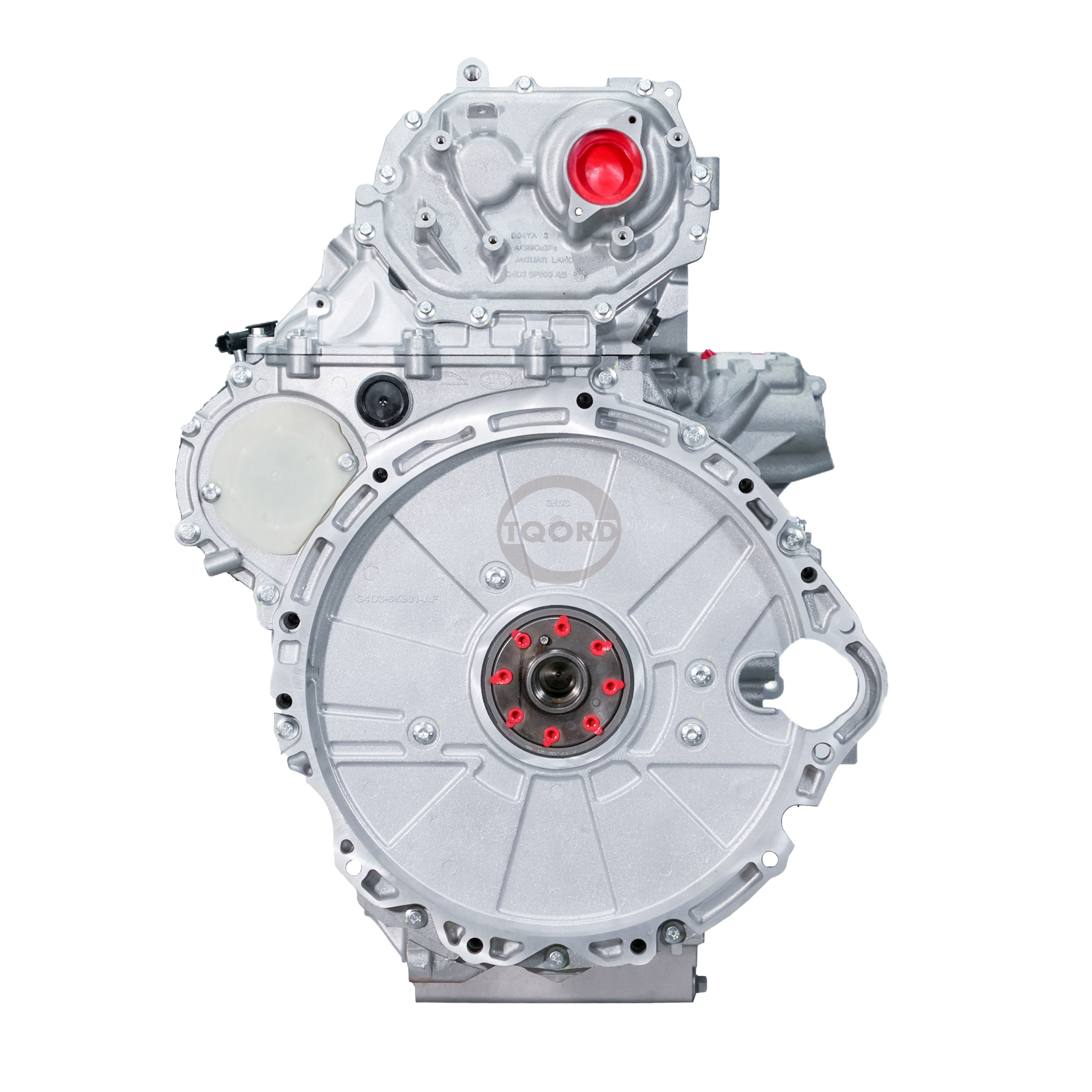
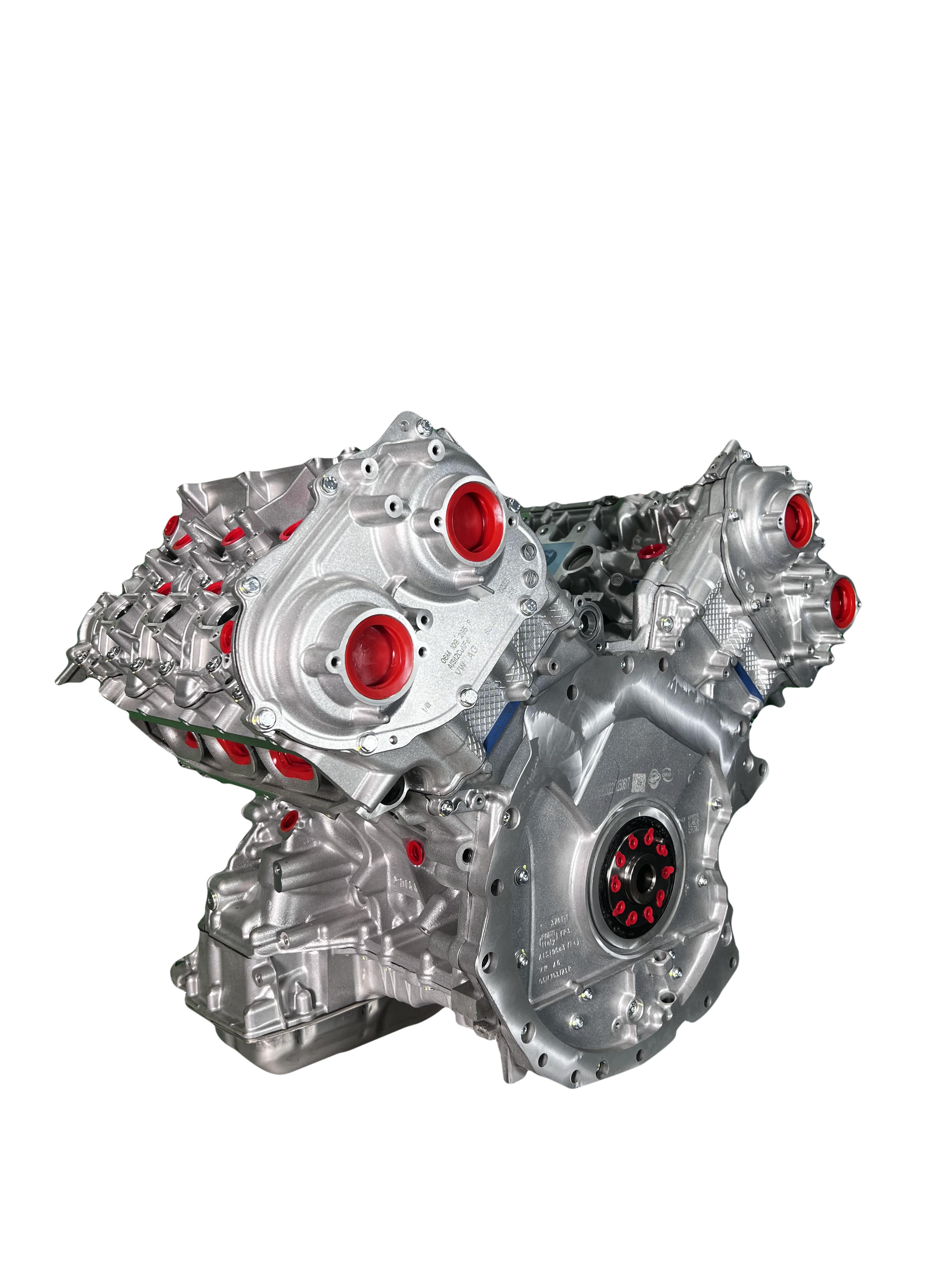
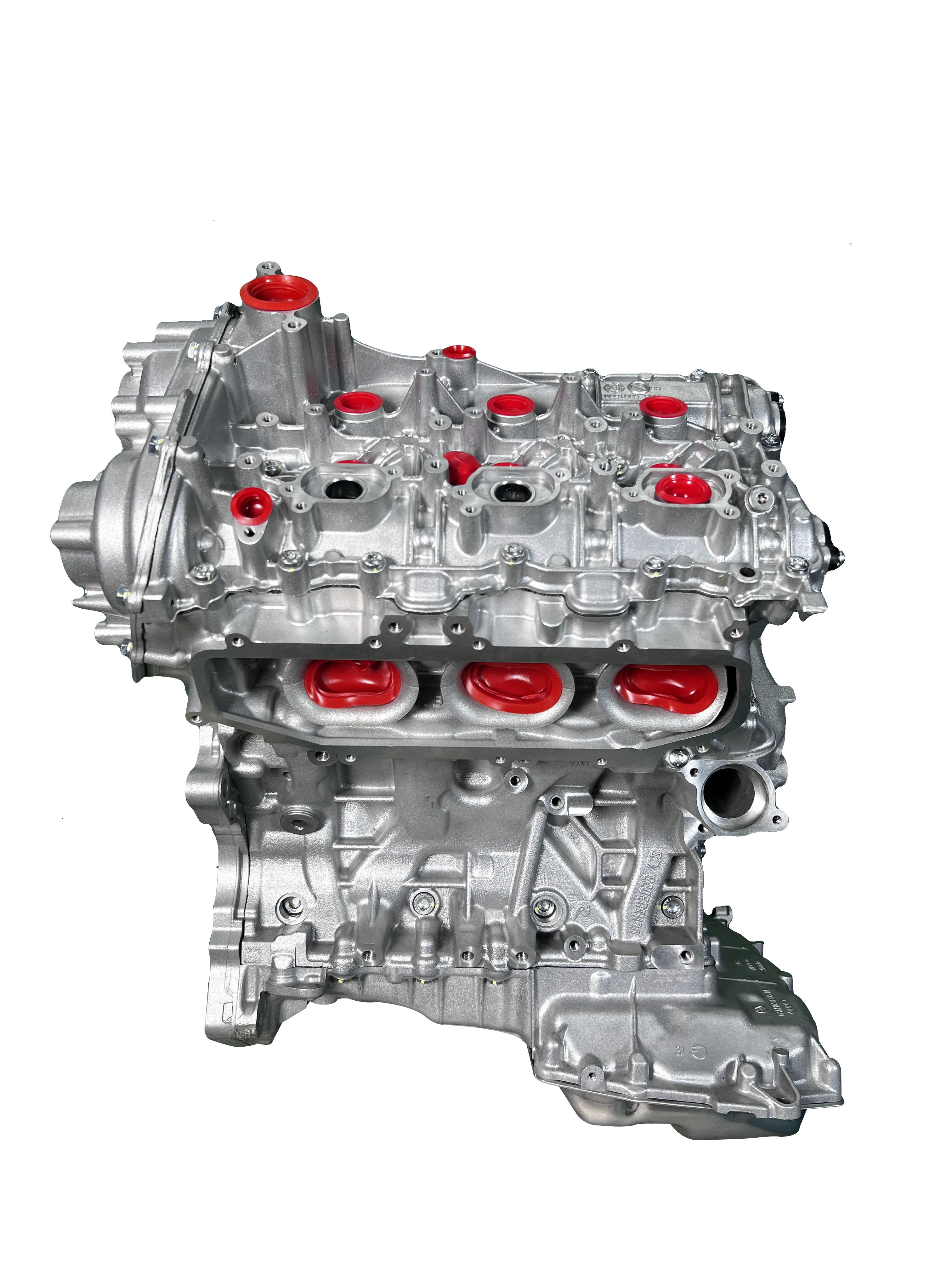
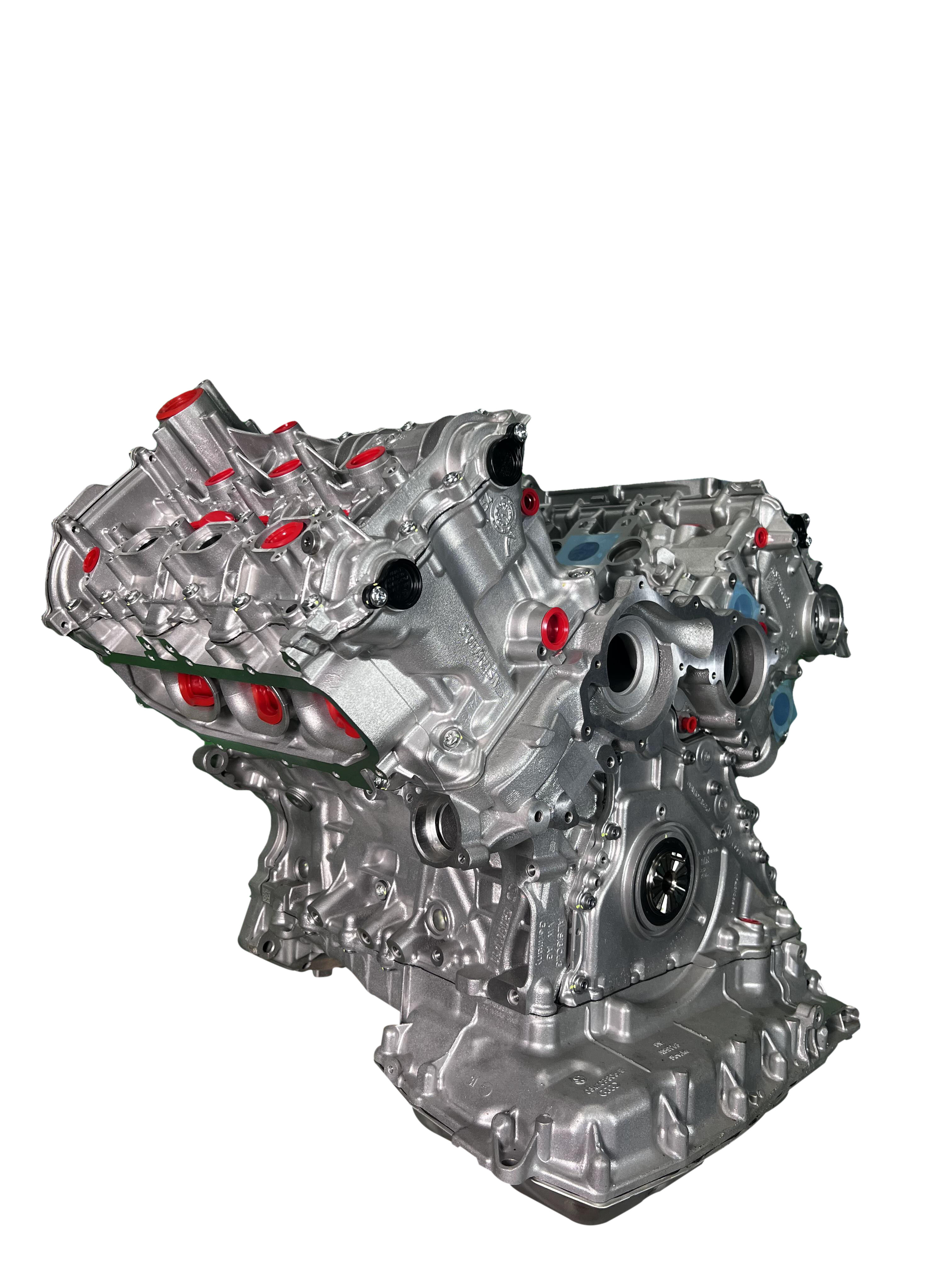
2 stroke engine
The 2 stroke engine is a highly efficient internal combustion engine that completes a power cycle in just two piston strokes, combining intake, compression, combustion, and exhaust into a streamlined process. Unlike four-stroke engines, the 2 stroke engine fires once every revolution, delivering power more frequently and creating a higher power-to-weight ratio. This engine type uses ports rather than valves for gas exchange, simplifying its mechanical design significantly. The 2 stroke engine operates through a unique process where the piston movement creates pressure differences that manage fuel intake and exhaust expulsion simultaneously. During the upward stroke, the engine compresses the air-fuel mixture while drawing in a fresh charge beneath the piston. As the piston moves downward after ignition, it uncovers the exhaust port first, then the transfer port, allowing fresh mixture to enter while pushing out spent gases. This design eliminates the need for complex valve trains, camshaft systems, and associated components found in four-stroke engines. The 2 stroke engine finds extensive applications across multiple industries, from handheld power equipment like chainsaws and leaf blowers to marine outboard motors, motorcycles, and small recreational vehicles. Its technological features include crankcase compression, simple construction with fewer moving parts, and the ability to operate in any orientation, making it ideal for portable applications. The 2 stroke engine continues to serve applications where lightweight design, compact size, and immediate power delivery are essential requirements for operational success.
 EN
EN