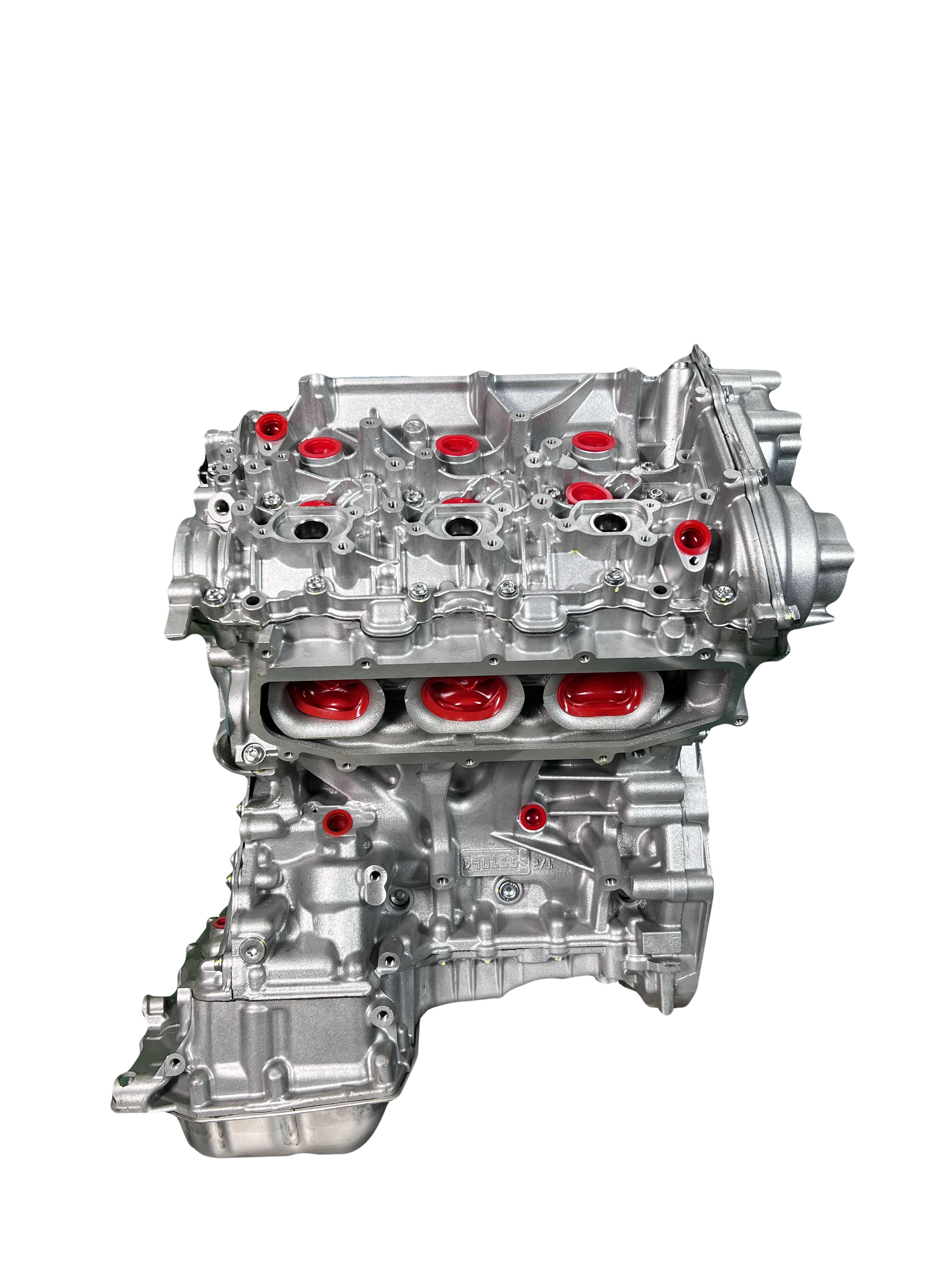
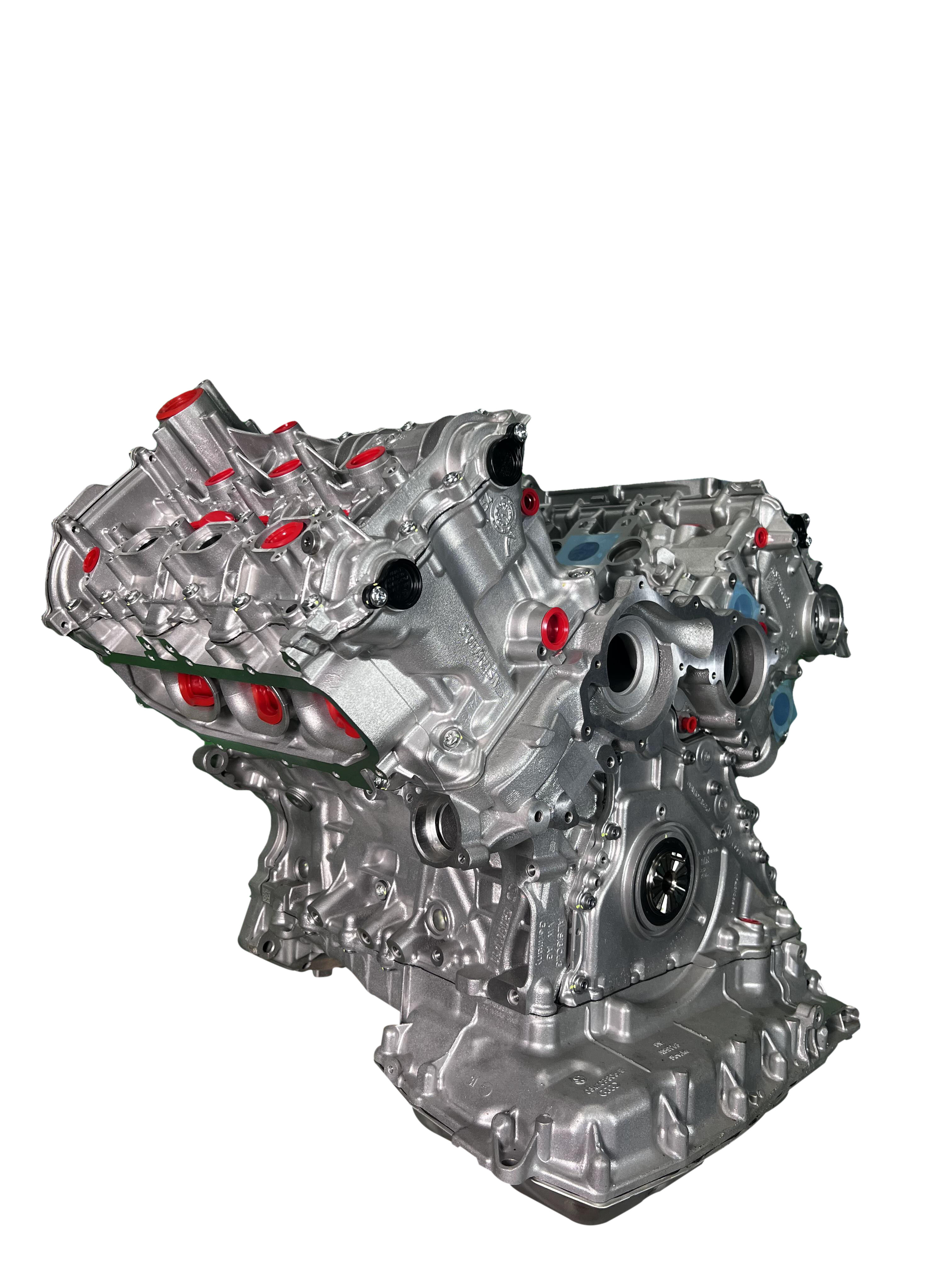
Two Stroke Engine: Power, Efficiency & Performance

Get a Free Quote

Our representative will contact you soon.
Email
Phone/WhatsApp/WeChat
Name
Company Name
Title
VIN Code
Message
0/1000

two stroke engine

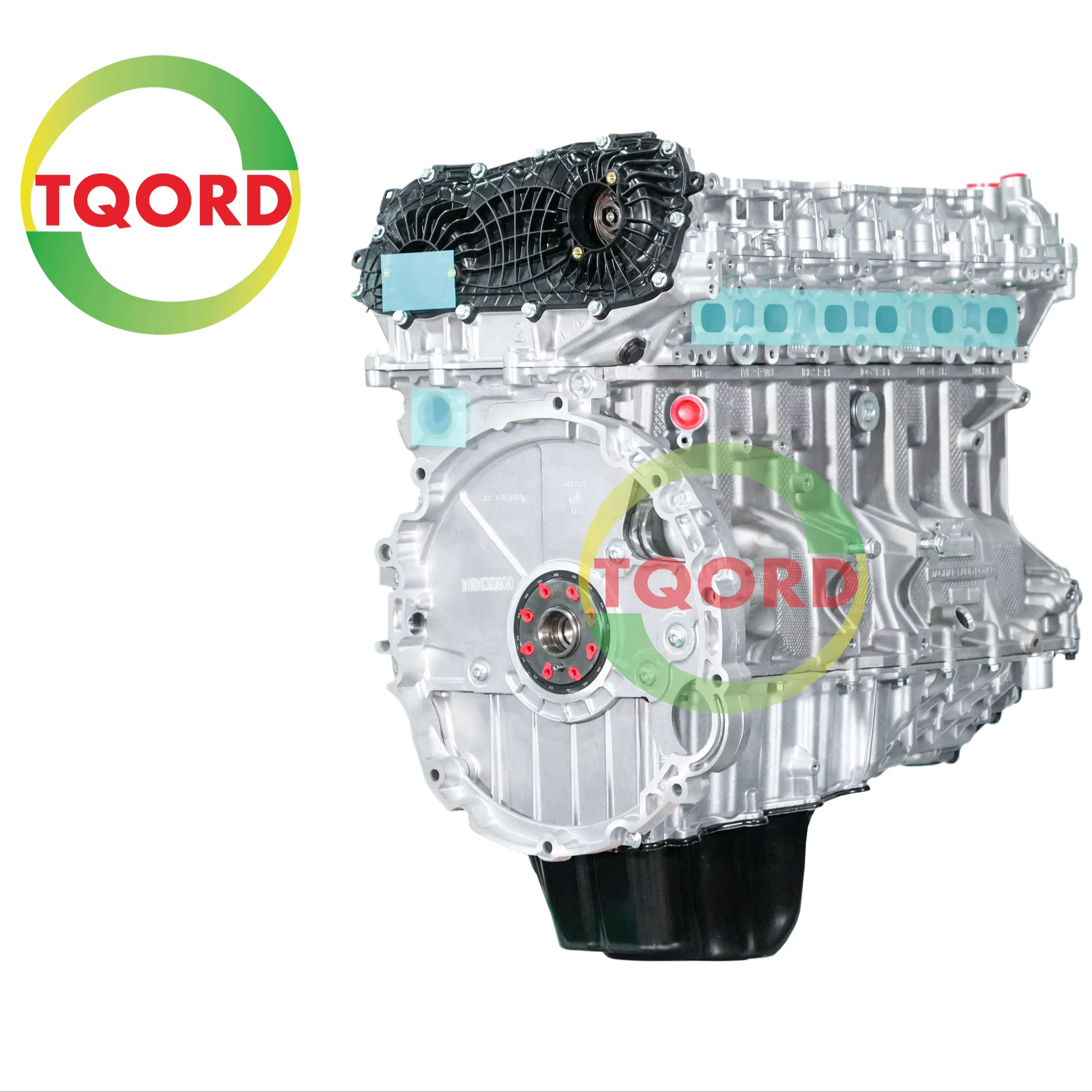
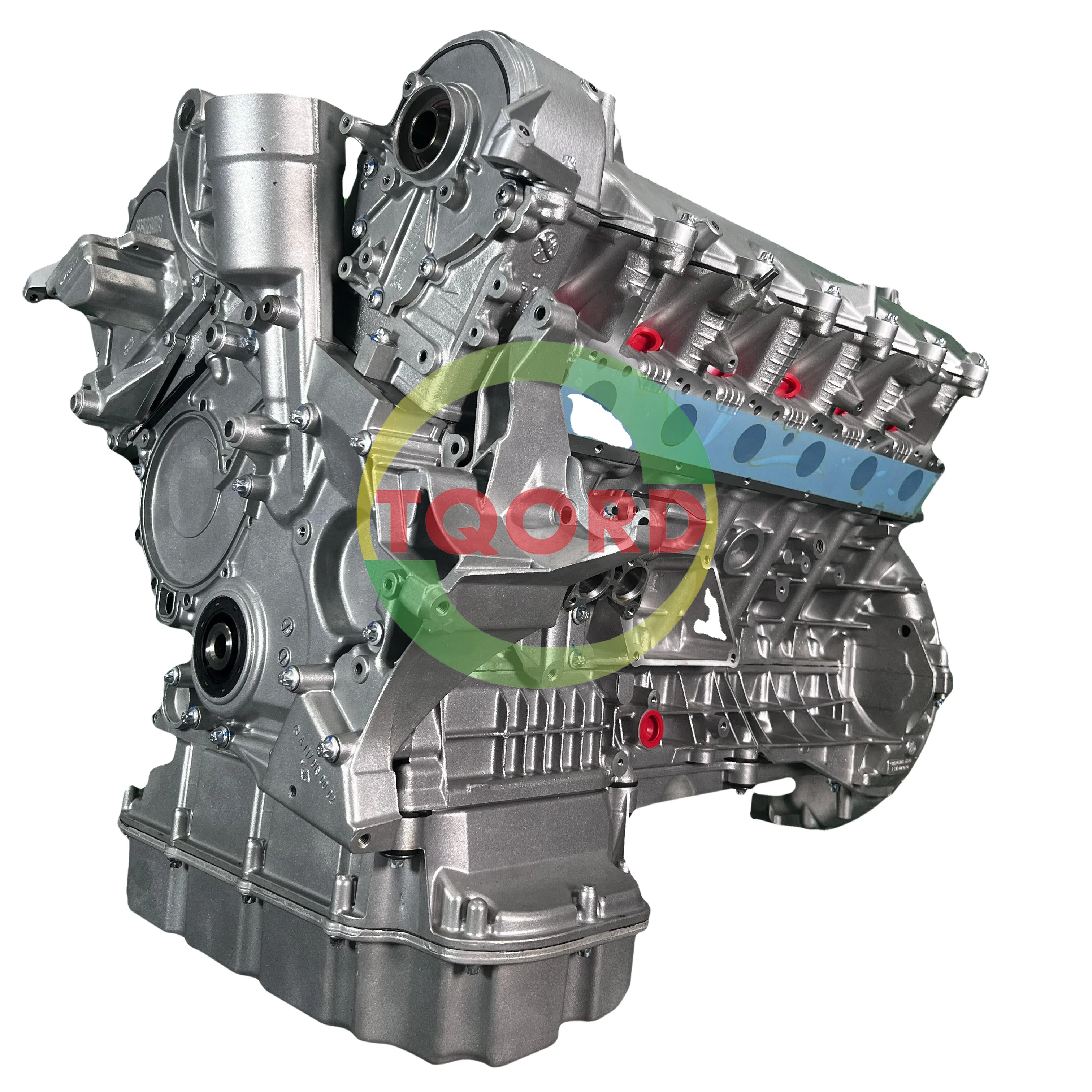
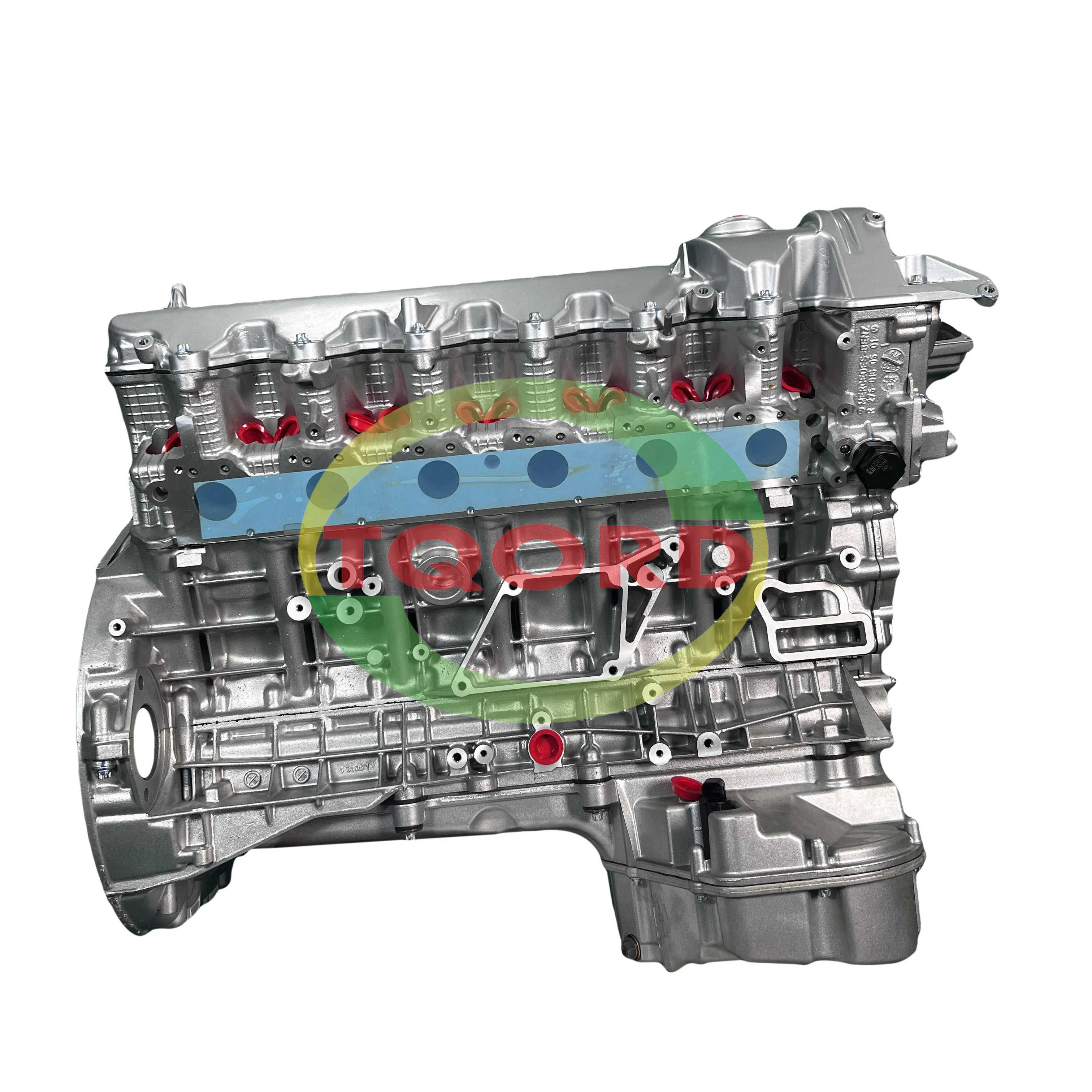
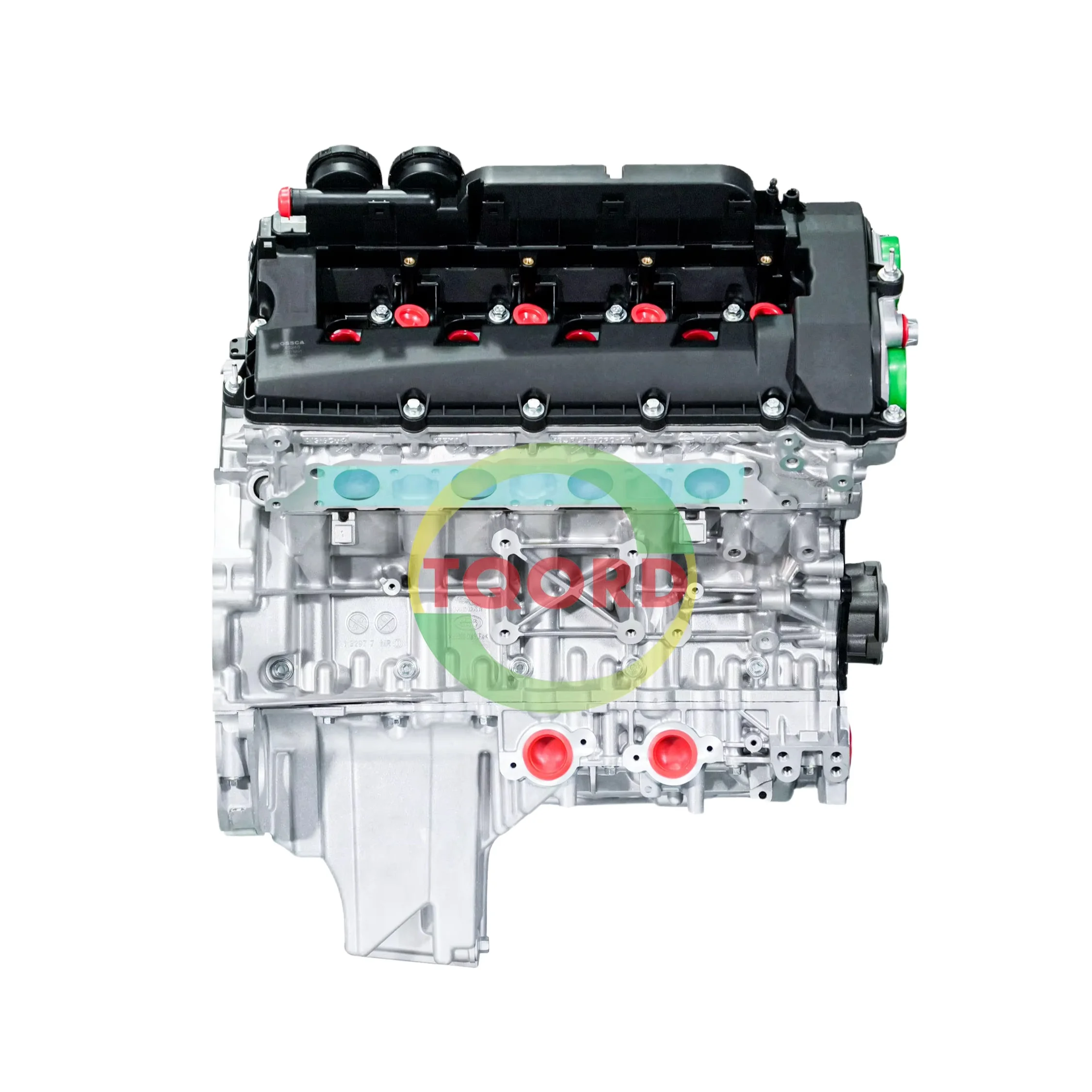
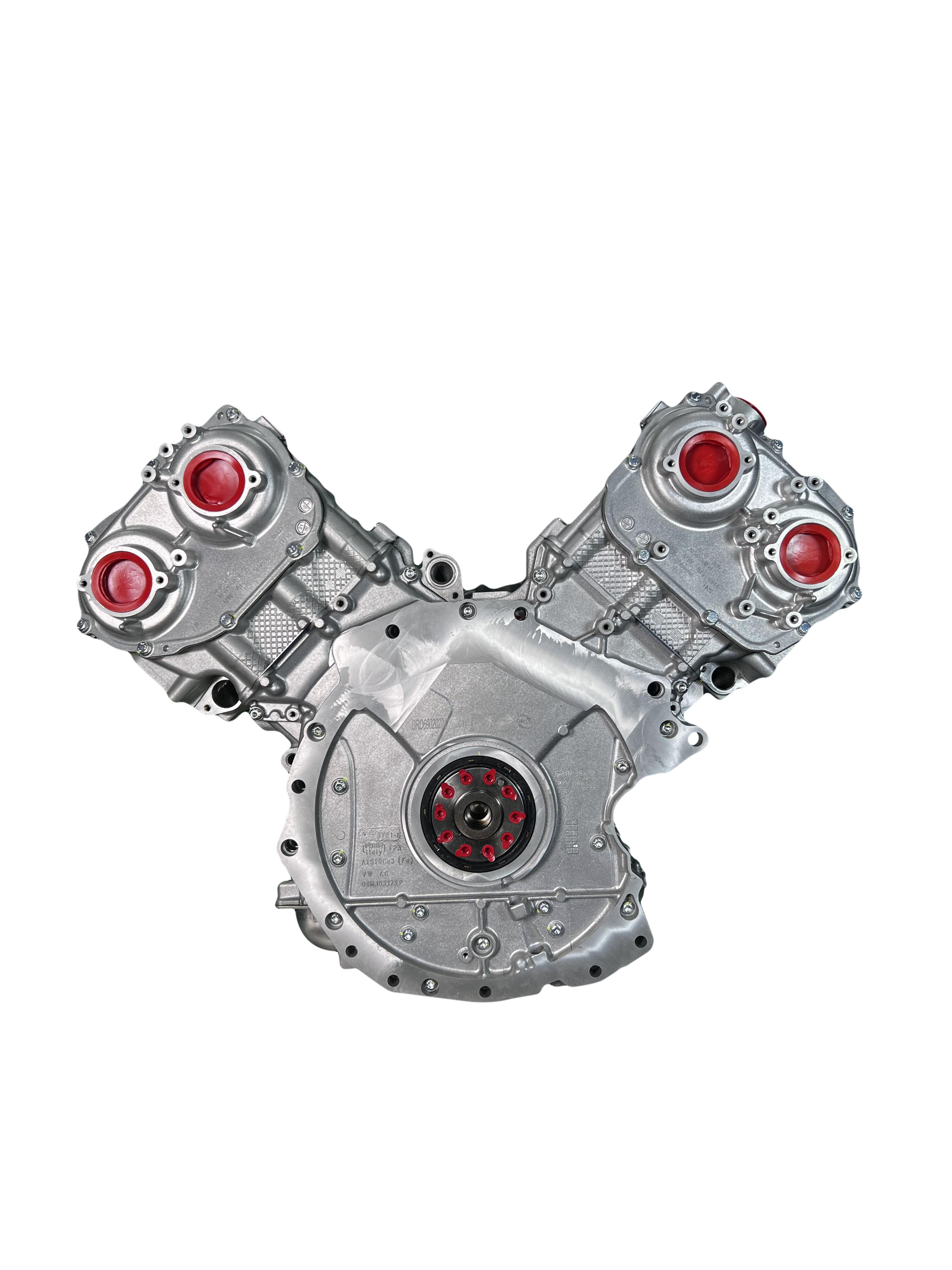
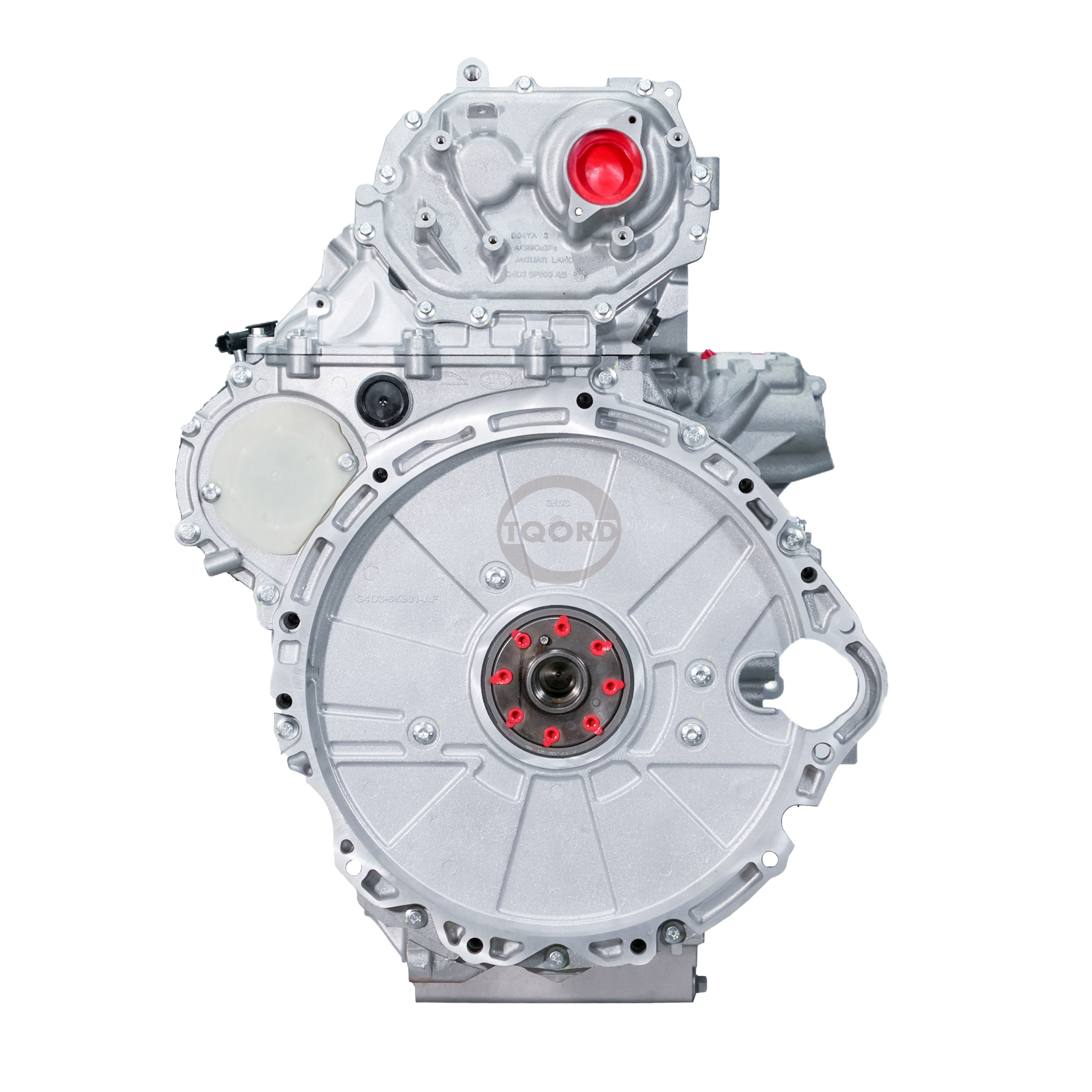
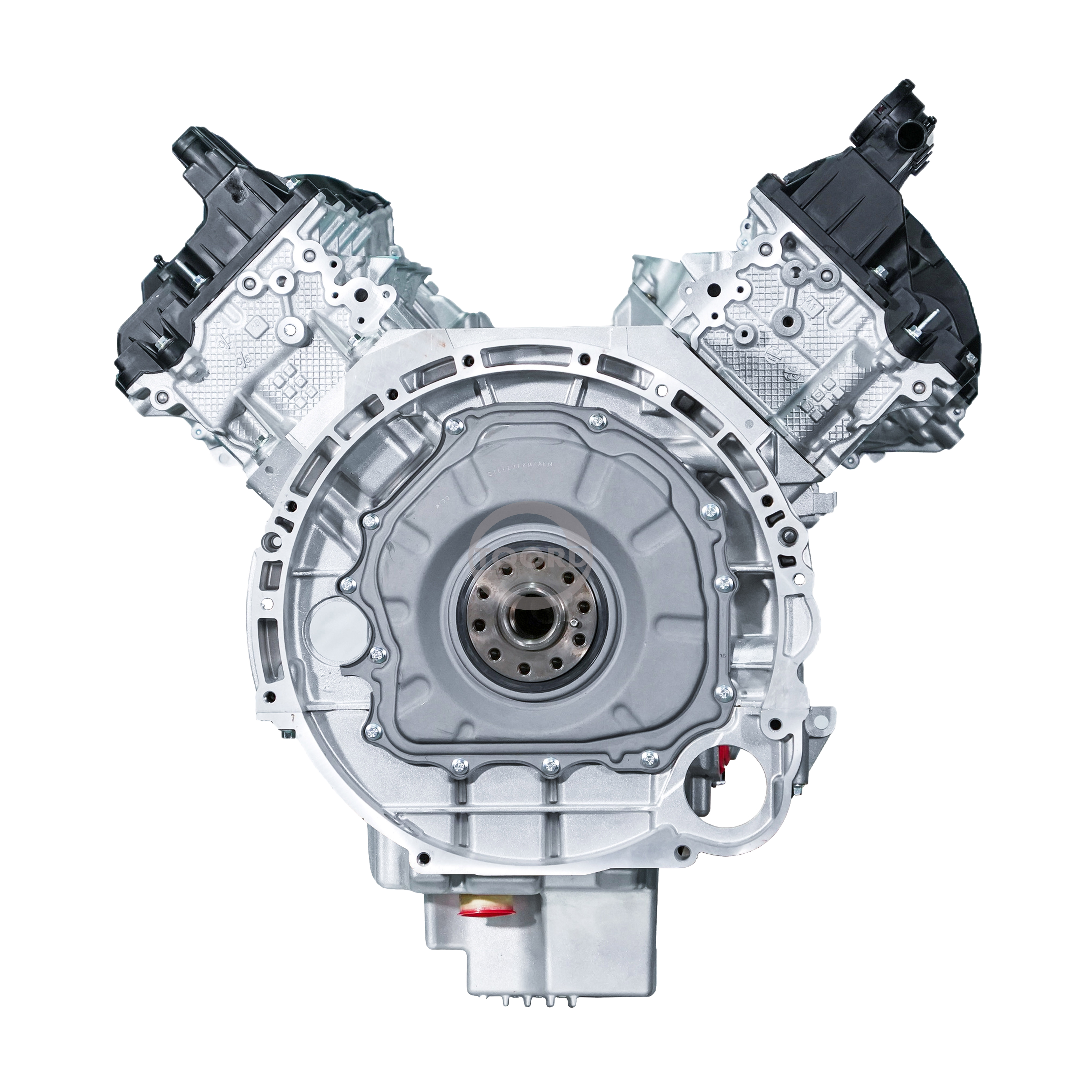
The two stroke engine is a type of internal combustion engine that completes a power cycle with two strokes of the piston during only one crankshaft revolution. This design differs significantly from four-stroke engines by combining the intake and compression functions into one stroke, and the power and exhaust functions into another stroke. The two stroke engine operates through a simplified mechanism where fuel and air enter the combustion chamber as exhaust gases exit, creating a continuous cycle that generates power with every revolution. Main functions include converting fuel into mechanical energy through rapid combustion cycles, delivering consistent power output, and maintaining compact operational efficiency. Technological features encompass reed valve or rotary valve intake systems, deflector pistons or cross-scavenging designs, and integrated lubrication through fuel-oil mixture. The two stroke engine finds widespread applications across multiple industries including handheld power tools like chainsaws and leaf blowers, small motorized equipment such as lawn mowers and trimmers, marine outboard motors for boats, motorcycles and scooters in transportation, and portable generators for remote power needs. Its lightweight construction and high power-to-weight ratio make the two stroke engine particularly suitable for portable applications where mobility matters. The simplified design with fewer moving parts compared to four-stroke alternatives allows for easier maintenance and reduced manufacturing costs, making this engine type an economical choice for various commercial and recreational applications.

New Products

The two stroke engine delivers exceptional power output relative to its size, producing one power stroke per crankshaft revolution compared to every two revolutions in four-stroke engines. This fundamental advantage translates into higher power density, meaning you get more performance from a smaller, lighter package. For buyers seeking portable equipment, this creates immediate practical value through reduced operator fatigue and improved maneuverability. The simplified mechanical design features fewer moving parts, eliminating complex valve trains, camshafts, and timing mechanisms found in four-stroke alternatives. This simplicity reduces manufacturing costs, making the two stroke engine more affordable for budget-conscious customers while simultaneously lowering maintenance requirements and extending operational reliability. Repair procedures become straightforward, often requiring basic tools and minimal technical expertise, which saves money on professional service costs. Operational benefits extend to versatility in mounting positions, as the two stroke engine functions effectively at various angles without oil starvation issues that affect gravity-fed lubrication systems. This flexibility proves invaluable for handheld tools and equipment requiring dynamic positioning during use. The immediate throttle response characteristic of the two stroke engine provides precise control for applications demanding quick power adjustments. Application suitability spans recreational, commercial, and industrial sectors where compact size, light weight, and reliable performance matter most. Marine environments particularly benefit from the two stroke engine's resistance to moisture and ability to restart quickly after submersion. For decision-making purposes, potential customers should recognize that modern two stroke engine technology has evolved to address historical concerns about emissions and fuel efficiency, with newer designs incorporating direct injection systems and improved combustion management that satisfy increasingly stringent environmental standards while maintaining the core advantages that made this engine type successful.

Tips And Tricks

Bulk Sale Discounts on Engine Parts for Commercial Orders

15

May

Bulk Sale Discounts on Engine Parts for Commercial Orders

How Bulk Sale Discounts Reduce Total Cost of Ownership Economies of scale: lowering per-unit landed cost through consolidated engine part procurement Consolidating engine part orders into bulk purchases directly reduces per-unit landed costs. Large...
View More
High-Performance Gas Engines for Racing: Reman Options

15

Jun

High-Performance Gas Engines for Racing: Reman Options

In competitive motorsport, the demand for reliable, high-output power is relentless. Every component under the hood matters, and the gas system at the heart of the powertrain is no exception. Whether you are building a track-day machine or preparing ...
View More
Global Supply of Diesel Engines: Oruide's 60,000+ Annual Capacity

02

Jun

Global Supply of Diesel Engines: Oruide's 60,000+ Annual Capacity

The global demand for diesel engines has never been more complex to satisfy. Industrial fleets, commercial vehicles, agricultural machinery, and off-road equipment all rely on dependable diesel powertrains, and sourcing those engines at scale require...
View More
Fuel Efficiency of Top Performance Engines: Myths vs Facts

24

Jun

Fuel Efficiency of Top Performance Engines: Myths vs Facts

When drivers and engineers talk about top performance engines, fuel efficiency is almost always surrounded by misconceptions. Many people assume that a top performance engine is inherently fuel-hungry, delivering power only at the cost of excessive c...
View More

Get a Free Quote

Our representative will contact you soon.
Email
Phone/WhatsApp/WeChat
Name
Company Name
Title
VIN Code
Message
0/1000

two stroke engine

Superior Power-to-Weight Ratio for Enhanced Portability

Superior Power-to-Weight Ratio for Enhanced Portability

The two stroke engine excels in delivering maximum power from minimal weight and size, making it the preferred choice for applications where portability and maneuverability are essential. Unlike heavier engine alternatives, this design eliminates numerous components including valve assemblies, camshafts, and complex timing systems, resulting in a dramatically lighter overall package. This weight reduction directly translates to reduced operator fatigue during extended use periods, particularly important for handheld equipment operators who work throughout entire shifts. The compact dimensions allow manufacturers to create smaller, more ergonomic tools that fit into tight spaces and offer superior handling characteristics. For commercial users, this translates into increased productivity as workers can operate equipment longer with less physical strain. The power density advantage means you receive professional-grade performance without the bulk and weight penalties associated with four-stroke engines, making the two stroke engine ideal for forestry work, landscaping services, marine applications, and any scenario where equipment must be frequently transported or operated in challenging positions. This fundamental engineering advantage has sustained the two stroke engine's popularity across decades of technological advancement.

Simplified Maintenance and Lower Operating Costs

Simplified Maintenance and Lower Operating Costs

The two stroke engine offers significant economic advantages through its mechanically simple design that requires less maintenance and enables easier repairs compared to more complex engine types. With approximately half the moving parts of four-stroke engines, there are fewer components that can wear out or fail, directly reducing long-term ownership costs. Regular maintenance typically involves basic tasks like spark plug replacement, air filter cleaning, and fuel system inspection, all achievable without specialized training or expensive diagnostic equipment. This accessibility empowers owners to perform routine servicing independently, eliminating costly technician visits for minor issues. The absence of valve trains, timing belts, and oil sumps means fewer consumables to purchase and replace on scheduled intervals. For businesses operating multiple pieces of equipment, these savings multiply across entire fleets, significantly improving operational budgets. The two stroke engine's reputation for durability in harsh conditions further extends service intervals and reduces unexpected downtime. Replacement parts remain widely available and competitively priced due to the design's long-standing market presence. This combination of inherent reliability, straightforward maintenance procedures, and affordable parts availability makes the two stroke engine an economically sound choice for cost-conscious buyers who value dependable performance without ongoing expensive commitments.
Immediate Throttle Response for Precise Control

Immediate Throttle Response for Precise Control

The two stroke engine provides instantaneous power delivery and exceptional throttle responsiveness that professionals and enthusiasts value for precision work. This characteristic stems from the engine's fundamental operating principle, where each crankshaft revolution produces a power stroke, creating a direct relationship between throttle input and power output without the lag inherent in four-stroke cycles. For operators requiring fine control during detailed tasks, this immediate response enables accurate power modulation that improves work quality and safety. Chainsaw operators cutting intricate patterns benefit from the precise speed control, while boat operators navigating tight spaces appreciate the predictable acceleration and deceleration characteristics. The two stroke engine maintains consistent power delivery across its entire operating range, without the torque valleys that can complicate operation in varying load conditions. This linear power band simplifies equipment operation, reducing the learning curve for new users while giving experienced operators the refined control they need for professional results. Racing applications particularly value this responsiveness, where split-second throttle adjustments determine competitive outcomes. The engine's ability to accelerate quickly from idle also improves productivity in stop-start work patterns common in landscaping and construction environments, where operators frequently transition between idle and full power throughout their workday.