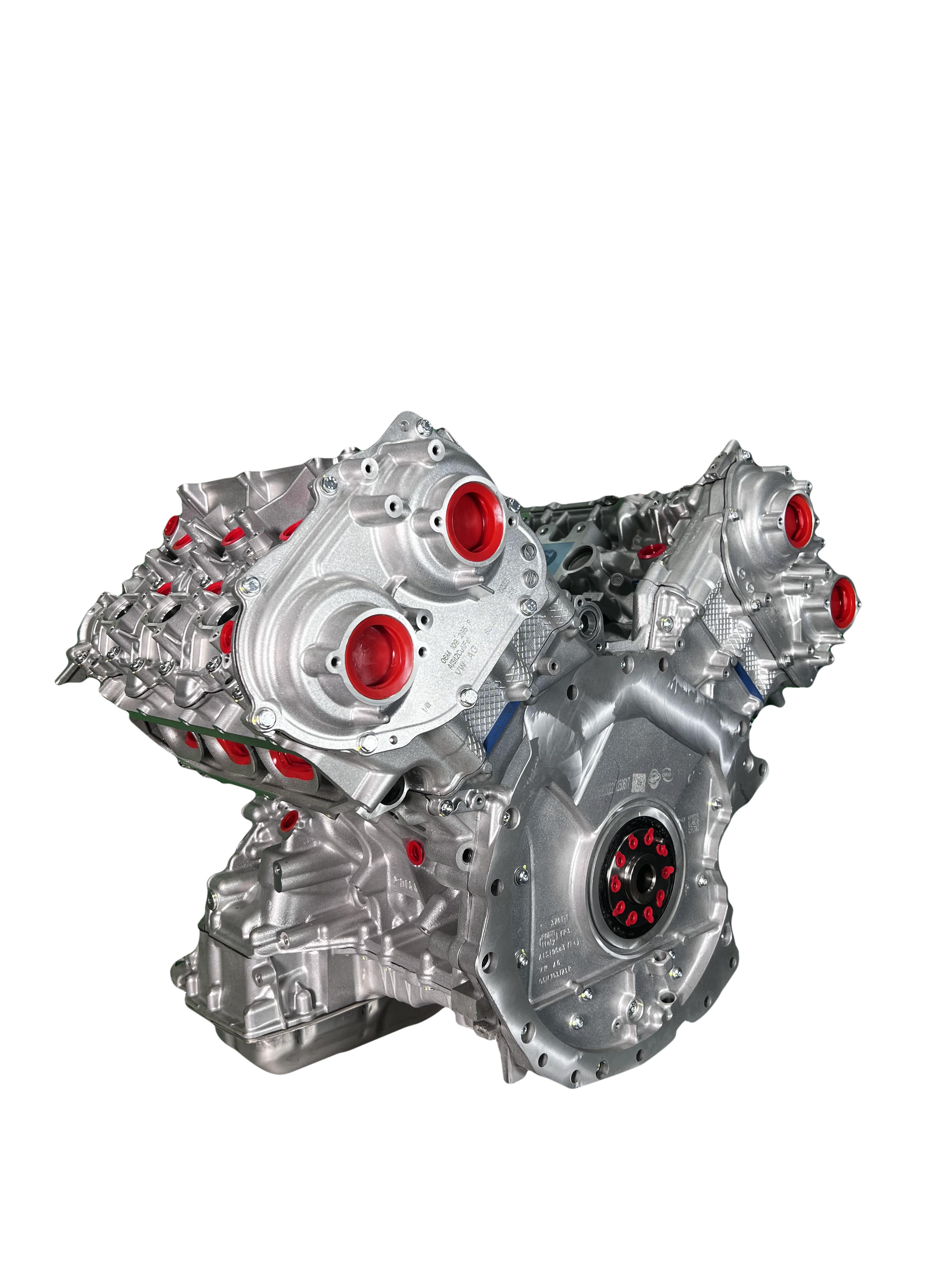
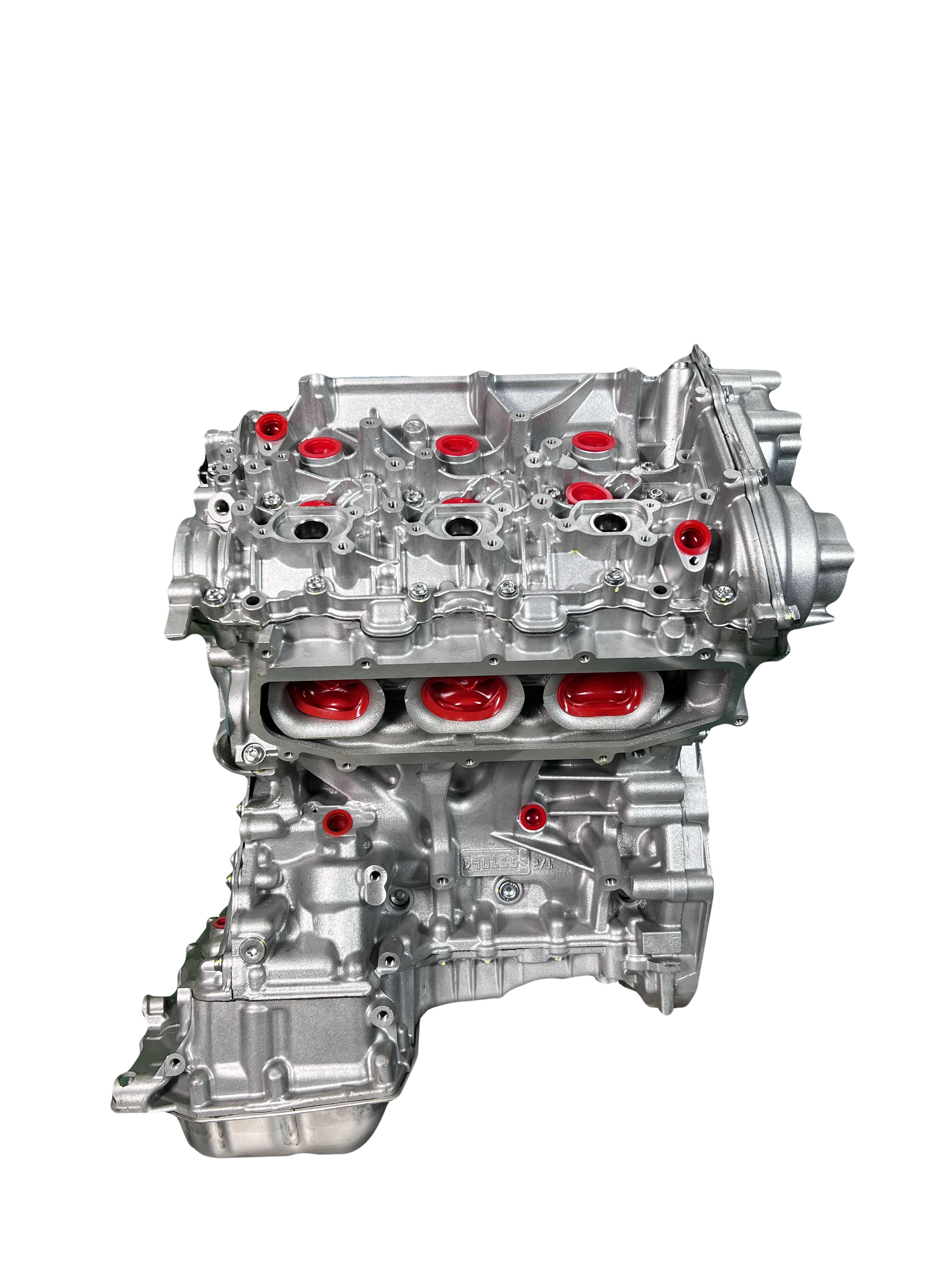
engines
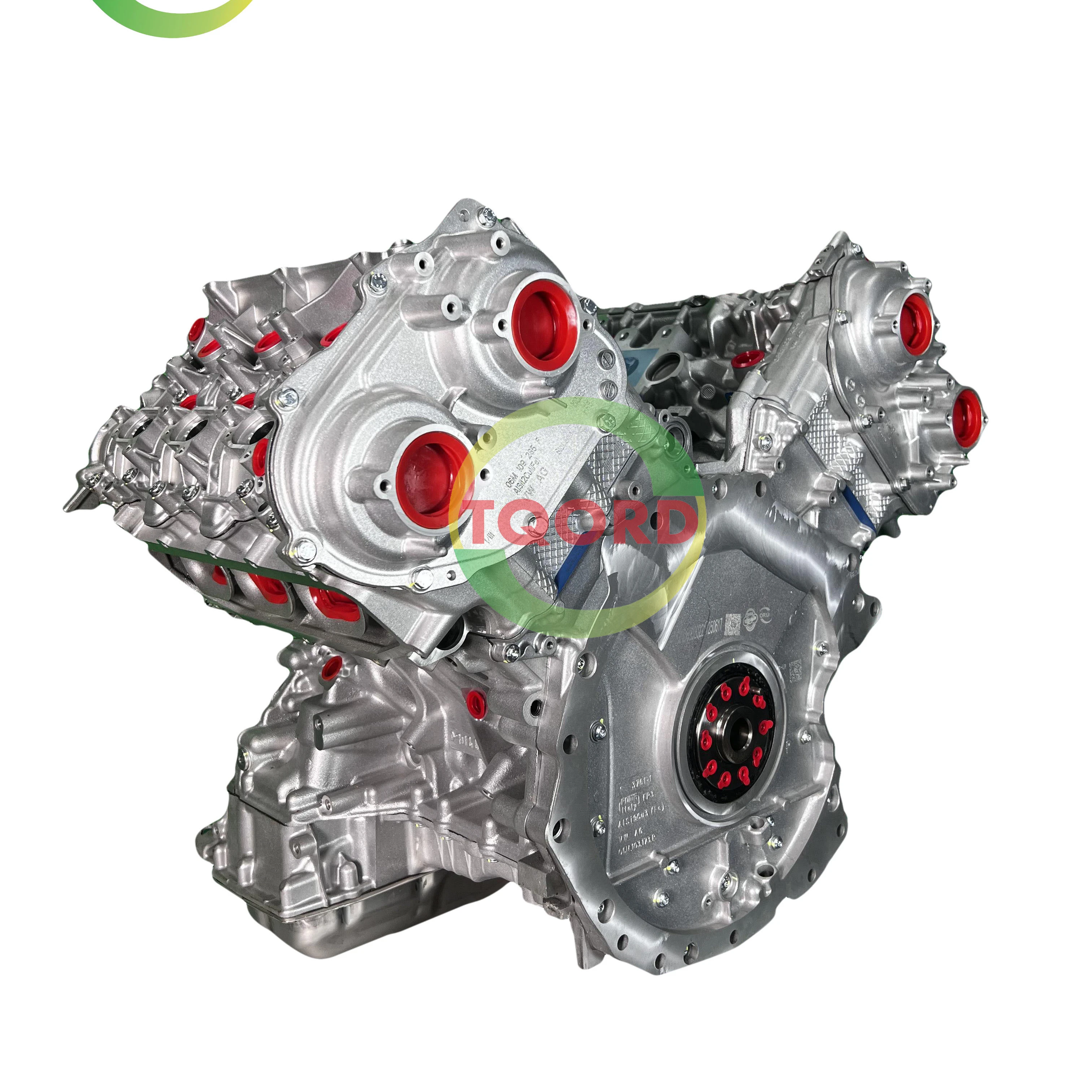
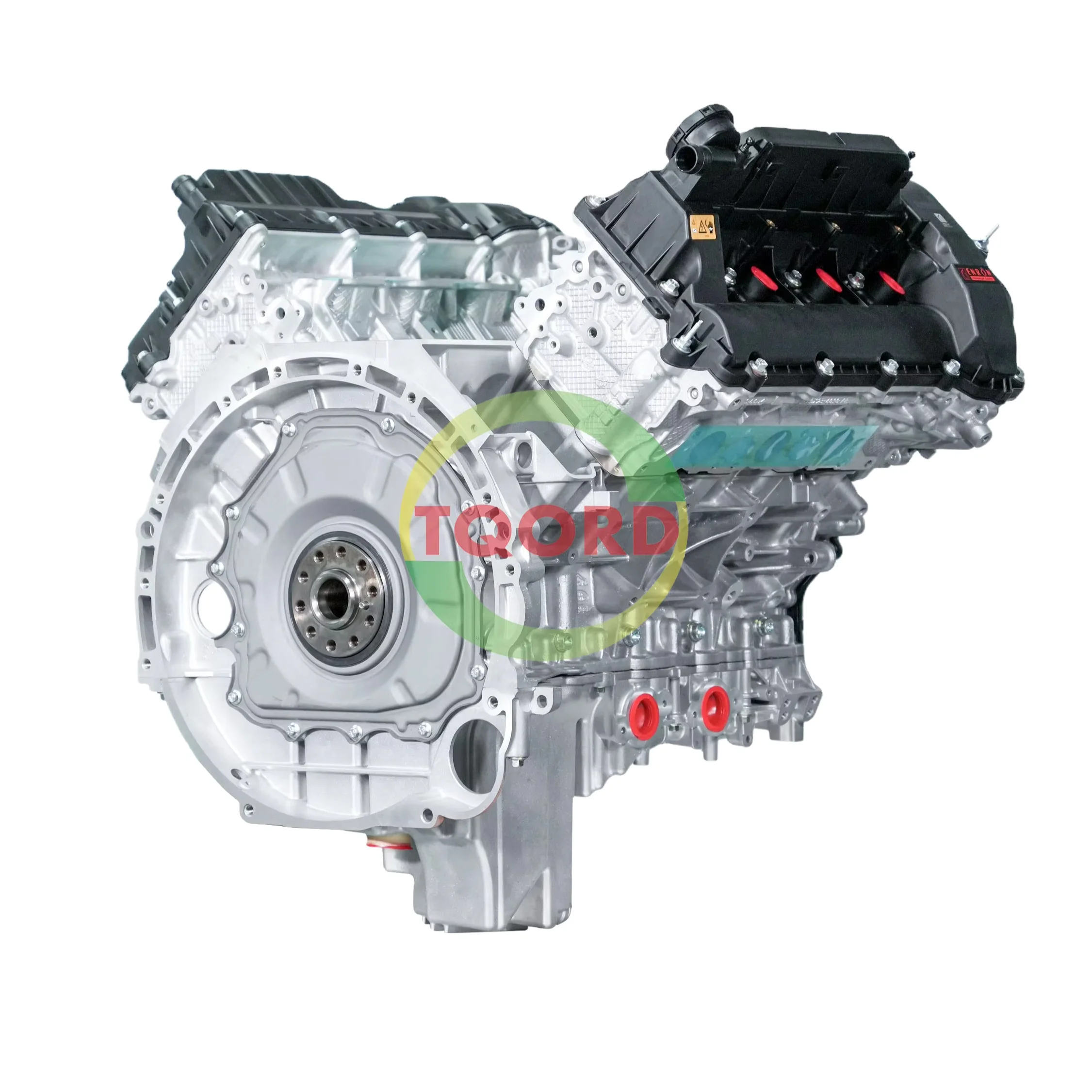
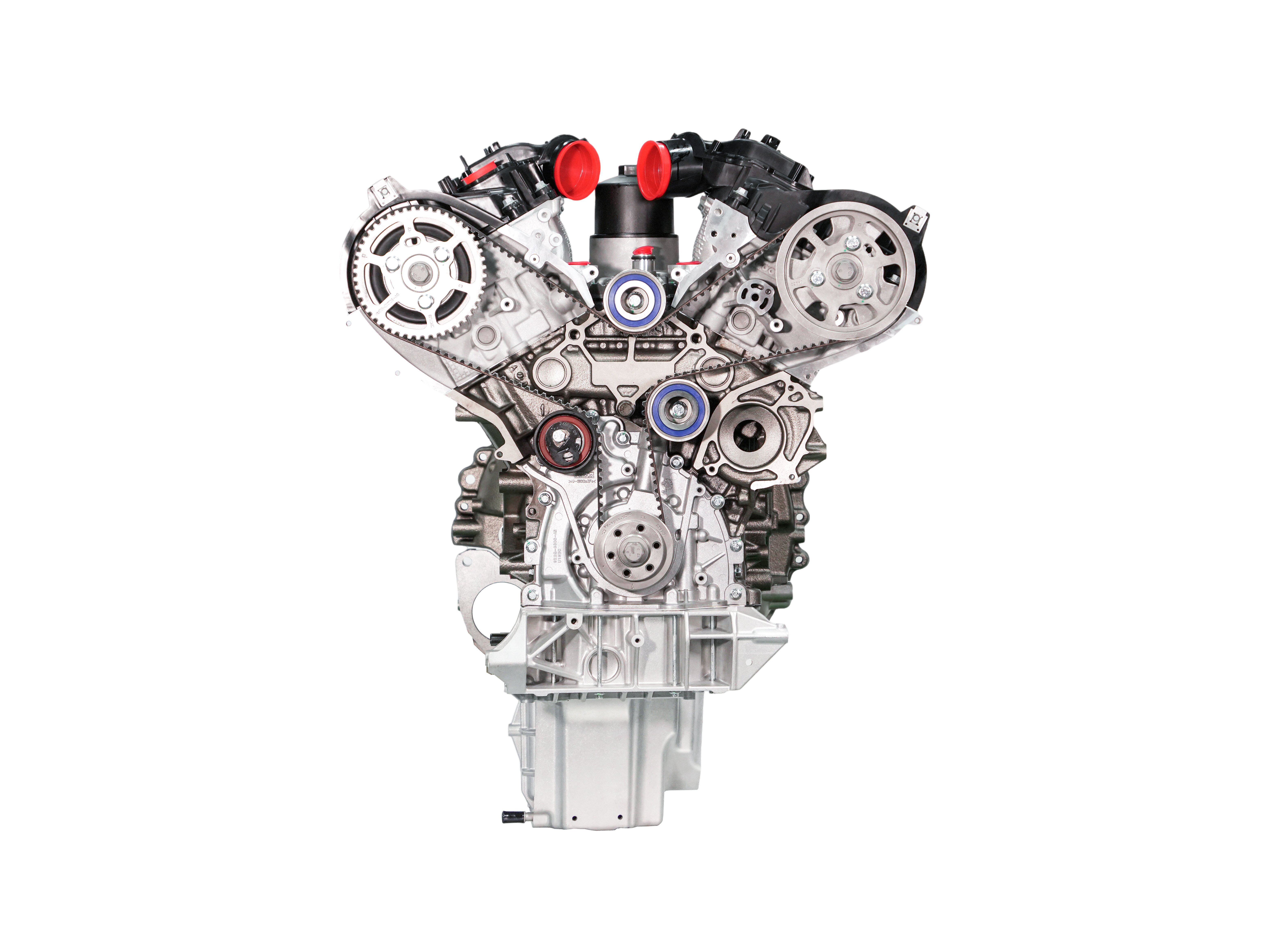
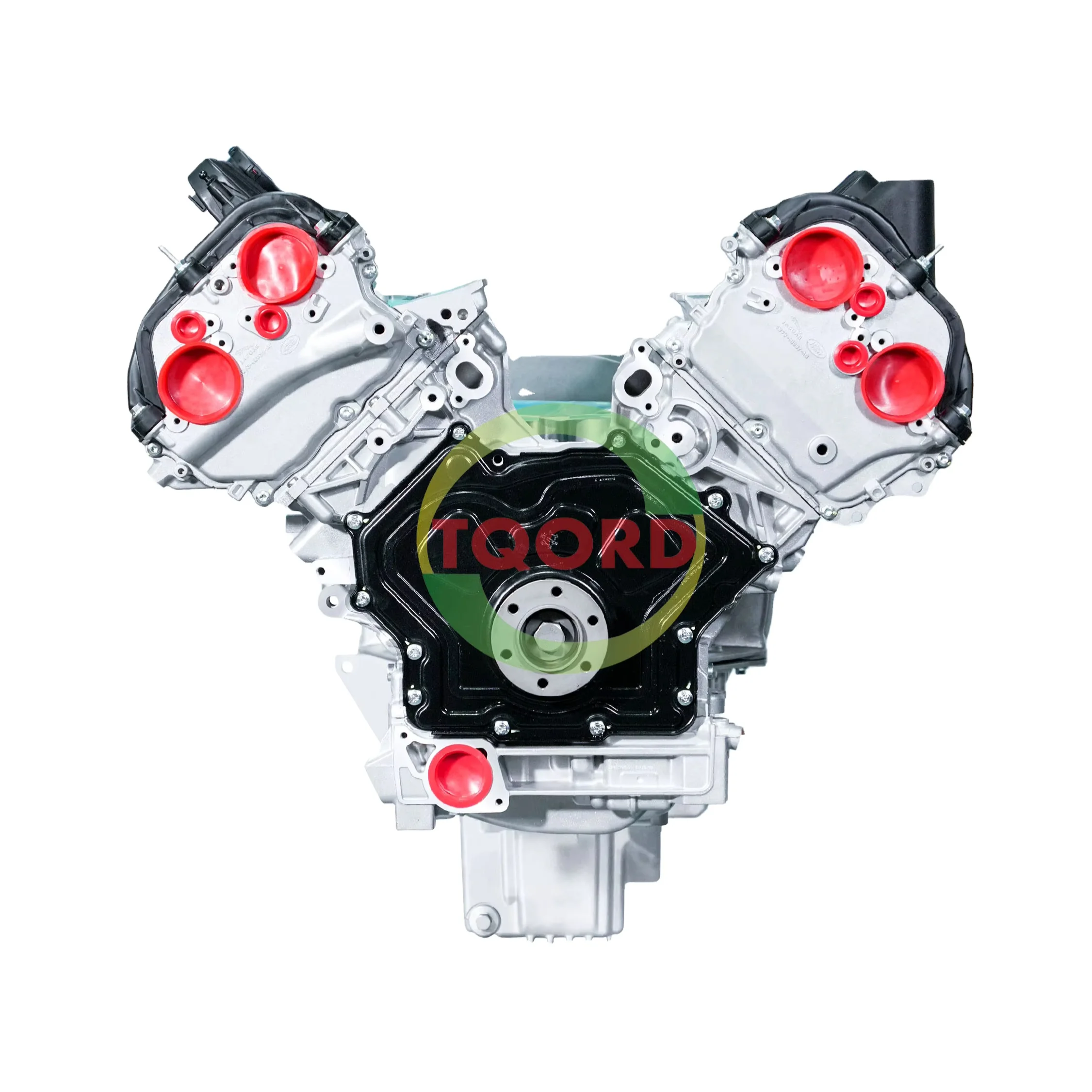
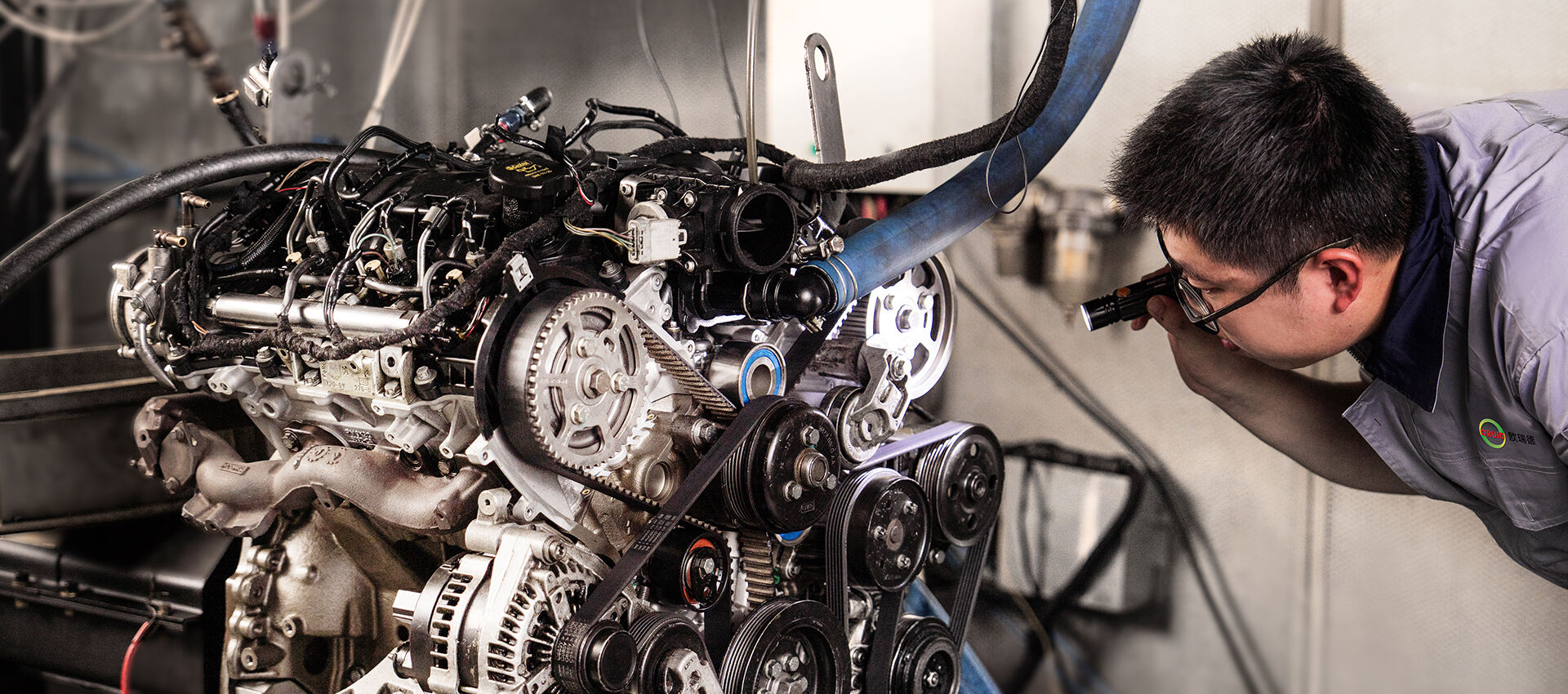
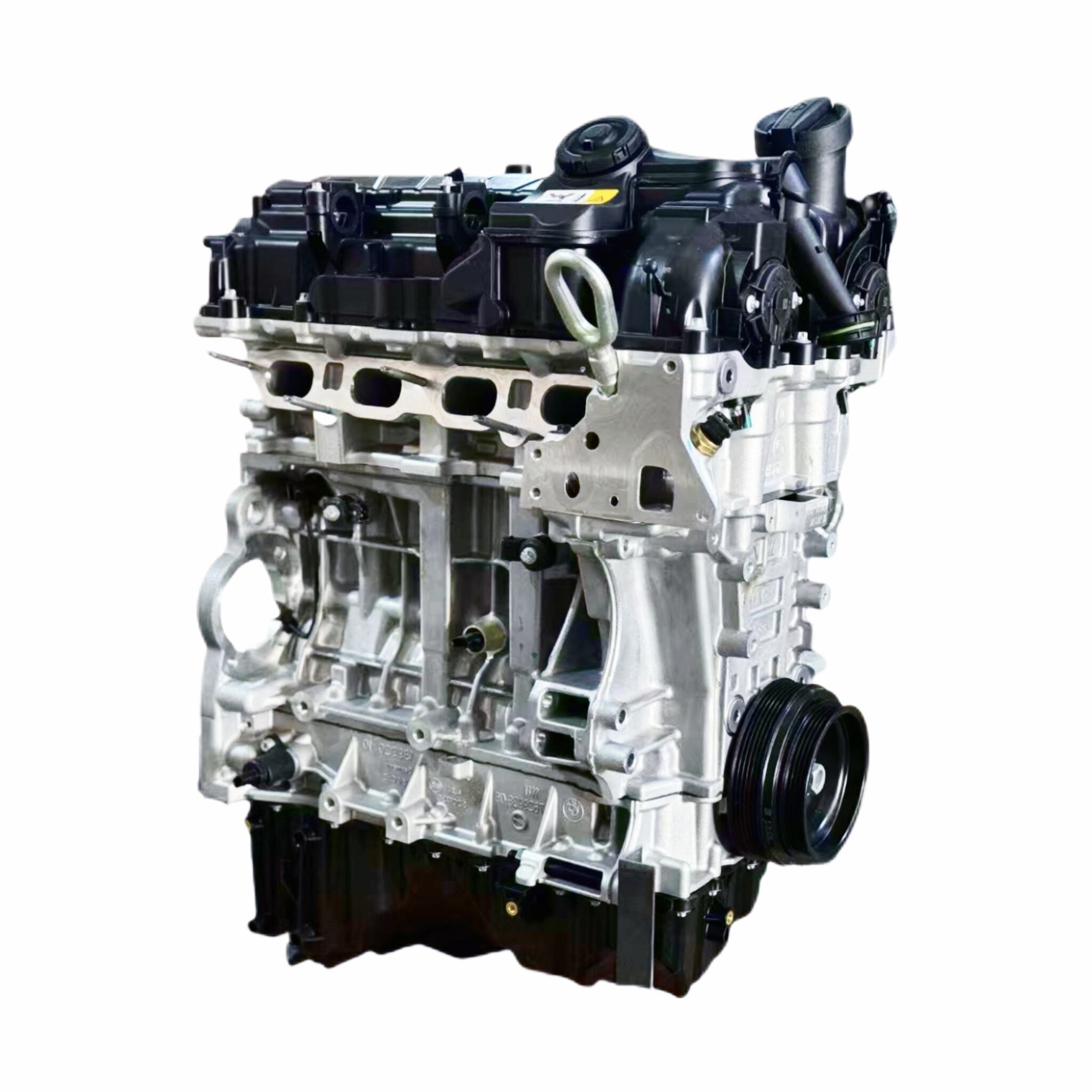
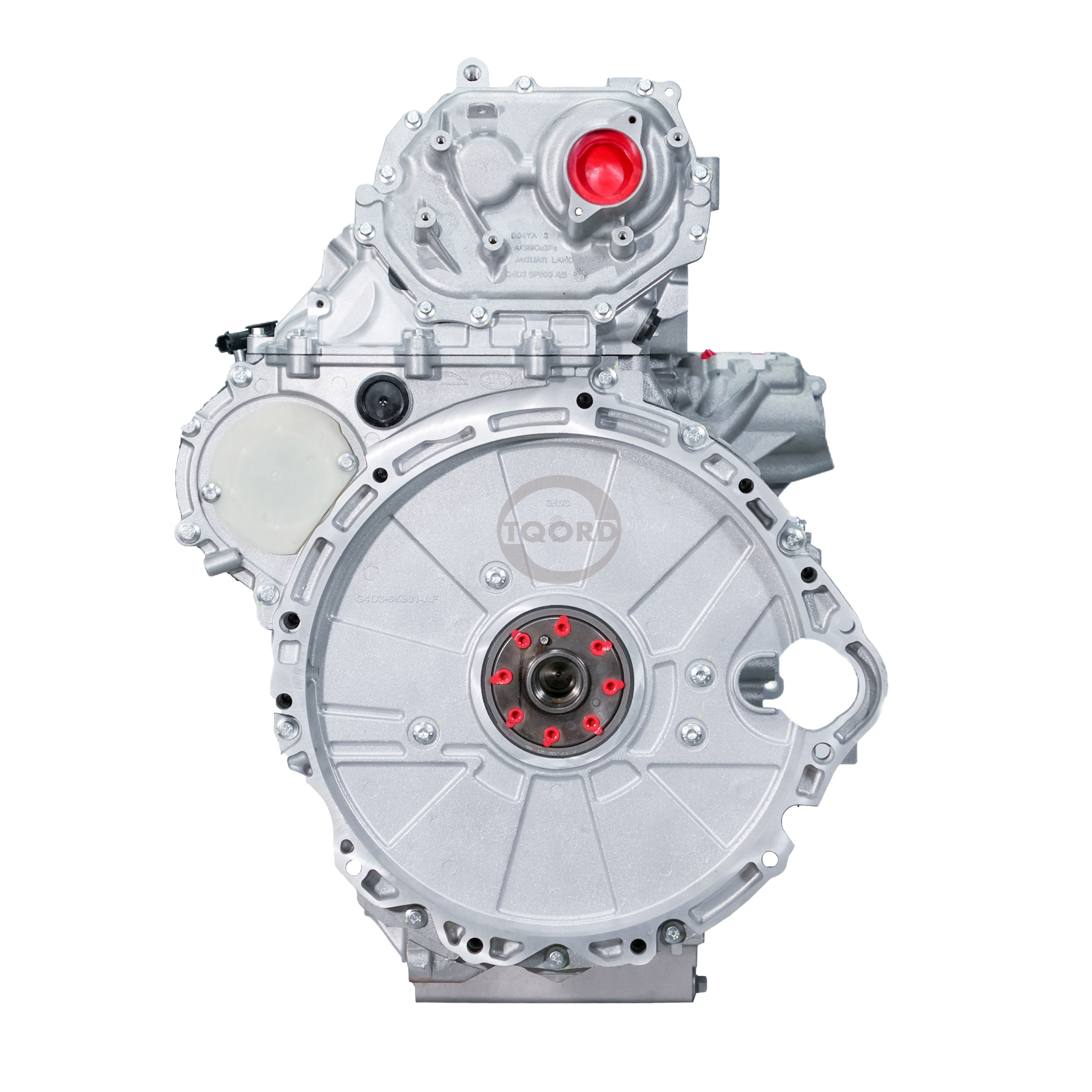
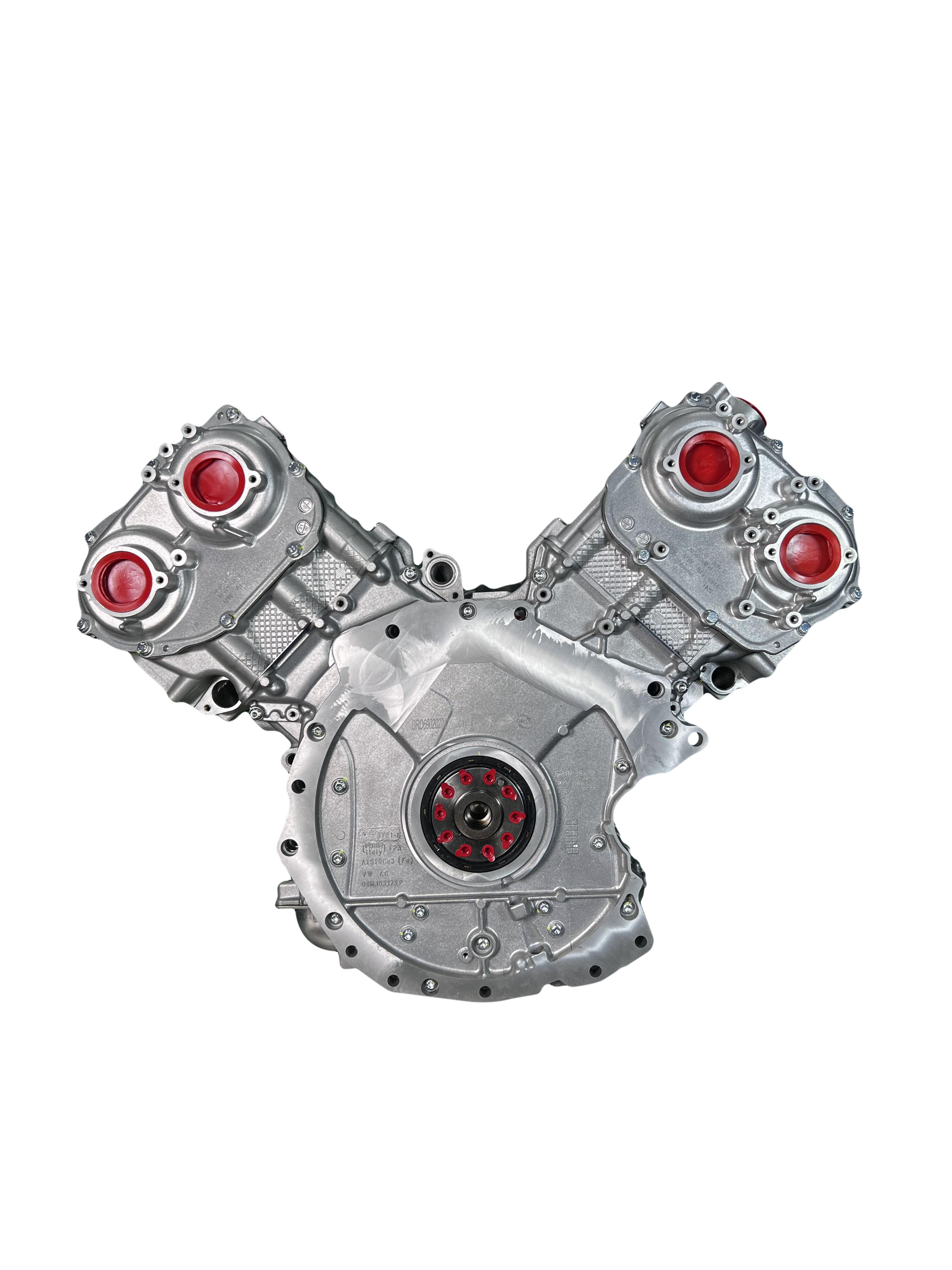
Engines are sophisticated mechanical devices designed to convert various forms of energy into mechanical motion, serving as the powerhouse for countless applications across industries worldwide. These complex systems utilize fuel combustion, electrical power, or alternative energy sources to generate the force needed to drive machinery, vehicles, and equipment. Modern engines incorporate advanced engineering principles, precision manufacturing, and innovative technologies to deliver reliable performance across diverse operating conditions. The primary function of engines revolves around transforming stored energy into rotational or linear motion through carefully orchestrated mechanical processes. Contemporary engines feature sophisticated fuel injection systems, electronic control units, and optimized combustion chambers that maximize efficiency while minimizing emissions. Technological advancements have enabled engines to achieve remarkable power-to-weight ratios, enhanced durability, and superior fuel economy compared to previous generations. Applications for engines span transportation sectors including automotive, marine, and aviation industries, as well as industrial operations such as power generation, construction equipment, and agricultural machinery. Whether powering passenger vehicles, commercial trucks, boats, generators, or heavy machinery, engines remain fundamental to modern infrastructure and economic activity. The versatility of engines allows manufacturers to customize specifications for specific performance requirements, environmental regulations, and operational demands, making them indispensable components in today's technology-driven world.
 EN
EN