 ×
×
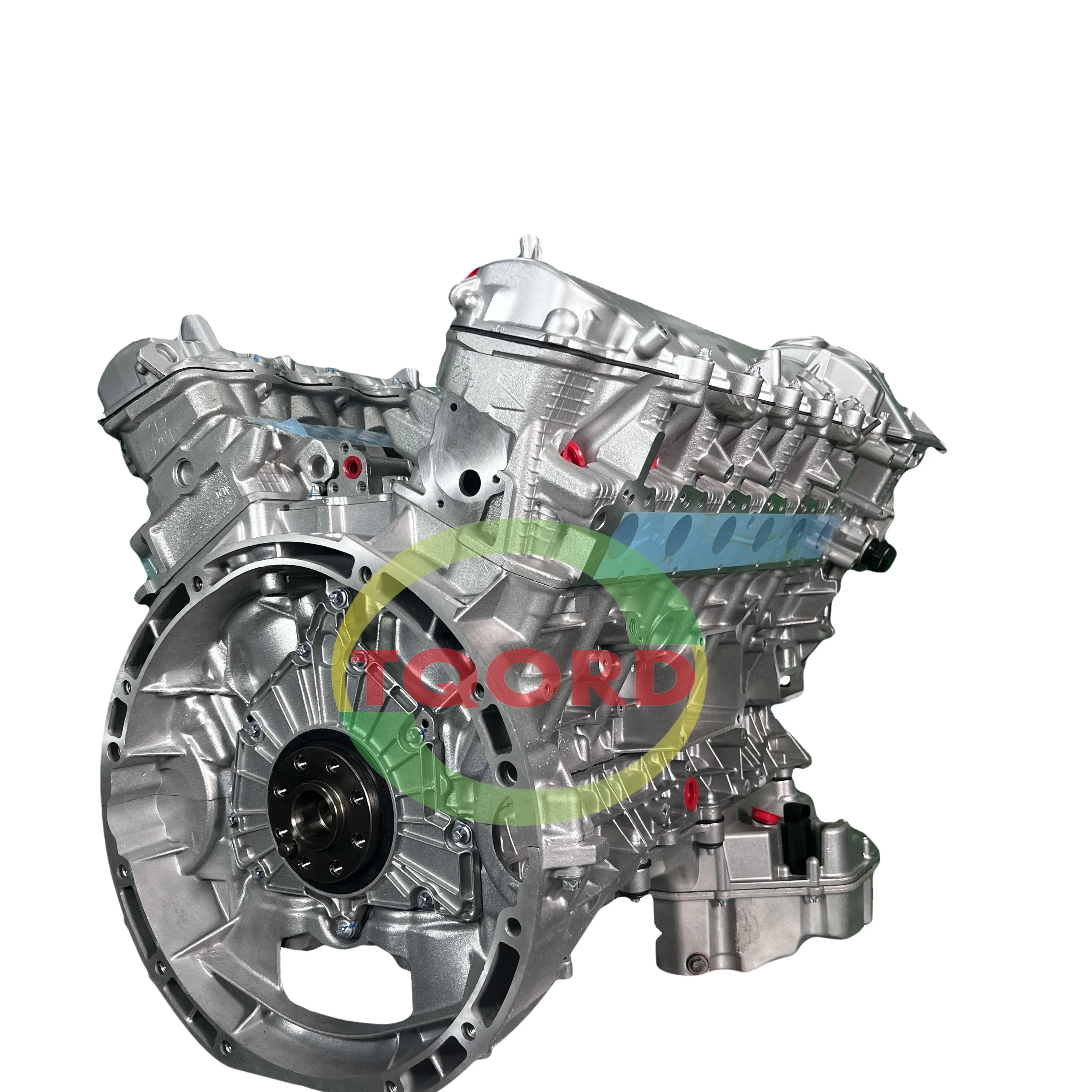
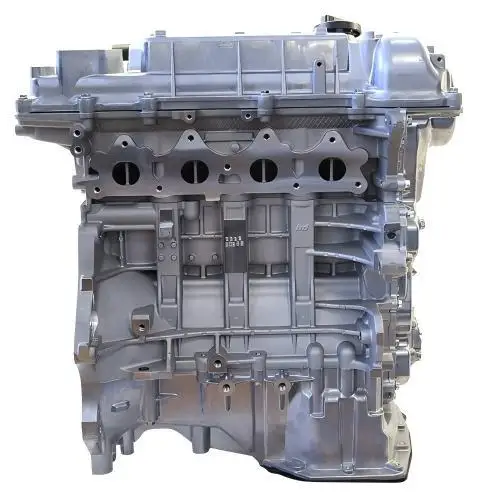
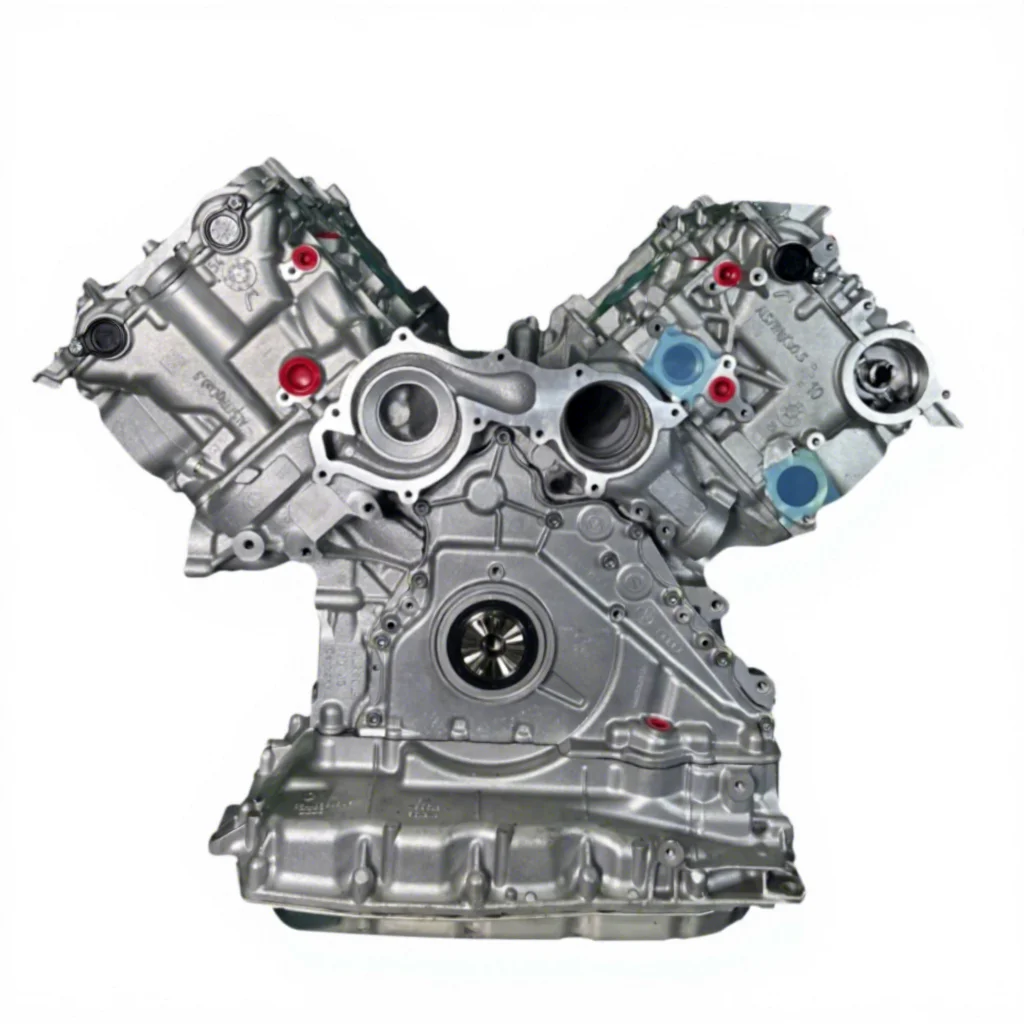
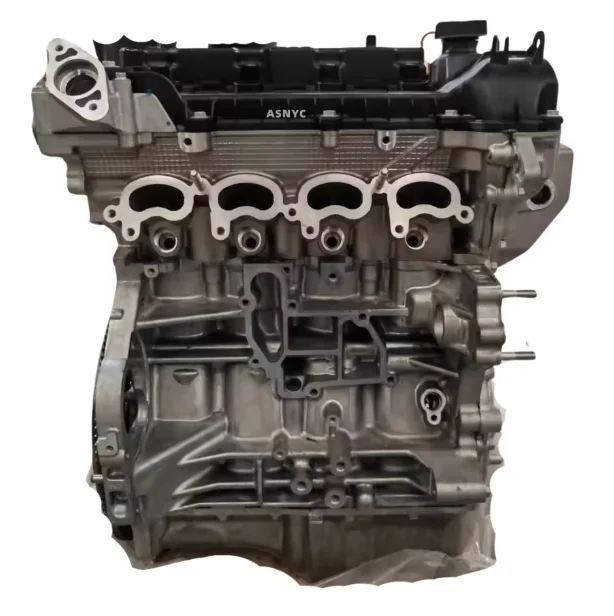
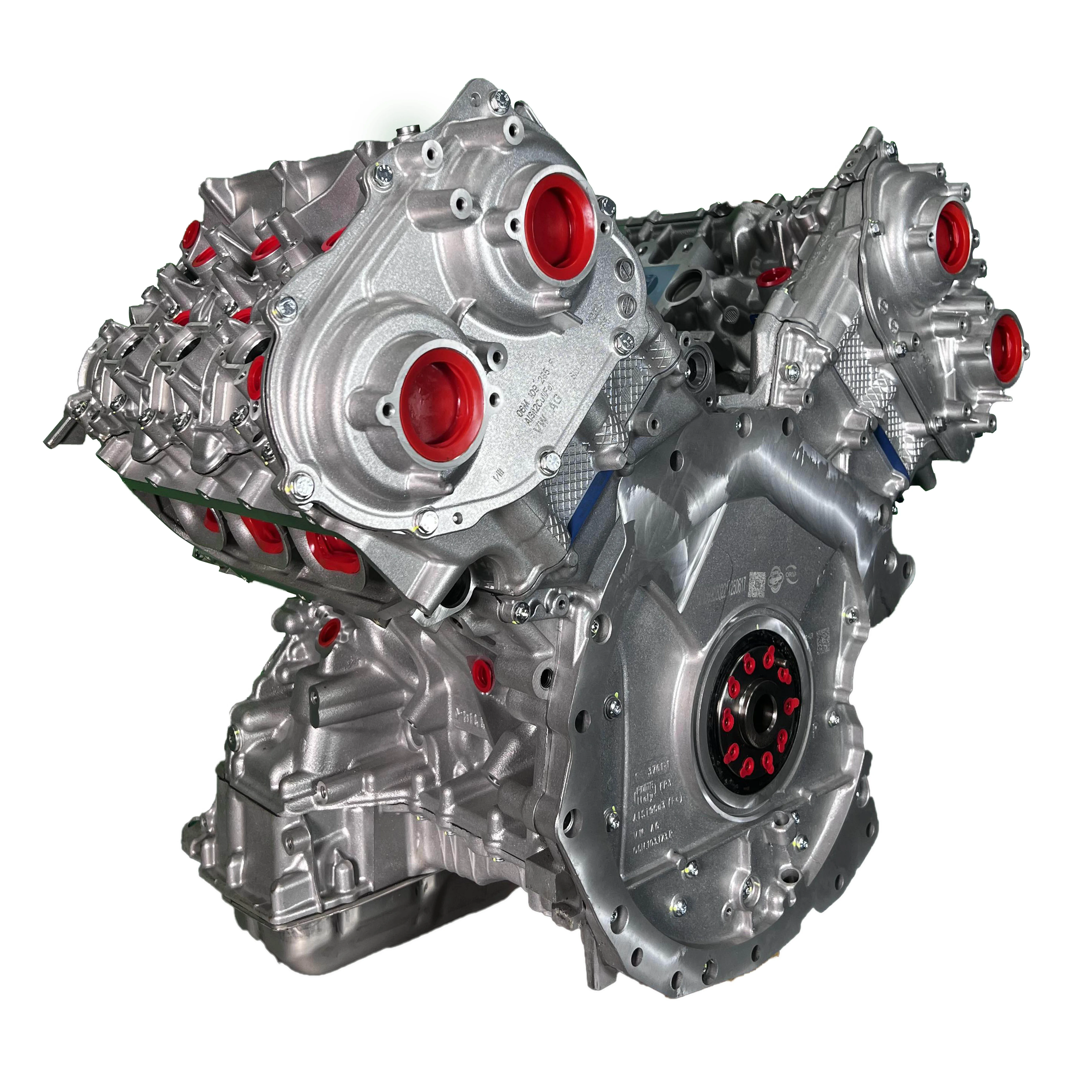
When someone talks about a remanufactured engine, they're referring to an old or broken engine that gets brought back to factory condition through some serious work behind the scenes. The whole thing gets taken apart piece by piece, cleaned thoroughly with special equipment, and every single part gets checked for wear and tear. If anything looks worn out or damaged beyond repair, it gets swapped out for brand new parts or ones that have been machined to exact specifications so everything fits just right. What sets this apart from simple fixes or half-done rebuilds? Real remanufacturing goes all in on those important steps nobody sees but everyone feels - things like getting the cylinders just right, grinding down the crankshaft, and making sure everything balances properly when running. At the end of all this work, what we get is an engine that works exactly like it did when it rolled off the assembly line fresh from Detroit. For Jeep enthusiasts who want their rigs to run strong without breaking the bank, these reman engines offer great value while still delivering all the power and dependability expected from original equipment.
When it comes to engine options, remanufactured units stand out from both rebuilt and used engines in several ways. Used engines hit the market "as is" most of the time, which means buyers get whatever condition they come with - no guarantees about past maintenance or hidden wear that might cause problems down the road. Rebuilt engines take a different approach but still have limitations. Mechanics usually replace just the parts that look obviously damaged, leaving other components in place even if they're starting to show their age. The real difference lies in remanufactured engines. These go through complete overhauls back to original factory specs. Every key part gets either swapped out for new ones or thoroughly restored according to strict quality standards set by manufacturers. What makes this process worthwhile? Better performance consistency across the board, reduced emissions output, and extended lifespan before needing another major repair. For Jeeps that spend a lot of time tackling rough terrain and harsh environments, these advantages make all the difference when reliability matters most.
Quality in remanufacturing is defined by strict compliance with Original Equipment Manufacturer (OEM) standards. The process includes:
Jeep owners can save around 30 to 50 percent when going for a remanufactured engine instead of buying brand new, and still get good quality work. Used engines might look like a bargain at first glance, but there are real risks involved because nobody knows exactly how much wear and tear they've had, plus no warranty comes with them. The remanufacturing process takes care of all those unknowns by completely rebuilding and thoroughly testing each engine. Many come with warranties that last three whole years or cover whatever distance the owner drives. When we factor in both the lower price tag now and the peace of mind later, people end up saving several thousand dollars over time. That makes remanufactured engines pretty much the best bet if someone wants reliable power without breaking the bank.
When it comes to remanufactured engines, they're basically copies of original equipment manufacturer specs but made using strict quality control methods backed by lots of data points. Every single engine gets fresh seals, bearings, and gaskets installed, plus all the inside parts get machined to exact measurements so everything works just right when it comes to compression levels, how well it handles oil, and keeping temperatures under control during operation. Mechanics actually test each engine on a dynamometer before sending them out the door, checking if horsepower numbers look good, making sure there's no rough idling, and confirming emissions stay within legal limits. The industry reports something interesting too - most certified reman engines fail less than 2% of the time, which is pretty much the same reliability as brand new ones straight off the assembly line. And guess what? Many come with warranty coverage that's equal to or even better than what car dealers offer for engines. So whether someone drives around town every day or likes taking their rig off-road occasionally, these rebuilt powerplants deliver solid performance without breaking the bank.
When engines get remade rather than replaced, they help the environment by keeping most of their original parts in circulation. We're talking about saving around 85 to maybe even 90 percent of what was already there. Each time this happens, roughly 500 lbs of stuff that would otherwise be brand new gets reused instead. And let's not forget the energy savings either - something like 80% less than building a completely fresh engine from scratch. What does all this mean? Less scrap metal ending up in landfills, including those heavy-duty materials like cast iron, aluminum, and steel. Plus, carbon dioxide emissions drop significantly too probably somewhere around eight metric tons saved per engine. All these benefits come without any loss in how well the engine actually works, which makes remanufactured engines a smart pick for anyone who drives a Jeep and cares about doing their part for the planet.
Choosing the right remanufacturer boils down to three main things: what certifications they have, how they actually rebuild engines, and their approach to quality checks. Anyone serious about reliability will want to see if they carry ISO 9001 or ASE credentials these days. Those aren't just fancy letters on paper either; they show someone follows proper quality standards. A good rebuild shop takes everything apart completely, swaps out worn parts for brand new OEM spec replacements, and carefully machines those important surfaces back to factory specs. What really matters though is what happens at the end of the line. Top shops run multiple inspections across different points and put engines through their paces on dynamometers simulating actual road conditions. This whole process makes sure the rebuilt motor can hold up over time and deliver power comparable to fresh off the assembly line stuff.
When looking at potential suppliers, their actual performance history matters almost as much as all those technical details they throw around. Take some time to check out independent review sites such as the Better Business Bureau (BBB). Look specifically for recurring themes in what customers say about how responsive they were during warranty issues, how long engines actually lasted, and whether communication was straightforward throughout the process. Experience counts too. Most people tend to trust companies that have been around for more than a decade working exclusively with Jeep models. Bonus points if they're affiliated with groups like the Engine Rebuilders Association. A recent study from the Engine Remanufacturers Council back in 2023 found something interesting: businesses with top ratings at the BBB saw about 73 percent fewer warranty problems compared to others. Makes sense, really. When a company delivers good service, customers are happier and don't end up chasing them down for repairs later on.
The best remanufacturers set themselves apart through rigorous validation. Their processes include:
Be cautious of suppliers that exhibit warning signs such as:
When it comes to engine options, remanufactured models generally offer better warranty coverage compared to rebuilt alternatives. Most manufacturers will back them for anywhere between one to three years, and some of the bigger names in the business actually provide coverage for three whole years without mileage restrictions. On the flip side, rebuilt engines tend to have much shorter protection periods, usually around six to twelve months at best, which makes sense when considering they haven't gone through as thorough a restoration process. The longer warranties attached to reman engines make total sense because these units meet original equipment standards right out of the box. All those parts that normally wear down over time get replaced completely, plus there's proper testing done to ensure everything works properly. Plus, many of these warranties can be transferred if someone sells the vehicle later on, and most companies have service centers located across the country too. This kind of support definitely adds value over time and gives owners something extra to feel confident about.
A well installed and regularly maintained remanufactured engine can easily last beyond 100,000 miles on the road. Fleet managers report that these engines keep delivering steady power output, good fuel economy, and effective heat control even under varied conditions. Just make sure to stick with regular oil changes, invest in decent quality filters, and keep an eye on the cooling system. These engines handle both extreme temperatures and heavy hauling pretty well as long as someone follows the break in process and sticks to what the factory recommends for maintenance intervals. For most drivers out there, properly cared for reman engines work just about as good as brand new ones whether they're used for everyday commuting or rugged off road adventures.
When it comes to remanufactured parts, OEM certified shops give buyers peace of mind because they stick to what the factory says in their specs. These places work with either original parts or ones that are just as good quality, do careful machining work, and put everything together according to standard procedures. The engines get checked out the same way brand new ones would, so there's no problem when installing them into vehicles. What this means for customers is getting something that works just like a fresh engine but costs about half as much. Before spending money on anything though, check if the shop has proper certifications like ASE or if they're directly authorized by the manufacturer themselves.
Established online platforms provide access to a wide selection of remanufactured engines with transparent terms. Prioritize marketplaces that feature:
Local shops definitely have their advantages when it comes to getting work done quickly and having someone actually look at what needs fixing. But many just don't have access to the special tools or deep knowledge required for proper Jeep engine rebuilding. Big name suppliers tell another story altogether. Those with ISO 9001 certification run operations where everything follows strict standards from start to finish. They test parts thoroughly too, something smaller places often skip because time is money. Sure, waiting for parts shipped across country takes longer than picking something up locally, but most Jeep enthusiasts will agree that national rebuilds deliver better results in the long run. When talking about something as important as an engine, spending extra time waiting means avoiding headaches down the road. Smart Jeep owners know good quality pays off eventually both in how well the vehicle runs and what it's worth if they ever decide to sell.
 Hot News
2026-01-09
2025-12-03
2025-10-18
2025-10-15
Copyright © Miracle Oruide (guangzhou) Auto Parts Remanufacturing Co., Ltd. - Privacy Policy

 EN
EN