 ×
×
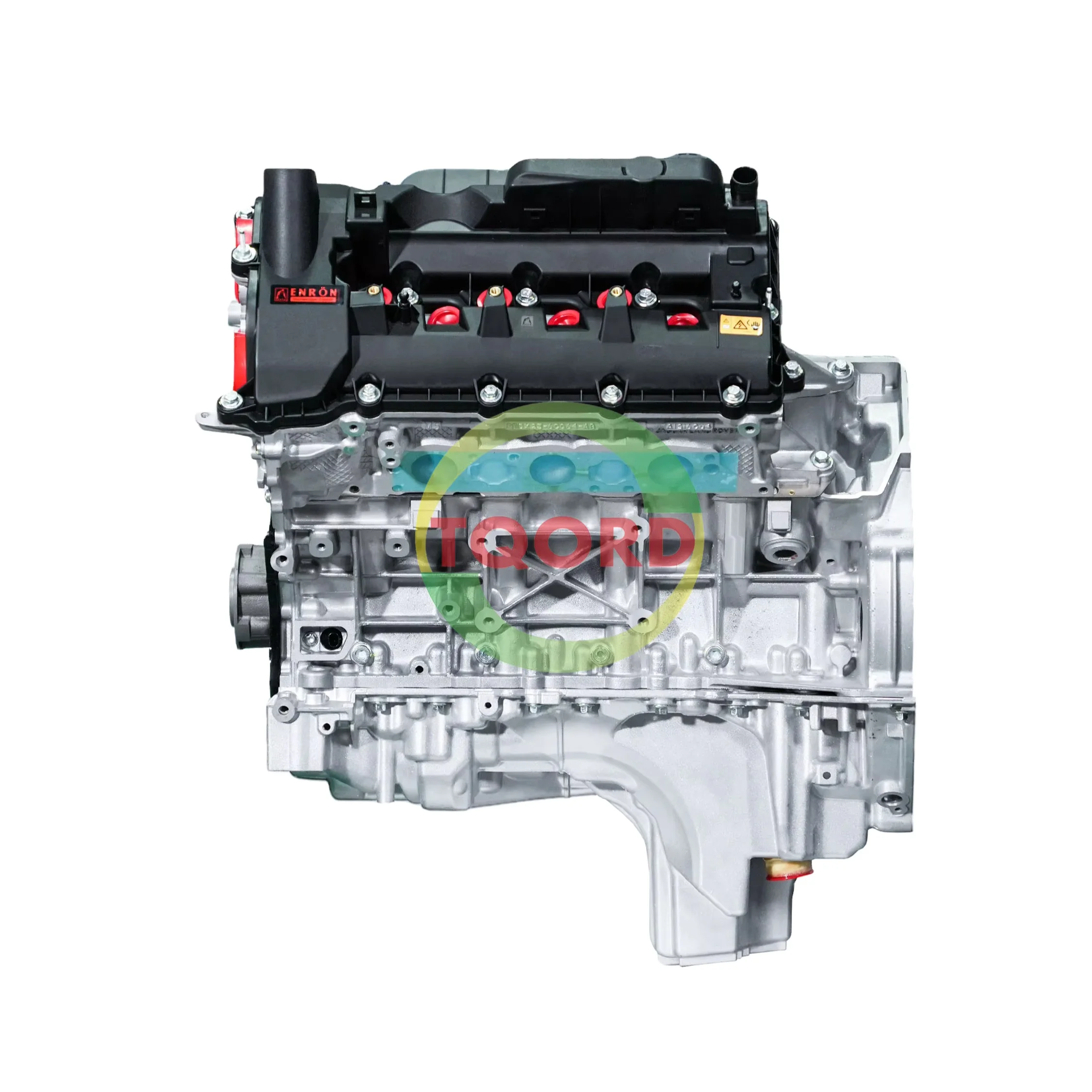
When Land Rover moved from the 300Tdi to the TD5 engine, they were responding to both stricter Euro III emissions rules and customers wanting better performance out of their vehicles. The old 300Tdi was known for being simple and tough, producing around 111 horsepower and 195 pound-feet of torque. But its mechanical injection system just couldn't keep up with what regulators wanted or what drivers needed anymore. The new TD5 brought in electronic direct injection technology which bumped power to approximately 122 hp and 221 lb-ft while reducing particulate emissions by roughly 40 percent. What really made this upgrade work well was the inclusion of an Engine Control Unit that allowed for on-the-fly diagnostics and adjusted fuel delivery as conditions changed. This helped maintain cleaner burning even when driving at different altitudes. Another key improvement came with a redesigned cross-flow cylinder head that boosted thermal efficiency by about 15% during long off-road trips. This fixed a major problem with the older model where engines would often overheat while crawling slowly through rough terrain something mechanics saw time and again in reports from desert adventures.
When tackling rough terrain, what really matters isn't so much raw horsepower as it is how well the engine delivers torque and stands up to punishment. Take the 300Tdi for instance. Its mechanical injection system gives drivers that instant throttle kick they need when crawling over rocks at low RPMs around 2,000. But here's the catch: once elevation gets past 4,500 feet or so, performance drops off pretty sharply because there just isn't enough oxygen in the thin mountain air. That's where the TD5 shines. With its electronic turbo management, this engine maintains about 90% of maximum torque between 1,900 and 4,200 RPM regardless of altitude, something verified during actual expeditions through the Himalayas. Plus, the cleaner burning process means less soot builds up inside the engine, which translates to fewer problems with clogged air filters after crossing muddy streams for hours on end. Sure, the older 300Tdi might be easier to fix out in the field using nothing but basic hand tools, but recent studies from 2023 remanufacturing shops reveal something interesting: TD5 engines tend to have about 30% less cylinder wear when pushed hard. Both models will easily last beyond quarter million miles if maintained properly, but for those planning serious long term adventures, the TD5 simply makes more sense in terms of reliability and longevity.
Understanding these terms prevents costly missteps:
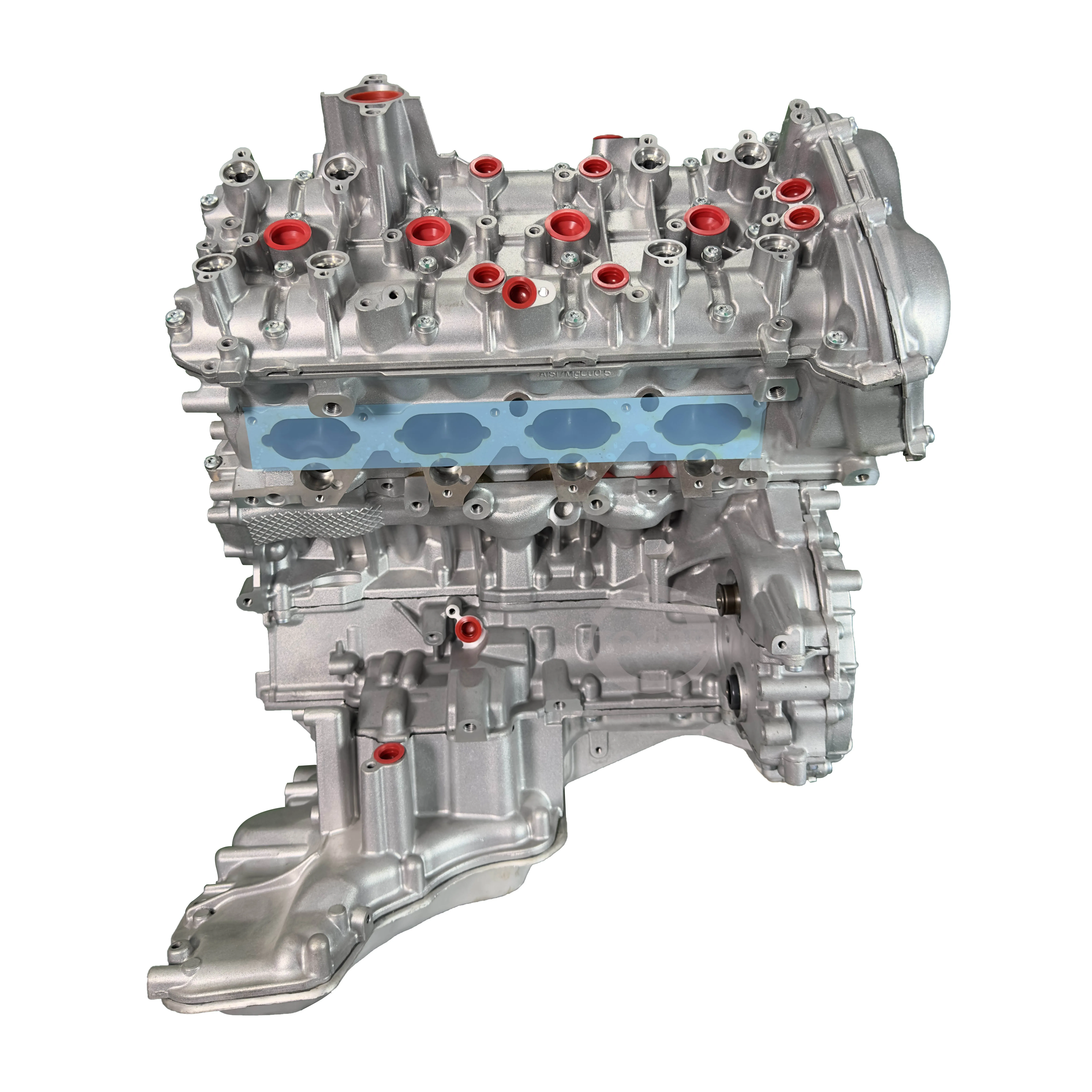
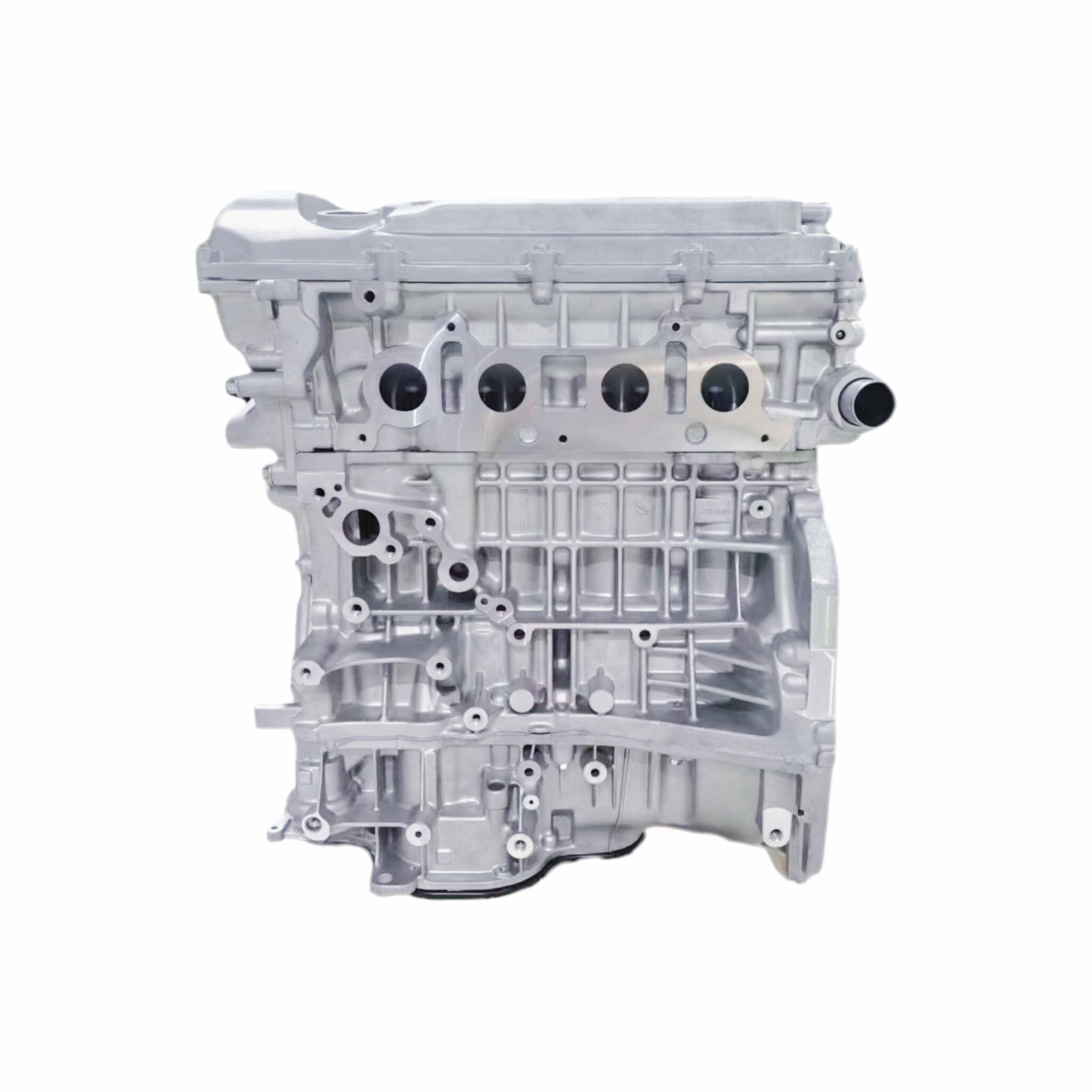
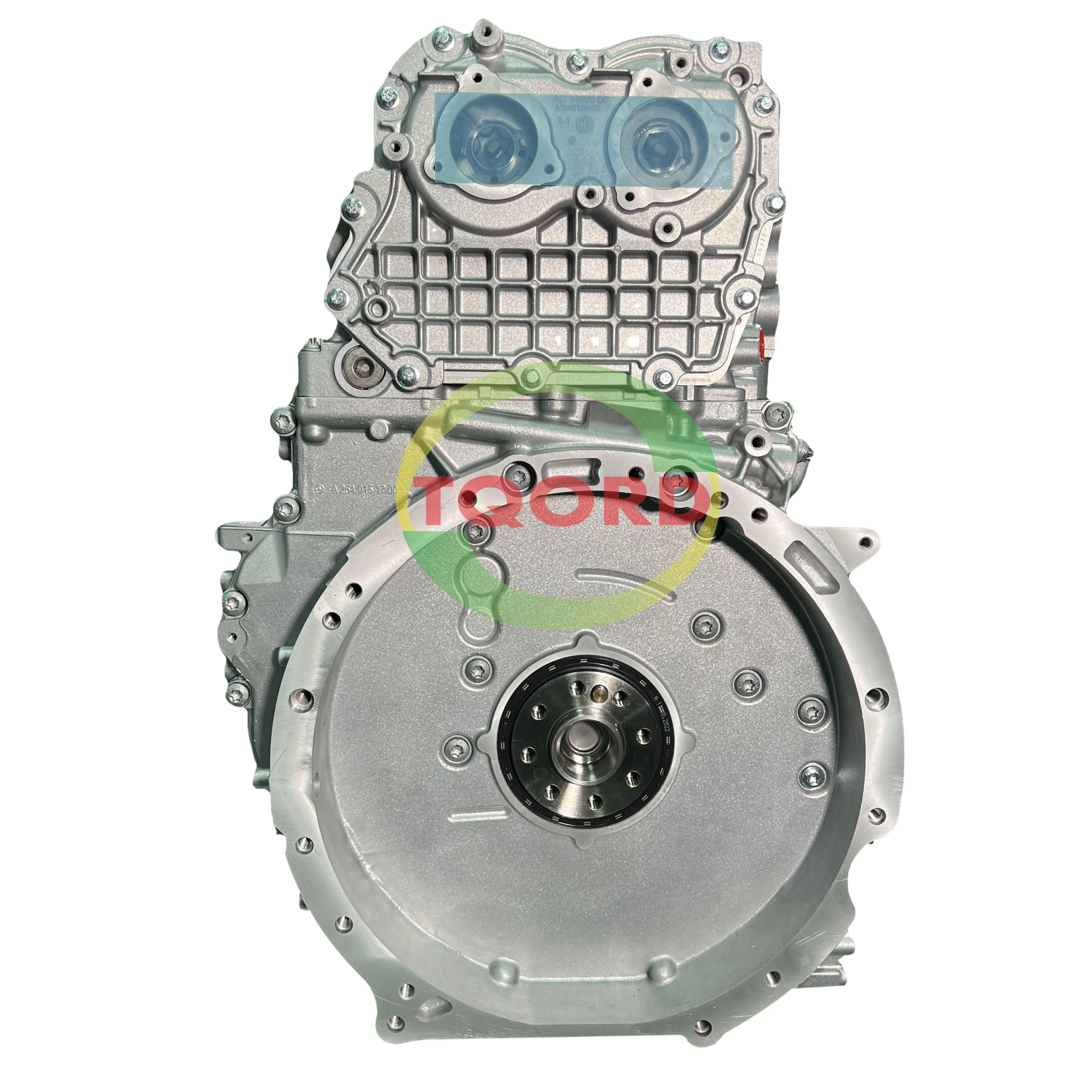
A true remanufacture restores like-new performance: dyno tests confirm 98% parity with factory specifications (SAE Journal, 2023). Rebuilt units average 30% shorter service life due to undetected wear, while refurbished engines lack the structural integrity required for serious off-road use.
Reliability rests on three non-negotiable pillars:
| Standard | Impact on Reliability | Industry Benchmark |
|---|---|---|
| OEM-Spec Components | Prevents premature failure | ISO 9001 certification |
| Dyno Stress Testing | Validates torque/heat resilience | 50+ simulated load cycles |
| Transferable Warranty | Ensures accountability | 24–36 months coverage |
Reputable providers subject engines to dyno testing under desert and mud load profiles—exposing thermal or calibration weaknesses before installation. Warranties under 12 months signal insufficient validation; only those demonstrating thermal resilience at extreme altitudes eliminate 73% of early failures linked to substandard rebuilds (Off-Road Engine Report, 2023).
Why do turbo diesels rule the off-road world? Let's look at what makes them so good for rough terrain. For starters, these engines pack serious low end torque. We're talking about roughly 30 percent more twist than similar gas engines below 2,000 RPM. That means trucks can tackle steep hills and heavy loads without constantly shifting gears. Then there's the turbo technology. Modern variable geometry turbos have pretty much solved the old problem of turbo lag. When drivers need power right now, they get it immediately whether crossing rocky outcrops or plowing through thick mud. And let's not forget about fuel efficiency. Diesel engines convert around 45% of their fuel into actual power, compared to just about 30% for gasoline engines. This matters a lot in remote locations where refueling isn't convenient. The better efficiency also keeps things cooler during those long slow crawls through tough terrain. All these factors together give operators something no other engine type can match when every detail counts.
The TD5 and 300Tdi are true workhorses when it comes to diesel engines standing up to tough conditions. When driving at high altitudes over 3,000 meters, these engines keep performing because they have forced induction systems that bring in enough oxygen. Regular engines would lose around 20% power or more in such thin air. Out in the desert sands, special parts inside these engines fight off wear from all that grit, and their built-in oil cooling systems stop them from overheating even when temperatures hit well over 50 degrees Celsius. Mud is probably the biggest challenge for any engine's breathing system, but thanks to direct injection technology, there's no danger of water getting into the cylinders and causing damage. The 300Tdi handles water crossings better due to its straightforward design, while the TD5 uses its computer brain to adjust fuel flow as road conditions change underfoot. Many owners report getting past 300,000 miles out of these engines during long trips across some of the world's most demanding terrain, provided regular servicing stays on schedule.
Your Defender’s intended role determines optimal engine selection. Expedition rigs demand maximum low-end torque and reinforced cooling. Daily drivers benefit from smoother idle, refined emissions compliance, and highway efficiency. Restoration projects require period-correct configuration and OEM-spec appearance. Prioritize accordingly:
When parts don't match up, it leads to all sorts of problems down the road. Check if the ECU from the rebuilt engine works properly with what's already in the car - wires, sensors, and those dashboard lights and gauges. This becomes really important when moving from the old 300Tdi setup with mechanical fuel injectors to the newer TD5 system that runs electronically. Don't forget to look at how many bolts line up on the transmission housing, make sure the clutch and flywheel fit together right, and trace where the exhaust pipe connects. Good quality rebuild shops actually test these things against specific measurements for each type of vehicle frame, rather than just assuming something will fit generally. They know firsthand how expensive it gets when people skip these checks and end up needing major modifications later on.
When looking for a good provider, don't just focus on what's cheapest. There are other things to consider too. Look for those specialists who actually stick to all the manufacturer specs when taking apart, checking over, and putting back together components. They should also keep records of stress tests done on parts, stuff like running them through dyno validations and thermal cycles. And let's talk about warranties. If someone offers something longer than two years, that usually means they really believe their products will last. This matters a lot especially in off road situations. Think about it: vehicles need to handle different terrains and altitudes without failing. Torque has to stay consistent even when conditions change dramatically. So yeah, finding providers who understand these real world demands makes all the difference in reliability down the road.
Key considerations include:
When looking at who to trust, transparency about how things work really makes the difference between genuine partners and those who might be taking shortcuts. Companies that actually provide proper installation instructions, have their products certified for compatibility, and offer diagnostic support after installation are showing they care about making sure everything works together properly. And let's not forget about warranties either. A good long-term warranty isn't just something companies throw in as extra selling point most of the time. It actually tells us something important about quality standards behind the product. These engines go through pretty intense heat and stress conditions during normal operation, so when a company stands behind their product with solid warranty coverage, that speaks volumes about their confidence in what they're selling.
 Hot News
2026-01-09
2025-12-03
2025-10-18
2025-10-15
Copyright © Miracle Oruide (guangzhou) Auto Parts Remanufacturing Co., Ltd. - Privacy Policy

 EN
EN