 ×
×
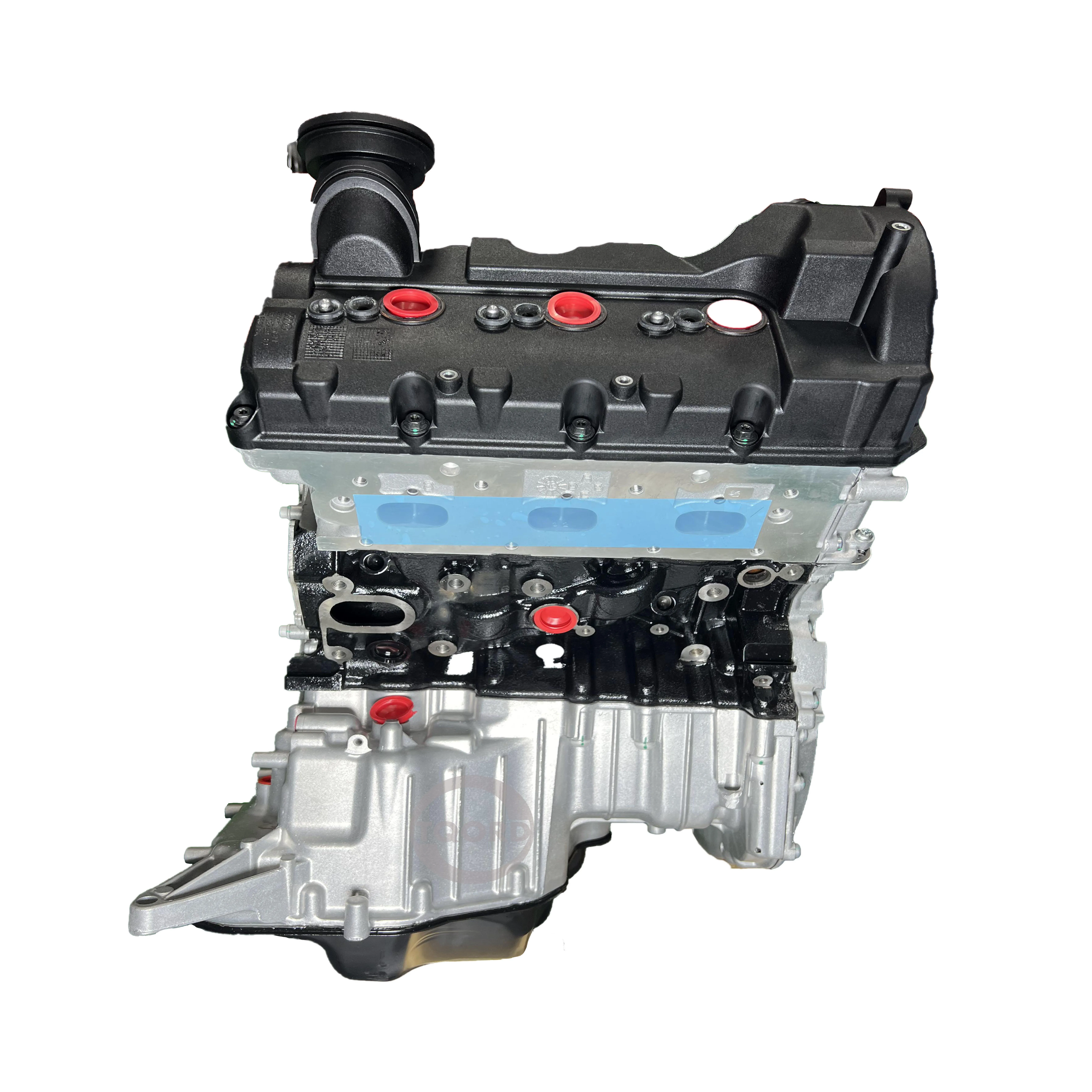
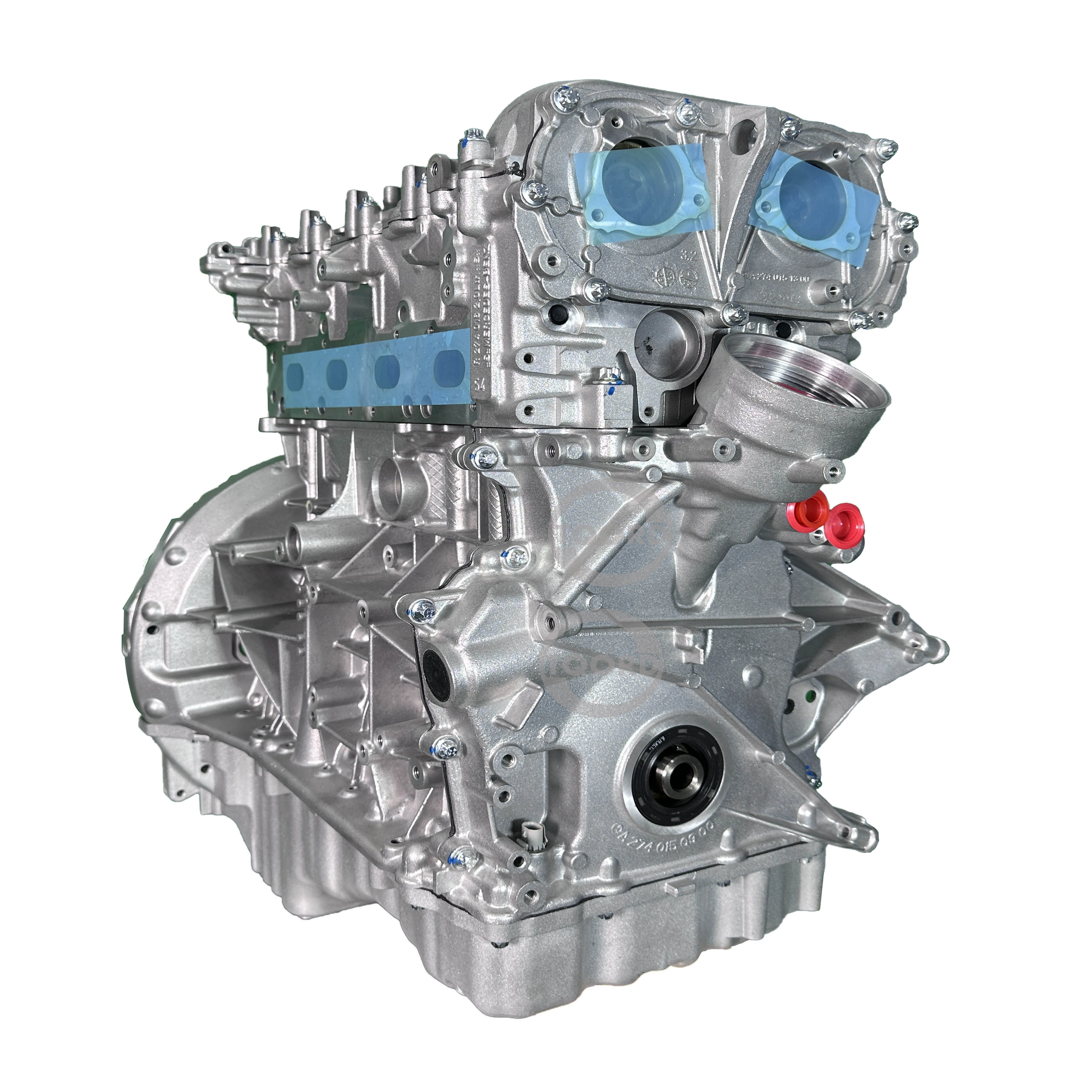
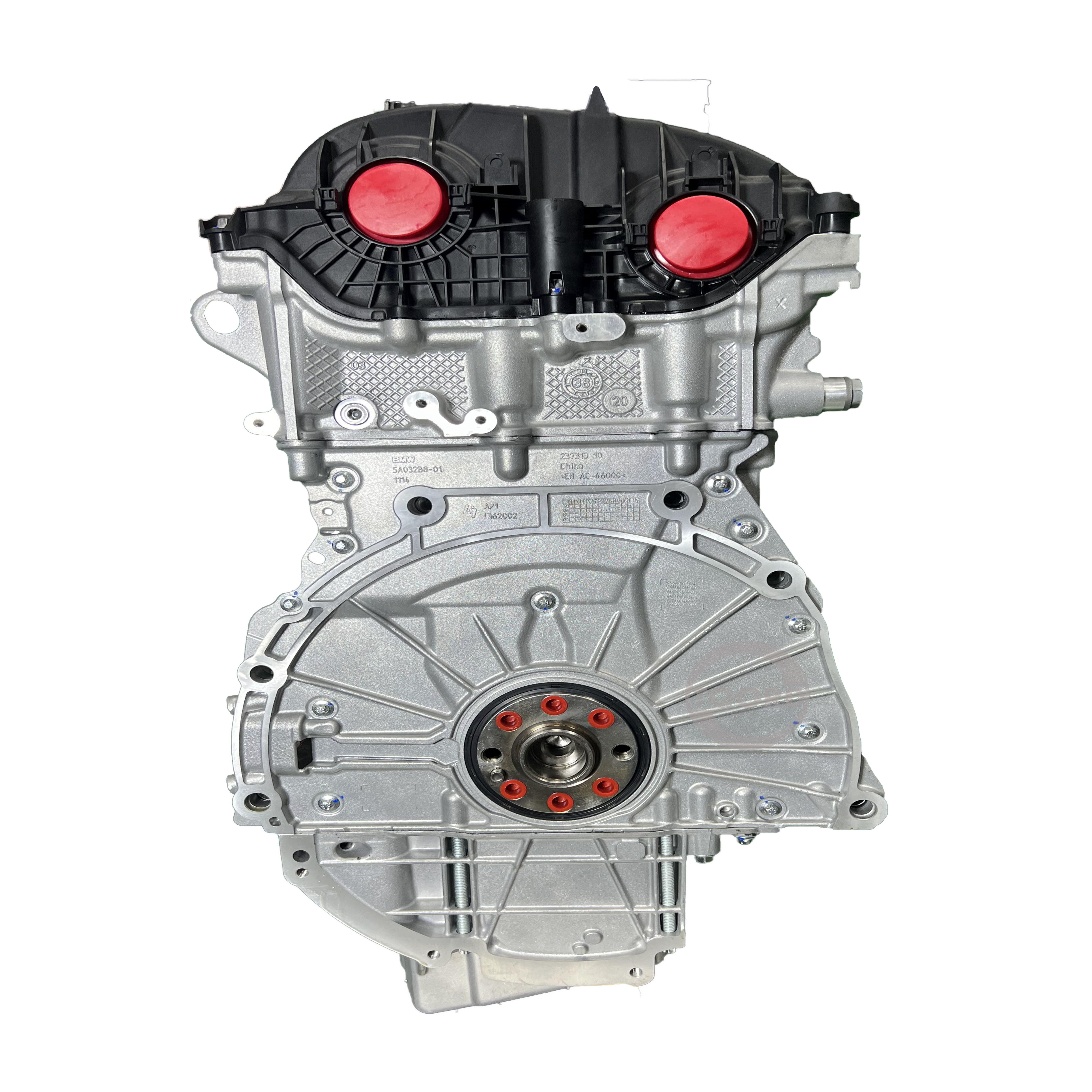
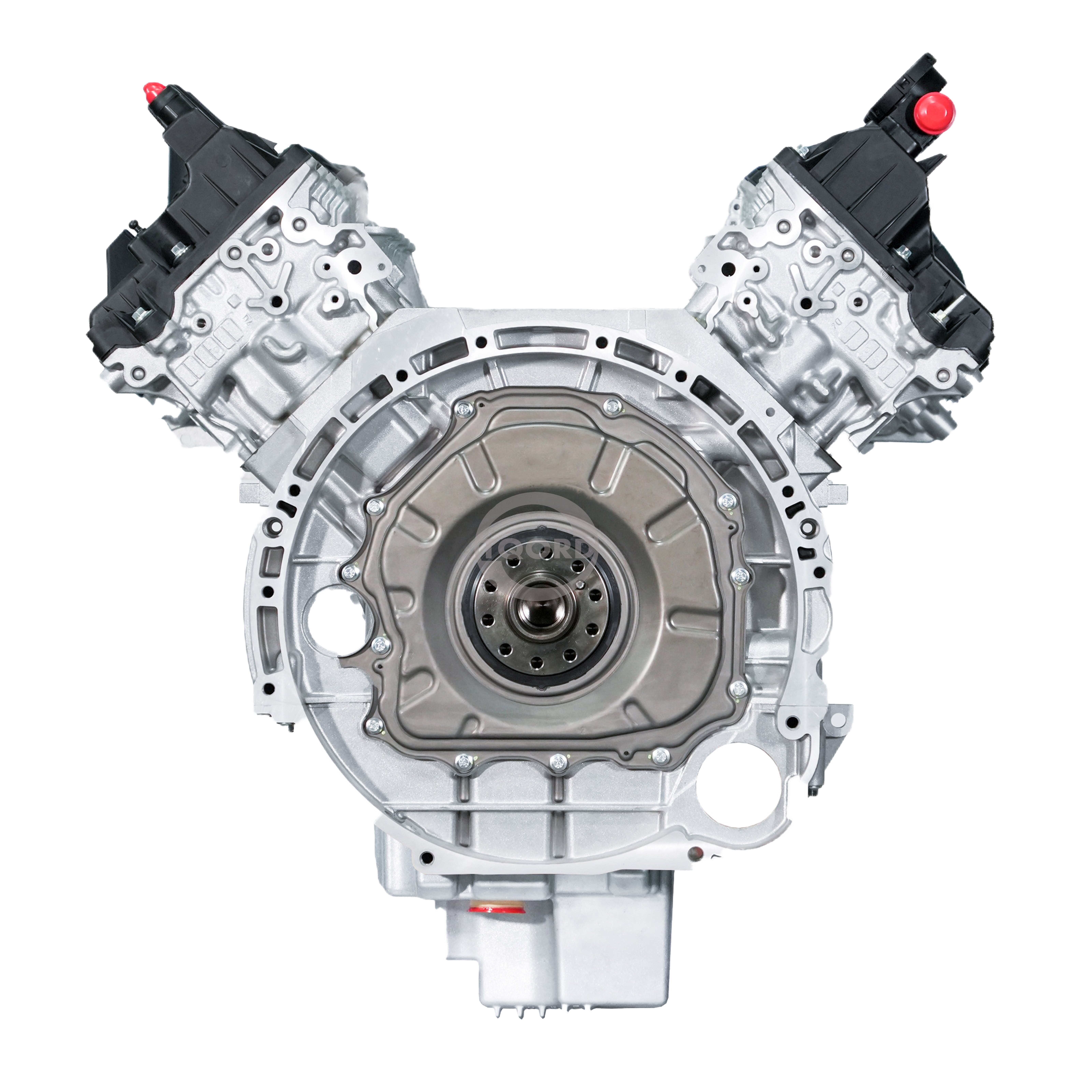
Remanufactured engines achieve top performance through rigorous disassembly, cleaning, and precision rebuilding—far exceeding basic repairs. This methodical process includes:
The result is an engine that meets or exceeds original factory performance benchmarks. Unlike typical repairs—which address only immediate failures while leaving underlying wear intact—remanufacturing eliminates cumulative degradation. Industry data shows this approach delivers up to 30% longer service life compared to repaired units.
Modern remanufacturing incorporates strategic, validated enhancements that improve output without sacrificing reliability. During reassembly, technicians install:
The improvements we see today are really the result of around 15 years worth of work by original equipment manufacturers. Take piston rings for instance modern versions cut down on blow by almost a quarter compared to older models this makes a real difference in engine power output and how well they handle heat. All these changes aren't just theoretical either. Each time someone tweaks the setup, they run it through rigorous tests on dynamometers to check if everything works together properly without sacrificing longevity. What starts as a tired engine block can end up being transformed into something that performs much better while still lasting longer than before.
Properly breaking in a remanufactured engine is non-negotiable for achieving top performance and long-term reliability. Unlike new engines, remanufactured units require specific conditioning to maximize component seating and longevity.
Begin with moderate RPMs (under 3,000) and variable loads during the first 100 miles to promote effective piston ring seating. Gradually increase load over the next 400 miles, avoiding sustained high-speed operation. In the 500–1,000 mile phase, incorporate intermittent higher-load bursts (75–85% throttle) to finalize bearing surface polishing. This progressive approach:
Keep checking that oil pressure stays within factory specs no matter what temperature range the engine is running at. Watch out for sudden changes in coolant temps since they often point to problems with head gaskets or seals somewhere in the system. When accelerating, run vibration analysis equipment to pick up any strange sounds or patterns that might mean something's off balance, misaligned, or a bearing is starting to fail. After installation, write down initial measurements so there's something real to compare against later on. If these signs get ignored, components will wear down faster than normal and both performance and how long things last will suffer as a result.
Once the engine has broken in, the ECU needs some serious tweaking to work properly with the new compression characteristics and wear patterns of the remanufactured engine. Tuners spend hours adjusting things like fuel maps, setting ignition timing just right, and fine tuning how the throttle responds so the engine doesn't get stressed out but still runs efficiently. Getting those sensors working correctly matters a lot too, especially the oxygen sensors and mass airflow system. When these are properly calibrated, they help maintain the right mix of air and fuel even when conditions change. The result? Less stumbling when accelerating and cooler exhaust temps around 12-15% lower than before. All this creates a solid base for dependable power output day after day.
Selective hardware upgrades complement ECU tuning to safely unlock additional performance:
These modifications prioritize thermal management, material integrity, and system balance. When paired with calibrated software, they elevate output by 15–25% while sustaining OEM-grade longevity—essential for genuine top performance.
When manufacturers make claims about remanufactured engines delivering peak performance, they back these up with rigorous testing across three main areas. First comes dynamometer testing, which looks at horsepower output, torque characteristics, and how efficiently the engine burns fuel when put through realistic load scenarios. This basically checks if the rebuilt engine can actually match what it promised on paper. Next up is thermal profiling using infrared cameras during stress tests. Technicians watch for any spots that get hotter than 250 degrees Fahrenheit (around 120 Celsius) because excessive heat can spell trouble for components down the road. Finally, there's endurance testing where engines run for over 500 hours straight while simulating tough conditions such as pulling heavy trailers up mountains or operating in scorching desert environments. During all this time, engineers keep a close eye on things like piston ring wear, bearing condition, and valve train integrity. These comprehensive tests ensure that remanufactured engines don't just look good on paper but will stand up to whatever drivers throw at them in actual service situations.
| Validation Method | Key Metrics Tracked | Performance Impact |
|---|---|---|
| Dynamometer | Torque curves, AFR ratios | Power consistency under load |
| Thermal Profiling | Cylinder head temps, coolant flow | Prevention of overheating failures |
| Endurance Validation | Oil consumption, compression leakage | Long-term reliability verification |
When remanufactured parts come with warranty terms that match what original equipment manufacturers (OEMs) offer - usually around 3 years or 100,000 miles - it shows these products really perform at their best. For a remanufacturer to get certified, they need to prove their stuff works reliably enough, typically showing failure rates below 1% in those important parts first. Insurance companies won't back these warranties unless the engines go through all sorts of tests on dynos, heat checks, and long term running tests to make sure they last just as long as factory made ones. By aligning these warranties, what used to be vague marketing claims becomes something solid that customers can actually count on because insurers have done their math and know the risks involved.
Keeping remanufactured engines running at their best requires moving away from waiting for breakdowns and instead investing in regular maintenance upfront. Modern diagnostic tools such as oil analysis kits and vibration sensors can spot tiny wear issues long before they start affecting engine performance. Most shops recommend checking everything out every 5,000 miles or so, and combining these checks with data from onboard sensors lets mechanics catch problems with parts like piston rings and turbochargers much earlier. Engines without this kind of monitoring tend to lose around 17% of their horsepower over time. Companies that implement these predictive maintenance strategies typically spend about 45% less on repairs throughout the engine's life, and can stretch between services by roughly 30%. The result? Fewer unexpected failures, better fuel economy, and engines that stay ready to perform no matter how many miles get logged on them.
 Hot News
2026-01-09
2025-12-03
2025-10-18
2025-10-15
Copyright © Miracle Oruide (guangzhou) Auto Parts Remanufacturing Co., Ltd. - Privacy Policy

 EN
EN