 ×
×
Fleet managers are dealing with serious money problems and operations grinding to a halt at the same time. The price of new engines keeps going up so much that what used to cover full preventive maintenance programs is now just barely covering parts costs. Meanwhile old engines keep breaking down one after another throughout the fleet. Mechanics spend all their time fixing emergencies instead of doing regular checkups, which leads to really tough working conditions nobody wants. When vehicles sit idle because something breaks unexpectedly, companies lose money left and right from late shipments and getting hit with contract fines they didn't see coming.
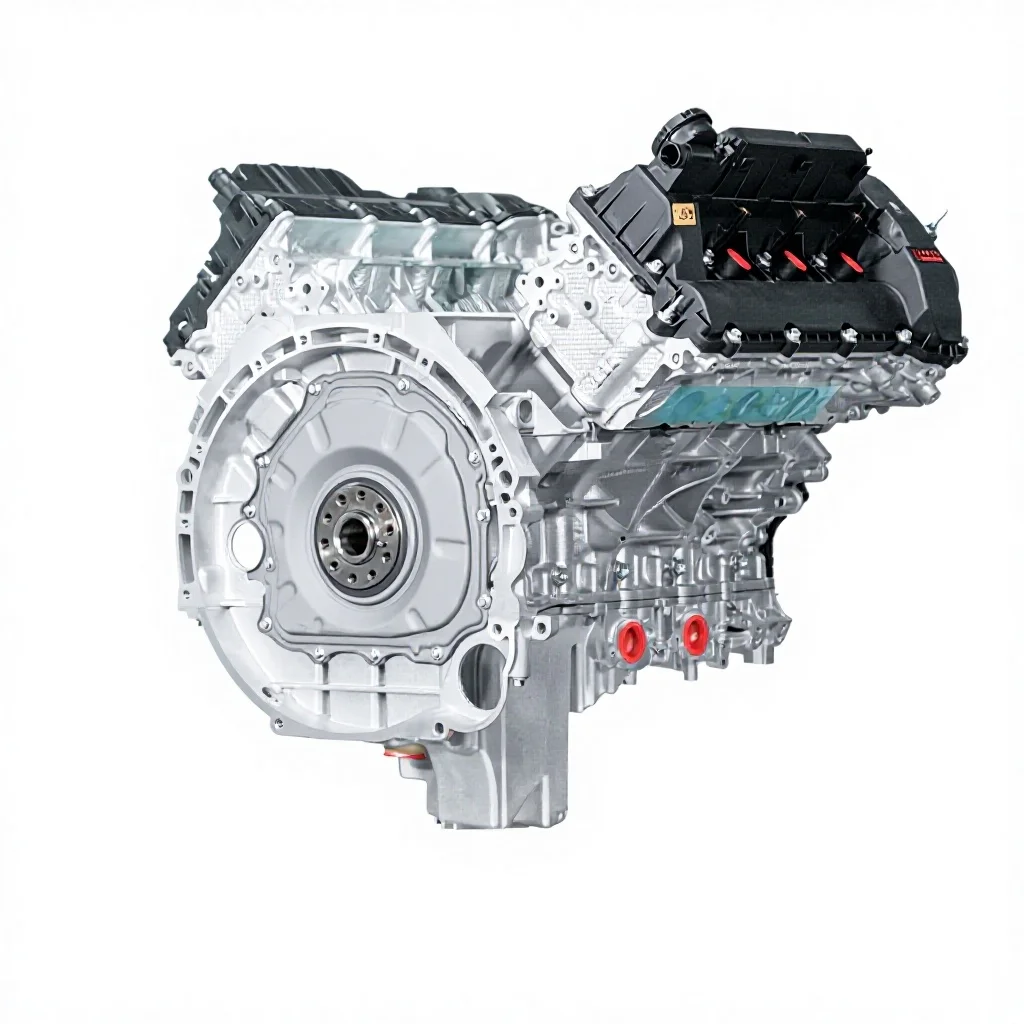
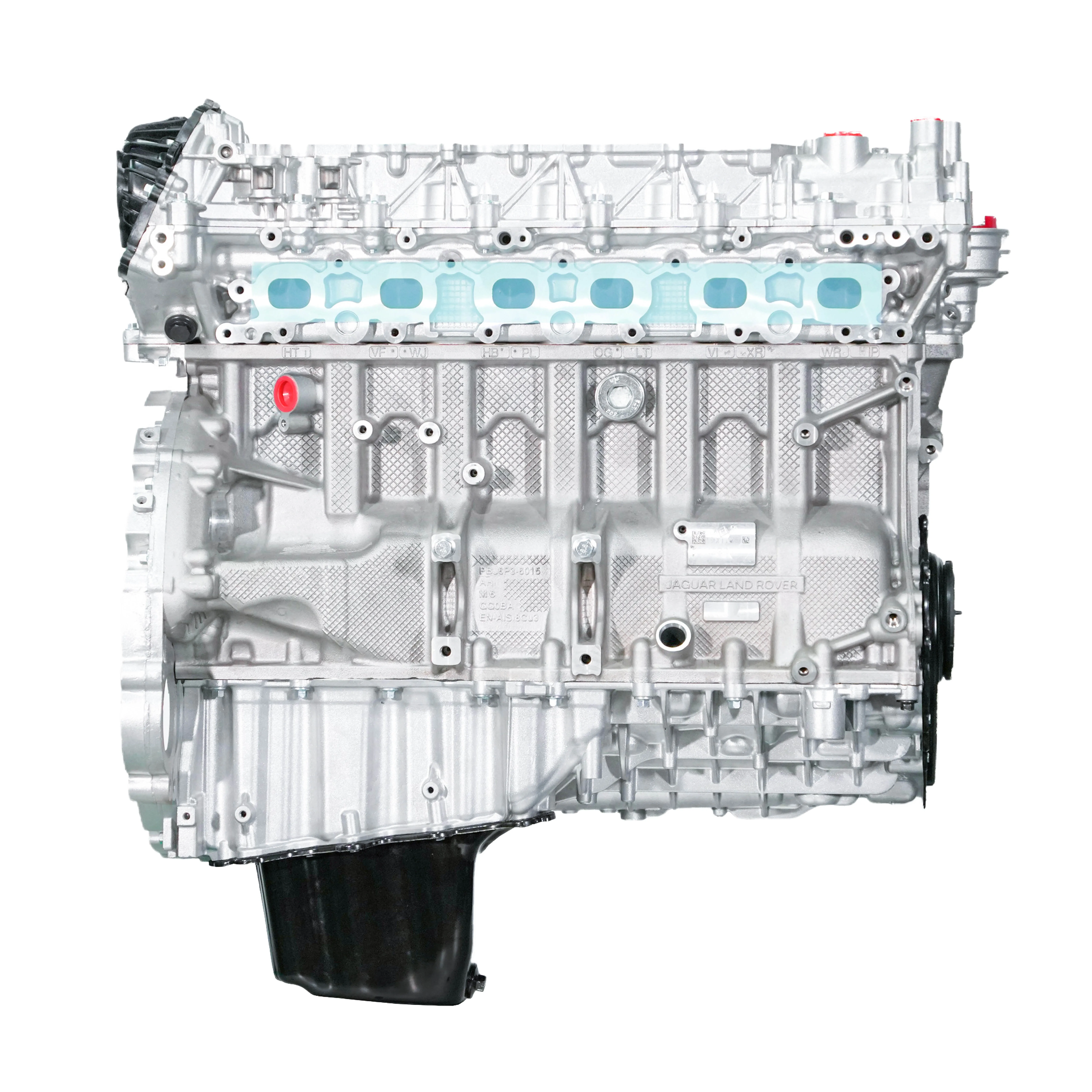
Keeping up with emissions regulations brings extra headaches for fleet operators. Modern engines need specific training just to maintain them properly. When things go wrong with DEF tanks or other critical emission control parts, it often means expensive downtime for whole operations. Many companies try to prepare by stocking up on spare parts, but this just eats away at their budgets. They end up paying top dollar for emergency replacements when breakdowns happen anyway. Given these challenges, remanufactured engines are becoming essential solutions. These rebuilt units offer the same quality as new ones without the steep price tag or weeks of waiting around for repairs.
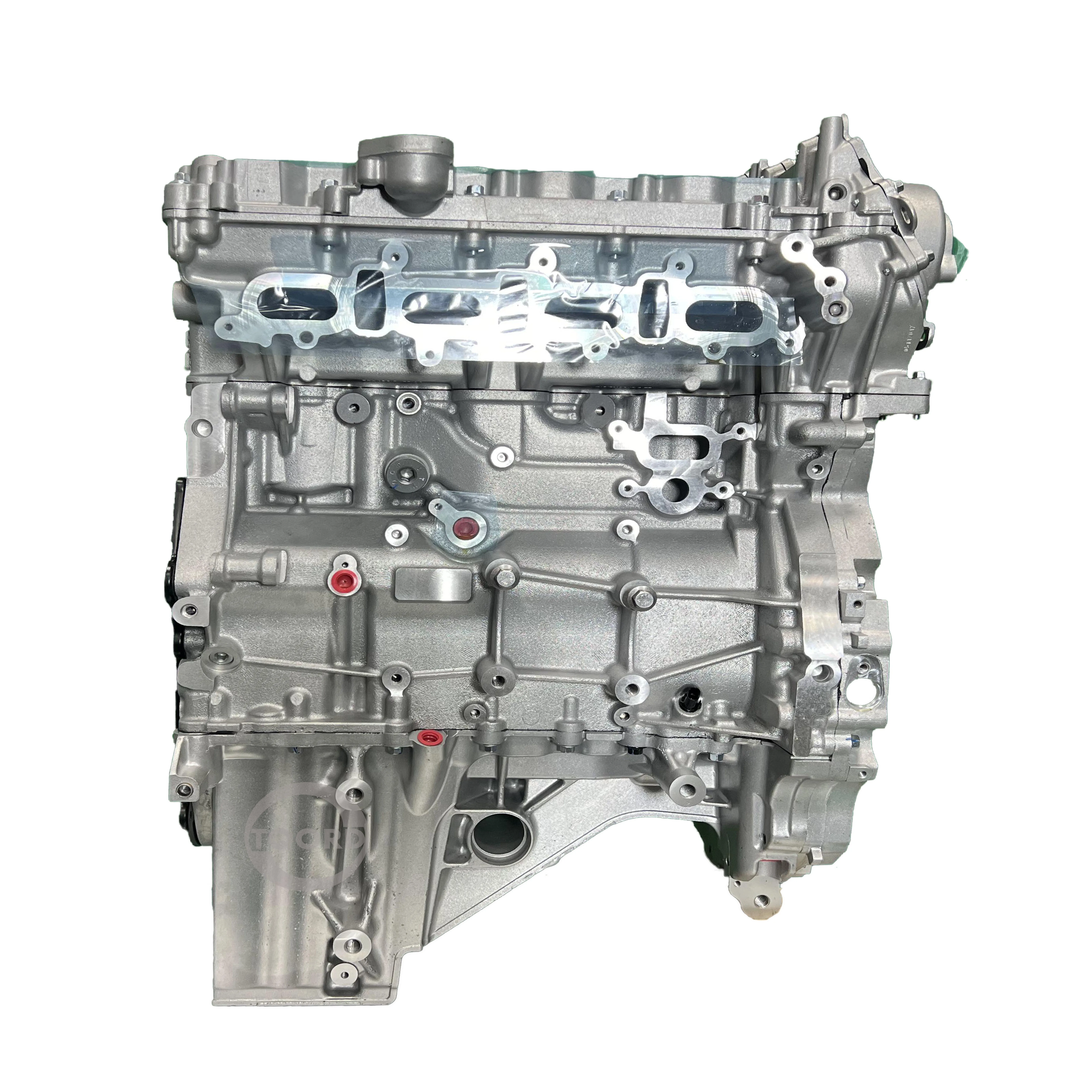
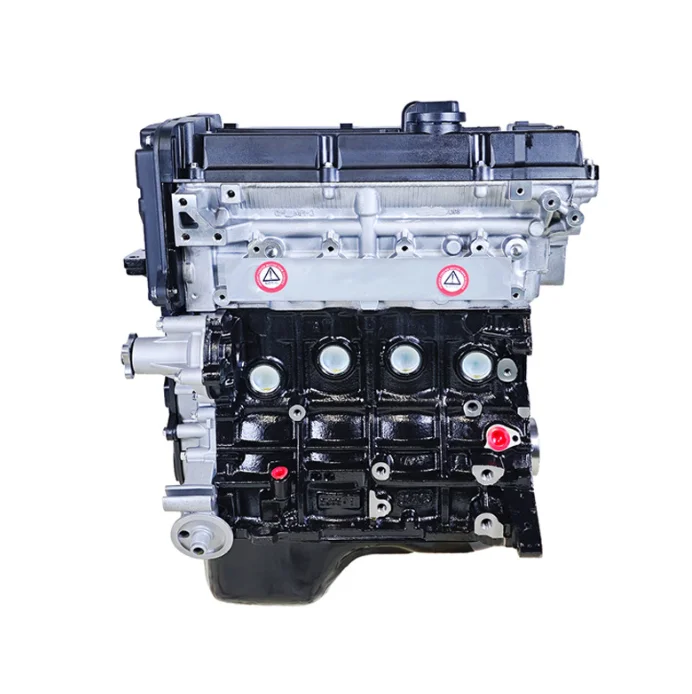

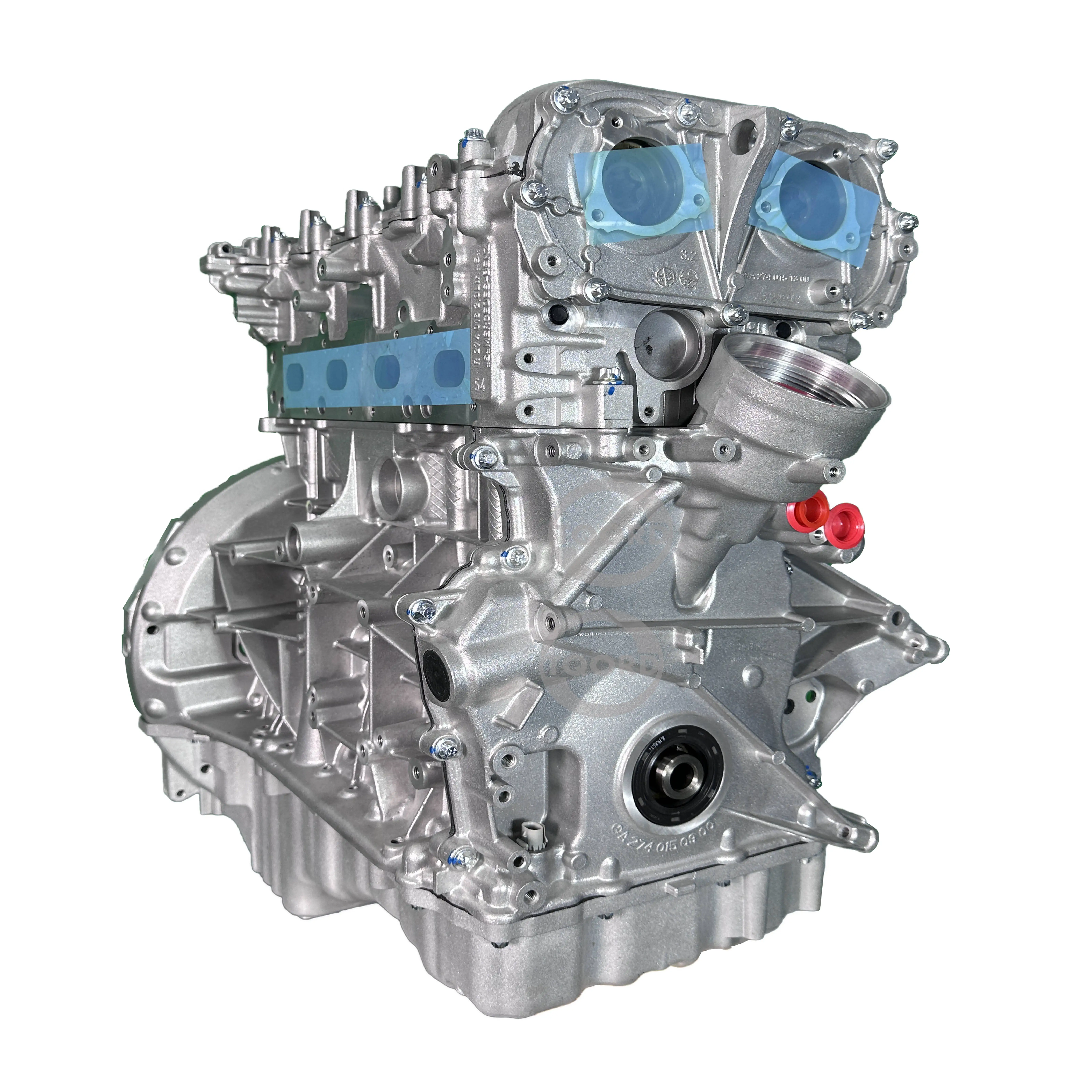
When it comes to engine work, there's a big difference between what gets called remanufactured versus just rebuilt. Reman engines get completely taken apart, machined down, and put back together according to those strict OEM specs. Rebuilt ones often keep using parts that have already seen some wear as long as they're still within certain limits. But with remanufacturing, we're talking about serious precision work here. Things like CNC boring and dynamic balancing become necessary. The numbers tell the story too. Critical engine surfaces need to be within 0.0001 inch accuracy when remanufactured, whereas rebuilt engines can sometimes tolerate up to 0.005 inch variations. That tiny difference matters because it cuts down on the risk of early wear caused by those almost invisible surface flaws.
Reputable facilities validate performance through computerized leak testing and dyno simulations, ensuring output matches that of new engines. This adherence to OEM standards ensures consistency, durability, and long-term efficiency—key advantages over the variable quality of rebuilt alternatives.
Top remanufacturing companies actually give the same kind of warranty coverage as brand new engines these days, usually around 3 years or 150k miles, and they often throw in labor costs too something most rebuilt engines just don't do. Fleet operators really benefit from this because it makes budgeting for maintenance so much easier while also giving them peace of mind when it comes to sudden breakdowns. A recent industry report showed fleets saved about 34 percent on surprise powertrain repairs within just 18 months after switching to reman units with proper warranty coverage.
By delivering the same level of risk mitigation at half the upfront cost, remanufactured engines represent a financially sound alternative without compromising operational security.
Modern remanufacturing leverages advanced techniques that surpass traditional rebuilds. CNC-bore matching restores cylinder dimensions within 0.0005-inch tolerances using computerized machining, eliminating piston slap and oil consumption issues common in manually honed blocks. Dynamic balancing reduces rotating assembly imbalances to under 0.5 grams, cutting vibration-related wear by up to 40%.
Flash-compatible engine control units (ECUs) accept OEM software updates, ensuring seamless integration with diagnostic tools and compliance with evolving emissions protocols. These processes rely on proprietary calibration equipment typically unavailable to independent rebuilders, enabling factory-level precision and long-term reliability.
Remanufactured engines integrate emission system upgrades introduced after original production, including revised exhaust gas recirculation (EGR) passages and modifications for diesel particulate filter (DPF) compatibility. These changes address known failure points in older models while ensuring compliance with current EPA and CARB standards.
Before modification, core blocks undergo metallurgical analysis to verify structural integrity. Strategic material enhancements in high-stress areas extend service life by 30% compared to unmodified rebuilds. This proactive design evolution future-proofs fleets against regulatory changes and improves long-term uptime.
Fleet managers saw real money saved when they switched to remanufactured engines, cutting overall expenses across their entire operation by around $189,000 which represents nearly half the usual total cost of ownership. The main reason for these savings? Reman engines typically cost between thirty to fifty percent less than brand new ones right out of the box. Plus, most come with solid warranties that protect against unexpected breakdowns and repair bills down the road. When companies keep this cash on hand instead of spending it all upfront, they have more flexibility to put money back into regular maintenance routines and invest in better training for their mechanics, making the whole operation run smoother over time.
This efficiency gain reclaimed 320 operational days annually across a 150-van fleet, directly boosting delivery capacity and service reliability without adding vehicles or personnel.
Post-installation telematics confirmed a sustained 2.4% improvement in fuel economy. Precision-machined components restored optimal compression and combustion efficiency, translating to $18,000 in annual fuel savings at 80,000 miles per van. Over the engine’s lifecycle, these incremental gains compound into significant cost avoidance and reduced carbon output.
The numbers speak for themselves when it comes to remanufactured powertrains. When done right, these rebuilt components perform just as well as brand new ones straight off the assembly line. Manufacturers run them through all sorts of tough tests aligned with original equipment standards to make sure they can handle whatever comes their way. Independent research shows that after about 150 thousand miles, remanufactured engines fail at roughly the same rate as fresh ones - around 1.2%. And here's what really matters for businesses running fleets: these reman parts come with warranties that match what's offered on new stock. That means companies don't have to worry about unexpected breakdowns costing them money anymore since the manufacturer takes on most of the risk instead.
Long-term telematics from commercial fleets show 89% of remanufactured powertrains exceed seven years of service in vocational applications, underscoring their role as strategic assets rather than stopgap fixes. As transparency around reliability metrics and warranty coverage increases, fleet managers report 68% higher confidence in specifying remanufactured solutions than five years ago.
This growing trust reflects industry-wide standardization in core inspection, rejection of substandard materials, and adoption of OEM-calibrated testing—transforming remanufactured engines from contingency repairs into smart, sustainable capital investments.
 Hot News
2026-01-09
2025-12-03
2025-10-18
2025-10-15
Copyright © Miracle Oruide (guangzhou) Auto Parts Remanufacturing Co., Ltd. - Privacy Policy

 EN
EN