
 EN
EN



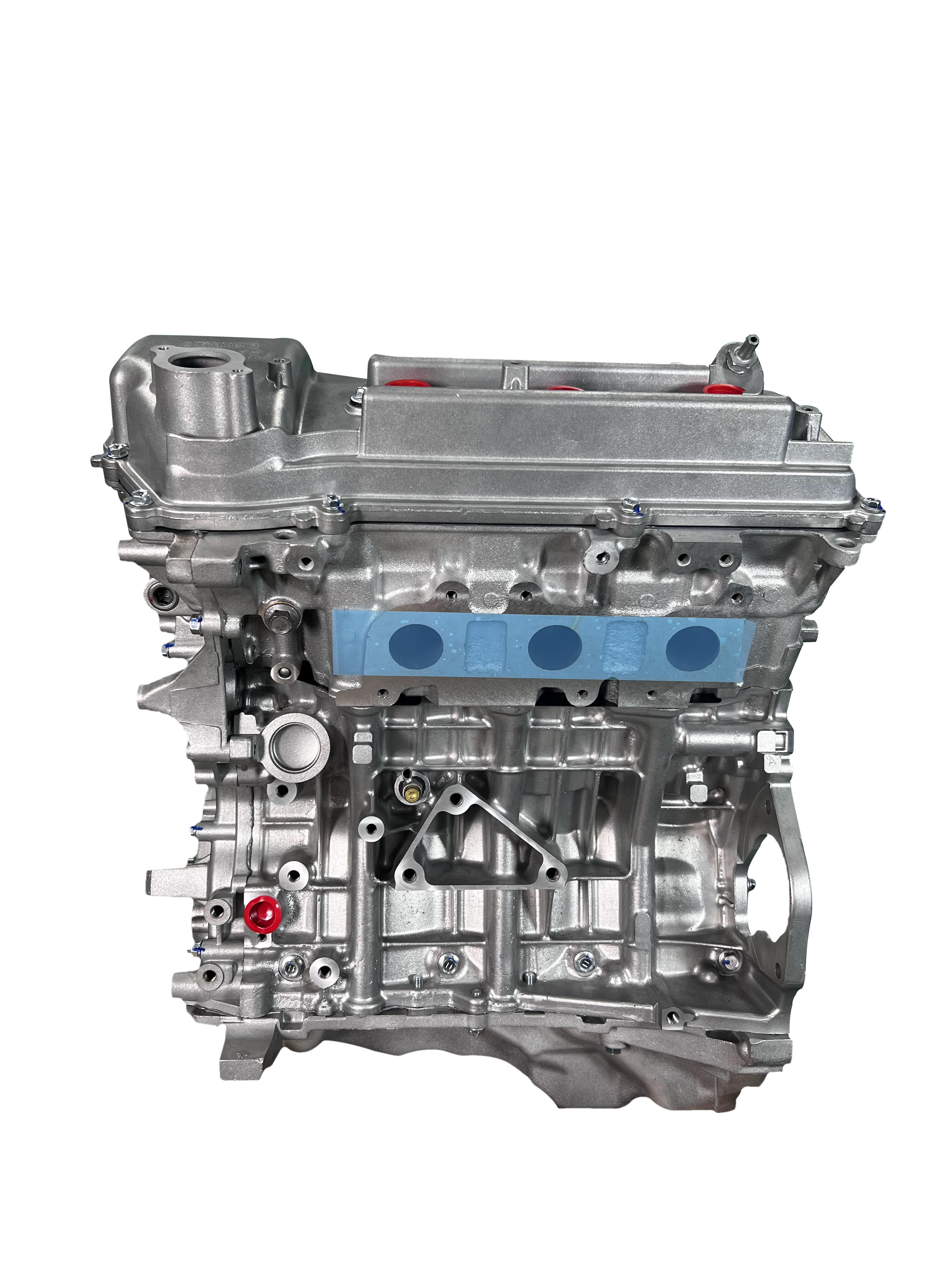
Upfront Cost Analysis: Remanufactured vs New Audi A6L Engine Units
OEM List Price vs. Certified Remanufactured Unit Pricing (B5/B8/B9)
New OEM engines for Audi A6L models (B5/B8/B9 generations) carry list prices ranging from $4,000 to $8,000, varying by model year, drivetrain configuration, and regional pricing. Certified remanufactured units deliver identical functionality at 30–50% lower cost, typically $2,200 to $4,500. These savings stem from reusing structurally sound original engine blocks and cylinder heads and replacing only wear-prone components—while preserving factory calibration and software integrity. According to the 2024 Powertrain Benchmark Report, certified remanufactured units achieve failure rates under 2%, meeting OEM reliability benchmarks without the premium price. For fleet operators and repair facilities, this upfront cost reduction directly improves profit margins and enables competitive pricing for end customers.
Labor Cost Savings from Shorter Installation Time and Warranty Coverage
Remanufactured engines reduce labor expenses significantly through plug-and-play compatibility: installation time drops 25–40% versus new units, averaging 5–7 hours on an A6L. Unlike most OEM warranties—which exclude labor after the first year—certified remanufactured providers offer comprehensive 3-year/36,000-mile coverage that includes both parts and labor. This eliminates post-installation reprogramming, ECU recalibration, and gasket seal fitment troubleshooting common with new units. At typical shop rates of $150/hour, these efficiencies cut total upfront costs by $800–$1,200 compared to new replacements, making remanufactured engines the most cost-effective solution for high-volume repair operations.
Long-Term Value of Remanufactured Engines for Audi A6L
5-Year Total Cost of Ownership: Depreciation, Reliability, and Resale Impact
Remanufactured transmissions strengthen long-term value across three interlocking dimensions for B2B stakeholders:
- Depreciation Mitigation: With 40–60% lower initial investment than new OEM units, remanufactured replacements reduce immediate depreciation impact—especially critical for vehicles no longer under factory warranty. This preserves capital for fleet expansion and other operational needs.
- Proven Reliability: Bench-validated remanufacturing ensures 95–98% performance equivalence to new units. When maintained per Audi’s service schedule, properly rebuilt engines reliably last 100,000–200,000 miles—matching OEM longevity. This reduces unplanned downtime and repeat repair costs for fleet operators.
- Resale Value Preservation: Vehicles with documented, certified remanufactured engines retain 5–7% higher resale value than those fitted with used or uncertified replacements. Commercial buyers prioritize traceable reliability over opaque service history, making remanufactured units a smart investment for resale-focused operations.
Factoring in standard 3-year/100,000-mile warranties, elimination of secondary failure risks from worn ancillary components, and avoidance of steep new-unit depreciation curves, businesses realize 30–50% lower 5-year total cost of ownership versus new engines—making remanufacturing both economically prudent and environmentally responsible.
Quality Assurance and Performance Validation of Remanufactured Units
Factory-Equivalent Testing Protocols and Bench-Validated Failure Rates (2022–2024)
Certified remanufactured Audi A6L engines undergo validation protocols aligned with OEM engineering standards—including identical dynamometer stress cycles, thermal soak testing, and full electronic diagnostics. Recent 2023 bench data shows failure rates below 0.8% for B9-platform units—outperforming many new aftermarket alternatives. Each remanufactured unit completes 72+ simulated drive cycles to verify combustion efficiency, torque delivery consistency, and thermal resilience before certification, ensuring compliance with Audi’s original design tolerances and eliminating premature wear risks. All remanufactured components are sourced from ISO 9001-certified suppliers, guaranteeing consistent quality across production batches.
ECU Calibration, Engine Control System Integration, and Platform-Specific Remanufacturing Standards
Successful integration demands precise, platform-specific ECU recalibration using Audi-certified diagnostic tools. Technicians reprogram adaptive fuel and ignition maps and injection timing profiles to factory baselines—accounting for key differences between B5, B8, and B9 architectures. Critical Technical Service Bulletin updates—including revised cylinder head and valvetrain designs and fuel injector and ignition coil kits—are incorporated during final remanufacturing assembly. Engine control modules and sensor assemblies receive new seals, sensors, and friction materials validated against VAG Group tolerances (±0.003 mm), guaranteeing seamless communication with Quattro drivetrain systems and maintaining factory-rated performance and response.
When to Choose Remanufactured Over New: Audi A6L Use-Case Guidance
Remanufactured engine units deliver optimal value for most B2B Audi A6L stakeholders—particularly fleet operators with vehicles beyond factory warranty (typically 5+ years old) and independent repair facilities serving high-mileage customers. They offer near-new performance at 40–60% lower cost than OEM replacements, backed by 2–3 year warranties matching new-part coverage while avoiding new-component depreciation. Businesses planning mid-term ownership (3–7 years) gain the strongest ROI, and high-mileage A6L models (100,000+ miles) especially benefit—since investing in a new engine rarely improves resale value or justifies the cost differential. Environmentally conscious organizations also benefit: remanufacturing reuses 85% of original components per ISO 14001-aligned sustainable manufacturing standards, supporting corporate ESG goals. Reserve new OEM units only for brand-new vehicles still under full factory warranty—or concourse-level restorations where originality is non-negotiable.
Ready to Optimize Powertrain Costs with Certified Remanufactured Solutions?
Certified remanufactured engines are the cornerstone of cost-effective, reliable Audi A6L fleet and repair operations—no other solution delivers the same combination of 30–50% upfront savings, OEM-matching performance, and comprehensive warranty coverage. By choosing remanufactured components, you reduce total cost of ownership, minimize unplanned downtime, and align with sustainable manufacturing practices.
For ISO 9001-certified remanufactured Audi A6L engines tailored to B2B fleet and repair needs, or to establish an OEM partnership for bulk supply (as offered by Oruide), partner with a provider rooted in 15+ years of powertrain expertise. Oruide’s global supply chain, platform-specific remanufacturing standards, and dedicated B2B support ensure consistent quality and on-time delivery for your operations. Contact us today for a no-obligation bulk quote or custom OEM collaboration consultation to unlock maximum value from your engine procurement strategy.
Frequently Asked Questions
What is the cost difference between remanufactured and new Audi A6L engines?
Remanufactured engines typically cost 30–50% less than new OEM units, with prices ranging from $2,200 to $4,500 compared to $4,000 to $8,000 for new ones.
Do remanufactured units provide the same reliability as new units?
Certified remanufactured units meet or exceed OEM reliability benchmarks, with failure rates under 2%—comparable to new engines.
How does the installation time for remanufactured engines compare to new ones?
Remanufactured engines offer plug-and-play compatibility, reducing installation time by 25–40% compared to new units.
Are remanufactured engines environmentally friendly?
Yes, remanufactured units reuse 85% of original components and adhere to ISO 14001 sustainability standards, making them an eco-friendly choice.
Who should consider remanufactured engines?
Owners of Audi A6L models beyond factory warranty, especially those with high-mileage vehicles or those seeking cost-efficient and reliable replacements, should consider remanufactured engines.