
 EN
EN


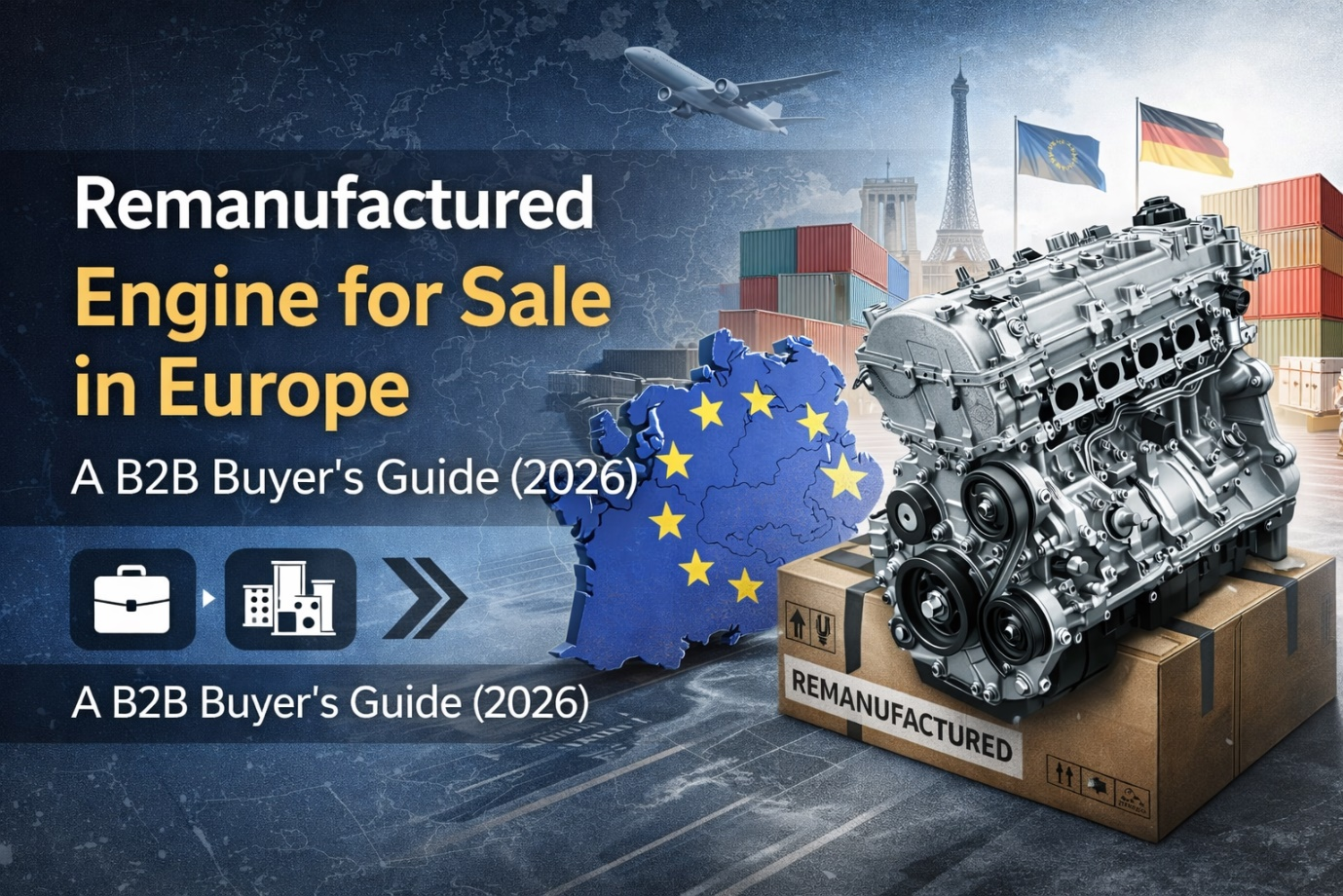
The demand for remanufactured engines in Europe has grown rapidly over the past decade. Driven by environmental regulations, high labor costs, and the need to extend vehicle life cycles, remanufactured engines have become a practical and widely accepted solution.
However, for buyers, especially distributors, workshops, and fleet operators—finding the right supplier is not always straightforward. The European market operates differently from other regions, and understanding these differences is critical when sourcing engines at scale.
This guide explains how the European market works, how it differs from other regions, and what B2B buyers should consider before placing an order.
Why Remanufactured Engines Are Popular in Europe
Europe has one of the most mature remanufacturing markets in the world.
There are three main drivers:
1. Strict environmental regulations
Policies such as circular economy initiatives encourage reuse and remanufacturing rather than replacement with new products.
2. High labor costs
Engine rebuilding within Europe is expensive. Labor-intensive processes make local remanufacturing less cost competitive.
3. Aging vehicle fleet
Many vehicles remain in use for longer periods, especially in Southern and Eastern Europe, increasing demand for engine replacement solutions.
As a result, remanufactured engines are not just an alternative—they are often the preferred option.
Europe vs Other Markets: Key Differences
Understanding how Europe differs from other regions is essential for suppliers and buyers.
1. Higher Quality Expectations
European buyers typically expect:
- OEM-level machining
- Full testing and documentation
- Consistent quality across batches
Compared to some emerging markets, tolerance for quality variation is much lower.
2. Stronger Compliance Requirements
European customers often require:
- Traceability
- Technical documentation
- Clear specifications
This is especially true for professional buyers such as distributors and workshops.
3. More Structured B2B Purchasing
Unlike some regions where individual buyers may purchase single engines, the European market is largely B2B-driven.
Typical customers include:
- Engine distributors
- Automotive parts wholesalers
- Repair workshop networks
- Fleet operators
These buyers focus on:
- Long-term supply
- Stable quality
- Scalable logistics
Gasoline vs Diesel Demand in Europe
Both gasoline and diesel engines remain relevant in Europe, but demand varies by region.
- Remanufactured diesel engines are still dominant in commercial vehicles and long-distance applications.
- Remanufactured gasoline engines are more common in passenger cars, especially in urban markets.
For a breakdown of engine types and applications, see our remanufactured engine cost guide.
Where European Buyers Source Remanufactured Engines
European buyers typically have three sourcing options:
1. Local European Suppliers
Advantages:
- Faster delivery
- Easier communication
Disadvantages:
- Higher cost
- Limited production capacity
2. OEM Remanufactured Programs
Advantages:
- High reliability
- Brand trust
Disadvantages:
- Expensive
- Limited availability for older models
3. Global B2B Suppliers (Including China)
Advantages:
- Competitive pricing
- Scalable production
- Broad engine coverage
Disadvantages:
- Requires supplier verification
- Longer shipping time
In recent years, more European buyers have started working with global suppliers to balance cost and quality.
Based on our experience, we have supported customers from both Germany and France, primarily in B2B contexts such as distribution and workshop supply. These customers typically prioritize consistency, documentation, and long-term cooperation over one-time purchases.
Why B2B Buyers Need a Different Approach
One of the most common misunderstandings in this market is treating remanufactured engines as a retail product.
In reality, this is a B2B-driven industry.
Professional buyers usually require:
- Batch orders
- Stable supply cycles
- Technical support
- Custom packaging or labeling
Single-unit purchases, while common in some online inquiries, are generally not the core of the business model for industrial suppliers.
For buyers looking to build long-term supply relationships, working with a dedicated remanufactured engine supplier is far more efficient than sourcing individual units.
What to Check Before Buying from Overseas Suppliers
If you are sourcing from outside Europe, there are several critical factors to evaluate.
1. Production Capability
Ensure the supplier can handle:
- Volume requirements
- Consistent quality across batches
2. Quality Control Process
Look for:
- Full inspection procedures
- CNC machining
- End-of-line testing
3. Packaging and Shipping
International shipping requires:
- Secure wooden crates
- Anti-corrosion protection
- Proper documentation
4. Communication and Support
Reliable suppliers should provide:
- Technical communication
- Clear specifications
- After-sales support
Recommended Solution for B2B Buyers
For distributors, workshops, and fleet operators, working with a specialized remanufactured engines for sale supplier ensures better long-term results.
Rather than focusing on one-off purchases, a structured B2B supply relationship helps:
- Reduce procurement cost
- Improve consistency
- Simplify logistics
The European remanufactured engine market is mature, regulated, and highly B2B-oriented. Buyers in this region prioritize quality, consistency, and long-term supply over short-term savings.
Understanding the differences between Europe and other markets is essential when choosing a supplier. For businesses looking to scale their operations, working with an experienced global remanufacturing partner can provide both cost advantages and reliable performance.
Ready to source high-quality remanufactured engines from a reliable engine supplier in China? Fill out our form to get a customized quote within 24 hours. We’ll help you select the right engine model, confirm MOQ, and outline delivery timelines, so you can source with confidence.