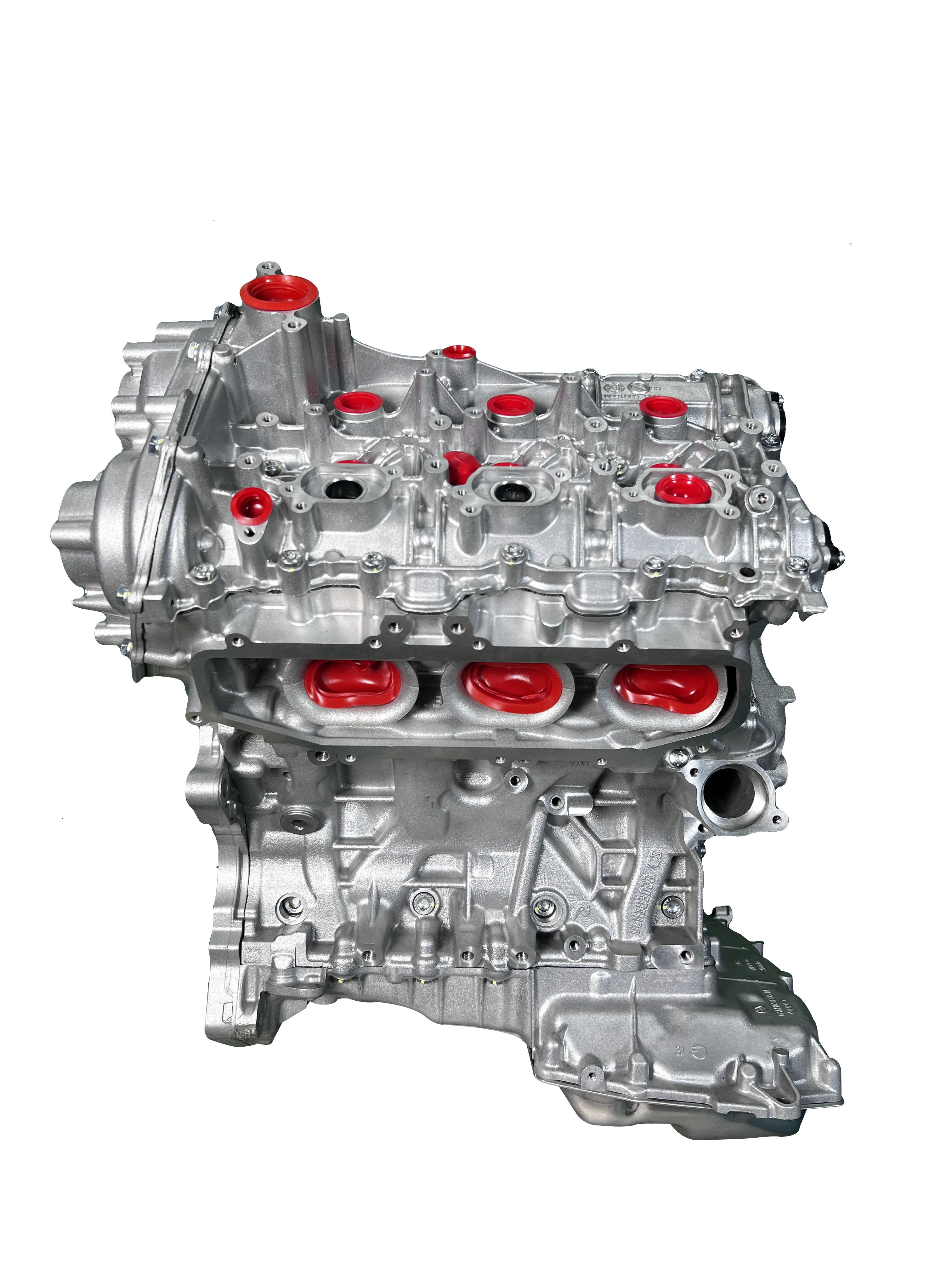
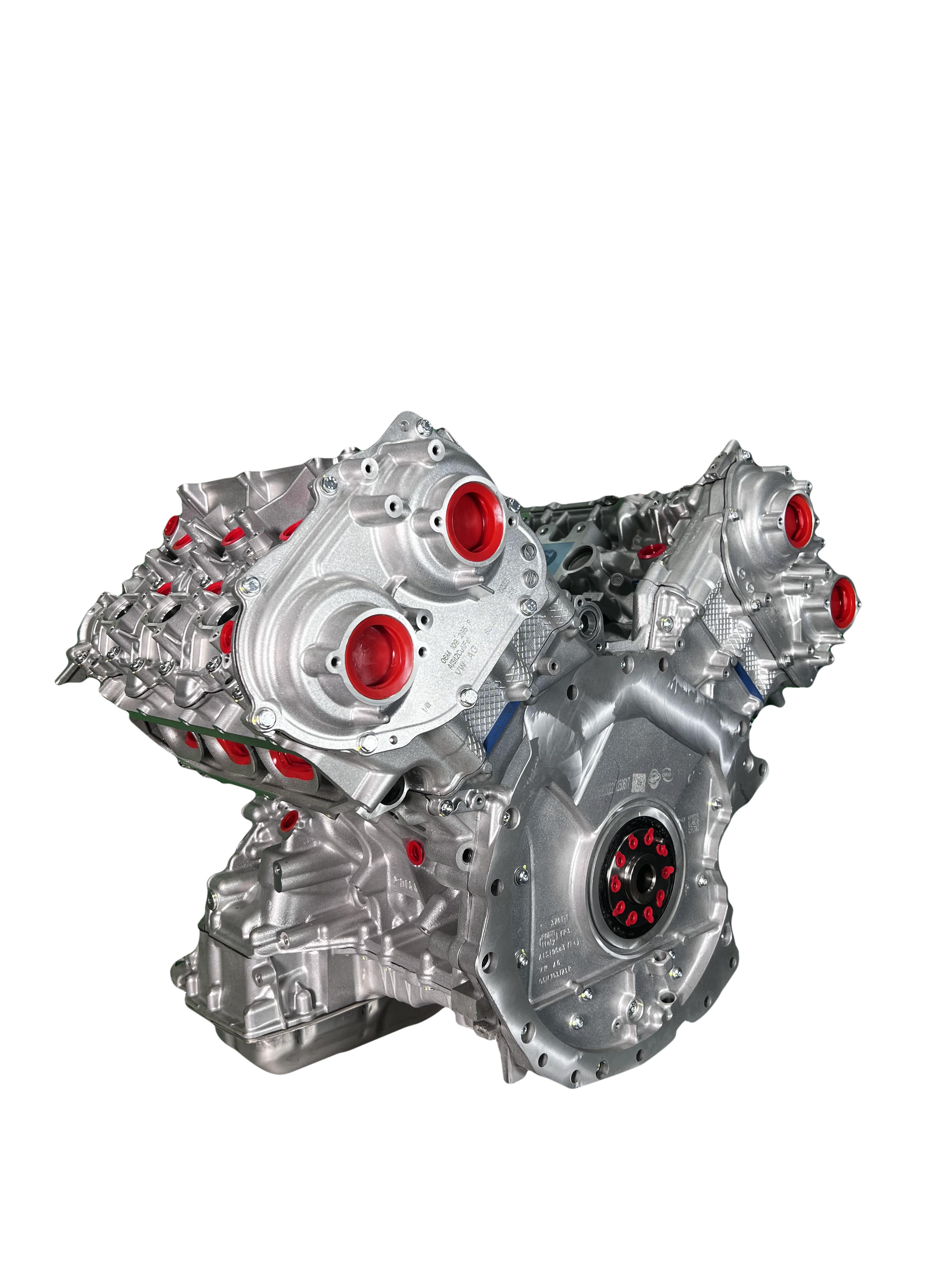
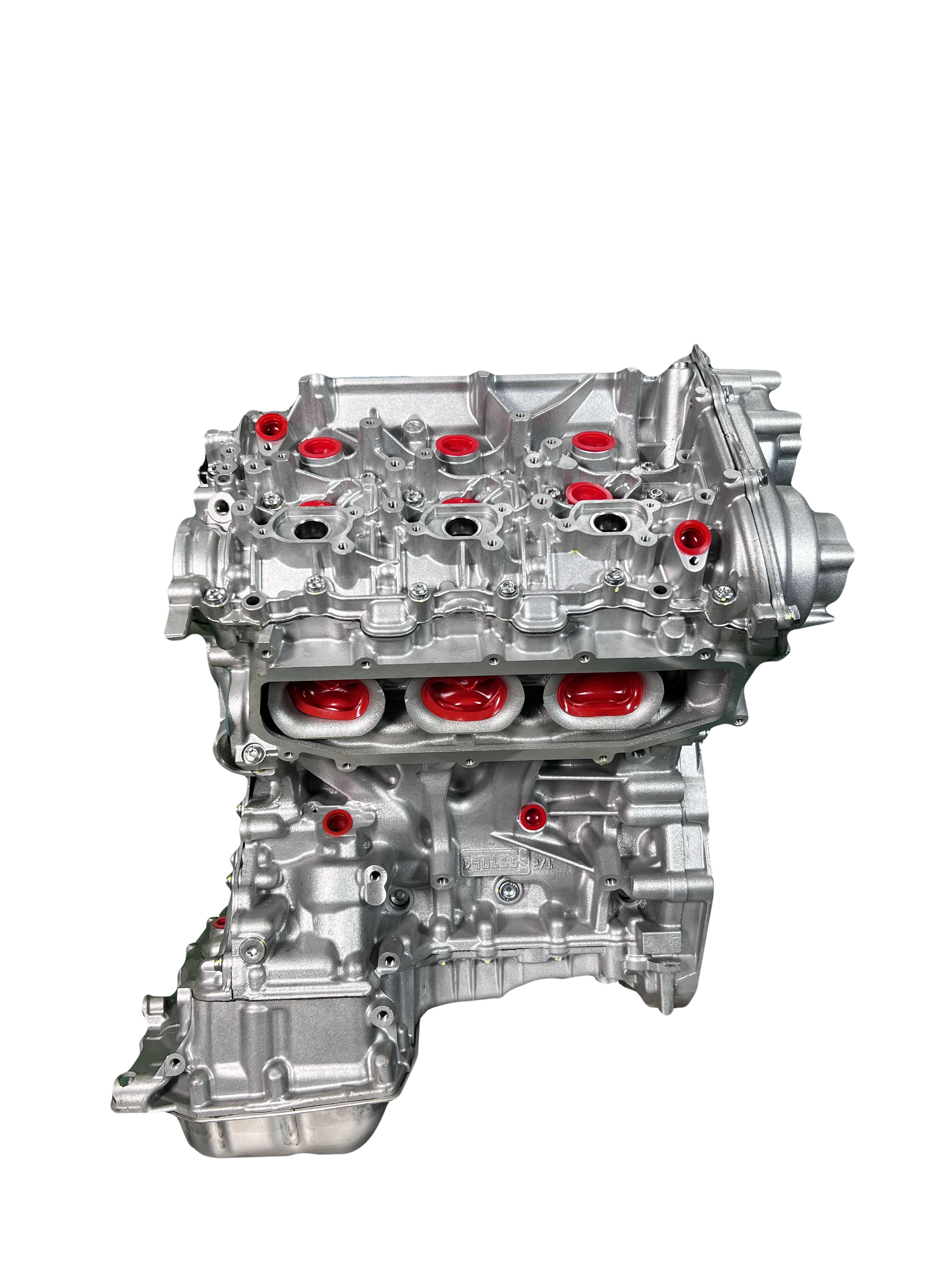
turbine engine
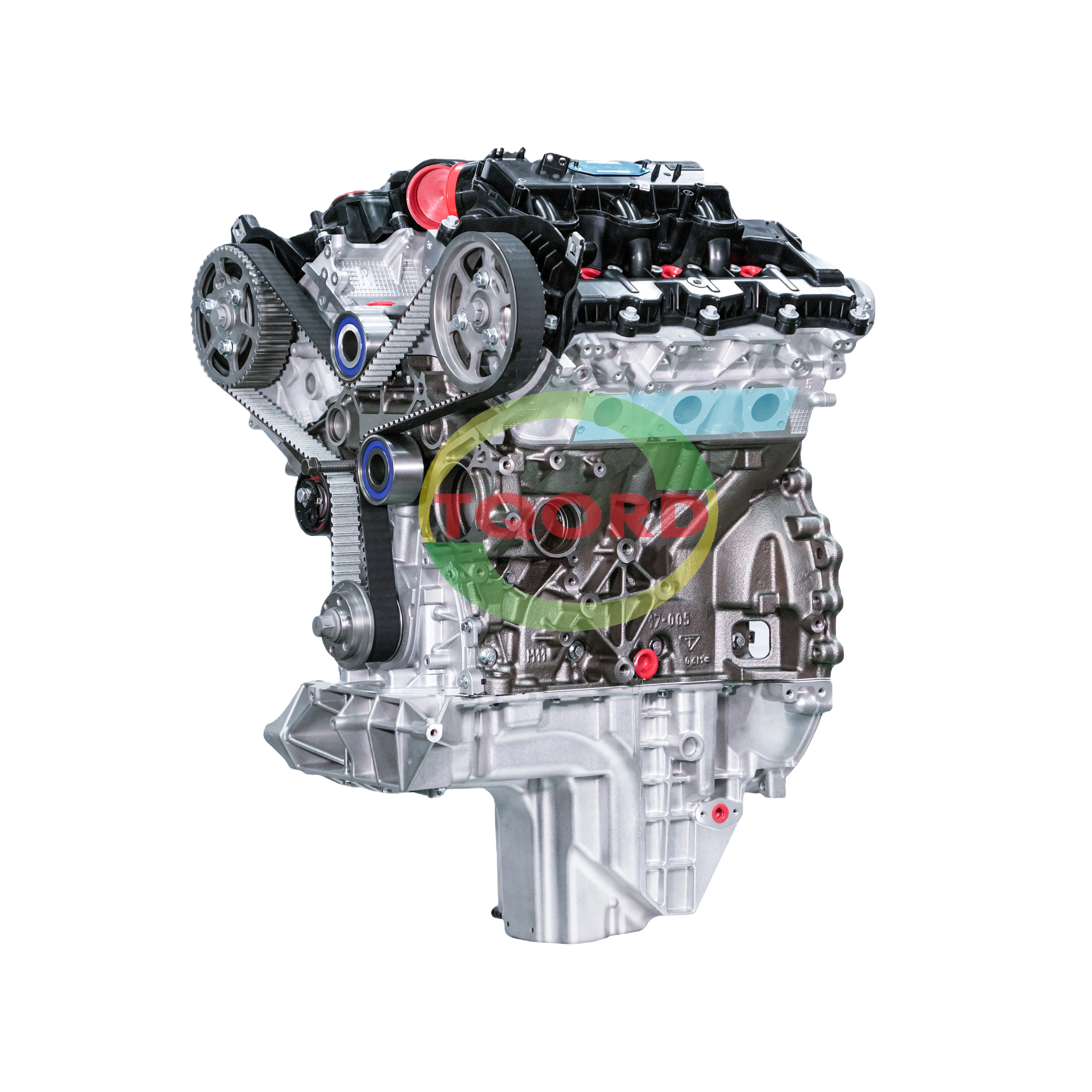
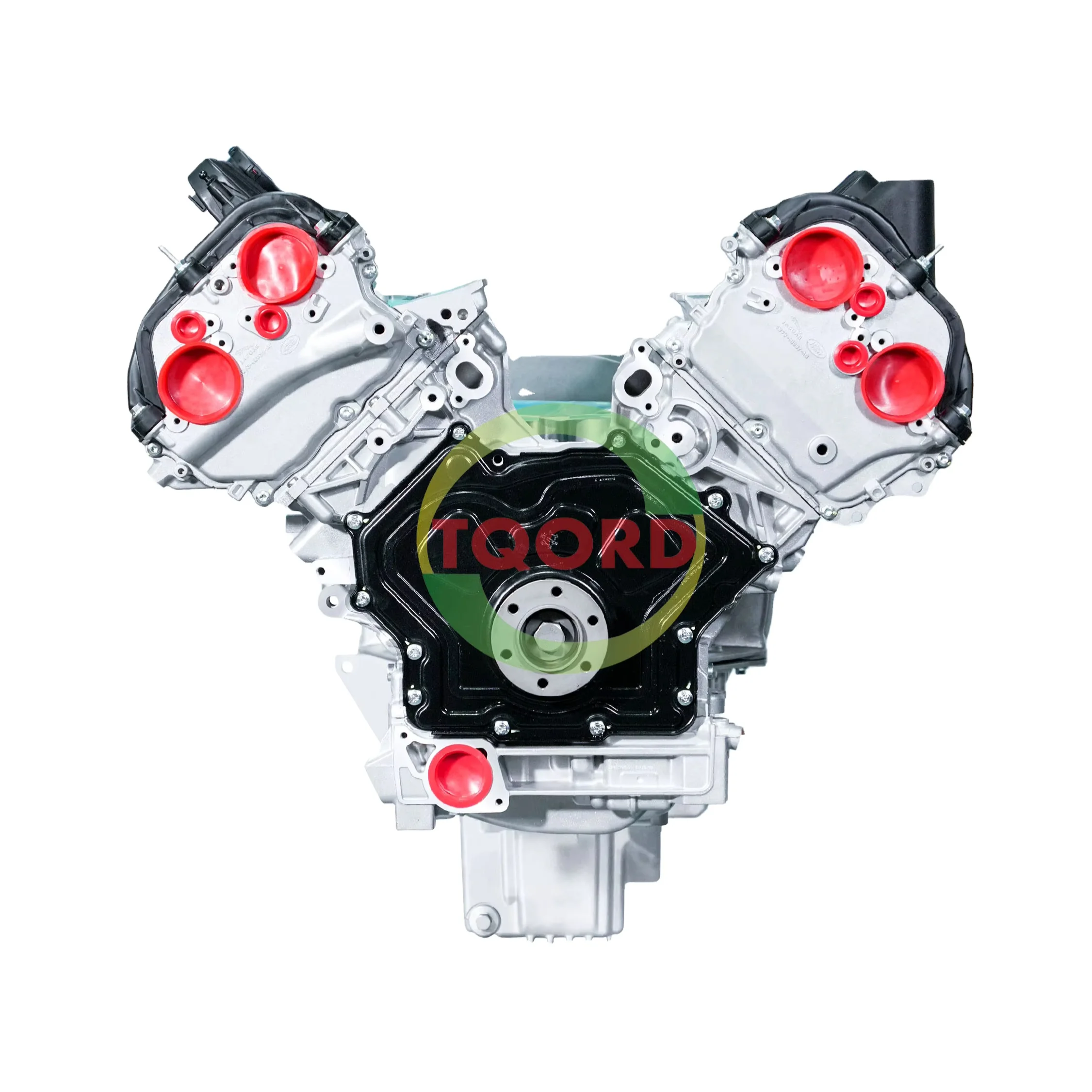
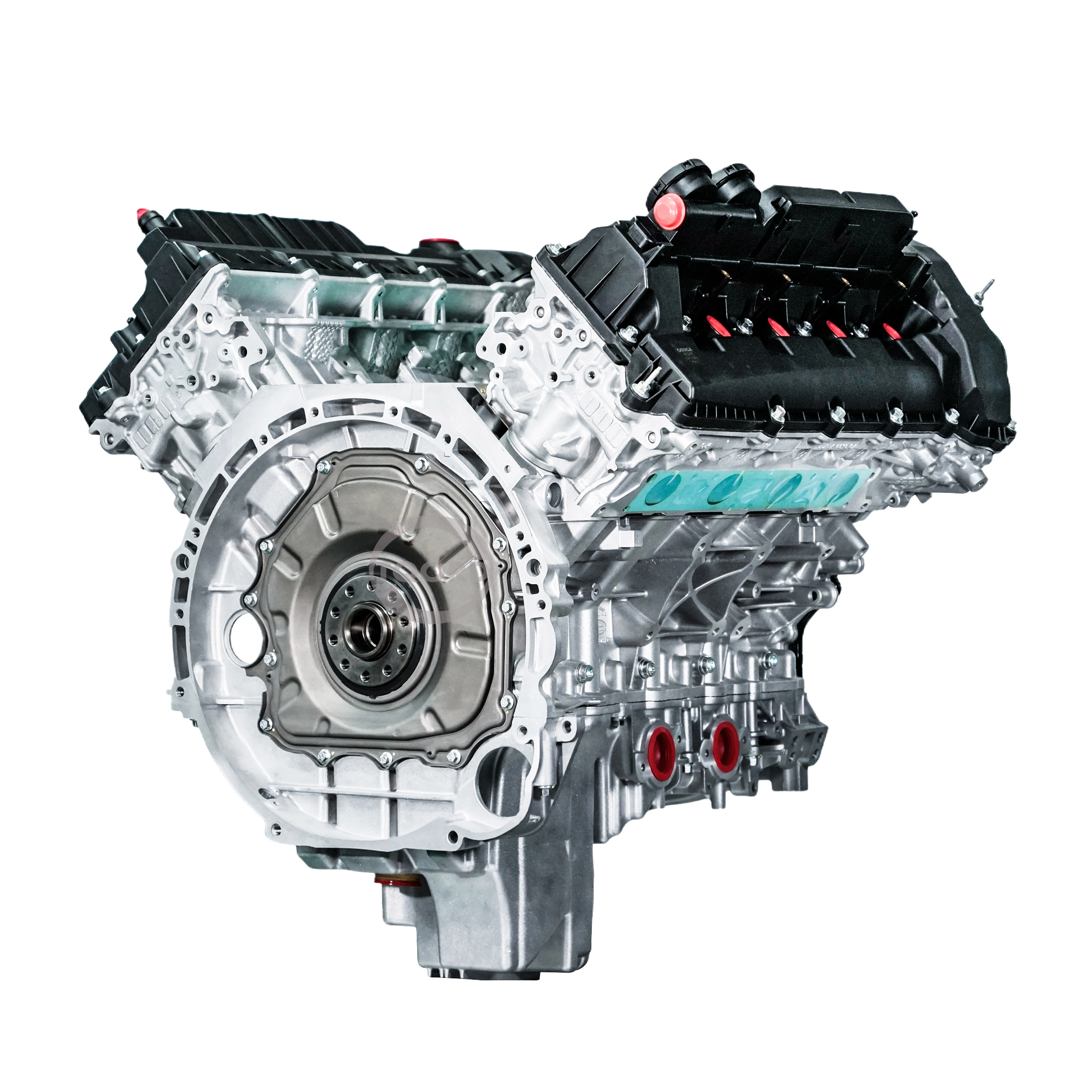
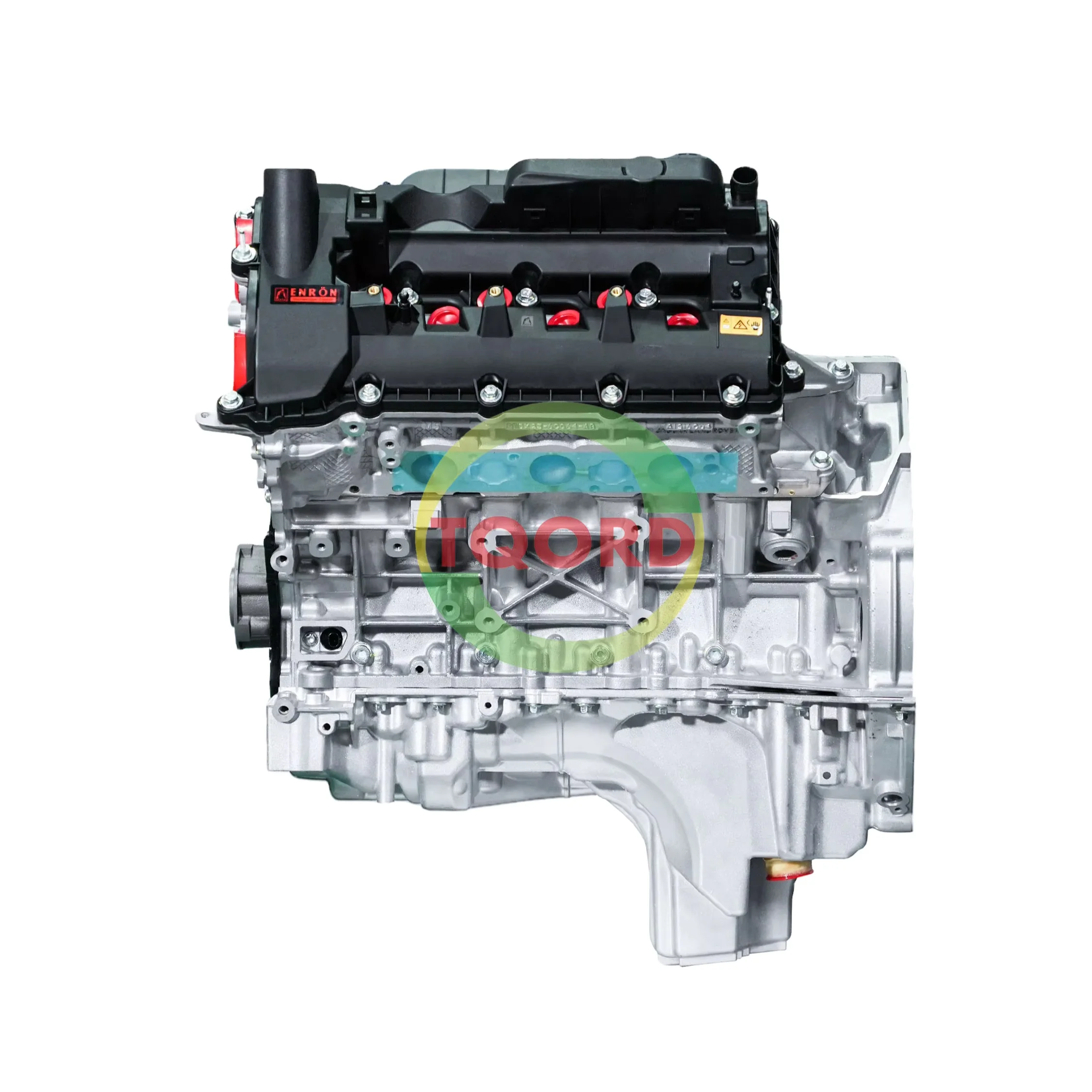
A turbine engine is a sophisticated power generation system that converts energy from flowing fluids into mechanical work through rotating blades. This remarkable machine operates on the principle of thermodynamic cycles, where fuel combustion or fluid flow drives a series of turbine stages to produce rotational energy. The turbine engine has revolutionized modern transportation and power generation since its development in the twentieth century. At its core, the turbine engine consists of several critical components including a compressor, combustion chamber, turbine section, and exhaust system. The compressor draws in air and pressurizes it before directing it to the combustion chamber where fuel mixes and ignites. The resulting high-temperature, high-pressure gases expand rapidly through the turbine section, spinning the blades at tremendous speeds. This rotational motion can directly power aircraft propellers, helicopter rotors, electrical generators, or industrial machinery. The turbine engine finds extensive applications across aviation, marine propulsion, power plants, and industrial facilities. In aviation, the turbine engine powers commercial airliners, military jets, and helicopters, offering unmatched performance at high altitudes. Power generation facilities utilize large-scale turbine engines to produce electricity for millions of homes and businesses. Marine vessels rely on turbine engine technology for propulsion, while oil and gas industries employ them to drive compressors and pumps. The versatility and reliability of the turbine engine make it indispensable in modern infrastructure and transportation networks worldwide.
 EN
EN