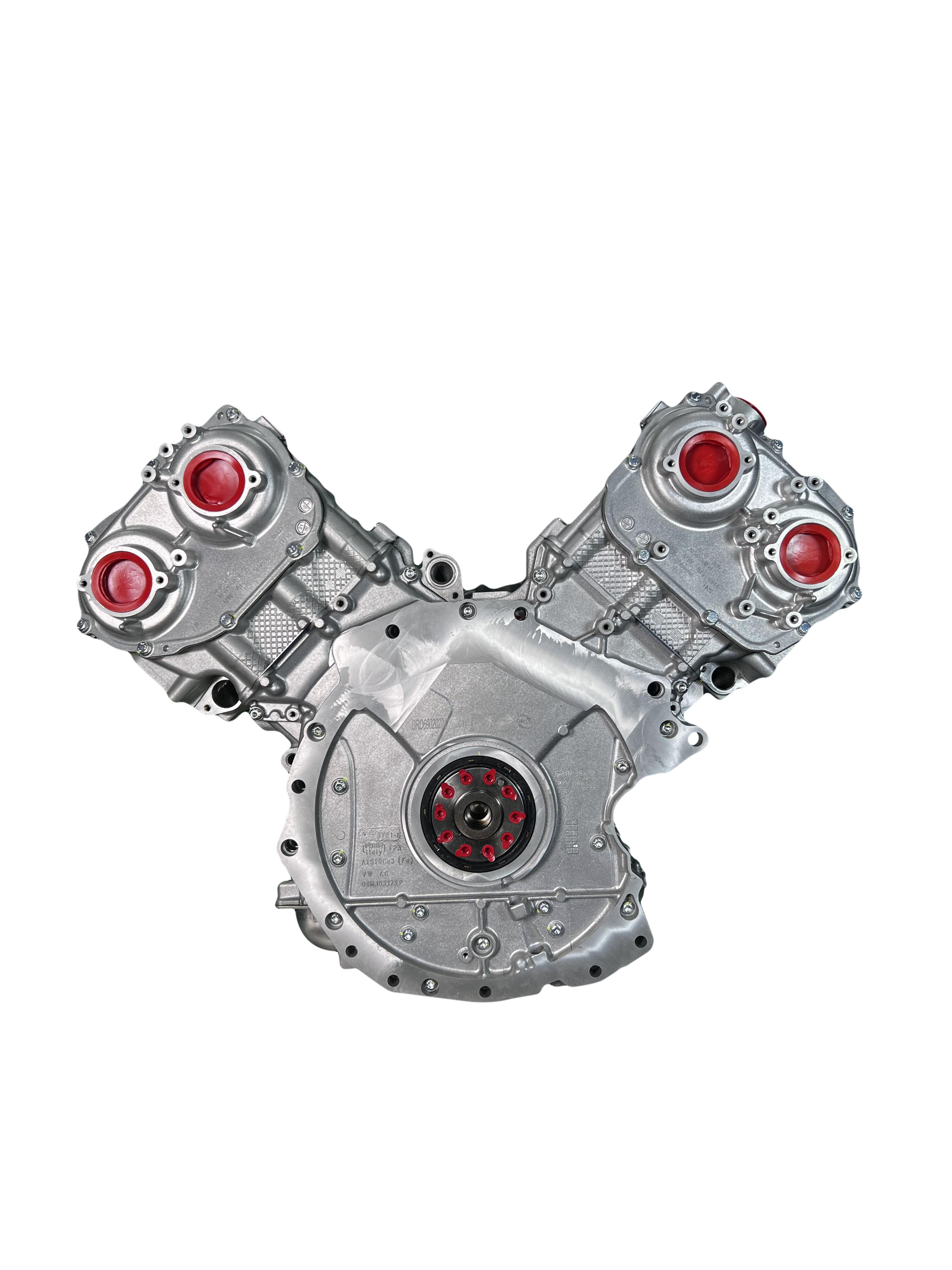
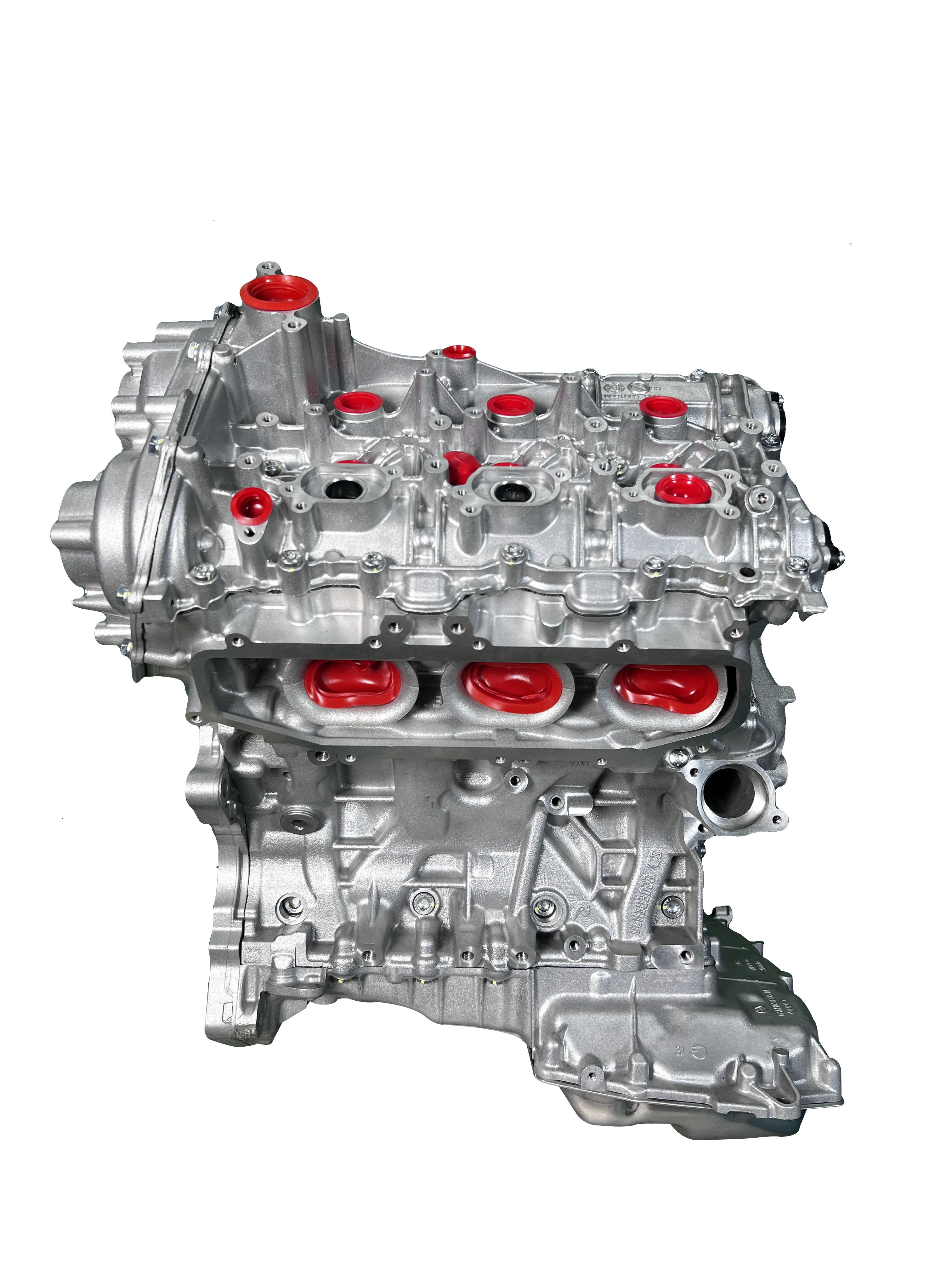
engine piston
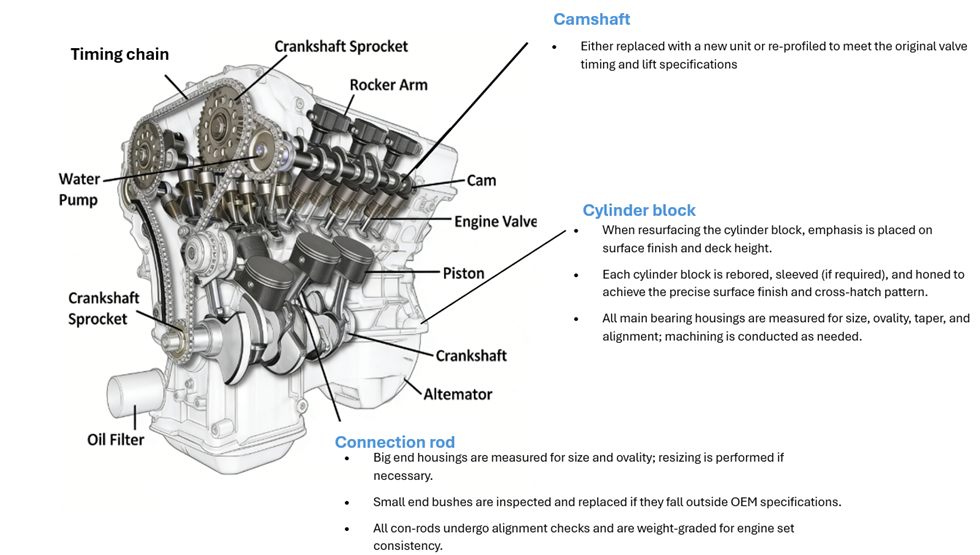
An engine piston is a critical component in internal combustion engines that converts the energy from fuel combustion into mechanical motion. This cylindrical component moves up and down within the engine cylinder, creating the power needed to drive vehicles and machinery. The engine piston works in conjunction with connecting rods, crankshafts, and cylinder walls to transform thermal energy into rotational force. Modern engine pistons are precision-engineered parts designed to withstand extreme temperatures, pressures, and friction during continuous operation. They feature piston rings that seal the combustion chamber, prevent oil leakage, and transfer heat to the cylinder walls. The engine piston plays multiple essential roles including compressing the air-fuel mixture, transmitting combustion forces, sealing the combustion chamber, and regulating engine oil consumption. Technological advancements have led to engine pistons made from aluminum alloys, cast iron, or forged steel, each offering specific benefits for different applications. The design incorporates features like cooling galleries, skirt profiles, and ring grooves optimized for thermal management and reduced friction. Engine pistons find applications across automotive engines, marine propulsion systems, industrial generators, agricultural equipment, and construction machinery. Performance characteristics such as weight, thermal expansion, wear resistance, and strength determine the suitability of an engine piston for specific operating conditions. Whether for passenger cars, heavy-duty trucks, or stationary power units, the engine piston remains fundamental to efficient engine operation and reliable power generation across countless applications worldwide.
 EN
EN