4 stroke engine
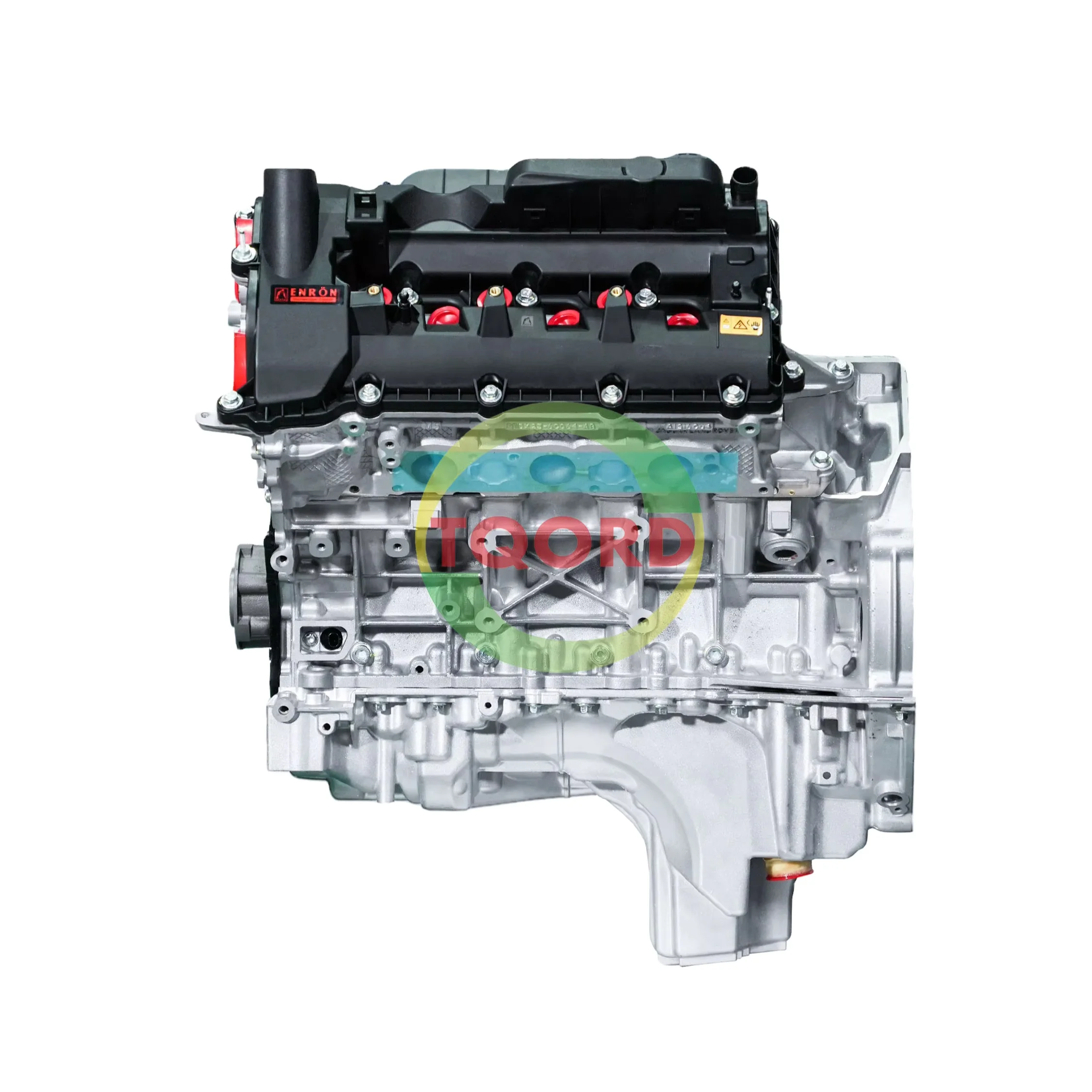
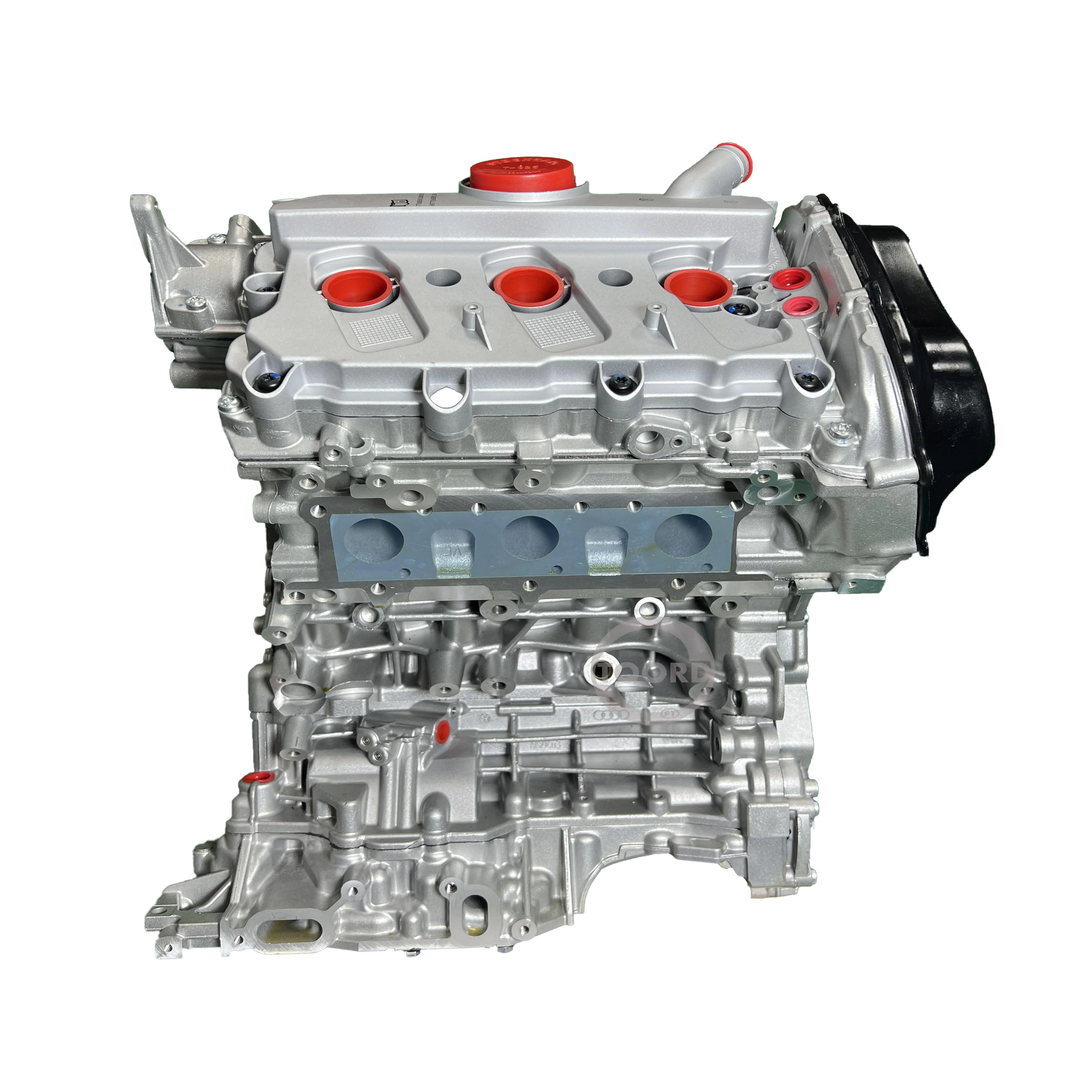
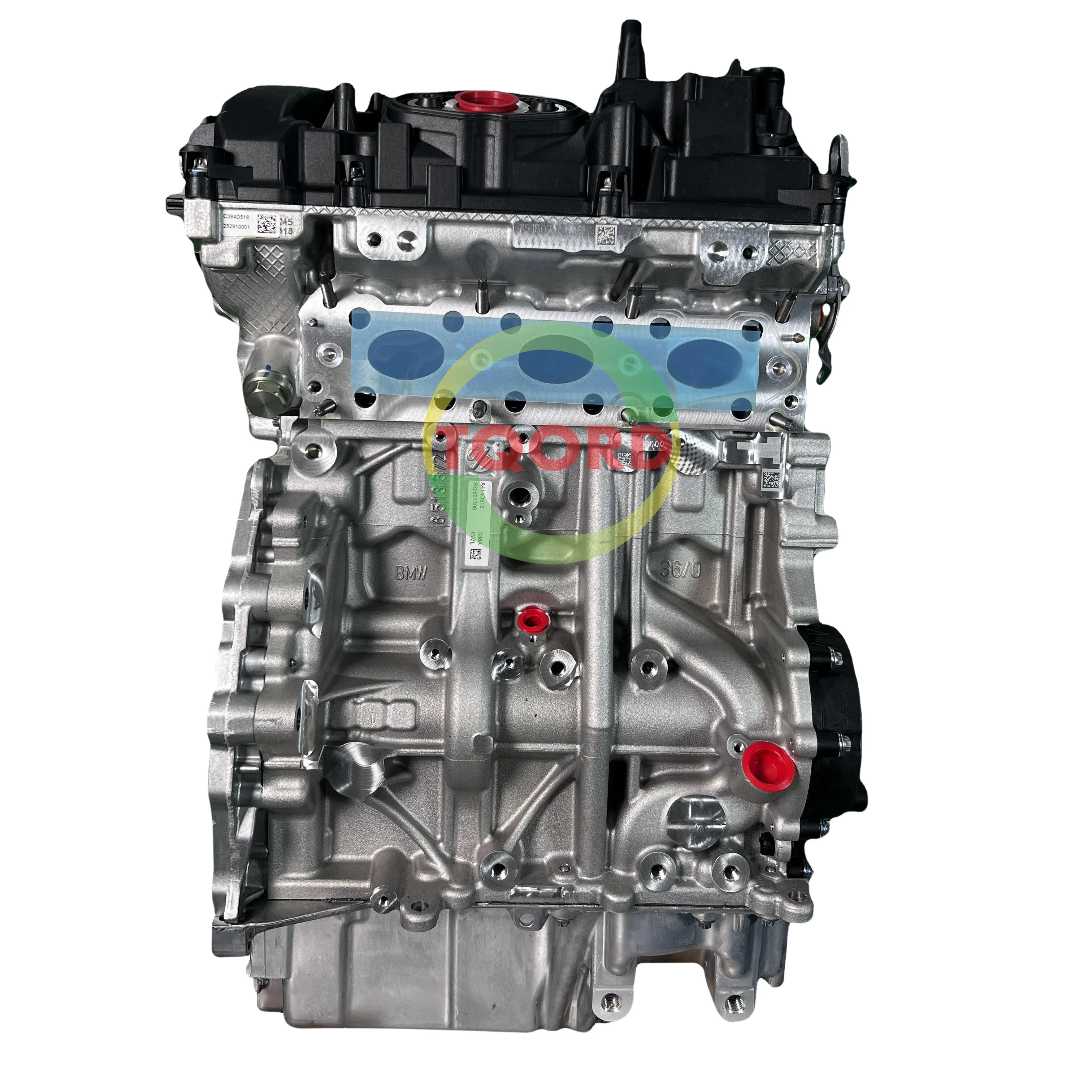
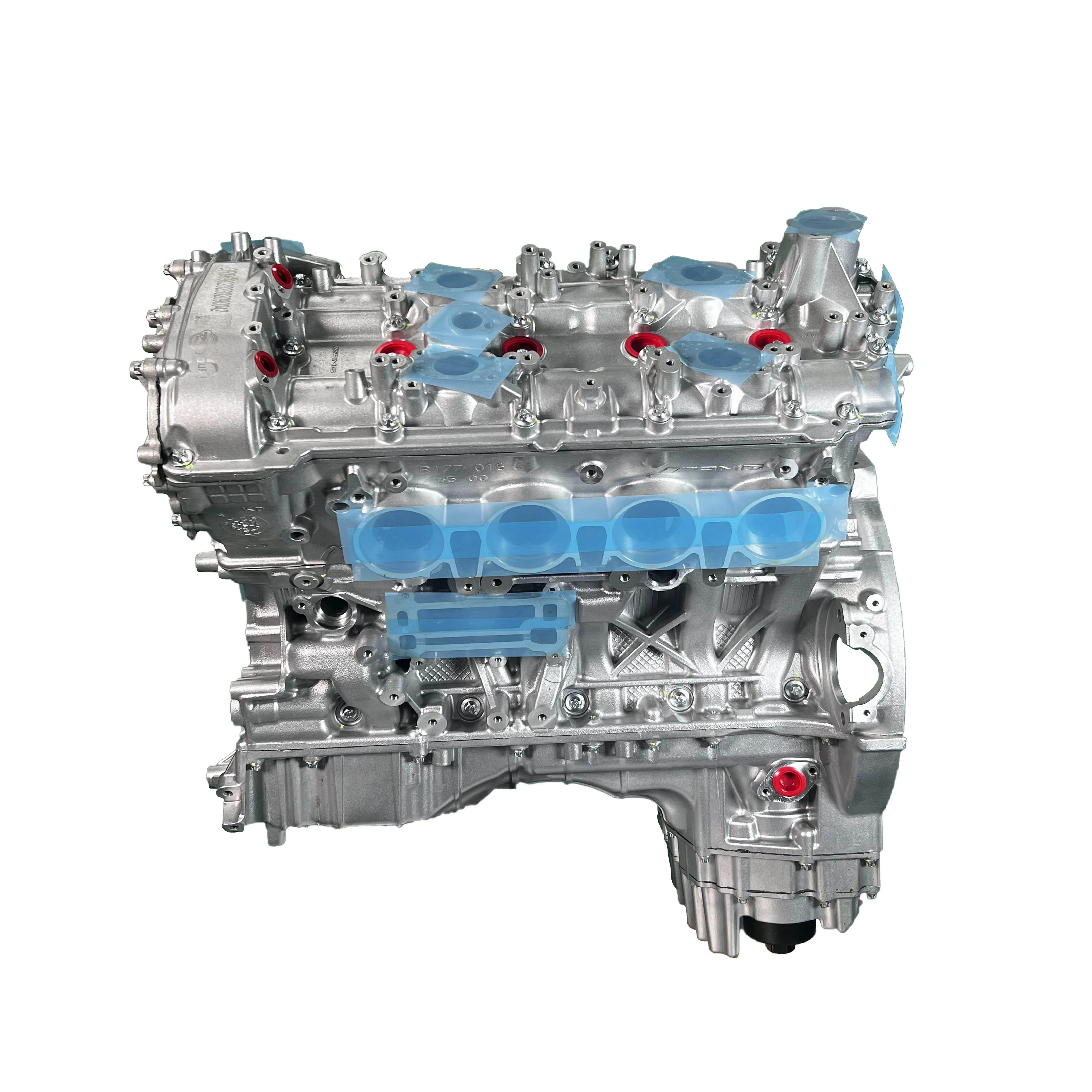
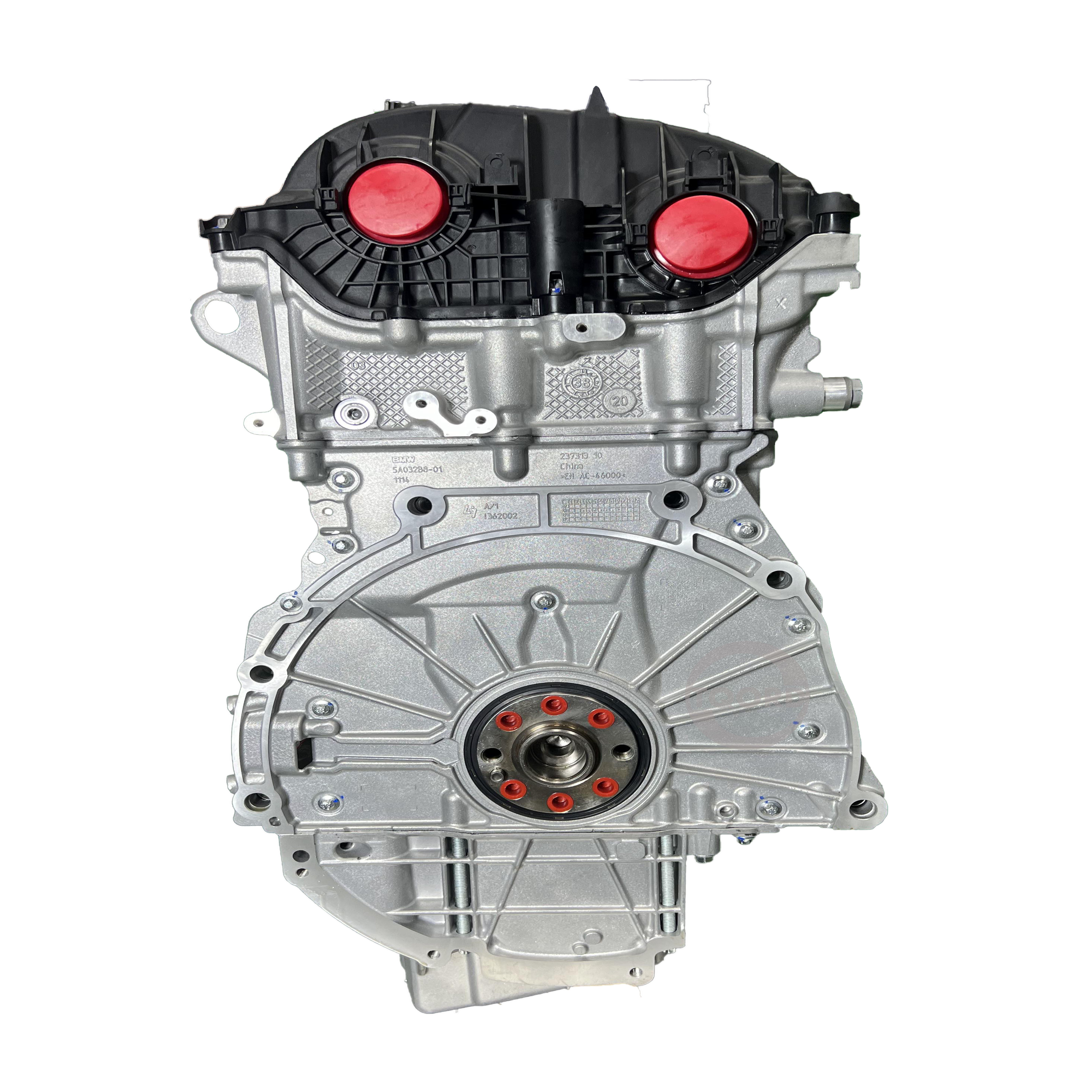
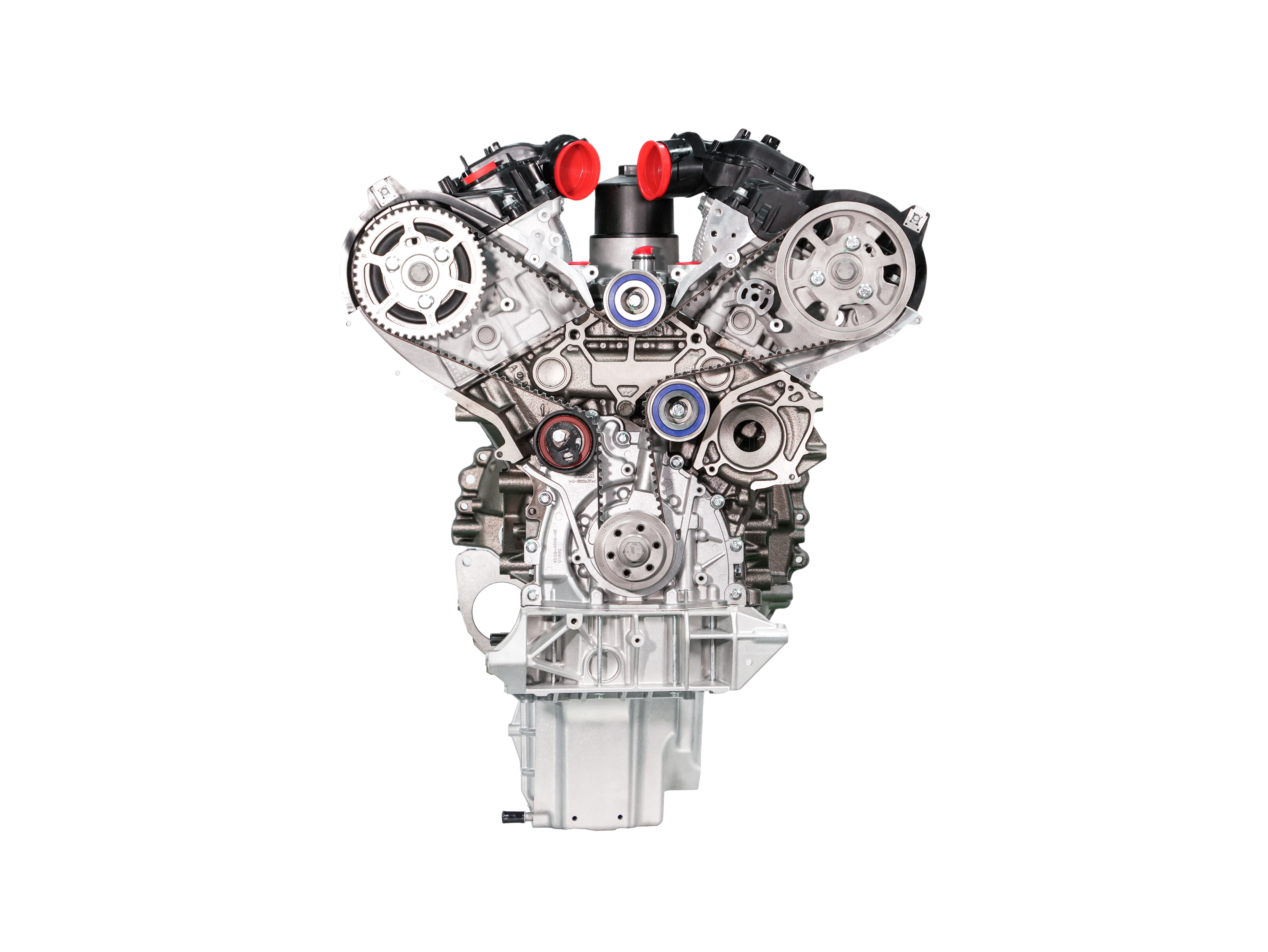
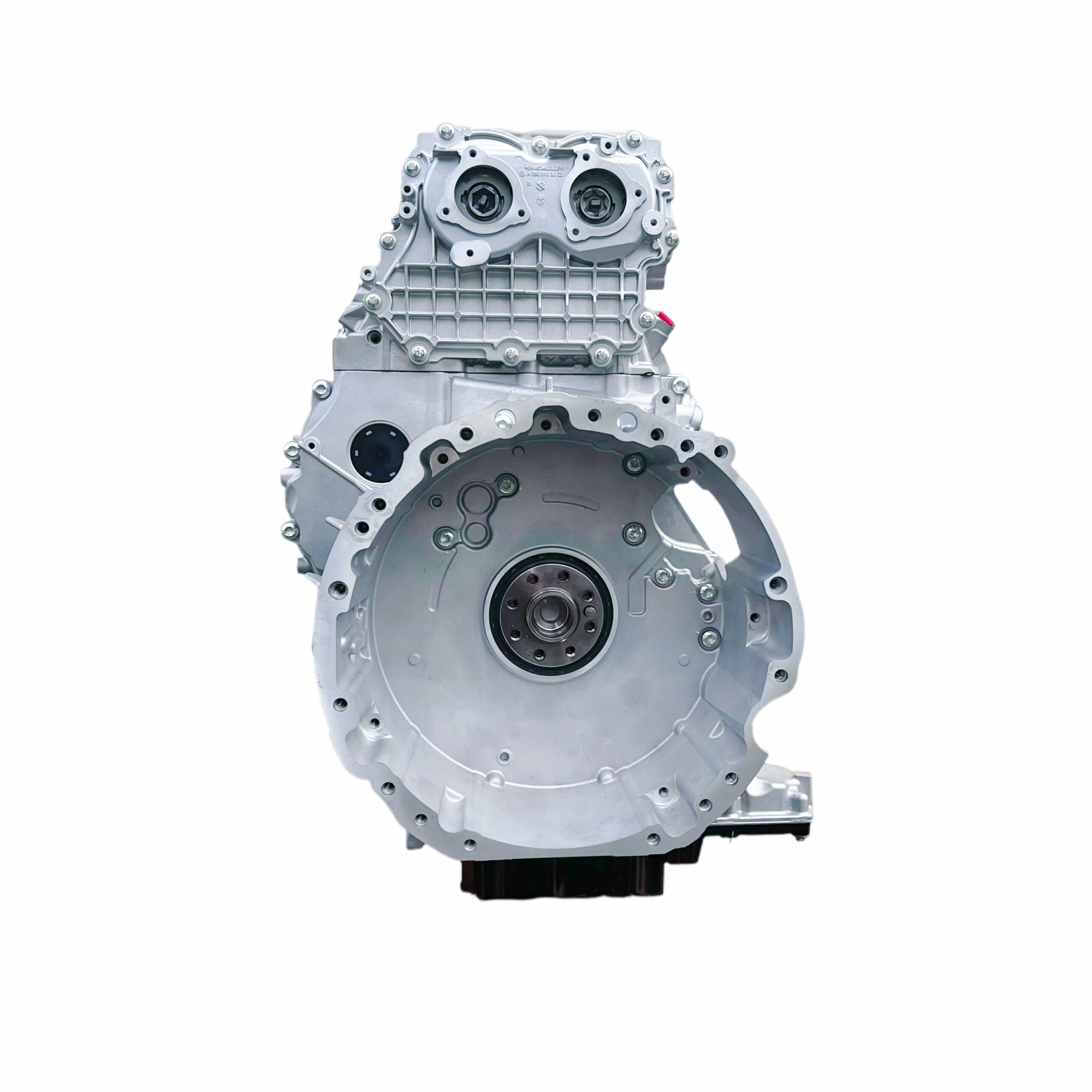
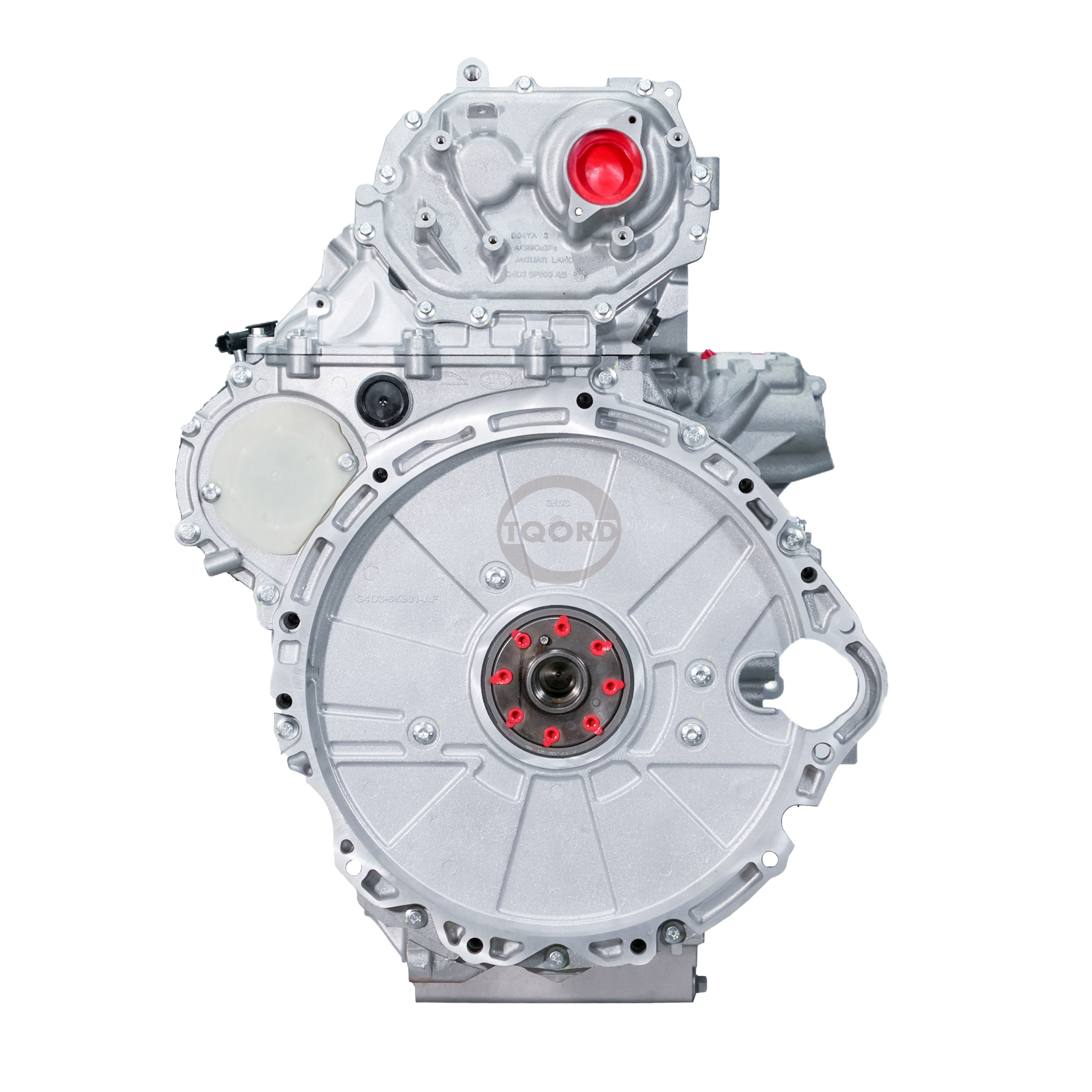
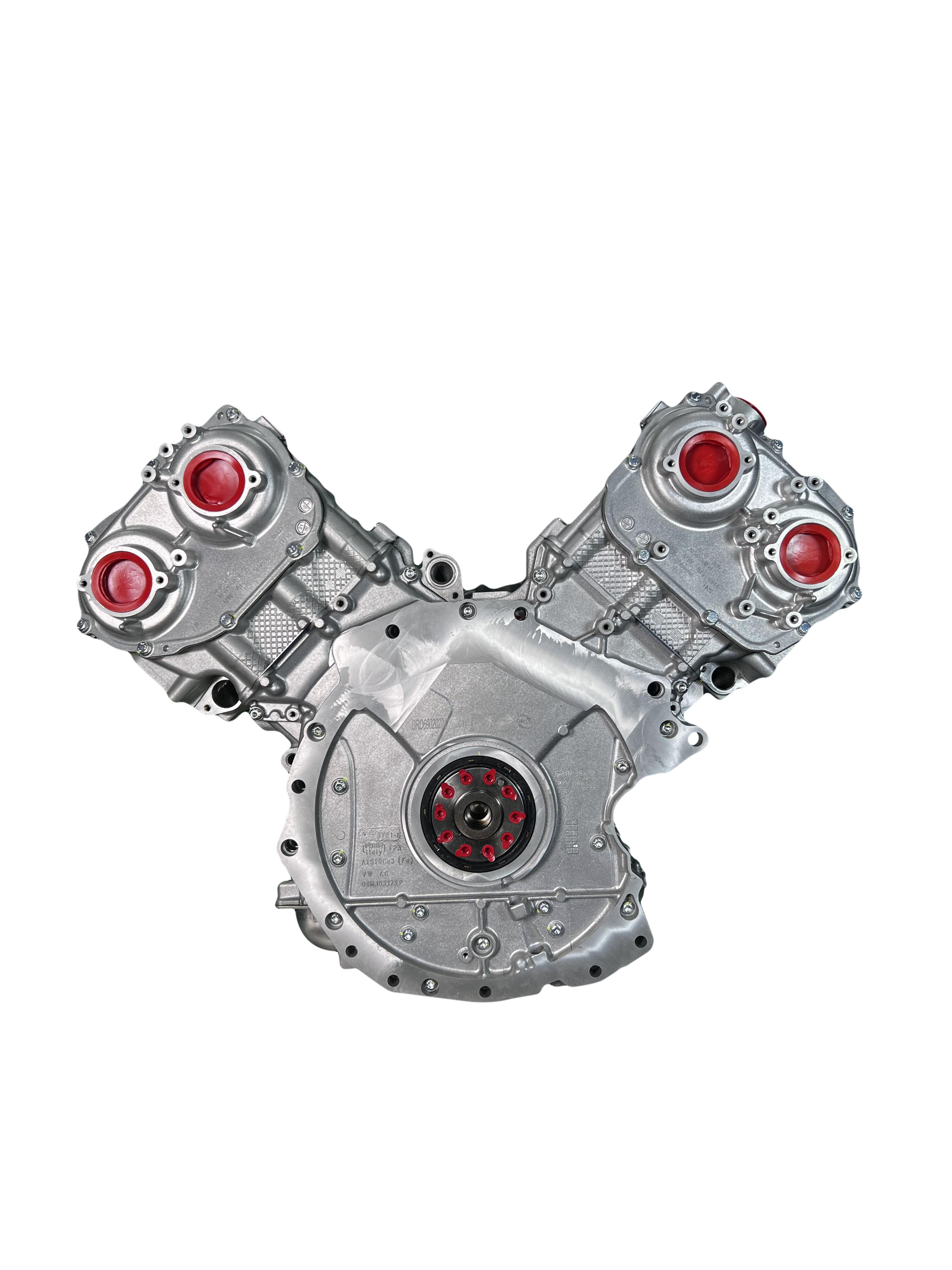
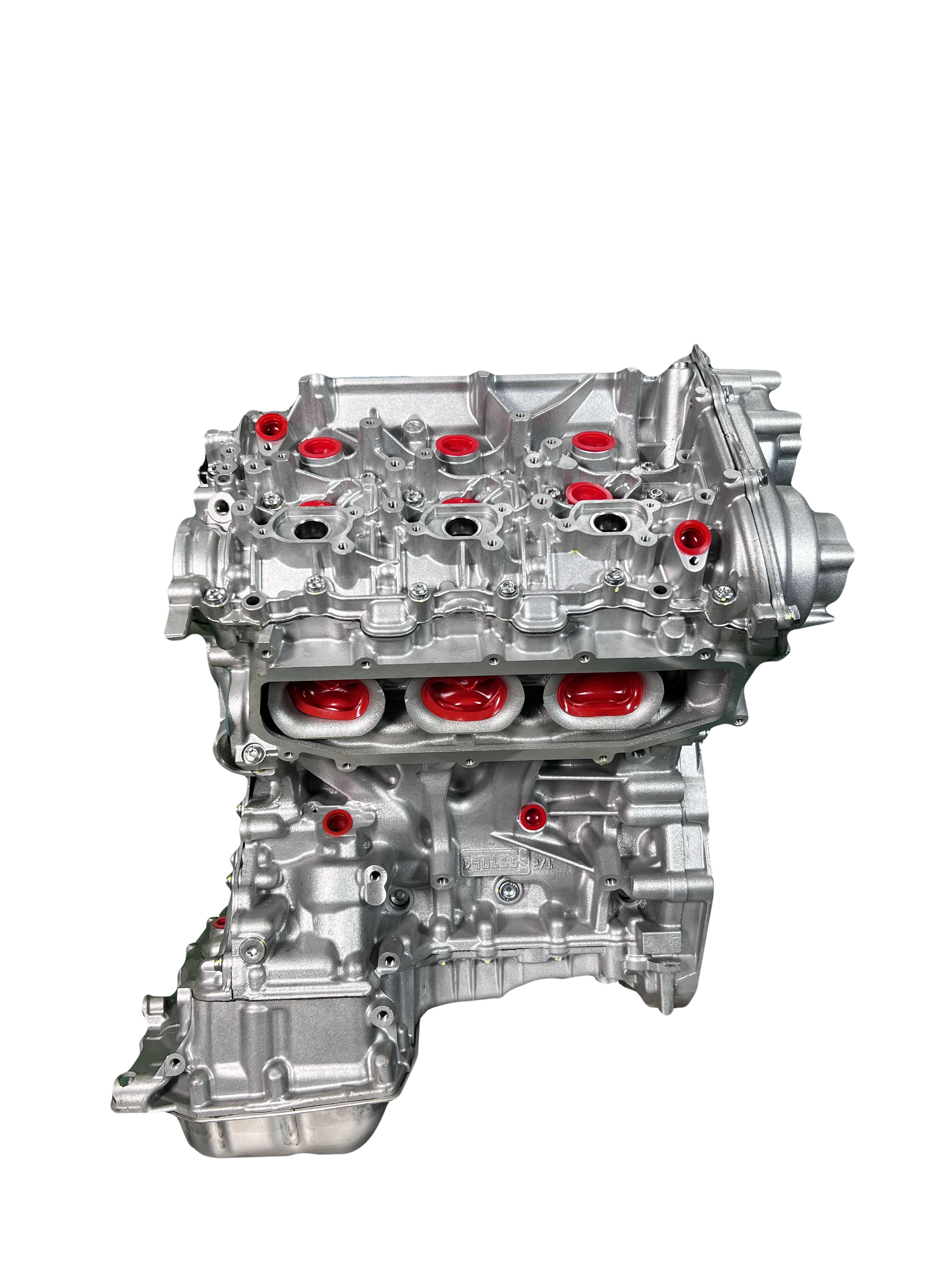
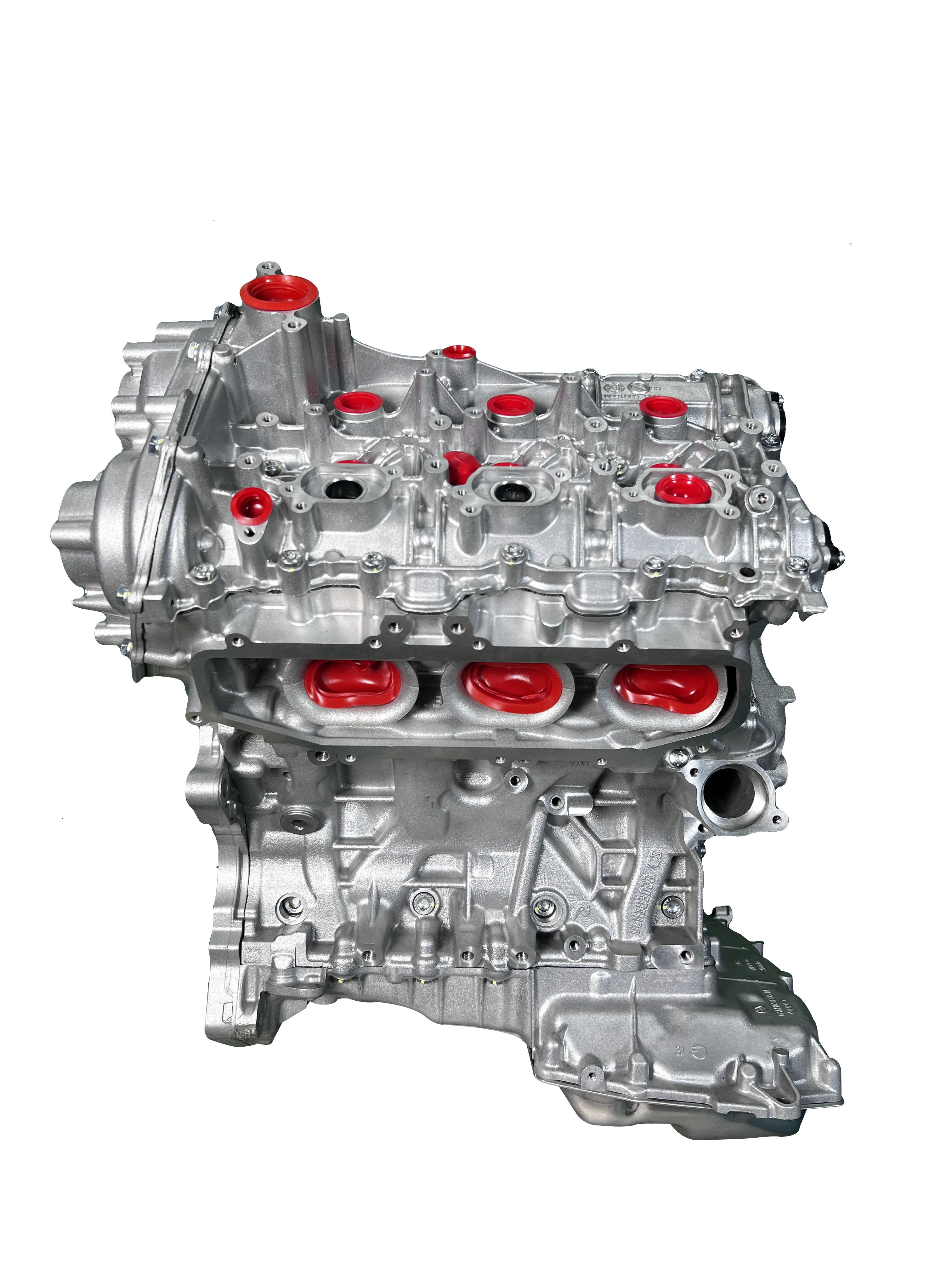
The 4 stroke engine represents one of the most widely adopted internal combustion engine designs in modern machinery and vehicles. This engine completes a power cycle through four distinct piston strokes: intake, compression, power, and exhaust. During the intake stroke, the piston moves downward while the intake valve opens, drawing in a mixture of air and fuel. The compression stroke follows as the piston moves upward with all valves closed, compressing the fuel-air mixture to increase its energy potential. The power stroke occurs when the spark plug ignites the compressed mixture, forcing the piston downward and generating mechanical energy. Finally, the exhaust stroke expels burned gases as the piston moves upward again with the exhaust valve open. The 4 stroke engine delivers superior fuel efficiency compared to alternative designs, making it the preferred choice for automobiles, motorcycles, generators, and marine applications. Its technological features include precise valve timing mechanisms, efficient combustion chambers, and advanced cooling systems that maintain optimal operating temperatures. The design allows for cleaner emissions through complete fuel combustion and controlled exhaust processes. Applications span across transportation sectors, power generation equipment, agricultural machinery, and industrial tools. The 4 stroke engine continues to evolve with electronic fuel injection systems, variable valve timing, and turbocharging technologies that enhance performance while reducing environmental impact. Understanding how the 4 stroke engine functions helps users appreciate its reliability and efficiency in countless everyday applications.
 EN
EN