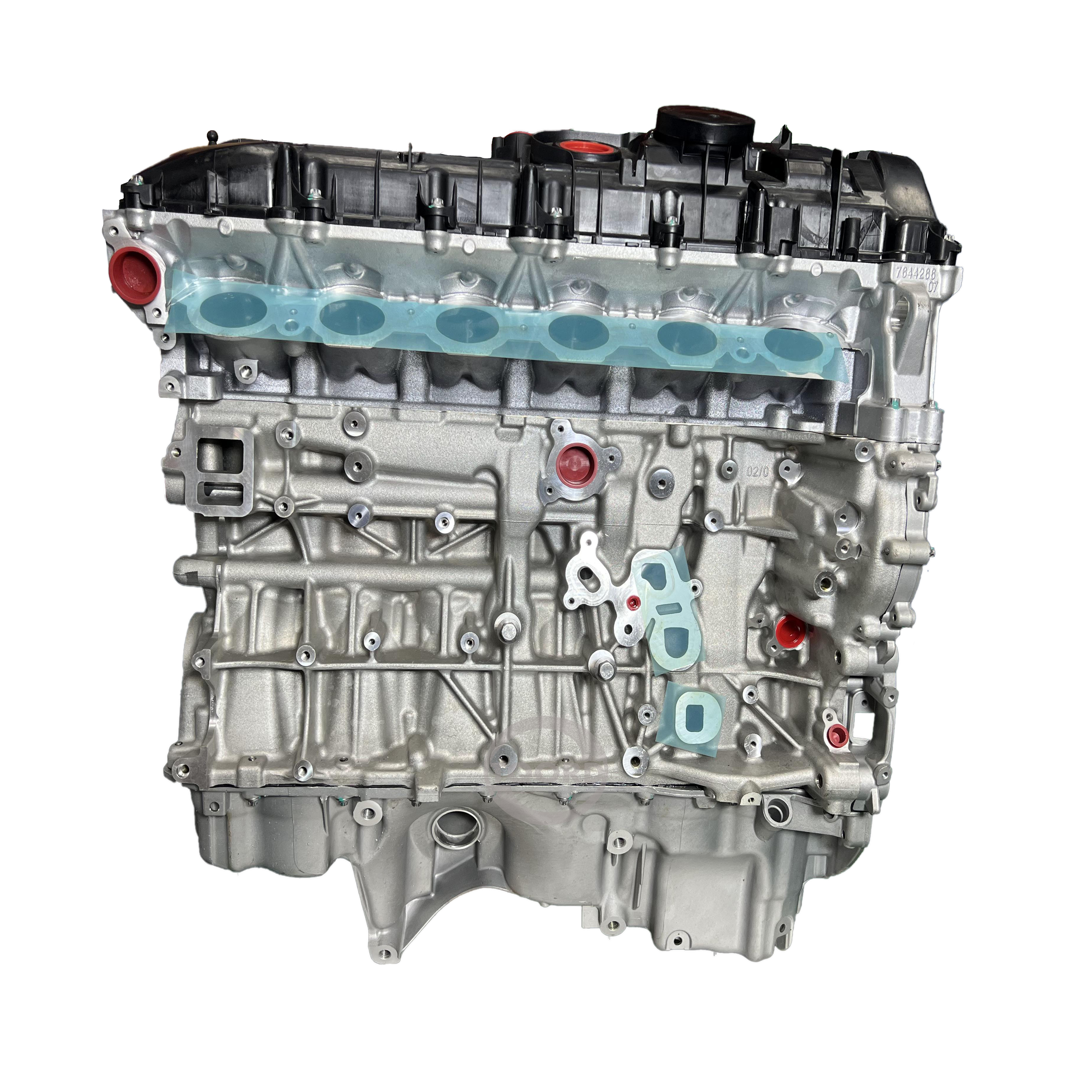
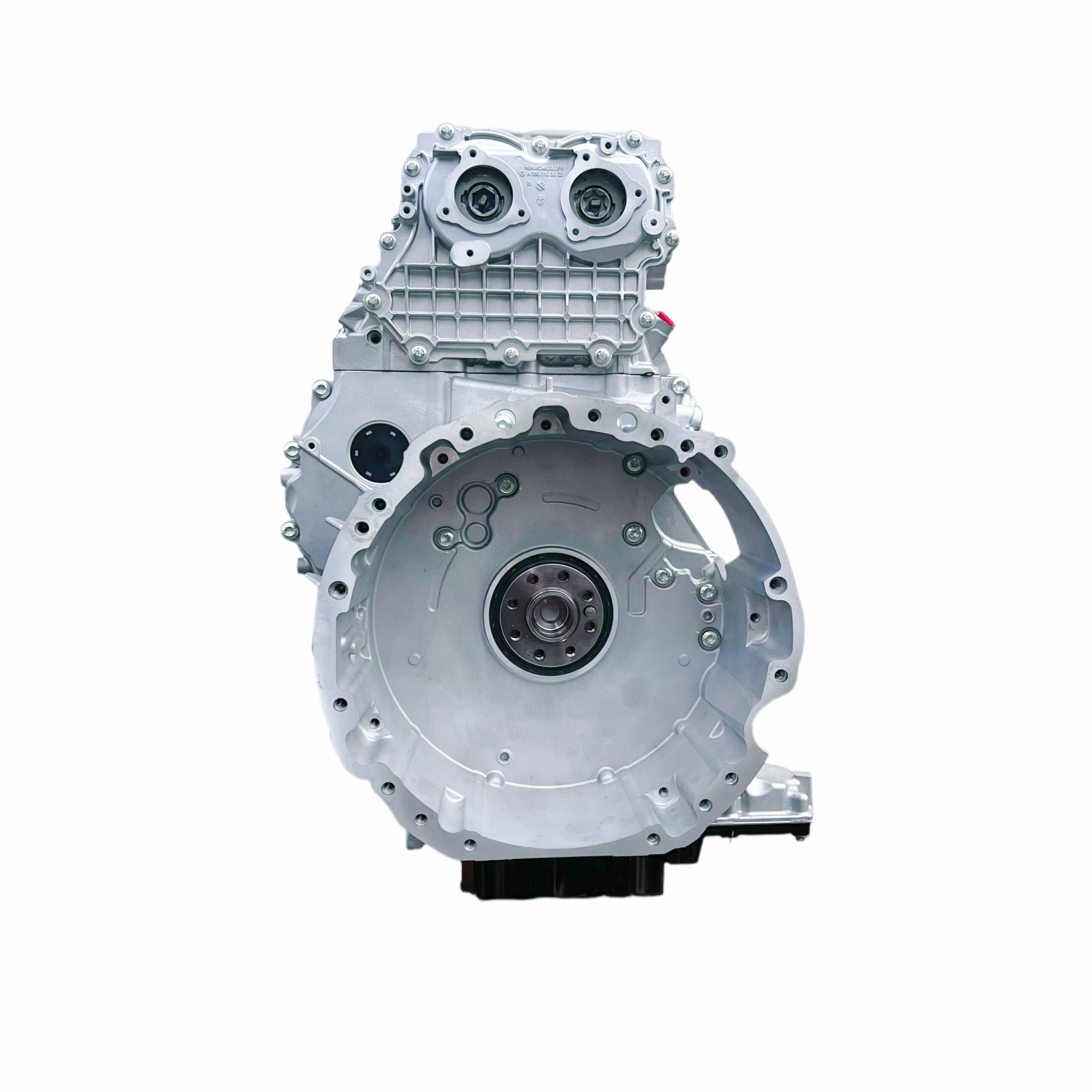
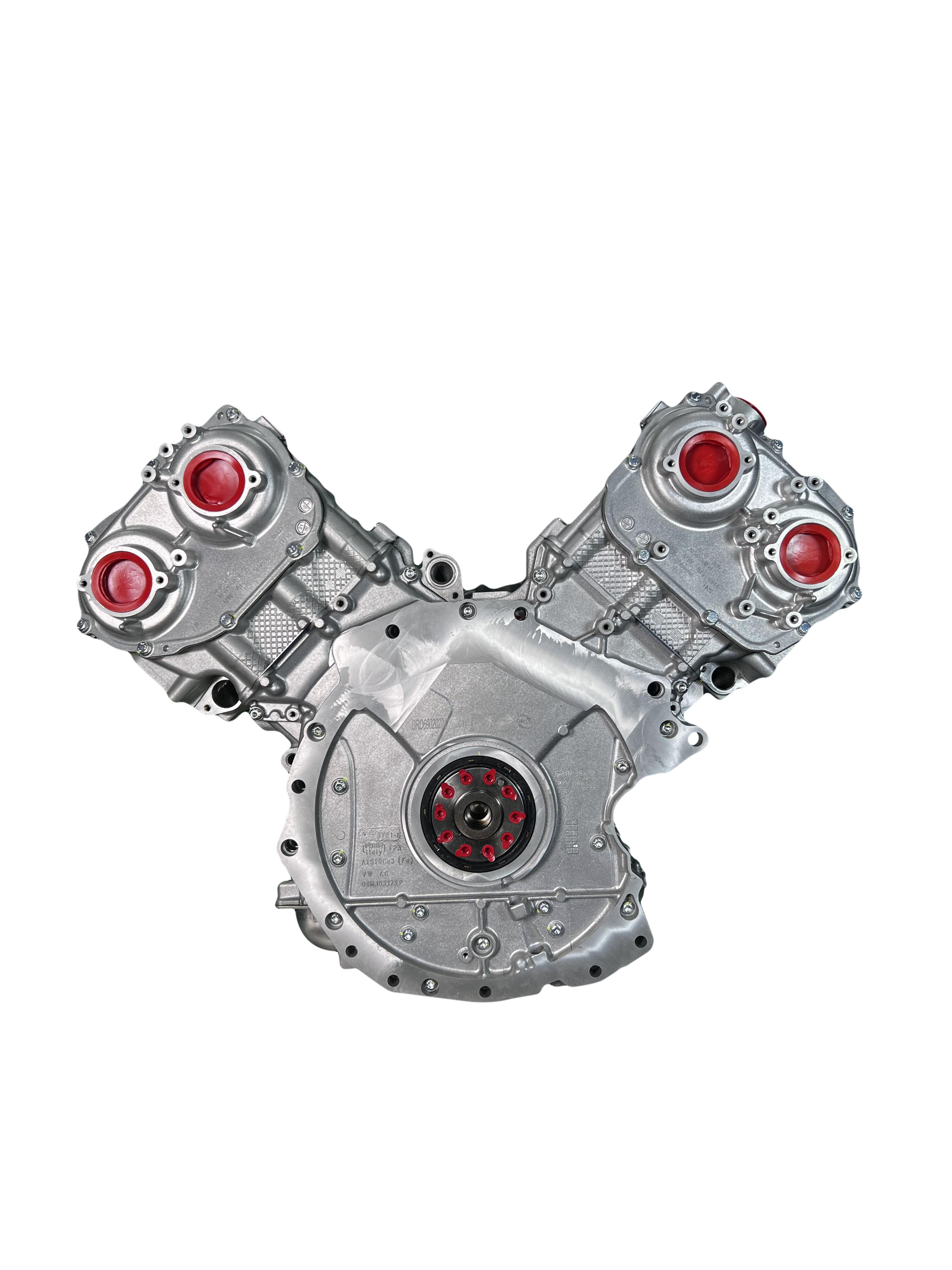
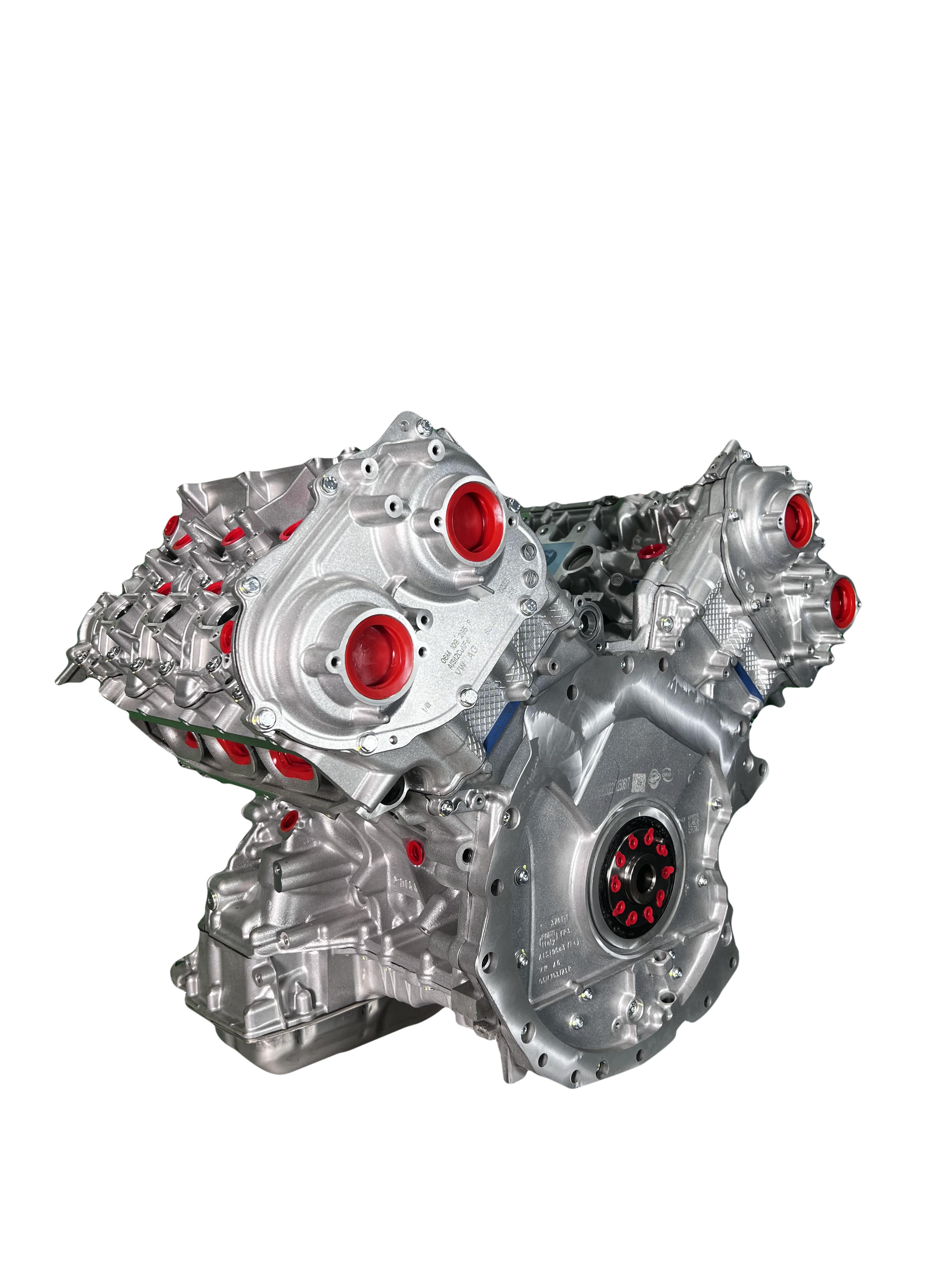
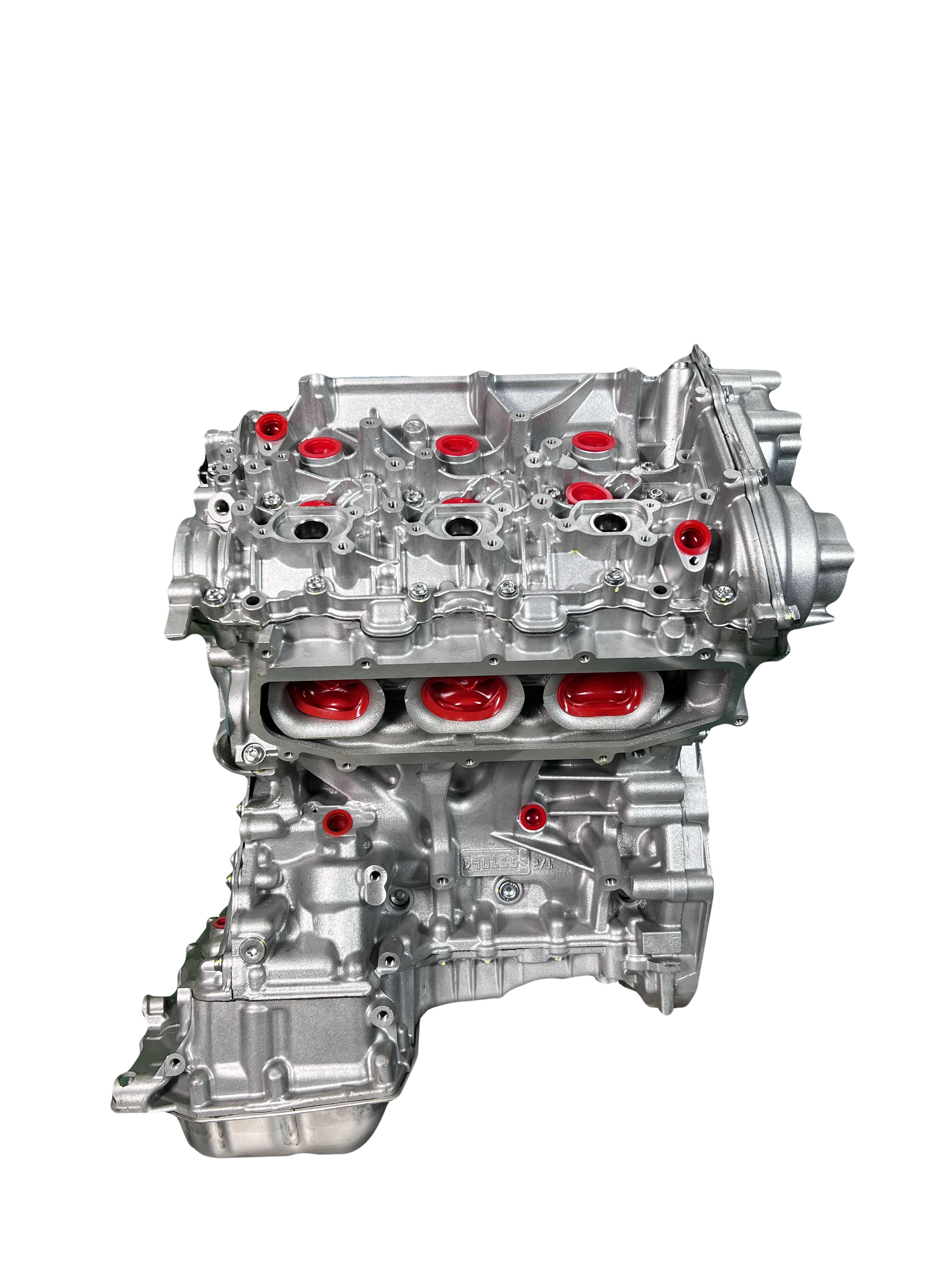
engine block
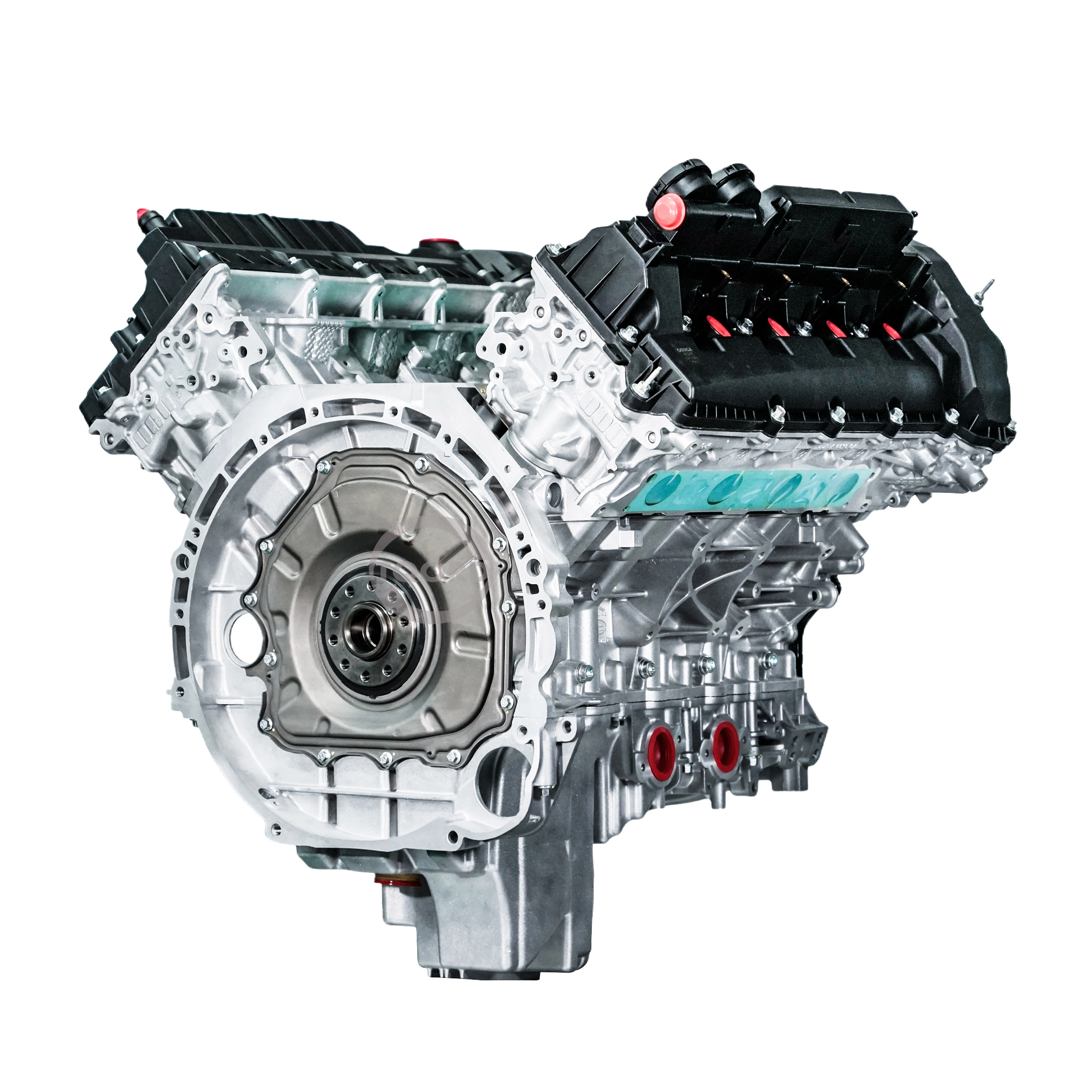
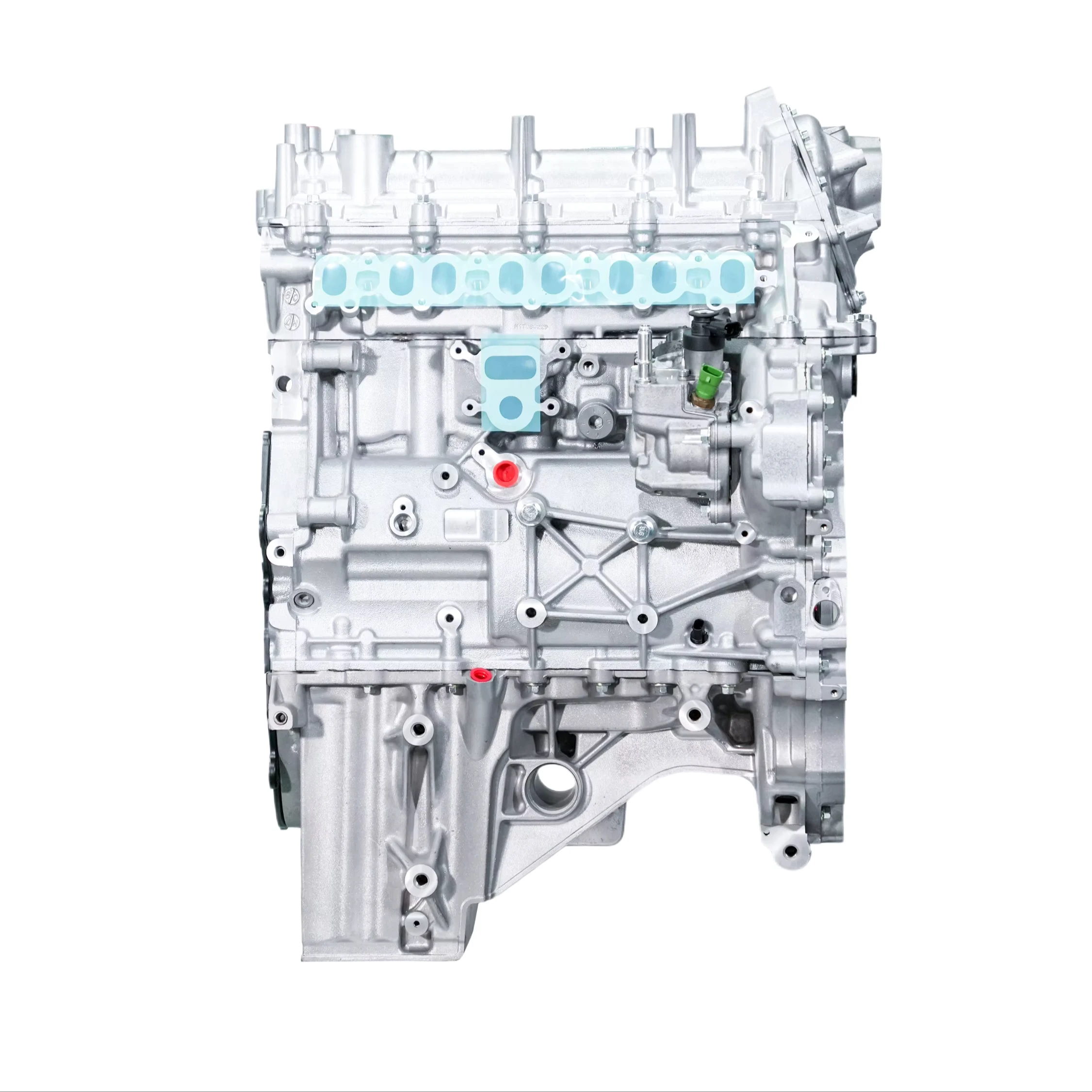
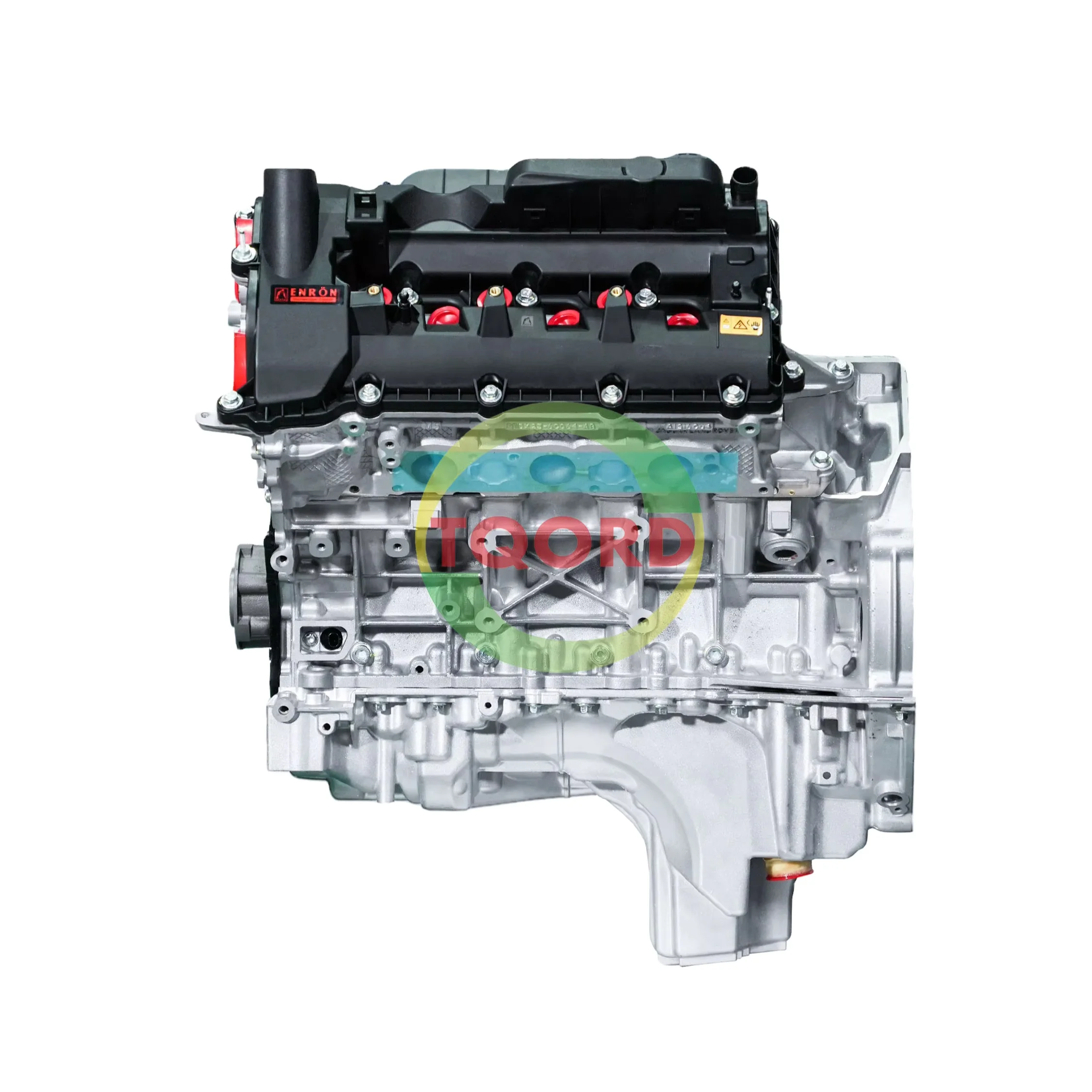
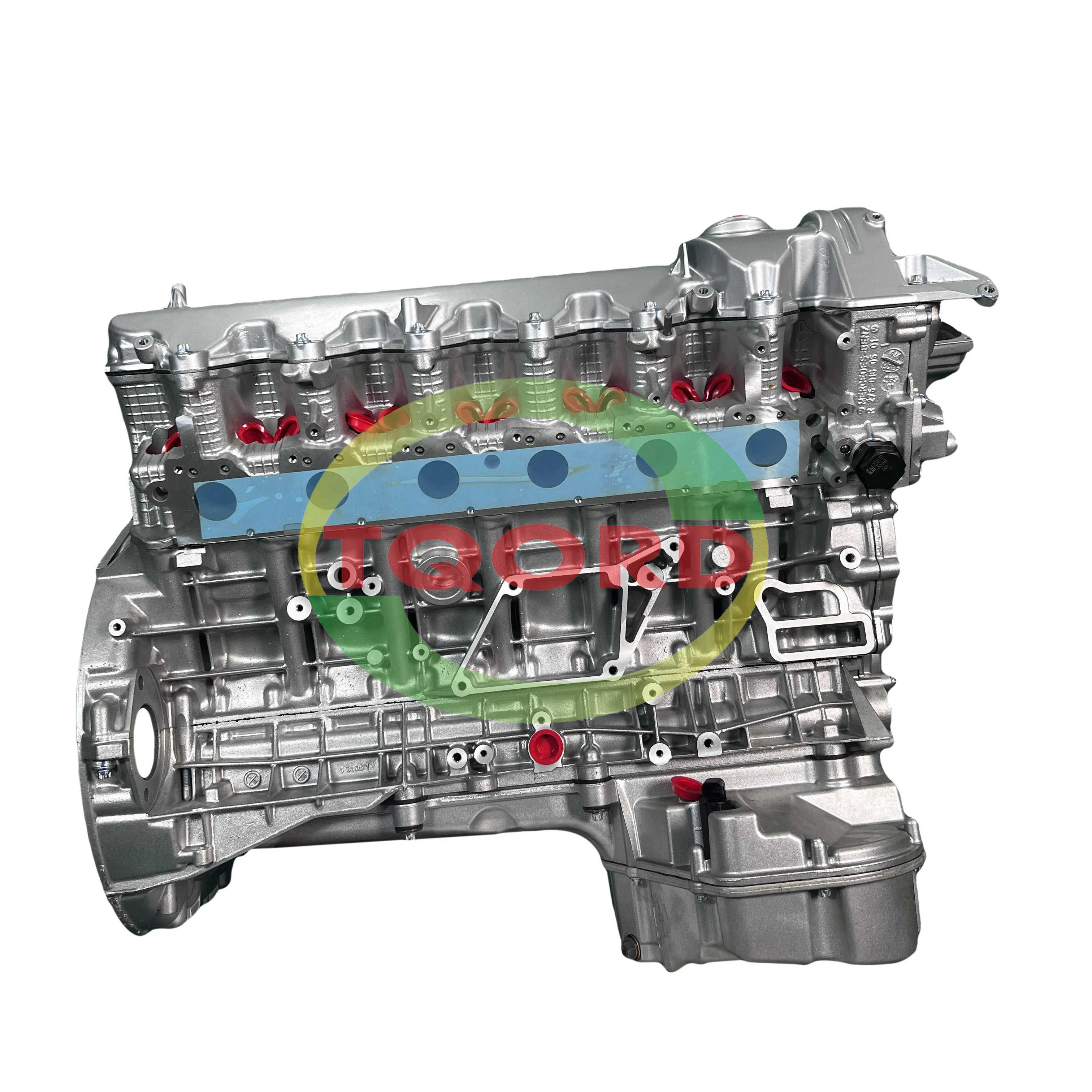
The engine block serves as the fundamental structural foundation of an internal combustion engine, housing critical components that enable power generation and vehicle operation. This robust casting forms the main body where pistons, cylinders, crankshaft, and connecting rods work together to convert fuel into mechanical energy. The engine block must withstand extreme temperatures, pressures, and vibrations while maintaining precise dimensional stability throughout the engine's operational life. Modern engine blocks are typically manufactured from cast iron or aluminum alloys, each material offering distinct advantages for specific applications. Cast iron blocks provide exceptional durability and heat dissipation, making them ideal for heavy-duty commercial vehicles and high-performance applications. Aluminum blocks offer significant weight reduction, improving fuel efficiency and vehicle handling characteristics. The engine block features precision-machined cylinder bores, coolant passages, oil galleries, and mounting points for auxiliary components. Advanced manufacturing techniques ensure consistent quality, with computer-controlled machining achieving tolerances measured in thousandths of an inch. The block's design integrates cooling channels that circulate coolant around combustion chambers, preventing overheating and maintaining optimal operating temperatures. Oil passages lubricate moving components, reducing friction and wear. The engine block also provides structural support for the cylinder head, transmission, and engine mounts, effectively transferring power to the drivetrain while isolating vibrations from the vehicle chassis. This essential component represents the heart of automotive engineering, combining metallurgical science, precision manufacturing, and functional design to deliver reliable performance across diverse operating conditions and applications.
 EN
EN