Diesel Fuel: Efficient Power for Heavy-Duty Use

Get a Free Quote

Our representative will contact you soon.
Email
Phone/WhatsApp/WeChat
Name
Company Name
Title
VIN Code
Message
0/1000

diesel

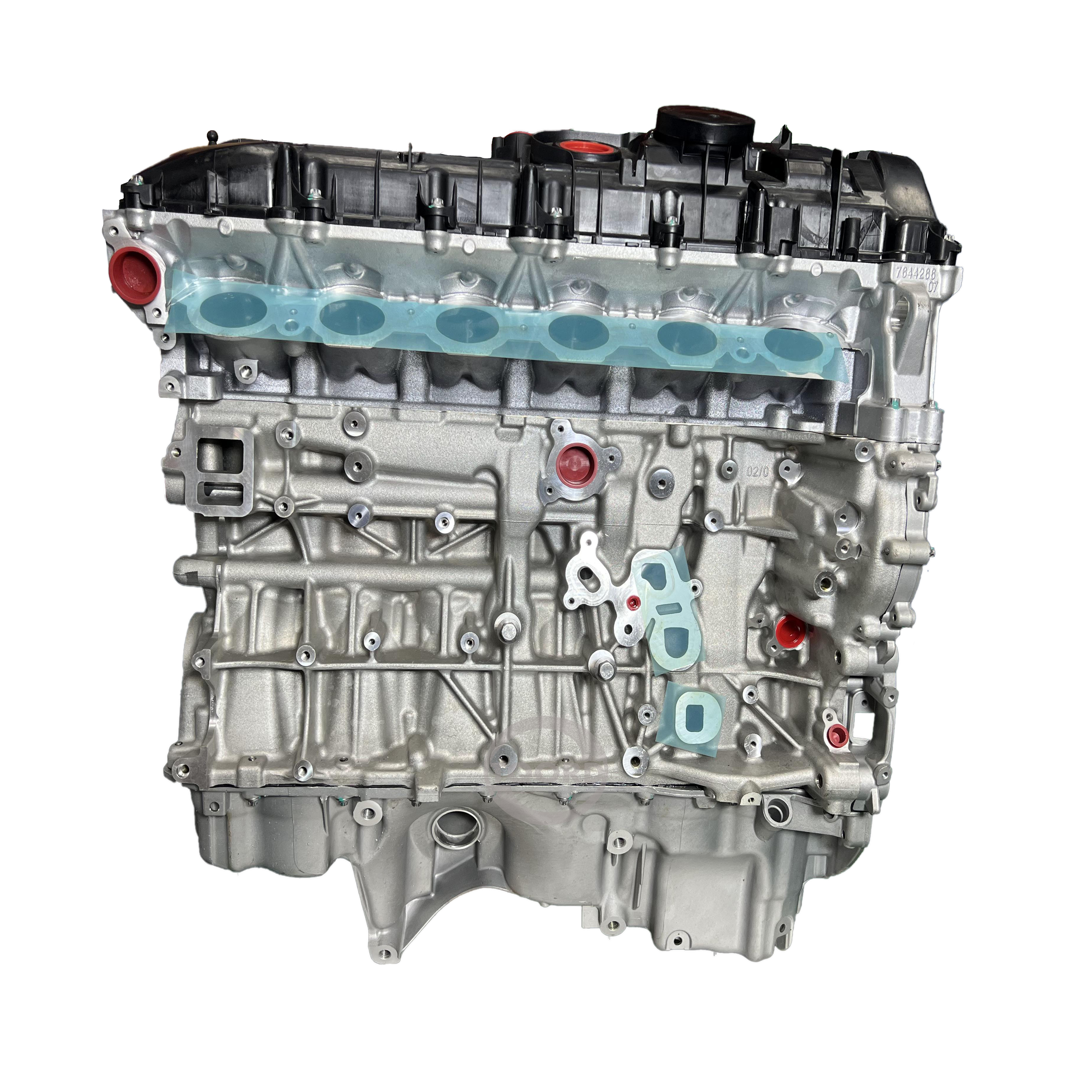
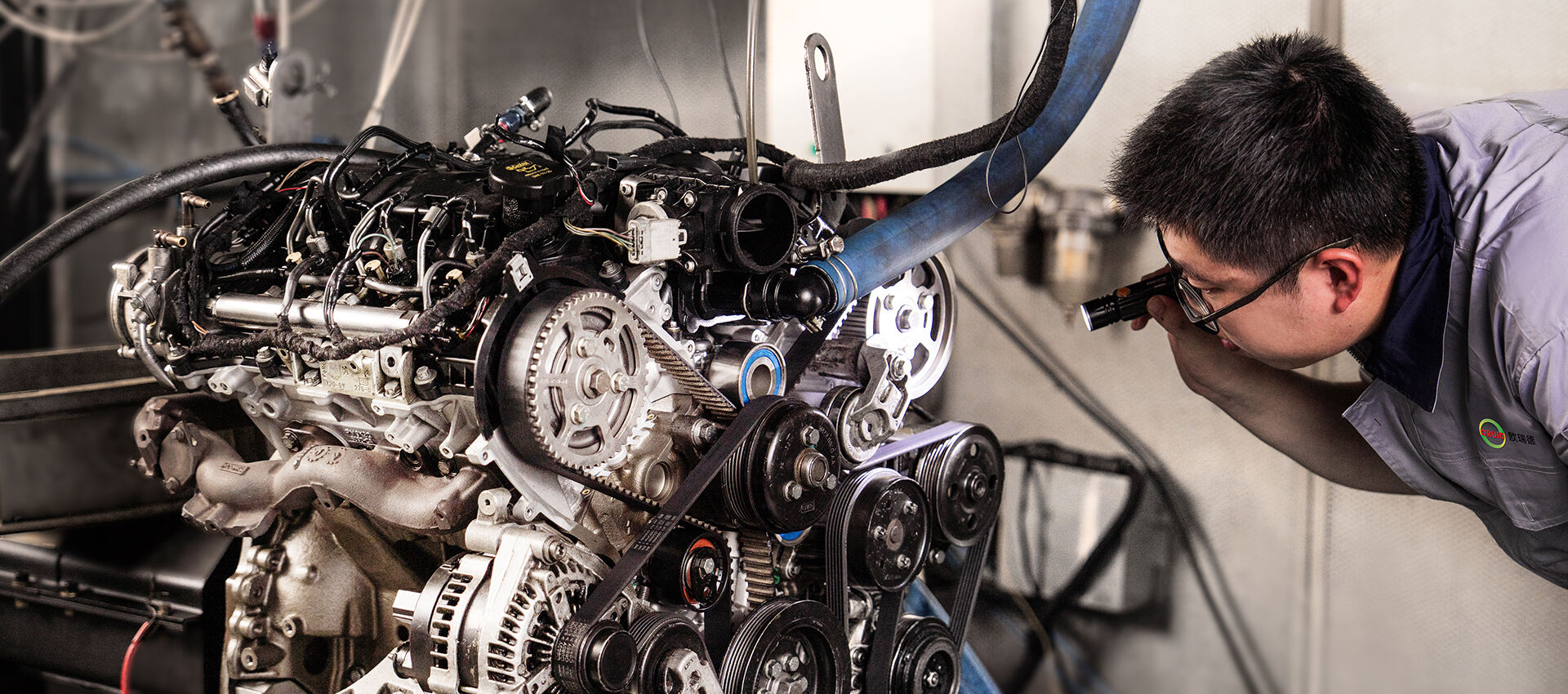
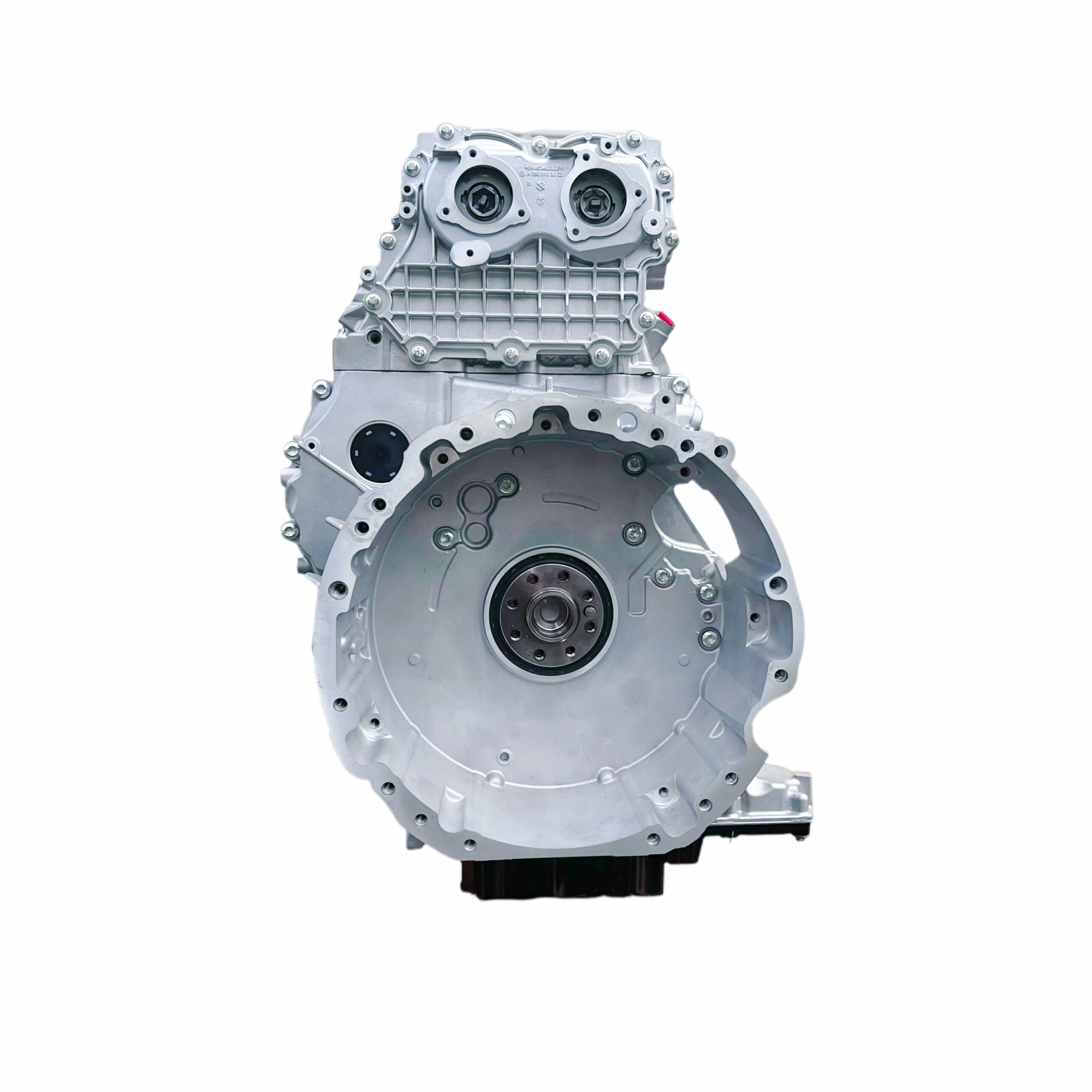

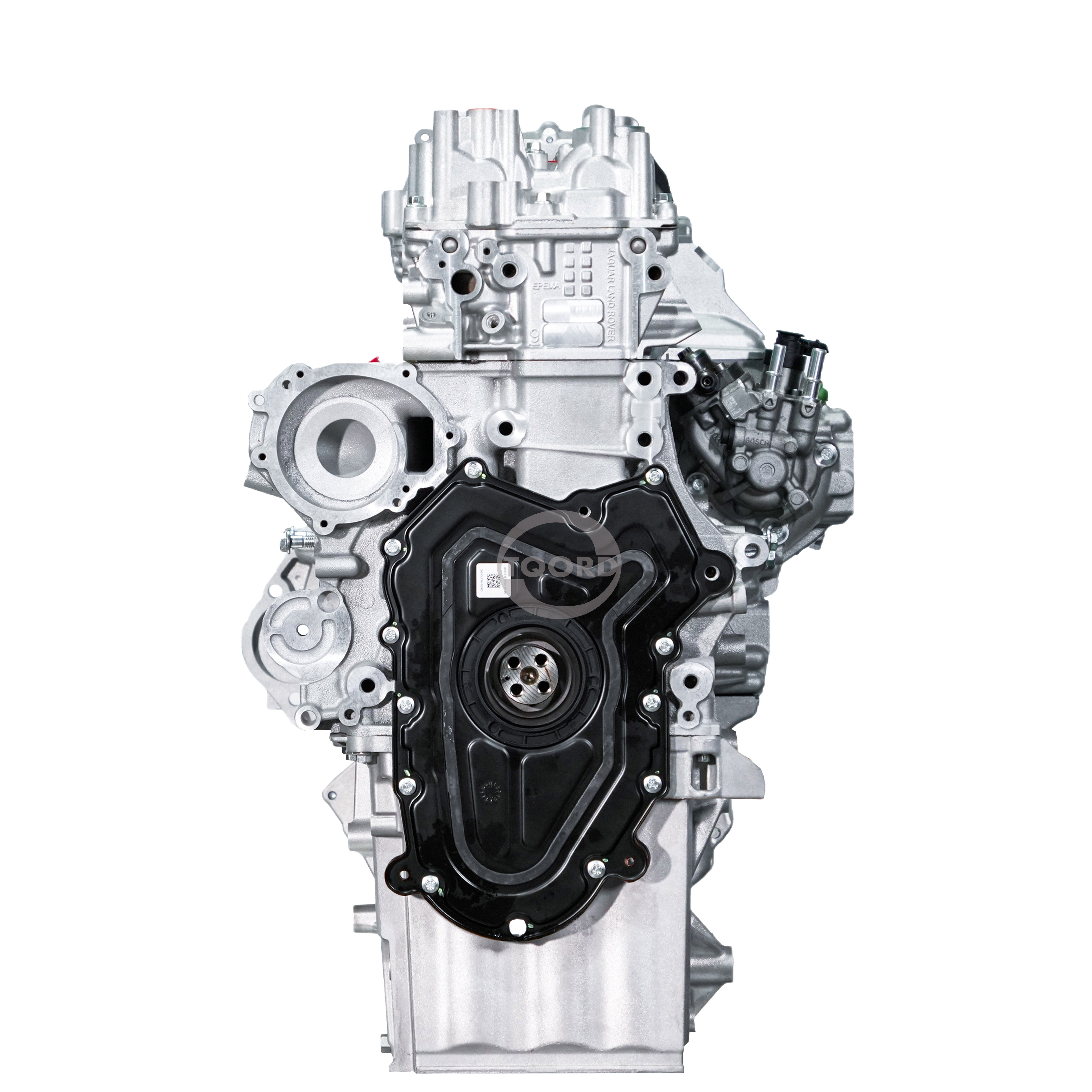
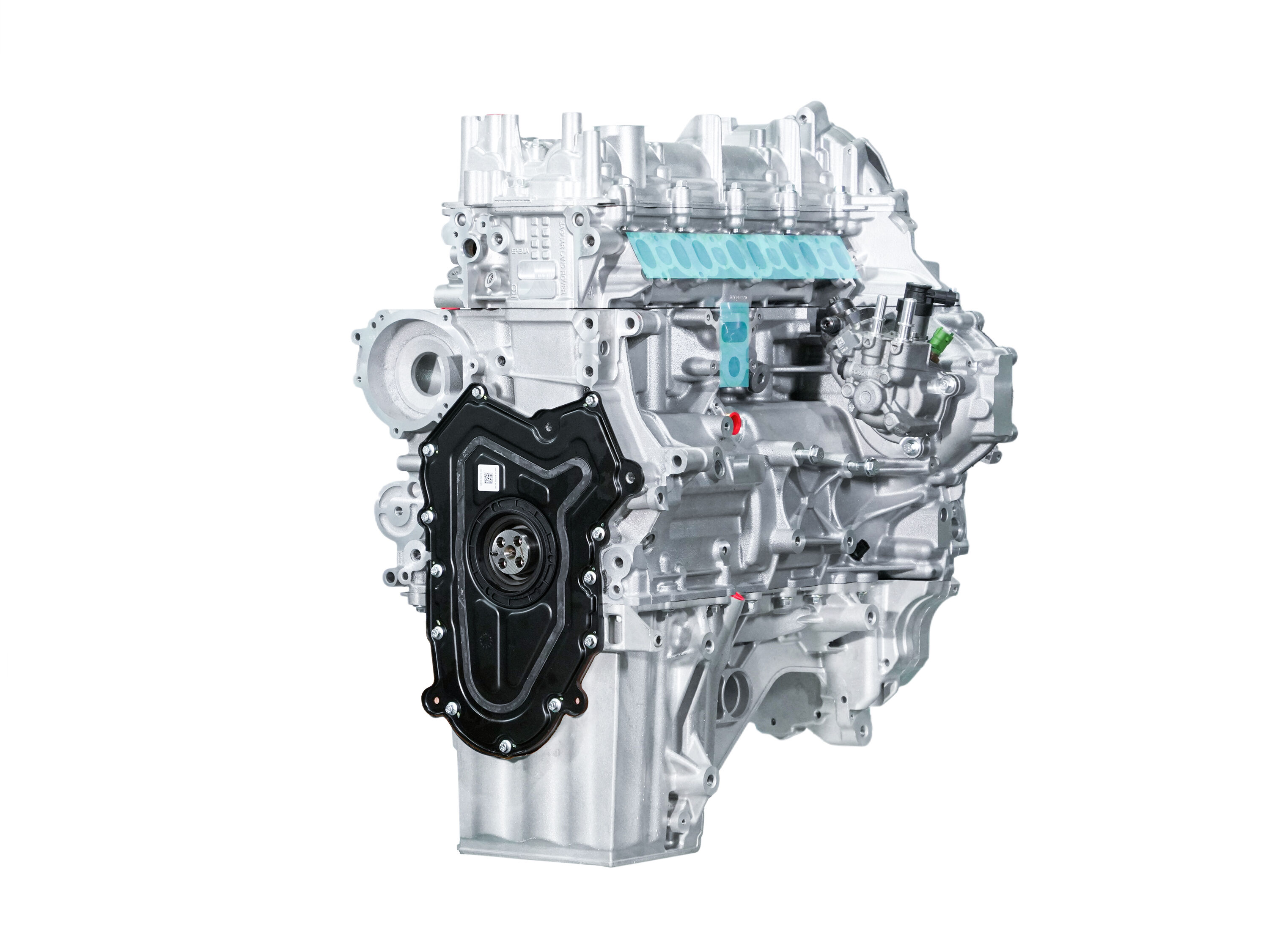
Diesel fuel stands as one of the most widely utilized energy sources globally, powering everything from heavy-duty trucks and construction equipment to marine vessels and backup generators. As a petroleum-derived liquid fuel, diesel is produced through the fractional distillation of crude oil, resulting in a dense, energy-rich composition that delivers exceptional performance across diverse applications. The primary function of diesel is to serve as a combustion fuel in compression-ignition engines, where it ignites under high pressure and temperature without requiring spark plugs. This fundamental characteristic distinguishes diesel engines from gasoline counterparts and contributes to their superior efficiency. Technologically, diesel fuel features a higher energy density compared to gasoline, containing approximately 10-15% more energy per gallon, which translates directly into extended range and reduced refueling frequency. Modern diesel formulations incorporate advanced additives that enhance cetane ratings, improve cold-weather performance, reduce emissions, and prevent injector deposits. The applications for diesel span commercial transportation, agriculture, mining, construction, marine operations, rail transport, and stationary power generation. Industrial sectors rely heavily on diesel due to its reliability, availability, and cost-effectiveness for heavy-load operations. Whether fueling long-haul freight trucks crossing continents or powering excavators on remote construction sites, diesel provides the robust energy output demanded by professional operations requiring consistent performance under challenging conditions.

New Product Recommendations

Choosing diesel fuel delivers significant practical benefits that directly impact operational costs and productivity for businesses and individual operators alike. The fuel efficiency advantage stands out immediately, as diesel engines convert more fuel energy into usable power, typically achieving 20-30% better fuel economy than equivalent gasoline engines. This efficiency translates into lower fuel expenses over time, making diesel particularly valuable for high-mileage applications and fleet operations where fuel costs represent a substantial portion of operating budgets. Diesel engines produce substantially higher torque at lower engine speeds, providing superior towing capacity and hauling power essential for commercial vehicles, agricultural equipment, and heavy machinery. This torque characteristic enables operators to move heavier loads with greater ease and maintain performance on steep grades or challenging terrain. The durability and longevity of diesel engines represent another compelling advantage, with properly maintained diesel powerplants often exceeding 300,000 miles before requiring major overhauls, significantly outperforming gasoline alternatives. This extended service life reduces replacement costs and maximizes return on equipment investment. Diesel fuel offers enhanced safety benefits due to its lower volatility and higher flash point compared to gasoline, reducing fire risks during storage, handling, and operation. The widespread availability of diesel at fueling stations worldwide ensures operational flexibility for commercial transportation and reduces logistical challenges. Modern ultra-low sulfur diesel formulations meet stringent environmental standards while maintaining performance characteristics, allowing operators to comply with emissions regulations without sacrificing power output. For backup power generation, diesel generators provide reliable emergency electricity with minimal maintenance requirements and excellent fuel storage stability.

Practical Tips

Cost Comparison: Reman vs Rebuilt Engines for Ford F-150

07

May

Cost Comparison: Reman vs Rebuilt Engines for Ford F-150

What Defines a True Reman Engine for the Ford F-150? OEM-Aligned Remanufacturing: Precision Reconditioning to Ford Engineering Specs A true remanufactured (reman) engine for the F-150 isn’t merely repaired—it’s systematically rest...
View More
OEM-Certified Components for Mercedes-Benz 274 Engines

13

May

OEM-Certified Components for Mercedes-Benz 274 Engines

Why OEM-Certified Components Are Essential for M274 Engine Reliability Thermal and Mechanical Compatibility: How OEM certification prevents turbocharger and manifold failure The M274 2.0L turbo engine operates under extreme exhaust gas temperatures...
View More
Oruide's Gas Engines for Stellantis Models: OEM Compatibility

22

Jun

Oruide's Gas Engines for Stellantis Models: OEM Compatibility

When sourcing replacement power units for Stellantis vehicles, understanding gas engine compatibility is the first critical step. Stellantis operates a broad portfolio of brands, and each platform demands precise gas engine specifications that match ...
View More
How to Maintain Rebuilt Engines for Optimal Performance

26

Jun

How to Maintain Rebuilt Engines for Optimal Performance

A rebuilt engine can deliver reliable, long-lasting performance when it receives the right care from day one. Whether you have installed a rebuilt unit in a Land Rover, a light commercial vehicle, or any other application, the steps you take during b...
View More

Get a Free Quote

Our representative will contact you soon.
Email
Phone/WhatsApp/WeChat
Name
Company Name
Title
VIN Code
Message
0/1000

diesel

Superior Fuel Economy and Operating Range

Superior Fuel Economy and Operating Range

Diesel fuel delivers exceptional fuel efficiency that directly reduces operating costs and extends vehicle range between refueling stops. The higher energy density of diesel means each gallon contains more usable energy compared to gasoline, allowing engines to extract more work from less fuel. This efficiency advantage becomes particularly valuable in commercial applications where vehicles accumulate high annual mileage, as the cumulative fuel savings can reach thousands of dollars per vehicle yearly. Fleet operators consistently choose diesel powertrains specifically for this economic benefit, which improves profit margins and competitive positioning. Long-haul trucking operations depend on diesel to maximize payload delivery efficiency, as fewer fuel stops translate into faster transit times and improved driver productivity. The extended range capability proves essential for operations in remote areas where fueling infrastructure may be limited, providing operational security and reducing logistical planning complexity. Agricultural and construction equipment powered by diesel can work longer periods between refueling, minimizing downtime and maximizing productive hours during critical seasonal operations or project deadlines.
Exceptional Torque and Heavy-Duty Performance

Exceptional Torque and Heavy-Duty Performance

Diesel engines generate substantially higher torque output at lower engine speeds compared to gasoline alternatives, making diesel the preferred choice for demanding heavy-duty applications. This torque characteristic enables vehicles and equipment to handle heavier loads, climb steeper grades, and maintain performance under challenging operating conditions that would overwhelm gasoline powertrains. Commercial trucks utilizing diesel engines can tow significantly greater trailer weights while maintaining control and responsiveness, essential for safe transportation of heavy freight and equipment. Construction equipment powered by diesel delivers the sustained pulling and lifting force required for excavation, material handling, and earth-moving operations throughout extended work shifts. The low-end torque advantage means diesel engines operate more effectively at working speeds without requiring frequent gear changes or high engine revolutions, reducing operator fatigue and mechanical stress. Marine applications particularly benefit from diesel torque characteristics, as boats and ships require consistent power delivery across varying sea conditions and loading scenarios. Agricultural tractors equipped with diesel engines provide the reliable pulling power necessary for plowing, tilling, and harvesting operations across diverse soil conditions and terrain variations.
Outstanding Durability and Service Longevity

Outstanding Durability and Service Longevity

Diesel engines are engineered with robust construction standards that deliver exceptional durability and extended service life far exceeding gasoline engine expectations. The compression-ignition operating principle requires stronger engine blocks, reinforced cylinder heads, and heavy-duty internal components capable of withstanding higher pressures and temperatures, resulting in powerplants built to endure decades of demanding service. Commercial vehicle operators routinely achieve 500,000 miles or more from diesel engines with proper maintenance protocols, while equivalent gasoline engines typically require replacement at significantly lower mileage intervals. This longevity advantage reduces total cost of ownership by extending the useful life of expensive equipment and vehicles, postponing capital replacement expenditures and maximizing asset utilization. Fleet managers rely on diesel durability to maintain vehicle availability and minimize unscheduled downtime that disrupts operations and impacts customer service. The robust construction of diesel engines also enables them to tolerate varied fuel quality conditions encountered in international operations or remote locations where premium fuels may be unavailable. Maintenance intervals for diesel engines often extend longer than gasoline alternatives, reducing service frequency and associated labor costs while improving equipment availability for productive work.