Gas Engine Components for Industrial Generators

Get a Free Quote

Our representative will contact you soon.
Email
Phone/WhatsApp/WeChat
Name
Company Name
Title
VIN Code
Message
0/1000

gas engine components for industrial generators

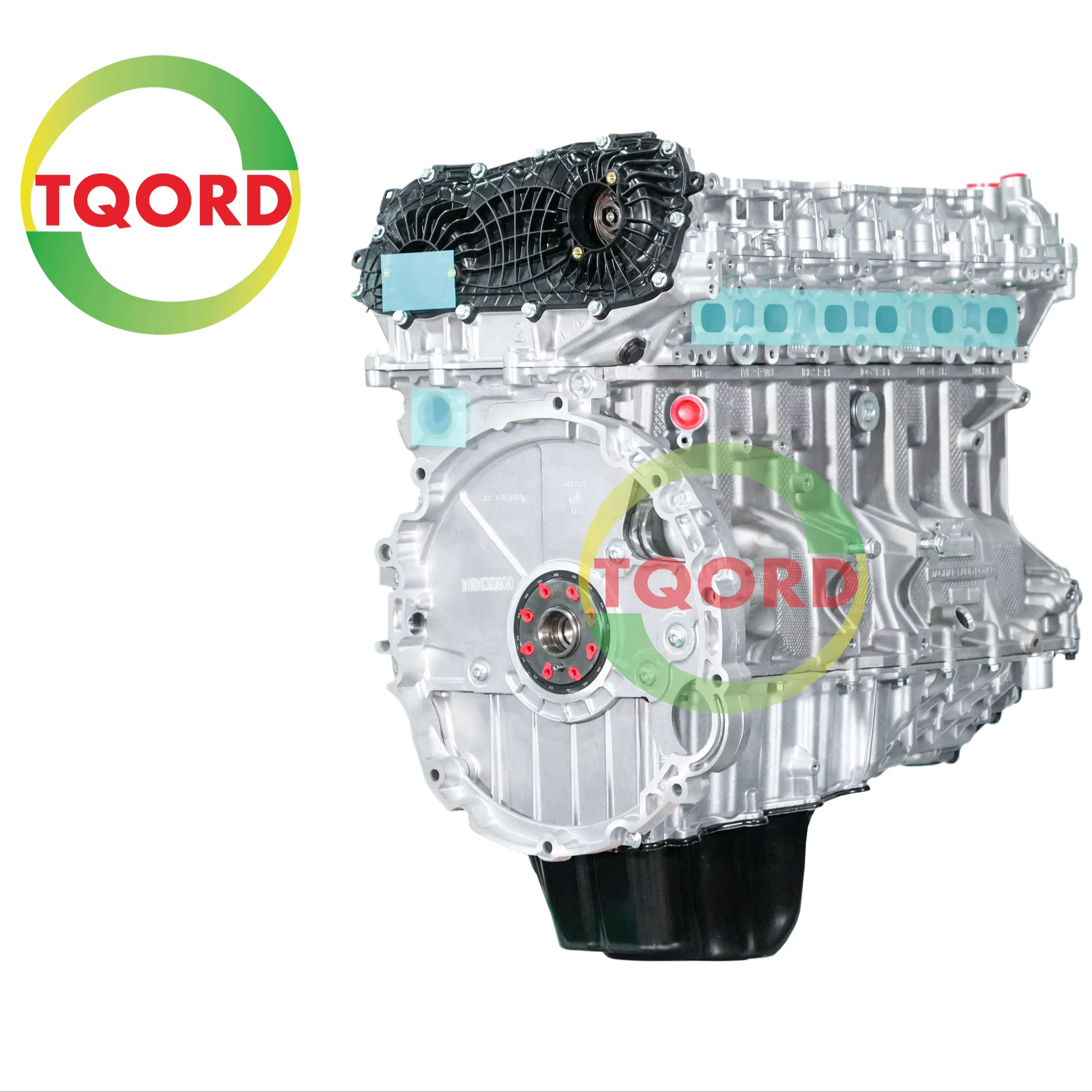
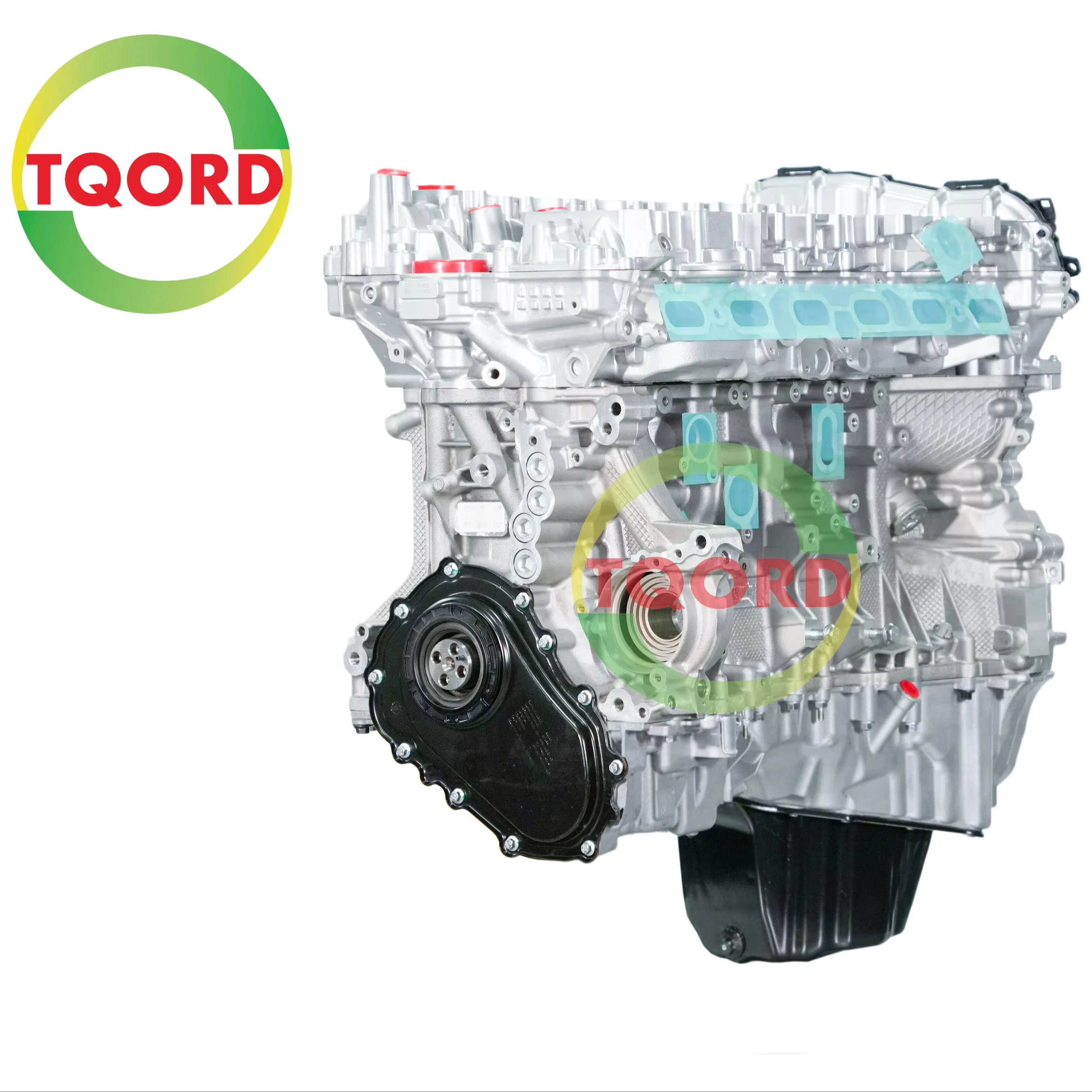
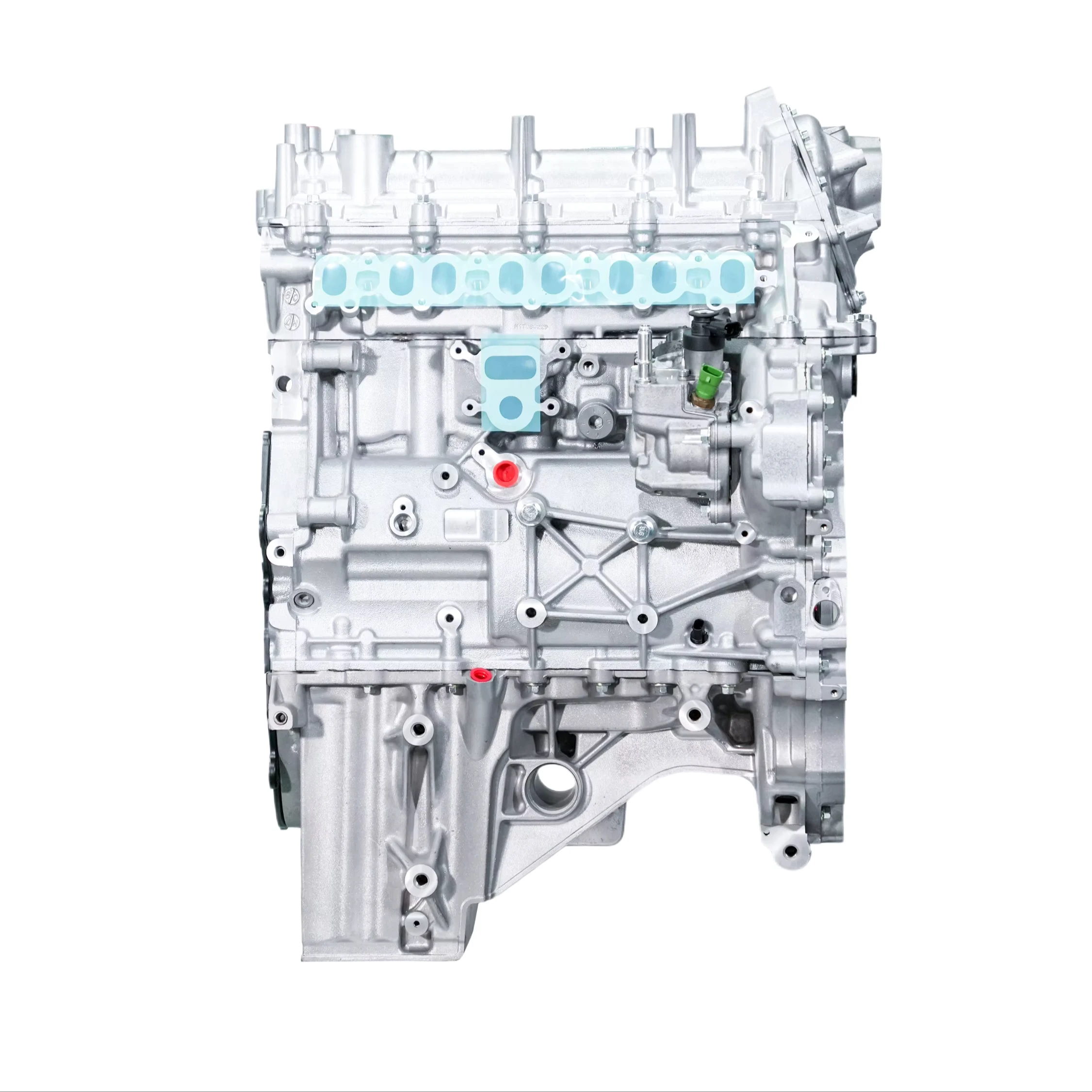
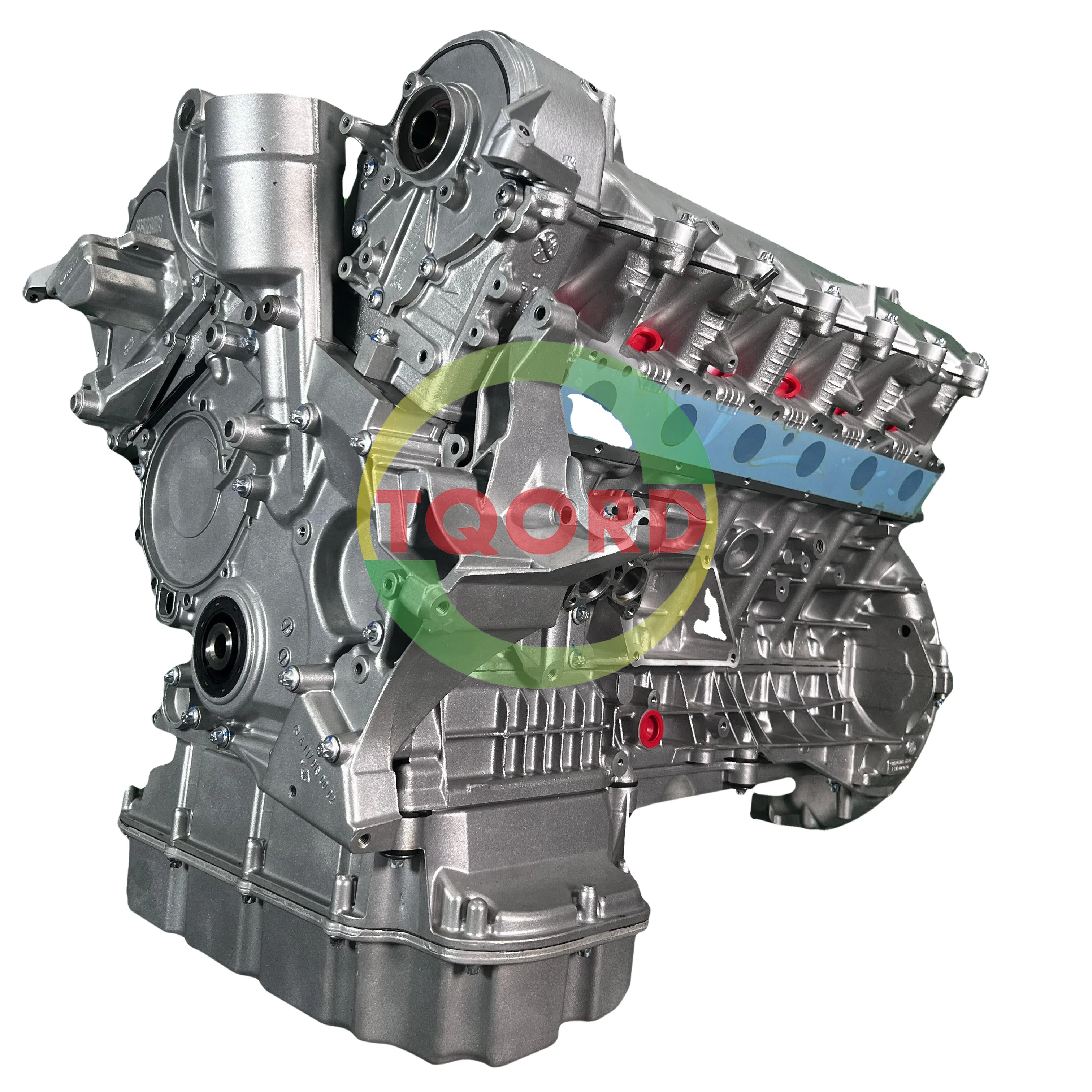
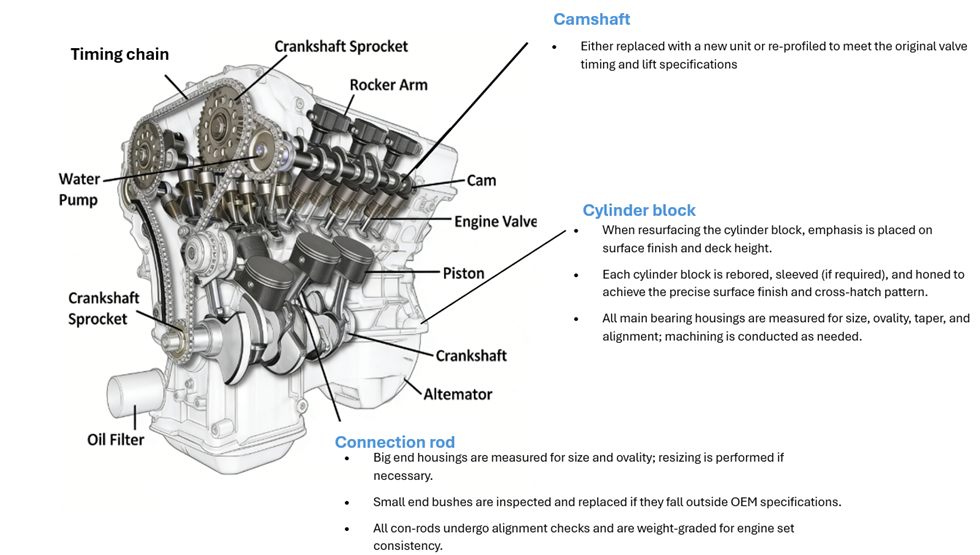
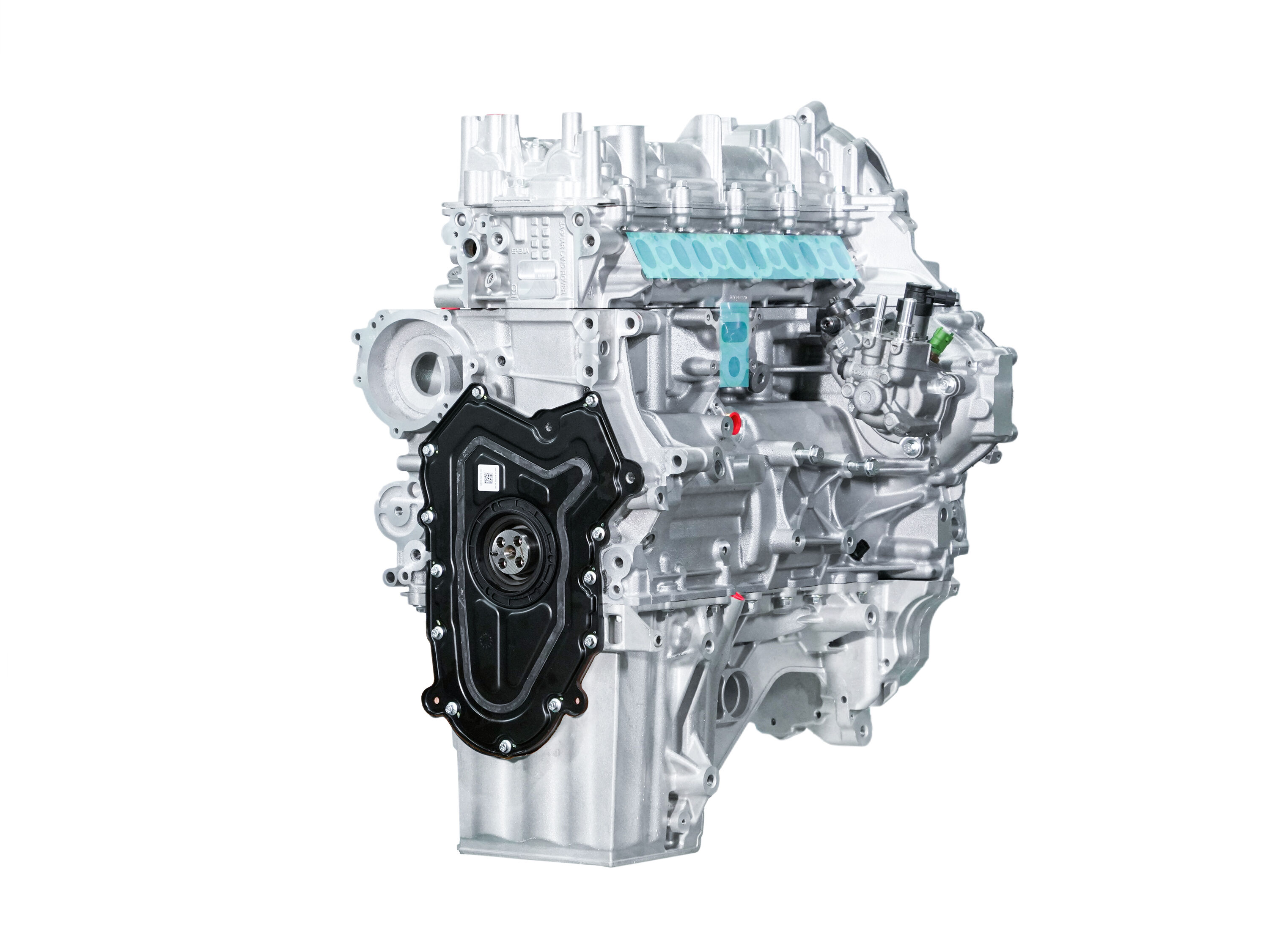
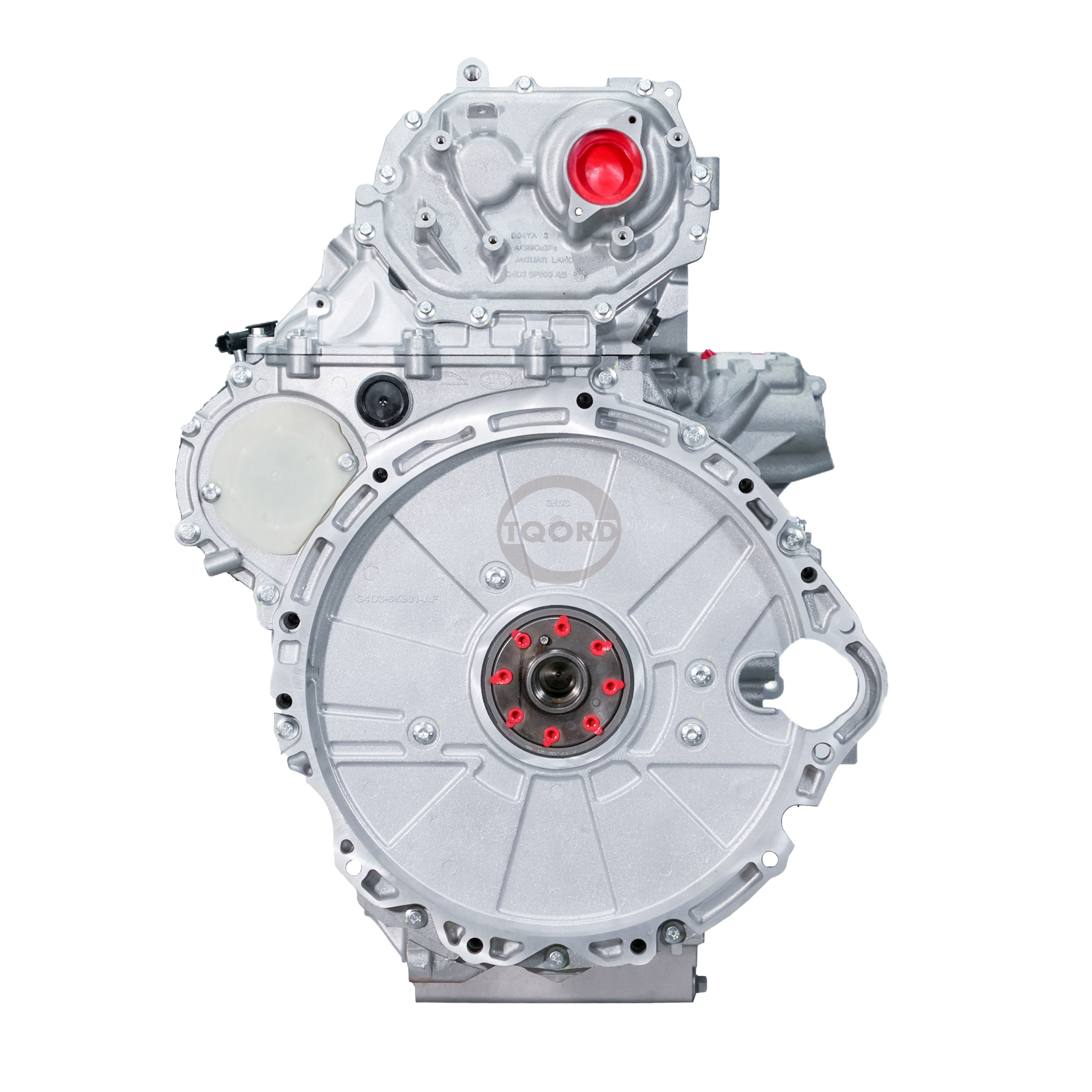
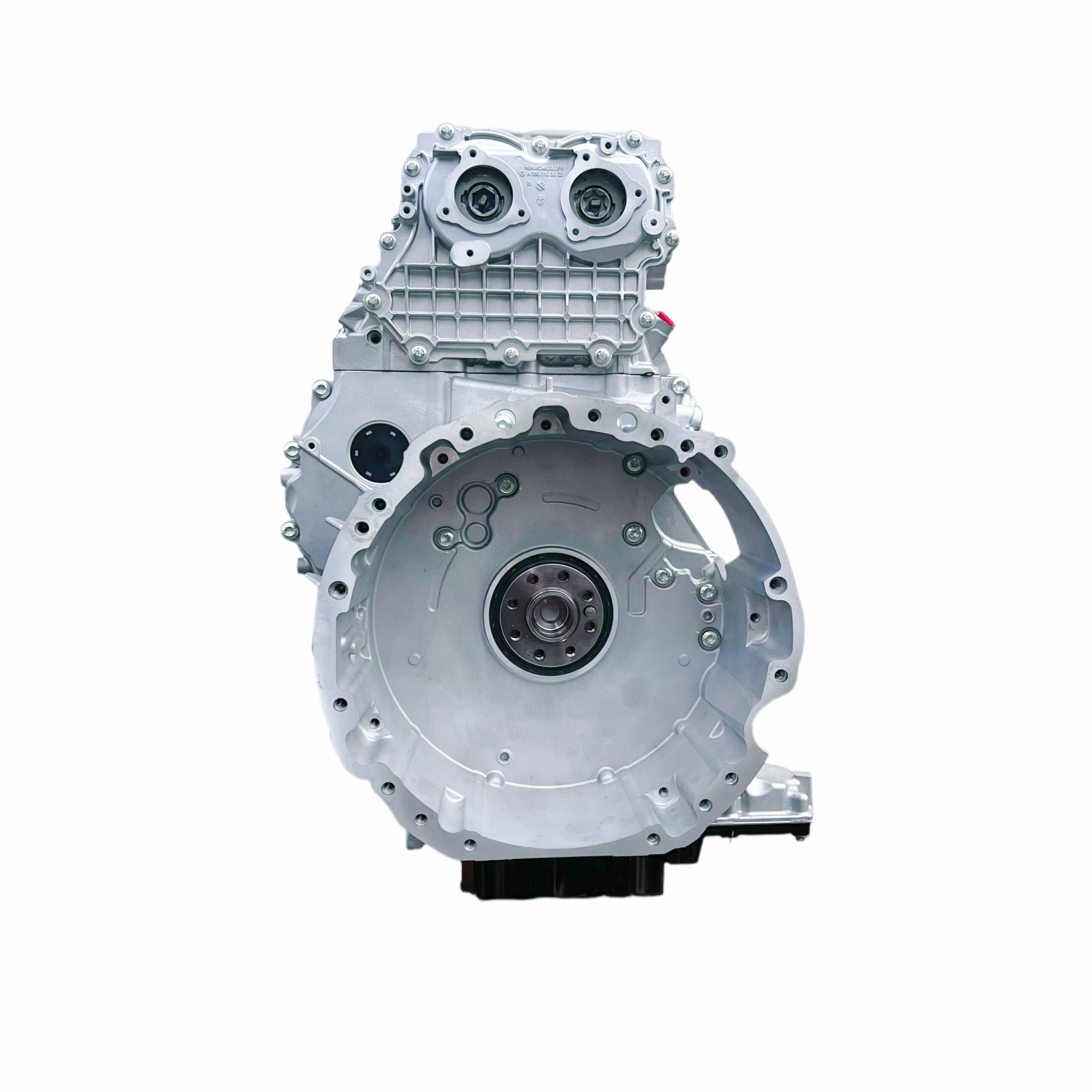
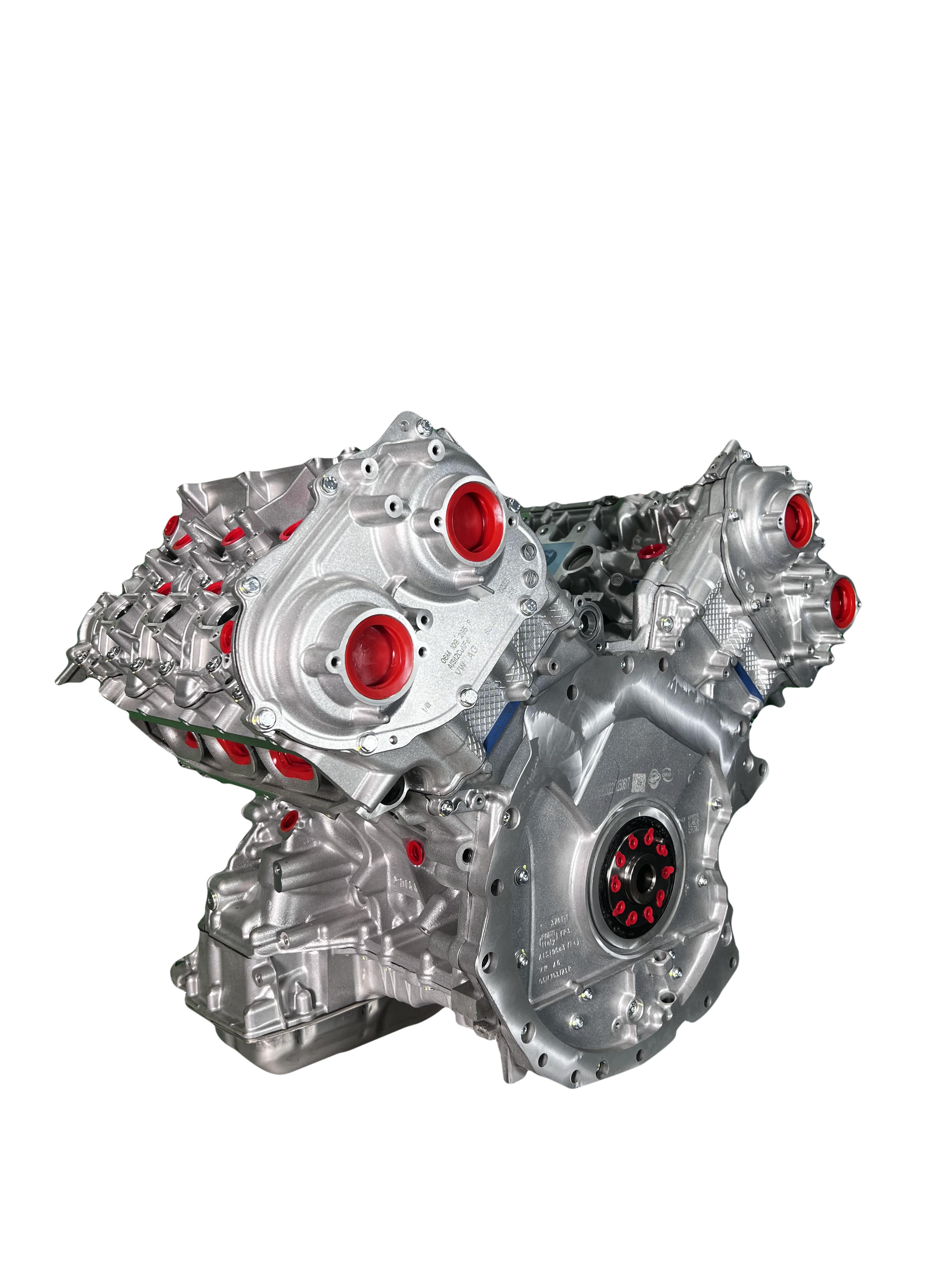
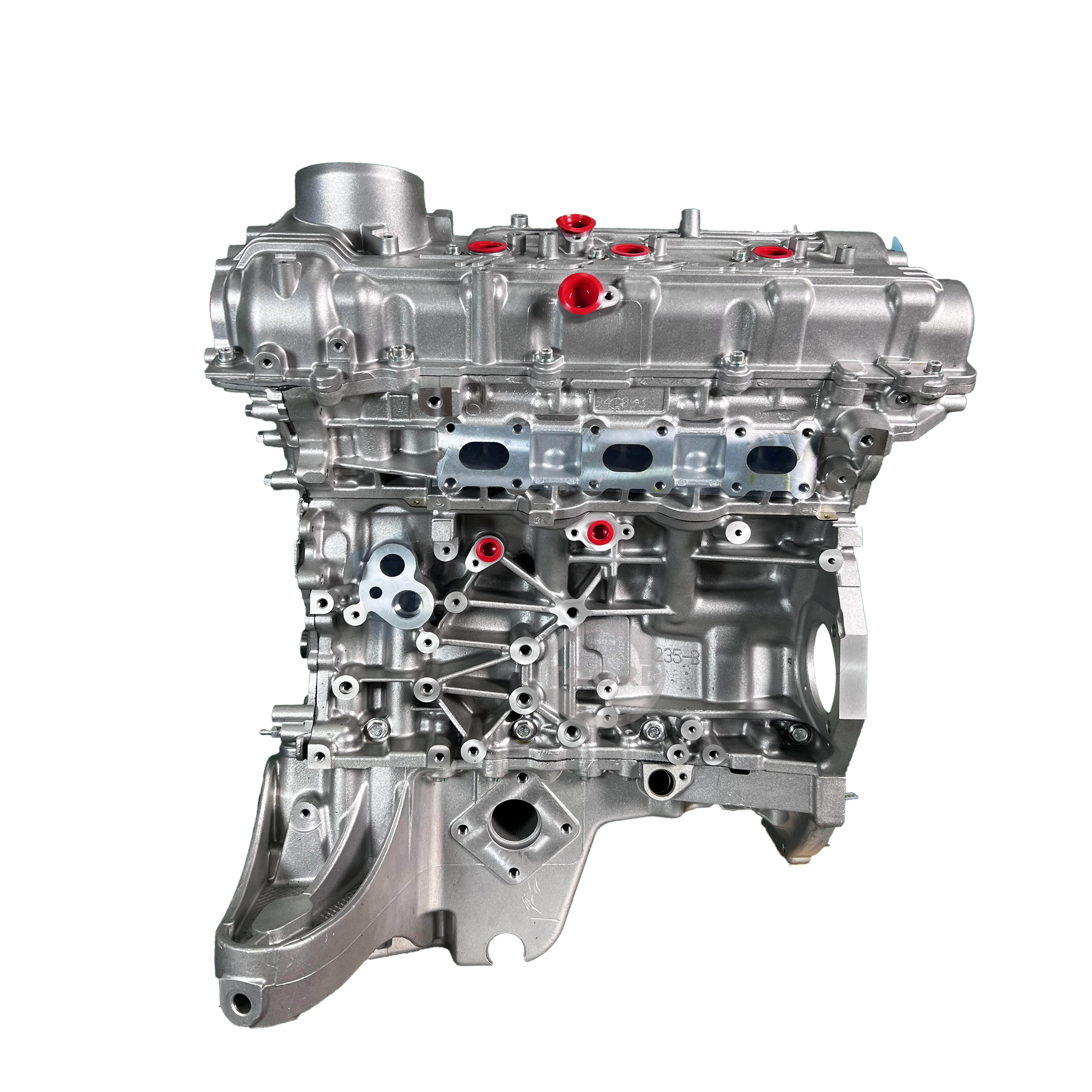
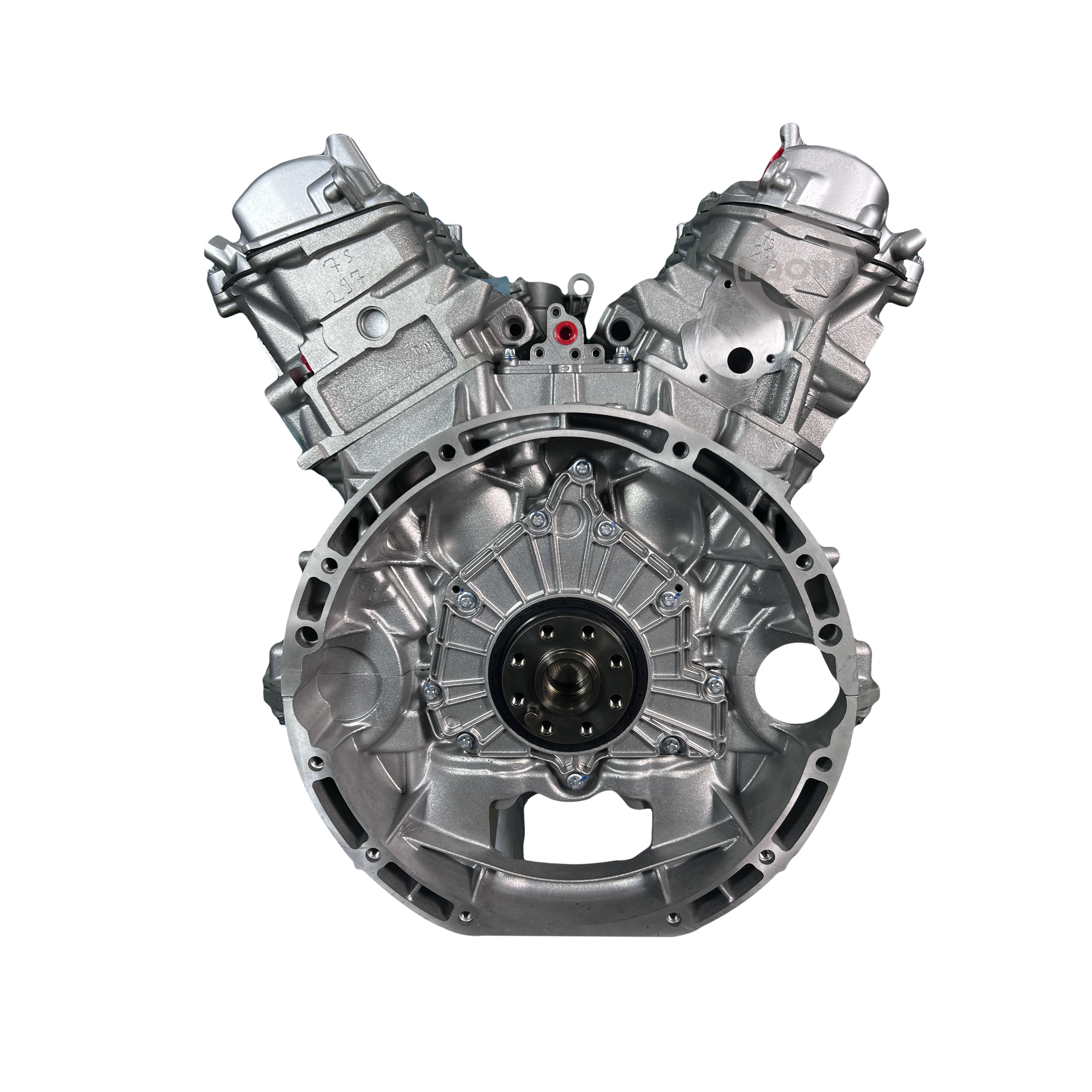
Gas engine components for industrial generators represent the heart of reliable power generation systems used across manufacturing facilities, data centers, hospitals, and remote industrial sites. These sophisticated assemblies work together to convert natural gas, biogas, or propane into mechanical energy that drives electrical generators. The primary components include cylinder heads, pistons, crankshafts, camshafts, fuel injection systems, turbochargers, cooling systems, and control modules. Each component plays a critical role in ensuring optimal combustion efficiency, power output, and operational reliability. The cylinder assembly houses the combustion process where fuel mixes with air and ignites to create the driving force. Modern gas engine components for industrial generators incorporate advanced materials like forged steel and heat-resistant alloys to withstand extreme temperatures and pressures during continuous operation. The fuel management system precisely controls gas flow to maintain consistent power delivery while minimizing emissions. Turbocharging technology increases power density by forcing more air into the combustion chamber, allowing smaller engines to produce greater output. Integrated cooling systems prevent overheating during extended run times, while electronic control units monitor performance parameters in real-time. These gas engine components for industrial generators are specifically engineered for industrial applications requiring high uptime, ranging from prime power installations to emergency backup systems and combined heat and power applications where waste heat recovery maximizes overall efficiency.

New Product Recommendations

Investing in quality gas engine components for industrial generators delivers substantial operational and financial benefits that directly impact your bottom line. First, these components enable fuel flexibility, allowing your generators to run on various gas types including natural gas, propane, and renewable biogas, which provides energy security and cost optimization opportunities based on fuel availability and pricing. The combustion efficiency of modern gas engine components for industrial generators typically exceeds 40 percent, with cogeneration systems reaching combined efficiencies above 80 percent when capturing waste heat for heating or cooling applications. This superior efficiency translates to lower fuel consumption and reduced operating costs compared to diesel alternatives. Maintenance intervals are significantly extended due to cleaner combustion characteristics of gaseous fuels, which produce fewer carbon deposits and reduce wear on critical engine parts. This means less downtime, lower maintenance expenses, and improved return on investment over the equipment lifecycle. Environmental compliance becomes easier as gas engine components for industrial generators produce substantially lower emissions of particulates, sulfur oxides, and nitrogen oxides compared to liquid fuel engines, helping facilities meet increasingly stringent air quality regulations without expensive after-treatment systems. The modular design of these components facilitates easier servicing and parts replacement, reducing mean time to repair and allowing maintenance teams to quickly restore units to service. Scalability is another practical advantage, as industrial facilities can start with appropriate capacity and add generator sets as power demands grow. The proven durability of gas engine components for industrial generators ensures reliable performance in demanding continuous-duty applications, with many industrial installations achieving operational availability exceeding 95 percent when properly maintained.

Tips And Tricks

Reman Engines for Old Audi A4: A Cost-Effective Replacement Option

11

May

Reman Engines for Old Audi A4: A Cost-Effective Replacement Option

Why Reman Engines Are the Smart Choice for Aging Audi A4 Models Common Failure Patterns in 2002–2008 Audi A4 1.8T and 2.0T Engines The 2002–2008 Audi A4’s 1.8T and 2.0T engines are prone to predictable, high-impact failures—...
View More
How to Inspect the Quality of Rebuilt Diesel Engines

23

May

How to Inspect the Quality of Rebuilt Diesel Engines

Verify Core Components and Rebuild Integrity Visual and Dimensional Inspection of Block, Head, and Crankshaft Begin by meticulously examining the engine block, cylinder head, and crankshaft for signs of prior damage or substandard repair—espe...
View More
Global Supply of Diesel Engines: Oruide's 60,000+ Annual Capacity

02

Jun

Global Supply of Diesel Engines: Oruide's 60,000+ Annual Capacity

The global demand for diesel engines has never been more complex to satisfy. Industrial fleets, commercial vehicles, agricultural machinery, and off-road equipment all rely on dependable diesel powertrains, and sourcing those engines at scale require...
View More
How to Maintain Rebuilt Engines for Optimal Performance

26

Jun

How to Maintain Rebuilt Engines for Optimal Performance

A rebuilt engine can deliver reliable, long-lasting performance when it receives the right care from day one. Whether you have installed a rebuilt unit in a Land Rover, a light commercial vehicle, or any other application, the steps you take during b...
View More

Get a Free Quote

Our representative will contact you soon.
Email
Phone/WhatsApp/WeChat
Name
Company Name
Title
VIN Code
Message
0/1000

gas engine components for industrial generators

Advanced Combustion Technology for Maximum Efficiency

Advanced Combustion Technology for Maximum Efficiency

The gas engine components for industrial generators incorporate cutting-edge combustion technology that optimizes the air-fuel mixture for complete burning and maximum energy extraction. Precision-engineered fuel injectors deliver gas at exactly the right moment and quantity, while specially designed combustion chamber geometries promote turbulent mixing that ensures thorough combustion. This advanced approach minimizes unburned fuel and maximizes the conversion of chemical energy into mechanical work. The result is exceptional thermal efficiency that reduces fuel costs while meeting your power requirements. Modern ignition systems provide reliable spark timing across varying loads and operating conditions, ensuring consistent performance whether running at full capacity or partial load. Electronic governors continuously adjust fuel delivery to maintain stable frequency and voltage output despite fluctuating electrical demands. These sophisticated gas engine components for industrial generators also feature knock detection systems that prevent destructive pre-ignition by monitoring combustion characteristics and making real-time adjustments. The combination of these technologies delivers superior fuel economy, reduced emissions, and reliable power generation that keeps your operations running smoothly around the clock.
Robust Construction for Extended Service Life

Robust Construction for Extended Service Life

Durability stands as a defining characteristic of premium gas engine components for industrial generators, with manufacturers employing heavy-duty materials and precision manufacturing processes to create components capable of withstanding years of demanding industrial service. Crankshafts are typically forged from high-strength alloy steel and undergo precision balancing to minimize vibration and bearing wear during millions of rotation cycles. Cylinder liners feature wear-resistant coatings or special metallurgy that maintains compression and oil control even after extended operation. Piston assemblies incorporate heat-dissipating designs with thermal barriers that protect critical areas from combustion temperatures while maintaining tight tolerances for optimal sealing. Connecting rods are engineered to handle peak combustion pressures with generous safety margins, ensuring reliability even during transient load changes or momentary overload conditions. Valve train components utilize hardened materials and optimized geometries that resist wear from constant opening and closing cycles. The gas engine components for industrial generators also feature enhanced cooling passages that prevent hot spots and thermal stress that could lead to premature failure. Bearing systems employ advanced lubrication designs that maintain protective oil films under all operating conditions. This robust construction philosophy means your generator investment delivers dependable service for decades, minimizing replacement costs and maximizing operational availability when you need power most.
Seamless Integration with Modern Control Systems

Seamless Integration with Modern Control Systems

Contemporary gas engine components for industrial generators are designed for seamless integration with sophisticated monitoring and control systems that optimize performance, enable predictive maintenance, and facilitate remote management. Embedded sensors continuously track critical parameters including temperatures, pressures, vibration levels, and exhaust characteristics, providing real-time visibility into engine health and performance. This data feeds into control modules that automatically adjust operating parameters to maintain optimal efficiency across varying load conditions while protecting components from damaging conditions. Communication protocols allow these gas engine components for industrial generators to interface with building management systems, SCADA networks, and cloud-based monitoring platforms, enabling facility managers to oversee multiple generator sets from centralized locations. Diagnostic capabilities identify developing issues before they cause failures, allowing maintenance teams to schedule interventions during planned downtime rather than responding to unexpected breakdowns. Load management features coordinate multiple generator sets to share electrical demand efficiently, reducing wear on individual units while ensuring adequate capacity reserves. Remote start and stop capabilities enable automated response to power outages or scheduled operation during peak demand periods. These intelligent control features transform gas engine components for industrial generators from simple mechanical devices into smart power assets that adapt to your operational needs while providing valuable performance data that supports informed maintenance and capacity planning decisions.