
 EN
EN


Why Automotive Buyers Choose Custom Engine Builds Over Standard Off-the-Shelf Options
Operational Gaps That Mass-Produced Off-the-Shelf Engines Cannot Fill
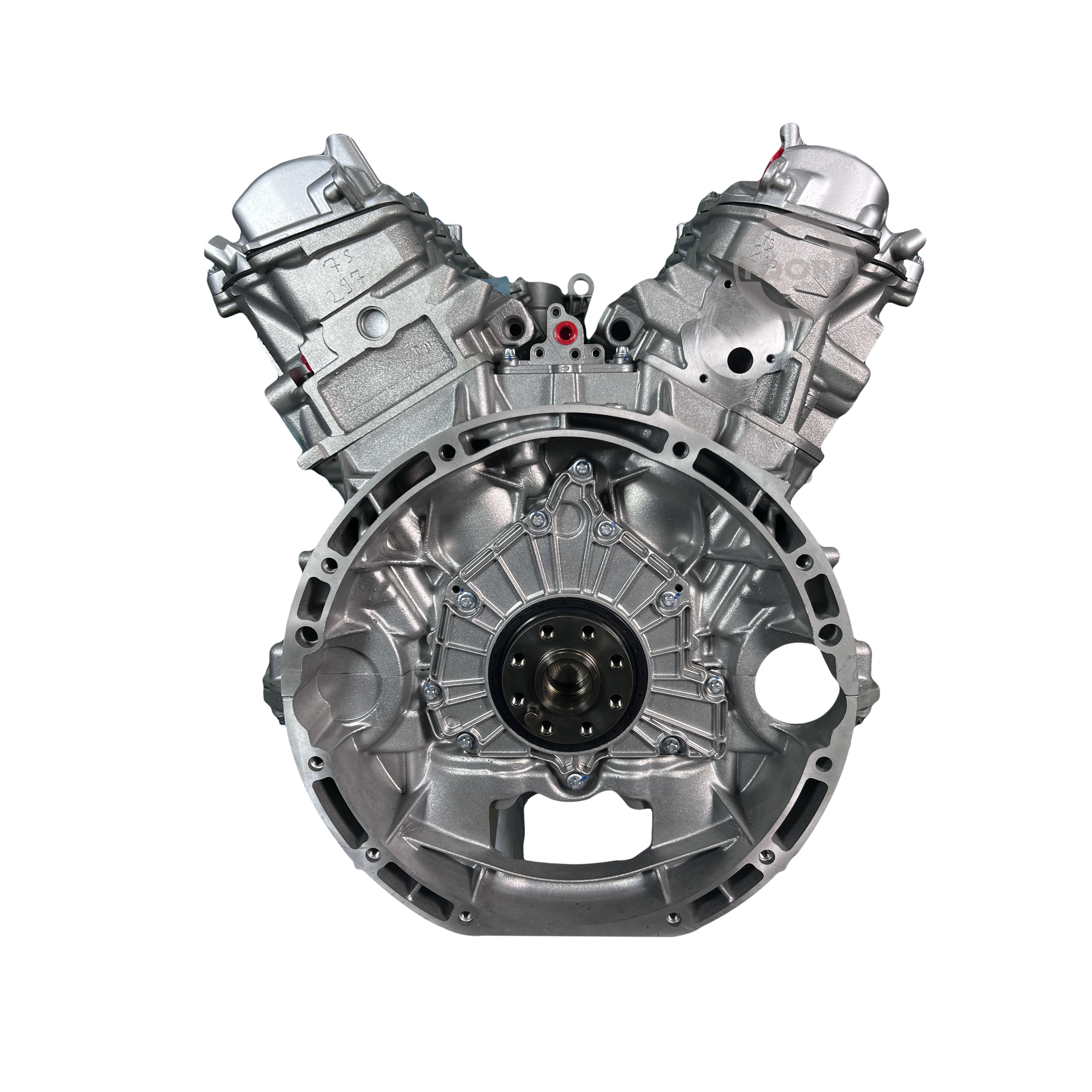
Automotive applications—from high-performance motorsport and overland off-roading to commercial delivery fleets and classic vehicle restoration—face unique challenges that generic mass-produced engines simply cannot address. Off-the-shelf powertrains often mismatch critical requirements, including application-specific torque curves, thermal tolerance for sustained high-load operation, spatial constraints for compact engine bays, and compatibility with legacy or specialized vehicle chassis. This leads to compromised performance, accelerated wear, and costly mechanical failures.
For example, standard production engines frequently suffer heat soak and power degradation during continuous track use, or deliver insufficient low-end torque for heavy-duty commercial hauling and off-road traversal. Custom-built automotive engines eliminate these compromises through application-specific engineering: reinforced internals for high-horsepower track builds, marine-grade corrosion resistance for coastal off-road vehicles, compact packaging for classic car retrofits, and heavy-duty durability for last-mile delivery fleets. This tailored approach ensures seamless integration with the vehicle’s existing transmission, electronics, and chassis systems—optimizing power delivery, efficiency, and service life far beyond what mass-produced units can deliver.
Real-World Failure Costs Driving the Shift to Purpose-Built Automotive Engines
The financial impact of unplanned engine failure makes custom-built powertrains a strategic imperative for automotive B2B operators and specialist builders. For commercial delivery fleets, unplanned downtime costs an average of $740 per vehicle per hour (Ponemon Institute, 2023), with cascading consequences including missed delivery windows, contractual penalties, and lost customer trust. For motorsport teams, a single engine failure can mean race disqualification and lost sponsorship value, while classic car restoration projects face costly rework and timeline delays from ill-fitting off-the-shelf powertrains.
Standard production engines—engineered for average daily driving conditions—consistently fail under the unanticipated stress of specialized automotive use. A regional last-mile delivery fleet reduced unexpected annual breakdowns from 17 to just 2 per vehicle after switching to purpose-built heavy-duty custom engines, as shown in the performance comparison below:
Failure Risk Metric |
Standard Off-the-Shelf Engine |
Custom Solution |
Annual Downtime Incidents |
High (6–10 per vehicle) |
Low (1–3 per vehicle) |
Annual Maintenance Costs |
30–40% higher |
Predictable lifecycle budgeting |
Average Service Life Replacement Cycle |
3–5 years / 150,000 miles |
7–10 years / 300,000+ miles |
This measurable risk reduction explains why 78% of commercial fleet operators, specialist vehicle builders, and motorsport teams now prioritize custom engine builds for their critical operations. By embedding failure mode and effects analysis (FMEA) during the design phase, manufacturers create inherently resilient powertrains—transforming maintenance from a reactive cost center into a proactive value-retention asset.
How Custom Automotive Engine Builds Deliver Superior Value: Durability, Performance, and Lifecycle Integration
Material Science and Thermal Design as Core Differentiators
The value of a custom automotive engine begins with advanced material science and precision thermal engineering, tailored to the unique demands of the vehicle’s intended use. For high-performance applications, forged aluminum pistons, high-nickel steel connecting rods, and heat-treated crankshafts withstand 40% more combustion pressure and thermal strain than conventional cast production components—extending service life by 30% in track and heavy-haul applications.
Equally critical is application-specific thermal management: precision-cooled cylinder heads, optimized oiling systems, and engineered heat-dissipation channels maintain consistent operating temperatures, avoiding the 18% power and efficiency drop common in standard production engines during sustained high-load operation. These engineering advantages directly translate into lower fuel consumption per unit of power, reduced repair frequency, and longer service intervals—core drivers of ROI for both commercial fleet operators and specialist vehicle builders.
Lifecycle Engineering and Predictive Maintenance Bundling
True custom engine value extends far beyond initial performance specifications through integrated lifecycle engineering. Leading providers bundle predictive maintenance systems powered by embedded IoT sensors that sync with the vehicle’s on-board diagnostics (OBD) system, monitoring real-time vibration patterns, oil quality, and thermal signatures. This proactive approach reduces unplanned downtime by up to 65% compared to reactive maintenance models.
AI-driven analytics forecast component wear with 92% accuracy, enabling just-in-time part replacements and eliminating costly on-road breakdowns. The result is a shift from one-time transactional purchases to long-term operational partnerships, optimizing total cost of ownership (TCO) while guaranteeing consistent performance across the engine’s extended service life. For commercial fleets, this means predictable maintenance budgeting; for motorsport teams, it means reliable lap-after-lap performance; for classic car restorers, it means worry-free drivability for years to come.
The End-to-End Custom Engine Build Process for Automotive B2B & OEM Partners
From Technical Feasibility Assessment to Commercial Quotation
The custom automotive engine build journey begins with a rigorous technical validation phase. Experienced powertrain engineers assess application-specific power demands, operating environment constraints, and mechanical integration feasibility using advanced computational fluid dynamics (CFD) modeling and finite element analysis (FEA). This phase identifies the exact operational gaps that standard production engines cannot close, whether it’s a high-revving track build, a low-torque off-road powertrain, a fuel-efficient fleet engine, or a compact retrofit for a classic vehicle.
Data from this assessment directly informs transparent commercial quotations, which bundle predictive maintenance software, comprehensive durability warranties, and detailed lifecycle cost projections—including the verified downtime avoidance benefits cited by the Ponemon Institute. This data-driven approach provides clear ROI justification for custom engine investments, enabling B2B buyers to align procurement decisions with long-term business and performance goals.
Contract Structuring: Outcome-Based Pricing and OEM Validation Alignment
Modern custom automotive engine builds increasingly utilize outcome-based contracts, where payment structures align with verified performance milestones—such as wheel horsepower targets, fuel efficiency gains, or emissions compliance with global standards. These agreements incorporate OEM-standard validation protocols during factory acceptance testing (FAT), ensuring the engine meets specified torque curves, thermal resilience, and power output consistency across the entire RPM range.
Contracts also define shared risk-reward frameworks, linking final terms to third-party certification of:
- Power output consistency under continuous peak load operation
- Mean Time Between Failure (MTBF) thresholds tailored to your specific application
- Compliance with global emissions standards (Euro 7, EPA Tier 3, CN6b)
This model reduces upfront capital expenditure risk while guaranteeing operational integrity, turning the engine build process into a performance-backed strategic partnership rather than a one-time transaction.
Ready to Build a Custom Automotive Engine Tailored to Your Exact Requirements?
A purpose-built custom engine is the cornerstone of reliable, high-performance automotive operations—no mass-produced off-the-shelf powertrain can address the unique demands of commercial fleets, motorsport, off-roading, or classic vehicle restoration. By engineering an engine to your exact specifications, you’ll minimize costly unplanned downtime, unlock measurable performance gains, and reduce total cost of ownership over the powertrain’s lifespan.
For custom-built automotive engines tailored to your specific vehicle and application, or to establish an OEM partnership for white-label powertrain solutions (as offered by Oruide), partner with a provider rooted in 15+ years of automotive powertrain engineering expertise. Oruide’s end-to-end process—from technical feasibility assessment to outcome-based contracts—ensures your engine delivers verified performance, long-term durability, and compliance with global automotive standards. Contact us today for a no-obligation technical consultation and custom quotation to design the perfect powertrain solution for your automotive needs.