
 EN
EN



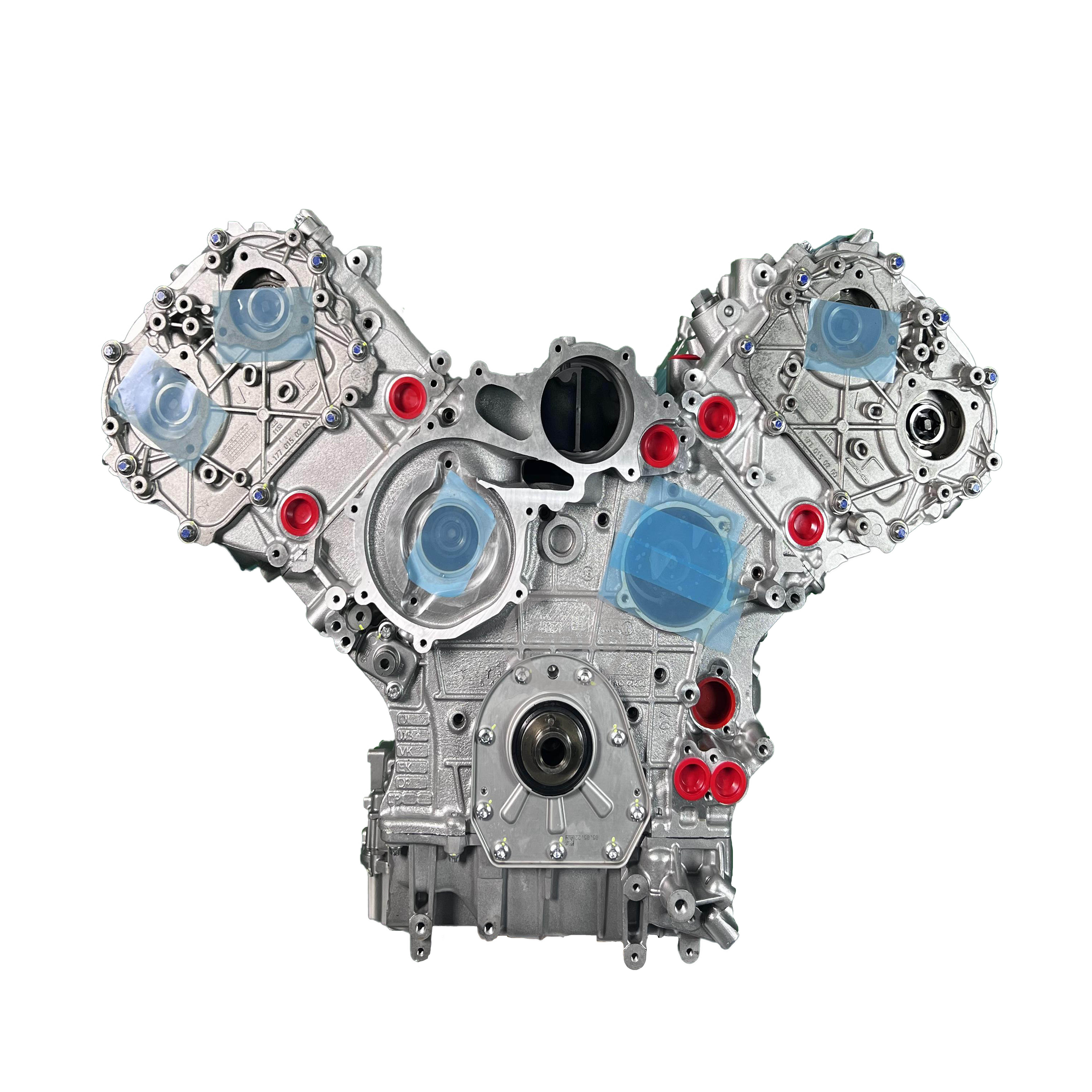
Precision Fuel System Components for Optimal Air-Fuel Control
For automotive OEMs, performance tuners, and commercial fleet operators, precision fuel system components are the foundation of reliable, high-output gas engine performance. These components directly impact efficiency, emissions compliance, and long-term durability—critical metrics for businesses seeking to minimize downtime and maximize operational profitability. Maintaining stoichiometric air-fuel ratios (AFR) under dynamic engine loads is non-negotiable for meeting global emissions standards and avoiding costly warranty claims.
High-Flow Fuel Injectors and Wideband O₂ Sensors for Real-Time AFR Stability
Precision fuel system components are fundamental for maintaining stoichiometric air-fuel ratios (AFR) under dynamic engine loads. High-flow fuel injectors deliver atomized fuel with millisecond accuracy, while wideband oxygen sensors provide continuous exhaust gas feedback. This closed-loop system enables real-time AFR corrections within ±0.5 lambda—preventing lean misfires or rich conditions that increase hydrocarbon emissions by up to 40% (SAE 2023). Key advantages include:
- Flow consistency: Injectors maintaining ≤2% deviation across 10M+ cycles
- Response time: Wideband O₂ sensors updating AFR data at 100Hz
- Thermal stability: Sensor accuracy sustained at exhaust temperatures exceeding 800°C
Dual-Stage Fuel Mapping: How Adaptive Component Integration Boosts BMEP by 12%
Integrating adaptive fuel mapping with precision components elevates brake mean effective pressure (BMEP) through load-specific optimization. Dual-stage strategies deploy:
- Primary mapping for steady-state operation using mass airflow (MAF) sensor data
-
Secondary mapping triggered by throttle position sensors (TPS) during transient demands
This coordination reduces fuel wall-wetting by 18% and cuts turbo lag by 0.3 seconds, directly contributing to the documented 12% BMEP gain in dyno testing. The synergy between electronic control units (ECUs) and physical components ensures fuel trims adjust within 50ms of load changes—maximizing volumetric efficiency without compromising emissions compliance.
Durability-Focused Engine Internal Components Under Thermal and Mechanical Load
High-stress gas engine applications—including commercial hauling, performance racing, and industrial power generation—demand engine internal components engineered to withstand extreme thermal cycling and mechanical loads. Subpar components in these critical systems lead to catastrophic failures, unplanned downtime, and significant revenue losses for B2B operators. Material science advancements have enabled the development of internal components that outperform OEM equivalents in durability and performance.
Forged Pistons, H-Beam Rods, and Nitrided Crankshafts: Material Science Behind Long-Term Reliability
High-stress environments demand engine components engineered to withstand extreme thermal cycling and mechanical loads. Forged pistons utilize high-strength aluminum alloys, achieving 40% greater structural integrity than cast alternatives under detonation pressures—and reducing thermal expansion by 15% (Patsnap 2024) to maintain precise cylinder clearances during sustained high-load operation. Connecting rods employ H-beam designs, distributing combustion forces more efficiently than I-beam configurations; when manufactured from vacuum-melted steel alloys, they demonstrate 30% higher fatigue resistance per SAE durability benchmarks.
The crankshaft’s longevity hinges on surface hardening techniques. Nitriding diffuses nitrogen into the steel substrate, creating a compound layer with 60% higher microhardness than untreated surfaces (Patsnap 2023), preventing micro-welding in main bearing journals and reducing abrasive wear by up to 45% in contaminated oil scenarios. Material selection remains critical—specialized alloys like 4340M steel retain tensile strength above 1,400 MPa even at temperatures exceeding 200°C. These metallurgical advancements enable components to endure over 500 hours at peak torque outputs without dimensional degradation.
Advanced Ignition Components for Consistent Combustion Initiation
Precise ignition timing and reliable spark delivery are non-negotiable for maximizing engine efficiency, power output, and emissions compliance. Advanced ignition components serve as the critical link between electrical energy and combustion initiation, directly impacting overall engine performance and longevity. For OEMs and repair networks, consistent ignition component quality reduces comeback rates and enhances customer satisfaction.
Performance Spark Plugs: Cold-Heat Range Selection, Electrode Design, and Burn Rate Impact
Precise ignition timing and reliable spark delivery are non-negotiable for maximizing engine efficiency and power output. Performance spark plugs serve as the critical ignition component bridging electrical energy and combustion initiation. Selecting the correct cold-heat range prevents pre-ignition under extreme thermal loads exceeding 1,800°F while ensuring optimal self-cleaning properties. Electrode design—including fine-wire iridium or platinum tips—reduces voltage requirements by up to 20% compared to conventional copper cores, enabling stronger sparks in high-compression environments. This accelerates flame-front development for complete fuel charge utilization. Combined with advanced grounding strap configurations, these elements maintain combustion stability across all RPM ranges—preventing misfires that degrade horsepower and emissions control.
Smart ECU and Forced Induction Component Integration for Scalable Power Delivery
Modern forced induction systems demand precise coordination with engine control units (ECUs) to unlock scalable power delivery across the entire RPM range. Sophisticated ECUs dynamically adjust boost pressure, ignition timing, and fuel enrichment in response to real-time sensor data—ensuring smooth transitions from low-RPM responsiveness to peak horsepower. This integration prevents turbo lag while maintaining stoichiometric combustion, even during rapid throttle transitions. By optimizing wastegate control algorithms and boost mapping strategies, these systems sustain torque curves without exceeding mechanical limits. The result is predictable power progression where forced induction components and digital management work symbiotically to balance performance and reliability.
Ready to Elevate Your Gas Engine Performance with Premium Components?
High-quality, precision-engineered components are the cornerstone of reliable, high-performance gas engine operations—no engine can deliver consistent power or durability with subpar components. By selecting application-optimized components validated to OEM standards, you’ll unlock enhanced efficiency, reduced unplanned downtime, and compliance with global emissions regulations, all while maximizing your bottom line.
For ISO 9001-certified high-performance gas engine components tailored to B2B, fleet, and OEM needs, or to develop custom component solutions for your unique powertrain requirements (as offered by Oruide), partner with a provider rooted in 15+ years of powertrain engineering expertise. Oruide’s comprehensive catalog of fuel system, internal engine, ignition, and forced induction components undergoes rigorous dyno and field testing to ensure unmatched quality and reliability. Contact us today for a no-obligation bulk quote or custom component consultation to elevate your gas engine capabilities.