
 EN



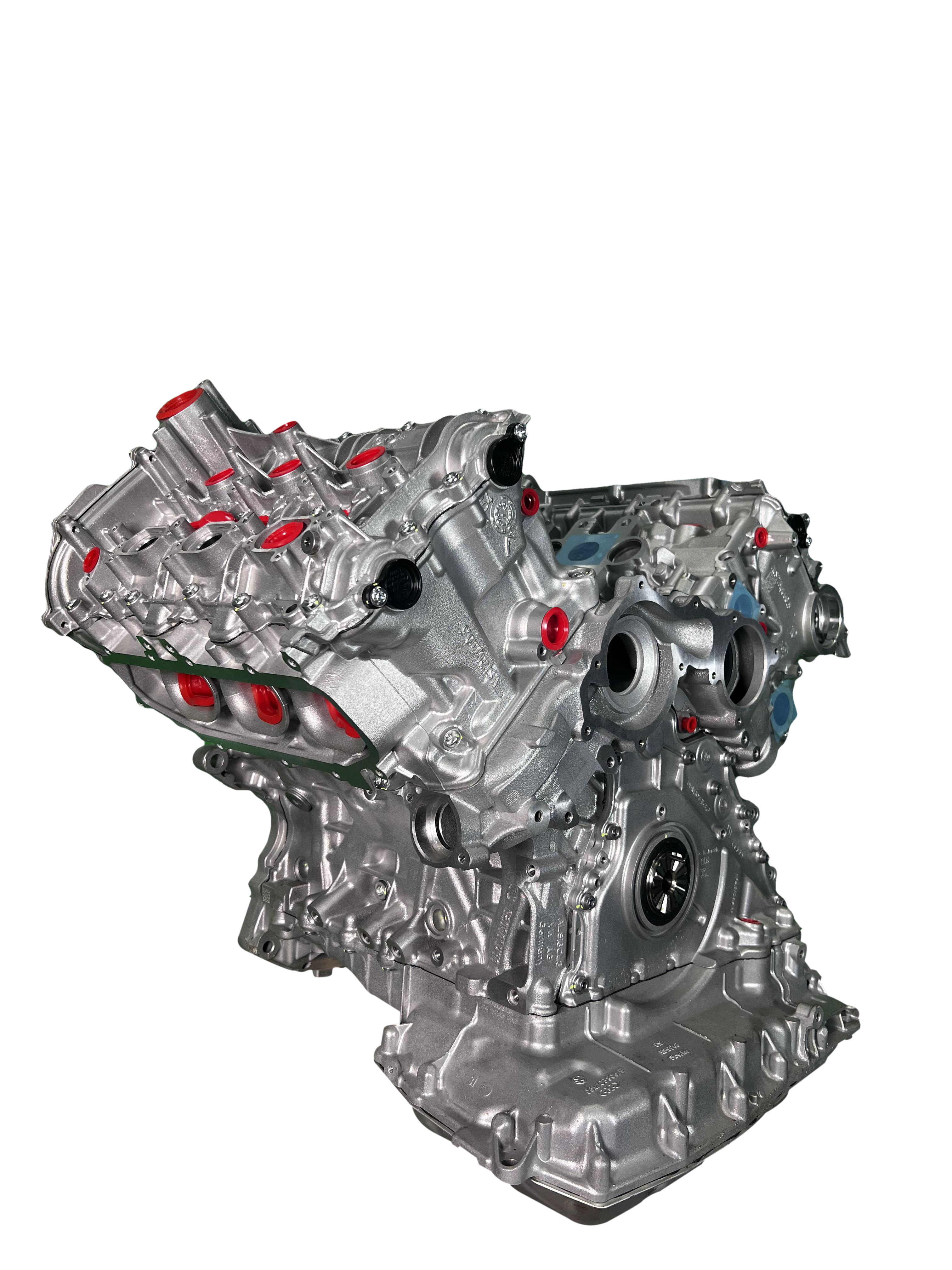
Rebuilt engines represent a significant investment for businesses and vehicle owners seeking cost-effective alternatives to new powerplants. However, the performance and longevity of these engines depend heavily on how well they are maintained after installation. Understanding and implementing proper maintenance practices is crucial for maximizing the return on your investment and ensuring reliable operation for years to come. Many operators overlook the importance of tailored care for rebuilt engines, treating them identically to original equipment, which can lead to premature wear and unexpected failures.
Rebuilt engines undergo rigorous reconditioning processes that restore them to like-new condition, but they still require attentive care during their initial operating period and beyond. This article provides comprehensive maintenance guidance specifically designed for rebuilt engines, helping you establish routines that protect your investment and maintain optimal performance. By following these proven strategies, you can significantly extend the operational life of your rebuilt engines and avoid costly downtime.
Fluid Management and Regular Oil Changes
Importance of Quality Oil in Rebuilt Engines
Oil serves as the lifeblood of any engine, and rebuilt engines are no exception. During the reconditioning process, internal components of rebuilt engines are cleaned and precisely machined, making them particularly sensitive to contamination. Using high-quality synthetic or premium conventional oil recommended by the engine manufacturer ensures proper lubrication and protection of rebuilt engines. The first oil change after installation is especially critical because residual manufacturing debris may still be present in rebuilt engines, despite thorough cleaning procedures.
Oil Change Schedules and Fluid Checks
Most rebuilt engines benefit from more frequent initial oil changes compared to original equipment. Plan for the first oil change at 500 to 1000 miles of operation to remove any remaining particles from the reconditioning process. After this critical first change, follow the manufacturer's recommendations, typically every 3000 to 5000 miles depending on driving conditions and oil type. Regularly checking oil levels between changes helps prevent inadequate lubrication, which can damage rebuilt engines rapidly. Beyond oil, monitor coolant levels and condition monthly to ensure rebuilt engines operate at optimal temperature ranges.
Break-In Procedures and Operating Practices
Understanding the Break-In Period
The break-in period for rebuilt engines requires careful attention and disciplined driving habits. During the first 500 to 1500 miles, avoid high RPMs, heavy loads, and rapid acceleration patterns that stress newly reconditoned components. Rebuilt engines perform best when operated at moderate throttle settings during this critical phase, allowing internal parts to seat properly and develop optimal contact patterns. Exceeding manufacturer break-in recommendations significantly increases wear rates on rebuilt engines and can void warranties or diminish expected lifespan.
Load Management and Operating Conditions
Even after the initial break-in period, rebuilt engines benefit from conservative operating practices. Avoid prolonged idling, which prevents adequate oil circulation and can lead to carbon buildup in rebuilt engines. Vary your engine RPM range regularly to promote even wear across all internal components of rebuilt engines. If your vehicle operates under severe conditions such as towing, constant high-load scenarios, or extreme temperatures, implement shortened maintenance intervals and more frequent inspections to protect rebuilt engines from accelerated deterioration.
Inspection Protocols and Preventive Measures
Regular Visual and Operational Inspections
Establishing a routine inspection schedule helps identify potential issues before they develop into serious problems affecting rebuilt engines. Check for visible oil leaks around gaskets, seals, and connections weekly, as rebuilt engines may occasionally develop minor seepage during the first few weeks. Listen for unusual noises such as knocking, grinding, or unusual rattling that could indicate internal problems with rebuilt engines. Monitor dashboard warning lights and respond immediately to any alerts related to engine performance, emissions, or temperature control in rebuilt engines.
Fluid Analysis and Component Monitoring
Consider implementing oil analysis programs to monitor the condition of rebuilt engines during early operation. Professional analysis can detect metal particles, contamination levels, and viscosity changes that might indicate wear patterns in rebuilt engines before they become critical. Inspect air filters, fuel filters, and spark plugs according to manufacturer schedules, as clean filters directly impact efficiency and longevity of rebuilt engines. Check battery voltage and charging system function regularly, ensuring adequate electrical support for rebuilt engines, particularly during cold starts and peak load situations.
FAQ
How long do rebuilt engines typically last with proper maintenance?
Properly maintained rebuilt engines can last 200,000 miles or more, matching the lifespan of well-cared-for original engines. The key difference is that rebuilt engines require more attentive maintenance during their first 5000 to 10000 miles of operation. Consistent adherence to recommended oil changes, fluid checks, and conservative operating practices during break-in significantly impacts the overall longevity of rebuilt engines. Many operators report that their rebuilt engines perform reliably for a decade or longer when maintenance protocols are followed diligently.
What maintenance mistakes should I avoid with rebuilt engines?
Common mistakes that damage rebuilt engines include skipping the first critical oil change, using improper oil grades, and ignoring break-in period recommendations. Never tow heavy loads or operate rebuilt engines at high RPM during the initial break-in phase, as this accelerates wear dramatically. Neglecting coolant maintenance or allowing coolant levels to drop can cause overheating that compromises rebuilt engines irreparably. Additionally, postponing scheduled maintenance or using low-quality replacement parts in rebuilt engines can negate the benefits of reconditioning and shorten expected service life.
Can I use my rebuilt engines the same way as original equipment?
While rebuilt engines are fully functional and reliable, they do require slightly different operating practices during initial break-in compared to original equipment. After the first 1500 to 2000 miles, rebuilt engines can generally be used under normal operating conditions without special restrictions. However, continuing conservative practices such as avoiding extended idling, maintaining proper fluid levels, and adhering to service intervals will maximize the lifespan of rebuilt engines. Think of rebuilt engines as needing a carefully managed introduction period before they reach full operational maturity and performance capability.