
 EN




High-performance engines represent the pinnacle of automotive engineering, designed to deliver exceptional power, efficiency, and responsiveness. However, like all complex mechanical systems, these powerful engines are susceptible to various faults that can compromise their performance and longevity. Understanding the common faults that affect high-performance engines is essential for anyone who relies on these machines for critical transportation, commercial operations, or professional racing applications. Whether you operate a fleet of performance vehicles, maintain heavy equipment, or work in industrial sectors dependent on advanced powertrains, recognizing early warning signs in your engines can prevent costly downtime and catastrophic failures.
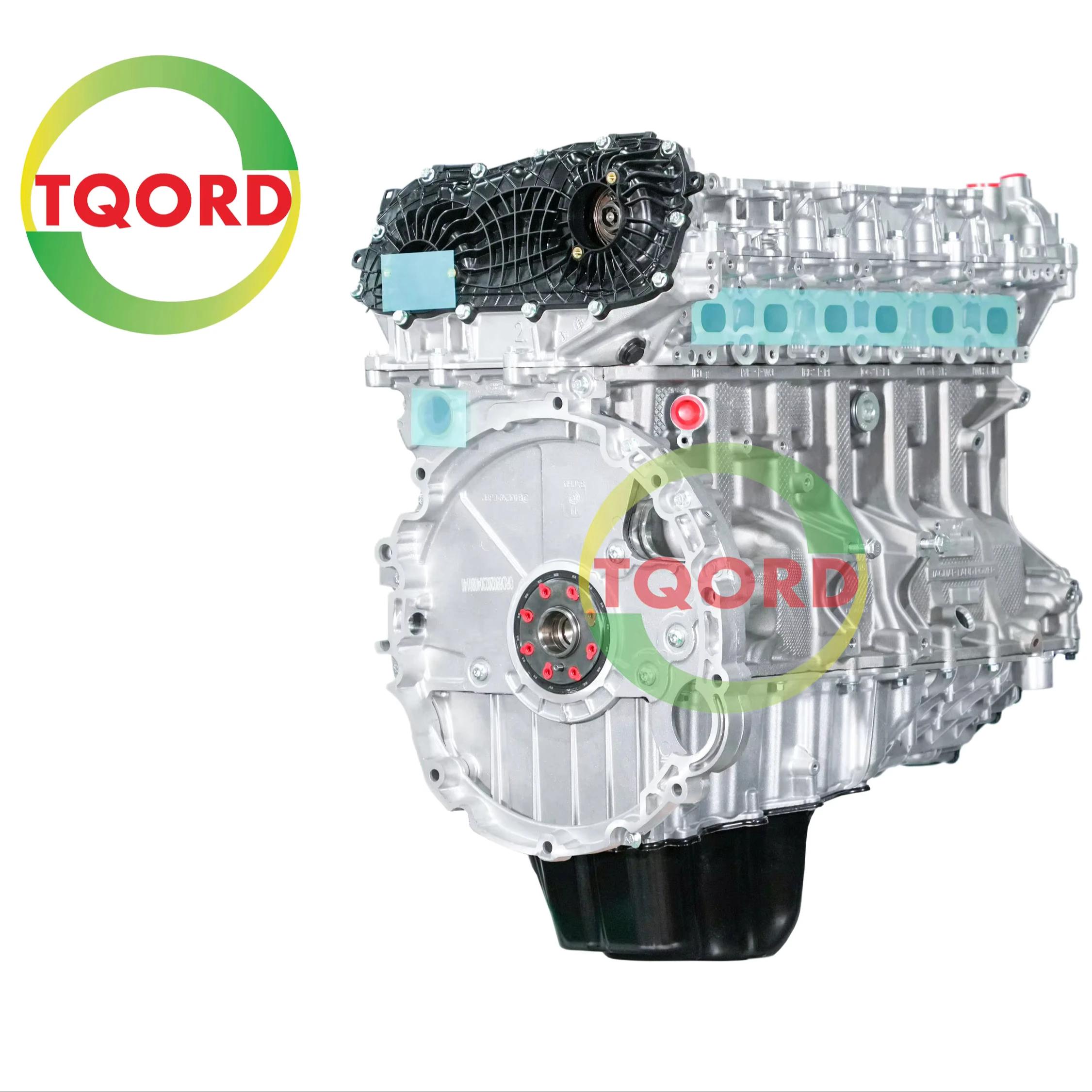
Modern high-performance engines incorporate advanced fuel injection systems, turbocharging technology, and precise electronic controls that maximize output while maintaining efficiency. Yet these sophisticated systems also introduce complexity that creates multiple potential failure points. When engines operate at elevated RPMs and higher combustion pressures, even minor defects in components can rapidly escalate into serious mechanical problems. This comprehensive guide examines the most prevalent faults found in high-performance engines, explores the underlying causes of each issue, and provides practical troubleshooting strategies that help you diagnose problems quickly and implement effective solutions before damage becomes irreversible.
Understanding Common Mechanical Failures in High-Performance Engines
Bearing Wear and Lubrication Breakdown
Bearing wear ranks among the most critical faults in high-performance engines, particularly in turbocharged variants that generate extreme internal stresses. When engines operate continuously at high loads and temperatures, the thin film of oil protecting engine bearings can break down, leading to metal-to-metal contact. This catastrophic lubrication failure typically produces a distinctive knocking sound emanating from the engine block, indicating that bearing surfaces have begun to fail. Prevention requires maintaining oil viscosity within manufacturer specifications and adhering to strict oil change intervals, as degraded oil cannot adequately protect engine bearings under extreme performance demands.
Piston Ring Degradation
Piston rings perform the critical function of sealing combustion gases within engine cylinders while regulating oil consumption between the piston and cylinder wall. High-performance engines subject piston rings to extreme temperatures and pressure cycles that accelerate wear rates compared to standard engines. When piston rings degrade, engines lose compression, causing reduced power output, increased fuel consumption, and blue smoke in exhaust emissions. Diagnosing piston ring wear involves conducting a compression test to measure cylinder pressure; severely compromised engines typically show uneven pressure readings across cylinders, indicating that rings on certain pistons have failed while others remain functional.
Thermal Stress and Heat-Related Engine Faults
Cylinder Head Warping and Gasket Failure
The cylinder head experiences intense thermal cycling in high-performance engines, expanding and contracting repeatedly as temperatures fluctuate between ambient levels and combustion chamber heat. This constant thermal stress can cause cylinder heads to warp, compromising the seal between the head and engine block. When cylinder head gaskets fail due to warping or material degradation, coolant can enter oil passages or combustion chambers, creating milky oil discoloration and overheating conditions. High-performance engines are particularly vulnerable to gasket failures because they generate higher peak temperatures and pressure spikes within cylinders compared to standard engines. Identifying head gasket failure requires observing coolant loss without external leaks, white smoke from the exhaust, or overheating symptoms despite adequate coolant levels.
Valve Seat Recession
Valve seat recession occurs when exhaust valves gradually sink into their seats due to repeated impact and erosion from high-temperature combustion gases. This fault develops gradually in high-performance engines that operate with aggressive valve timing and high RPM profiles. As valve seats recede, valve clearance increases, eventually preventing valves from sealing properly and causing compression loss and performance degradation. Modern engines using hardened valve seats are more resistant to recession, but high-performance variants pushed beyond design parameters can still experience this fault. Symptoms include rough idle conditions, loss of power, and difficulty starting engines after extended shutdown periods.
Fuel Injection and Electronic Control System Failures
Fuel Injector Clogging and Malfunction
Fuel injectors in high-performance engines must atomize fuel with exceptional precision to ensure complete combustion and optimal power generation. Deposit accumulation on injector nozzles restricts fuel spray patterns, causing uneven fuel distribution across cylinders and incomplete combustion in some chambers. This fault manifests as rough idling, hesitation during acceleration, and increased emissions as some cylinders run lean while others run rich. The electronic control systems monitoring modern engines can often detect fuel injector problems through oxygen sensor readings that show cylinder-to-cylinder combustion variations. Troubleshooting fuel injector issues typically requires fuel system cleaning or injector replacement to restore proper spray patterns and engine balance.
Engine Control Module and Sensor Faults
High-performance engines depend on sophisticated engine control modules that continuously monitor dozens of sensors and adjust fuel injection timing, ignition timing, and boost pressure to maintain optimal performance. Sensor failures, software glitches, or control module degradation can trigger incorrect adjustments that compromise engine output and reliability. Common sensor-related faults include oxygen sensor malfunctions that prevent proper fuel trim adjustments, mass airflow sensor failures that cause incorrect fuel metering, and knock sensors that fail to detect detonation. When engine control systems malfunction, diagnostic trouble codes illuminate warning lights on dashboards, providing valuable diagnostic information that guides troubleshooting efforts. Professional diagnostic scanning equipment reads these trouble codes and helps identify the specific sensor or system requiring attention.
Ignition System and Combustion Faults
Spark Plug Degradation and Misfire Events
Spark plugs in high-performance engines endure extreme heat and electrical stress as they generate thousands of ignition events per minute. Electrode erosion, fouling deposits, and gap widening all contribute to spark plug failure, manifesting as intermittent misfires that reduce power and increase emissions. Misfiring engines produce rough running conditions at idle, hesitation during acceleration, and flashing check engine lights. Replacing spark plugs at recommended intervals prevents many ignition-related faults, but selecting appropriate spark plug heat ranges for specific engine applications proves equally important. Using incorrectly specified spark plugs in high-performance engines can lead to premature fouling or excessive heat damage that shortens spark plug life dramatically.
Ignition Coil and Timing System Failures
Ignition coils generate the high voltage required to fire spark plugs, and failures in these components cause complete loss of spark in affected cylinders. Bad ignition coils produce symptoms nearly identical to spark plug problems, including misfire detection, power loss, and engine roughness. Timing chain or belt degradation in engines represents another critical fault category, as these components synchronize crankshaft and camshaft rotation. When timing chains stretch or timing belts crack, engine valve timing drifts out of specification, causing severe performance degradation and potential internal engine damage if timing systems fail completely while engines operate.
FAQ
What are the earliest warning signs of engine problems in high-performance engines?
Early warning signs include unusual noises from the engine block, reduced power output during normal acceleration, check engine lights illuminating on dashboards, and changes in engine operating temperatures. Rough idle conditions, hesitation during throttle application, and increased exhaust smoke also indicate developing faults. Addressing these symptoms promptly prevents minor issues from escalating into catastrophic engine failures that require complete engine replacement.
How frequently should high-performance engines undergo preventive maintenance to avoid common faults?
High-performance engines require more frequent maintenance than standard engines due to their elevated operating stresses. Oil changes should occur at intervals shorter than manufacturer recommendations for standard engines, typically every 3,000 to 5,000 miles rather than 7,500 to 10,000 miles. Spark plugs, air filters, fuel filters, and coolant require inspection and replacement at shorter intervals as well. Regular diagnostic scanning helps identify developing sensor or control system issues before they compromise engine performance.
Can I continue operating high-performance engines with minor faults, or should I address problems immediately?
Continuing to operate engines with developing faults accelerates damage progression and increases repair costs substantially. Minor issues like slight compression loss or slow coolant leaks worsen rapidly under high-performance operating conditions, spreading damage to additional components. Professional diagnosis and prompt repair protect engine integrity and maintain long-term reliability far better than deferring maintenance or ignoring warning symptoms that develop over time.