
 EN
EN



If your Jeep’s 2.0T engine is showing signs of wear, like rough idling, reduced power, or increased fuel consumption, choosing the right remanufacturing service can make or break your vehicle’s performance and your wallet.
The secret lies in OEM standards: the gold benchmark that separates professional, OEM-standard engine remanufacturing from generic third-party rebuilds. For Jeep owners relying on their vehicles for daily commutes, off-road adventures, or family trips, OEM-compliant remanufacturing ensures your 2.0T engine runs like new, with better reliability, smoother operation, and peace of mind that third-party services can’t deliver.
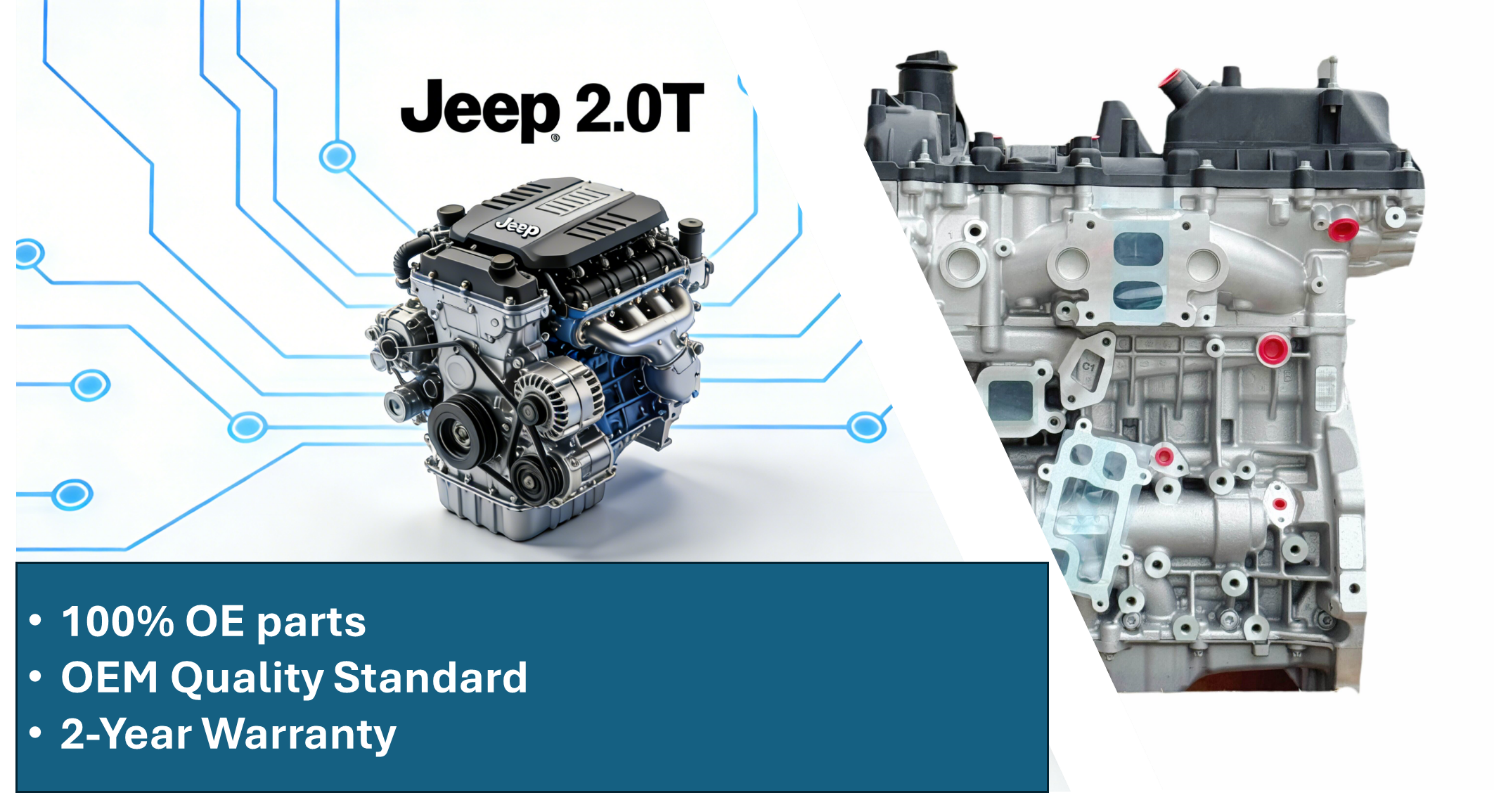
First, let’s clarify the critical difference between OEM-standard engine remanufacturing and ordinary third-party options, because for Jeep 2.0T owners, this distinction directly impacts your driving experience and long-term costs. OEM-standard remanufacturing uses the exact same design specs, genuine parts, and quality control tests as brand-new Jeep 2.0T engines. These facilities have exclusive access to proprietary engineering data, ensuring every step of the rebuild aligns with factory standards. On the other hand, third-party remanufacturers cut corners with generic parts, simplified testing, and one-size-fits-all repair methods—since they lack access to Jeep’s OEM guidelines. The result? A rebuilt engine that’s a gamble, not a guarantee.
For the Jeep 2.0T Hurricane engine, known for its turbocharged power and off-road durability, OEM standards elevate every phase of remanufacturing. Let’s break down a real-world example: component restoration. The 2.0T features advanced tech like dual spark plugs per cylinder, a 350bar dual-injection system, and plasma-sprayed cylinder walls (a feature that boosts wear resistance by 10x). OEM-standard shops rebuild these parts to Stellantis’ exact tolerances—from the thickness of the cylinder coating to the precision of ignition timing. They use genuine Jeep 2.0T engine parts, not cheap aftermarket alternatives. Third-party shops? They often swap specialized components for generic versions that don’t match OEM specs, leading to poor fuel efficiency, premature wear, and frequent breakdowns, costing you more in repairs down the line.
Sticking to OEM standards for your Jeep 2.0T engine delivers tangible benefits you’ll feel every time you drive, starting with drastically lower failure rates. OEM-standard remanufactured engines undergo the same rigorous testing as new units: thermal shock tests, load testing, and durability checks. For you, that translates to fewer breakdowns, no unexpected repair bills, and a engine you can trust for miles. Third-party rebuilds skip these tests, resulting in a higher failure rate: with common issues like oil leaks, turbo lag, and misfires that leave you stranded on the highway or trail.
Another game-changer for drivers is superior NVH (Noise, Vibration, and Harshness) performance, something OEM standards prioritize. Jeep 2.0T engines have hollow sodium-filled valve stems and a dual-scroll turbocharger, designed for smooth, quiet operation. OEM-standard remanufacturing restores these parts to factory clearances and balances, ensuring minimal vibration, quiet idling, and responsive turbo performance. Third-party rebuilds ignore these fine details, leading to loud engine noise, rough idling, and noticeable turbo lag, ruining the comfortable, powerful drive you expect from your Jeep. Whether you’re cruising the city or tackling rough terrain, OEM-compliant rebuilds keep your ride smooth.
Warranty coverage is where OEM-standard remanufacturing truly shines for everyday drivers. We back our OEM-level Jeep 2.0T engines with the same 2-year as new engines. This isn’t just a marketing gimmick, it’s a promise that your engine meets strict OEM quality standards. For you, this means zero financial risk if something goes wrong. Third-party warranties? They’re usually limited to 6-12 months, full of exclusions, and hard to claim. When your third-party rebuilt engine fails, you’ll be stuck paying for parts and labor out of pocket. For families, commuters, or anyone who relies on their Jeep, OEM-standard engine remanufacturing services and their warranty protection are non-negotiable.
Beyond reliability and peace of mind, OEM-standard remanufacturing for your Jeep 2.0T engine saves you money and supports sustainability, two priorities for modern drivers. The process recycles 70% of the original engine’s materials, cutting energy use by 60% compared to new production. It’s an eco-friendly choice that doesn’t sacrifice performance. Financially, OEM-standard engines cost 35-45% less than new Jeep 2.0T engines, and their low failure rate means lower long-term costs than third-party rebuilds (which require frequent fixes). You get a like-new engine without the new-engine price tag, plus the confidence that it won’t let you down.
For Jeep 2.0T owners, choosing OEM-standard engine remanufacturing isn’t just a smart decision—it’s the only way to protect your vehicle, your budget, and your driving experience. OEM standards turn a "refurbished" engine into a reliable, high-performance unit that matches the factory quality you love. Third-party rebuilds might seem cheaper upfront, but they cost more in repairs, downtime, and frustration. Whether you drive a Grand Cherokee, Wrangler, or another Jeep model, OEM-compliant remanufacturing ensures your 2.0T engine delivers the power, smoothness, and reliability you need for every journey. When it comes to your Jeep, don’t settle for less than the gold standard: OEM-approved remanufacturing.