
 EN
EN



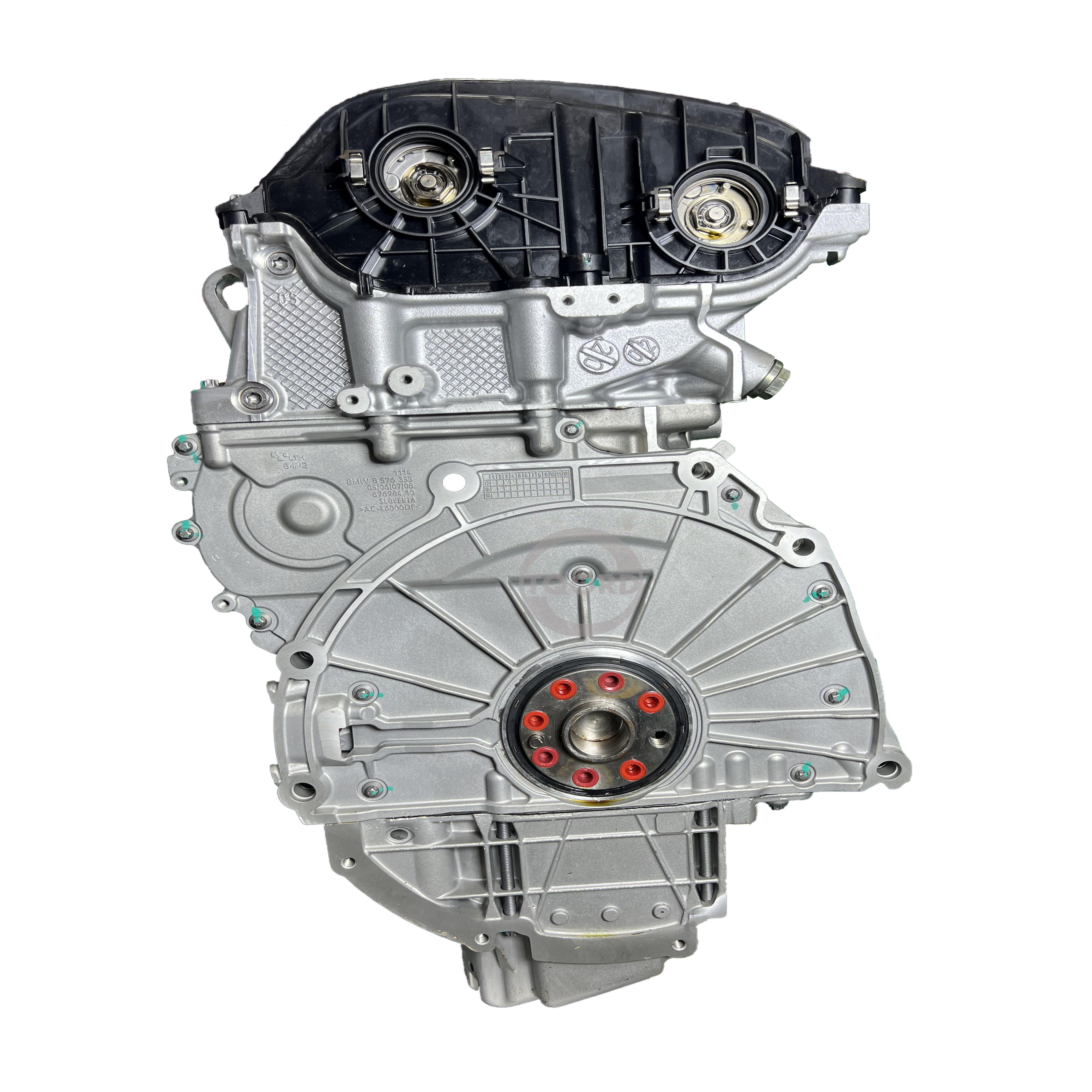
Upfront and Lifecycle Cost Comparison of Engine Remanufacturing vs New Production
Initial Acquisition Costs: Remanufactured vs. Newly Built Engines
Getting a remanufactured engine usually saves around 40 to 50 percent compared to buying something brand new, which makes replacing parts on older machines much more affordable when the price tag for a fresh unit would basically be more than what the whole machine is worth anymore. Companies that are certified in this work follow original manufacturer specs during their rebuild process. They stick to certain standards when they fix these engines up again. What this means is that performance stays just as good as if someone bought a completely new powerplant. Plus there's less need for all those raw materials since we're just taking apart and reusing existing cores instead of starting from scratch every time.
Total Cost of Ownership Over 10 Years: Depreciation, Maintenance, and Fuel Efficiency Impacts
Beyond upfront savings, lifecycle analysis reveals consistent TCO advantages. Over a decade, remanufactured engines deliver 25–35% lower total ownership costs compared to new production—driven primarily by reduced depreciation, comparable maintenance requirements, and equivalent fuel efficiency (±1% deviation from original benchmarks).
Cost Factor |
Remanufactured Engine |
New Engine |
Depreciation |
15–20% lower |
Higher base value loss |
Maintenance |
Comparable to new |
Comparable |
Fuel Efficiency |
±1% vs. original |
±1% vs. original |
Warranty Coverage |
2–3 years typical |
3–5 years typical |
Extended warranties from certified rebuilders further de-risk long-term operation. When installed per OEM guidelines, remanufactured units demonstrate no statistically significant differences in operational efficiency or reliability versus new engines, as confirmed by fleet-level performance data.
Hidden Risks and Reliability Realities in Engine Remanufacturing
Downtime Economics and MTBF Trends for Remanufactured Units
Unplanned equipment downtime continues to be a major money pit for companies, particularly when remanufacturing isn't done properly. Poor quality control in core selection or inconsistent machining processes can cut down the Mean Time Between Failures (MTBF) by around 30 to 40 percent compared to brand new equipment. This leads to far more frequent unexpected breakdowns. According to recent studies from the Ponemon Institute back in 2023, fleet managers are seeing downtime costs hit over seven hundred forty dollars per hour during serious equipment failures. These shutdowns create all sorts of problems downstream affecting schedules and customer service across the board. The good news though is that manufacturers who stick strictly to quality certifications like ISO 9001 and follow original equipment manufacturer specs manage to match the reliability of new units. They accomplish this through thorough testing procedures such as dynamometer checks and thermal stress tests that ensure components perform reliably under real world conditions.
Warranty Coverage, Field Failure Rates, and Long-Term Performance Data
The warranty length often tells us something about the actual quality differences between products. Big name companies typically provide full coverage for anywhere from 2 to 3 years or even longer to 5 years whereas smaller rebuild shops might only cover their work for less than half a year sometimes, and they frequently leave out important parts such as turbochargers or those complicated electronic control modules. Looking at real world numbers reveals quite a gap. Engines that are rebuilt according to manufacturer specs and include genuine design enhancements tend to fail less than 5% of the time within three years. But engines that don't meet these standards? Their failure rate jumps above 15%. When it comes to lasting reliability, the best results happen when manufacturers incorporate tested component improvements into their process. Think better materials for piston rings or stronger alloys for bearings. These changes help engines perform similarly to brand new ones, with reliability rates over 90% even after reaching 200,000 miles on the odometer. For anyone managing fleets, finding suppliers who openly share independently verified performance data and follow industry standards like SAE J2787 makes all the difference in avoiding costly breakdowns down the road.
Sustainability Advantages of Engine Remanufacturing
Energy Savings and Carbon Reduction vs. Virgin Manufacturing
When it comes to saving energy, remanufacturing engines is way better than building new ones from scratch. We're talking about cutting energy consumption somewhere between 60 to 85 percent compared to making brand new engines, which obviously means fewer carbon emissions overall. Let's put some numbers into perspective here. A fresh heavy duty engine off the production line spits out anywhere from 1.2 to 1.8 metric tons of CO2 equivalent during manufacturing. But when we talk about remanufactured units, those same figures drop down dramatically to just 0.3 to 0.5 metric tons per unit. Why such a big difference? Well, most of the energy savings come from not having to dig up raw materials or process metals at their source. These activities alone take up about three quarters of all the energy needed for completely new engine manufacturing processes.
Resource Recovery Rates and Circular Economy Contribution of Remanufacturing
The process recovers 80–90% of original engine materials—including blocks, crankshafts, and cylinder heads—diverting high-value components from landfills and reducing demand for virgin ore.
Impact Area |
Remanufacturing |
New Production |
Energy Consumption |
60–85% less |
Baseline |
CO₂ Emissions |
70–80% reduction |
1.2–1.8 MTCO₂e |
Raw Material Use |
80–90% reclaimed |
100% virgin |
Each remanufactured heavy-duty engine saves approximately 7,000 kWh of energy and prevents the extraction of 8.5 metric tons of metal ore. By extending functional life while preserving embodied energy and material value, engine remanufacturing serves as a cornerstone practice in industrial circular economy frameworks—minimizing waste without compromising performance or durability.
Ready to Optimize Costs, Reliability, and Sustainability for Your Engines?
Choosing between remanufactured and new engines isn’t just a financial decision—it’s a strategic one that balances upfront investment, long-term reliability, and environmental responsibility. Remanufactured engines deliver proven cost savings (30–50% upfront, 25–35% lower TCO), OEM-matching performance, and substantial sustainability benefits—all while mitigating downtime risks when sourced from certified providers.
Oruide’s remanufactured engines adhere to ISO 9001 and SAE J2787 standards, feature 90%+ material recovery rates, and come with a 2-3 year warranty and global service support. Whether you’re managing a fleet, maintaining industrial equipment, or seeking cost-effective replacements for aging engines, our solutions align with your financial and sustainability goals.
For a tailored cost-benefit analysis specific to your application, or to learn how Oruide’s remanufactured engines can optimize your operations, contact us today for a no-obligation consultation. Let our expertise in precision remanufacturing help you make informed decisions that drive value for years to come.