
 EN
EN



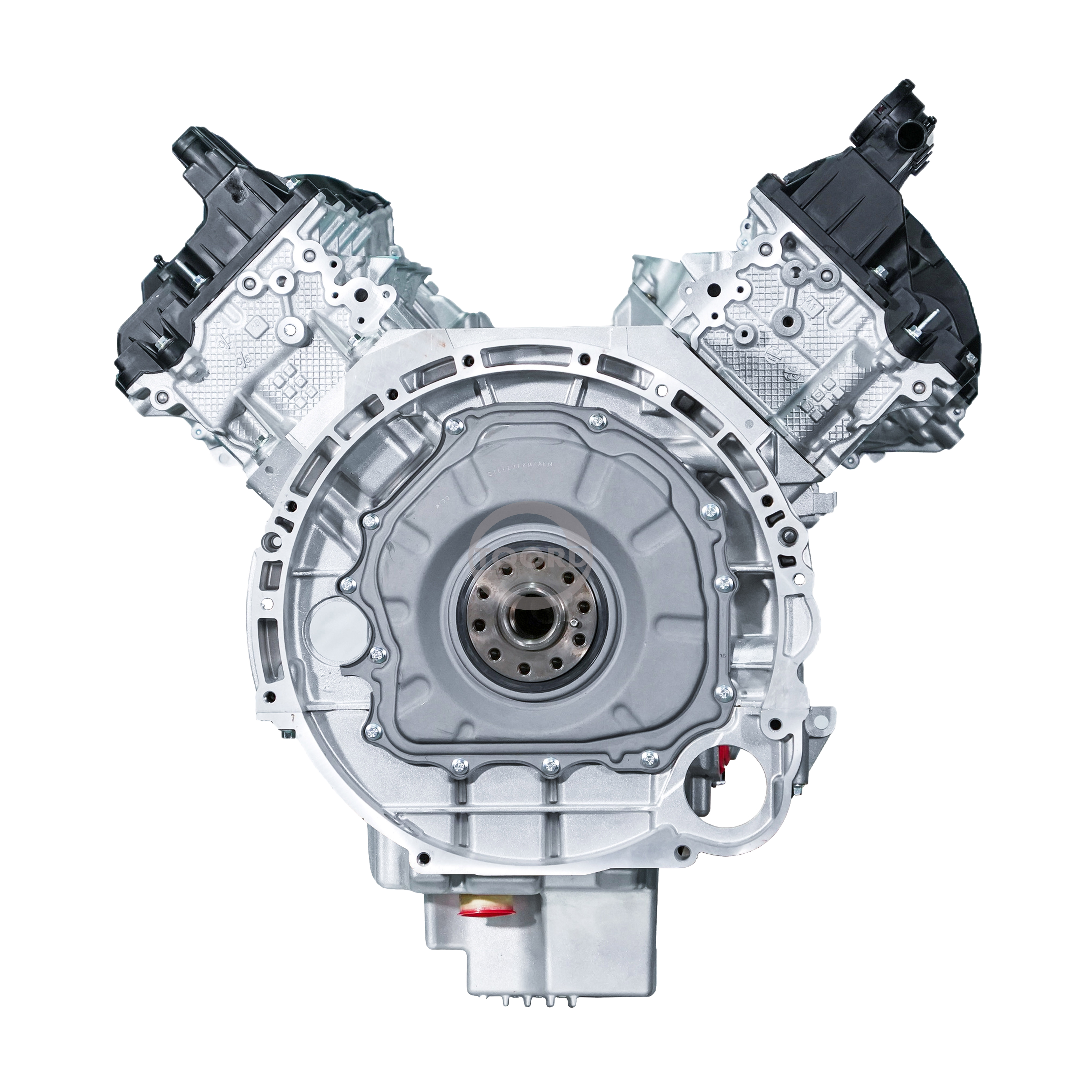
Why Fleet Managers Choose Remanufactured Gas Engines for Van Reliability
Rising Downtime Costs in Urban Delivery Fleets
When delivery vans sit around unused, it really hurts the bottom line for urban delivery operations. The numbers tell the story pretty clearly too - every single hour a van isn't on the road costs fleets roughly $740 according to Ponemon's research from last year. Driving around cities is tough on vehicles because of all those constant starts and stops, slow moving traffic, and lots of time spent just sitting there waiting at lights or intersections. All this takes a toll on engines and makes them break down more often than they should. E-commerce delivery requests keep going up about 18% each year, so when something breaks down even briefly, it throws off entire routes, causes late deliveries, and can get companies into trouble with their service contracts. That's why smart fleet managers are looking at powertrain options these days that cut down on unexpected repairs without sacrificing what matters most: how much cargo the trucks can carry, how good they are at saving fuel, and meeting those strict urban emissions standards everyone has to follow now.
How Reman Gas Engines Meet OEM Durability and Performance Standards
Modern remanufacturing rebuilds gas engines to original equipment manufacturer (OEM) specifications using precision engineering and validated testing protocols:
Feature |
Remanufactured Standard |
Benefit |
Component Tolerance |
±0.001mm precision machining |
Matches new engine reliability |
Performance Validation |
SAE J1349 dynamometer testing |
Verifies horsepower/torque curves |
Material Quality |
OEM-grade replacement parts |
Ensures identical thermal resilience |
Every single engine goes through over seventy different quality checks during production. These include things like computer based leak testing, checking how tight those bearings are supposed to be, and running final tests to make sure everything works properly. What this means in practice is getting a powertrain that lasts just as long as something brand new, but costing around 40% to 50% less on average. For businesses running lots of commercial vans around cities where traffic is always a nightmare, these remanufactured gas engines offer great value. They match original equipment manufacturer standards when it comes to reliability while saving money in the long run, which explains why so many fleet operators have switched to them recently.
The Precision Remanufacturing Process for Commercial Van Gas Engines
AI-Guided Core Inspection and Dynamic Balancing in Tier-1 Facilities
The remanufacturing process starts with something pretty cool these days - AI core assessment. Machine learning scans through those engine blocks looking at tiny cracks and wear spots we can't even see with our eyes. The system actually finds parts worth saving about 99 out of 100 times, which means no more guesswork from humans and better quality materials overall. After that comes dynamic balancing where they get those spinning parts just right within fractions of an inch. This approach cuts down on vibrations during operation by roughly 40 percent when compared to old school methods. Less vibration means bearings and seals last longer, plus everything runs smoother and quieter exactly how factory specs want it to be.
SAE J2719–Validated 12-Step Reman Process for Gas Powertrains
The Society of Automotive Engineers (SAE) J2719 standard defines the industry's most rigorous commercial van engine remanufacturing protocol—a certified 12-step process designed to ensure durability, emissions compliance, and performance parity with new units:
- Core Decontamination – High-pressure thermal cleaning removes carbon deposits and residual oils
- Component Magnafluxing – Magnetic particle inspection detects hairline fractures in critical castings and forgings
- Precision Machining – CNC equipment restores crankshafts, cylinder heads, and bores to OEM dimensions
- Dimensional Validation – Laser metrology confirms clearances within ±0.0005" tolerance
- Subassembly Testing – Hydraulic and pressure checks verify oil pump output and coolant system integrity
- Final Dynamic Calibration – Computer-controlled break-in simulation validates timing, combustion stability, and sensor response
Engines built to this standard deliver 95% of original service life when maintained per OEM guidelines—and meet all applicable EPA and CARB emissions requirements for current-model-year vans.
Total Cost of Ownership: Why Reman Gas Engines Deliver Superior Value
Myth vs. Data: Lifecycle Value of Remanufactured Gas Engines
A persistent misconception holds that remanufactured gas engines sacrifice longevity for affordability. In reality, certified reman engines from Tier-1 suppliers match OEM performance and durability standards—at 40–50% lower acquisition cost. When factoring in urban fleet downtime—averaging $740 per hour (Ponemon 2023)—the total cost of ownership (TCO) advantage becomes decisive.
Consider these verified comparisons:
Engine Type |
Cost Factor |
Reliability |
Warranty Coverage |
Best Application |
New |
High |
★★★★★ |
3–5 years |
Unlimited-budget projects |
Reman Gas |
Medium |
★★★★★ |
1–3 years |
Cost-driven fleets |
Rebuilt |
Medium |
★★★★☆ |
<1 year |
Short-term repairs |
Used |
Low |
★★★☆☆ |
None |
Near-retirement vehicles |
When it comes to certified remanufacturing, the process involves swapping out those worn out parts like pistons, rings, bearings and gaskets for brand new OEM spec components that have been precision machined. The main block and cylinder heads stay intact if they're still in good condition. What this does is get rid of that nagging worry about hidden wear problems that come with secondhand engines. Most reman engines can last well over 100,000 miles with just regular maintenance checks. Looking at fleet operations over a five year period shows something interesting too. Companies actually spend around 34% less on total costs compared to buying brand new engines. Why? Because they pay less upfront, deal with far fewer surprise breakdowns, and keep their vehicles running instead of sitting idle waiting for repairs.
Ready to Boost Your Commercial Van Fleet's Reliability and Cost-Efficiency?
For commercial van fleets, reliability and cost control aren't just goals—they're essential to staying competitive in today's fast-paced delivery landscape. Remanufactured gas engines deliver the OEM - matching performance, durability, and emissions compliance you need, at a fraction of the cost of new units—all while slashing costly downtime.
Oruide's remanufactured gas engines for commercial vans adhere to SAE J2719 standards, undergo 70+ quality checks, and come with a 1 - year warranty and global service network support. Whether you're looking to upgrade aging fleet engines or reduce long - term maintenance costs, our solutions balance performance, value, and compliance.
For tailored recommendations on remanufactured gas engines that fit your commercial van models and operational needs, or to learn how Oruide can help optimize your fleet's Total Cost of Ownership (TCO), contact us today for a no - obligation consultation. Let our expertise in remanufactured powertrains keep your vans on the road and your operations running smoothly.