Rotary Engine Technology: Power and Efficiency

Get a Free Quote

Our representative will contact you soon.
Email
Phone/WhatsApp/WeChat
Name
Company Name
Title
VIN Code
Message
0/1000

rotary engine

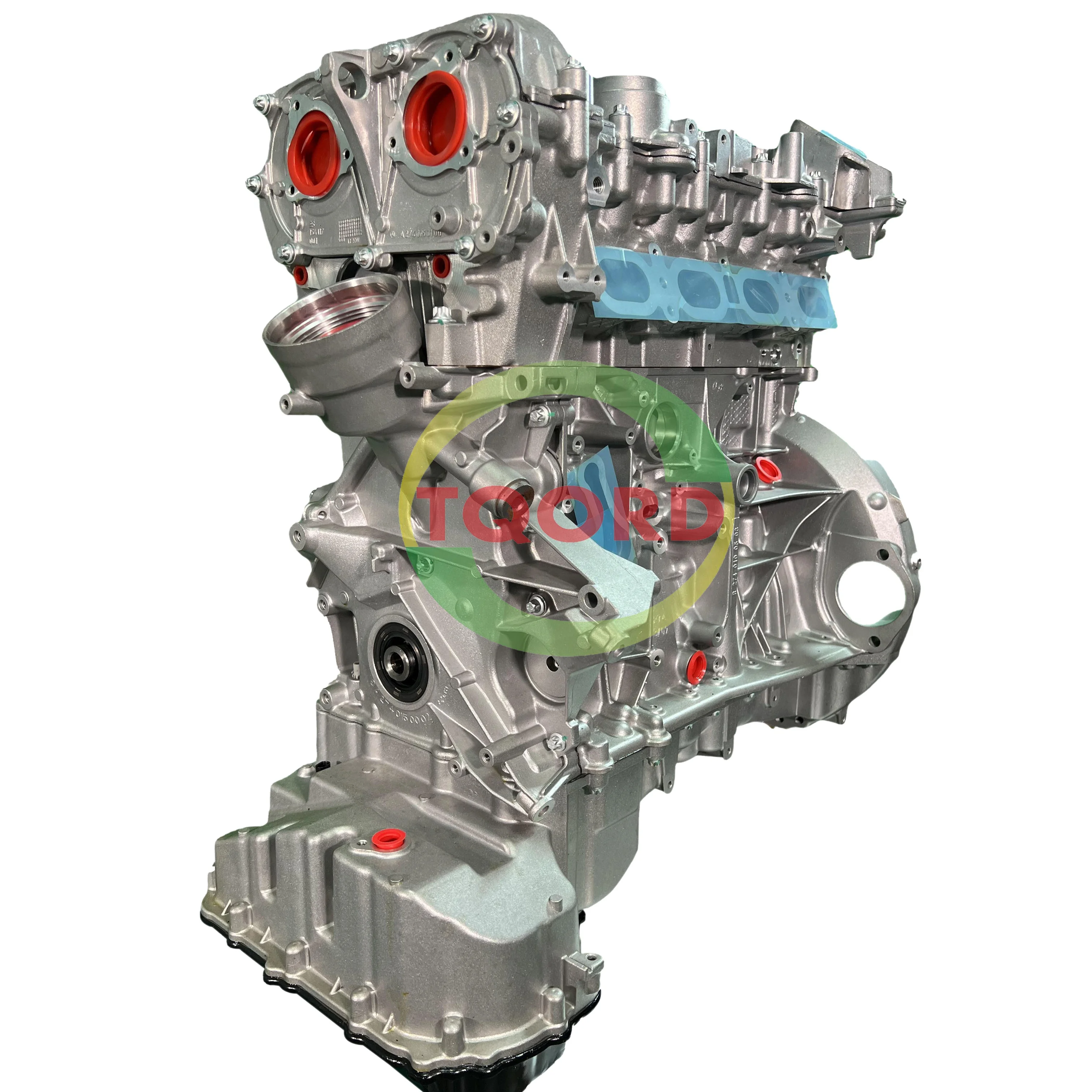
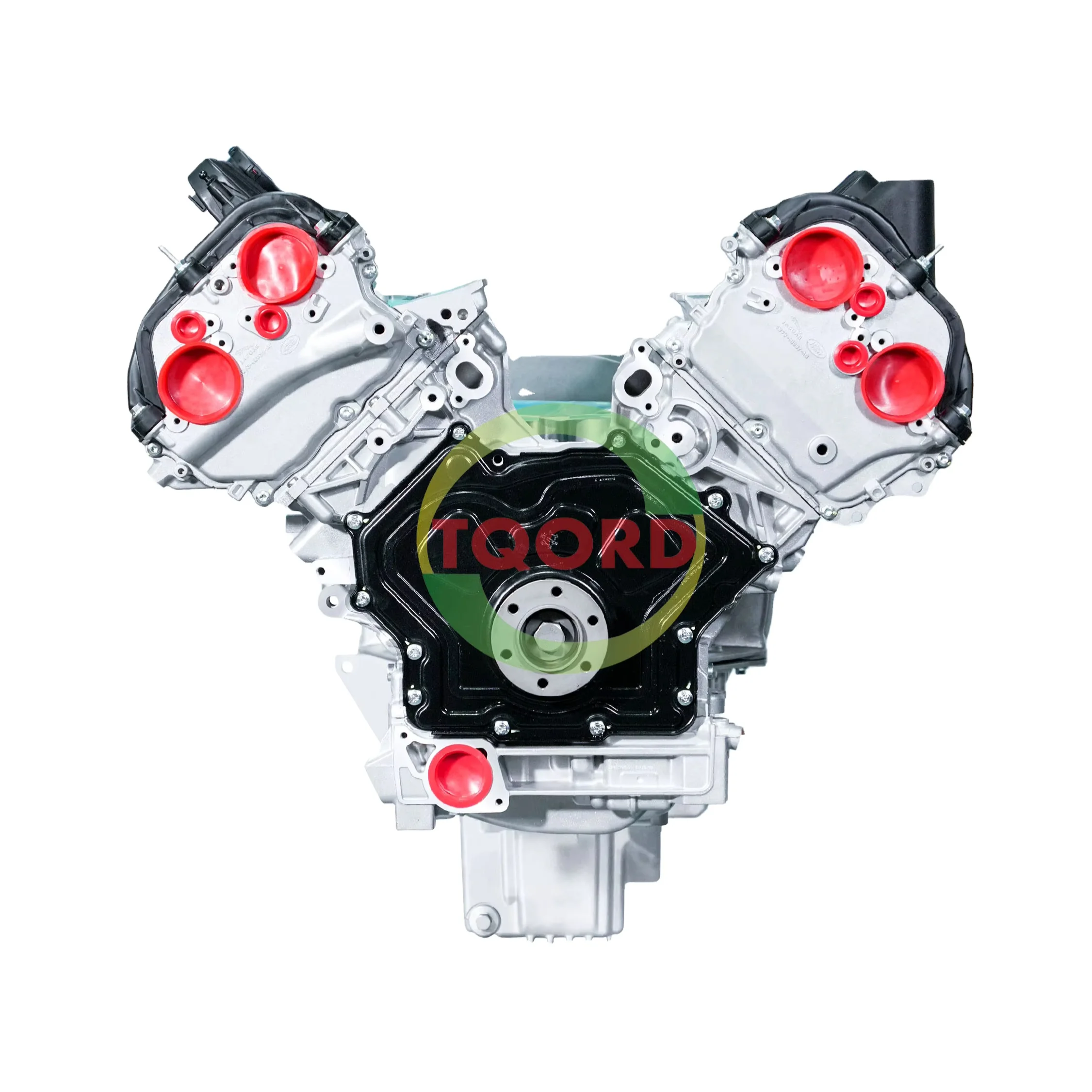
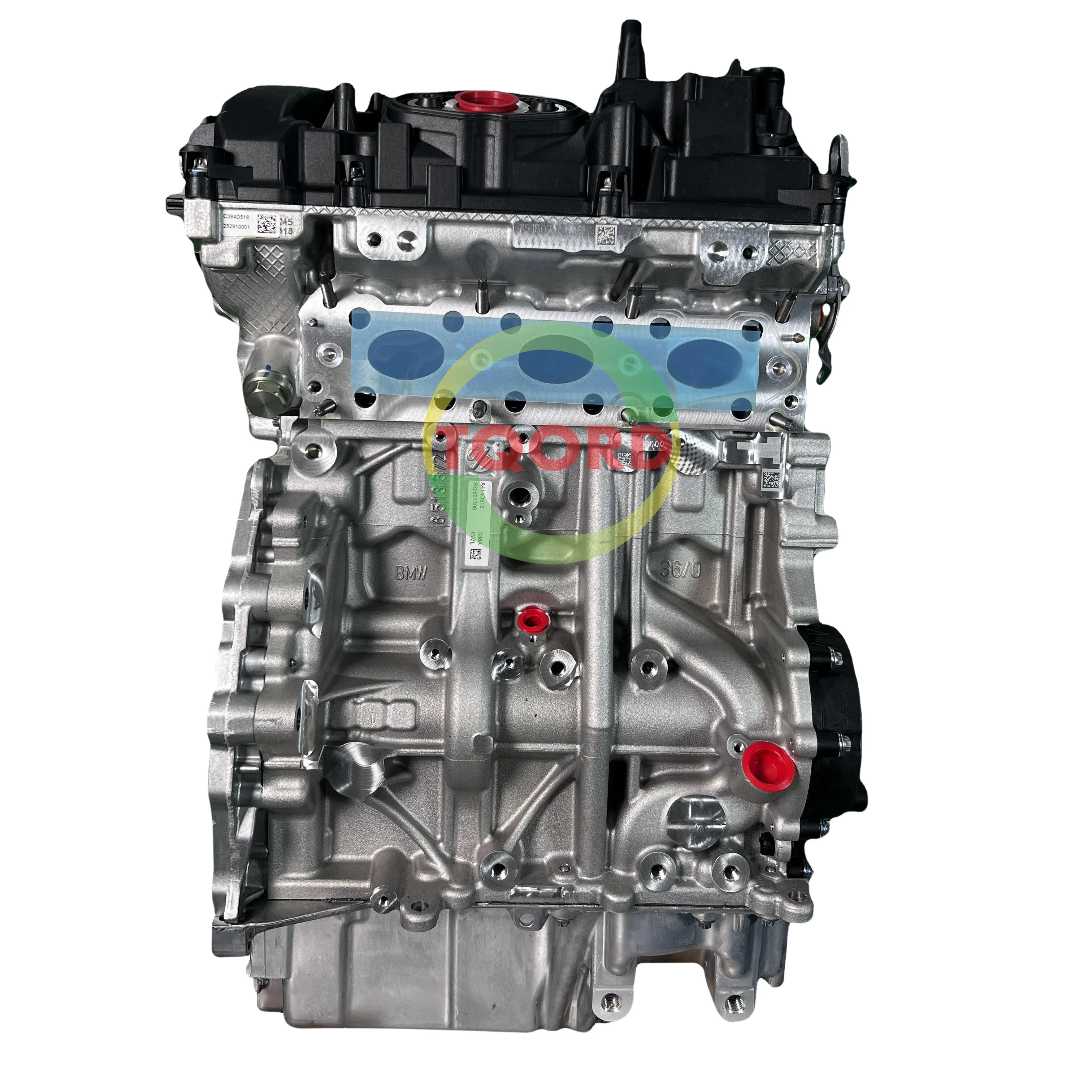
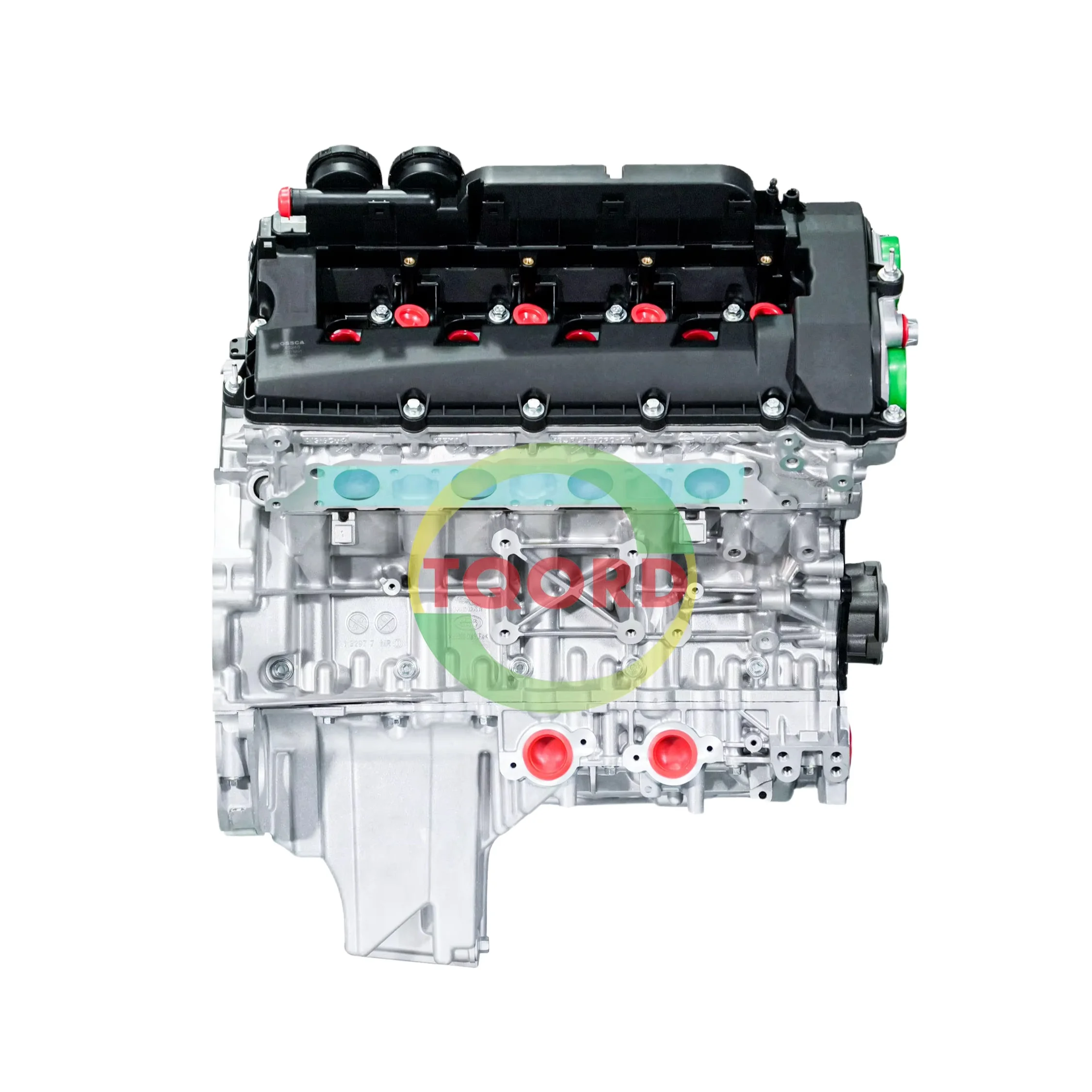
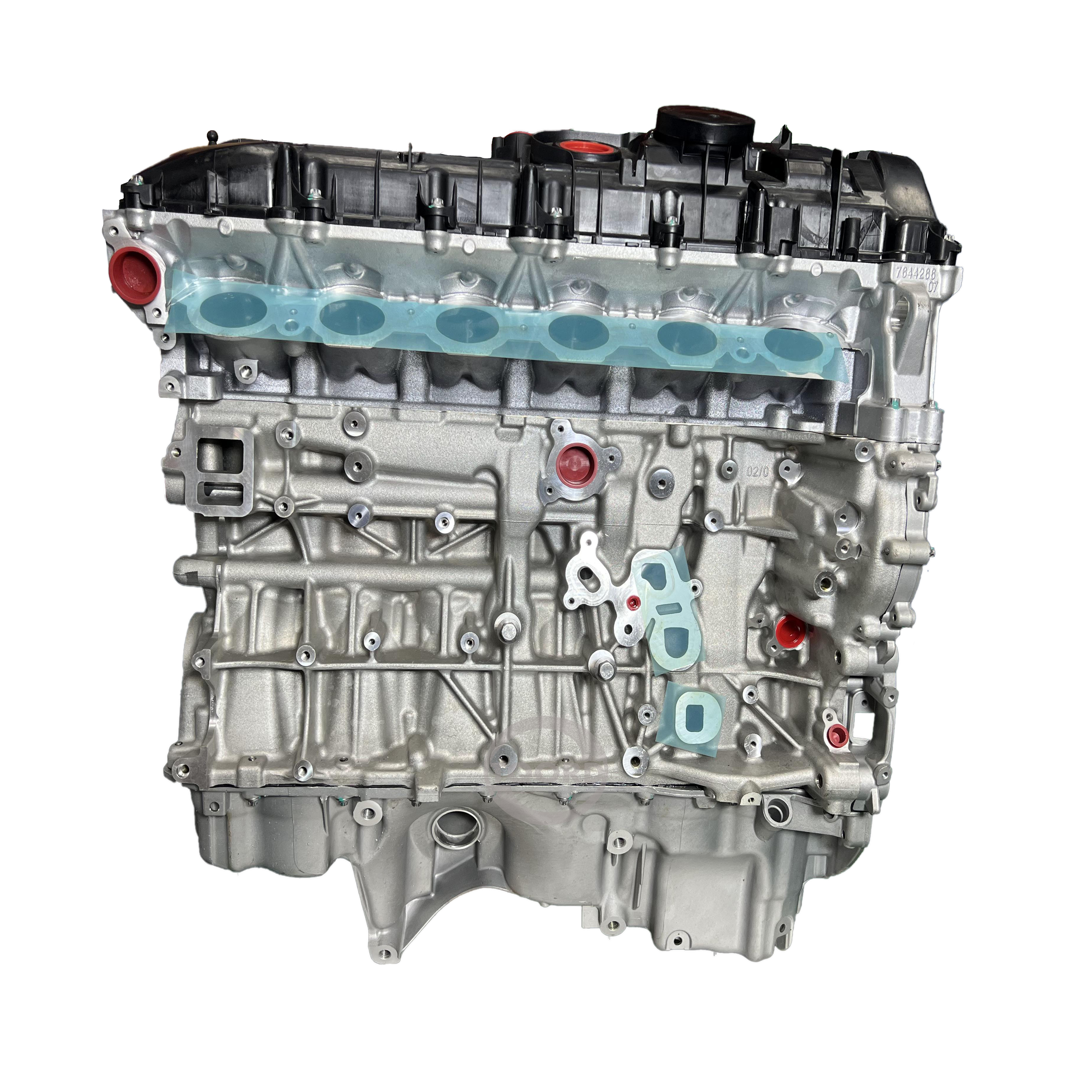
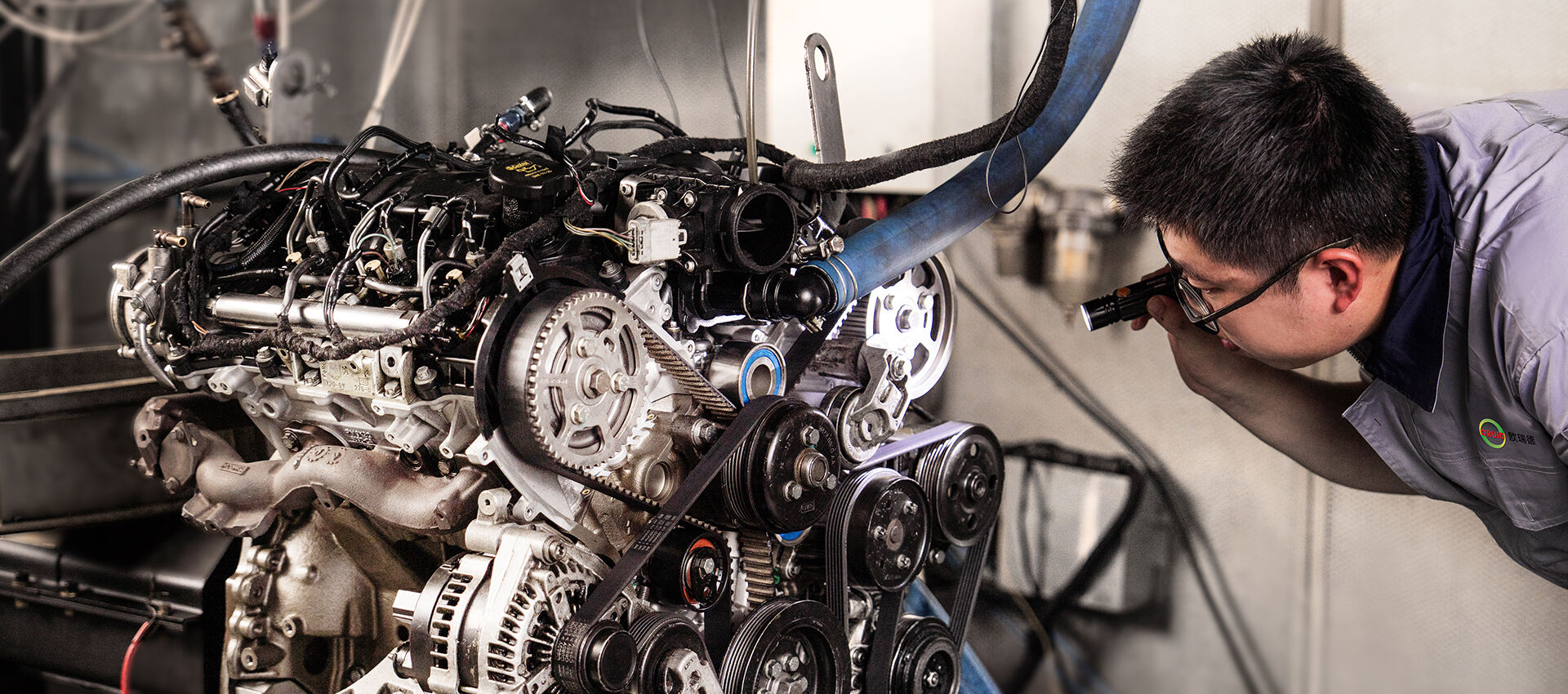
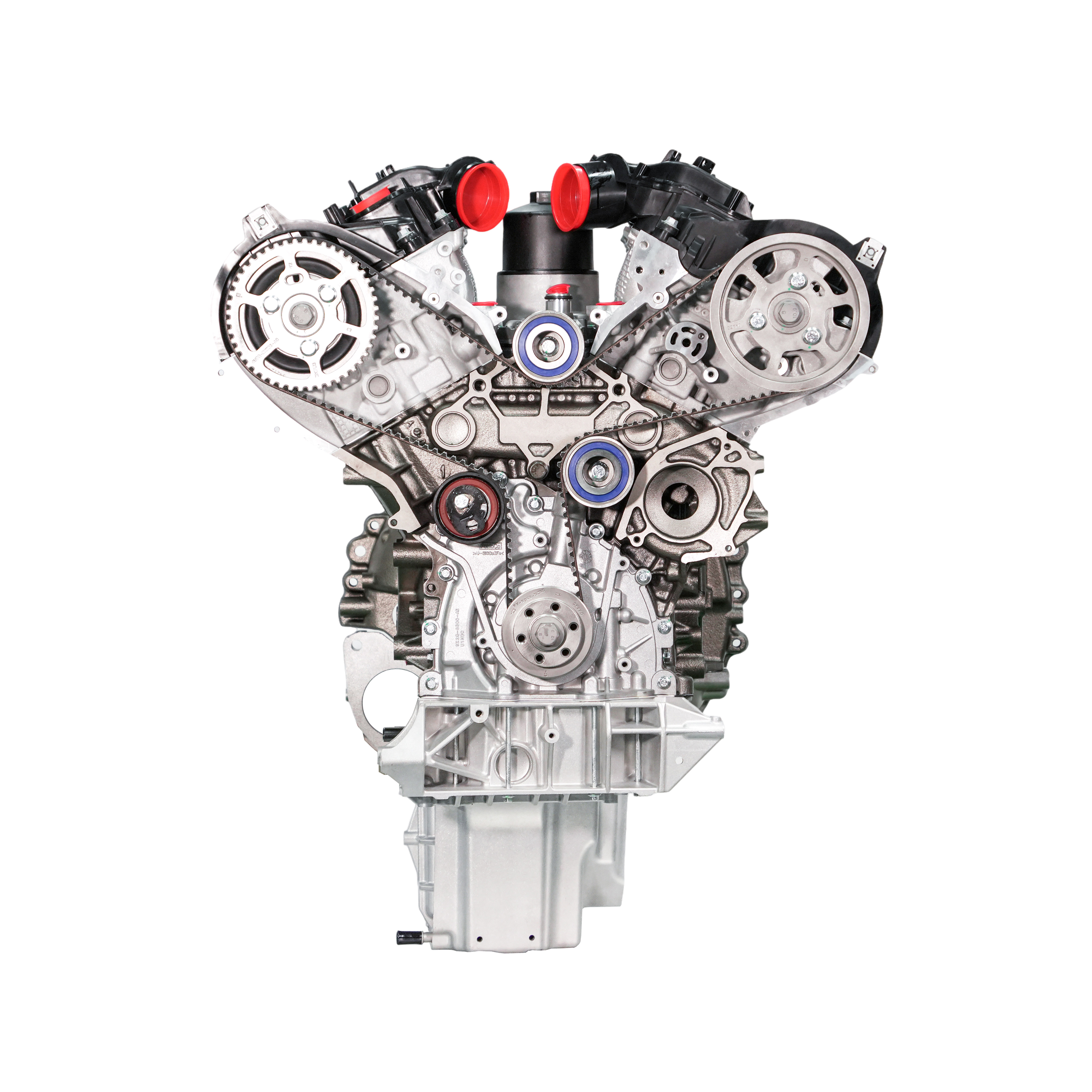
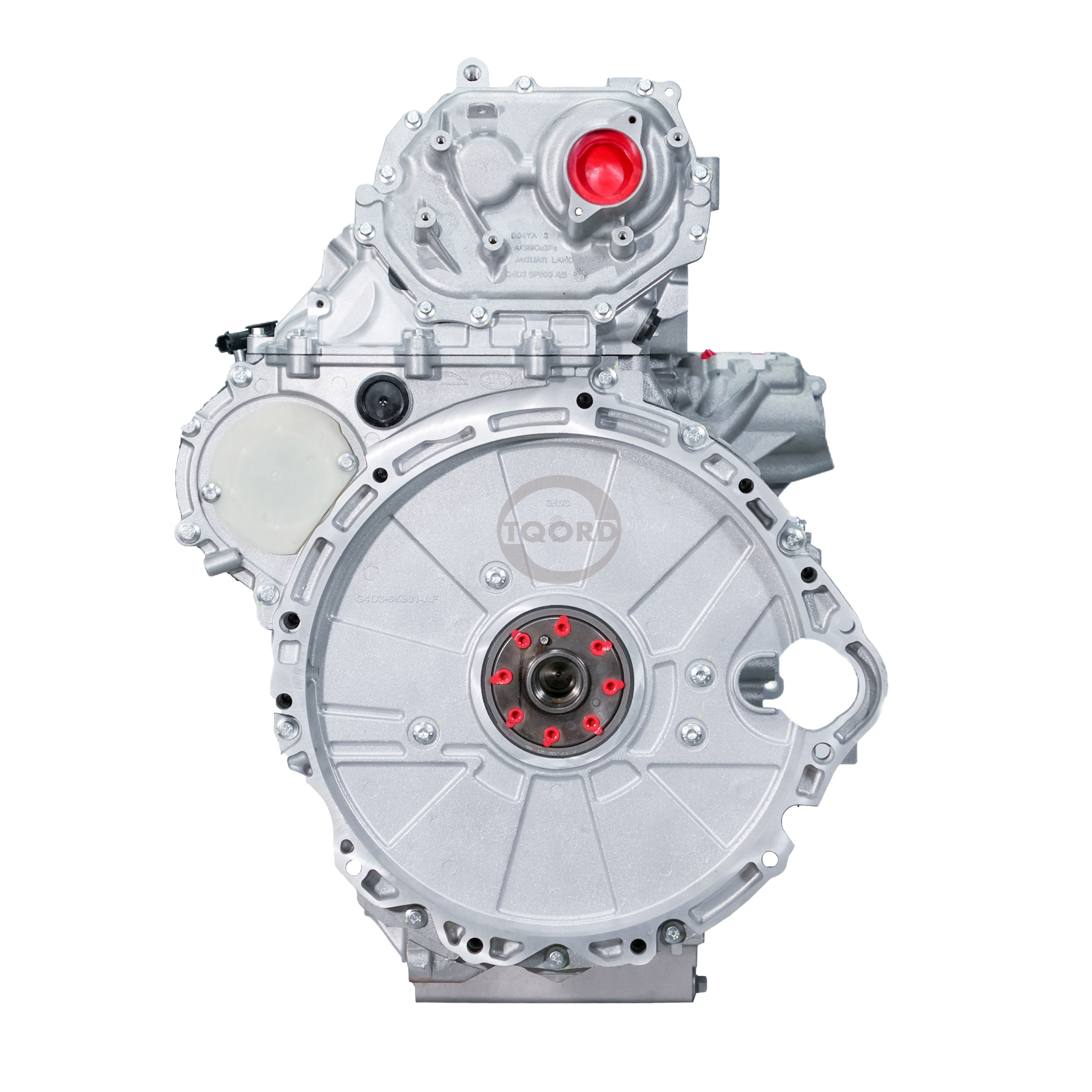
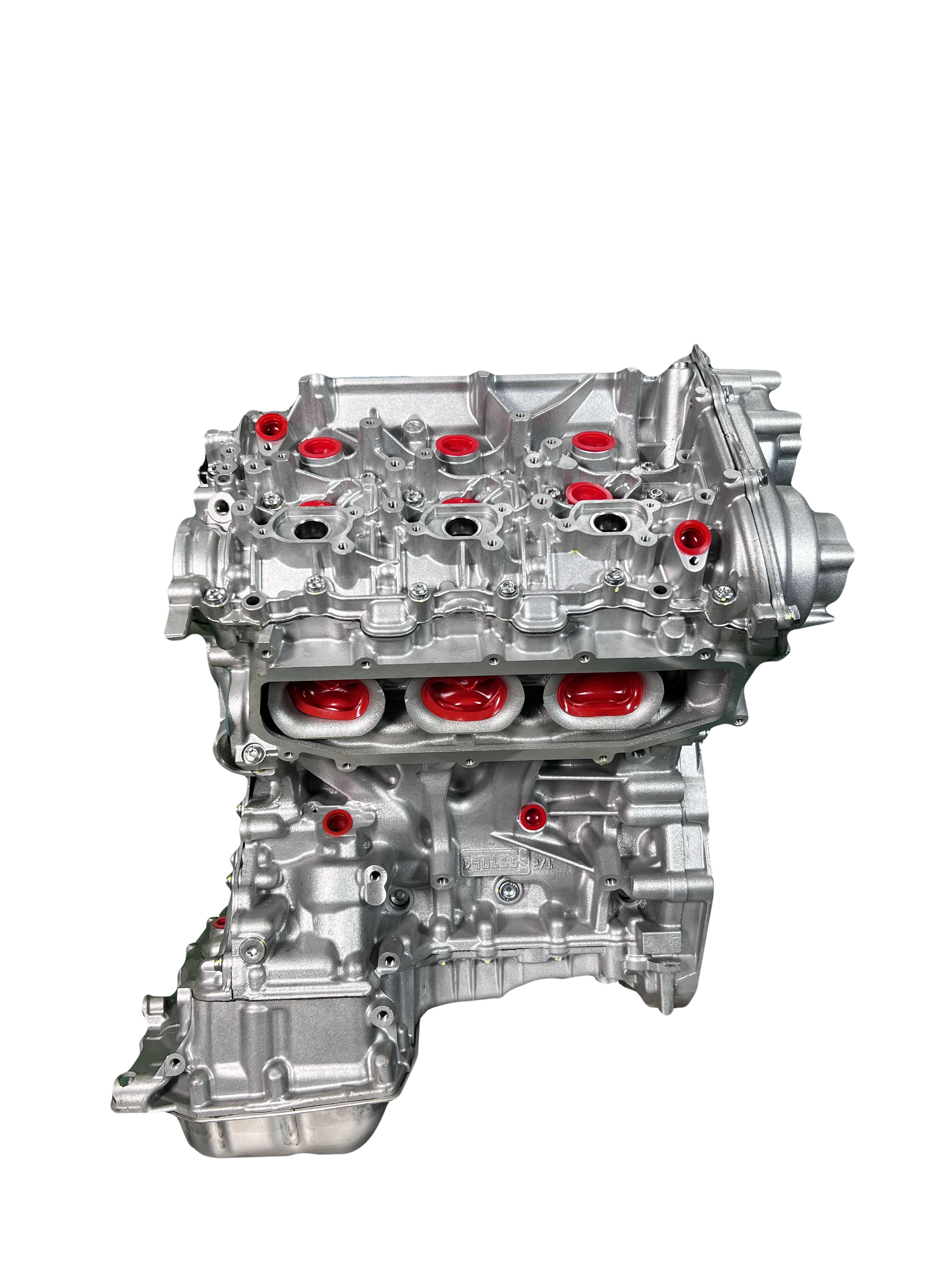
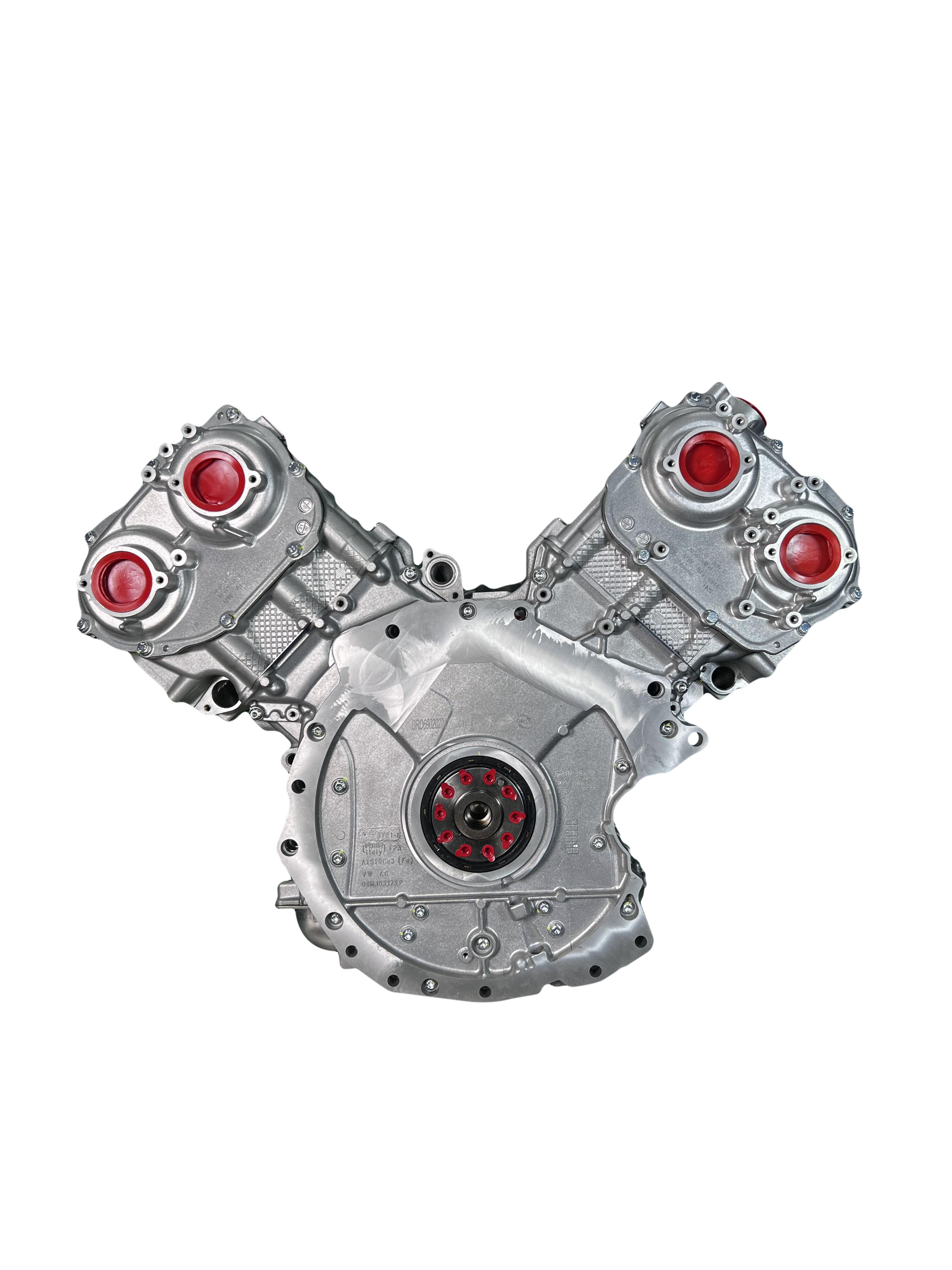
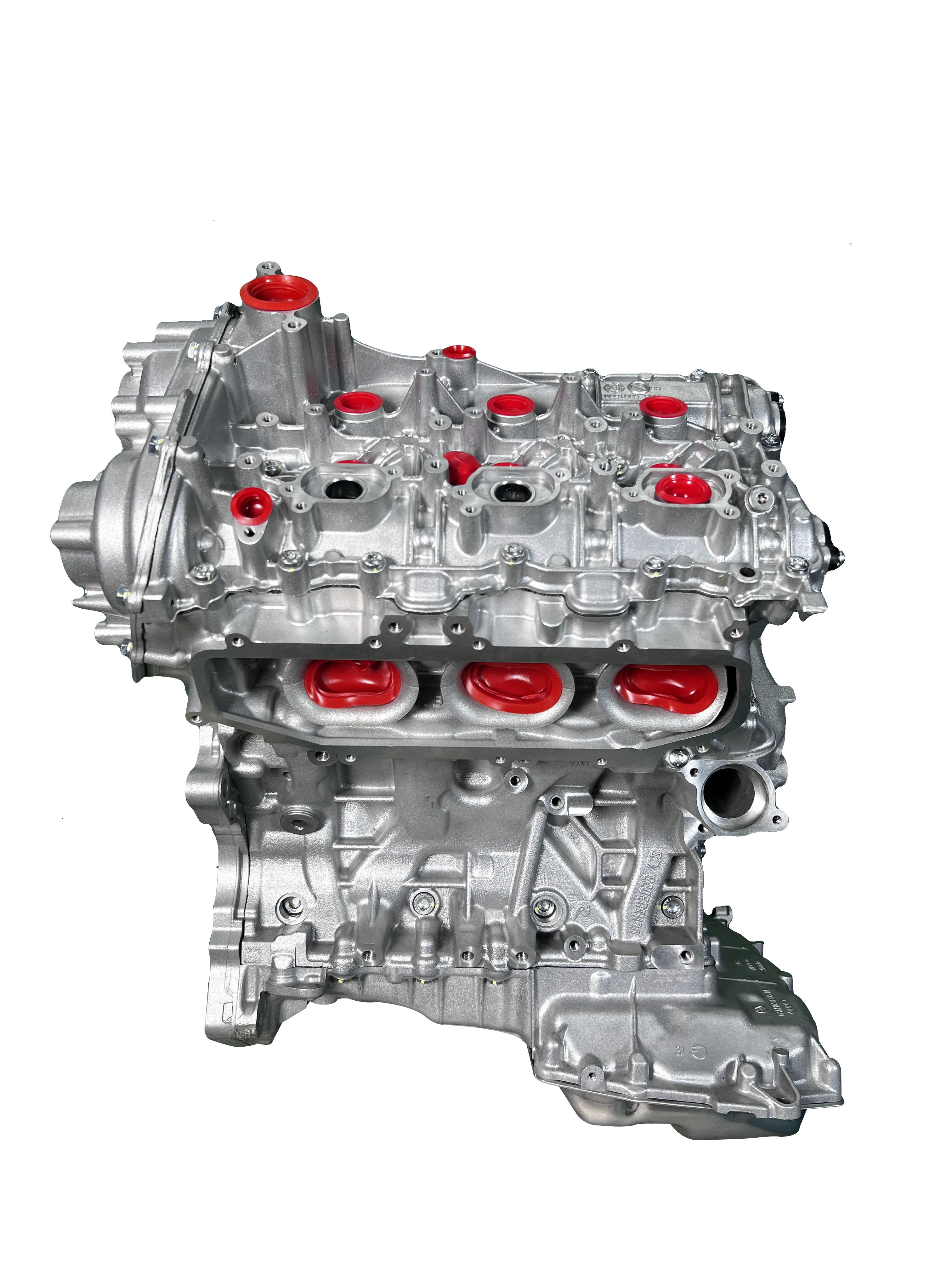
The rotary engine represents a distinctive type of internal combustion engine that uses a unique rotational design instead of traditional reciprocating pistons. Developed by Felix Wankel in the 1950s, this innovative rotary engine employs a triangular rotor that orbits within an oval-shaped chamber, creating three separate combustion pockets that continuously rotate through intake, compression, combustion, and exhaust cycles. The rotary engine delivers power through smooth, continuous motion rather than the stop-start action of conventional piston engines. This revolutionary design features fewer moving parts, typically consisting of just two main components: the rotor and the housing. The rotary engine operates by drawing in an air-fuel mixture, compressing it, igniting it, and expelling exhaust gases in one continuous rotation. Each face of the triangular rotor completes all four cycles simultaneously at different positions within the chamber, resulting in three power pulses per rotor revolution. This technology has found applications across various industries, including automotive manufacturing, aviation, and power generation equipment. The compact size and high power-to-weight ratio make the rotary engine particularly attractive for performance vehicles and applications where space constraints exist. Its smooth operation and reduced vibration characteristics provide enhanced user comfort and mechanical reliability. The rotary engine continues to evolve with modern engineering advancements, incorporating improved sealing technologies and materials that enhance durability and efficiency for contemporary applications.

New Products

The rotary engine offers numerous practical benefits that directly impact your operational efficiency and cost-effectiveness. First, you gain significant space savings because the rotary engine occupies roughly one-third the volume of comparable piston engines while delivering equivalent power output. This compact design allows you greater flexibility in equipment layout and installation options. You experience remarkably smooth operation since the rotary engine eliminates the reciprocating motion that causes vibration in traditional engines. This smoothness reduces wear on surrounding components, extends equipment lifespan, and minimizes maintenance requirements, saving you time and money. The simplified construction means fewer parts can fail, which translates to improved reliability and reduced downtime for your operations. You benefit from an excellent power-to-weight ratio, as the rotary engine produces more horsepower per pound than conventional engines, making it ideal when weight constraints matter. The engine runs cooler and quieter, creating better working conditions and reducing noise pollution concerns. You achieve higher rotational speeds without the mechanical stress that limits piston engines, enabling more efficient power generation for demanding applications. The balanced rotational motion eliminates the need for heavy counterweights and complex balancing systems, further reducing weight and complexity. Maintenance becomes simpler because you access components more easily and perform routine servicing faster. The rotary engine adapts well to various fuel types, giving you operational flexibility and potential cost advantages based on fuel availability. For applications requiring consistent power delivery in confined spaces, the rotary engine provides an optimal solution that balances performance, reliability, and practical ownership benefits throughout its service life.

Tips And Tricks

Cost Comparison: Reman vs Rebuilt Engines for Ford F-150

07

May

Cost Comparison: Reman vs Rebuilt Engines for Ford F-150

What Defines a True Reman Engine for the Ford F-150? OEM-Aligned Remanufacturing: Precision Reconditioning to Ford Engineering Specs A true remanufactured (reman) engine for the F-150 isn’t merely repaired—it’s systematically rest...
View More
OEM-Certified Components for Mercedes-Benz 274 Engines

13

May

OEM-Certified Components for Mercedes-Benz 274 Engines

Why OEM-Certified Components Are Essential for M274 Engine Reliability Thermal and Mechanical Compatibility: How OEM certification prevents turbocharger and manifold failure The M274 2.0L turbo engine operates under extreme exhaust gas temperatures...
View More
Oruide's Partnership with Stellantis: Boosting Remanufacturing Standards

08

Jun

Oruide's Partnership with Stellantis: Boosting Remanufacturing Standards

The automotive industry is undergoing a profound shift toward sustainability and circular economy practices, and remanufacturing sits at the very center of that transformation. Oruide's strategic partnership with Stellantis represents a landmark mome...
View More
High-Performance Gas Engines for Racing: Reman Options

15

Jun

High-Performance Gas Engines for Racing: Reman Options

In competitive motorsport, the demand for reliable, high-output power is relentless. Every component under the hood matters, and the gas system at the heart of the powertrain is no exception. Whether you are building a track-day machine or preparing ...
View More

Get a Free Quote

Our representative will contact you soon.
Email
Phone/WhatsApp/WeChat
Name
Company Name
Title
VIN Code
Message
0/1000

rotary engine

Compact Design with Superior Power Density

Compact Design with Superior Power Density

The rotary engine achieves exceptional power density through its innovative architecture, delivering substantially more horsepower per unit of volume and weight compared to traditional piston engines. This advantage stems from the continuous rotational motion that eliminates dead spots in the power cycle, ensuring constant torque delivery throughout operation. The triangular rotor configuration enables three combustion events per revolution, effectively tripling power output relative to engine size. You can install the rotary engine in applications where space limitations would prohibit conventional engines, opening new possibilities for equipment design and functionality. The compact footprint reduces overall system weight, which proves particularly valuable in mobile applications where every pound affects performance and fuel economy. The streamlined shape simplifies integration into tight compartments, reduces installation costs, and allows engineers greater creative freedom when designing equipment layouts. This space efficiency does not compromise durability or performance, as the rotary engine maintains robust construction standards while occupying minimal space. The reduced external dimensions also mean lower material costs for housing and mounting structures, contributing to overall system economy without sacrificing the power output your applications demand.
Exceptionally Smooth Operation with Minimal Vibration

Exceptionally Smooth Operation with Minimal Vibration

The rotary engine delivers unparalleled smoothness because its balanced rotational motion eliminates the harsh vibrations inherent in reciprocating piston designs. Unlike conventional engines where pistons constantly change direction, creating jarring forces, the rotary engine maintains consistent circular motion that naturally balances itself throughout operation. This vibration-free performance reduces mechanical stress on all connected components, significantly extending the service life of your equipment and decreasing maintenance frequency. Operators experience greater comfort during extended use periods, reducing fatigue and improving productivity in professional applications. The absence of vibration also protects sensitive electronic components and precision instruments that might be mounted nearby, making the rotary engine ideal for applications requiring stable platforms. Reduced vibration translates directly into quieter operation, as many engine noises originate from vibrating components and structural resonance. You benefit from lower noise pollution, improved workplace conditions, and easier compliance with environmental regulations. The smooth power delivery enables more precise control in applications requiring steady operation, from power generation to propulsion systems. This mechanical refinement reflects superior engineering that prioritizes user experience alongside raw performance, creating equipment that operators prefer and equipment managers value for reliability.
Simplified Maintenance and Enhanced Reliability

Simplified Maintenance and Enhanced Reliability

The rotary engine features dramatically fewer moving parts than conventional piston engines, which directly translates into improved reliability and reduced maintenance requirements for your operations. While traditional engines require complex valve trains, connecting rods, crankshafts, and numerous associated components, the rotary engine accomplishes the same work with just a rotor, eccentric shaft, and housing. This mechanical simplicity means fewer potential failure points, reduced maintenance intervals, and lower long-term ownership costs. You spend less time performing routine maintenance and more time utilizing your equipment productively. The absence of valves eliminates valve adjustment procedures, timing belt replacements, and related service tasks that consume time and resources with piston engines. Component accessibility improves because the streamlined design allows technicians to reach critical parts quickly, reducing labor hours for inspections and repairs. The rotary engine tolerates higher operating speeds without the mechanical stress that damages piston engines, providing greater operational flexibility without compromising longevity. Replacement parts inventories shrink since fewer unique components require stocking, simplifying supply chain management and reducing capital tied up in spare parts. This reliability advantage becomes especially valuable in remote or critical applications where equipment failure causes significant disruption or expense, making the rotary engine a smart choice for demanding professional environments.