how to test the durability of engine components
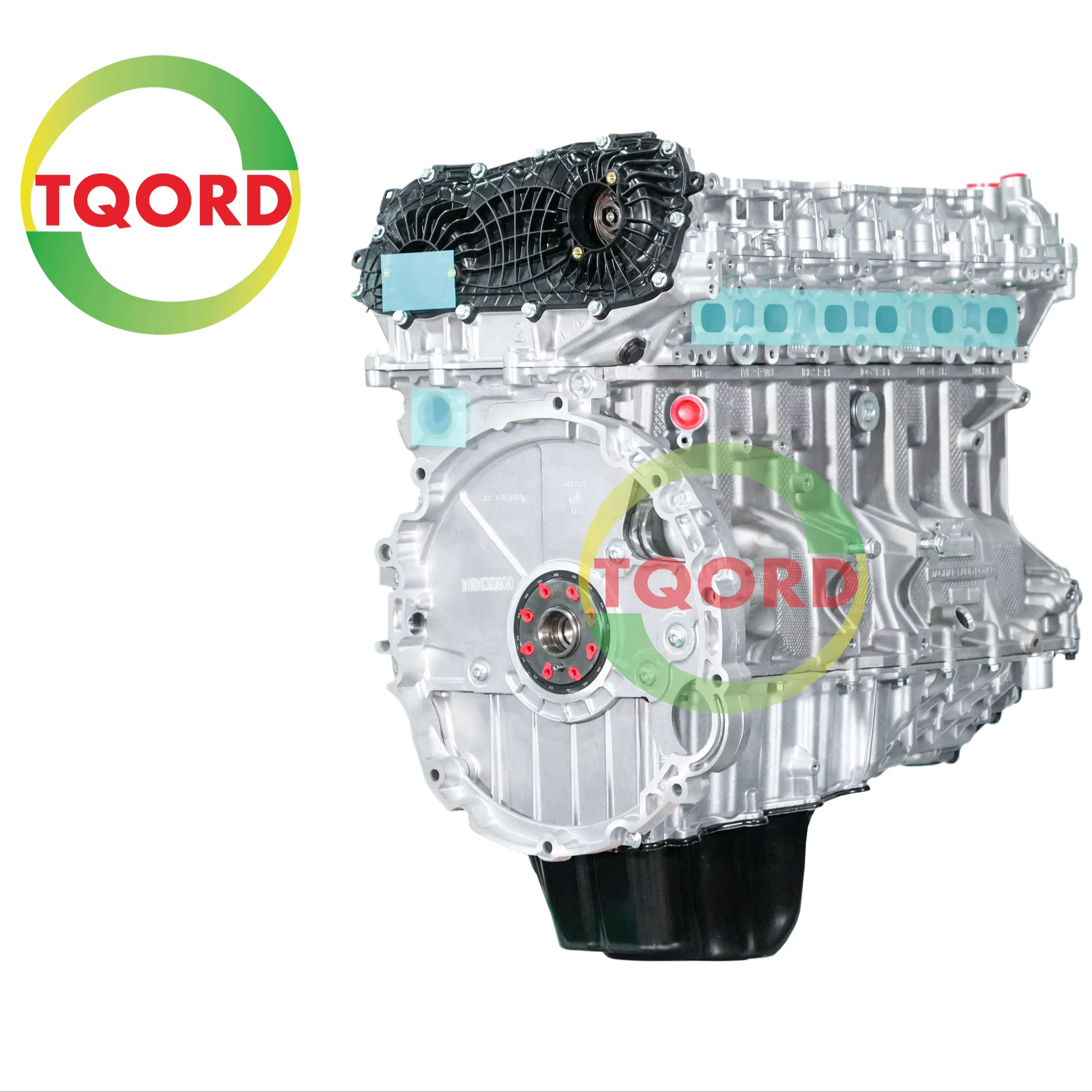
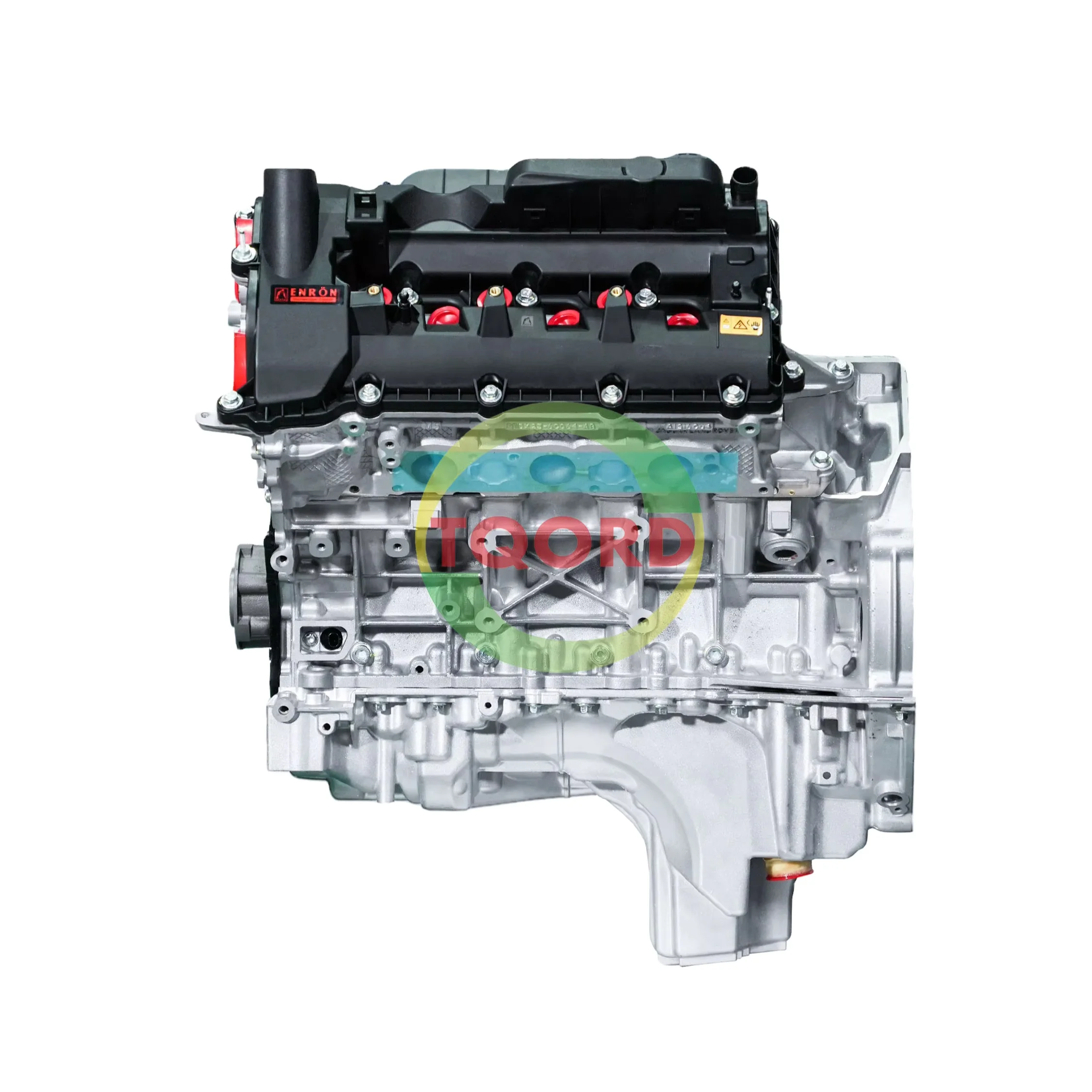
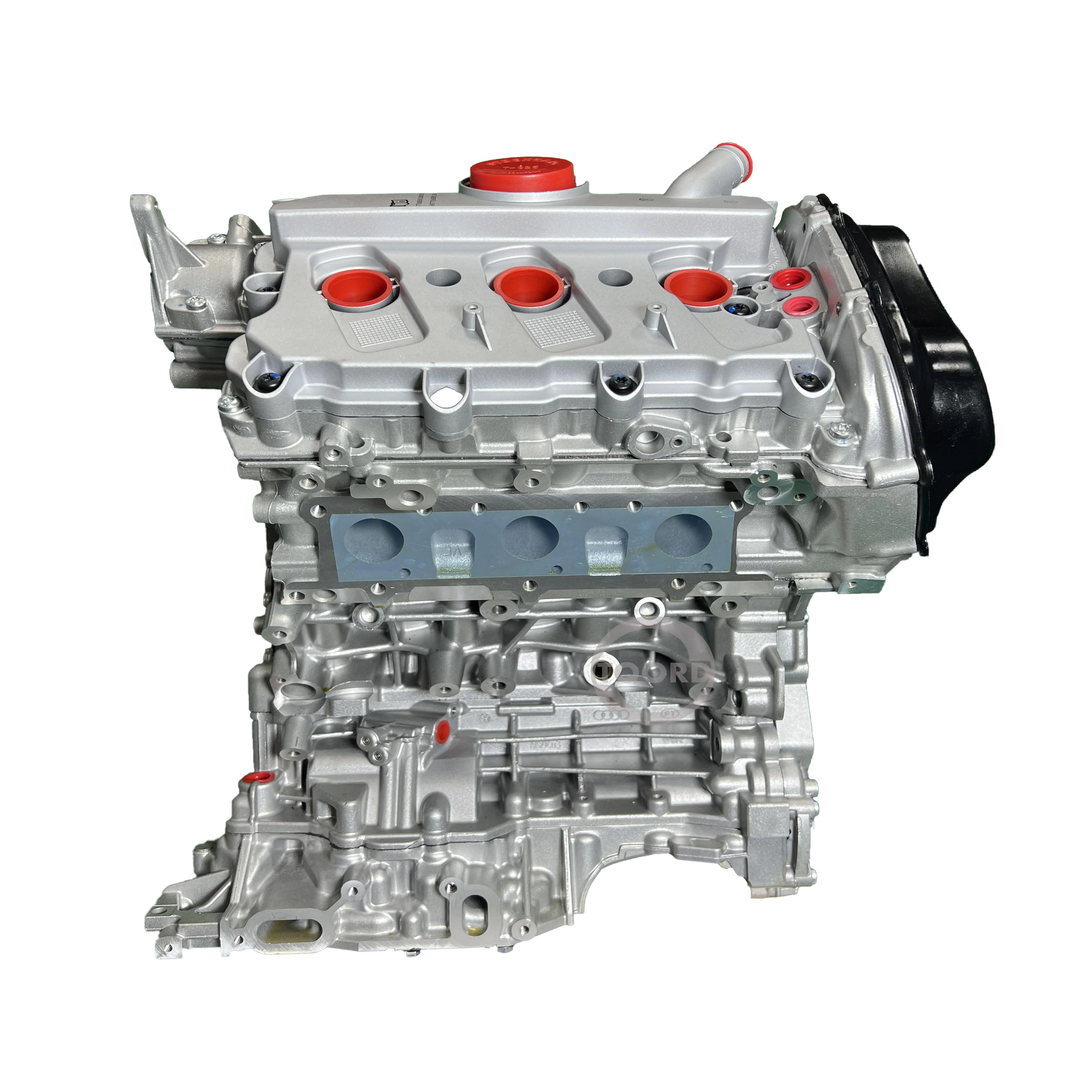
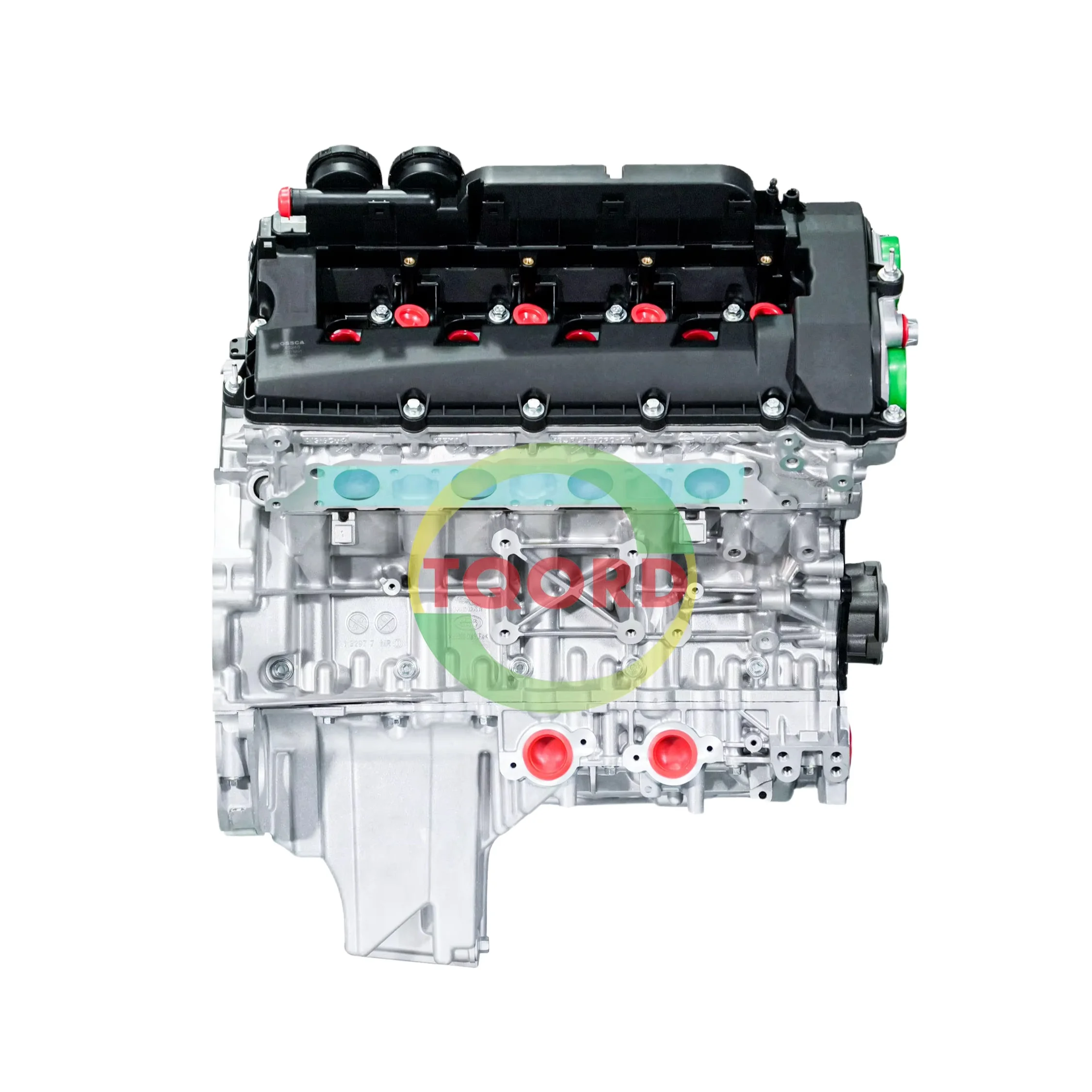
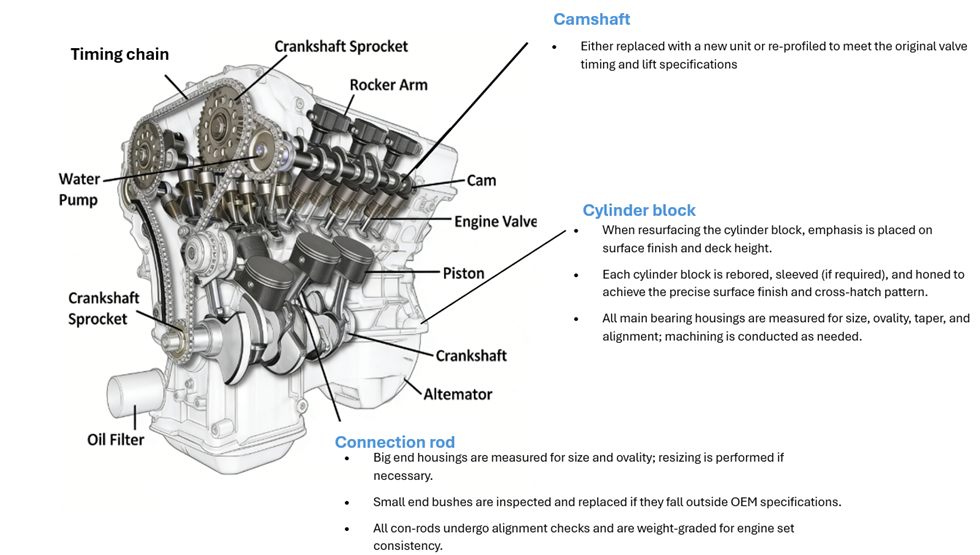
Understanding how to test the durability of engine components is essential for manufacturers, automotive engineers, and quality assurance professionals seeking to ensure reliable performance under extreme operating conditions. Engine component durability testing encompasses a comprehensive range of methodologies designed to simulate real-world stress, thermal cycling, mechanical fatigue, and environmental exposure that components experience throughout their service life. The main functions of durability testing include evaluating material strength, identifying potential failure points, validating design specifications, and predicting component lifespan before market release. Technological features employed in modern durability testing include accelerated life testing equipment, thermal shock chambers, vibration analysis systems, metallurgical examination tools, and computerized data acquisition platforms that monitor performance parameters in real-time. These testing protocols apply to critical engine parts such as pistons, connecting rods, crankshafts, cylinder heads, valve trains, bearings, and gaskets. Applications span automotive manufacturing, aerospace propulsion systems, marine engine development, heavy equipment production, and motorsport engineering. By implementing rigorous testing procedures, organizations can reduce warranty claims, improve component reliability, optimize material selection, and enhance overall engine performance. The testing process typically involves establishing baseline measurements, subjecting components to controlled stress conditions, monitoring degradation patterns, and analyzing failure modes to inform design improvements and manufacturing processes for superior engine longevity.
 EN
EN