Head Gasket: Essential Engine Sealing Solution

Get a Free Quote

Our representative will contact you soon.
Email
Phone/WhatsApp/WeChat
Name
Company Name
Title
VIN Code
Message
0/1000

head gasket

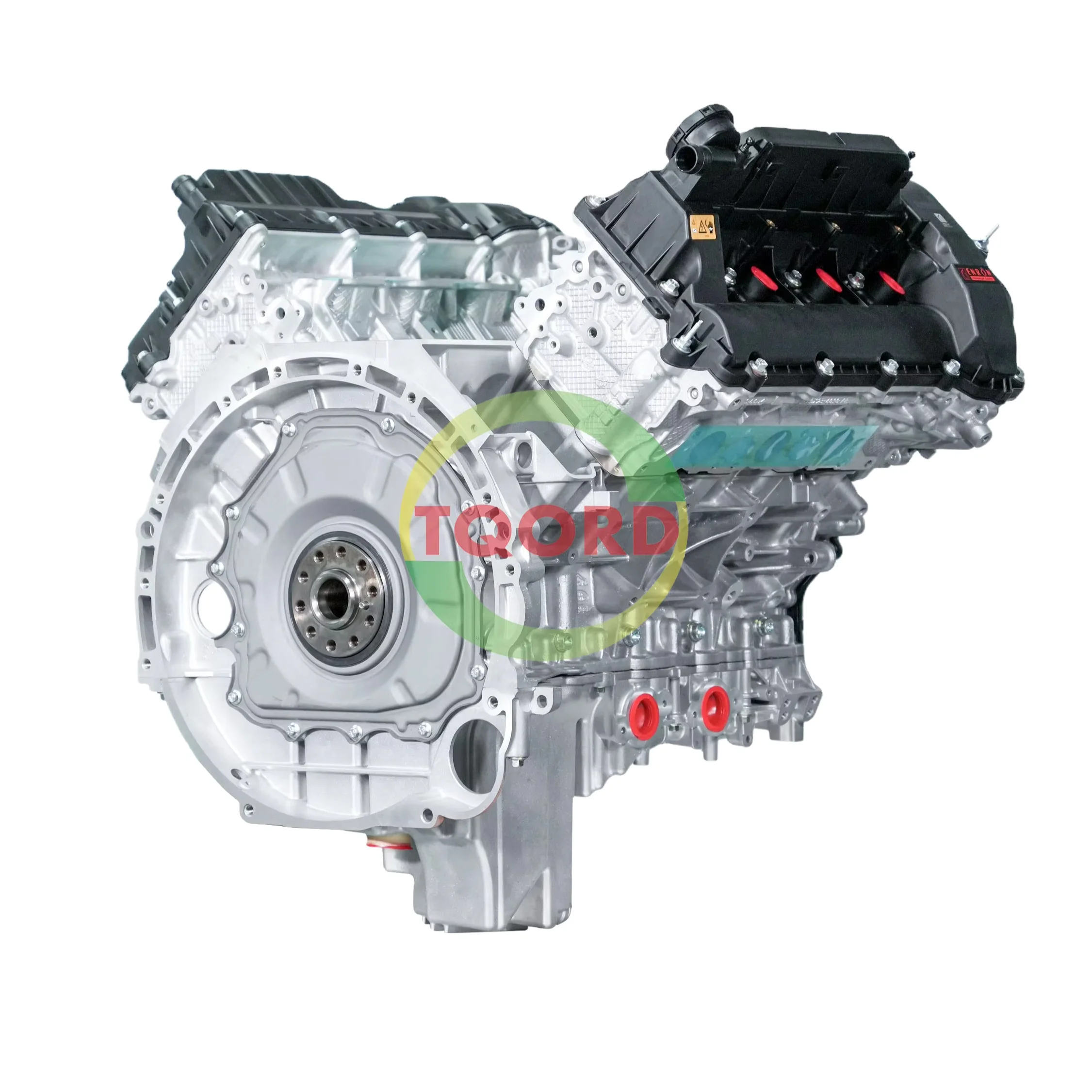
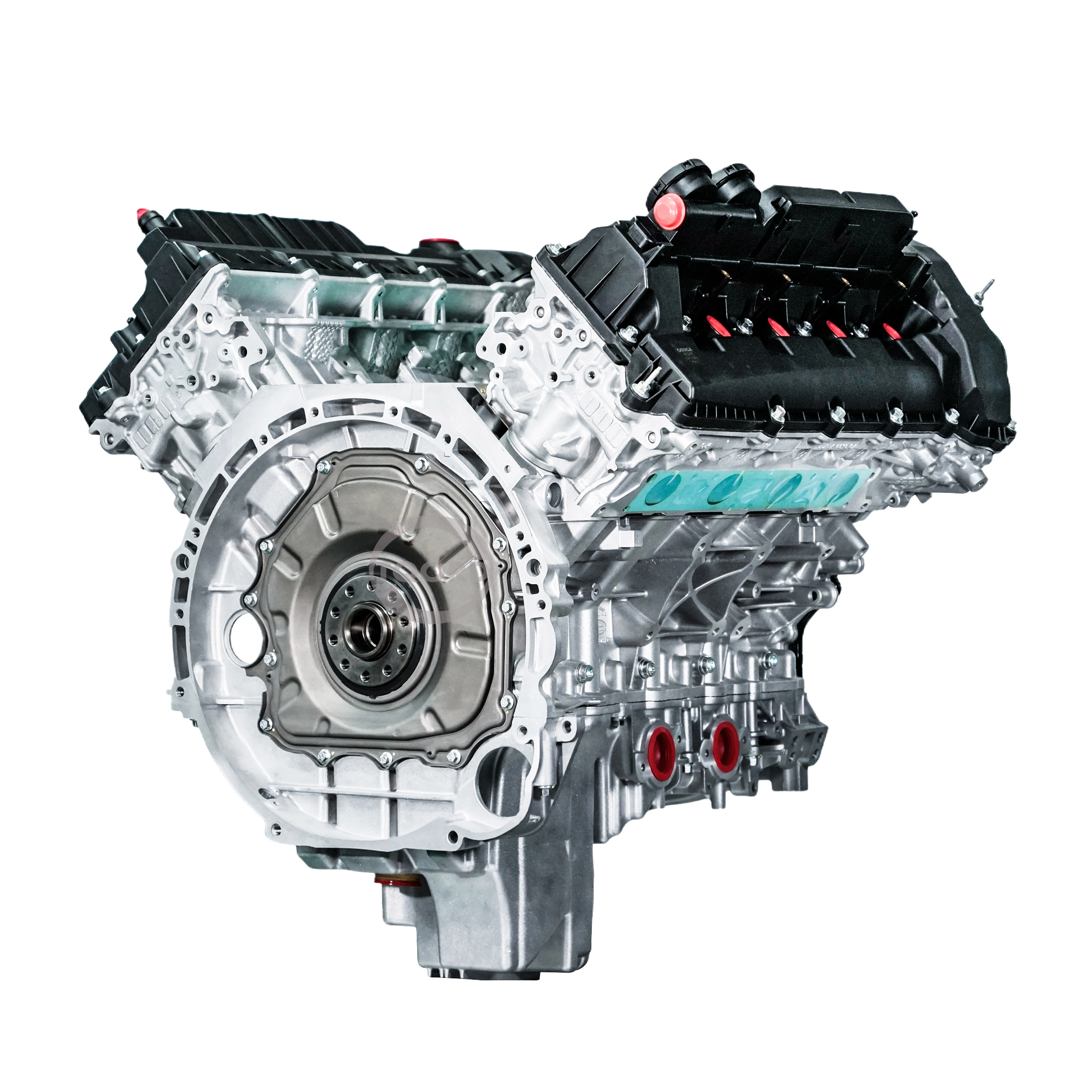
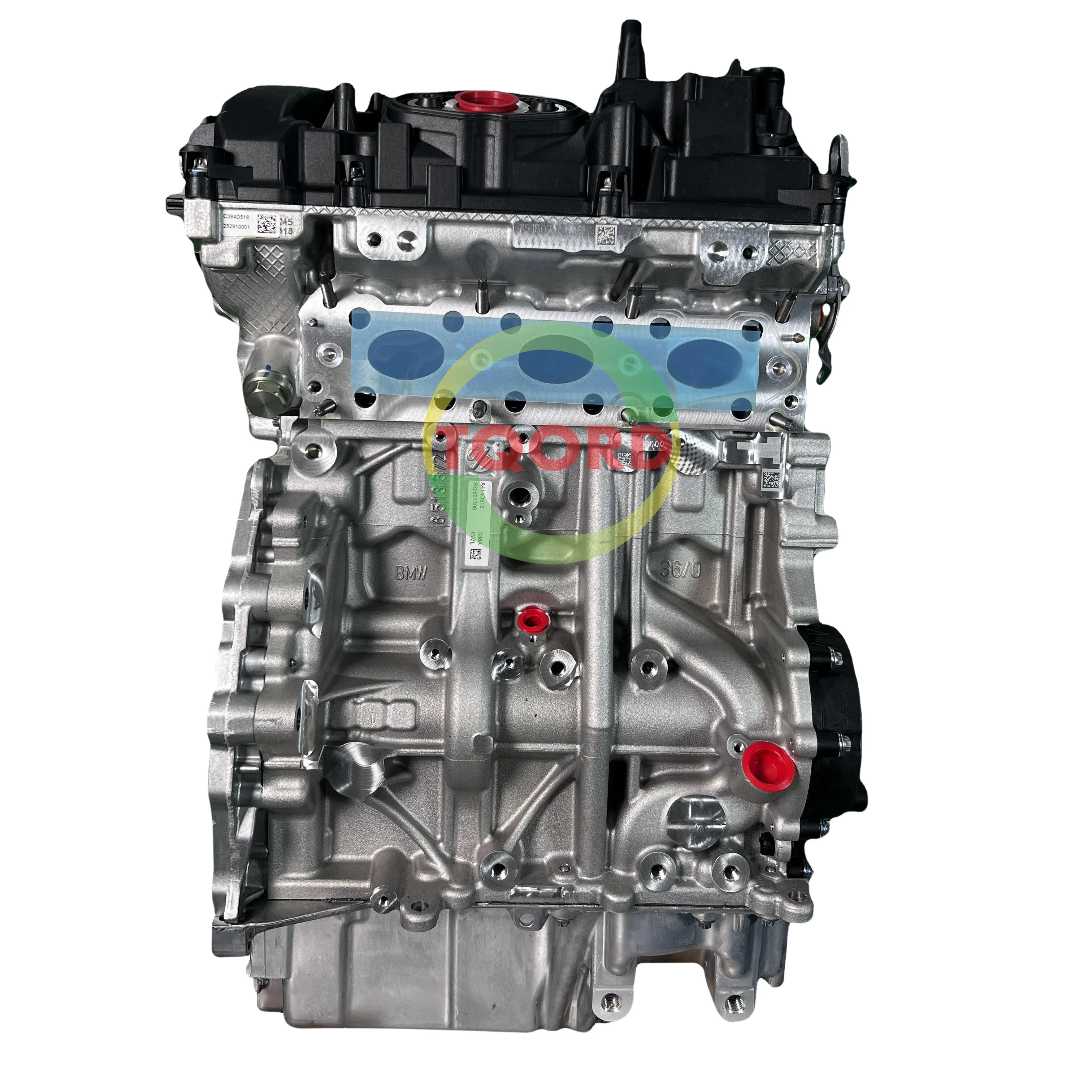
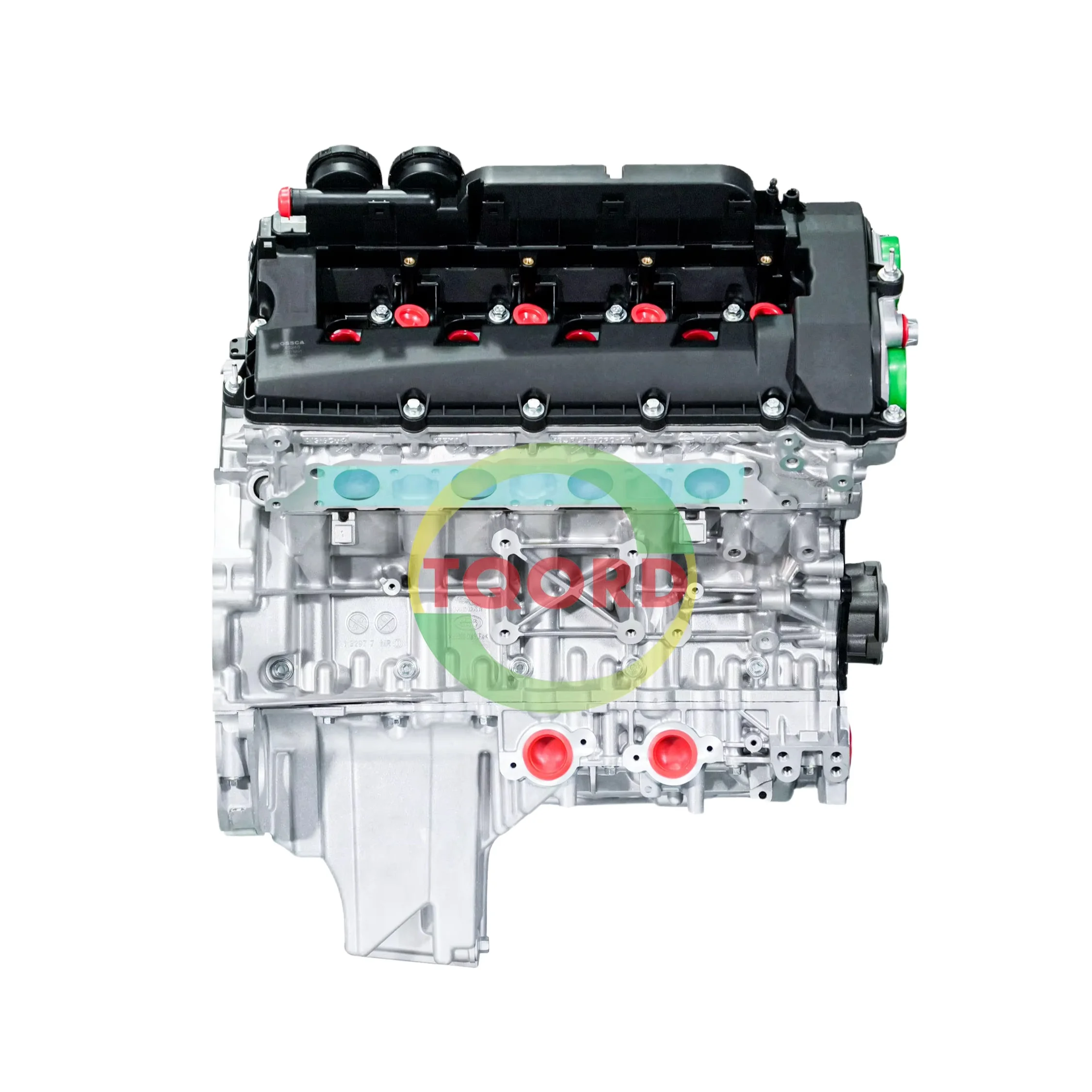
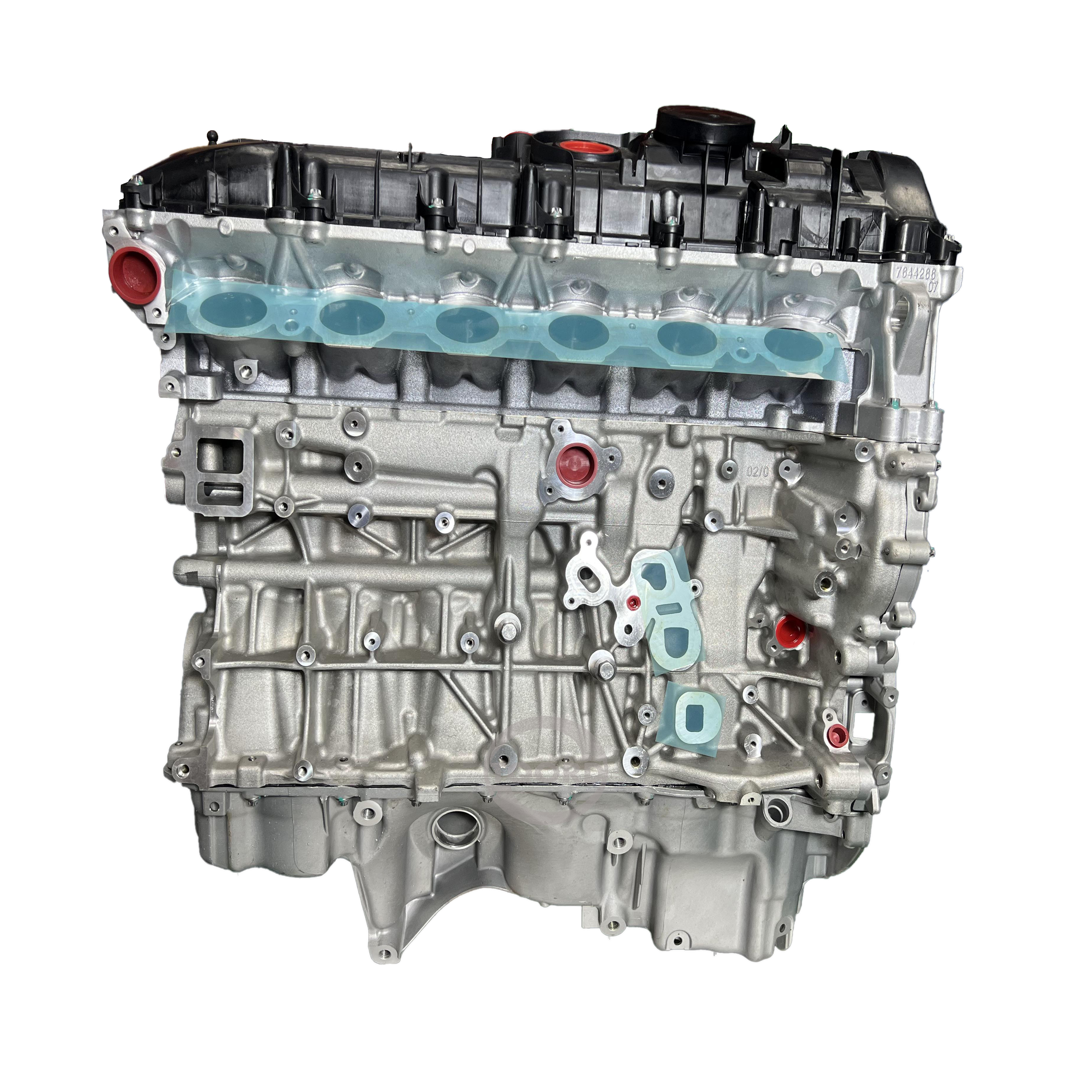
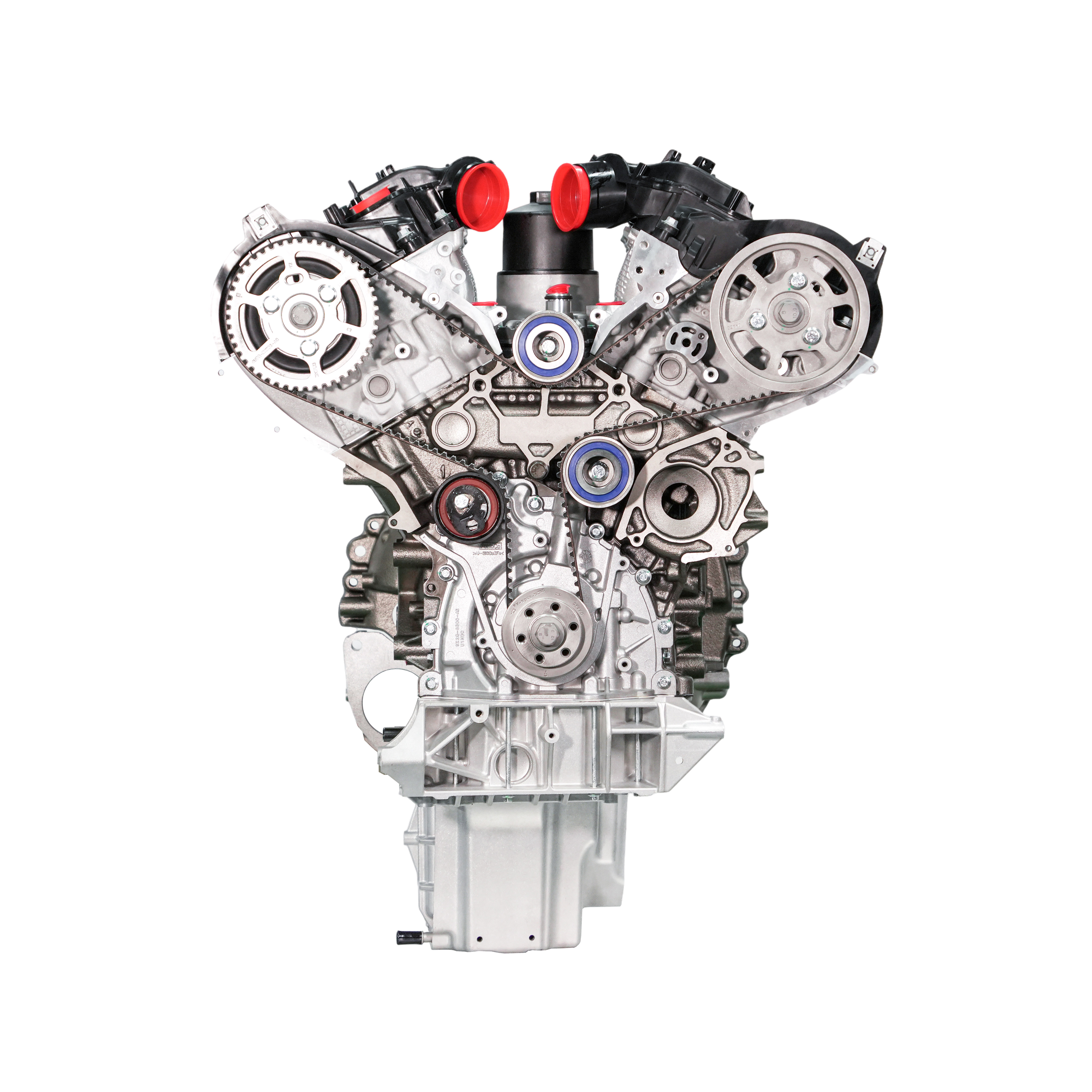
The head gasket is a critical sealing component positioned between the engine block and cylinder head in internal combustion engines. This essential part creates a tight seal that prevents the leakage of combustion gases, engine oil, and coolant between these two major engine components. A head gasket must withstand extreme temperatures, high pressure, and constant thermal cycling while maintaining its sealing integrity throughout the engine's operational life. Modern head gaskets are engineered using advanced materials such as multi-layer steel, composite materials, or graphite compounds, each designed to meet specific engine requirements and performance standards. The head gasket performs three primary functions: sealing the combustion chamber to maintain compression, separating oil and coolant passages to prevent fluid mixing, and accommodating thermal expansion and contraction during engine operation. Its technological features include precision-cut openings that align perfectly with cylinder bores, coolant passages, and oil galleries. The gasket's construction often incorporates specialized coatings and embossments that enhance sealing performance under varying load conditions. Applications of the head gasket span across all types of internal combustion engines, including automotive vehicles, motorcycles, marine engines, industrial equipment, and power generation systems. Whether in high-performance racing engines or everyday passenger vehicles, the head gasket plays an indispensable role in ensuring optimal engine performance, efficiency, and longevity by maintaining proper sealing and preventing catastrophic engine damage.

New Product Releases

Investing in a quality head gasket delivers substantial benefits that directly impact your engine's performance and longevity. First, a reliable head gasket ensures complete combustion chamber sealing, which maintains optimal compression ratios and maximizes engine power output. This translates to better fuel efficiency and consistent performance across all operating conditions. When the head gasket functions properly, you avoid costly repairs associated with coolant contamination, oil mixing, and overheating issues that can destroy an engine. The operational benefits become evident during daily use, as a properly sealed head gasket maintains stable engine temperatures by preventing coolant leaks and ensuring efficient heat transfer. This thermal stability protects other engine components from premature wear and extends overall engine life. For vehicle owners, this means fewer breakdowns, reduced maintenance costs, and greater reliability. The head gasket's application suitability makes it valuable across diverse engine types and operating environments. Whether your engine operates in extreme cold, intense heat, or demanding high-performance conditions, the right head gasket accommodates these challenges through its engineered material properties and design features. From a decision-making perspective, choosing the correct head gasket specification for your engine prevents compatibility issues and ensures proper fitment. Quality head gaskets provide peace of mind by offering consistent sealing performance throughout their service life, reducing the likelihood of unexpected failures. The practical value extends beyond initial installation, as a durable head gasket minimizes downtime and maintains engine integrity under stress. For commercial applications, this reliability translates to lower operational costs and improved productivity, making the head gasket a critical component that delivers measurable return on investment through enhanced engine protection and extended service intervals.

Latest News

Cost Comparison: Reman vs Rebuilt Engines for Ford F-150

07

May

Cost Comparison: Reman vs Rebuilt Engines for Ford F-150

What Defines a True Reman Engine for the Ford F-150? OEM-Aligned Remanufacturing: Precision Reconditioning to Ford Engineering Specs A true remanufactured (reman) engine for the F-150 isn’t merely repaired—it’s systematically rest...
View More
Rebuilt Engines for Old Mercedes E-Class: Cost-Effective Options

18

May

Rebuilt Engines for Old Mercedes E-Class: Cost-Effective Options

Why Rebuilt Engines Are the Smartest Financial Choice for Pre-2012 E-Class Models The Ownership Tipping Point: When Repair Costs Exceed Depreciated Value Owning a pre-2012 Mercedes E-Class typically means driving a car valued at $5,000–$12,00...
View More
Oruide's Partnership with Stellantis: Boosting Remanufacturing Standards

08

Jun

Oruide's Partnership with Stellantis: Boosting Remanufacturing Standards

The automotive industry is undergoing a profound shift toward sustainability and circular economy practices, and remanufacturing sits at the very center of that transformation. Oruide's strategic partnership with Stellantis represents a landmark mome...
View More
Top 5 Rebuilt Gas Engines for Ford Mustang

10

Jun

Top 5 Rebuilt Gas Engines for Ford Mustang

When a Ford Mustang loses power or suffers serious internal damage, a rebuilt gas engine becomes one of the most cost-effective and performance-driven solutions available. Rather than purchasing a brand-new engine at a steep premium, choosing a rebui...
View More

Get a Free Quote

Our representative will contact you soon.
Email
Phone/WhatsApp/WeChat
Name
Company Name
Title
VIN Code
Message
0/1000

head gasket

Advanced Multi-Layer Construction Technology

Advanced Multi-Layer Construction Technology

Modern head gasket designs incorporate sophisticated multi-layer steel construction that significantly enhances sealing performance and durability compared to traditional single-layer gaskets. This advanced engineering approach typically features three to five layers of specially treated steel, each serving a distinct purpose in the sealing system. The outer layers provide structural strength and resistance to thermal distortion, while inner layers include specialized coatings or elastomer materials that fill microscopic surface irregularities on the engine block and cylinder head. This multi-layer configuration allows the head gasket to adapt to thermal expansion and contraction cycles without losing sealing integrity. The steel core maintains dimensional stability under extreme pressure and temperature variations, preventing gasket failure even in high-performance applications. Strategic embossments around critical sealing areas create concentrated pressure points that enhance sealing force where it matters most, particularly around combustion chambers and fluid passages. This technological advancement ensures that the head gasket maintains consistent performance throughout its service life, providing superior protection against combustion gas leakage, coolant loss, and oil contamination that could compromise engine operation.
Superior Temperature and Pressure Resistance

Superior Temperature and Pressure Resistance

The head gasket must endure some of the most extreme conditions found anywhere in an engine, facing combustion temperatures exceeding 2000 degrees Fahrenheit and cylinder pressures reaching several hundred pounds per square inch. Quality head gaskets are engineered with materials specifically selected for their exceptional thermal stability and pressure resistance capabilities. Advanced composite materials and specialized metal alloys maintain their structural integrity and sealing properties across this demanding temperature range, preventing thermal degradation that leads to gasket failure. The gasket's ability to resist both sustained high temperatures and rapid thermal cycling prevents warping, cracking, and loss of compression that compromise engine performance. This temperature resistance is complemented by the head gasket's capacity to withstand enormous clamping forces and combustion pressures without crushing or extruding from the joint. The result is a sealing solution that performs reliably under the most demanding operational conditions, from sustained highway driving to aggressive acceleration and heavy load applications. For engine builders and vehicle owners, this superior resistance translates to extended service life, reduced maintenance requirements, and confidence that the head gasket will maintain its critical sealing function throughout the engine's operational envelope.
Precision Engineering for Perfect Sealing

Precision Engineering for Perfect Sealing

Manufacturing precision is paramount in head gasket production, as even minor dimensional inaccuracies can result in leakage, compression loss, or engine damage. Quality head gaskets undergo precision manufacturing processes that ensure exact dimensional tolerances, perfect alignment of all openings, and consistent material thickness across the entire gasket surface. Computer-aided design and advanced cutting technologies create gaskets with openings that precisely match cylinder bores, coolant passages, oil galleries, and bolt holes, ensuring proper fluid routing and sealing surface contact. The gasket's surface finish is carefully controlled to provide optimal sealing characteristics, balancing smoothness for intimate contact with the necessary texture for mechanical grip. Precision-placed sealing beads and compression limiters are strategically positioned to distribute clamping force evenly across all sealing surfaces while preventing over-compression in critical areas. This engineering exactness ensures that when properly installed, the head gasket creates uniform sealing pressure around combustion chambers and fluid passages, eliminating weak points that could develop leaks. The precision manufacturing also facilitates correct installation, as properly dimensioned gaskets align easily during assembly and reduce the risk of installation errors that compromise sealing performance and engine reliability.