
 EN
EN



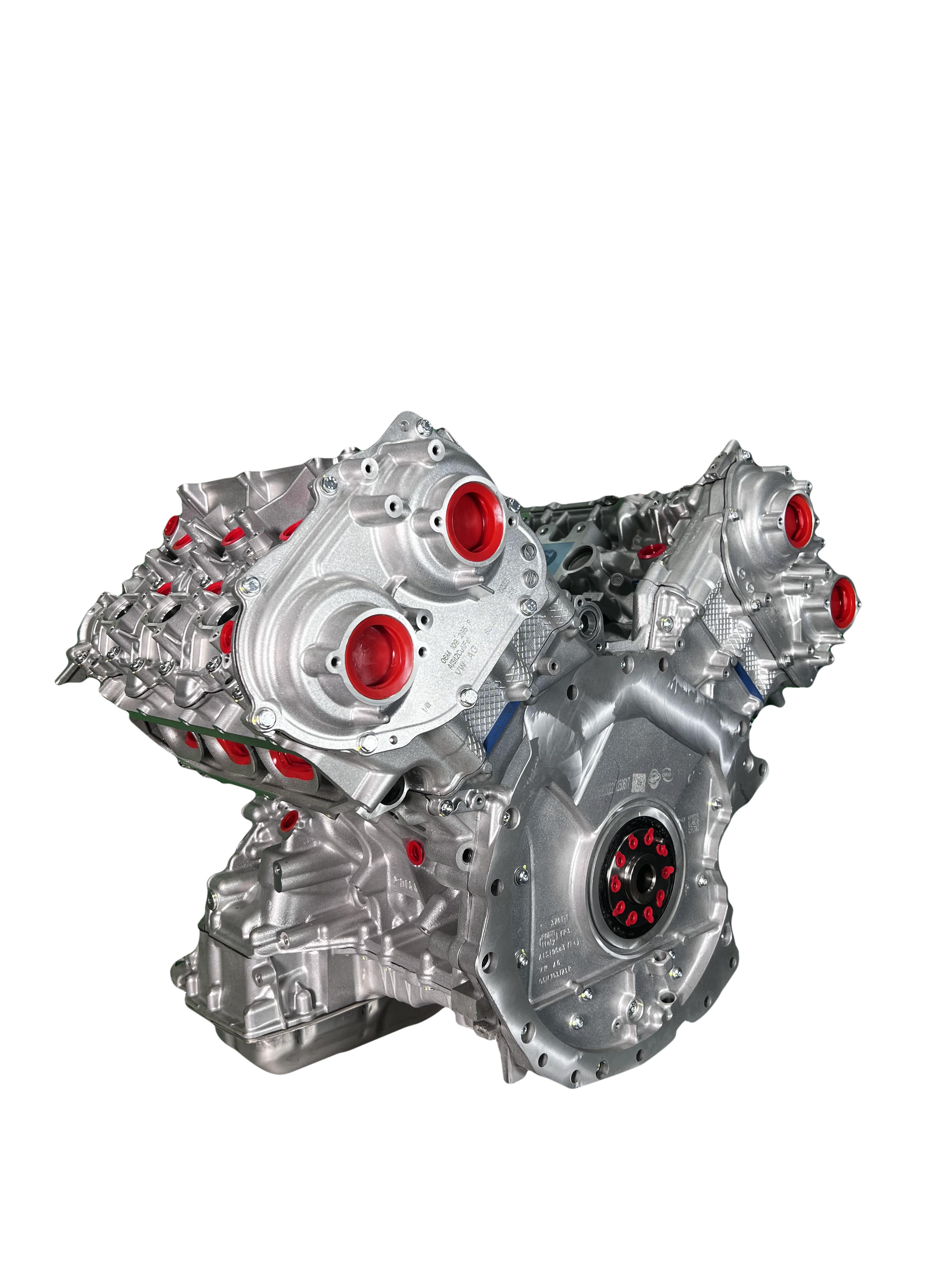
What Is a Reman BMW Engine? Process, Standards, and Why It's Trusted
The ISO-Certified Remanufacturing Process: Disassembly, Precision Inspection, CNC Machining, and OEM-Spec Reassembly
When a BMW engine gets remanufactured, it goes through a complete restoration process certified by ISO standards rather than just being fixed or given a quick refresh. The whole thing starts by taking everything apart piece by piece. Pistons, crankshafts, turbochargers, cylinder heads - all these parts get thoroughly cleaned, measured carefully, then checked against what BMW originally designed them for. Any parts that show signs of wear such as bearings, seals, piston rings, and various gaskets are swapped out for high-quality OEM replacements. Components that can still be used undergo precise CNC machining to restore critical dimensions, typically within tolerances of around 0.005–0.01 mm, ensuring proper specifications for components such as cylinder bores, crankshaft journals, and valve seats。This helps maintain both the structural strength and how efficiently the engine burns fuel. Putting everything back together follows strict BMW guidelines covering specific torque settings, proper fluids, and correct VANOS timing procedures. The result? An engine that performs exactly like when it first rolled off the assembly line in terms of power delivery, responsiveness, and how long it will last before needing another overhaul.
Why BMW Owners Choose Reman: Cost Savings, Reliability, and Environmental Benefits vs. New or Used
BMW drivers often go for remanufactured engines because they offer real benefits when it comes to money, reliability, and going green. These reman engines typically cost around 40 to 50 percent less than brand new ones, which makes all the difference compared to buying secondhand engines. Used engines can be risky business since nobody knows their full service history, there might be hidden damage, and no one has actually checked if everything works properly. That's why many people find reman engines so appealing. They perform almost exactly like new models and come with solid two year guarantees that cover both parts and the work needed to install them. From an environmental standpoint, remanufacturing saves a lot of resources. When companies reuse those heavy duty cast iron and aluminum engine blocks instead of making new ones, they cut down on carbon dioxide emissions by about 73 percent per engine and slash manufacturing waste by nearly 85 percent according to research from SAE International back in 2023. And for powerful BMW engines such as the N55, B58, or S63 series, getting a reman engine means keeping that same great driving experience while still doing something good for the planet.
Reman vs. Other Engine Options: Key Differences That Impact BMW Performance and Value
Critical Distinctions: Reman vs. Used, New, and Reconditioned - Especially for N54, N55, B58, and S63 Platforms
Remanufactured engines stand apart from their used, new, or reconditioned counterparts not just in how they're sold, but because of actual processes behind them. Used engines come with all sorts of unknown risks since nobody actually takes them apart to check wear levels. The DME or VANOS calibration is often off too, which can be a big headache for turbocharged BMW models where timing and boost need to work together properly. Reconditioned engines don't have much regulation either. Most just get cleaned up a bit, maybe some gaskets replaced, and run through basic tests before being put back together. But there's rarely any real machining done or proper system checks performed. Certified reman engines for popular platforms like N54, N55, B58, and S63 go through complete disassembly though. Critical parts get restored using CNC machines, and then everything gets tested on a dyno to match what came out of the factory originally. New engines technically hit those peak specs listed in manuals, but they'll set buyers back anywhere from 60 to 80 percent extra cash. And honestly? They don't perform any better than good quality reman units that meet ISO standards. These remans typically bring back around 95 to 100 percent of the original engine's power output, torque delivery, and how responsive the throttle feels when pressed.
Decoding Marketing Language: Why 'Reman' Is the Only Term with Industry-Enforced Standards (SAE J2720 & ISO 9001)
"Remanufactured" is the only engine-related term governed by enforceable, third-party standards-specifically SAE J2720 and ISO 9001. These require:
- Full disassembly to individual components
- Mandatory replacement of all wear items (piston rings, main/rod bearings, valve stem seals, timing chain kits)
- Precision machining of cylinder blocks, heads, and rotating assemblies to OEM blueprints
- Functional validation-including cold-testing, DME coding verification, and performance benchmarking against factory targets
When it comes to BMW engines, these parts make sure all those complicated systems work together smoothly. The VANOS solenoids act exactly as they should, the high pressure fuel pumps keep pumping at the right rate according to specs, and the DME modules talk properly to the rest of the car's electronics. Terms like "rebuilt" or "reconditioned" don't actually mean much in practice since there are no real standards behind them. Looking at what the industry has found though, engines that meet ISO reman standards have failure rates under 0.5% during warranty periods. That's pretty impressive when compared to other options that aren't certified. According to the Automotive Aftermarket Industry Association report from 2023 on remanufacturing benchmarks, these certified engines last about 300% longer between breakdowns than their uncertified counterparts do.
How to Choose the Right Reman Engine for Your BMW: Core Compatibility, Warranty, and Technical Fit
Core Matching Essentials: DME Coding, VANOS Calibration, and ECU Pairing Requirements
Getting the right remanufactured BMW engine isn't just about making sure it physically fits in the car. Technical compatibility matters a lot too. First things first, check those Digital Motor Electronics (DME) settings. If there's a mismatch between firmware versions or if the engine control unit doesn't communicate properly with the vehicle's chassis, expect problems down the road. We're talking persistent error messages, limp mode activation, or even failing emissions tests. The N55 and B58 engines require careful attention to VANOS calibration. This affects both how much power gets delivered and keeps the cam timing accurate across different driving conditions and temperatures. When dealing with these engines, make sure the supplier actually checks ECU pairing protocols, especially important for F-series and G-series models that come with built-in anti-theft systems. And don't forget to match up your VIN with the engine's build records. This step confirms everything works together for your particular model year, transmission setup, and emission standards. Skipping this could lead to expensive troubleshooting after installation.
Warranty Deep Dive: Labor Coverage, Transferability, Core Deposit Terms, and Real-World Claim Support
When looking at warranties, remember they show how confident suppliers actually are about their products—not just another piece of legal paperwork. Look for coverage that includes both parts and labor because around 60% of all legitimate claims come from problems during installation according to recent industry data. Stay away from those cheap "parts only" deals since they basically force customers to pay extra when something goes wrong during setup. Take time to read through what happens if someone else ends up owning the car before the warranty expires. Warranties that can't be transferred usually hurt resale values and create headaches down the road. Core deposits generally fall between five hundred and fifteen hundred dollars, with most companies giving thirty to ninety days to get them back. But don't forget to check exactly what needs to happen when returning cores – many policies require everything to come back intact without any damage. And above all else, think about actual customer service experiences. Go with companies that resolve claims within five workdays on average and won't insist on using special dealership equipment nobody outside a garage owns anyway.
Ready to Find the Perfect Reman Engine for Your BMW?
Buying a remanufactured BMW engine is an investment in your vehicle’s performance, longevity, and value—and the right supplier will eliminate the guesswork, risk, and hidden costs that come with uncertified rebuilds or used engines. From ISO 9001 and SAE J2720 compliance to factory-matched precision machining, pre-calibrated DME coding, and a comprehensive warranty, every detail matters when preserving the signature BMW driving experience.
Oruide’s remanufactured BMW engines are engineered exclusively for BMW platforms, from the iconic N54 and N55 to the modern B58 and high-performance S63. Every unit undergoes full dyno testing, 100+ point dimensional validation, and pre-calibration for seamless drop-in installation, all backed by our 1-year global warranty and 15+ years of BMW powertrain expertise.
Whether you’re restoring a classic E-series BMW, repairing a daily driver F-series, or upgrading a G-series powertrain, our team is here to help you find the perfect reman engine for your vehicle. For a no-obligation consultation, VIN-specific fitment verification, or to explore our full catalog of BMW remanufactured engines, contact us today. Let Oruide deliver the OEM-matching performance and reliability your BMW deserves.