
 EN
EN



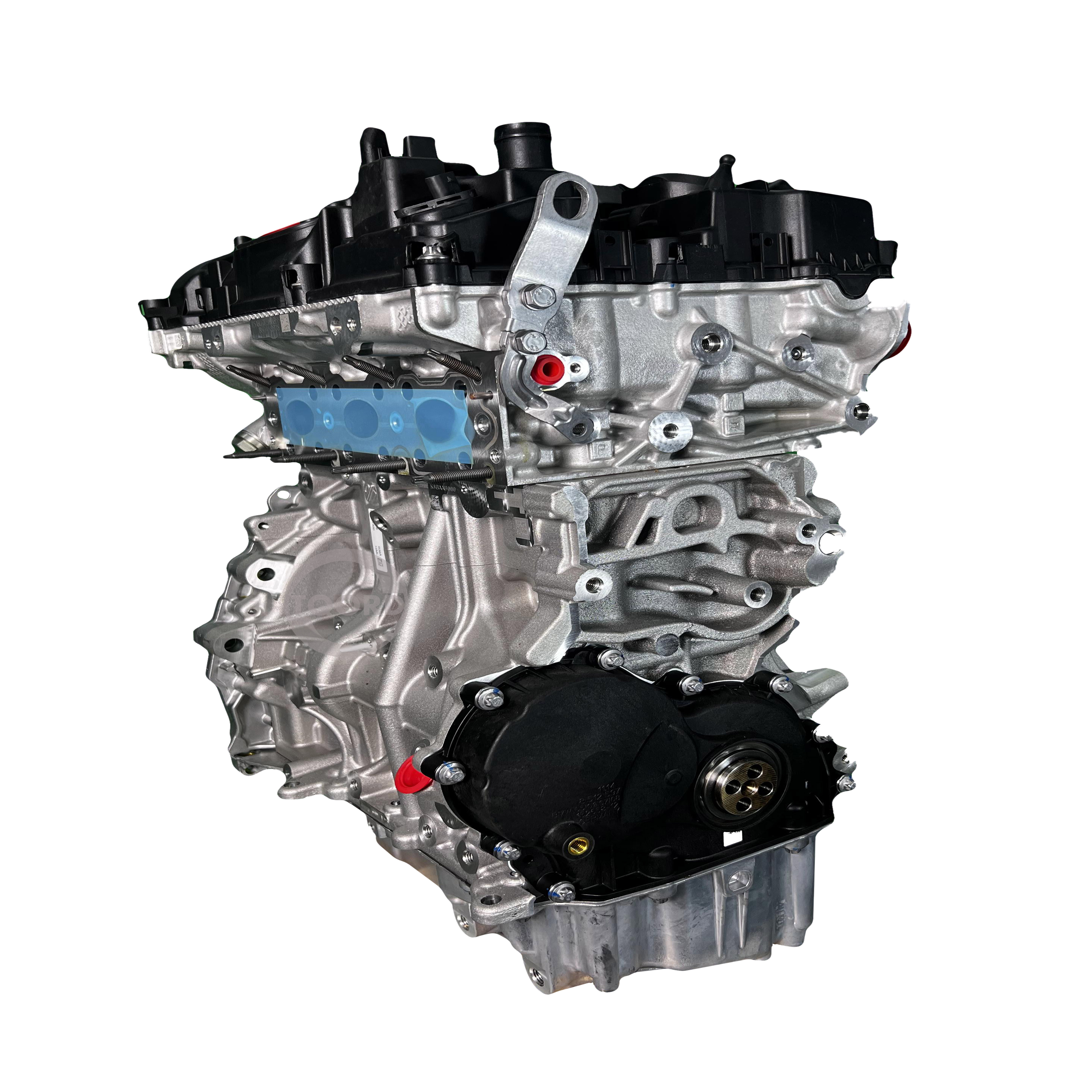
What Defines a Genuine Remanufactured Engine
Remanufactured vs. Rebuilt vs. Used: Key Differences That Matter
The differences between remanufactured, rebuilt, and used engines go way beyond just price tags. When we talk about true remanufacturing, it means taking apart every single piece, giving everything a deep clean, and checking each part thoroughly. Any component showing wear or operating on the edge gets swapped out for brand new or freshly machined parts that match what came from the factory originally. Rebuilds work differently though they usually fix only what's clearly broken, often keeping older parts if they still function okay. Used engines are another story entirely sold exactly as they are without any guarantee about how well they'll perform. Proper certification ensures these remanufactured engines hit all the same marks as factory fresh ones when it comes to power output, how long they last, and meeting emission standards. This isn't just theory either multiple independent studies by automotive engineers have shown time and again that these remanufactured engines stick around almost as long as brand new models but come at a fraction of the cost, somewhere between 30 to 50 percent cheaper depending on market conditions.
The ISO-Compliant Remanufacturing Process: Precision, Standards, and Validation
Real remanufacturing sticks to global quality standards like ISO 9001 and goes way beyond just checking off boxes on an internal list. When starting the process, technicians carefully take apart cores and clean them chemically before running non-destructive tests on important castings. Machined areas such as cylinder walls, crankshaft bearings, and camshaft lobes get brought back to factory specs through computer numerical control machines. Independent inspectors check things at various points along the way, looking at everything from basic engine block strength all the way to how well it handles emissions after assembly. Each spare part comes with tracking information so we know exactly where it came from, and putting everything together happens in special rooms kept at consistent temperatures to avoid dirt getting in anywhere. After building completes, these engines spend at least two full hours going through simulated driving conditions including cold starts, revving up to maximum speed, and sitting hot while being tested for reliability. Shops that follow these strict procedures see about 74 percent fewer problems showing up later on compared to places that don't stick closely to ISO guidelines.
Verifying Authenticity of Oruide Remanufactured Engines
Decoding Serial Numbers, QR Codes, and Holographic Security Features
The process of verifying authenticity begins with multiple layers of identification built right in when the product is finished. Every single Oruide remanufactured engine has its own special serial number that gets recorded in databases compatible with original equipment manufacturers. These numbers can be checked against things like model year, engine size, and what vehicle it originally came from. There's also a QR code printed on the valve cover that takes anyone scanning it straight to Oruide's secure website portal. Here they can see when the engine was rebuilt, who did the work, all the testing records, plus details about where specific parts came from down to the piston rings and bearing quality specs. For extra protection against tampering, there are those shiny holographic seals stuck onto critical areas like the oil pan, timing cover, and intake manifold. Once someone tries to mess with these seals, they break completely and cannot be fixed, which stops people from swapping out components after the fact. Recent studies by the Anti-Counterfeit Coalition show that companies using this combination of physical security features and digital tracking have seen their counterfeit problem drop by almost two thirds since last year.
Confirming OEM Alignment and Packaging Integrity
Genuine Oruide units ship in OEM-style sealed containers equipped with dual integrity indicators: shock-sensitive labels that register impact exceeding 10G, and humidity-sensitive desiccant packs with color-changing vapor barriers. Upon receipt, verify:
- OEM-approved part numbers stamped or laser-etched on all major assemblies (block, head, oil pump)
- Undamaged moisture barriers and fully intact desiccant (no discoloration or clumping)
- Matching documentation packet—including rebuild checklist, dyno report, and ISO/CAPA certification copies
Packaging anomalies—dented boxes, broken seals, or missing sensors—are strong indicators of improper storage, transit damage, or repackaging. Logistics experts confirm these defects correlate with elevated risk of internal corrosion, particulate contamination, or undocumented prior use.
Assessing Quality Assurance Through Certified Remanufacturing Credentials
ISO 9001, CAPA, and TÜV Rheinland: What Each Certification Reveals About Remanufactured Reliability
When talking about third party certifications, they actually serve as real benchmarks instead of just marketing hype. Take ISO 9001 for instance. This standard basically checks off each step from when materials first come in through cleaning processes all the way to those final tests in controlled environments. Everything has to follow written down rules that get checked regularly so results can be repeated and tracked properly. Then there's CAPA certification which shows companies really care about quality issues before they happen. With CAPA, whenever something goes wrong, facilities need to figure out why it happened in the first place, fix whatever caused the problem system wide, then check if their solution works. According to Quality Digest from last year, places running good CAPA programs see around 35% fewer recurring problems. And don't forget TÜV Rheinland certification either. This one brings actual field testing into play. Engines go through stress tests simulating long term usage, emissions get measured against strict European and American standards, and even parts that typically wear out get tested destructively to see how they hold up. All these different certifications work together like puzzle pieces creating multiple levels of responsibility across manufacturing operations.
| Certification | Quality Focus | Reliability Impact |
|---|---|---|
| ISO 9001 | Process standardization & traceability | Ensures batch-to-batch consistency |
| CAPA | Defect prevention & systemic fixes | Reduces premature wear by 30–40% |
| TÜV Rheinland | Performance benchmarking & safety | Validates 95%+ alignment with OEM specs |
Manufacturers without these certifications often omit stress-testing, skip material hardness verification, or rely on visual-only inspections—increasing the likelihood of latent flaws escaping detection.
Evaluating Warranty, Documentation, and Red Flags in Low-Quality Remanufactured Engines
A robust warranty and complete documentation are definitive markers of confidence in the remanufacturing process. Industry data shows engines backed by a minimum 12-month, labor-inclusive warranty exhibit 40% fewer failures within the first 24 months compared to units with limited or conditional coverage. When evaluating documentation, prioritize clarity and specificity:
- A granular parts list naming each replaced component (e.g., “Federal-Mogul 9310 series main bearings,” not “new bearings”)
- Copies of active ISO 9001, CAPA, and TÜV Rheinland certificates—with verifiable accreditation numbers
- Signed dyno report showing RPM, torque, and emissions output across three load points
Red flags demand immediate scrutiny:
• Warranty language that excludes labor, diagnostics, or consequential damage
• Absence of performance test records—or reports with generic, non-specific metrics
• Packaging inconsistencies (e.g., mismatched box labels, reused cartons, missing integrity sensors)
• Any request to waive pre-delivery inspection rights or sign “as-is” acceptance clauses
Reputable providers treat documentation as evidence—not paperwork—and stand behind their work with enforceable, transparent guarantees. When transparency falters, reliability almost always does too.
Ready to Secure a Genuine Oruide Remanufactured Engine for Your Vehicle?
A genuine, ISO-certified remanufactured engine is the cornerstone of reliable, long-lasting powertrain performance—no shortcut rebuild or unvetted used engine can deliver the same durability, OEM alignment, and cost efficiency. By verifying serial number traceability, tamper-proof security features, and independent third-party certifications, you unlock consistent, factory-matching performance at 30–50% less than the cost of a new engine, with zero compromise on quality or compliance.
For genuine Oruide remanufactured engines tailored to your vehicle make and model, or to verify the authenticity of an existing Oruide engine, partner with a provider rooted in 15+ years of OEM-aligned remanufacturing expertise. Oruide’s portfolio spans 400+ validated engine models for premium and mainstream automotive brands, with ISO 9001, CAPA, and TÜV Rheinland-certified production, a global supply chain, and comprehensive 1-year warranty coverage for every unit. Contact us today for a no-obligation consultation, to validate your engine’s authenticity, or to find the perfect remanufactured powertrain solution for your needs.