
 EN
EN



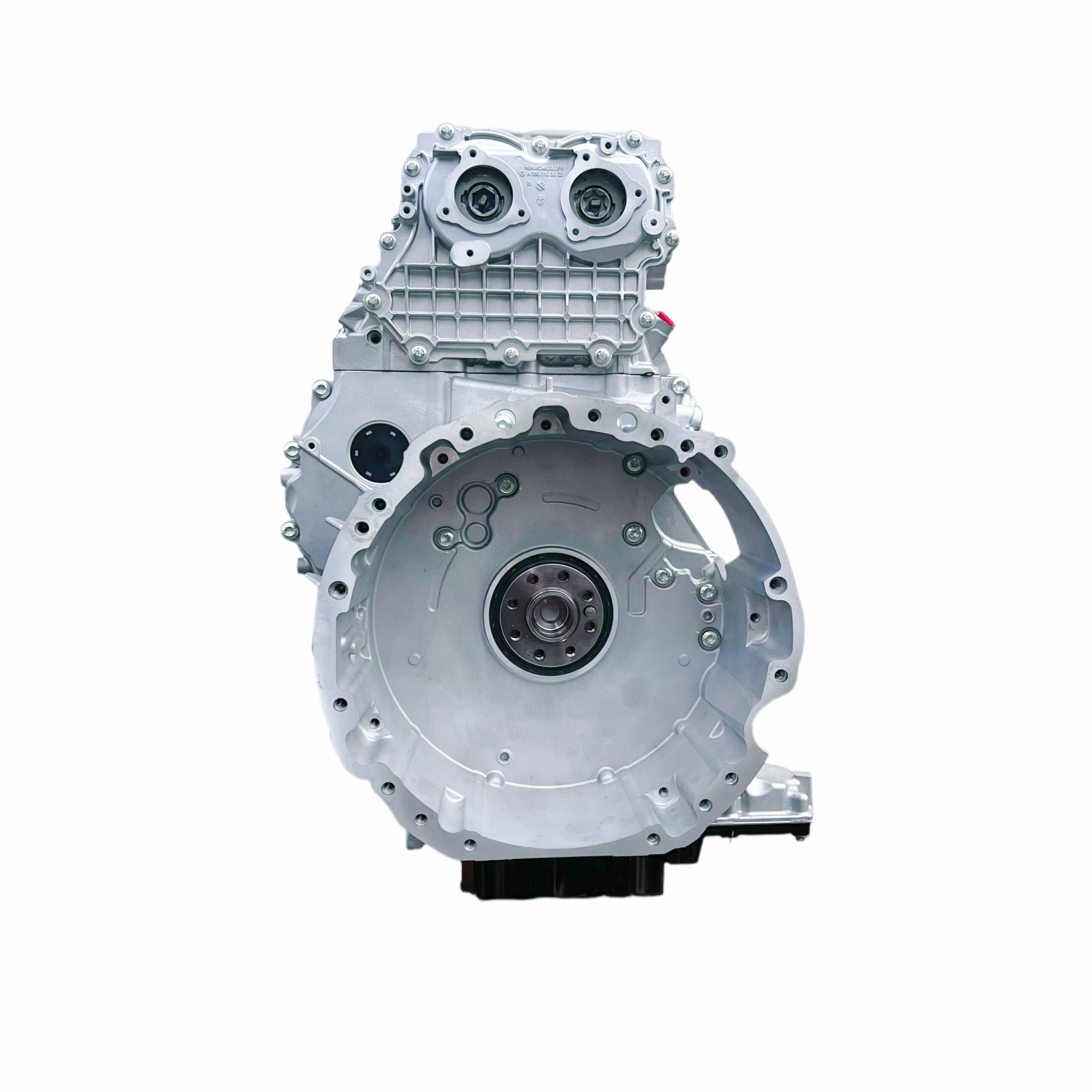
Why Reman Diesel Parts Deliver Superior ROI for Fleets
30–50% Lower Acquisition Cost vs. New OEM Diesel Components
Diesel parts that have been remanufactured typically save between 30 to 50 percent compared to brand new OEM parts from the factory. This means businesses can save money right away without having to compromise on how well these parts actually work. The reason for these savings comes down to reusing cores efficiently and following proper industrial standards during the remanufacturing process rather than cutting corners somewhere along the way. When it comes to expensive components that tend to fail frequently such as turbochargers or fuel injectors, this cost difference makes a big difference in practice. Shops replacing these kinds of parts can get their money back much quicker when they go with quality reman options instead of paying full price for new ones.
Lifecycle Savings: Reduced Downtime, Labor, and Fuel Consumption
The value extends far beyond sticker price. Certified reman diesel components reduce total cost of ownership through three key levers:
- Reduced downtime: Precision-machined tolerances and drop-in fitment cut installation time and lower repeat-failure risk
- Labor efficiency: Mechanic hours shrink by 15–30% thanks to consistent geometry and OEM-spec mounting interfaces
- Fuel optimization: Restored injector spray patterns, turbo boost control, and airflow integrity recover 3–5% fuel efficiency in real-world diesel applications
Collectively, these advantages translate to $18,000–$25,000 in annual operating cost savings per vehicle—according to aggregated fleet benchmark data from the American Trucking Associations and Fleet Maintenance Magazine.
Reman vs. Rebuilt Diesel Parts: Critical Differences for Heavy-Duty Reliability
ISO/TS 16949-Certified Remanufacturing vs. Non-Standard Rebuilding Processes
Remanufactured diesel parts follow a disciplined, OEM-aligned process certified to ISO/TS 16949—the same quality standard governing Tier 1 automotive suppliers. In contrast, rebuilt parts—defined by the Federal Trade Commission as “restored through cleaning, repair, or replacement of visibly defective components”—lack standardized protocols. True remanufacturing mandates:
- Full disassembly to raw subcomponents
- Precision machining to restore original tolerances (±0.001")
- Mandatory replacement of all wear-prone elements (seals, bearings, gaskets, sensors)
- 100% computerized functional validation under load
This eliminates the inconsistency common in rebuild shops, where outcomes hinge heavily on technician experience rather than engineered repeatability.
Application-Specific Validation: Turbos, Injectors, and Cylinder Heads for Diesel Engines
Critical powertrain components undergo application-specific stress testing that simulates 500+ hours of peak-duty operation. Reman turbos, for example, must pass:
- Boost pressure stability within 2% of OEM specifications
- Zero measurable shaft play at 150,000 RPM
- Sustained exhaust gas temperature resilience at 1,200°F
Cylinder heads are pressure-tested to 300 PSI to verify structural integrity across thermal cycles—far exceeding basic leak checks used for rebuilt units. The result? A lifecycle cost of ~$1,200 for certified reman turbos and injectors versus $3,200 for new OEM—without sacrificing the industry-standard 250,000-mile durability expectation.
Warranty, Durability, and Real-World Performance of Reman Diesel Parts
2-Year/250,000-Mile Warranties: How Top Reman Suppliers Match or Exceed OEM Coverage
Leading remanufacturing companies are stepping up their game with 2 year / 250k mile warranties these days, which actually hold their own against what OEMs typically offer for diesel powertrain parts. What makes this possible? Let's look at some specifics behind the scenes. Turbo housings get laser welded, fuel injectors undergo dyno testing for proper calibration, and everything gets checked down to the micron level for tolerances. When we talk about certified reman versus simple rebuilds, there's a big difference. Certified units mean all worn parts get replaced completely, plus engineers analyze potential failure points throughout the system. It goes way beyond just making things look good on the outside. And here's the kicker about those warranties they advertise so much - they're not just sales talk. These guarantees represent real money commitments backed by solid engineering work that stands up to scrutiny over time.
Field-Tested Longevity: Failure Rate Data Across 500,000+ Heavy-Duty Diesel Mileage Cycles
Real-world data from over 500,000 cumulative heavy-duty mileage cycles shows reman diesel parts exhibit failure rates within 1.2% of new OEM benchmarks. This consistency arises from three proven practices:
- Stress validation: Dyno testing replicates extreme operational loads—including sustained grade climbing and thermal shock
- Material upgrades: Critical surfaces (e.g., cylinder liners, turbo shafts) receive enhanced coatings for wear resistance
- Failure analytics: Post-service teardowns feed continuous improvement into reman protocols
A 2023 independent fleet study found reman turbos and injectors delivered 12% longer service life than rebuilt counterparts when maintained per OEM intervals—across long-haul, regional delivery, and off-highway vocational applications.
Fuel Efficiency and Power Output: Do Reman Diesel Parts Perform Like New?
Fleet managers rightly demand proof—not promises—on performance. Rigorously remanufactured diesel components—including turbos, injectors, and high-pressure fuel pumps—are recalibrated and validated to meet original equipment specifications. Dynamometer testing confirms they deliver equivalent horsepower and torque, preserving hauling capacity, gradeability, and acceleration response.
The fuel savings story has been backed up time and again in real world conditions. When technicians restore proper fuel delivery, adjust injection timing correctly, and fix those tricky turbo airflow issues, quality remanufactured parts actually stop those efficiency losses that happen when components wear out over time. Looking at actual trucking operations, independent research on Class 8 long haul fleets found that reman injectors and turbos keep their fuel consumption rates pretty close to brand new OEM parts too - typically within 1 to 2 percent difference even after running for half a million miles. Why does this happen? Because good reman shops follow strict procedures instead of hoping for the best. They replace all the seals, bearings, sensors, upgrade old designs where needed, and test each unit thoroughly against specifications rather than doing quick checks that miss important details.
For fleets pursuing sustainable cost reduction without compromising capability, certified reman diesel parts are not a compromise—they’re a performance-validated investment.
Ready to Cut Fleet Costs and Boost Heavy-Duty Truck Reliability with Reman Diesel Parts?
Certified remanufactured diesel parts are the cornerstone of cost-effective, low-downtime fleet operations—no other heavy-duty powertrain solution delivers the same combination of 30–50% lower upfront costs, OEM-matching performance, and proven 250,000-mile durability. By choosing quality reman components, you reduce unplanned downtime, cut labor and fuel costs, and lock in predictable operating expenses for your heavy-duty truck fleet.
For ISO/TS 16949-certified reman diesel parts tailored to heavy-duty truck applications, or to build a custom parts package for your fleet’s specific make and model (as offered by Oruide), partner with a provider rooted in heavy-duty diesel powertrain expertise. Oruide’s 15+ years of experience spans remanufactured turbochargers, injectors, cylinder heads, and complete engine assemblies for all major heavy-duty truck brands, with a global supply chain and industry-leading warranty coverage. Contact us today for a no-obligation consultation to optimize your fleet’s parts strategy and maximize your total cost of ownership savings.