Transmission Systems: Performance and Efficiency

Get a Free Quote

Our representative will contact you soon.
Email
Phone/WhatsApp/WeChat
Name
Company Name
Title
VIN Code
Message
0/1000

transmission

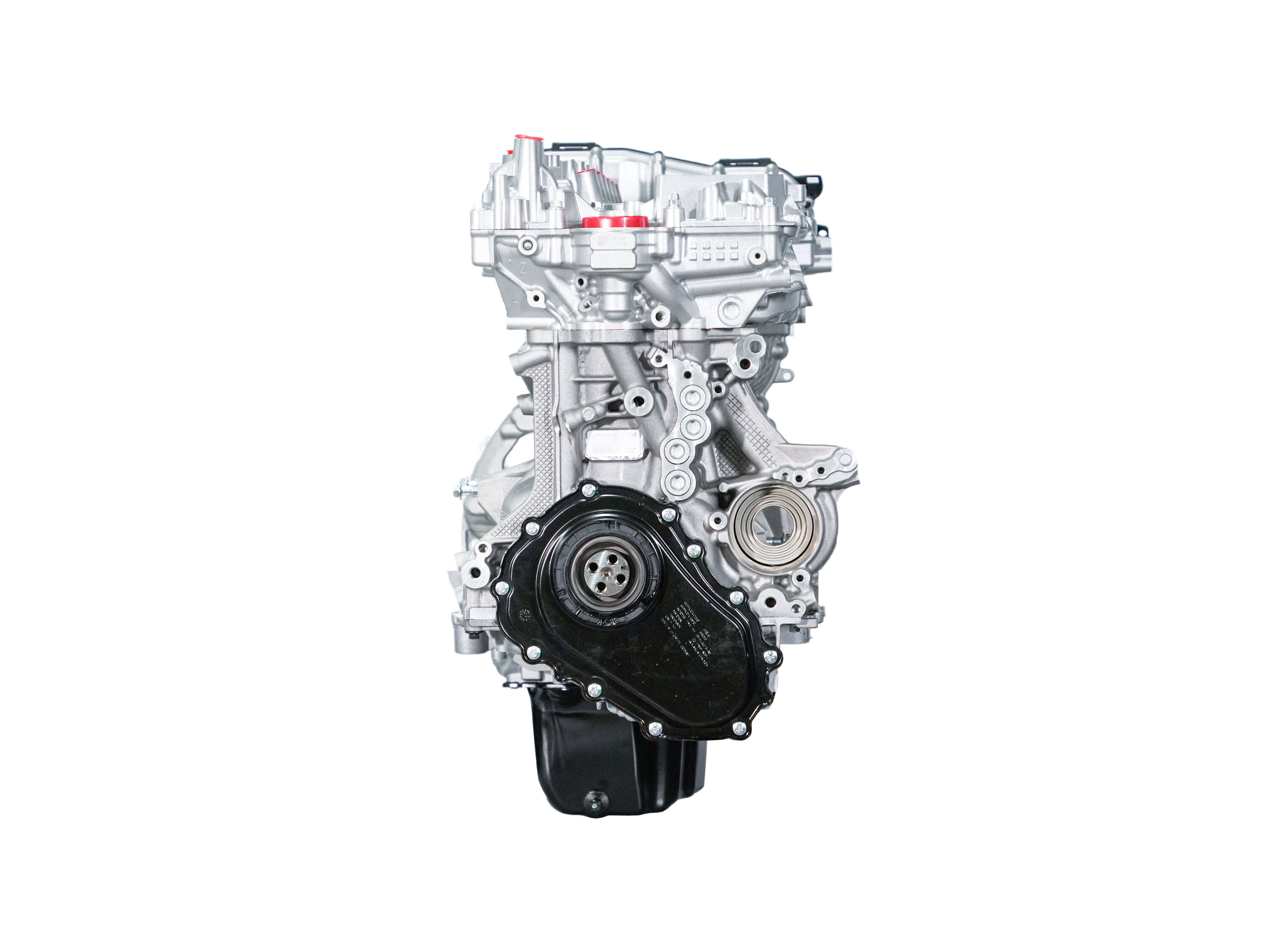

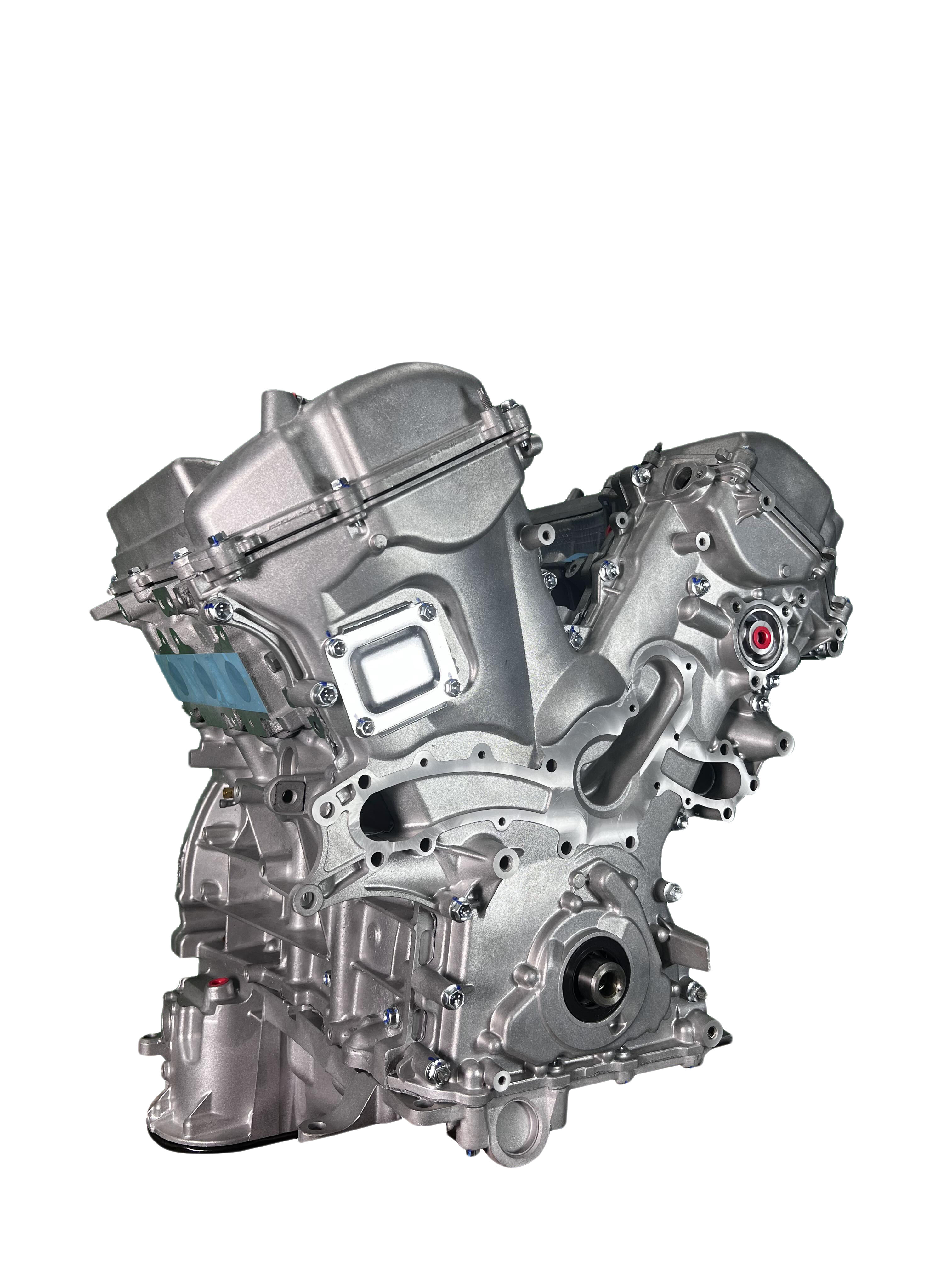
A transmission is a sophisticated mechanical system that transfers power from an engine to the wheels of a vehicle, enabling it to move efficiently across various speeds and driving conditions. This critical component serves as the intermediary between the power source and the drivetrain, converting engine output into usable motion. The primary functions of a transmission include optimizing engine performance by adjusting gear ratios, managing torque delivery for smooth acceleration, and improving fuel efficiency by maintaining optimal engine operating ranges. Modern transmission technology encompasses several variants, including manual transmissions that offer driver control, automatic transmissions that provide convenience, continuously variable transmissions that deliver seamless power delivery, and dual-clutch transmissions that combine efficiency with rapid gear changes. Advanced transmission systems incorporate electronic control units, hydraulic systems, and precision-engineered components that work together to ensure reliable performance. These systems feature sophisticated sensors and actuators that monitor driving conditions and adjust shifting patterns accordingly. Applications for transmission technology span across passenger vehicles, commercial trucks, agricultural machinery, construction equipment, and industrial vehicles. The evolution of transmission design continues to focus on reducing weight, improving durability, enhancing responsiveness, and minimizing energy losses, making modern transmissions essential for achieving optimal vehicle performance and meeting contemporary environmental standards.

New Product Releases

Investing in a quality transmission delivers substantial benefits that directly impact your vehicle's performance and long-term value. A well-engineered transmission enhances fuel economy by keeping your engine operating within its most efficient power band, which translates to fewer fuel stops and reduced operating costs over time. This efficiency advantage becomes particularly valuable for commercial operators managing fleet expenses or individual drivers seeking to minimize transportation budgets. The smooth power delivery provided by modern transmission technology ensures comfortable driving experiences, eliminating jarring shifts and providing predictable acceleration that enhances vehicle control and passenger comfort. Reliability represents another crucial advantage, as proven transmission designs minimize downtime and reduce maintenance expenses through robust construction and quality materials that withstand demanding operating conditions. Buyers benefit from improved vehicle versatility, as the transmission automatically adapts to different driving scenarios, whether navigating city traffic, climbing steep grades, or cruising on highways. This adaptability ensures optimal performance across diverse applications without requiring constant driver intervention. Operational benefits extend to reduced engine wear, since the transmission prevents over-revving and maintains appropriate load distribution, effectively extending engine lifespan and preserving vehicle value. For businesses, choosing the right transmission means enhanced productivity through reliable operation and reduced service interruptions. The decision to select advanced transmission technology proves valuable for applications requiring precise speed control, heavy load capacity, or frequent stop-and-go operation, making it suitable for delivery services, construction sites, agriculture operations, and passenger transportation. Understanding these practical advantages helps buyers make informed decisions that align with their specific operational requirements and budget considerations.

Tips And Tricks

Cost Comparison: Reman vs Rebuilt Engines for Ford F-150

07

May

Cost Comparison: Reman vs Rebuilt Engines for Ford F-150

What Defines a True Reman Engine for the Ford F-150? OEM-Aligned Remanufacturing: Precision Reconditioning to Ford Engineering Specs A true remanufactured (reman) engine for the F-150 isn’t merely repaired—it’s systematically rest...
View More
How to Inspect the Quality of Rebuilt Diesel Engines

23

May

How to Inspect the Quality of Rebuilt Diesel Engines

Verify Core Components and Rebuild Integrity Visual and Dimensional Inspection of Block, Head, and Crankshaft Begin by meticulously examining the engine block, cylinder head, and crankshaft for signs of prior damage or substandard repair—espe...
View More
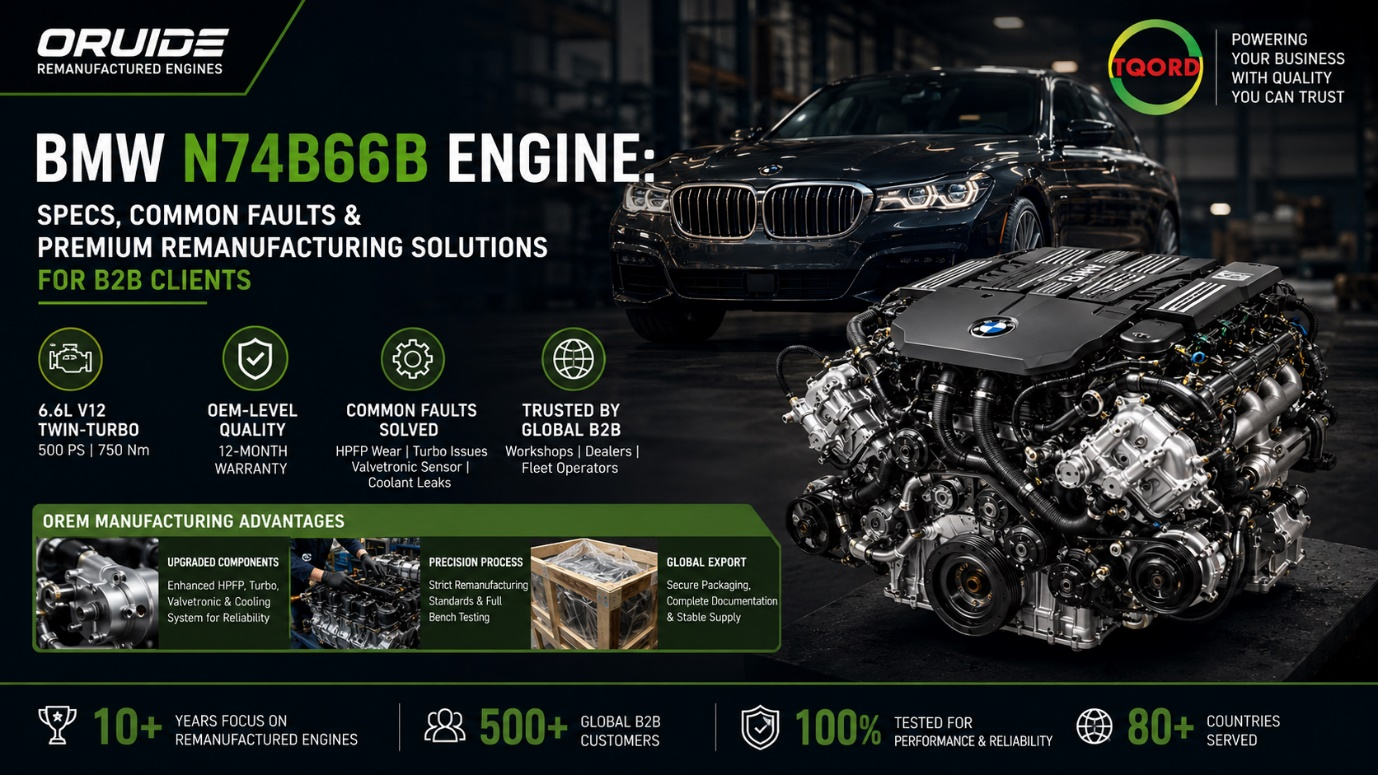
BMW N74B66B Engine: Specs, Common Faults & Premium Remanufacturing Solutions for B2B Clients

03

Jun

BMW N74B66B Engine: Specs, Common Faults & Premium Remanufacturing Solutions for B2B Clients

The ‘BMW N74B66B’ stands as an iconic 6.6L twin-turbo V12 petrol engine, serving as the flagship powerplant for BMW’s luxury 7 Series lineup from 2010 to 2019. Renowned for peerless refinement, linear power delivery, and immense low...
View More
How to Maintain Rebuilt Engines for Optimal Performance

26

Jun

How to Maintain Rebuilt Engines for Optimal Performance

A rebuilt engine can deliver reliable, long-lasting performance when it receives the right care from day one. Whether you have installed a rebuilt unit in a Land Rover, a light commercial vehicle, or any other application, the steps you take during b...
View More

Get a Free Quote

Our representative will contact you soon.
Email
Phone/WhatsApp/WeChat
Name
Company Name
Title
VIN Code
Message
0/1000

transmission

Advanced Gear Ratio Optimization

Advanced Gear Ratio Optimization

Modern transmission systems feature precisely calculated gear ratios that maximize engine efficiency across the entire operating range, delivering power exactly when needed while minimizing fuel consumption. This optimization occurs through carefully engineered gear sets that provide ideal mechanical advantage for various driving situations. During acceleration, lower gear ratios multiply engine torque to overcome vehicle inertia and deliver responsive performance. As speed increases, the transmission seamlessly transitions to higher ratios that reduce engine RPM while maintaining forward momentum, significantly improving fuel economy during highway cruising. This intelligent ratio management ensures your engine never works harder than necessary, reducing wear on mechanical components and extending service intervals. The transmission continuously monitors vehicle speed, throttle position, and load conditions to select optimal gear ratios that balance performance demands with efficiency requirements. This sophisticated management system proves especially beneficial for vehicles carrying heavy loads or operating in varied terrain, where appropriate gear selection directly impacts productivity and operational costs. The precision engineering behind gear ratio optimization represents a critical factor in achieving superior vehicle performance and represents substantial value for operators prioritizing both power delivery and economic operation.
Seamless Power Transfer Technology

Seamless Power Transfer Technology

Contemporary transmission designs incorporate advanced friction materials, hydraulic systems, and electronic controls that work in concert to deliver imperceptibly smooth power transfer between gears, eliminating the harsh engagement and power interruption characteristic of older systems. This seamless operation enhances driver confidence and passenger comfort while protecting drivetrain components from shock loads that accelerate wear and cause premature failure. The transmission achieves this smooth operation through precisely timed clutch engagement, optimized hydraulic pressure curves, and sophisticated electronic control algorithms that predict driver intentions and adjust shift characteristics accordingly. During gear changes, the transmission momentarily manages engine speed and clutch engagement to synchronize rotating components before completing the shift, creating a continuous power flow that passengers barely notice. This refined operation proves particularly valuable in applications requiring frequent speed changes, such as urban delivery routes or construction sites where stop-and-go driving predominates. Beyond comfort considerations, smooth power transfer reduces stress on universal joints, axles, and wheel bearings, contributing to lower maintenance costs and extended component life. The technology represents a significant advancement over traditional designs and demonstrates the engineering excellence that defines modern transmission systems, offering tangible benefits that operators appreciate during daily use.
Intelligent Adaptive Control Systems

Intelligent Adaptive Control Systems

State-of-the-art transmission technology integrates sophisticated electronic control systems that continuously adapt shifting behavior based on real-time driving conditions, operator habits, and vehicle loading, ensuring optimal performance regardless of circumstances. These intelligent systems utilize multiple sensors to monitor parameters including throttle position, vehicle speed, engine temperature, road grade, and load weight, processing this information through advanced algorithms that determine ideal shift timing and gear selection. The adaptive capability means the transmission learns individual driving patterns and adjusts its response characteristics to match operator preferences, whether prioritizing fuel economy during gentle cruising or delivering aggressive downshifts for rapid acceleration when needed. This intelligence extends to recognizing challenging conditions such as trailer towing, steep grades, or slippery surfaces, automatically modifying shift schedules to maintain control and prevent unsafe situations. For commercial applications, adaptive transmission control reduces driver fatigue by automating complex decisions that would otherwise require constant manual intervention, allowing operators to focus on traffic conditions and navigation. The system also includes protective functions that prevent damage from overheating, excessive slip, or inappropriate gear selection, safeguarding your investment and minimizing repair costs. This intelligent adaptation represents the pinnacle of transmission engineering, combining mechanical precision with electronic sophistication to deliver performance that continuously optimizes itself for prevailing conditions.