 EN
EN

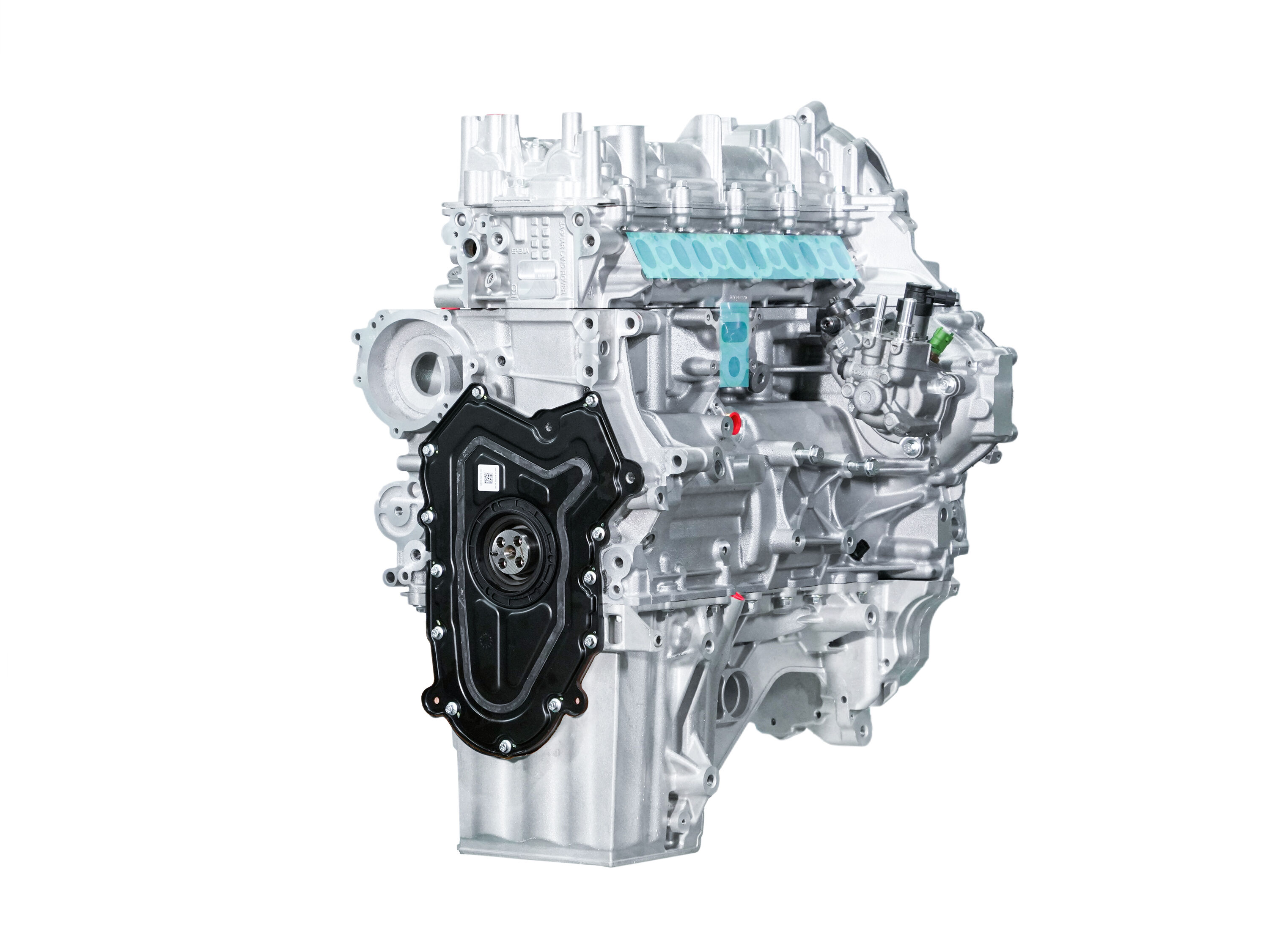
אימות רכיבי הליבה ושחזור האמינות
בקרת מראה וממדים של גוף המנוע, הראש והציר הכנתי
התחלו בבדיקה מeticulous של בלוק המנוע, ראש הגליל וקרנקשאфт לחיפוש סימנים של נזק קודם או תיקון באיכות נמוכה — במיוחד סדקים עדינים (הנראים לעתים קרובות רק בבדיקה במגנטופלוקס), עיוות מעבר למספרי הסובלנות של היצרן המקורי (OEM) או ראיות של ריתוך לא תקין. יש למדוד מידות קריטיות — כולל קוטר הגליל, גודל יומן הקרנקשאפט וגובה הדק — מול المواصفות של היצרן באמצעות כלים מדויקים כגון מיקרומטרים ומצביעי דיאל. סטיות שמעבירות 0.001–0.003 אינץ' מצביעות בדרך כלל על עיבוד מכני לא תקין או על סחיפה שפוגעת באורך החיים של הרכיב. מחקר משנת 2023 של איגוד מתקני המנועים מצא כי 68% מהתקלות המוקדמות במנועי דיזל מתוקנים נבעו מסטיות ממדיות שלא זוהו ברכיבים המרכזיים הללו. הקדישו תשומת לב מיוחדת לאליגנמנט של כיסויי Lager הראשיים ולשלמות החוטים בחריצי בולטים של ראש המנוע, שכן שניהם נקודות כשל נפוצות כאשר לא מאבחנים אותן.
עקבות של חלקים של היצרן המקורי (OEM) לעומת חלקים של יצרנים צדדיים והתאמות לסובלנות
תיעוד דרישה המוכיח את המקור והתאמה לסלם הסובלנות של רכיבים קריטיים כגון מוטות בוכנה, מוטות חיבור וגלגלי קמונות. חלקים יצרניים מקוריים מבטיחים עקביות בחומר והגינות בממדים; לחלופות שוק החריג עלולים להשתנות באופן משמעותי בתכונות המטאלורגיות או בעיבוד החום. לדוגמה, הפערים בין קצות טבעות הבוכנה חייבים להתאים בדיוק לדרישות ההתפשטות התרמית — סטייה של רק 0.002 אינץ' עלולה לגרום לצריכה קטסטרופלית של שמן ביישומים עם טורבו. מתקנים מהימנים מספקים מספרי חלקים ניתנים לעקוב אחריהם ואישורים של קליברציה לרכיבים בעלי דיוק גבוה כגון משאבות הזרקה, שבהן יחידות שוק החריג נפגעות ב-23% יותר תוך 10,000 שעות הראשונות, לפי דיזל טק קווארטלי (2024). השוואה של דפי התיקון למספר הסידורי של המנוע כדי לאשר את היישום הנכון ולמנוע הרכבות לא מתאימות.
אימות ביצועי הפעלה באמצעות בדיקות מחמירות
לאחר אשר מאשרים את שלמות הרכיבים המרכזיים, יש להעריך את מנוע דיזל מוחזר בתנאי הפעלה אמיתיים. שלב זה חושף פגמים נסתרים שלא ניתן לגלותם בבדיקות סטטיות—ובכך מבטיח שהמנוע עומד בדרישות הביצועים, העמידות והפליטות לפני ההתקנה.
אבחון הפעלה קרה: ניתוח עשן, רעש ורעידות
התנעה קרה מפעילה עומס מרבי על כל מכלולי המנוע, מה שהופך אותה לחלון אבחון אידיאלי. עשן לבן במהלך החימום עשוי להצביע על חדירת דלק או נוזל קירור שלא נשרף; עשן כחול מאותת על חדירת שמן לטבעות עוקפות או אטמי שסתומים; עשן שחור מצביע על בעירה לא שלמה עקב שגיאות תזמון או תקלות במזרק. טכנאים מקשיבים גם לרעשי נקישה, נקישה או תקתוק - אינדיקטורים פוטנציאליים למרווח לא תקין בין הבוכנה לדופן, מרווח שסתומים שגוי או מוטות חיבור רופפים. ניתוח רעידות מבודד עוד יותר חוסר איזון מסתובב או רכיבים לא מיושרים: באמצעות מדי תאוצה וסטטוסקופים אלקטרוניים, מעבדי מנוע מודדים רעידות בגלגל התנופה ובראש הצילינדר, עם רמות מקובלות בדרך כלל מתחת ל-0.5 אינץ' לשנייה במהירות שיא במצב סרק. זיהוי מוקדם של תסמינים אלה מונע בלאי מואץ וזמן השבתה יקר.
בדיקת שלמות מערכת הדלק בתנאי הזרקה תחת לחץ גבוה
מנועי דיזל מודרניים עם מסילת דלק משותפת פועלים בלחצים של הזרקה שעוברים 2,500 בר — מה שדורש שלמות מוחלטת של מערכת הדלק. טכנאים בוחנים כל מצת על פי תבנית הזריקה, קצב הזרימה וזמן הדליפה על שולחן בדיקות מיועד, ולאחר מכן מאשרים את היכולת של משאבת הלחץ הגבוה לשמור על לחץ יציב במסילת הדלק תחת עומס. מצת אחד פגום עלול לגרום לאי-התפוצצות באחד או יותר מהצילינדרים, להגביר את פליטת האבקה (סוט) ולפחית את תקופת חייו של המנוע ב-15–20%. מבצעי השחזור גם בוחנים את צינורות החזרת הדלק לזיהום ומאשרים כי זמן הזריקה של יחידת הבקרה האלקטרונית (ECU) תואם לדרישות היצרן. מעבר מבחנים אלו מבטיח ספק כוח עקבי, התאמה לתקנות הרלוונטיות והימנעות מבעיות נסיעה הנגרמות לרוב בשל שחזור באיכות נמוכה.
אשרו את האמינות לטווח הארוך באמצעות שבירת-המכונה ואימות עומס
פרוטוקול שבירת-המכונה מבוקר ומעקב בזמן אמת אחר זיהום שמן/מסנן
שבירה מתאימה היא חיונית לאמינות ארוכת טווח: היא מאפשרת לחוגי הפיסטון להתייצב כראוי נגד דפנות הצילינדר, ובכך ממזערת את צריכת השמן והליכת הגזים לעתיד. במהלך התהליך המנוהל הזה, ניתוח שמן בזמן אמת ובדיקה של המסנן הם חסרי התחלה לזיהוי מתכות סיכה מוקדמות (למשל, ברזל, אלומיניום, כרום) או זיהום במאגר קירור. ניטור עקבי מאפשר התערבות מוקדמת – מה שמגן על ההשקעה שלכם ומונע תקלות משולבות.
מבחני עומס מבוססי דינמומטר ואימות קליברציה של יחידת הבקרה האלקטרונית (ECU)
בדיקות דינמומטר על מנועי דיזל שוחזרו כוללות הפעלת המנועים מחזורי עומס ממויינים שמייצגים את התנאים האמיתיים בשימוש – לאימות הספק, מומנט ועמידות תרמית. הבדיקה מאשרת גם את קליברציה של יחידת בקרת המנוע (ECU) בכל טווח ההעלאה (RPM), כדי להבטיח בקרת טורבו מדויקת, מחזור גזי פליטה (EGR) וזמן הזרקה הנכון. על ידי עקירת המנוע בתנאי עומס מרבי ותנאי חום מתמשכים, הטכנאים מאשרים את יכולתו לספק ביצועים יציבים ללא כיבויים בלתי צפויים, אובדן הספק או סטיות הקשורות לחשים.
זיהוי דגלי אזהרה וקבלת החלטות מושכלות בנוגע למנועי דיזל שוחזרו
בעת הערכת מנוע דיזל שוחזר, בדיקת המראה והפעולה היא רק חצי מהמשוואה — זיהוי סימני אזהרה הוא חשוב באותה מידה. היעדר אחריות הוא סימן אזהרה משמעותי; מתקנים מקצועיים עומדים מאחורי עבודתם בתנאים ברורים וכתובים, בעוד שתחום האחריות הלא ברור או החסר מעיד על ביטחון נמוך באורך החיים של המנוע. ביקורות של לקוחות שליליות — במיוחד כאלה שמציינות תקלות חוזרות, צריכת שמן כרונית או הספקת עוצמה לא אחידה — הן מדדים חזקים לבעיות איכות מערכתיות. שיחזור חסר שלמות — שבו מוחלפים רק רכיבים מסוימים במקום כל פריטי הה Haoה הקריטיים — גם הוא מסוכן במידה רבה. יש להימנע מבחירה המבוססת אך ורק על המחיר: האופציה הזולה ביותר לעתים קרובות מסתירה חומרים פגומים, קיצורי דרך בעיבוד מכני או פרקטיקות עבודה שלא تمורדות. יש לדרוש תיעוד מקיף של תהליך השיחזור כולו — כולל מספרי חלקים, יומנים של מדידות ודוחות בדיקות — ולדאוג לכך שההתקנה הסופית תתבצע על ידי טכנאי דיזל מוסמך. על ידי שיקול מחודש של גורמים אלו ובקשת הוכחות שניתנות לאימות של הבדיקות, מבטיחים מנוע שוחזר לביצוע מהימן ואמין לאורך זמן.
שאלות נפוצות
מהי החשיבות של בדיקת הממדים בעת שיקום מנוע?
הדיוק בבדיקת הממדים מבטיח שכל הרכיבים מתאימים ופועלים כראוי, ומונע סחיפה מוקדמת ותקלות במנוע. סטיות קטנות ככל ש-0.001 אינץ' עלולות לפגוע בשלמות המנוע.
מה ההבדל בין חלקים OEM לחלקים לאחר השוק?
חלקי יצרן מקורי (OEM) מבטיחים עקביות בחומר והישארות לדרישות המקוריות, בעוד שחלקי חלופים עשויות להשתנות במידה רבה באיכותן ובהתאמתן. יש תמיד לבדוק את התאימות לסל Tolrance בעת שימוש ברכיבים חלופיים.
למה בדיקות אבחון בהפעלה קרה הן חיוניות?
בדיקות אבחון בהפעלה קרה יכולות לחשוף בעיות נסתרות, כגון דלק לא שרוף, דליפות שמן ואי-יישור רכיבים, אשר עלולות לגרום לבעיות גדולות יותר אם לא יטופלו.
מה מ loge בדיקת דינמומטר בעת שיקום מנוע?
בדיקת דינמומטר מעמידה את המנוע בתנאי פעילות מציאותיים, ומאשרת את הביצועים, העמידות והכיול הנכון לאורך טווח הסיבובים (RPM).
אילו תכונות אזהרה יש להימנע מהן בעת בחירת מנוע משוקם?
סימני אזהרה כוללים היעדר אחריות, ביקורות של לקוחות שליליות, שיקומים לא מלאים וחוסר תיעוד המפרט את תהליך השיקום.