
 EN
EN



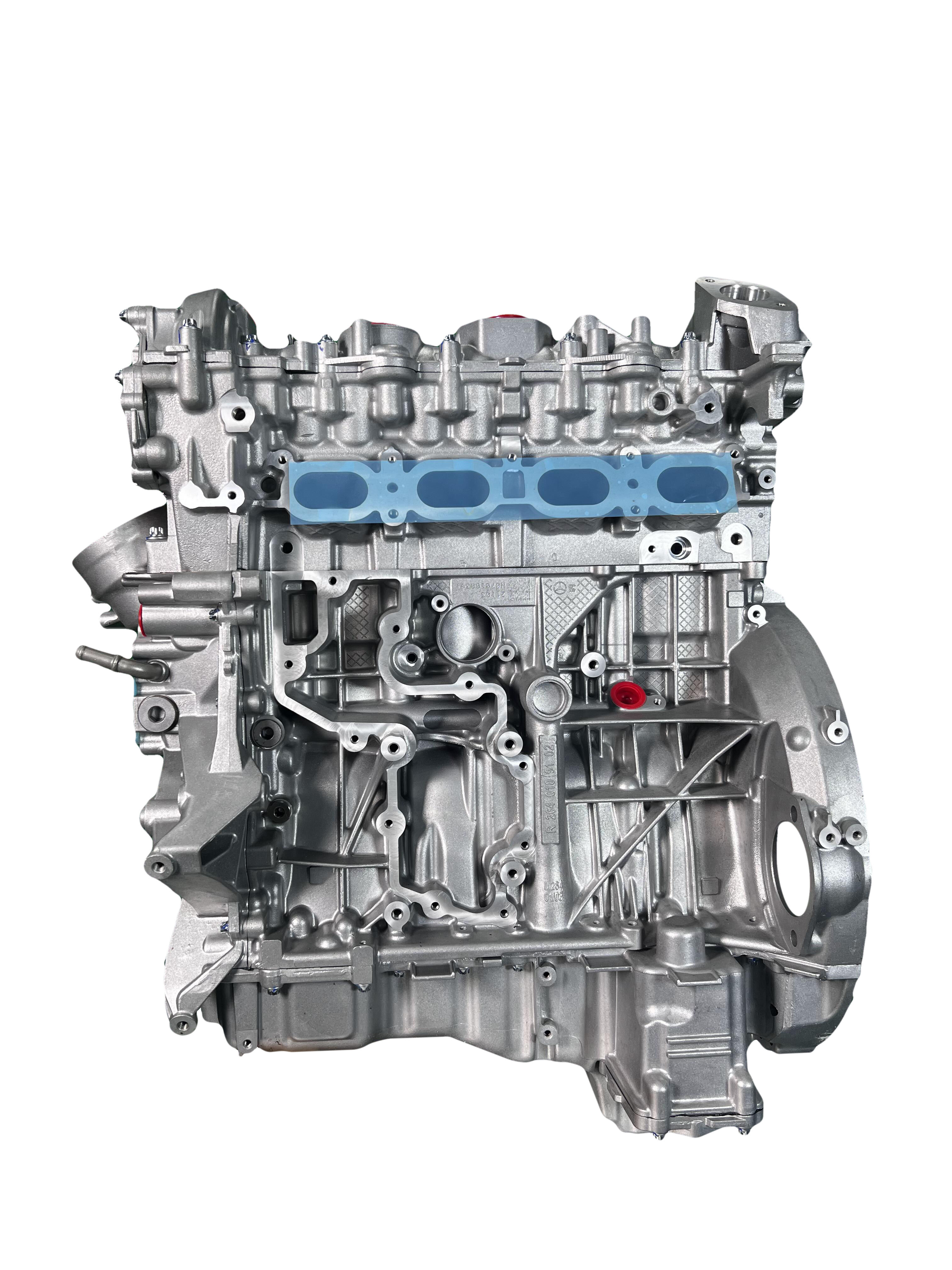
Energy Efficiency Gains in Engine Remanufacturing
Quantified Energy Reduction Compared to New Engine Manufacturing
Remaking engines instead of building them from scratch saves a ton of energy compared to making brand new ones. The EPA actually puts this at around 85% less energy needed overall. Why? Because we skip all those energy hungry steps like digging up raw materials and going through the whole smelting and casting process. Take diesel engines as an example. To rebuild one takes about 1,000 kilowatt hours worth of power. But if they were made completely new, that jumps way up to over 5,000 kWh. And each rebuilt engine saves roughly 1,500 pounds of steel too. Now imagine what happens when the whole industry does this across the board. These kinds of savings mean we're keeping carbon dioxide out of the atmosphere equal to what would be needed to power close to 1.2 million homes every year. That's pretty significant when you think about it.
Labor and Resource Input Savings in the Remanufacturing Process
By working with what's already there instead of constantly getting new stuff, this method gets way better at using resources. Techs spend their time carefully fixing up old parts rather than doing all that energy-draining foundry work. And guess what? The whole supply chain shortens by about 40% when compared to making something brand new from scratch. Around 85 percent of an engine's weight ends up being put back into service after repair work, which means we don't need as much aluminum, copper or those tricky rare earth metals anymore. Plus, everything takes half the time it would normally take to produce. What makes this system so good is that it basically stops the need for mining operations, cuts down on all sorts of waste during processing, and keeps all that energy that was already invested in the original materials intact.
Emissions Reduction and Waste Avoidance Through Remanufacturing
CO2, VOCs, and Fossil-Fuel-Derived Emissions Prevented per Remanufactured Engine
When it comes to cutting down on carbon dioxide emissions, remanufacturing really makes a difference. We're talking about reductions of around 80% per unit when compared to making brand new engines. Each remanufactured engine prevents roughly 1.2 tons worth of CO2 equivalents from entering the atmosphere, which is basically the same as not driving a regular passenger vehicle for about 3,000 miles in a year. The main reason behind these impressive numbers lies in skipping all those energy hungry steps at the beginning of the process. Think about it this way: no need to dig up raw materials, refine ores, or melt metals from scratch. And there's another bonus too. The amount of volatile organic compounds and emissions coming from fossil fuels drops off quite a bit during remanufacturing. These kinds of improvements actually match up pretty well with what the Environmental Protection Agency has set as standards for reducing carbon footprints across industries.
Landfill Diversion and Air Pollution Mitigation from Reduced Manufacturing
When companies reuse cores and restore parts rather than building everything new, they keep a ton of waste out of landfills for each engine processed. We're talking about cutting down on around 60% of metal scraps, roughly 85% of chemicals used in foundries, and about three quarters of all packaging materials normally created when making something fresh. According to research published last year in the Environmental Impact Assessment Review, this approach uses only 40% of the energy needed for brand new manufacturing processes. That means fewer emissions coming from power plants, less particulate matter floating around, reduced spread of heavy metals into the environment, and significantly lower levels of substances that contribute to acid rain formation. What does this actually mean? Cleaner air for communities near these facilities and better preservation of our limited natural resources over time.
Life Cycle Assessment and Circular Economy Alignment
Peer-Reviewed LCA Evidence Supporting Remanufacturing Sustainability Claims
Life cycle assessments (LCAs) form the backbone of what we know about remanufacturing's environmental benefits. Recent studies looking at diesel engines showed some pretty impressive numbers too. When researchers compared different production approaches, they discovered remanufactured parts cut down on total energy use by around two thirds. Greenhouse gases dropped nearly 60 percent as well across all stages from mining raw materials to final assembly. These findings show why many companies stick with their original equipment specs during remanufacture processes. Not only does this approach keep performance consistent, it also stops valuable resources from disappearing forever. And let's face it, having solid data behind these claims helps combat those pesky accusations of just talking green without walking the walk.
How Remanufacturing Advances Circular Economy Principles in Automotive Supply Chains
When we talk about engine remanufacturing, what we're really describing is a process that fits right into the circular economy model. Instead of scrapping old engines and losing all their value, this approach takes worn out units and turns them back into performing machines without compromising material quality. Recycling often leads to lower grade materials, but remanufacturing keeps intact the original energy investments, engineering precision, and manufacturing work that went into creating those engines initially. For car manufacturers and suppliers, there are real advantages here. They cut down on needing new raw materials, which helps local economies since more jobs get created in areas like engine testing and component refurbishment. Plus, these operations create what many call closed loop systems where waste gets minimized. What makes this particularly interesting is how it manages to grow business while actually reducing environmental impact over time, something that traditional manufacturing models struggle with throughout an engine's lifespan.
Barriers and Opportunities for Scaling Sustainable Remanufacturing
Engine remanufacturing definitely helps the environment, but getting it scaled up remains tricky for several reasons. Many people still think remanufactured parts aren't as good as new ones, regulations differ wildly between different areas, and collecting old engine cores just isn't efficient enough yet. To fix this mess, manufacturers need to invest more in automated systems and artificial intelligence that can make their processes more consistent. They also have to educate consumers better about what certification actually means when it comes to remanufactured engines. Governments could help too with policies like EPR programs where companies take responsibility for their products at end of life, plus requirements about how much recycled material must go into new products. With waste targets becoming stricter worldwide, materials getting pricier all the time, and environmental laws getting tougher day by day, there's no question remanufacturing will move from being something only a few do to becoming standard practice across the auto industry. This shift would not only cut down on waste but also make our car manufacturing system way more resilient against supply chain shocks.
Ready to Embrace Sustainable, Cost-Effective Engine Solutions?
Engine remanufacturing is the cornerstone of a low-carbon, circular automotive future—no other powertrain solution delivers the same combination of OEM-matching performance, 30–50% cost savings, and 80% lifecycle carbon emissions reduction. By choosing remanufactured engines, you reduce your environmental footprint, cut long-term ownership costs, and support a more resilient, sustainable automotive supply chain.
For ISO 9001-certified remanufactured engines that deliver verified sustainability gains without compromising on performance or reliability (as offered by Oruide), partner with a provider rooted in 15+ years of circular economy expertise. Oruide’s global remanufacturing network spans 400+ validated engine models, with a closed-loop core return program and industry-leading material recovery rates. Contact us today for a no-obligation consultation to learn how our remanufactured engine solutions can align with your sustainability and operational goals.