 EN
EN

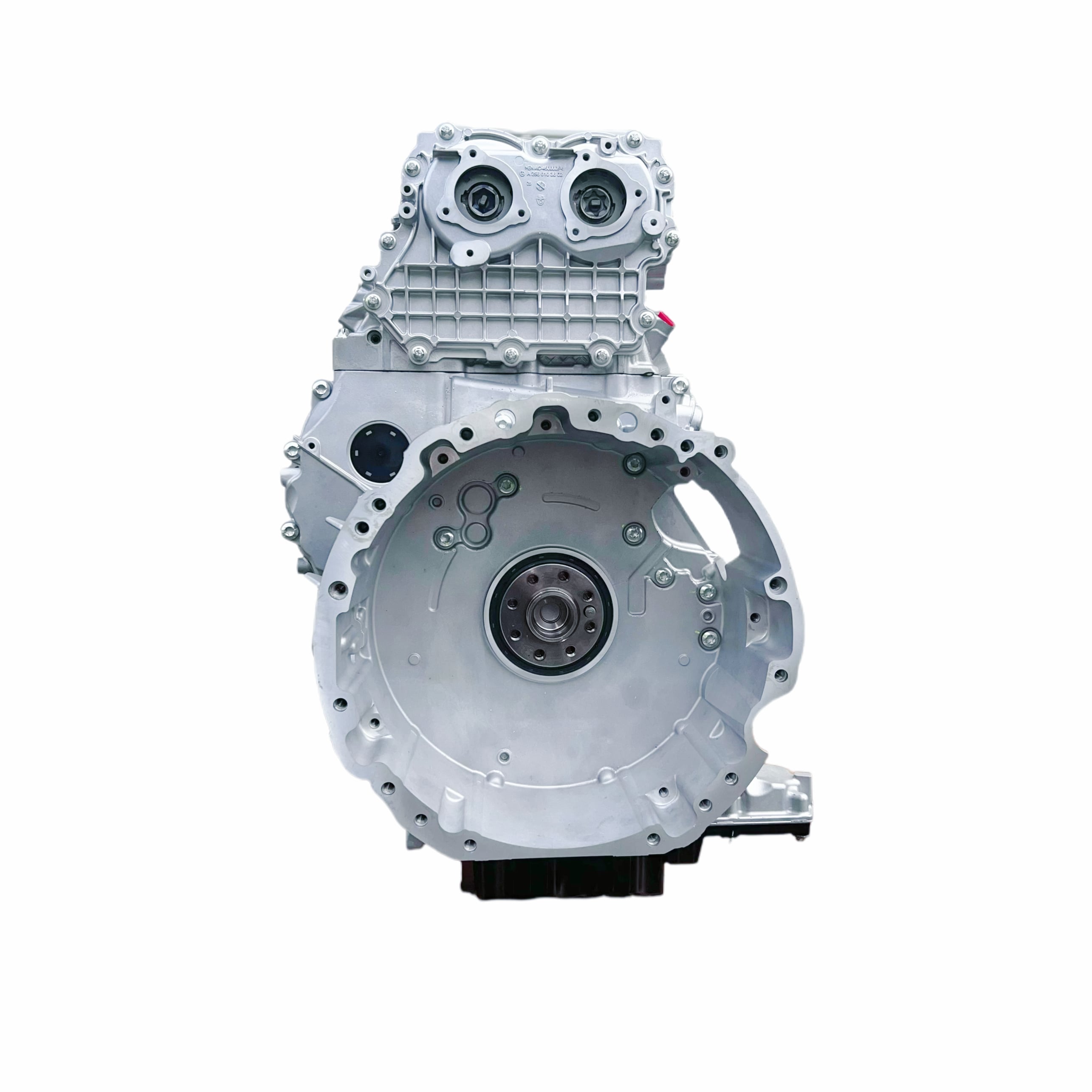
При пошуку замінних силових агрегатів для транспортних засобів Stellantis розуміння газ сумісності двигунів є першим критичним кроком. Stellantis керує широким портфоліо брендів, і кожна платформа вимагає точних специфікацій газових двигунів, які відповідають оригінальним заводським стандартам. Вибір газового двигуна, що відповідає критеріям OEM, означає менше ускладнень під час встановлення, краще виконання вимог щодо викидів шкідливих речовин та довший термін експлуатації транспортного засобу.
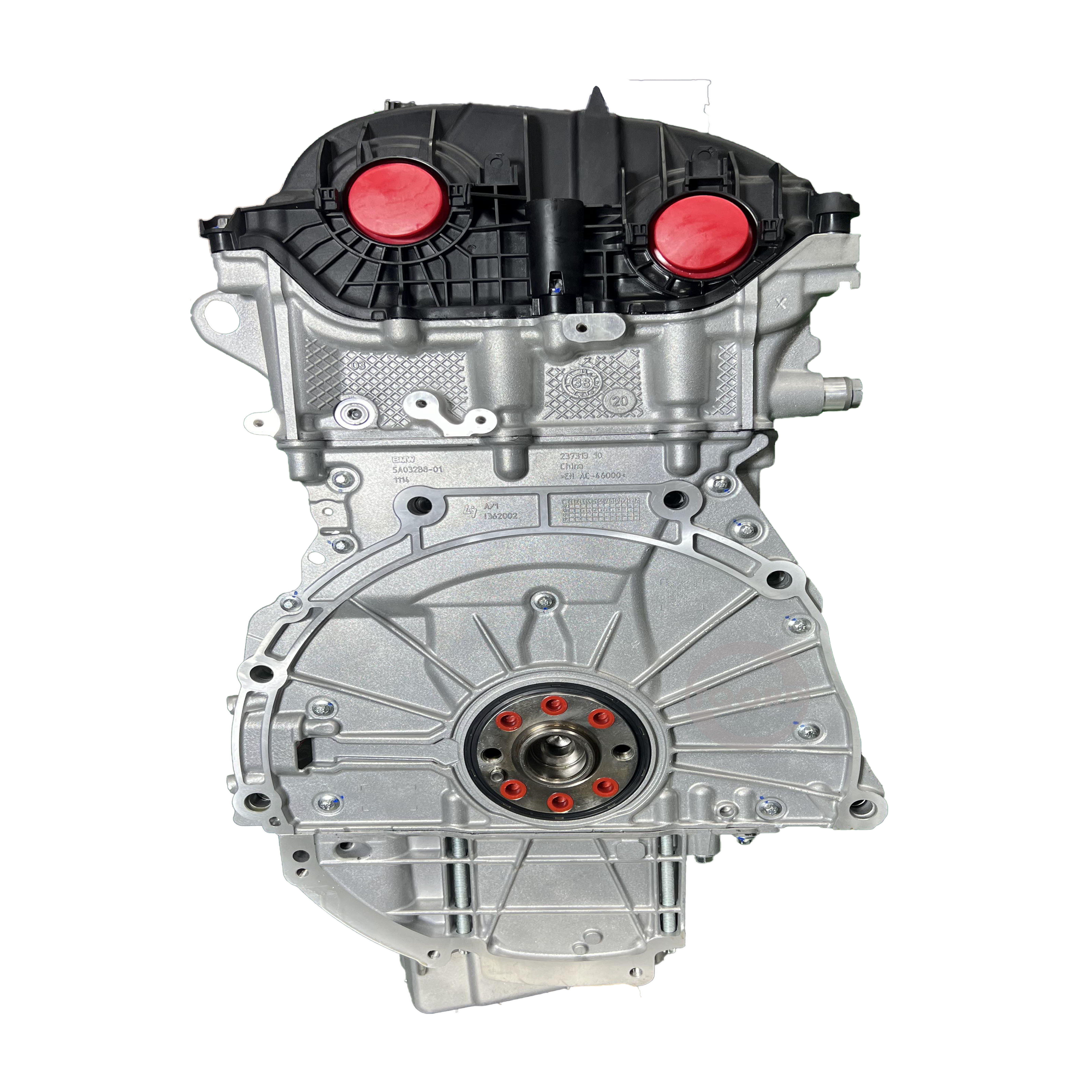
Oruide побудувала свою газ програма відновлення двигунів, спеціально розроблена для вирішення саме цієї проблеми. Шляхом інженерного проектування кожного газового двигуна з урахуванням його розмірних, механічних та емісійних характеристик, визначених оригінальними кресленнями газових двигунів Stellantis, компанія Oruide забезпечує надійний шлях для операторів автопарків, незалежних ремонтних майстерень та імпортерів транспортних засобів, яким потрібні перевірені замінні газові двигуни без преміального кошту нових оригінальних запчастин від виробника. У цій статті розглядається, як Oruide досягає сумісності з газовими двигунами, чому це має значення для платформ Stellantis та що повинні знати покупці перед вибором газового двигуна для свого застосування.
Стандарти сумісності з ОЕМ для газових двигунів
Що насправді означає сумісність з ОЕМ для газових двигунів
Сумісність з оригінальним обладнанням (OEM) для газового двигуна означає не лише те, що газовий агрегат фізично поміщається в моторному відсіку. Це означає, що газовий двигун відтворює криву крутного моменту, робочий об’єм, характеристики газового потоку, геометрію кріплення та точки інтерфейсу датчиків, які були передбачені при проектуванні оригінального газового двигуна Stellantis. Якщо газовий двигун не відповідає хоча б одному з цих параметрів, система управління газовим паливом у транспортному засобі виявляє невідповідність, що призводить до виникнення кодів несправностей або зниження ефективності згоряння газу. Oruide враховує всі ці фактори газової сумісності за допомогою структурованого процес відновлення підходу, який починається з газових двигунів базової комплектації OEM.
Для моделей Stellantis, таких як ті, що випускаються під торговими марками Jeep, Dodge, Ram, Chrysler, Alfa Romeo та Fiat, характеристики бензинових двигунів значно відрізняються залежно від платформи. Бензиновий двигун, призначений для компактної платформи Fiat, відрізняється від бензинового двигуна, використовуваного в позашляховиках Ram. Oruide каталогізує ці різновиди бензинових двигунів і застосовує протоколи відновлення, спеціально розроблені для кожної моделі, забезпечуючи точне відповідність кожного відновленого бензинового двигуна технічним характеристикам конкретної лінійки автомобілів.
Вибір базової одиниці та перевірка бензинового двигуна
Процес перевірки сумісності газових двигунів у Oruide починається на етапі первинного огляду. Кожний вихідний блок газового двигуна оцінюється за оригінальним кресленням газового двигуна з метою перевірки цілісності блоку циліндрів, стану робочої поверхні циліндрів та правильності розташування газових отворів. Блоки, що демонструють знос, пов’язаний із роботою на газі, за межами припустимих допусків, відхиляються до початку процесу ремануфактури. Цей етап попереднього відбору блоків газових двигунів є ключовим фактором, що відрізняє правильно ремануфактурований газовий двигун від простого капітального ремонту газового двигуна, який може мати приховані дефекти, що погіршують його довгострокову роботу на газі.
Процес ремануфактури газових двигунів Stellantis
Точне механічне оброблення та відновлення газового потоку
Після того як прийнятне ядро газового двигуна проходить перевірку, газовий двигун надходить на етап прецизійної обробки. Циліндрові отвори повторно хонуються з дотриманням заводських допусків для газових двигунів, колінчасті валі реглубуються, а поверхні впуску та випуску газу шліфуються заново, щоб відповідати оригінальним специфікаціям газового потоку. Ця обробка відновлює здатність газового двигуна керувати тиском газового згоряння та подачею газової суміші на рівні, який очікується платформою Stellantis. Без цього критичного для газових двигунів етапу обробки відновлений газовий двигун працюватиме непослідовно й не пройде випробування на викиди в регульованих ринках.
Oruide використовує прокладки, ущільнення та підшипники для газових двигунів, що відповідають специфікаціям OEM, у процесі збирання кожного газового агрегату. Ці компоненти газових двигунів не є універсальними запчастинами вторинного ринку. Їх постачання здійснюється з метою відповідності вимогам до матеріалів та розмірів, які пред'являлися до оригінальної збірки газових двигунів Stellantis. Використання правильних ущільнень для газових двигунів і підшипників, розрахованих на роботу з газом, забезпечує належне утримання тиску газового згоряння та герметизацію масляних каналів газового двигуна від забруднення газом, що проривається.
Випробування газових двигунів перед поставкою
Перед тим як будь-який газовий двигун залишає виробничі потужності Oruide, він проходить цикл гарячого тестування, що імітує реальні умови експлуатації газових двигунів. Газовий двигун працює під навантаженням, а параметри згоряння газу — зокрема тиск газу, температура газу та стабільність газовидачі — перевіряються відповідно до технічного опису газових двигунів Stellantis OEM. Лише газові двигуни, які успішно пройшли цей тест на газову продуктивність, допускаються до відправки. Цей останній етап валідації газового двигуна надає покупцям впевненість у тому, що одиниця вже довела свою стабільність газовидачі до встановлення.
Практичні рекомендації щодо встановлення на газові платформи Stellantis
Відповідність кодів газових двигунів вимогам транспортного засобу
Кожен автомобіль Stellantis має ідентифікаційний код газового двигуна, який відповідає певному об’єму робочого циліндра, ступеню стиснення газу та конфігурації системи подачі газового палива. Покупці, які замовляють замінний газовий двигун, повинні зіставити цей код газового двигуна з базою сумісності Oruide, щоб забезпечити вибір правильного газового агрегату. Замовлення неправильної конфігурації газового двигуна, навіть якщо об’єм робочого циліндра здається схожим, може призвести до несумісності газової системи, що вплине на відповідність нормам викидів газу, економію газового палива та експлуатаційні характеристики автомобіля на газі. Технічна команда Oruide допомагає покупцям перевірити правильність підбору газового двигуна до підтвердження замовлення.
Особливості встановлення відновлених газових двигунів
Встановлення відновленого газового двигуна в транспортний засіб Stellantis виконується за тими самими процедурами, що й встановлення нового газового двигуна з заводу. Монтажні кріплення газового двигуна, з’єднання системи охолодження газу, інтерфейси газової паливної рейки та точки підключення жгута газових датчиків повністю відповідають специфікаціям оригінального обладнання (OEM) при використанні газового двигуна Oruide. Перед завершенням встановлення газового двигуна техніки повинні перевірити систему охолодження газу, систему подачі газового палива та компоненти газової вихлопної системи на наявність зносу. Чисте середовище газової системи забезпечує досягнення відновленим газовим двигуном розрахункового терміну служби без передчасних газ-пов’язаних відмов.
Часті запитання
Які моделі Stellantis підтримуються газовими двигунами Oruide?
Oruide підтримує широкий спектр платформ Stellantis, що потребують заміни бензинових двигунів, у тому числі моделі Jeep, Dodge, Ram, Chrysler, Fiat та Alfa Romeo. Кожен бензиновий двигун каталогізується за моделлю, кодом бензинового двигуна та об’ємом циліндрів, щоб забезпечити правильне підбір бензинового агрегату до конкретного транспортного засобу. Покупці повинні надати номер ідентифікації транспортного засобу (VIN) та код бензинового двигуна при запиті підтвердження встановлення бензинового двигуна в команду Oruide.
Як порівняти відновлений бензиновий двигун із новим оригінальним бензиновим агрегатом виробника?
Правильно відновлений газовий двигун від Oruide відновлюється до оригінальних заводських газових специфікацій за допомогою точного механічного оброблення та компонентів газових двигунів класу OEM. Газовий двигун відповідає тим самим стандартам газової продуктивності та газових викидів, що й оригінальний заводський газовий блок. Хоча новий OEM-газовий двигун виготовлюється повністю з нових деталей, відновлений газовий двигун забезпечує еквівалентну газову функціональність за значно нижчу ціну, що робить його практичним рішенням для газових двигунів у парку транспортних засобів та ремонтних операцій із обмеженим бюджетом.
Чи надає Oruide гарантійне покриття на свої газові двигуни?
Так, Oruide надає гарантійне покриття на свої відновлені газові двигуни, яке охоплює дефекти, пов’язані з газом, у матеріалах та виконанні за умов нормальної експлуатації газового двигуна. Умови гарантії на кожен газовий двигун визначаються під час покупки й застосовуються до відмов газових двигунів, спричинених процесом відновлення, а не зовнішніми пошкодженнями газової системи чи неправильним монтажем газового двигуна. Покупцям рекомендується ознайомитися з умовами гарантії на газові двигуни з командою з продажів Oruide до остаточного оформлення замовлення на газові двигуни.